Christmas Ornament Trivia From Past to Present
Out comes the storage each winter, tucked in thin paper and yellowed news scraps. A few decorations spark memories of shop visits.
Many predate your own life by decades. Every piece holds meaning – one ties to childhood, another to rituals long before your time.
Tracing these trinkets leads into 1800s Germany, then across oceans to parlor shelves under gaslight, later settling onto stands beside couches and lamps. Strange little details tag along, bits lost and rediscovered.
The Germans Started It All

Germany gets credit for the first decorated Christmas trees, dating back to the 16th century. But those early trees looked nothing like what you’d recognize today.
Families hung apples, nuts, and small pastries from the branches. The apples represented the Garden of Eden—a nod to Adam and Eve, whose feast day fell on December 24th in the medieval church calendar.
Paper roses sometimes appeared too, symbolizing the Virgin Mary. No glass, no lights, no tinsel.
Just edible decorations that doubled as treats for children brave enough to climb up and grab them.
Blown Glass Changed Everything

The town of Lauscha in Germany became the birthplace of glass ornaments in 1847 when Hans Greiner began producing ornaments in the shape of fruits and nuts. Local glassblowers had been making glass beads and scientific equipment for years.
When demand for traditional goods dropped, they pivoted to something new: small glass spheres blown thin enough to hang from tree branches. The process required incredible skill.
Workers heated glass tubes over open flames, blew them into molds, and coated the insides with a silver nitrate solution to create that mirror-like shine. A single glassblower could produce hundreds of ornaments in a day.
Queen Victoria Made Trees Fashionable
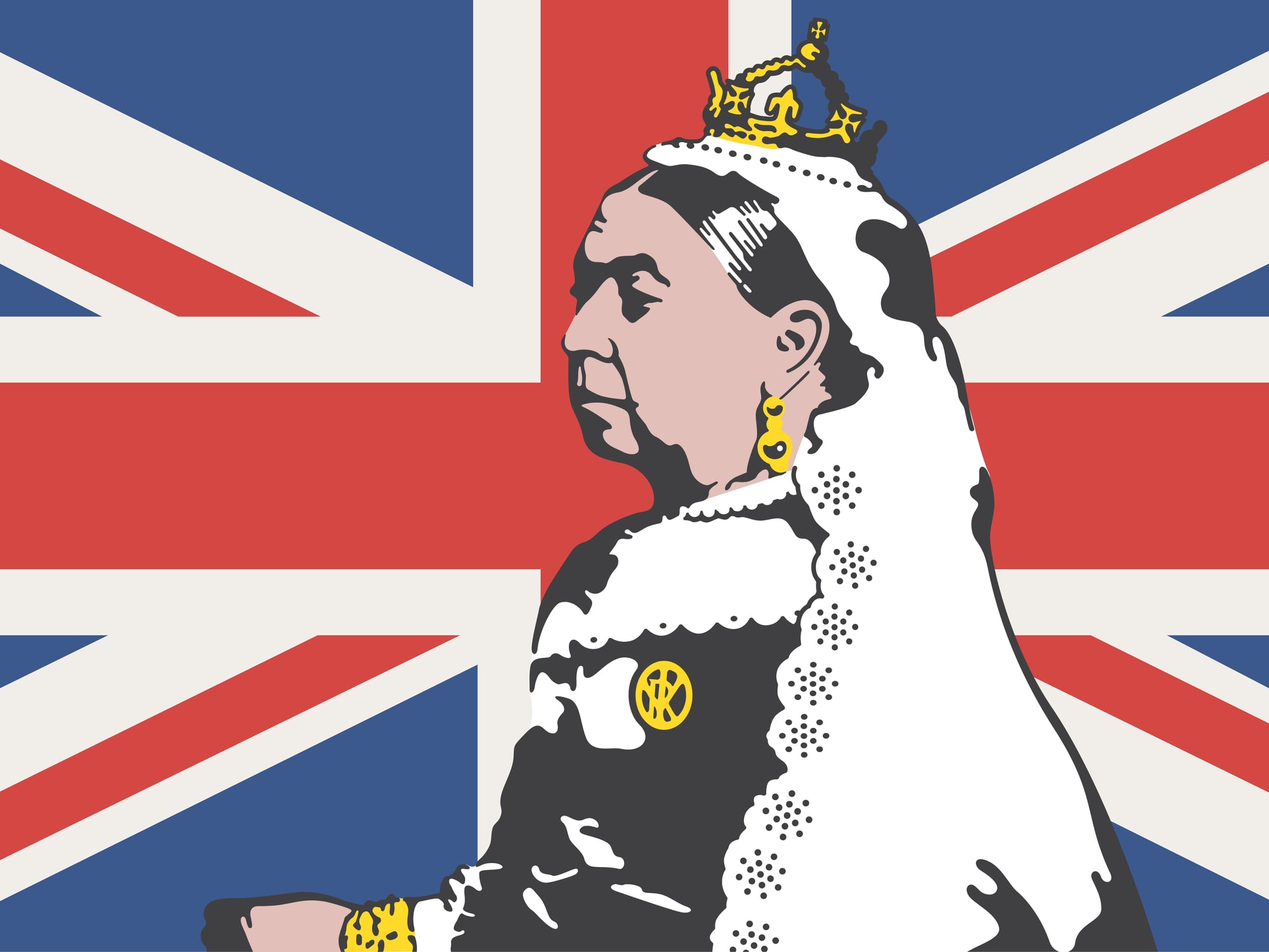
Christmas trees existed in England before Queen Victoria, but they weren’t mainstream. That changed in 1848 when the Illustrated London News published a drawing of the royal family gathered around a decorated tree at Windsor Castle.
Victoria’s husband, Prince Albert, had grown up with the German tradition and brought it to the British court. The image went viral—by Victorian standards anyway—and middle-class families across England rushed to copy the royal style.
Within a decade, no proper English home would be without a Christmas tree.
Woolworth’s Made Ornaments Affordable

F.W. Woolworth took a gamble in 1880 when he stocked German glass ornaments in his five-and-dime stores. The first shipment sold out in two days.
By 1890, Woolworth was importing over 200,000 ornaments annually. What had been a luxury item for wealthy families suddenly became accessible to everyone.
The price point mattered. At a few cents per ornament, working-class families could finally afford to decorate their trees with glass instead of making do with homemade paper chains and popcorn strings.
Tinsel Has a Complicated History

Modern tinsel was invented in Nuremberg, Germany, around 1610, originally made from shredded silver. Only the wealthy could afford it.
The silver looked beautiful but tarnished quickly, especially near candle flames. Manufacturers later experimented with cheaper metals like tin, lead, and aluminum.
Lead foil became popular in the early 20th century because it hung beautifully and stayed shiny. But lead poses serious health risks.
The U.S. Food and Drug Administration worked with manufacturers to discontinue lead tinsel production by 1972. The plastic versions that replaced it never hung quite right.
They bunched and clumped instead of flowing smoothly over branches. Many families gave up on tinsel entirely.
The First Electric Christmas Lights Almost Didn’t Happen

Before electric lights, families used actual candles on their trees. This went about as well as you’d expect.
House fires were common during the holiday season. Edward Johnson, an associate of Thomas Edison, created the first string of electric Christmas lights in 1882.
He hand-wired 80 red, white, and blue bulbs and wrapped them around a tree in his New York City home. Newspapers reported on the spectacle, but most dismissed it as a publicity stunt.
Electric lights didn’t become widely available until the 1920s, and even then, they cost more than an average week’s wages.
Kugels Were the Original Glass Ornaments

Before the thin, lightweight ornaments you see today, there were kugels—heavy glass spheres with thick walls and brass caps. The name comes from the German word for “sphere.”
Kugels originated in the 1820s and 1830s, with the first commercially produced kugel appearing in 1848. They came in deep jewel tones: cobalt blue, ruby red, forest green.
Their weight made the larger ones impractical for tree branches—many were hung from ceilings instead. Smaller kugels eventually made their way onto trees in shapes like grapes, berries, and apples.
Authentic antique kugels now sell for hundreds of dollars to collectors.
America’s Ornament Industry Started Before World War II

The threat of World War II cutting off German imports pushed American entrepreneurs to act. Max Eckardt, a German immigrant who had been importing ornaments since around 1907, founded the Shiny Brite company in 1937.
He partnered with Corning Glass Works to mass-produce ornaments in the United States. Corning modified machines designed to make light bulbs to instead blow glass ornament bulbs.
In December 1939, the first machine-made batch shipped to Woolworth’s stores. When the war actually disrupted supplies, Shiny Brite ramped up production.
Wartime shortages forced adaptations: metal caps became cardboard, silver coatings disappeared, and pastel stripes replaced metallic paint. The distinctive colors and patterns of mid-century Shiny Brite ornaments remain highly collectible today.
Pickle Ornaments Are Probably Not German

The “Christmas pickle” tradition supposedly involves hiding a glass pickle ornament deep in the tree. The first child to find it on Christmas morning receives an extra gift or good luck for the coming year.
Retailers have marketed this as an old German custom for decades. There’s just one problem: most Germans have never heard of it.
A YouGov survey found that 91% of Germans polled were unaware of the legend. The likely explanation?
American ornament importers invented the story in the 1890s to help sell the less popular vegetable-shaped ornaments imported from Germany.
Hallmark Started the Keepsake Craze

Hallmark released its first line of Keepsake Ornaments in 1973. The initial collection featured six glass ornaments and 12 yarn figures.
The company tested the market in 1972 with four glass designs, and they flew off the shelves. Collectors immediately started buying complete sets, storing them carefully, and hunting down rare pieces.
Hallmark responded by releasing limited editions, artist series, and licensed ornaments featuring popular characters. The secondary market exploded.
Some early Keepsake Ornaments now sell for hundreds of dollars, with particularly rare pieces commanding even higher prices.
Space-Age Materials Arrived in the 1960s
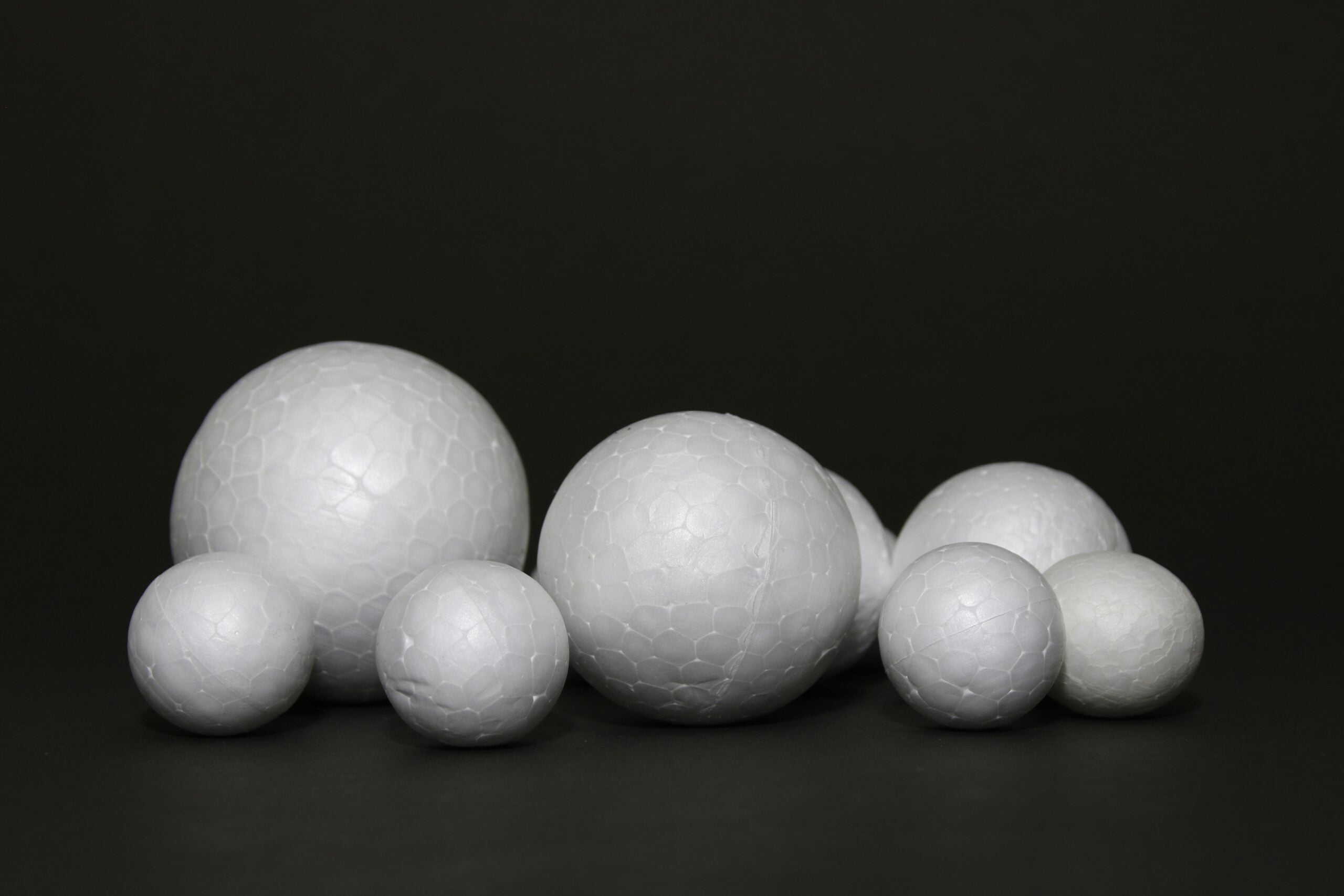
The mid-20th century brought new materials to ornament manufacturing. Styrofoam spheres covered in glitter.
Plastic icicles that looked nothing like real ice. Aluminum trees that required rotating color wheels because the metallic branches couldn’t hold lights safely.
These materials were cheap, durable, and distinctly modern. They also divided families.
Some embraced the space-age aesthetic. Others clung to traditional glass and refused to acknowledge the aluminum monstrosities their neighbors displayed in picture windows.
Handmade Ornaments Never Disappeared

Despite mass production, handmade ornaments persisted throughout the 20th century. The Great Depression forced families back to basics—popcorn strings, paper chains, and ornaments cut from old Christmas cards.
The 1970s craft revival brought macramé and crochet ornaments. School art projects produced popsicle stick creations and salt dough shapes painted in primary colors.
These homemade pieces often hold more sentimental value than expensive store-bought ornaments. They mark specific years, specific ages, specific moments in a family’s history.
Personalization Became Big Business

The 1990s saw a boom in personalized ornaments. Names written in glitter.
Photo frames shaped like snowflakes. “Baby’s First Christmas” ornaments with dates carefully recorded.
Companies set up kiosks in shopping malls where customers could watch their names being painted onto glass globes. The personalization trend continues today with laser engraving and digital printing offering endless customization options.
An ornament with a name on it becomes irreplaceable in a way that a generic piece never can.
Vintage Ornaments Command Serious Money

The market for antique and vintage Christmas ornaments has grown into a multimillion-dollar industry. Early Lauscha glass ornaments from the 1800s fetch premium prices at auction.
Rare Shiny Brite pieces from the 1940s attract dedicated collectors. Even ornaments from the 1970s and 1980s have developed followings among nostalgic buyers.
Condition matters enormously. A chip, a faded spot, or a missing cap can drop the value significantly.
Serious collectors store their pieces in climate-controlled spaces year-round.
The Tradition Keeps Evolving

New ornament styles emerge every year. Pop culture references arrive within months of a movie release.
3D printing allows for custom designs impossible with traditional manufacturing. Smart ornaments connect to apps and play music or change colors on command.
But the basic appeal remains unchanged: hanging something beautiful on a tree to mark the season. The materials evolve, the styles shift, and the technology advances.
The ritual stays the same.
What Hangs on Your Tree

Each set of decorations holds memories. That worn glass orb from your earliest home.
A lopsided reindeer was made in school long ago. Then there is the delicate piece passed down, kept safe where paws won’t wander near.
A few folks like everything matching, picked out with care. Still others go wild, tossing together old and new, fancy and plain, all over the place.
One way isn’t better than the other. What matters is that the tree carries moments, just like baubles.
Over time, each little thing adds up, season after season.
More from Go2Tutors!

- The Romanov Crown Jewels and Their Tragic Fate
- 13 Historical Mysteries That Science Still Can’t Solve
- Famous Hoaxes That Fooled the World for Years
- 15 Child Stars with Tragic Adult Lives
- 16 Famous Jewelry Pieces in History
Like Go2Tutors’s content? Follow us on MSN.