15 Unusual Rules Royals Must Follow
Being born into or marrying into a royal family might seem like a dream come true with all the palaces, tiaras, and worldwide admiration. But beneath the glamour and pageantry lies a world governed by centuries-old traditions and protocols that would make the average person’s head spin.
From Japan to Monaco, Thailand to Morocco, royal families worldwide live by elaborate rulebooks that dictate almost every facet of their existence. Here is a list of 15 of the strangest rules that members of royal families around the world must follow, from dining etiquette to travel restrictions that will make you think twice about wishing for a crown.
No Shellfish Allowed

The British royals are forbidden from eating shellfish while dining in public or on official tours. This rule exists primarily as a precautionary measure against food poisoning that could disrupt carefully planned royal schedules.
Queen Elizabeth II strictly adhered to this rule throughout her reign, though younger royals occasionally bend this restriction when dining privately.
No Public Touching in Thailand

Members of Thailand’s royal family are protected by some of the world’s strictest lèse-majesté laws, making it illegal for anyone to touch them in public. Thai citizens are taught from childhood to keep a respectful distance from royal family members, with the traditional greeting being a deep bow with hands pressed together.
Foreign dignitaries have caused diplomatic incidents by forgetting this rule and attempting handshakes or casual touches with Thai royalty.
Like Go2Tutors’s content? Follow us on MSN.
Japanese Royals Can’t Keep Gifts

Personal presents given to members of Japan’s imperial family must be turned up to the Imperial Household Agency. Even birthday and wedding presents are inspected, with many never reaching the royal recipient’s hands if deemed improper or too valuable.
Unofficial presents from regular people are also subject to this stringent procedure; although they are usually accepted with a ceremonial thank-you message, the imperial family members themselves seldom ever keep them.
Moroccan Royals Must Decline Food Three Times

It is customary for members of Morocco’s royal family to decline food or beverages three times before accepting them. This tradition, which reflects the Islamic principle of moderation, is observed even at state dinners and diplomatic events.
Royal family members are only allowed to respectfully accept after the third offer. Therefore, dinner service at royal Moroccan events is a meticulously planned event.
Brunei’s Royal Children Must Marry Within Nobility
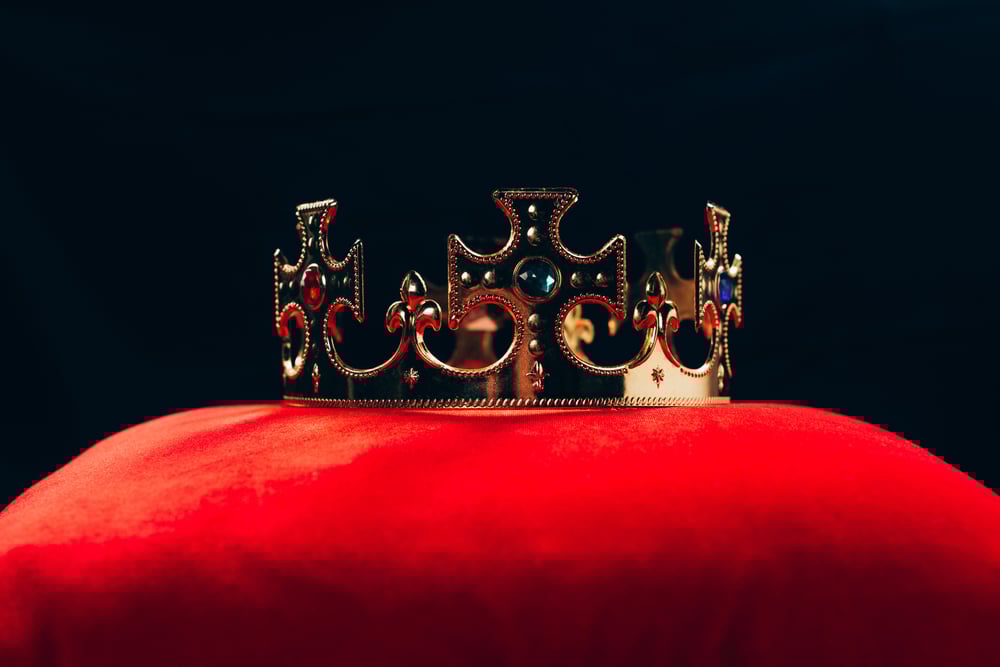
Children of the Sultan of Brunei are subject to stringent marriage regulations, which mandate that they marry into recognized aristocratic houses. Titles and exclusion from royal succession may follow marriages outside of these carefully chosen bloodlines.
Despite the enormous riches and privileges involved, this regulation has generated a great deal of controversy in recent decades, with some royal children losing their titles after marrying commoners.
Like Go2Tutors’s content? Follow us on MSN.
Swedish Royals Must Learn Multiple Languages

Members of Sweden’s royal family are required to become fluent in at least four languages as part of their royal education. From childhood, Swedish royals study Swedish, English, French, and German, with many adding additional languages later in life.
King Carl XVI Gustaf and Crown Princess Victoria are both known to speak six languages fluently, considering multilingualism an essential diplomatic tool for representing their nation globally.
Dutch Royals Pay Income Tax

Unlike many monarchies, the Netherlands requires its royal family members to pay income tax on their private assets. This unusual financial rule was implemented in the 1970s as part of modernizing the Dutch monarchy.
While their official allowances remain tax-exempt, any personal investments, inheritances, or business ventures are taxed at the same rates applied to ordinary Dutch citizens.
British Heirs Can’t Fly Together

Direct heirs to the British throne traditionally aren’t allowed to travel together on the same aircraft. This unusual rule exists purely as a precaution to protect the line of succession in case of an accident.
Prince William and Catherine have occasionally broken this protocol with their children, though they’ll likely adhere more strictly as Prince George gets older.
Like Go2Tutors’s content? Follow us on MSN.
Monaco’s Royals Must Approve Business Names

In Monaco, any business wishing to use the word ‘Monaco’ or references to the Grimaldi royal family must receive explicit permission from the palace. This surprising level of control extends even to merchandise featuring Monaco’s coat of arms or royal imagery.
The palace employs legal teams dedicated to enforcing these naming rights, with violations potentially resulting in substantial fines and mandatory business name changes.
Bhutanese Royals Must Retire at 65
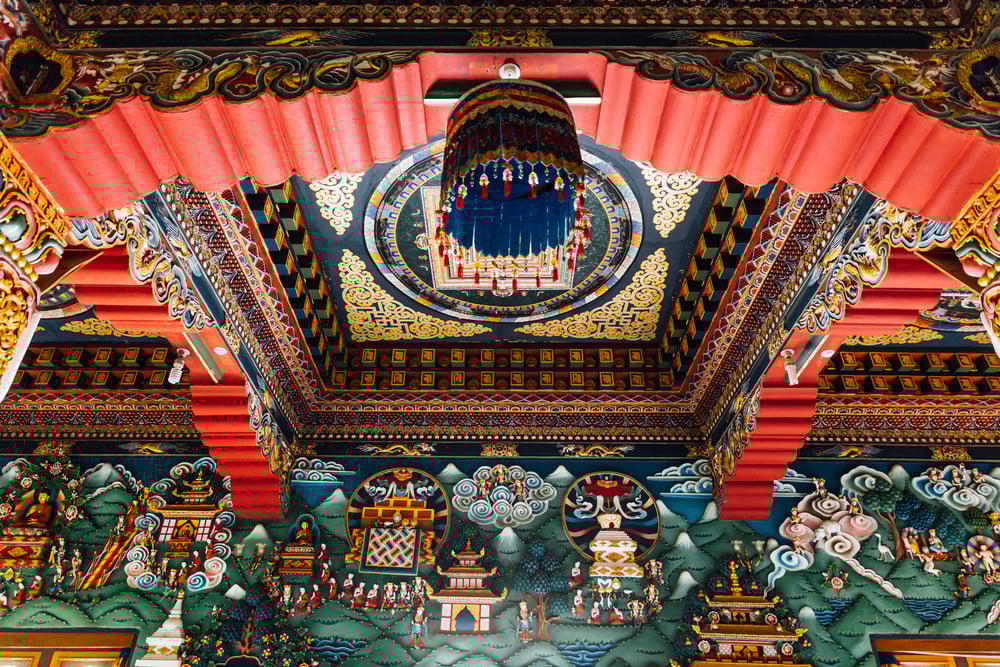
Bhutan’s constitution mandates that monarchs abdicate upon reaching age 65, regardless of their health or popularity. This automatic retirement age, implemented in 2008, makes Bhutan’s monarchy unique among world royalty.
The current king has embraced this rule, publicly preparing his son for eventual succession and reinforcing the kingdom’s commitment to peaceful transitions of power even within the monarchy.
Spanish Royals Must Weigh In Publicly

Spain’s royal family participates in a centuries-old Christmas tradition requiring them to be weighed publicly before and after holiday celebrations. This custom, dating back to the 18th century, was originally meant to prove that the monarchy provided abundant feasting for the court.
Today, the tradition continues with a ceremonial weighing that Spanish royals must participate in, showing they’ve properly enjoyed the festive season.
Like Go2Tutors’s content? Follow us on MSN.
Jordan’s Royal Women Must Seek Permission to Drive

Female members of Jordan’s royal family traditionally must request permission before driving vehicles outside palace grounds. While this rule has relaxed somewhat in recent years, formal protocol still requires notification to security teams and the king’s office before royal women drive themselves.
Queen Rania has worked to modernize this practice while respecting the security concerns that originally prompted it.
Norwegian Royals Must Attend Folk High School

Members of Norway’s royal family are required to attend folkehøgskole (folk high school) for at least one year as part of their education. These uniquely Scandinavian institutions focus on personal growth, cultural understanding, and Norwegian traditions rather than exams or degrees.
Crown Prince Haakon and Crown Princess Mette-Marit have both embraced this requirement, believing it connects the monarchy more deeply to average Norwegian citizens’ experiences.
Luxembourg Royals Must Learn Luxembourgish

The Grand Ducal Family of Luxembourg must master Luxembourgish, a language spoken by fewer than 400,000 people worldwide. Despite also speaking French, German, and English for diplomatic purposes, royal family members are expected to use the national language in official ceremonies and when addressing citizens.
Grand Duke Henri and his family frequently demonstrate their linguistic loyalty by delivering speeches in Luxembourgish first before switching to more internationally recognized languages.
Like Go2Tutors’s content? Follow us on MSN.
Malaysian Rotating Monarchy System
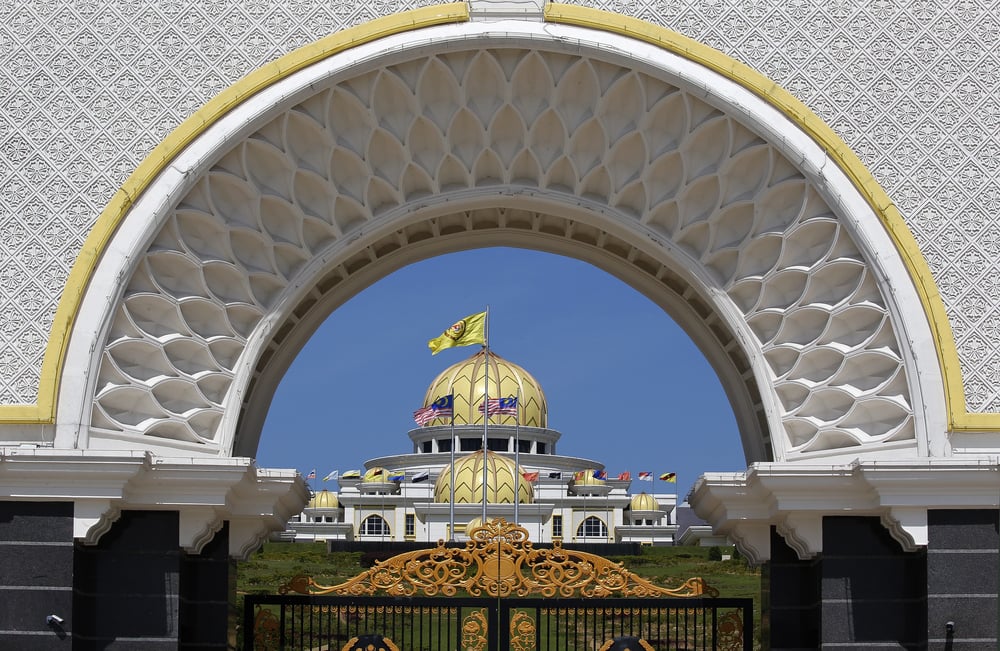
Malaysia’s monarchy operates under a unique rotation system where nine hereditary sultans take turns serving five-year terms as the country’s king. Each royal household must prepare for their sultan’s possible election to the throne by maintaining staff trained in federal protocols alongside state-level duties.
This rotating kingship creates an unusual situation where royal families must be ready to temporarily relocate to the national palace in Kuala Lumpur when their turn in the rotation arrives.
Global Crowns, Global Rules

The unusual protocols governing royal life reveal the delicate balance between tradition and modern existence across diverse cultures and continents. While these rules might seem excessively controlling to outsiders, they’ve evolved over centuries to protect both the institution of monarchy and the individuals who serve within it.
Many younger royals worldwide have begun gently pushing boundaries on minor restrictions, but the core protocols that define royal identity remain firmly in place.bFor the royals themselves, these rules aren’t just arbitrary restrictions but part of the responsibility that comes with their privileged positions.
While most of us might balk at someone telling us which languages to learn or whom we can marry, for royal family members around the globe, it’s simply part of the job description that comes with wearing a crown – whether in Europe, Asia, or beyond.
More from Go2Tutors!

- 18 Unexpectedly Valuable Collectibles You Might Have Lying Around
- 15 Things Every Teenager in the ’70s Did That Teens Today Wouldn’t Understand
- 15 Strange Things People Have Tried to Ban (And Failed)
- 15 Inventions That Were Immediately Banned After Being Created
- 20 Actors Who Were Almost Cast in Iconic Roles
Like Go2Tutors’s content? Follow us on MSN.