17 Obscure Holidays Celebrated Globally
Most people can name the big ones—Christmas, New Year’s, Thanksgiving. Those holidays dominate the calendar, shops start decorating months ahead, and everyone looks forward to a few days off.
But scattered across the world are countless other celebrations that rarely get the spotlight. Some have roots in ancient traditions, others sprang from spontaneous local customs, and a few exist because someone somewhere thought, why not?
These lesser-known occasions reveal the creative and sometimes hilarious ways people find reasons to celebrate. Below are 17 obscure holidays enjoyed in different corners of the world.
La Tomatina

Every August, the quiet town of Buñol in Spain transforms into a giant red battlefield. During La Tomatina, thousands of participants fill the streets armed with overripe tomatoes, tossing them at each other in a friendly but chaotic food fight that lasts about an hour and a half.
The exact origin is murky—some say it honored a local saint, others believe it began as an anti-religious protest—but today it’s purely about fun. Ironically, the tomato juice left behind actually helps clean the streets once it’s all over.
Setsubun

In Japan, Setsubun marks the start of spring, though it arrives in early February. Families celebrate by scattering roasted soybeans—called fukumame—inside and outside their homes to drive away evil spirits and invite good fortune.
The custom is centuries old and rooted in the belief that cleansing one’s space of negative energy ensures health and prosperity. Participants also eat one soybean for every year of their life, plus one extra for luck.
Like Go2Tutors’s content? Follow us on MSN.
Monkey Buffet Festival

Lopburi, Thailand, is famous for its mischievous monkeys—and once a year, the locals reward their primate neighbors with an enormous feast. Long tables are piled high with fruit, nuts, and even bottles of soda.
The Monkey Buffet Festival, which began in 1989, started as a way to keep the monkeys satisfied (and maybe less troublesome). Over time, it’s turned into a colorful tourist attraction and one of the quirkiest festivals in Asia.
International Talk Like a Pirate Day

Every September 19th, people around the globe unleash their inner buccaneers. Born as a private joke between friends, International Talk Like a Pirate Day became a worldwide phenomenon thanks to the internet.
For a day, everyday greetings become “Ahoy!” and “Aye aye, matey!”—and some workplaces even host pirate-themed parties. It’s absurd, lighthearted, and exactly what makes it fun.
Night of the Radishes

On December 23rd, Oaxaca, Mexico, hosts Noche de Rábanos, or Night of the Radishes. Farmers and artists carve oversized radishes into intricate scenes—religious stories, cultural icons, and local legends—then display them for judging.
The event dates back to the late 1800s when farmers began carving radishes to attract buyers at Christmas markets.Today, the creativity on display turns a simple root vegetable into an art form.
Like Go2Tutors’s content? Follow us on MSN.
World Nutella Day
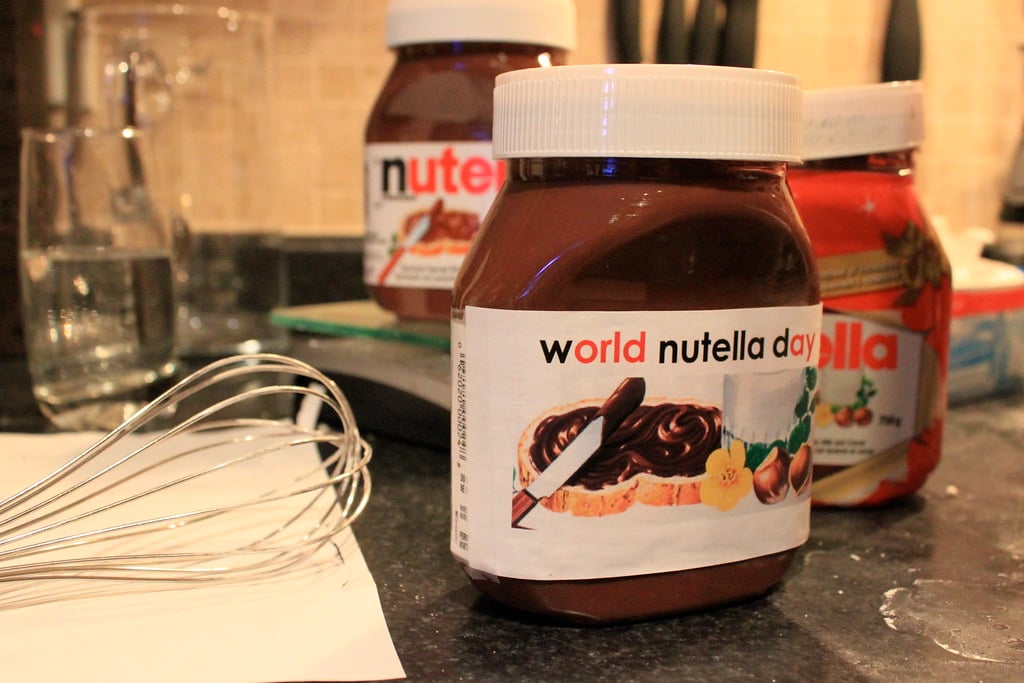
Nutella lovers unite every February 5th to honor the beloved chocolate-hazelnut spread. Fans share recipes, host themed gatherings, and flood social media with their best Nutella creations.
The celebration began as a fan initiative, not an official event by Ferrero (the brand behind Nutella), but it quickly grew into a worldwide phenomenon. Some people bake elaborate desserts—others simply grab a spoon and call it a day.
Inti Raymi
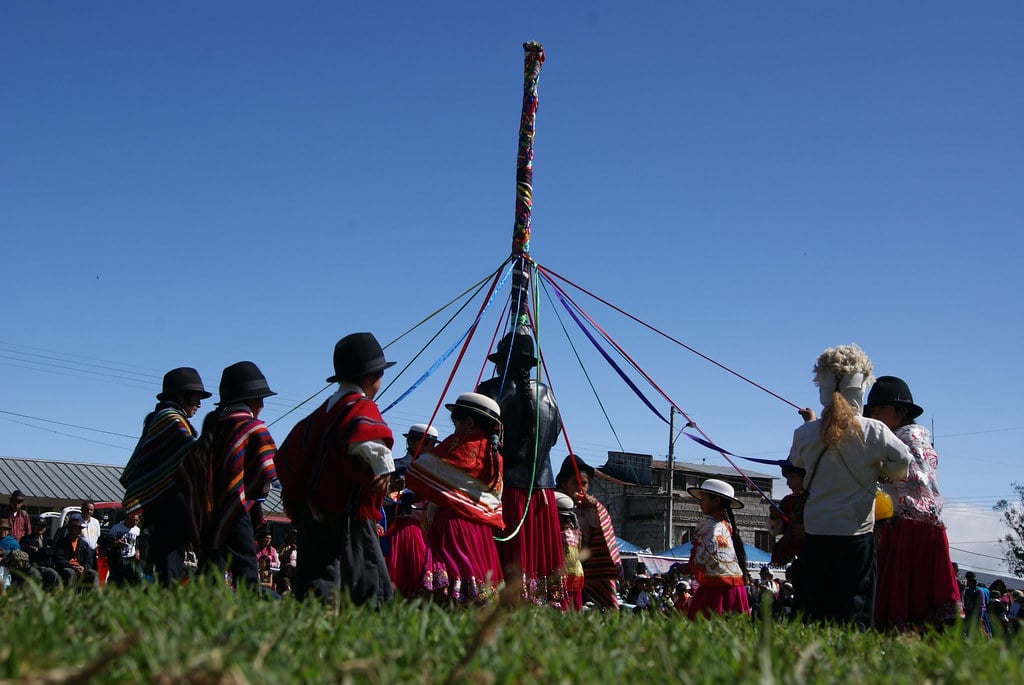
Each June 24th, Cusco, Peru, hosts Inti Raymi—the ancient Inca Festival of the Sun. Once the most sacred celebration of the Inca Empire, it honored the sun god Inti. The original ceremony lasted several days and involved fasting, ritual dancing, and offerings of corn and chicha (a fermented corn drink).
Today, the festival includes elaborate reenactments, music, and traditional costumes, keeping this vibrant piece of Andean culture alive.
National Spaghetti Day

January 4th is reserved for spaghetti—a simple but beloved comfort food. Across restaurants and kitchens, people share their favorite recipes, post mouthwatering photos online, and indulge in pasta-inspired menus.
The holiday pays tribute to the Italian staple that conquered the world. Italians, of course, might find the concept amusing; for them, every day is pasta day.
Like Go2Tutors’s content? Follow us on MSN.
Mountain Day

Japan officially added Mountain Day to its calendar in 2016 to encourage citizens to reconnect with nature. Observed on August 11th, it gives overworked office employees a rare excuse to trade desks for mountain trails.
The date itself has symbolic meaning: the number eight (八) resembles a mountain shape in Japanese, while the double ones suggest trees. Together, they form a fitting tribute to Japan’s stunning landscapes.
Bonza Bottler Day

In Australia, Bonza Bottler Day happens once a month—whenever the date matches the month, like 4/4 or 10/10. “Bonza” means great, and “bottler” means excellent, so the day is basically an excuse to celebrate something “really good.”
There are no rules or traditions—just a cheerful reminder to appreciate the small coincidences in life and maybe treat yourself to something nice.
World Mosquito Day

It might sound odd to celebrate mosquitoes, but August 20th is about awareness, not admiration. On this day in 1897, Sir Ronald Ross discovered that mosquitoes transmit malaria, a finding that revolutionized global health efforts.
Today, World Mosquito Day highlights the importance of research and prevention, reminding the world that these tiny insects still cause millions of deaths each year.
Like Go2Tutors’s content? Follow us on MSN.
Hug Your Cat Day

June 4th is a gentle reminder for cat owners to show their pets a little extra love—if the cats allow it. The day also promotes adoption and responsible pet ownership.
Even non-cat owners join in by visiting animal shelters or sharing cat photos online. Just don’t attempt to hug someone else’s cat without permission—you’ll probably regret it.
No Dirty Dishes Day

May 18th celebrates everyone’s secret wish: a day off from washing dishes. Some people go for takeout, others use paper plates, and a few simply skip cooking altogether.
The origin of this unofficial holiday is unclear, but whoever came up with it was definitely staring down a pile of unwashed pots at the time.
World UFO Day

July 2nd invites enthusiasts and skeptics alike to look up at the sky and wonder if we’re alone in the universe. The day commemorates famous UFO sightings and mysteries, sparking conversations about extraterrestrial life.
Gatherings, documentaries, and debates are common ways to celebrate—and interest keeps growing as more governments release declassified UFO reports.
Like Go2Tutors’s content? Follow us on MSN.
Zipper Day

April 29th recognizes one of the simplest but most useful inventions ever—the zipper. Swedish-American engineer Gideon Sundback patented the modern version in 1913, and it’s been part of daily life ever since.
Jackets, jeans, backpacks—most of us use zippers dozens of times a day without even thinking about it. Zipper Day is a small nod to the genius of everyday design.
World Party Day

April 3rd has one mission: to remind people to celebrate life. First observed in 1996, the day has no religious or historical roots—it’s just about joy and connection.
Whether through community events, music, or spontaneous gatherings, World Party Day encourages people to come together and find happiness in shared celebration.
The Feast of Anastenaria

Each May, in certain Greek and Bulgarian villages, locals honor Saints Constantine and Helen through a dramatic fire-walking ritual. Participants—often descendants of refugees who carried the tradition generations ago—walk barefoot over glowing coals while in a trance-like state.
It’s a blend of ancient pagan and Christian practices, symbolizing faith, endurance, and spiritual purification.
Like Go2Tutors’s content? Follow us on MSN.
From Ancient Rituals to Modern Quirks

These seventeen celebrations prove that humans can turn almost anything into a reason to gather. Some honor gods and ancestors, others emerged from humor or convenience—but all reflect our need for connection and meaning.
Whether we’re throwing tomatoes, carving radishes, or simply refusing to do the dishes, each of these holidays adds a little color to the calendar and reminds us that life’s too short not to celebrate something.
More from Go2Tutors!

- 16 Historical Figures Who Were Nothing Like You Think
- 12 Things Sold in the 80s That Are Now Illegal
- 15 VHS Tapes That Could Be Worth Thousands
- 17 Historical “What Ifs” That Would Have Changed Everything
- 18 TV Shows That Vanished Without a Finale
Like Go2Tutors’s content? Follow us on MSN.



