18 Times “Innovation” Backfired Spectacularly
Innovation drives progress. We celebrate the breakthroughs that change our lives for the better, but not every bright idea shines as intended.
Sometimes the road to innovation is paved with spectacular failures, embarrassing mishaps, and unintended consequences that nobody saw coming. Here is a list of 18 times when innovation took an unexpected turn for the worse, reminding us that even the most well-intentioned advancements can backfire in surprising ways.
Ford Edsel

Ford spent millions developing what they believed would be the car of the future in the 1950s. The Edsel flopped so dramatically that its name became synonymous with corporate failure.
Poor timing, confusing marketing, and an unappealing design combined to create one of the most expensive mistakes in automotive history.
Google Glass
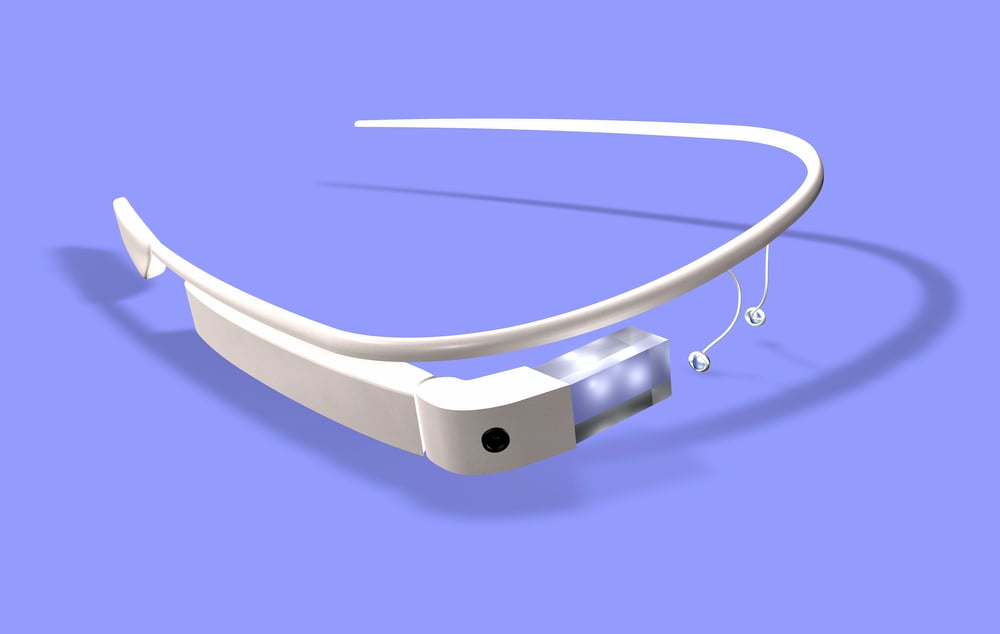
Released with much fanfare in 2013, Google Glass promised to revolutionize how we interact with technology. The wearable computer quickly earned wearers the unflattering nickname ‘Glassholes’ due to privacy concerns.
The $1,500 gadget became a symbol of tech elitism rather than innovation, and Google pulled it from consumer markets just two years after launch.
New Coke
In 1985, Coca-Cola decided to change its century-old formula to compete with Pepsi. The public reaction was swift and furious. Consumers hoarded cases of the original formula and formed protest groups demanding its return.
The company reversed course just 79 days later in what became a textbook case of ‘don’t fix what isn’t broken.’
Segway

Hyped as a device that would revolutionize transportation, the Segway was unveiled in 2001 after being developed in secrecy under the code name “Ginger.” The two-wheeled personal transporter was predicted to be more impactful than the internet.
Instead, it became limited to mall cops and tour groups, falling far short of changing how cities were designed as its creator envisioned.
Microsoft Zune

Microsoft’s attempt to challenge the iPod’s dominance resulted in the Zune, released in 2006. Despite some innovative features and a dedicated fan base, it never captured significant market share.
The brown color option became the butt of jokes, and Microsoft discontinued the product line in 2011, proving that even tech giants can misread consumer preferences.
Juicero

This $400 juicer raised $120 million from investors before journalists discovered its packets could be squeezed by hand just as effectively. The internet erupted with mockery when Bloomberg posted a video showing the expensive machine was essentially unnecessary.
The company shut down in 2017, just 16 months after launch, becoming a symbol of Silicon Valley excess and overthinking.
Nintendo Virtual Boy
Released in 1995, this early attempt at virtual reality gaming was plagued with problems. The awkward tabletop design caused neck strain, while the monochromatic red display often triggered headaches and nausea.
Nintendo discontinued the Virtual Boy within a year, making it one of the company’s rare major failures.
The Hindenburg

The massive hydrogen-filled airship represented cutting-edge aviation technology in the 1930s. That all changed when it burst into flames while docking in New Jersey in 1937.
The disaster, which killed 36 people, was captured on film and radio, effectively ending the era of passenger airships despite their previous safety record.
Facebook Home

Facebook’s 2013 attempt to take over Android phones with an immersive social experience failed spectacularly. Users hated having their entire phone experience centered around Facebook, and the HTC First phone that came preloaded with it was discounted from $99 to $0.99 within weeks.
The app was quietly discontinued as users demanded less Facebook in their lives, not more.
Theranos Blood Testing

Elizabeth Holmes built a $9 billion company based on technology that promised to run hundreds of tests from a single drop of blood. The innovation turned out to be nonexistent.
The company’s claims were fraudulent, its technology didn’t work, and Holmes was eventually convicted of criminal fraud in what became one of Silicon Valley’s biggest scandals.
Microsoft Clippy

This animated paper clip assistant was designed to make Microsoft Office more user-friendly in the 1990s. Instead, Clippy became one of the most reviled software features ever created.
The intrusive helper would pop up with unsolicited advice at the worst moments, frustrating users to the point that Microsoft eventually killed the feature to public rejoicing.
Sony Betamax
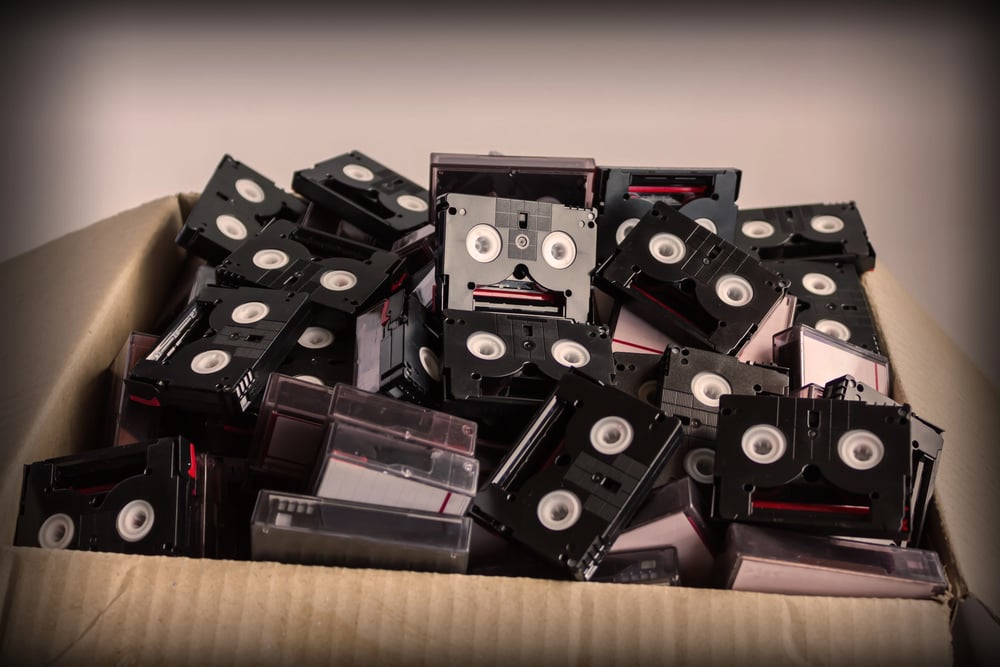
Despite superior picture quality, Sony’s Betamax lost the format war to VHS in the 1980s. Sony’s reluctance to license the technology and the shorter recording time doomed what many consider the technically superior product.
The innovation’s failure demonstrates that better technology doesn’t always win in the marketplace when other factors like price and convenience matter more.
The DeLorean DMC-12
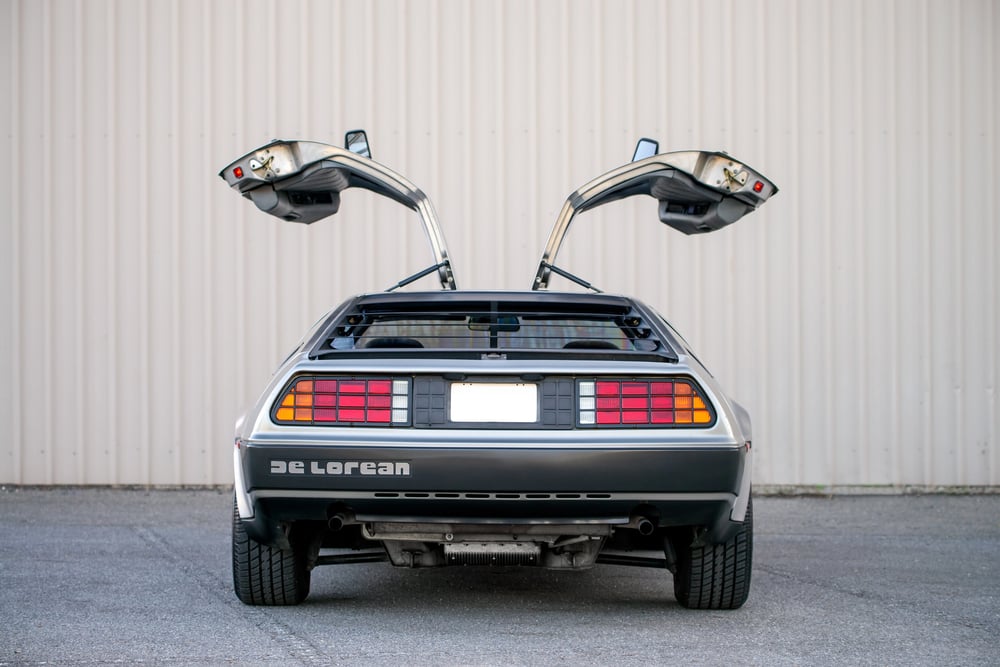
Made famous by ‘Back to the Future,’ this stainless steel sports car with gull-wing doors was a bold innovation that crashed almost as dramatically as the company behind it. Production problems, a cocaine trafficking scandal involving the company’s founder, and a struggling economy all contributed to the DeLorean becoming more of a movie prop than a successful automobile.
AOL-Time Warner Merger
Announced in 2000 as the largest merger in American business history, this $165 billion deal was supposed to create a media powerhouse for the digital age. Instead, it became one of the biggest failures in corporate history.
The expected synergies never materialized, and AOL’s dial-up business collapsed as broadband took over, leading to a $99 billion loss just two years later.
Amazon Fire Phone
Amazon’s 2014 attempt to enter the smartphone market crashed spectacularly. Despite innovative features like “Dynamic Perspective” 3D effects, the device failed to attract consumers who weren’t interested in a phone built primarily as a shopping tool for Amazon.
The company took a $170 million write-down and discontinued the phone after just one year.
WebTV

This 1996 innovation promised to bring the internet to television before smartphones existed. Microsoft acquired the company for $425 million but discovered consumers didn’t want to browse the web on their TVs using a clunky remote control.
The service lingered until 2013 but never achieved mainstream adoption as smartphones and tablets provided better mobile internet experiences.
Olestra

Procter & Gamble spent 25 years and $500 million developing this fat substitute that promised guilt-free snacking. Unfortunately, the innovation came with an embarrassing side effect: it caused “anal leakage” in some consumers.
The FDA required warning labels about abdominal cramping and loose stools, which unsurprisingly hurt sales and limited Olestra’s market potential.
Windows Vista

Microsoft’s 2007 operating system update was meant to be revolutionary but became notorious for slow performance, compatibility issues, and irritating security features. Many users and businesses avoided upgrading from Windows XP, forcing Microsoft to rush out Windows 7 to repair the damage to its reputation.
Vista remains a cautionary tale in software development.
When Progress Stumbles Forward

These innovation failures remind us that even the most promising ideas can go sideways in spectacular fashion. Behind every failed product or service are valuable lessons that eventually lead to better solutions.
Today’s failure often becomes tomorrow’s foundation for success, as innovators learn what not to do. The road to progress isn’t a straight line but rather a series of experiments—some that soar and others that crash magnificently.
More from Go2Tutors!

- The Romanov Crown Jewels and Their Tragic Fate
- 13 Historical Mysteries That Science Still Can’t Solve
- Famous Hoaxes That Fooled the World for Years
- 15 Child Stars with Tragic Adult Lives
- 16 Famous Jewelry Pieces in History
Like Go2Tutors’s content? Follow us on MSN.