15 Video Game Consoles That Changed Everything
The history of video gaming is written in plastic, silicon, and countless hours of button mashing. From primitive blips on a screen to photorealistic worlds that rival Hollywood blockbusters, gaming consoles have evolved at breakneck speed over the past five decades. Each generation brought innovations that seemed impossible just a few years earlier, while certain systems fundamentally altered how we think about interactive entertainment.
These weren’t just gadgets—they were cultural phenomena that shaped childhoods, created industries, and proved that video games could be more than simple diversions. Here are 15 video game consoles that changed everything.
Atari 2600
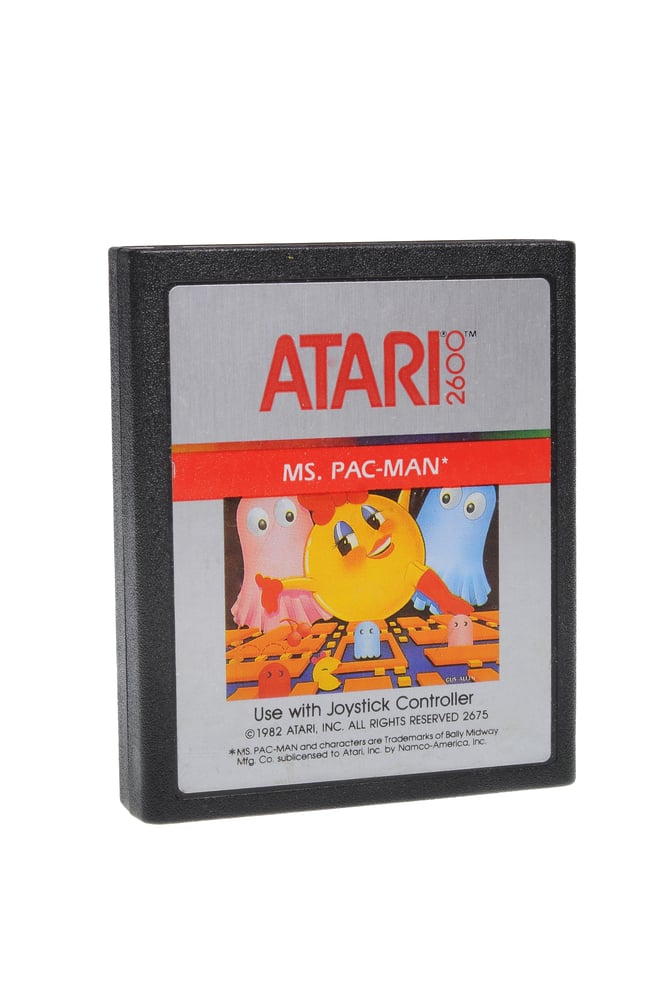
— Photo by ctrphotos
The granddaddy of home gaming arrived in 1977 and single-handedly created the video game industry as we know it. Before the 2600, most people had never seen a video game outside of an arcade—suddenly families could play Pong, Combat, and Adventure in their living rooms. The system’s cartridge-based design meant games could be swapped out rather than built into the hardware, establishing a business model that still dominates today.
Nintendo Entertainment System

— Photo by EWYMedia
After the video game crash of 1983, many retailers refused to stock gaming products because they’d been burned by poor-quality releases and oversaturated markets. Nintendo’s NES brought credibility back to home gaming through strict quality control and games like Super Mario Bros. that showed what the medium could accomplish. The system didn’t just revive the industry—it established Nintendo as the dominant force in gaming for decades to come.
Game Boy

— Illustration by robtek
Portable gaming existed before the Game Boy, but no system had combined affordability, battery life, and great games into such an appealing package. While competitors offered color screens and superior graphics, Nintendo’s handheld won through simplicity and an incredible game library. Tetris alone sold millions of units, proving that gameplay trumped technical specifications in the portable market.
Sega Genesis
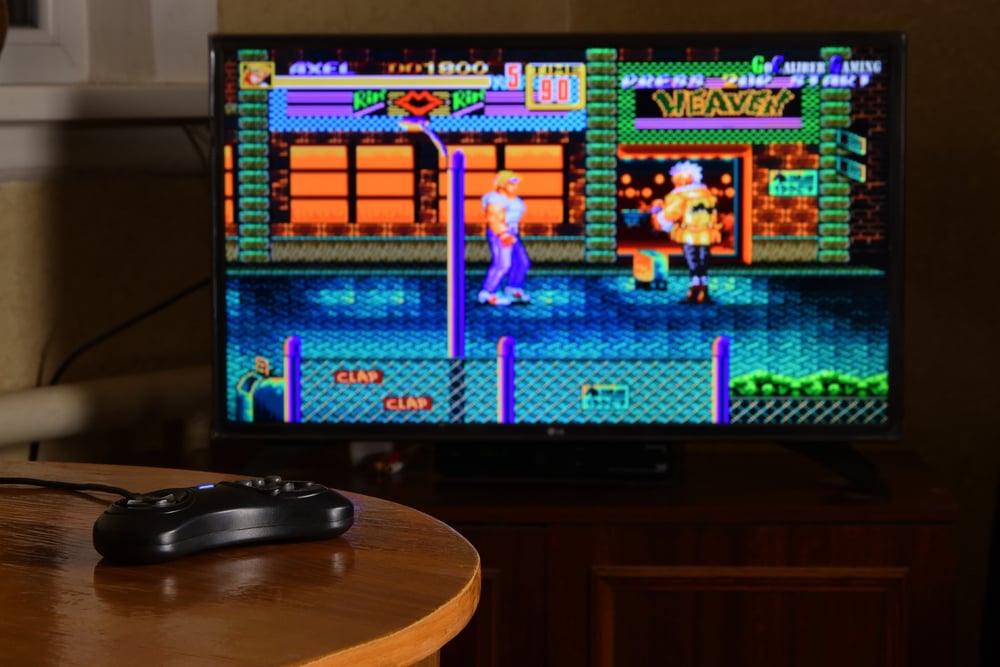
— Photo by Mehaniq
Nintendo’s dominance seemed unshakeable until Sega launched the Genesis with a marketing campaign that directly challenged the established order. “Genesis does what Nintendo doesn’t” wasn’t just clever advertising—it represented a legitimate alternative that offered faster processing, better sound, and edgier games. The console wars were born, and competition drove both companies to push boundaries they might never have explored alone.
Super Nintendo Entertainment System
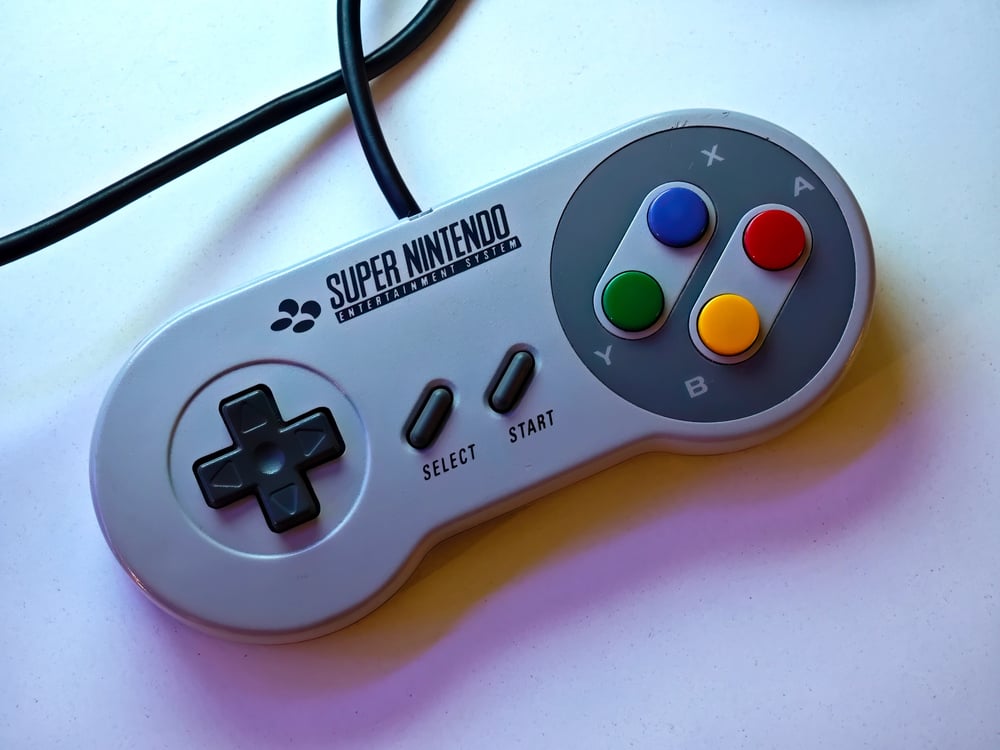
— Photo by tomeqs
Nintendo’s response to Sega’s challenge resulted in one of the greatest gaming systems ever created. The SNES delivered technical capabilities that seemed magical—Mode 7 graphics that created pseudo-3D effects, sound quality that rivaled CD players, and games that pushed storytelling to new heights. Titles like The Legend of Zelda: A Link to the Past and Super Metroid established templates that developers still follow today.
Sony PlayStation

— Photo by rokas91
When Sony entered the gaming market in 1995, established players dismissed the electronics giant as a newcomer who didn’t understand the industry. The PlayStation proved them spectacularly wrong by embracing CD-ROM technology that allowed for full-motion video, CD-quality audio, and games with production values that matched movies. Sony’s aggressive courting of third-party developers created a software library that appealed to both teenagers and adults.
Nintendo 64
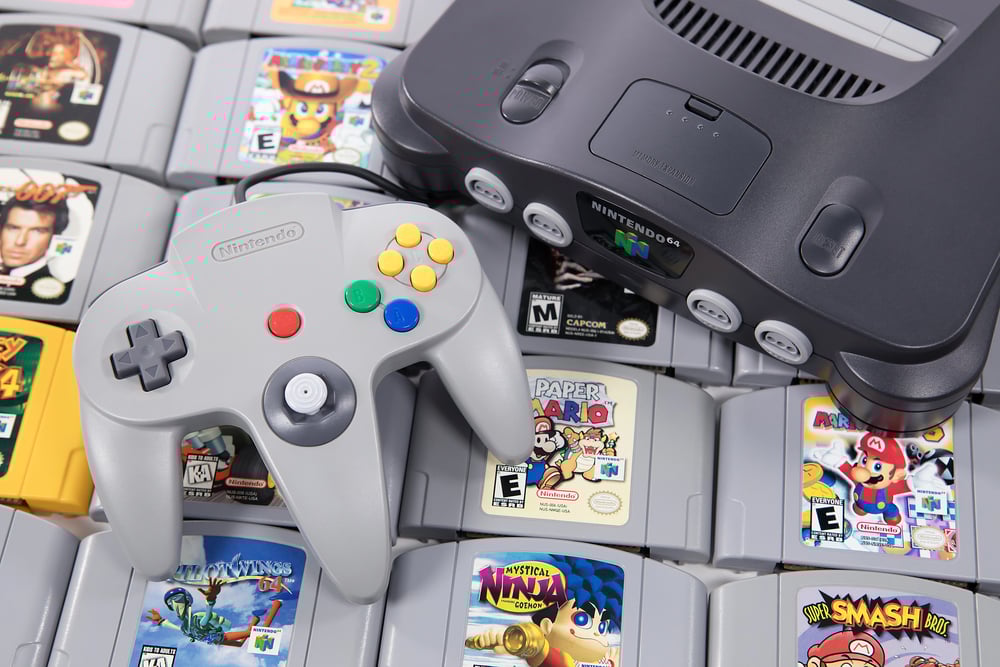
— Photo by robtek
While Sony focused on cutting-edge technology, Nintendo took a different approach with the N64’s innovative controller and emphasis on local multiplayer gaming. The system’s analog stick became the standard for 3D movement, while games like GoldenEye 007 and Super Smash Bros. created social gaming experiences that brought friends together around a single television. Though cartridges had limited storage capacity, the N64’s focus on gameplay innovation kept Nintendo competitive.
Sega Dreamcast

— Photo by Jordi.v
The Dreamcast was ahead of its time in almost every way that mattered—built-in internet connectivity, innovative games, and graphics that surpassed anything on the market. Unfortunately, timing and marketing couldn’t overcome Sega’s damaged reputation from previous console failures. The system died prematurely, but its influence on online gaming and creative game design echoed through subsequent generations of hardware.
PlayStation 2

Sony’s follow-up to the original PlayStation became the best-selling video game console of all time by doing everything right. DVD playback made it a multimedia device that justified its presence in living rooms, while backward compatibility with original PlayStation games protected consumers’ existing game investments. The PS2’s massive game library included something for everyone, from hardcore gamers to casual players just discovering interactive entertainment.
Xbox

— Photo by Juliedeshaies
Microsoft’s entry into console gaming brought PC-style online gaming to living rooms through Xbox Live, a service that transformed multiplayer gaming from a niche activity into a mainstream phenomenon. The original Xbox also introduced hard drive storage that eliminated memory cards and allowed for faster loading times. While the system finished third in its generation, Xbox Live’s success established Microsoft as a permanent player in the console market.
Nintendo DS

— Photo by PHOTOLOGY1971
Dual screens and touch controls seemed like gimmicks when Nintendo announced the DS, but the system proved that innovation could triumph over raw processing power. The lower touchscreen opened up new possibilities for game interaction, while the clamshell design protected the screens during transport. Games like Nintendogs and Brain Age attracted audiences who had never considered themselves gamers, expanding the market beyond traditional demographics.
Xbox 360

— Photo by dennizn
Microsoft’s second console arrived a full year before its competitors and capitalized on that head start by building a robust online community through an improved Xbox Live service. The 360’s achievement system gamified the act of playing games themselves, while digital distribution began reducing retail’s stranglehold on game sales. Despite hardware reliability issues that plagued early units, the 360 established Microsoft as Sony’s primary rival.
Nintendo Wii

— Photo by Oleksandr_UA
Nobody expected Nintendo’s motion-controlled console to outsell Sony and Microsoft’s technically superior systems, but the Wii proved that accessibility mattered more than specifications. Grandparents played Wii Sports, families gathered for Wii Party games, and fitness enthusiasts discovered Wii Fit—suddenly gaming appealed to demographics that had been ignored for decades. The Wii’s success forced the entire industry to reconsider who their audience really was.
PlayStation 4

— Photo by roobcio
Sony’s fourth console refined online gaming, digital distribution, and social features into a cohesive package that felt effortless to use. The DualShock 4 controller added a touchpad and built-in streaming capabilities that made sharing gameplay moments as simple as pressing a button. While not revolutionary like some predecessors, the PS4’s combination of power, ease of use, and strong exclusive games made it the generation’s clear winner.
Nintendo Switch
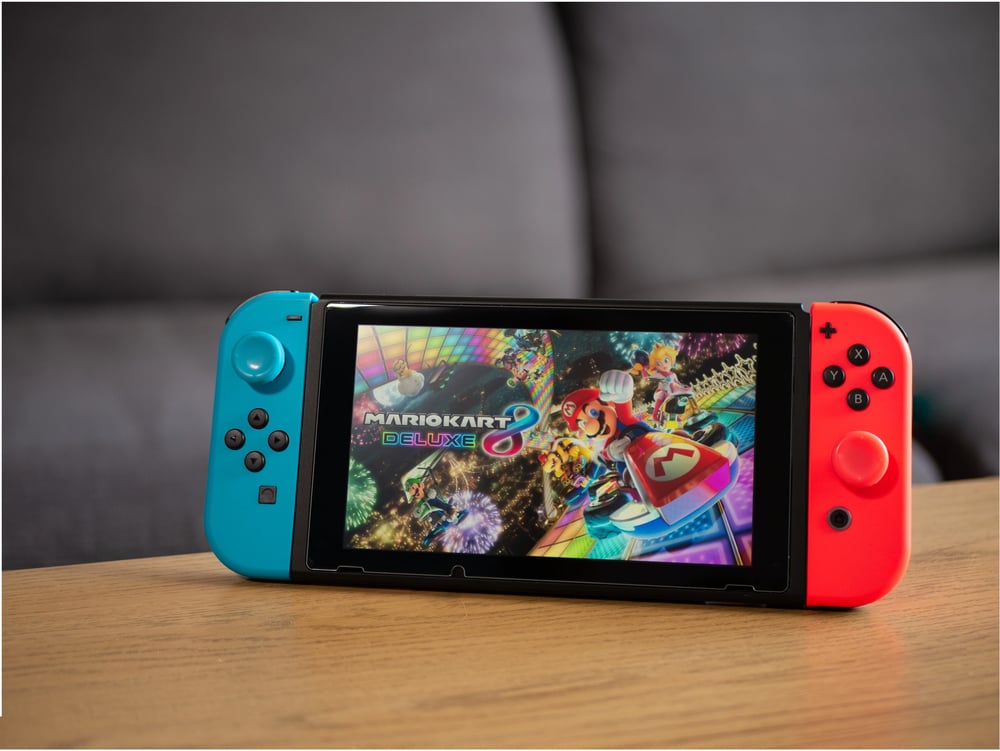
— Photo by Info@vantagedrones.co.uk
Nintendo’s hybrid console that functions as both a home system and portable device seemed like an obvious idea once it launched, though nobody had successfully executed the concept before. The Switch’s modular design allows seamless transitions between docked and handheld play, while its innovative Joy-Con controllers support everything from traditional gaming to motion controls. The system’s success proved that unique hardware could still find an audience in an increasingly homogenized market.
Beyond the Box

These consoles didn’t just play games—they shaped culture, created communities, and proved that interactive entertainment could be as meaningful as any traditional art form. Each system was built upon its predecessors while introducing innovations that seemed impossible until they became commonplace. Today’s gaming landscape, with its digital distribution, online multiplayer, and diverse audiences, exists because these 15 consoles dared to imagine what gaming could become rather than accepting what it had always been. The next generation of hardware will undoubtedly seem just as revolutionary to future players looking back at our current systems with the same nostalgic bewilderment we feel when remembering those first primitive pixels moving across our television screens.
More from Go2Tutors!

- 16 Historical Figures Who Were Nothing Like You Think
- 12 Things Sold in the 80s That Are Now Illegal
- 15 VHS Tapes That Could Be Worth Thousands
- 17 Historical “What Ifs” That Would Have Changed Everything
- 18 TV Shows That Vanished Without a Finale
Like Go2Tutors’s content? Follow us on MSN.