13 Things Most People Do Wrong Every Day
We all develop habits and routines that feel natural over time, but many of these daily actions aren’t as effective as they could be. Small mistakes in how we approach common tasks can waste time, reduce effectiveness, or even cause unnecessary wear and tear on our bodies and belongings. The good news is that most of these issues are easy to fix once you know what to look for.
These aren’t major life changes—just simple adjustments to things you’re already doing. Here is a list of 13 things most people do wrong every day.
Loading the Dishwasher

Most people cram dishes into the dishwasher without considering water flow patterns, which leaves food particles stuck and glasses cloudy. Face dirty surfaces toward the center where the spray arms are located, and don’t overcrowd the racks.
Leave space between items, so water can circulate freely, and your dishes will come out truly clean instead of needing a second wash.
Brushing Their Teeth

The common up-and-down scrubbing motion can actually damage your gums and doesn’t effectively remove plaque. Hold your toothbrush at a 45-degree angle and use gentle circular motions, spending at least 30 seconds on each quadrant of your mouth.
This technique cleans more thoroughly while protecting your enamel and gum line from unnecessary wear.
Like Go2Tutors’s content? Follow us on MSN.
Sitting at a Desk

Hunching forward toward your computer screen puts enormous strain on your neck and shoulders throughout the day. Your monitor should be at eye level so you can look straight ahead, and your feet should rest flat on the floor with your knees at roughly 90 degrees.
Think of your spine as a stack of blocks that should stay aligned rather than curved forward like a question mark.
Storing Produce

Throwing all your fruits and vegetables into the refrigerator seems logical, but many items lose flavor and nutrients when stored too cold. Tomatoes, potatoes, onions, and bananas should stay at room temperature, while leafy greens need the humidity of the crisper drawer.
Understanding which produce prefers which environment can extend freshness by several days.
Making Their Bed
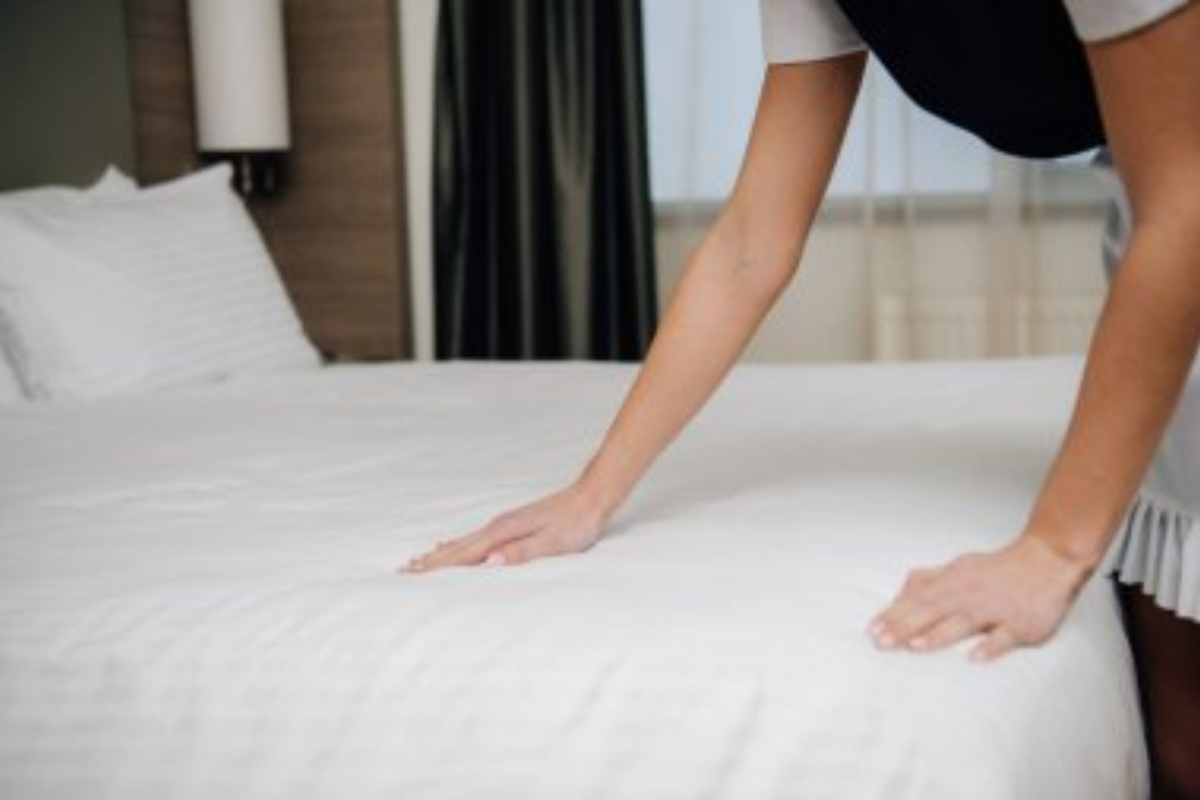
Most people pull covers tight immediately after getting up, but this traps moisture and creates an ideal environment for dust mites. Pull back the covers and let your mattress air out for 20–30 minutes before making the bed properly.
This simple step helps your mattress stay fresher and can reduce allergens in your bedroom.
Like Go2Tutors’s content? Follow us on MSN.
Washing Their Hair

Daily shampooing strips natural oils from your scalp and can actually make your hair greasier as your body overcompensates. Most hair types only need washing every 2–3 days, and when you do shampoo, focus on the scalp rather than the length of your hair.
The suds will clean the ends as you rinse without over-drying the more fragile parts.
Peeling Bananas

Everyone peels bananas from the stem end because that’s how they come bundled, but this often results in mushed fruit and frustration. Flip the banana over and pinch the bottom tip—it opens easily and gives you a natural handle to hold while eating.
Monkeys figured this out long ago, and it’s time we caught up.
Charging Electronic Devices
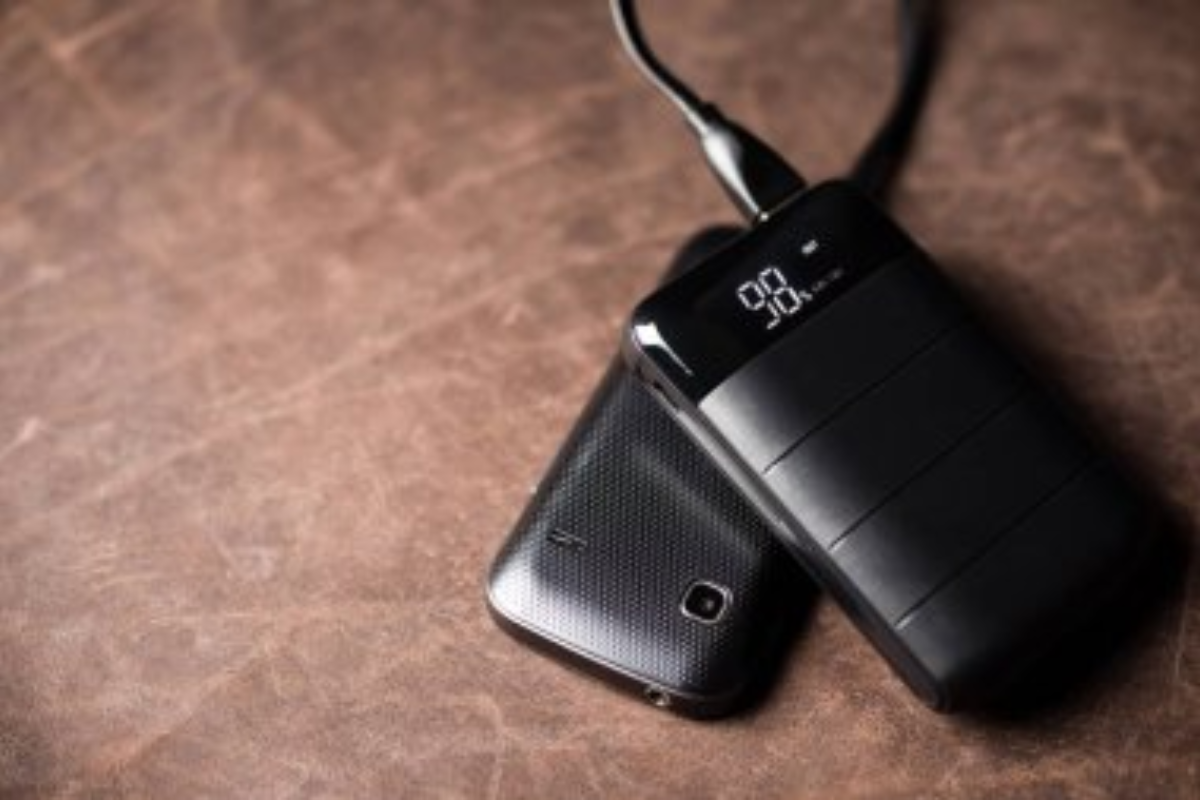
Leaving phones and laptops plugged in overnight or letting them drain completely before charging reduces battery lifespan significantly. Modern lithium batteries perform best when kept between 20% and 80% charge, and they prefer frequent partial charges over full cycles.
Unplug devices when they reach full charge, and don’t wait until they’re completely dead to plug them in.
Like Go2Tutors’s content? Follow us on MSN.
Walking Up Stairs
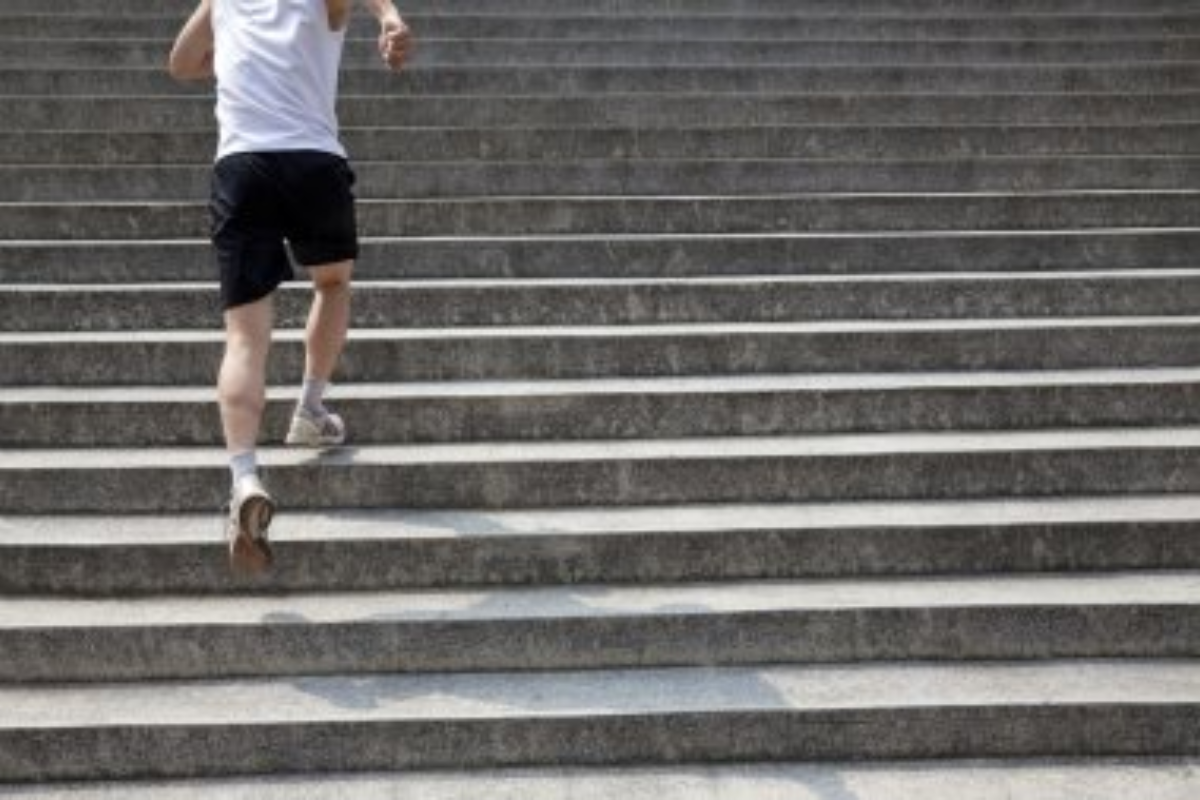
Most people lean forward when climbing stairs, which wastes energy and can strain their lower back over time. Keep your torso upright and use your leg muscles to lift your body weight rather than pulling yourself up with momentum.
This technique is less tiring and keeps your joints in proper alignment for the repetitive motion.
Using Aluminum Foil

The shiny and dull sides of aluminum foil serve different purposes, but most people use them randomly. The shiny side reflects heat while the dull side absorbs it, so place the appropriate side facing your food depending on whether you want to reflect heat away or concentrate it.
This small detail can actually affect cooking times and results.
Holding a Pen

The death grip most people use on pens and pencils causes hand fatigue and can lead to cramping during long writing sessions. Hold writing instruments lightly between your thumb and index finger, resting them on the side of your middle finger about an inch from the tip.
Your hand should feel relaxed, and the movement should come from your fingers rather than your entire arm.
Like Go2Tutors’s content? Follow us on MSN.
Loading Washing Machines

Stuffing clothes into the washer until it’s packed tight prevents proper agitation and leaves some items barely clean. Clothes need room to move around in the water, so fill the machine only about two-thirds full for optimal cleaning.
Overloading also causes more wrinkles and can strain the machine’s motor over time.
Drinking Water

Most people gulp water quickly when they’re thirsty, but your body can only absorb about 8 ounces per hour effectively. Sipping smaller amounts throughout the day keeps you better hydrated than drinking large quantities infrequently.
Your kidneys work more efficiently with steady input rather than trying to process large volumes all at once.
Small Changes, Big Differences

These everyday mistakes persist because they seem insignificant in the moment, but their cumulative effect on efficiency, health, and results adds up over time. The beauty of fixing these habits is that they require no extra time or special equipment—just a slight adjustment to what you’re already doing.
Once you make these small changes, they become as automatic as the old methods, except now they actually work in your favor instead of against you.
Like Go2Tutors’s content? Follow us on MSN.
More from Go2Tutors!

- 16 Restaurant Chains That Went Too Fast
- 12 Things Sold in the 80s That Are Now Illegal
- 15 Strange Things People Have Tried to Ban (And Failed)
- 16 Collectibles People Tossed Out Too Soon
- 17 Myths from Your Childhood That Were Actually Based on Real Things
Like Go2Tutors’s content? Follow us on MSN.