15 Video Games That Started Gaming Obsessions
Gaming has this unique power to grab someone who’s never touched a controller and turn them into someone who stays up until 3 AM thinking ‘just one more level.’ While everyone’s entry point into gaming is different, certain titles have a legendary reputation for being the perfect gateway drugs into the world of digital entertainment.
Here’s a list of 15 video games that have transformed casual curiosity into full-blown gaming obsessions.
Super Mario Bros.
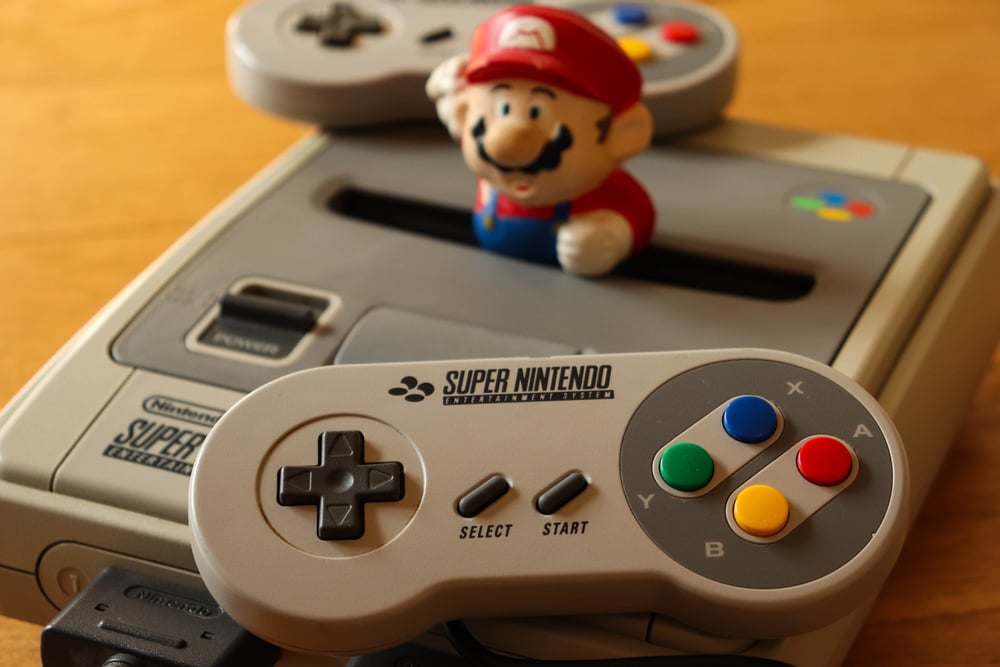
The plumber from Brooklyn didn’t just save Princess Peach—he saved an entire industry from the video game crash of 1983. Super Mario Bros. made gaming accessible to everyone with its simple controls and intuitive design that taught players the rules without overwhelming them.
The genius of this game lies in its first level, which serves as a masterclass in game design, subtly teaching players how to run, jump, and collect power-ups. Millions of people bought their first Nintendo Entertainment System specifically for this game, and many never looked back.
Tetris
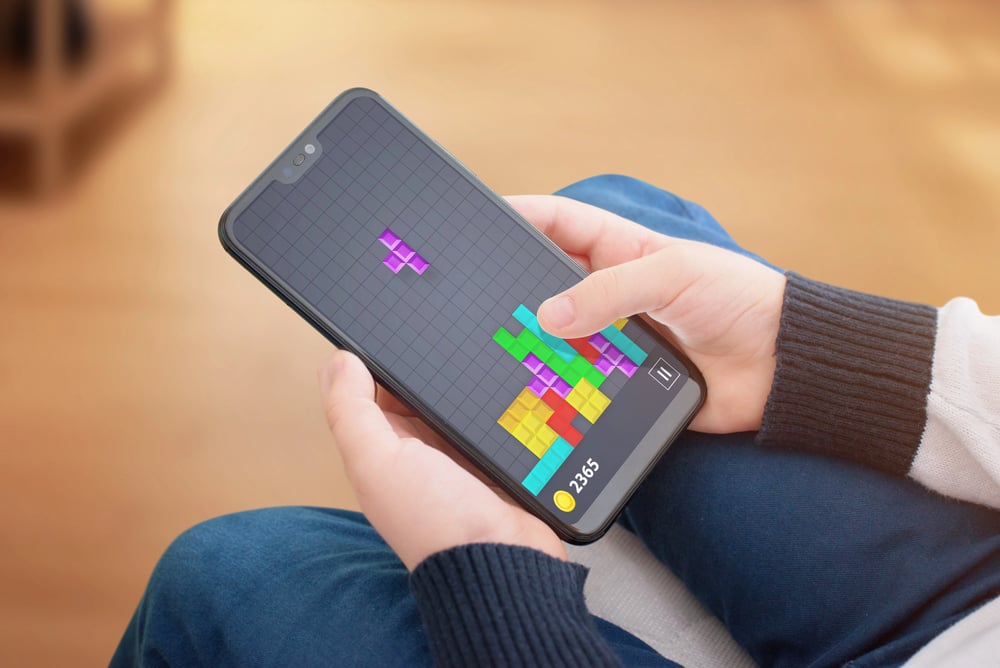
Falling blocks might sound boring on paper, but Tetris proved that simple concepts executed perfectly can be absolutely addictive. The game’s creator, Alexey Pajitnov, accidentally created one of the most psychologically compelling experiences in gaming history, where the satisfaction of clearing lines triggers the same reward centers in your brain as solving puzzles.
Its universal appeal transcended age, gender, and cultural barriers, making it the perfect introduction to gaming for people who thought they didn’t like video games. The ‘Tetris Effect’—where people see falling blocks in their dreams—became a real psychological phenomenon studied by researchers.
Pokémon Red and Blue
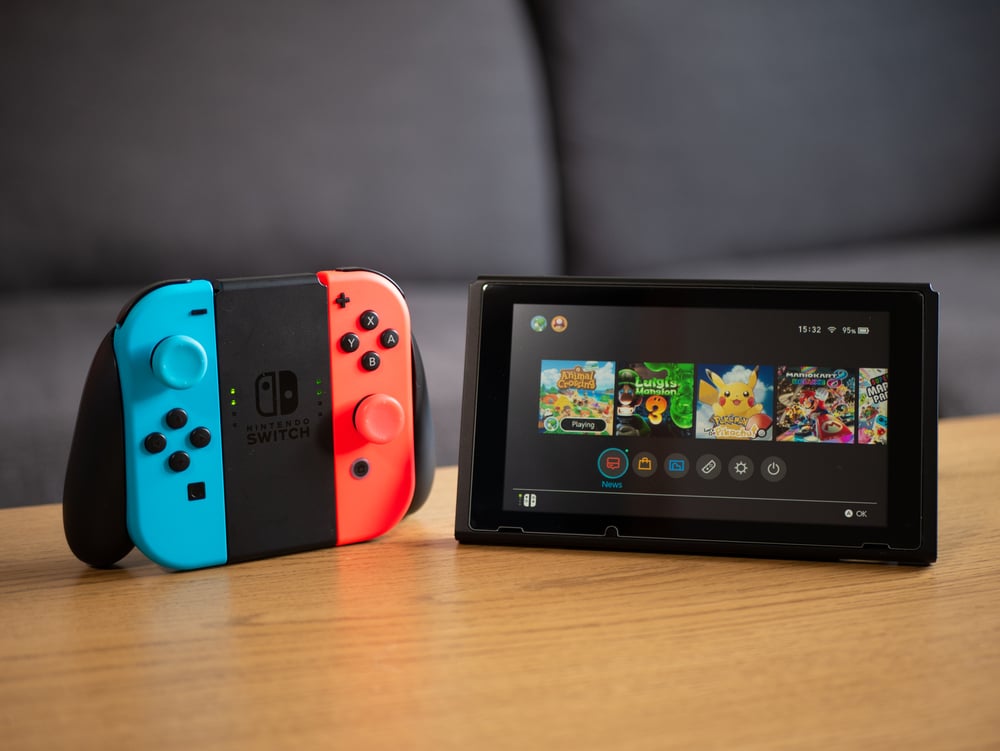
Gotta catch ’em all wasn’t just a slogan—it was a lifestyle for an entire generation of kids who received Game Boys for their birthdays. These games turned collecting into an art form, combining exploration, strategy, and social interaction in ways that had never been done before.
The trading aspect meant kids had to interact with others to complete their collections, creating a social gaming experience that extended far beyond the screen. Many adults today trace their gaming addiction back to that first moment they caught Pikachu in Viridian Forest.
World of Warcraft

Blizzard Entertainment didn’t just create a game—they built a second world where millions of people have spent more time than they care to admit. World of Warcraft made online gaming social and accessible, turning what used to be a niche hobby into a mainstream phenomenon that attracted everyone from teenagers to retirees.
The game’s genius was making players feel like they were always just one quest away from something amazing, whether it was better gear, a higher level, or a new area to explore. Entire relationships, both friendships and marriages, have formed around shared adventures in Azeroth.
Minecraft
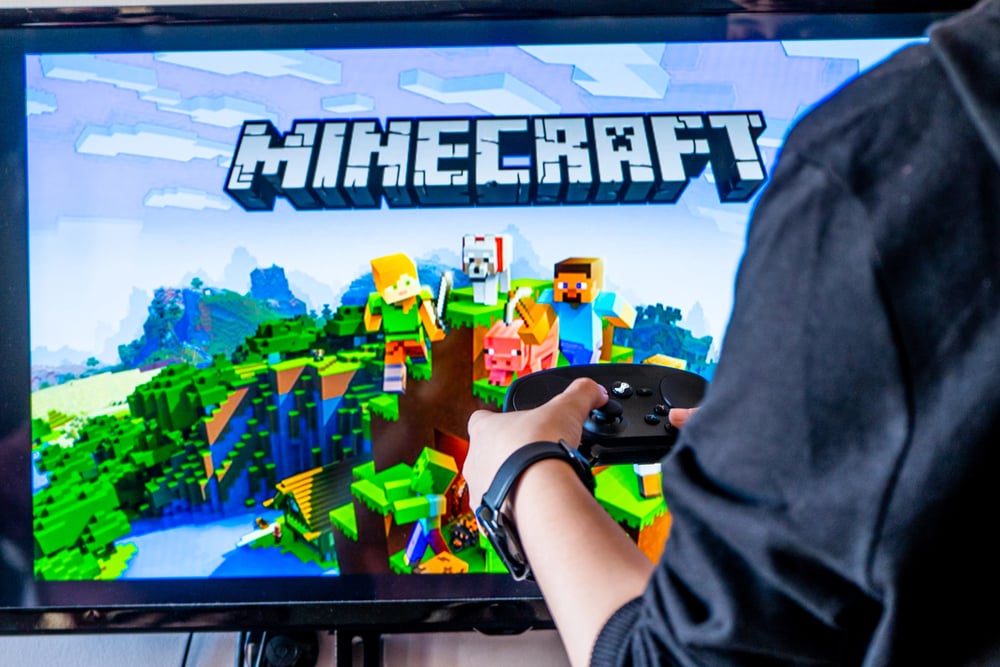
Building blocks for adults sounds ridiculous until you spend your first night in Minecraft frantically digging a pit to hide from zombies. This sandbox game gave players unlimited creative freedom, letting them build everything from simple houses to scale replicas of the Eiffel Tower.
The game’s open-ended nature means there’s never really an ending, just new projects and ideas to explore. Parents initially bought it thinking it was educational—and technically it is—but many found themselves playing longer than their kids.
Grand Theft Auto: Vice City

Tommy Vercetti and the neon-soaked streets of Vice City introduced many players to the concept that video games could be mature, cinematic experiences. The game’s 1980s setting, complete with an incredible soundtrack, made virtual crime feel like starring in your own action movie.
Its open-world design let players ignore the main story entirely and just cruise around causing mayhem, which was revolutionary at the time. Many people bought their first PlayStation 2 specifically to experience what all the controversy was about.
The Sims

Will Wright accidentally created the most addictive dollhouse in history when he designed The Sims, a game where players control virtual people living mundane lives. The appeal of micromanaging digital relationships, careers, and home decorating proved irresistible to millions of players who never considered themselves gamers.
The game attracted a huge female audience to PC gaming at a time when the industry was heavily male-dominated. Players would spend hours perfecting virtual homes and orchestrating digital drama, often finding it more engaging than reality TV.
Halo: Combat Evolved

Master Chief didn’t just fight aliens—he converted an entire generation of console players to first-person shooters. Halo proved that shooting games could work brilliantly on consoles, not just PCs, thanks to innovative control schemes and level design.
The game’s split-screen multiplayer turned living rooms into battlegrounds, where friends would gather for hours-long tournaments. Many Xbox consoles were sold purely because people wanted to experience what everyone was talking about at school or work.
Call of Duty: Modern Warfare

Captain Price and his mustache ushered in the modern era of competitive online gaming for millions of players. Modern Warfare’s campaign was like playing through a blockbuster action movie, but its online multiplayer was what kept people coming back night after night.
The progression system, where players unlocked new weapons and abilities, made every match feel rewarding even when losing. The game’s influence on online gaming culture cannot be overstated—terms like ‘camping’ and ‘noob tube’ entered everyday vocabulary.
Super Smash Bros. Melee
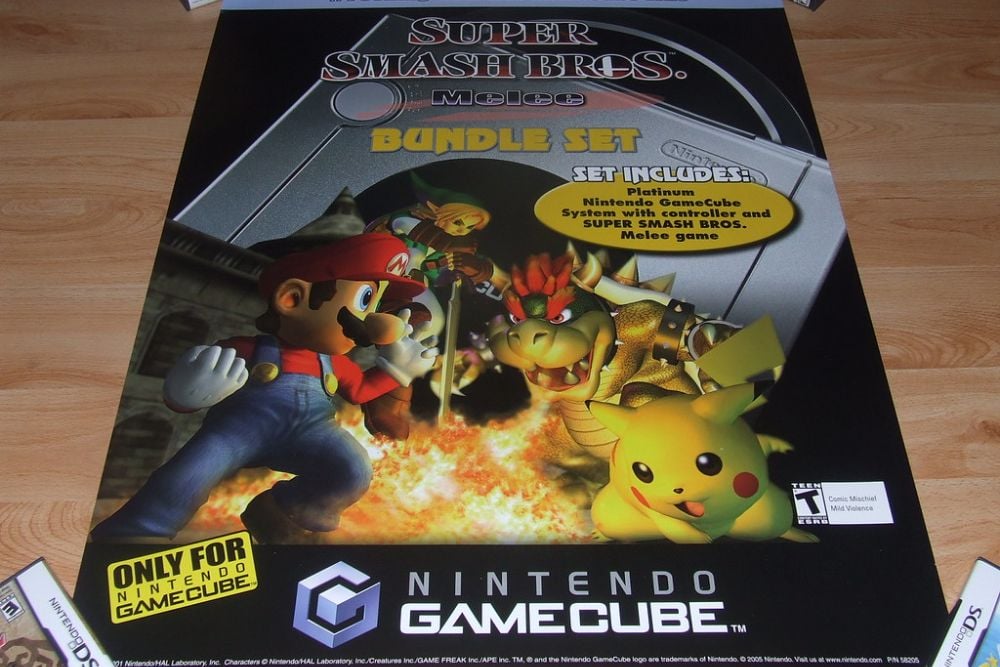
Nintendo characters beating each other up shouldn’t work as a serious competitive game, but Melee accidentally became one of the most enduring fighting games ever created. Its simple control scheme made it accessible to casual players, while its deep mechanics provided endless depth for those who wanted to master it.
The game’s tournament scene is still thriving over two decades later, proving its lasting appeal. Many fighting game enthusiasts trace their passion back to their first time playing as Link or Pikachu.
Guitar Hero

Neversoft turned air guitar into an actual skill with plastic instruments that made everyone feel like rock stars. Guitar Hero democratized music gaming, letting people experience the thrill of performing without years of actual guitar lessons.
The game’s difficulty curve was perfectly balanced—easy enough for beginners to feel successful, challenging enough to keep experts engaged. Many real musicians credit Guitar Hero with sparking their interest in learning actual instruments, though most players were content living out their rock fantasies in the living room.
Angry Birds
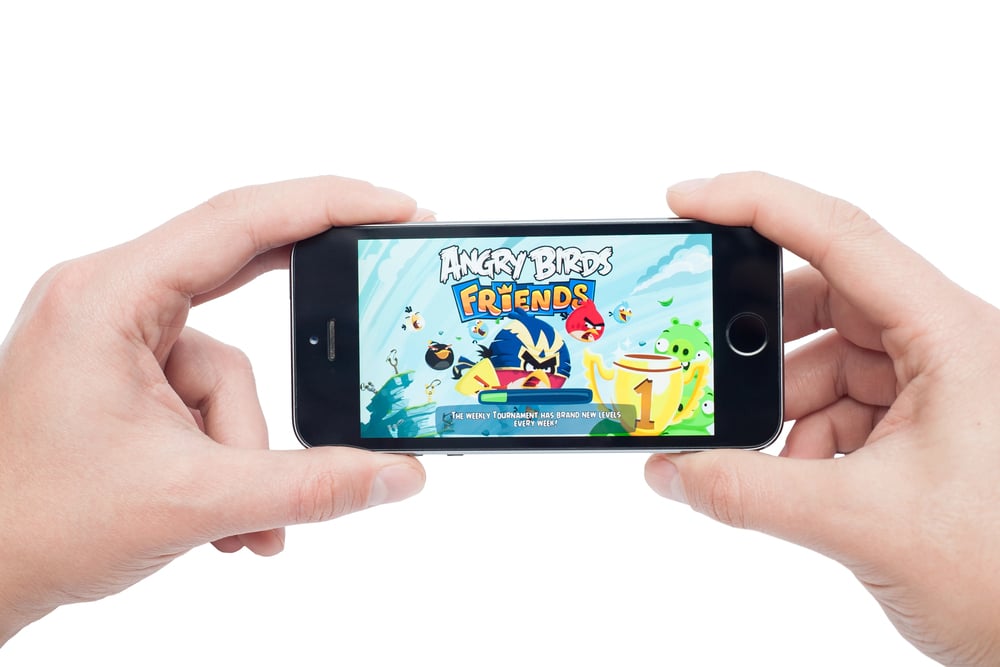
Rovio proved that mobile gaming could be just as addictive as console gaming with birds, pigs, and simple physics puzzles. The game’s touch controls were intuitive enough for grandparents to understand, yet the physics-based gameplay provided surprising depth and strategy.
Its bite-sized levels made it perfect for short gaming sessions during commutes or waiting in line. Angry Birds opened the floodgates for mobile gaming, showing that smartphones could be legitimate gaming platforms.
Candy Crush Saga
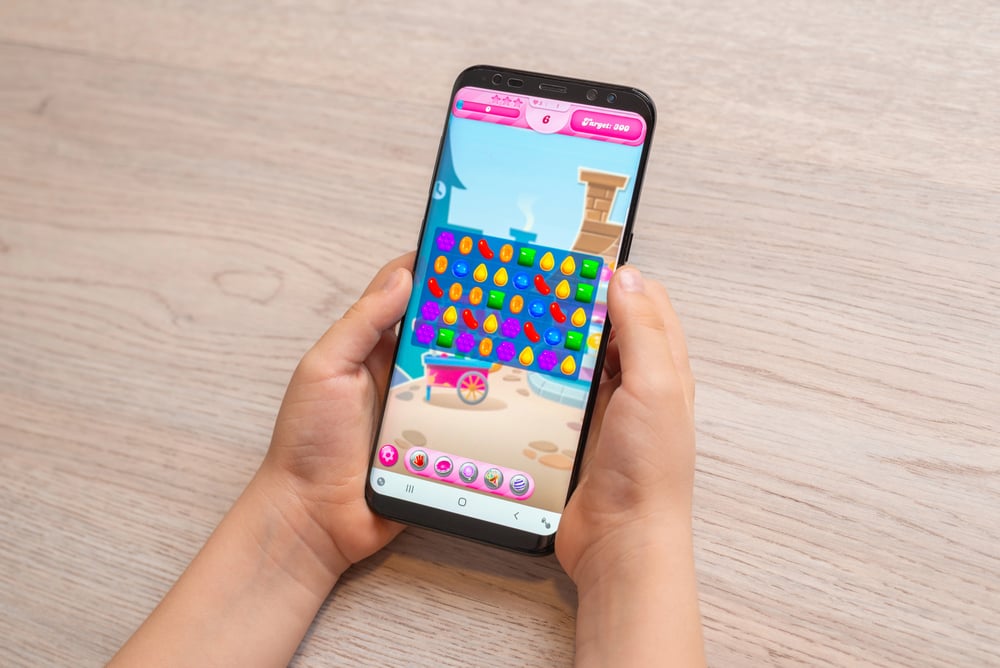
King Digital Entertainment turned matching colored candies into a global phenomenon that hooked everyone from soccer moms to business executives. The game’s free-to-play model with optional purchases introduced millions to the concept of mobile gaming addiction.
Its social features, where players could ask friends for extra lives, turned gaming into a social obligation that kept people coming back. Many people who swore they weren’t gamers found themselves setting alarms to collect their daily bonuses.
Portal

Valve’s puzzle game with a sarcastic AI companion proved that video games could be genuinely funny while also being intellectually challenging. Portal’s unique mechanics—solving puzzles by creating portals in walls—required players to think in completely new ways.
The game’s dark humor and memorable quotes (‘The cake is a lie’) became internet memes that reached far beyond gaming culture. Its relatively short length and brilliant design made it the perfect introduction to PC gaming for puzzle lovers.
Animal Crossing: New Horizons
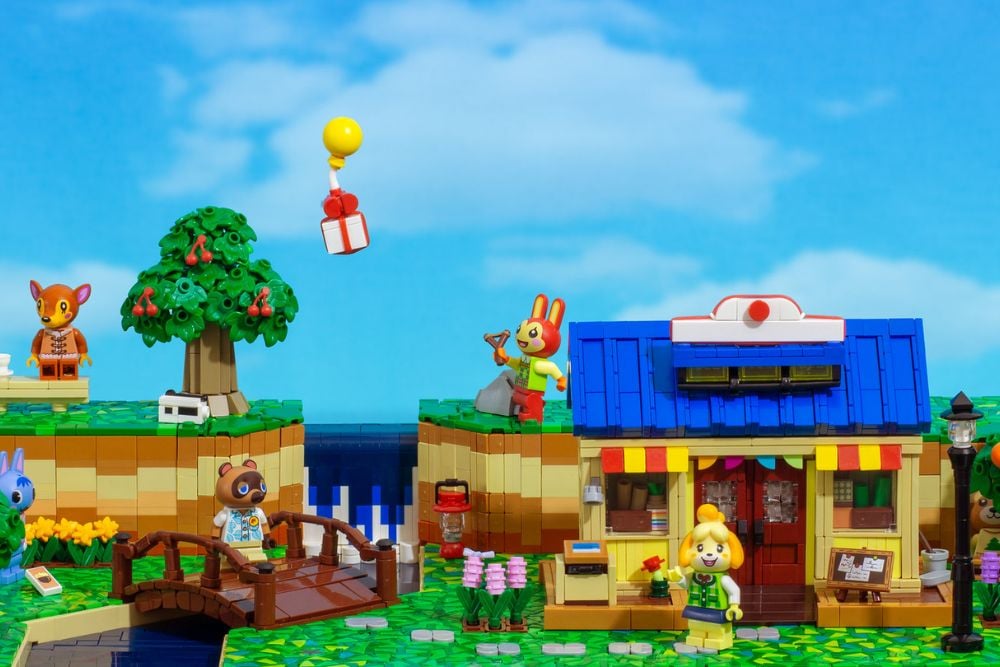
Nintendo’s life simulation game arrived at the perfect time in 2020, when everyone was stuck at home looking for virtual escapes. The game’s real-time clock meant players’ virtual islands continued evolving even when they weren’t playing, creating a sense of ongoing responsibility and attachment.
Its cute aesthetic and stress-free gameplay attracted people who typically avoided video games, including many older adults. The social features, where players could visit each other’s islands, provided a safe way to socialize during lockdowns.
From Casual Curiosity to Lifelong Passion
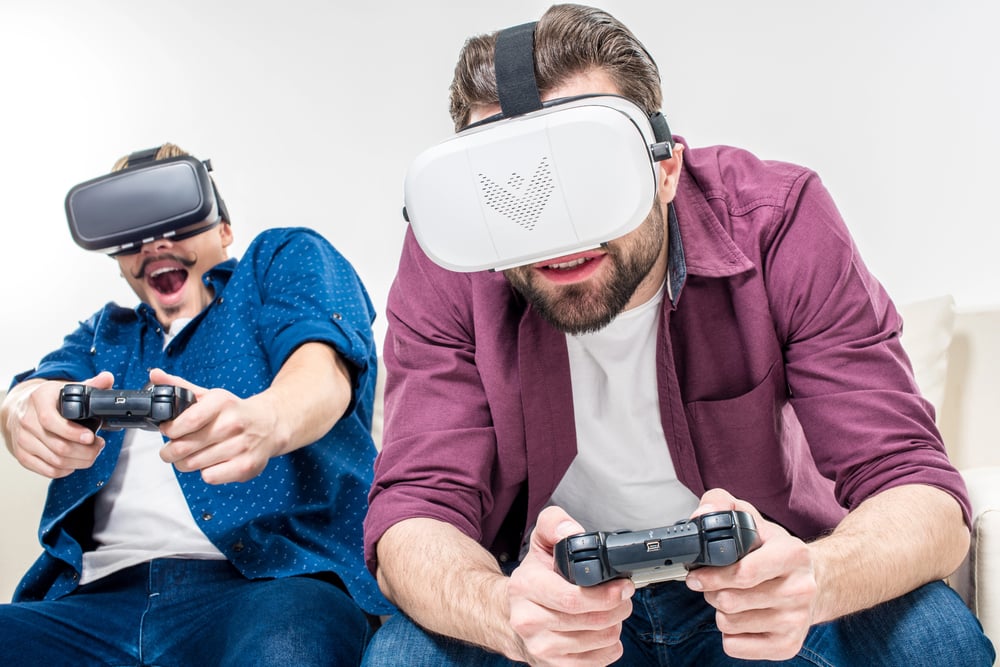
These games didn’t just entertain—they fundamentally changed how their players viewed interactive entertainment. Each title succeeded by removing barriers that typically intimidated newcomers, whether through intuitive controls, compelling social features, or simply being available at the right moment in gaming history.
The ripple effects of these gateway experiences continue today, as former newcomers have become the industry’s most passionate advocates. What started as casual curiosity for millions has evolved into a multi-billion dollar industry that touches nearly every aspect of modern entertainment.
More from Go2Tutors!

- The Romanov Crown Jewels and Their Tragic Fate
- 13 Historical Mysteries That Science Still Can’t Solve
- Famous Hoaxes That Fooled the World for Years
- 15 Child Stars with Tragic Adult Lives
- 16 Famous Jewelry Pieces in History
Like Go2Tutors’s content? Follow us on MSN.