15 Vintage Ads That Reflect Their Era
Vintage advertisements serve as fascinating time capsules, capturing the spirit, values, and cultural attitudes of their respective decades. These marketing pieces didn’t just sell products—they reflected society’s dreams, fears, and assumptions about everything from family roles to technological progress.
From the roaring twenties to the swinging sixties, each era’s advertising tells a unique story about how people lived, what they valued, and what they aspired to become. Here is a list of 15 vintage ads that perfectly capture the essence of their time periods.
Art Deco Automobile Advertisements

The Art Deco movement influenced advertising, with its bold geometric designs and vibrant colours gracing posters and billboards. Brands used this style to tempt consumers with images of fast travel, machinery, and luxurious lifestyles, reflecting the era’s desire for modernization and progress.
Car advertisements from the 1920s and 1930s embodied this aesthetic perfectly, showcasing sleek vehicles against dramatic backdrops with angular typography that screamed sophistication and speed.
Coca-Cola’s Early Brand Building
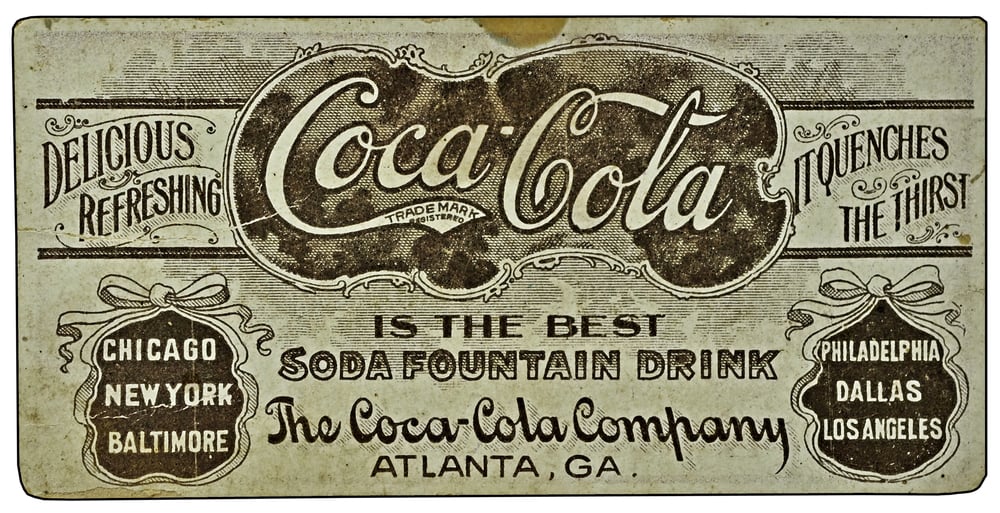
In the 1920s, a Coca-Cola bottler declared, “Coca-Cola was as instrumental in building up the soft drink industry as Henry Ford was in building up the automotive industry.” The company’s vintage ads from this period positioned the beverage as an essential part of American life, using imagery of wholesome families and social gatherings that reflected the era’s optimism and growing consumer culture.
Like Go2Tutors’s content? Follow us on MSN.
1930s Kellogg’s Household Messaging
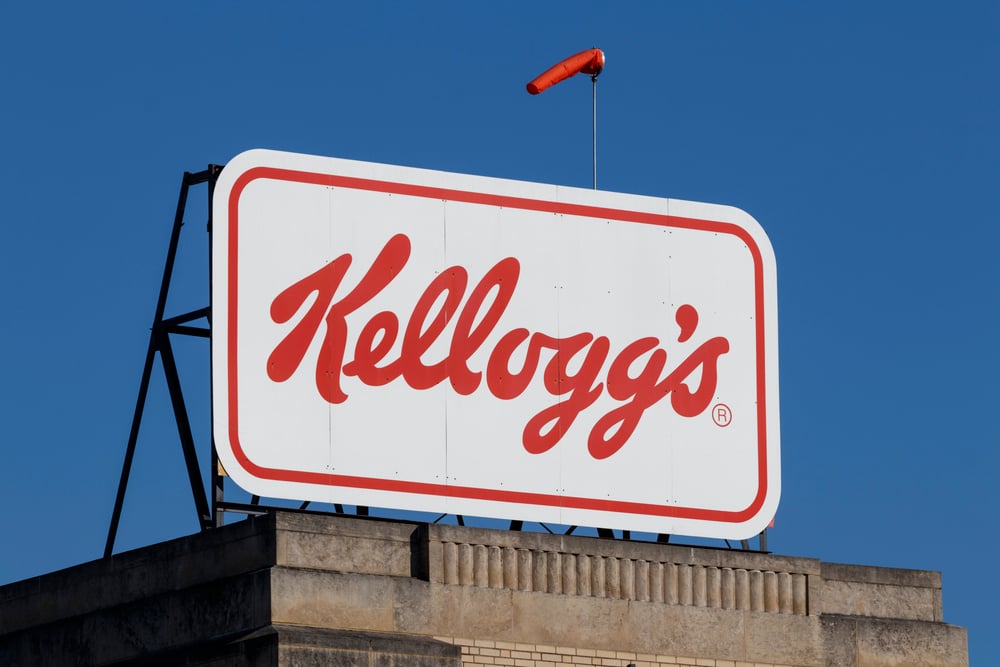
A Kellogg’s ad from the 1930s encourages women to work hard around the house. These advertisements perfectly captured the Great Depression era’s emphasis on domestic efficiency and the expectation that women would find fulfillment through homemaking.
The messaging reflected economic pressures that made household management a crucial survival skill.
1950s 7-Up Baby Marketing

In the 1950s, 7-Up encouraged mothers to give their babies the sugary drink. This shocking-by-today’s-standards campaign reflects the 1950s’ naive approach to health and nutrition, when scientific understanding of child development was limited and corporate claims went largely unchallenged by regulatory bodies.
The Hathaway Shirt Man

“The man in the Hathaway shirt” campaign used open-ended mystery to double sales of Hathaway shirts in just five years. Developed by ad agency Ogilvy & Mather in the early 1950s, the campaign depicting a man with an eye patch captured America’s collective imagination.
This sophisticated approach to advertising reflected the post-war era’s growing fascination with psychological marketing and the emergence of Madison Avenue as a creative powerhouse.
Like Go2Tutors’s content? Follow us on MSN.
1960s Hoover Christmas Campaigns

In one vintage 1960s print ad campaign, husbands were helpfully tipped off by Hoover that their wives would be “happier forever after” if gifted with a vacuum cleaner for Christmas. These ads captured the era’s rigid gender roles and the belief that domestic appliances represented the height of thoughtful gift-giving, reflecting society’s focus on suburban domesticity.
Early Automobile Marketing Strategy

In this collection, we will dive into vintage advertisements and take a look at car advertisements between the 1900s and 1950s. Early car ads focused heavily on mechanical reliability and prestige ownership, reflecting a time when automobiles were luxury items rather than necessities.
The messaging emphasized craftsmanship and status over the convenience-focused approach that would come later.
1960s Fast Food Revolution

From fast food and pantry staples to fast cars and the latest and greatest appliances, these 1960s ads are vintage relics. The emergence of fast food advertising in this decade reflected America’s increasingly mobile lifestyle and the growing acceptance of convenience over traditional home cooking.
These campaigns marked a significant shift in family dining culture.
Like Go2Tutors’s content? Follow us on MSN.
Marlboro’s Controversial Baby Campaigns

Marlboro used babies to sell cigarettes during an era when the health risks associated with these products were either unknown or deliberately downplayed by manufacturers. These ads reflect a time when corporate responsibility was minimal and medical research hadn’t yet established the dangers we now take for granted.
1920s Jell-O Social Commentary

This Jello ad from the 1920s shows a small black boy serving a white woman at a “plantation.” This deeply problematic advertisement reflected the casual approach to racial stereotypes that characterized much of early 20th-century marketing, demonstrating how advertising both reflected and reinforced societal prejudices of the time.
House Beautiful’s Lifestyle Marketing

Feel like time traveling? Come see the wildest advertisements from vintage House Beautiful magazine issues from the 1950s to the early aughts.
These home and lifestyle advertisements captured the post-war boom’s emphasis on suburban prosperity and the belief that material possessions could deliver happiness and social acceptance.
Like Go2Tutors’s content? Follow us on MSN.
1960s Holiday Gift Traditions

What might have been under your tree in the 1960s? These ads from the pages of The Saturday Evening Post give us a hint.
Gift advertisements from this decade reflected the era’s prosperity and the emergence of a true consumer Christmas, where purchasing power became intertwined with family celebration and social status.
Food Marketing Gender Dynamics

This database features some of the ads analyzed in Dr. Parkin’s book Food is Love: Advertising and Gender Roles in Modern America spanning decades of marketing evolution. Food advertisements consistently reinforced women’s roles as family nurturers while simultaneously promoting convenience products that promised to simplify their domestic duties.
Early Western Commercial Development

Over 450 print advertisements published in local magazines, city directories, and theater pamphlets from 1867 to 1918. Themed groupings include health care and hygiene products, liquor, nicotine, machinery, manufacturing, transportation, fashion, food and household goods and local tourism.
These early advertisements captured the frontier spirit and rapid industrialization that defined the American West during its formative years.
Like Go2Tutors’s content? Follow us on MSN.
Postmodern Brand Culture Emergence
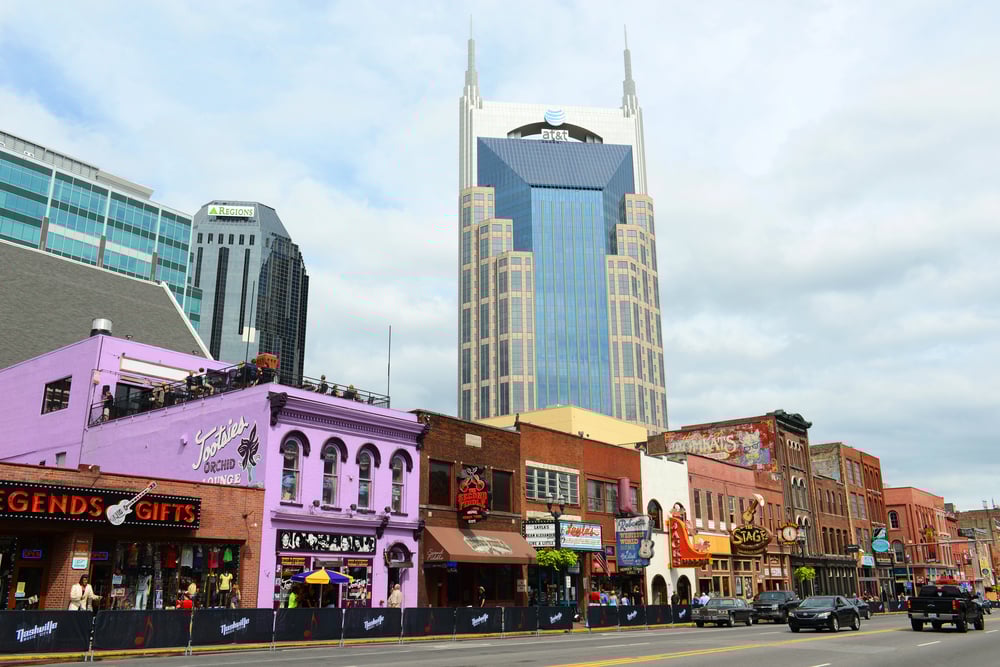
The postmodern period is defined by a desire to combine “Low Culture”, mass culture, consumer products and advertising with “High Culture”, classical, traditional and canonical art. Postmodernism is born in a capitalist era where the artistic sphere is closely linked to the economy.
Later vintage ads began blurring the lines between commerce and art, reflecting society’s growing acceptance of consumerism as a legitimate cultural force.
When Yesterday’s Dreams Meet Today’s Reality
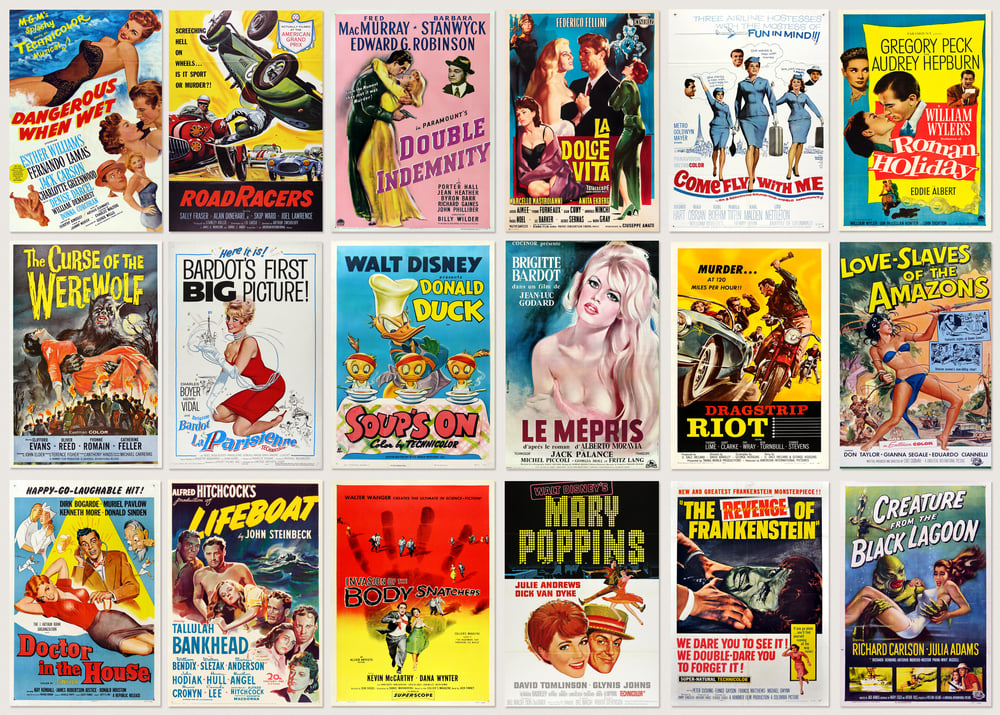
These vintage advertisements remind us that marketing has always been about selling dreams, not just products. What’s changed isn’t the fundamental human desires these ads targeted—the longing for status, convenience, family happiness, and social acceptance—but rather our understanding of ethics, health, and social responsibility.
The advertisements that once seemed cutting-edge now serve as historical documents, showing us how far we’ve traveled in our thinking about everything from gender roles to public health. They prove that the most revealing thing about any era isn’t what people bought, but what they were convinced they needed to buy to become their best selves.
More from Go2Tutors!

- 16 Historical Figures Who Were Nothing Like You Think
- 12 Things Sold in the 80s That Are Now Illegal
- 15 VHS Tapes That Could Be Worth Thousands
- 17 Historical “What Ifs” That Would Have Changed Everything
- 18 TV Shows That Vanished Without a Finale
Like Go2Tutors’s content? Follow us on MSN.



