15 People In History Who Were Right About Everything But Nobody Believed
History has a cruel sense of timing. The most important truths often arrive decades, sometimes centuries, before the world is ready to hear them.
While we celebrate visionaries in hindsight, the reality is messier — most revolutionary ideas were met with ridicule, persecution, or indifference when they first appeared.
These fifteen individuals saw what others couldn’t, said what others wouldn’t, and paid the price for being ahead of their time. Their stories remind us that progress doesn’t move in straight lines, and that being right isn’t always enough to change minds.
Galileo Galilei
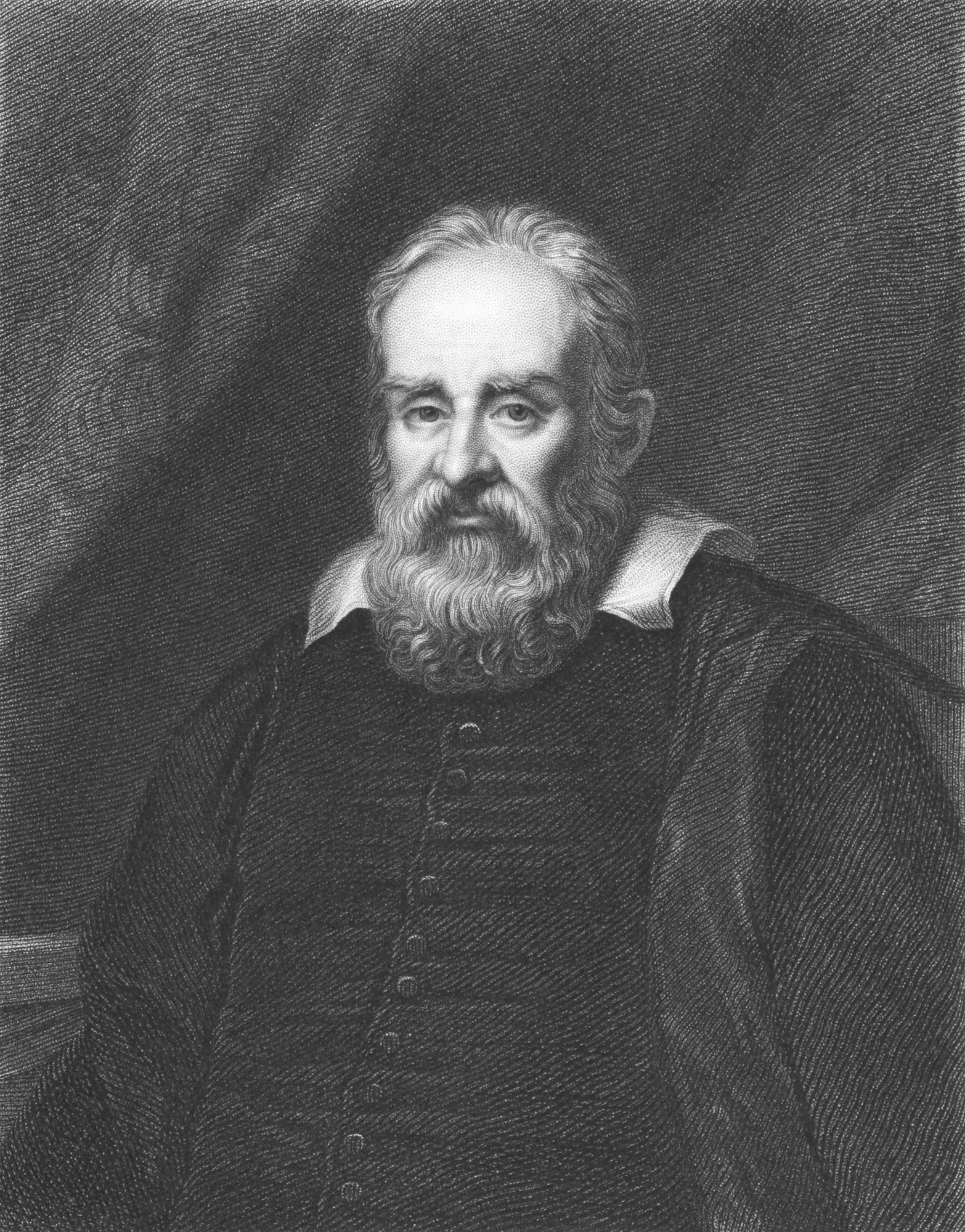
The Catholic Church had astronomers tortured for suggesting the Earth moved around the sun. Galileo knew this.
He published anyway.
His telescopic observations proved Copernican theory beyond doubt — Jupiter had moons, Venus had phases, the Milky Way contained countless stars. The evidence was overwhelming.
The Church forced him to recant and spent the rest of his life under house arrest.
Ignaz Semmelweis
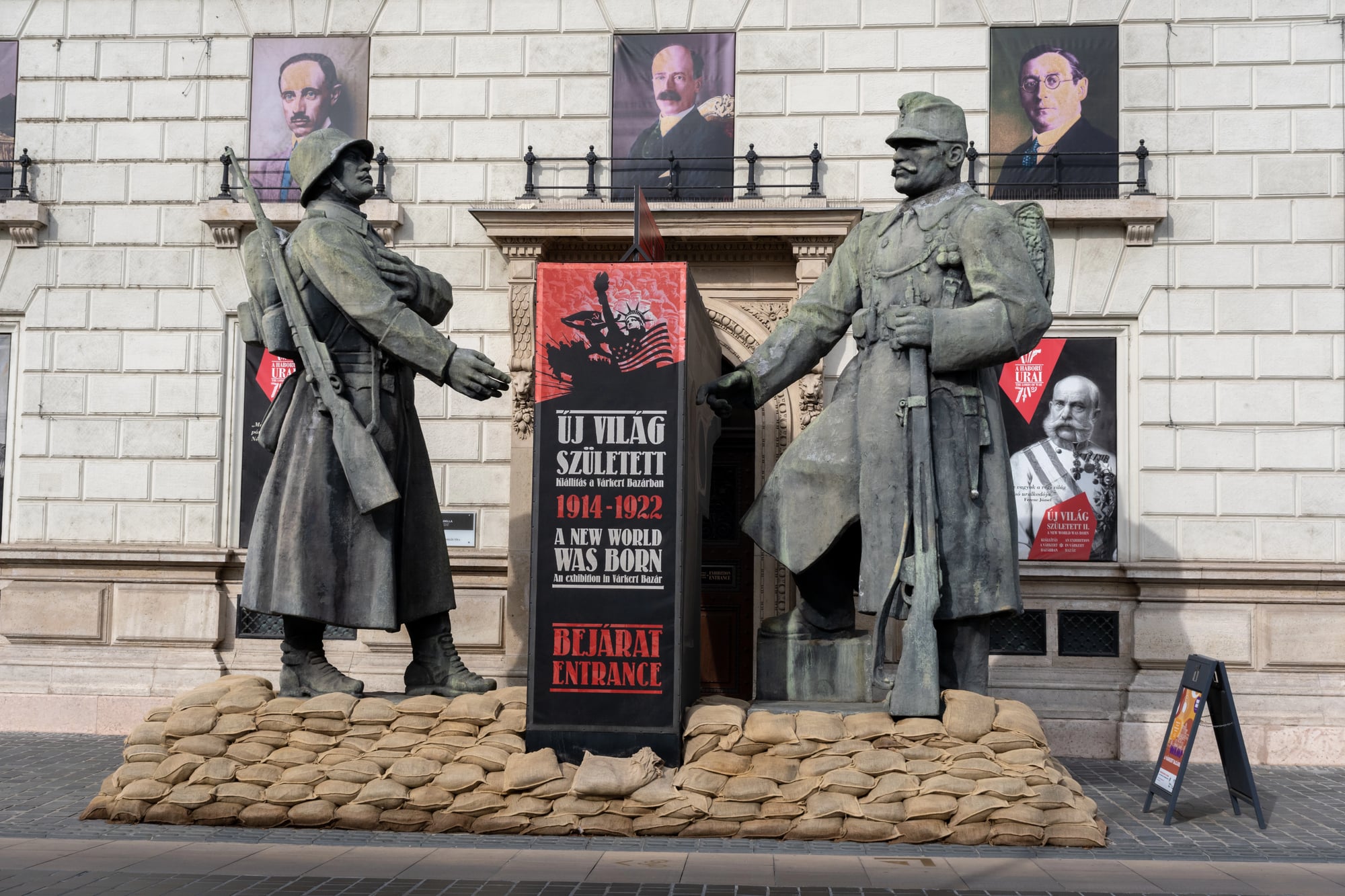
Hand washing saves lives. Semmelweis proved it in 1847 when he noticed that maternity wards staffed by doctors (who performed autopsies) had death rates three times higher than those run by midwives.
He mandated chlorinated lime hand washing and maternal mortality plummeted from 18% to less than 2%.
His colleagues were insulted by the suggestion that gentlemen’s hands could be unclean. They rejected his findings, dismissed him from his position, and continued letting women die.
Semmelweis suffered a nervous breakdown and died in an asylum — ironically, from an infection that could have been prevented by proper hygiene.
Alfred Wegener
Continental drift sounds obvious now, but in 1912 it was geological heresy. Wegener noticed that continents fit together like puzzle pieces, that identical fossils appeared on opposite sides of oceans, and that mountain ranges aligned across continents (as if they’d once been connected, which they had).
The evidence was there, staring everyone in the face, but nobody wanted to see it.
The problem wasn’t his observations — those were solid. The problem was that Wegener couldn’t explain how continents moved, and without a mechanism, the geological establishment refused to listen.
And yet the continents kept drifting, just as he said they would, until plate tectonics finally provided the explanation fifty years later. By then Wegener had been dead for decades, frozen on a Greenland glacier, still waiting for vindication that would never reach him.
Barbara McClintock
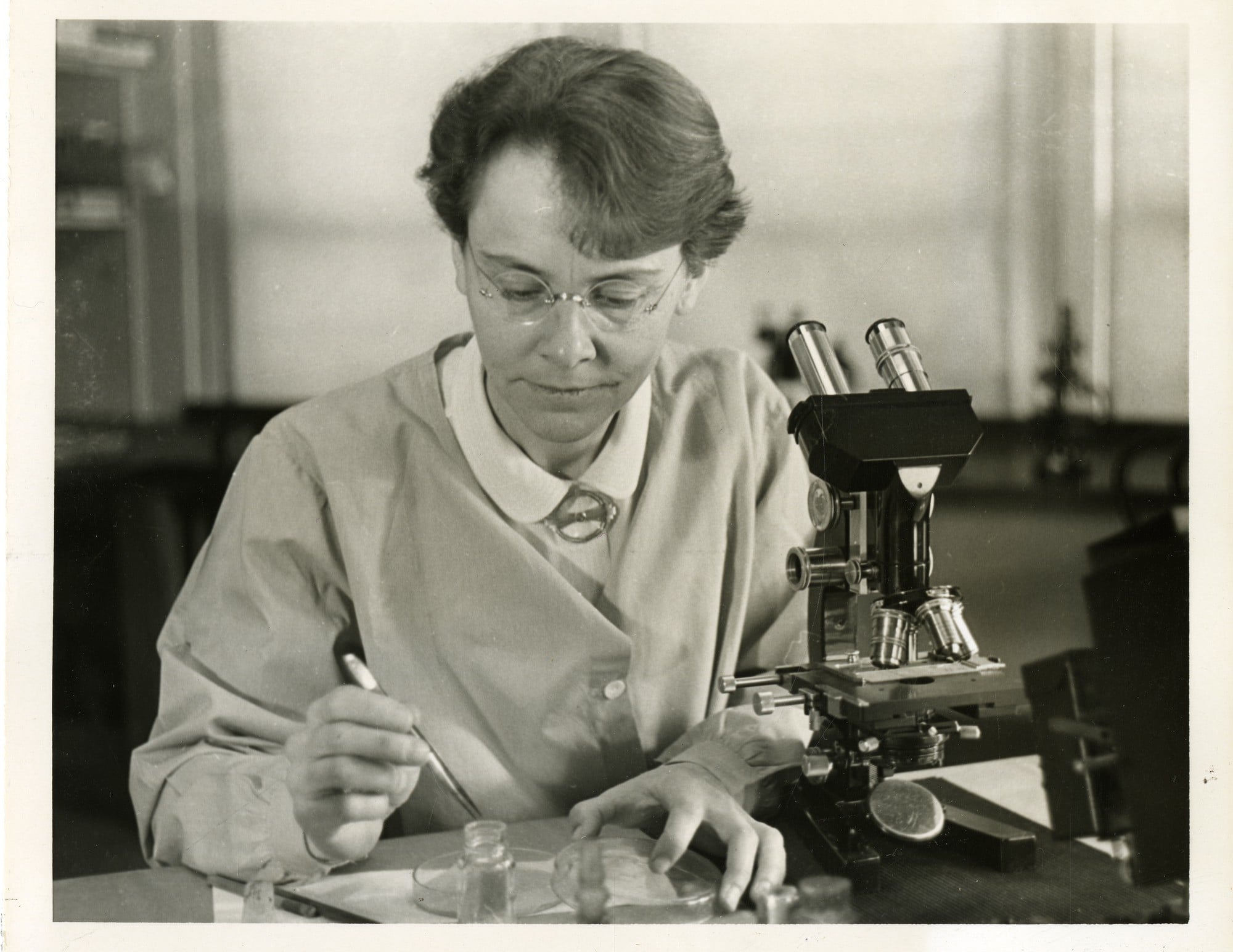
Genes that jump from chromosome to chromosome — “jumping genes” as McClintock called them — seemed impossible in the 1940s. Geneticists believed genes stayed put, fixed in their chromosomal locations like houses on a street.
McClintock spent decades studying corn kernels under a microscope, tracking color patterns that made no sense unless genes could move.
Her evidence was meticulous. Her conclusions were radical. Her peers stopped listening to her presentations because they couldn’t understand what she was talking about.
She stopped publishing her findings and worked in relative isolation for twenty years until molecular biology finally caught up to her insights. She won the Nobel Prize in 1983 for discoveries she’d made in the 1940s.
John Snow
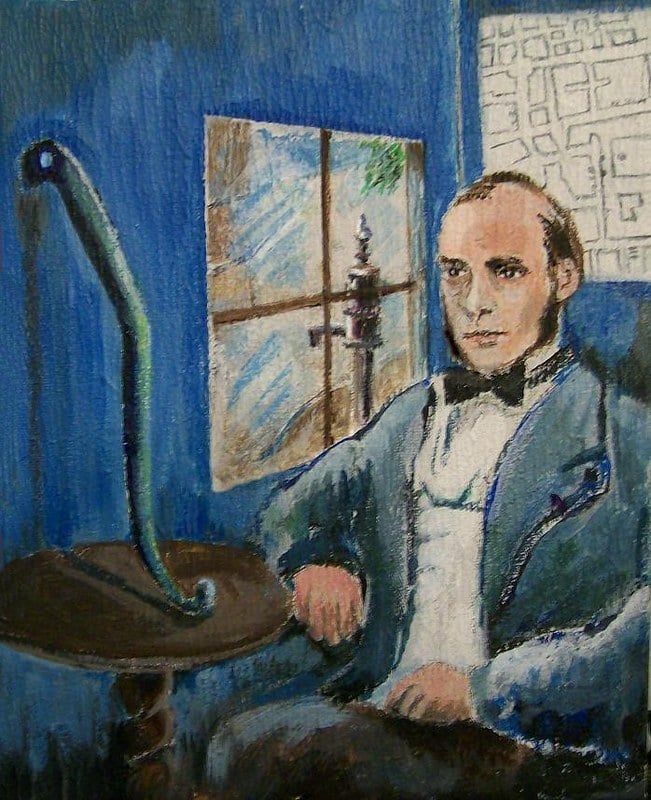
Cholera spreads through contaminated water. Snow mapped the 1854 London outbreak and traced it to a single water pump on Broad Street.
Remove the pump handle, stop the epidemic.
The medical establishment blamed cholera on “bad air” and ignored Snow’s evidence. They preferred their miasma theory — disease spreading through foul-smelling air — because it fit their preconceptions.
Snow’s water-borne theory was too simple, too specific, too actionable. It took another thirty years and thousands of unnecessary deaths before germ theory finally displaced miasma theory.
Rachel Carson
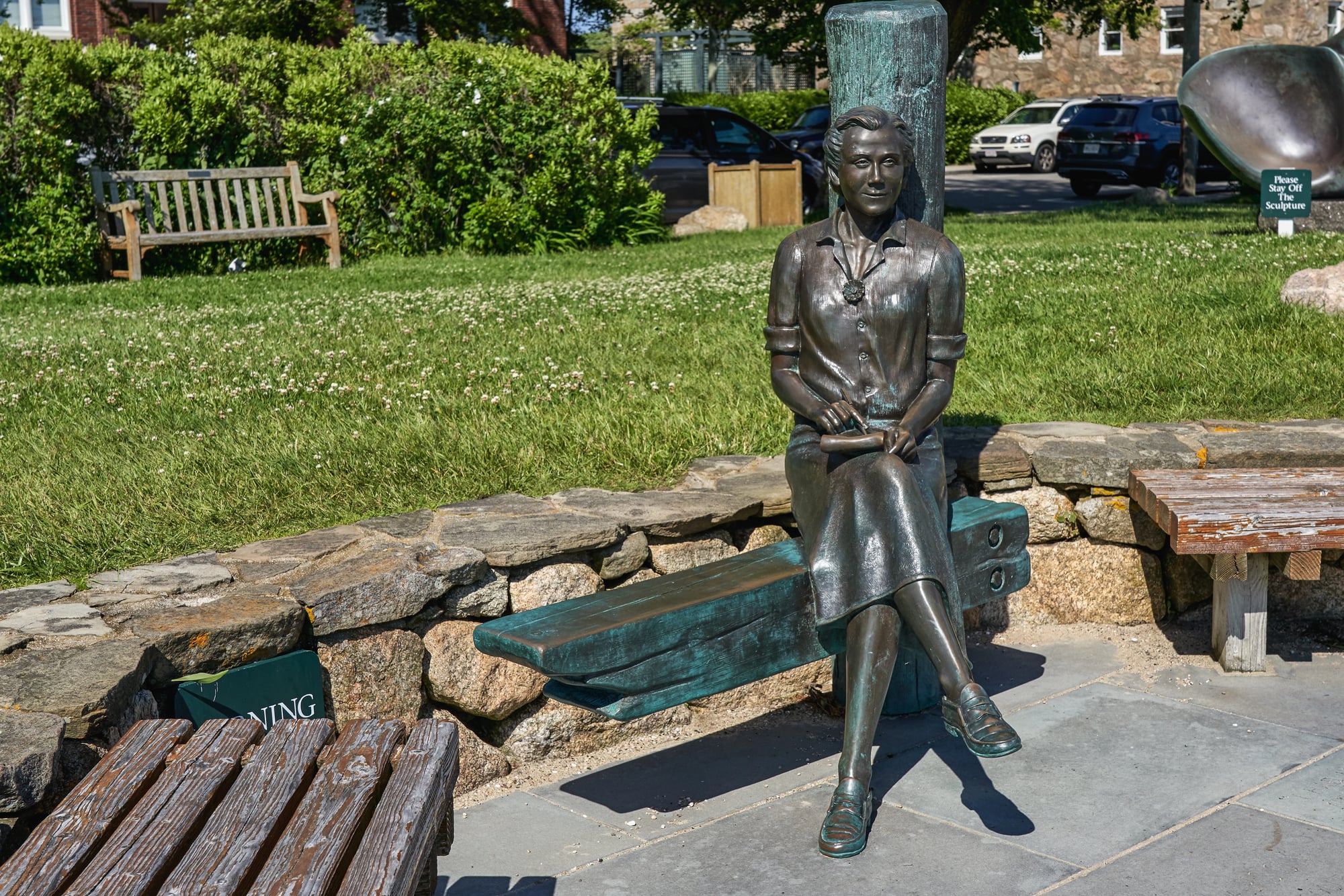
DDT was supposed to be safe. Chemical companies said so. Government agencies agreed.
Farmers sprayed it everywhere — crops, forests, suburban lawns, even directly on children to demonstrate its harmlessness.
Carson spent four years documenting how DDT accumulated in food chains, thinned bird egg shells, and threatened entire species with extinction. “Silent Spring” was published in 1962 to immediate attack from the chemical industry, which called her a hysterical woman scientist (a convenient dismissal that ignored her decades of rigorous research).
But the evidence was overwhelming: bird populations were crashing, fish were dying, and the ecosystem was unraveling. DDT was banned in the United States ten years later, just in time to save the bald eagle from extinction.
Nikola Tesla
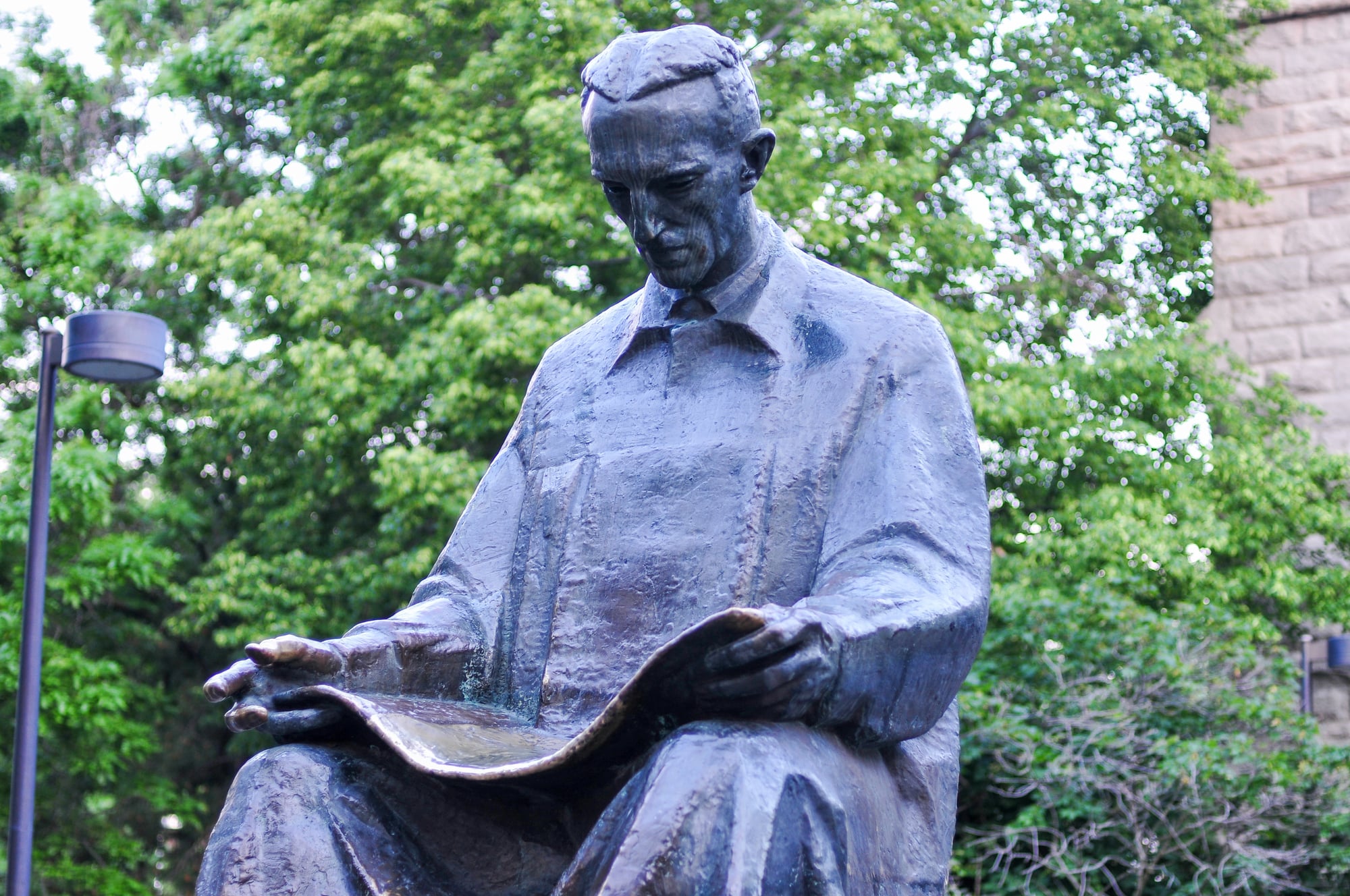
Alternating current, wireless power transmission, radio communication — Tesla envisioned the electrical age before it existed. He held over 300 patents and demonstrated technologies that wouldn’t become commercially viable for decades.
His ideas seemed like science fiction to his contemporaries. Tesla spoke of wireless communication across continents, of harnessing the Earth’s electrical field, of technologies that sounded more like magic than engineering.
Edison dismissed him. Investors abandoned him. Tesla died alone and broke in a New York hotel room, surrounded by plans for inventions the world wasn’t ready to build.
Most of his predictions came true — we just had to wait for the rest of technology to catch up.
Gregor Mendel
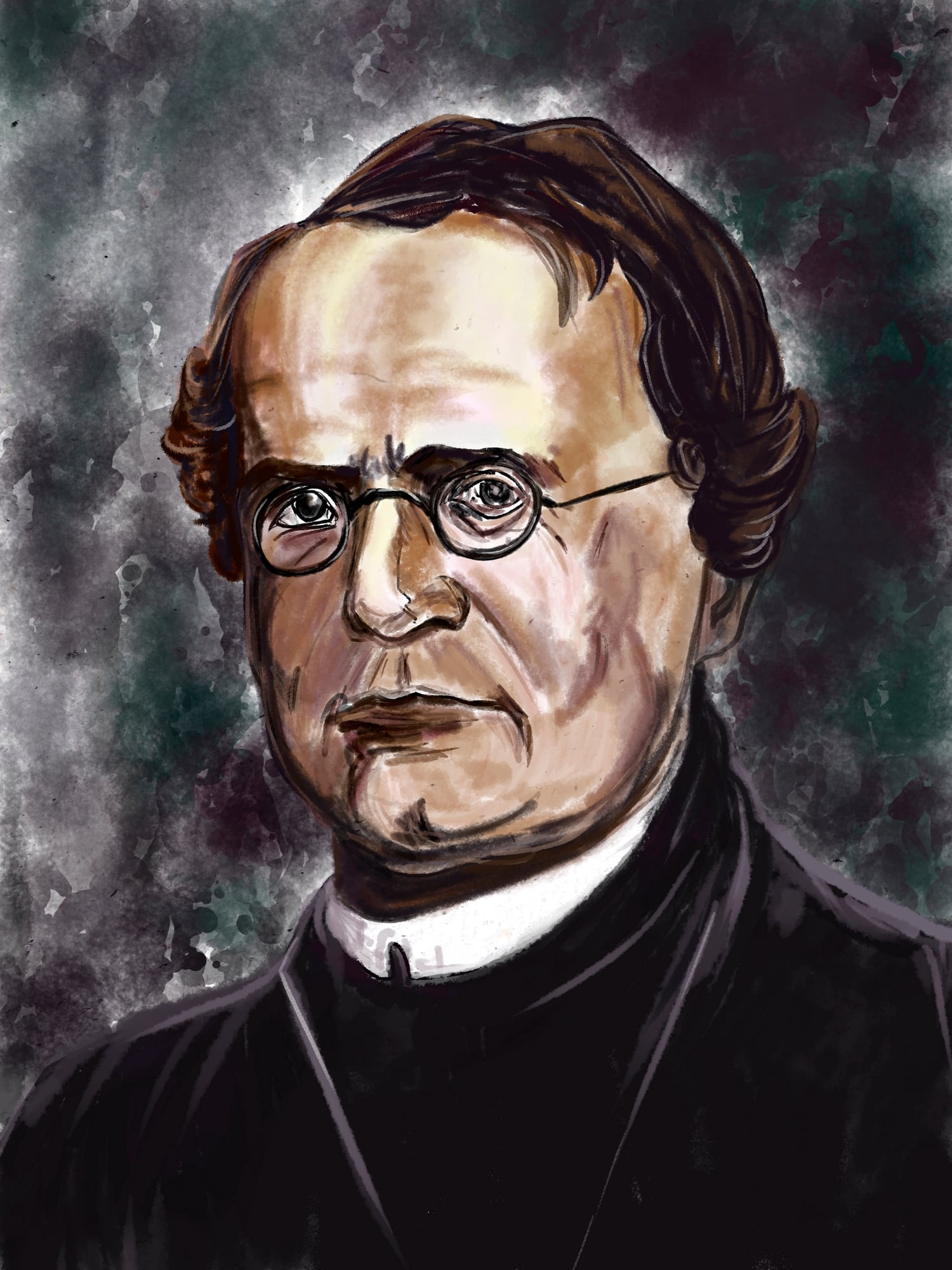
Inheritance follows mathematical laws. Mendel proved this by breeding pea plants and counting traits across generations — tall plants, short plants, purple flowers, white flowers.
The ratios were precise and predictable.
The scientific community ignored his 1866 paper on heredity because it didn’t fit existing theories about inheritance (which were mostly wrong, but firmly entrenched).
Mendel’s mathematical approach to biology seemed foreign to naturalists who preferred observation over quantification. So there it sat in obscurity, this foundational work that explained how traits pass from parents to offspring, waiting thirty-four years to be rediscovered by scientists who were finally ready to accept that biology followed rules.
Mileva Marić
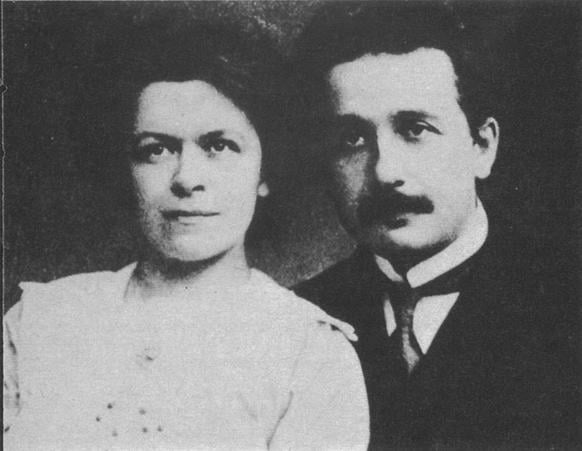
The woman who helped develop special relativity rarely gets credit for it. Marić was Einstein’s first wife and a brilliant physicist in her own right — one of the first women to study physics at the Swiss Federal Polytechnic, where she and Einstein were classmates and collaborators.
Letters between them discuss “our theory” and “our work on relative motion.”
Einstein acknowledged her contributions privately but not publicly, and after their divorce, Marić faded into obscurity while Einstein became the face of modern physics.
The extent of her contributions remains debated, but what’s clear is that her insights were essential to some of the most important discoveries in science, and she received none of the recognition.
Rosalind Franklin
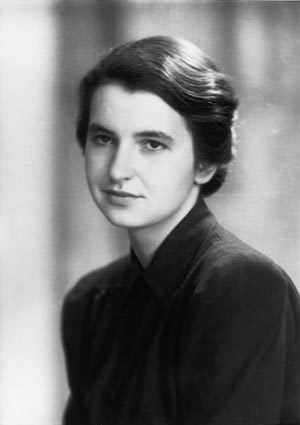
DNA has a helical structure. Franklin’s X-ray crystallography revealed this in 1951, producing the famous “Photo 51” that clearly showed DNA’s spiral shape and provided crucial measurements for understanding its structure.
Watson and Crick used her data (without her knowledge or permission) to build their model of DNA’s double helix.
They won the Nobel Prize in 1962. Franklin died of cancer in 1958, never receiving recognition for her essential contributions to one of biology’s most important discoveries.
Her meticulous experimental work made the breakthrough possible, but she was written out of the story.
Aristotle
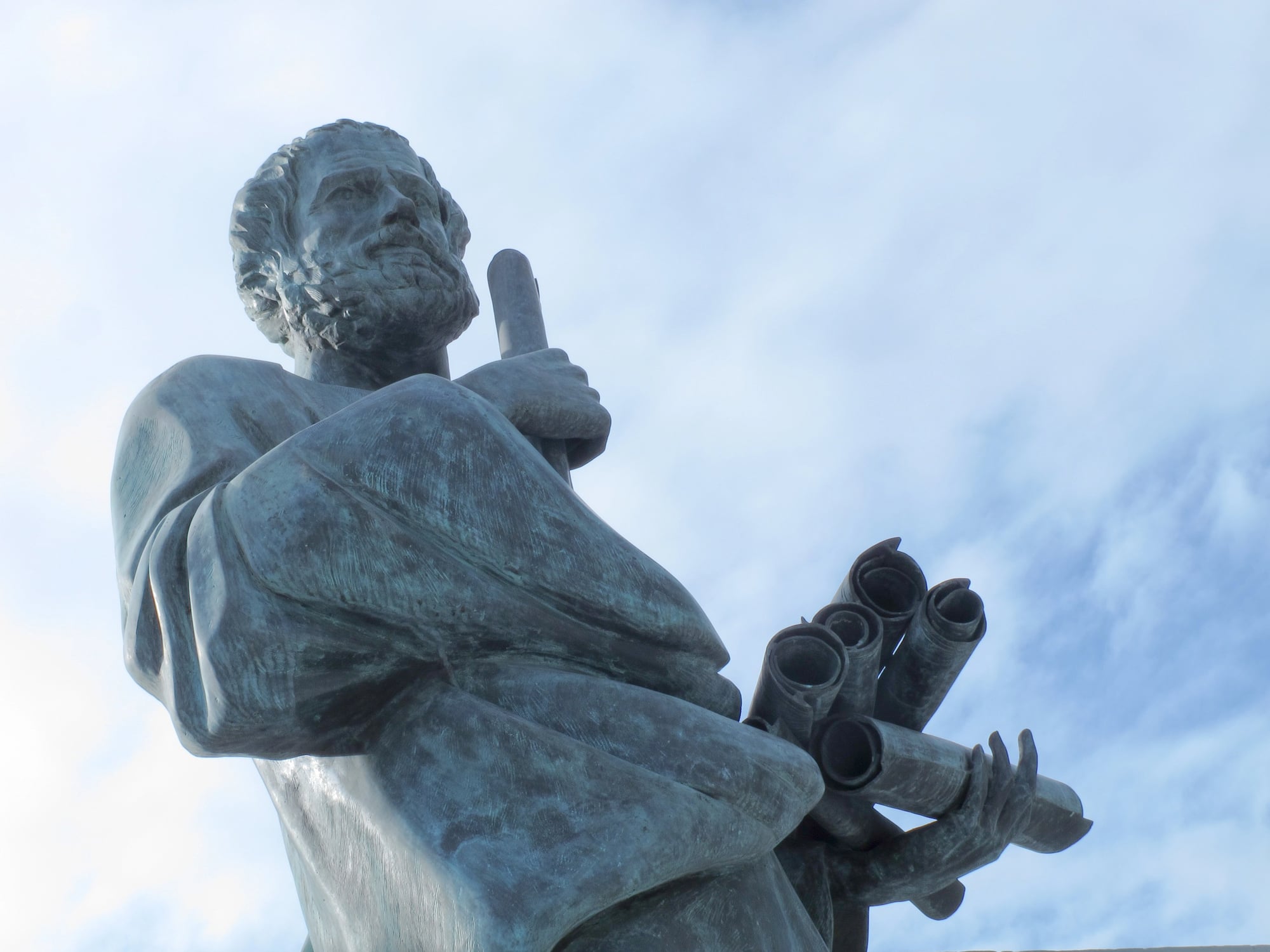
The Earth is round. Aristotle proved this in the 4th century BCE by observing lunar eclipses — the Earth’s shadow on the moon was always circular, which only happens if the Earth itself is spherical.
Medieval scholars knew this. Viking navigators knew this.
Christopher Columbus knew this (his problem wasn’t convincing people the Earth was round — it was convincing them it was small enough to sail west to Asia). Yet somehow the myth persists that people believed in a flat Earth until Columbus.
Aristotle was right about planetary geometry 2,000 years before anyone proved him wrong about anything else.
Mary Anning
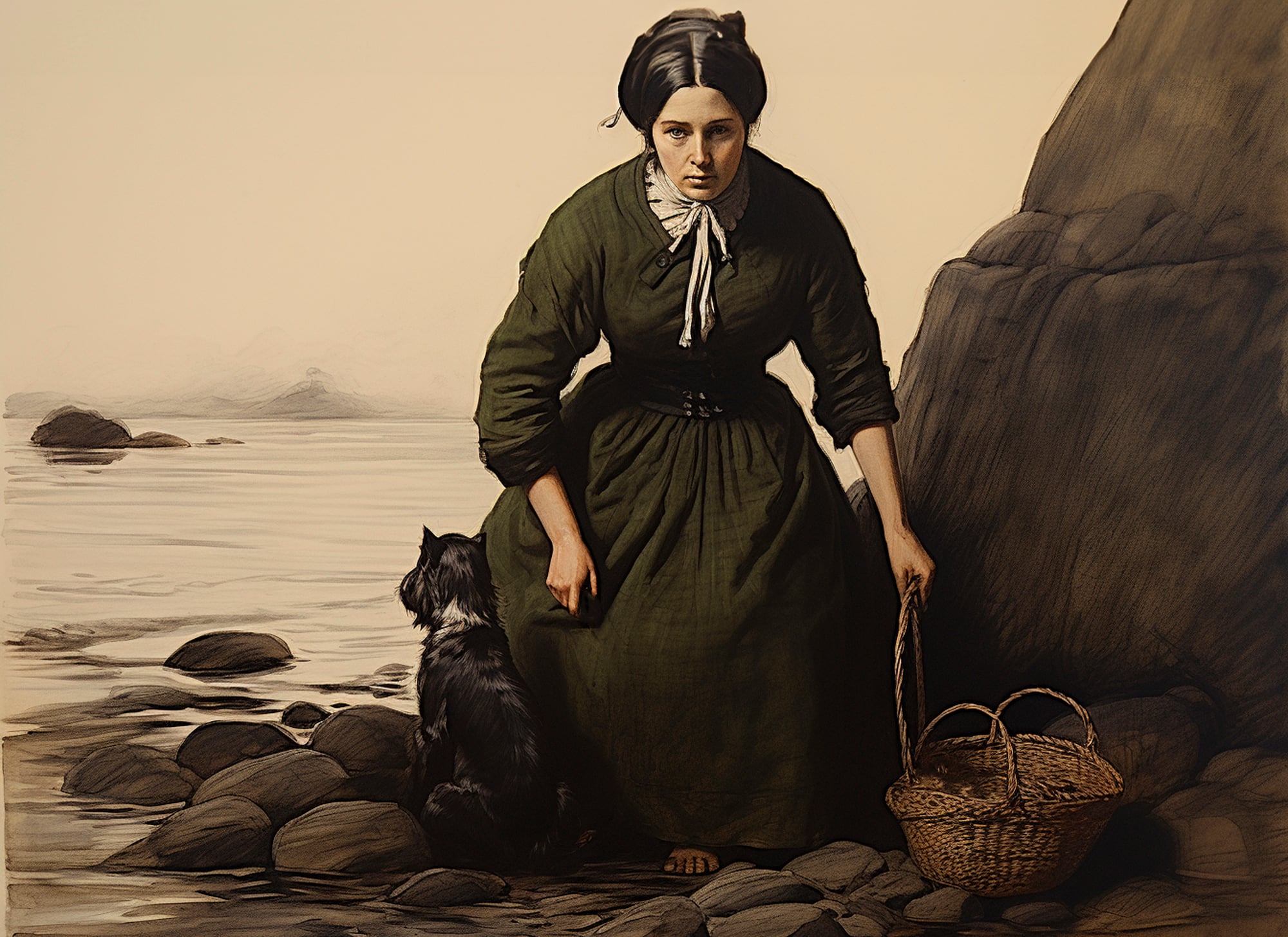
Fossils tell the story of ancient life. Anning discovered ichthyosaurs, plesiosaurs, and pterosaurs along the English coast in the early 1800s, revealing that the Earth had once been populated by creatures unlike anything alive today.
Her discoveries revolutionized paleontology, but as a working-class woman, she couldn’t publish papers or join scientific societies.
Wealthy gentlemen collectors bought her fossils and presented her findings as their own. Anning spent her life making discoveries that reshaped our understanding of natural history while remaining largely invisible to the scientific establishment that profited from her work.
Srinivasa Ramanujan
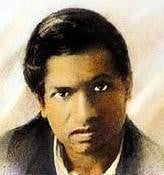
Mathematical truths revealed themselves to Ramanujan in dreams and visions. He filled notebooks with thousands of theorems and formulas, most of which turned out to be correct despite lacking formal proofs.
Hardy, the Cambridge mathematician who championed Ramanujan’s work, said his notebooks contained “the most remarkable formulae in mathematics.”
But Ramanujan’s unconventional approach — intuition over proof, inspiration over methodology — made many mathematicians uncomfortable. They wanted derivations, not revelations.
Ramanujan died young, leaving behind mathematical insights that are still being verified and explored a century later.
Leonardo Da Vinci
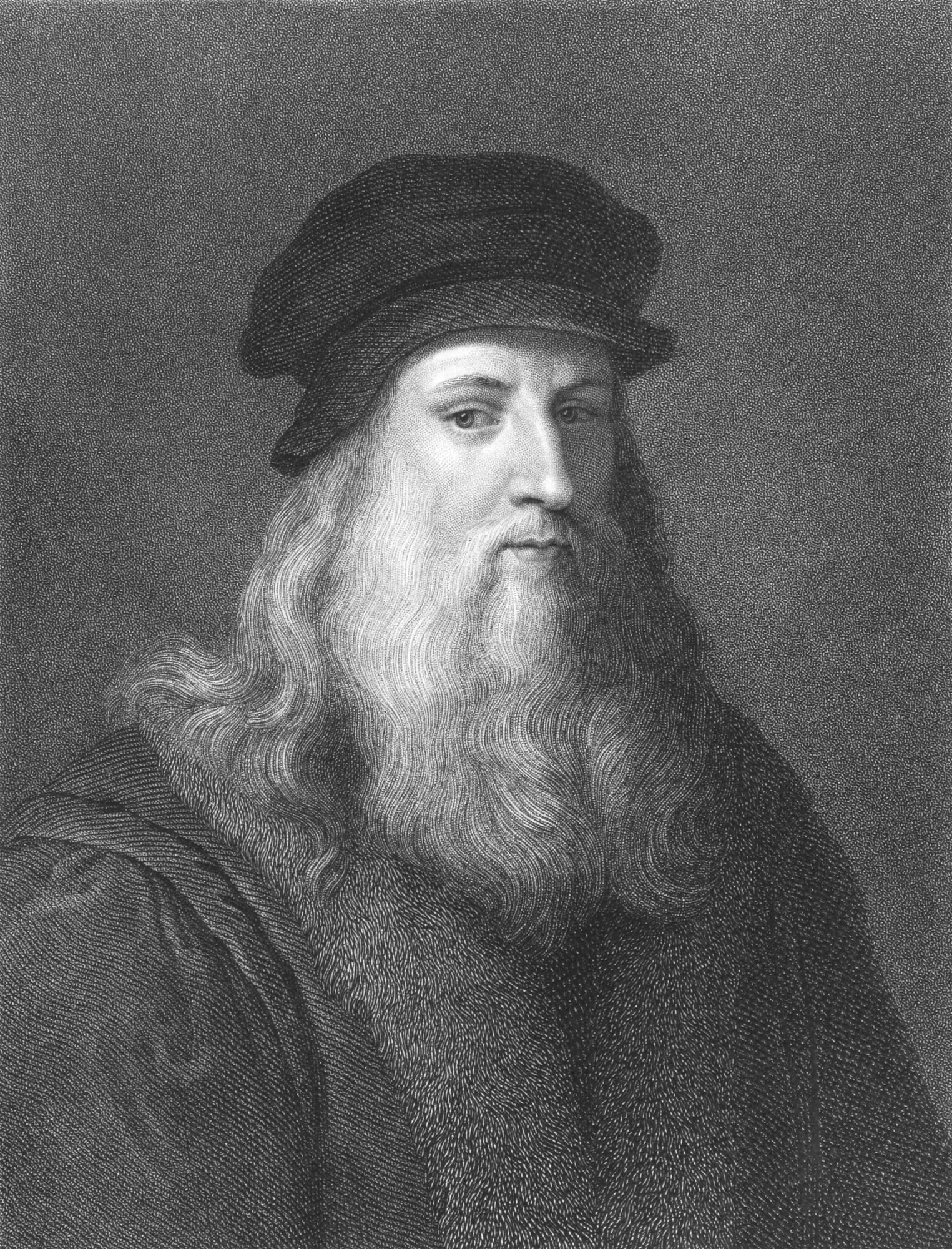
Human flight was possible. Da Vinci studied bird anatomy, designed flying machines, and understood that wings needed to generate lift to overcome weight.
His ornithopter sketches show sophisticated understanding of aerodynamic principles.
Renaissance engineers dismissed flight as impossible — humans weren’t meant to fly, and attempting it was either folly or heresy.
Da Vinci kept his flying machine designs private, hidden in mirror writing in his notebooks. He was right about the physics but wrong about the engineering: human muscle power couldn’t generate enough lift.
Flight would require engines, not just wings.
Lise Meitner
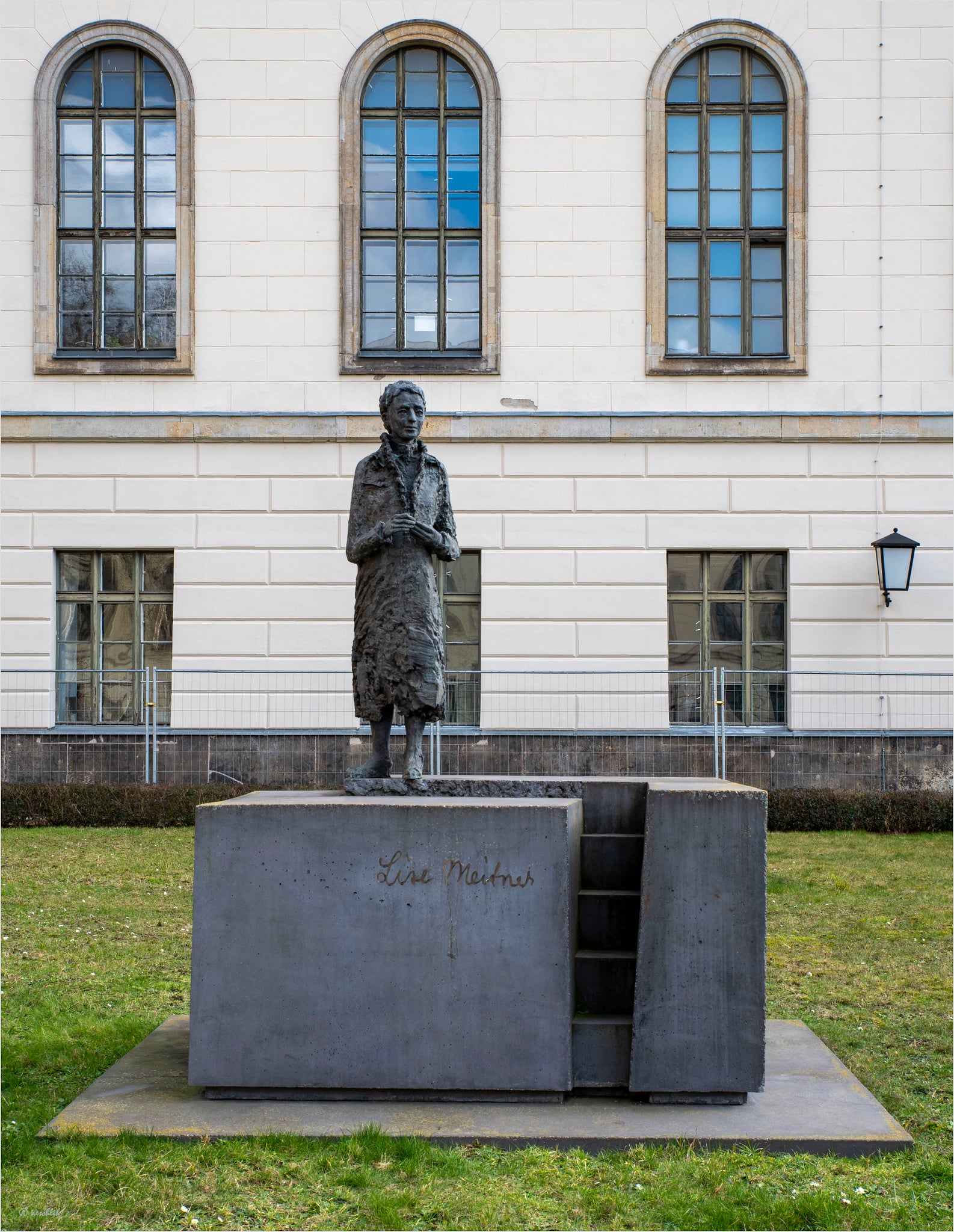
Atomic nuclei can split. Meitner realized that Otto Hahn’s strange experimental results — barium appearing in uranium bombardment experiments — meant that uranium atoms were splitting apart, releasing enormous energy in the process.
Her theoretical explanation of nuclear fission made the atomic age possible.
Hahn won the Nobel Prize for the discovery. Meitner, despite providing the crucial theoretical insight that explained what was happening, was overlooked by the Nobel committee and largely written out of the story of nuclear physics.
Her calculations showed that E=mc² wasn’t just elegant theory — it was practical reality with world-changing implications.
The Long View
Being right isn’t enough. These fifteen people prove that truth needs timing, persistence, and often luck to prevail.
Their vindication came too late for most of them — Semmelweis died in an asylum, Franklin never saw her Nobel Prize, Tesla died alone and forgotten.
But their ideas outlived their critics. Continental drift became plate tectonics.
Jumping genes became genetic regulation. Hand washing became standard medical practice.
The arc of scientific progress bent toward truth, even when it took decades to get there. Sometimes the most important thing about being right is being patient enough to wait for the world to catch up.
More from Go2Tutors!

- The Romanov Crown Jewels and Their Tragic Fate
- 13 Historical Mysteries That Science Still Can’t Solve
- Famous Hoaxes That Fooled the World for Years
- 15 Child Stars with Tragic Adult Lives
- 16 Famous Jewelry Pieces in History
Like Go2Tutors’s content? Follow us on MSN.



