Vegetables Once Considered Poisonous
There was a time when people thought certain vegetables could kill them. Sounds strange now, but back then, folks didn’t have the scientific knowledge we do today.
They relied on rumors, superstition, and the occasional unfortunate incident to decide what was safe to eat. Some of these fears had a grain of truth to them, while others were completely off base.
Either way, these vegetables eventually made their way onto dinner plates around the world, proving that sometimes the scariest-looking foods turn out to be the most delicious. Let’s dig into the vegetables that once had people running scared, even though they’re now kitchen staples.
Tomatoes
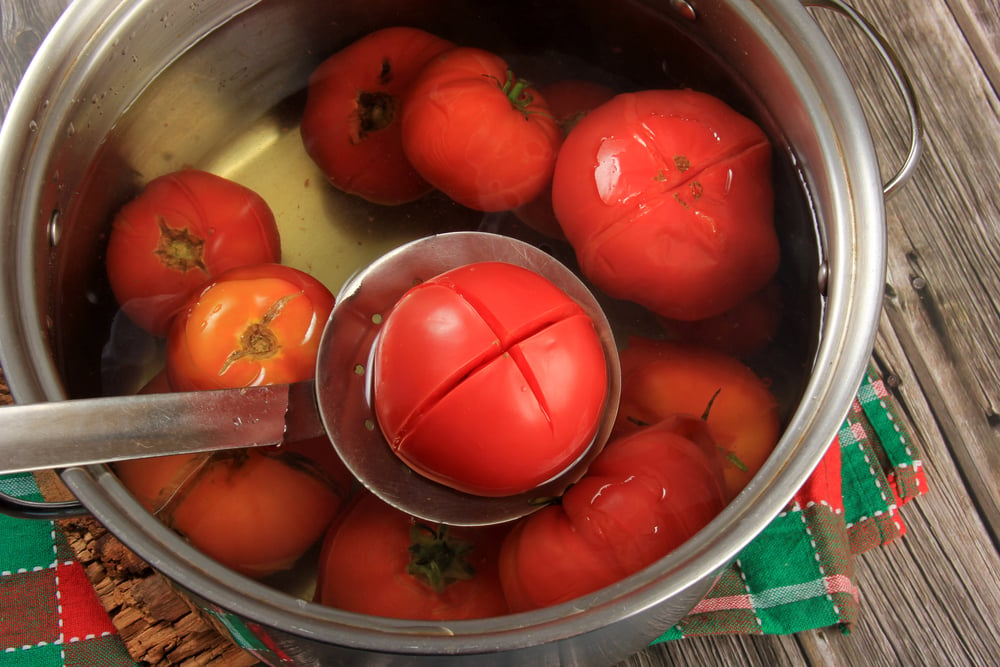
Tomatoes were called ‘poison apples’ in Europe for a long time. Wealthy Europeans would eat tomatoes off pewter plates, and the acid from the fruit would leach lead from the plates, actually poisoning people.
So technically, the tomatoes weren’t the problem at all, but they got blamed anyway. It took until the 1800s for tomatoes to shake off their deadly reputation in places like England and the United States, even though people in South America and parts of Europe had been eating them safely for centuries.
Potatoes
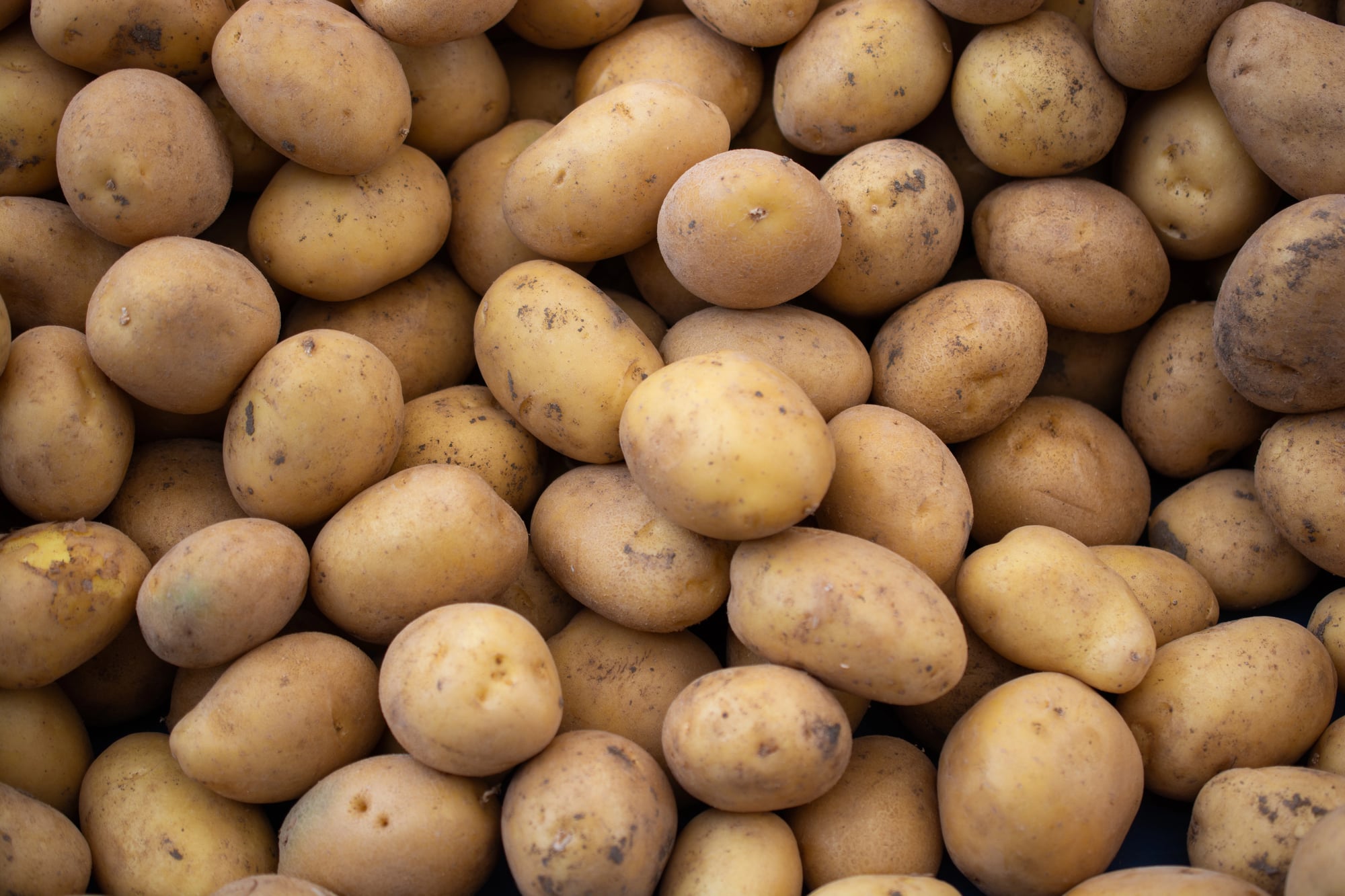
When potatoes first arrived in Europe from South America, people were terrified of them. The fact that potatoes are part of the nightshade family didn’t help their reputation one bit.
Some folks thought eating potatoes would give them leprosy because the tubers looked kind of lumpy and weird. Others believed they caused all sorts of diseases.
It wasn’t until widespread famine hit Europe that people got desperate enough to give potatoes a real chance, and they realized the humble spud was actually pretty great.
Eggplants
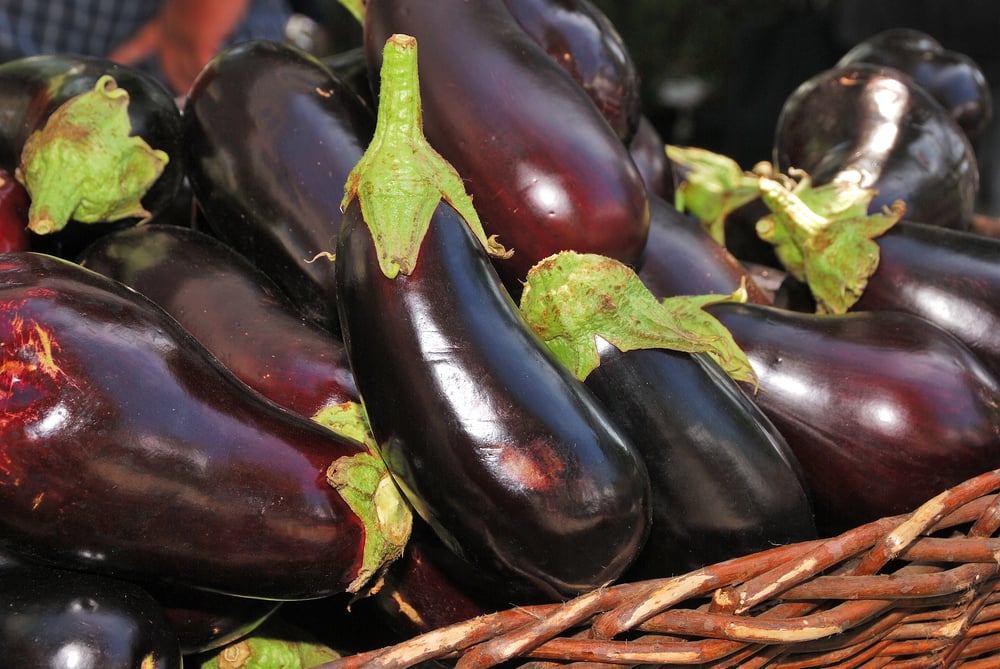
Eggplants got stuck with the nickname ‘mad apple’ in Europe because people genuinely believed eating them would make you lose your mind. The name comes from the idea that consuming eggplants would lead to insanity or severe mental disturbance.
Part of the fear came from the fact that eggplants are also nightshade family members, which made people automatically suspicious. The shiny purple skin and unusual texture didn’t exactly help its case either.
Carrots
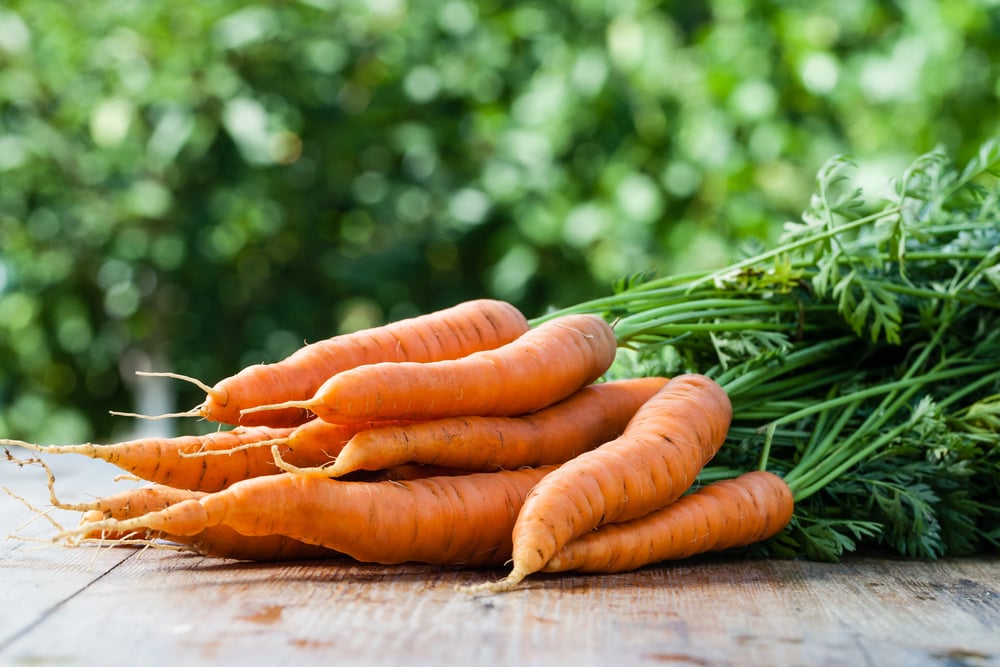
Wild carrots looked nothing like the orange vegetables we know today, and for good reason—they were often confused with poison hemlock, which actually can kill you. The two plants look remarkably similar when they’re growing, and more than a few people made fatal mistakes trying to forage for wild carrots.
This confusion kept many people away from carrots altogether, even the cultivated ones. The orange carrot we recognize today was actually bred by Dutch farmers in the 1600s as a tribute to the royal House of Orange.
Rhubarb
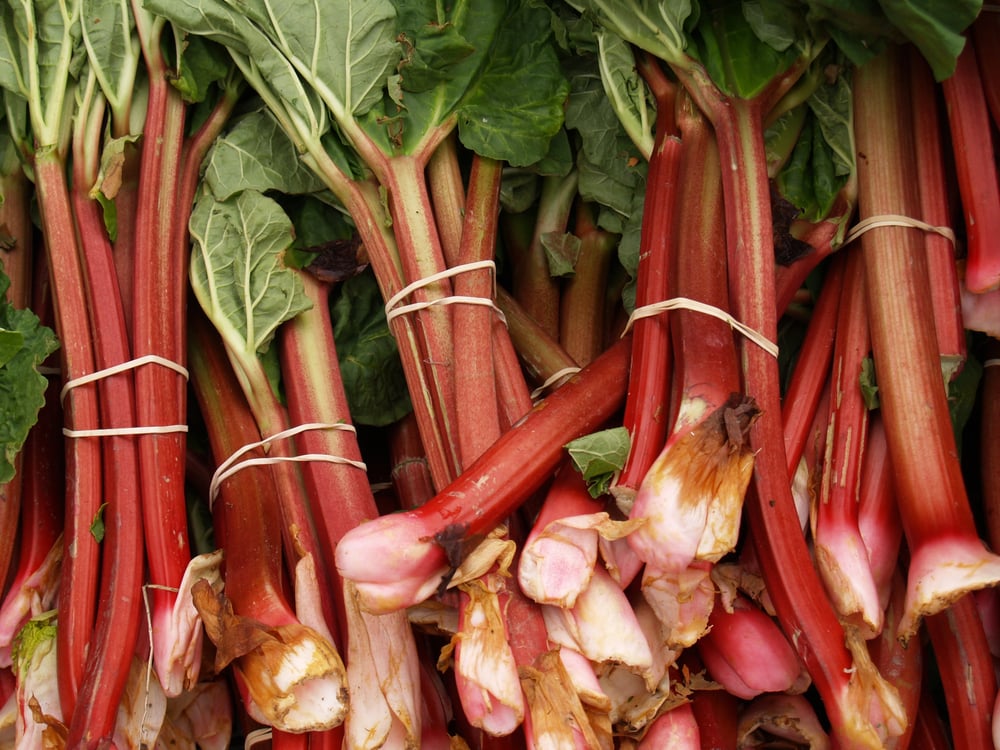
Rhubarb leaves are genuinely poisonous because they contain high levels of oxalic acid, which can cause serious kidney damage. During World War I, the British government suggested using rhubarb leaves as a food source, which led to several poisonings and deaths.
The stalks are perfectly safe to eat, but the leaves created such a scare that many people avoided the entire plant. Even today, some folks are nervous about rhubarb because of its toxic leaves, even though generations have safely enjoyed rhubarb pie.
Cabbage
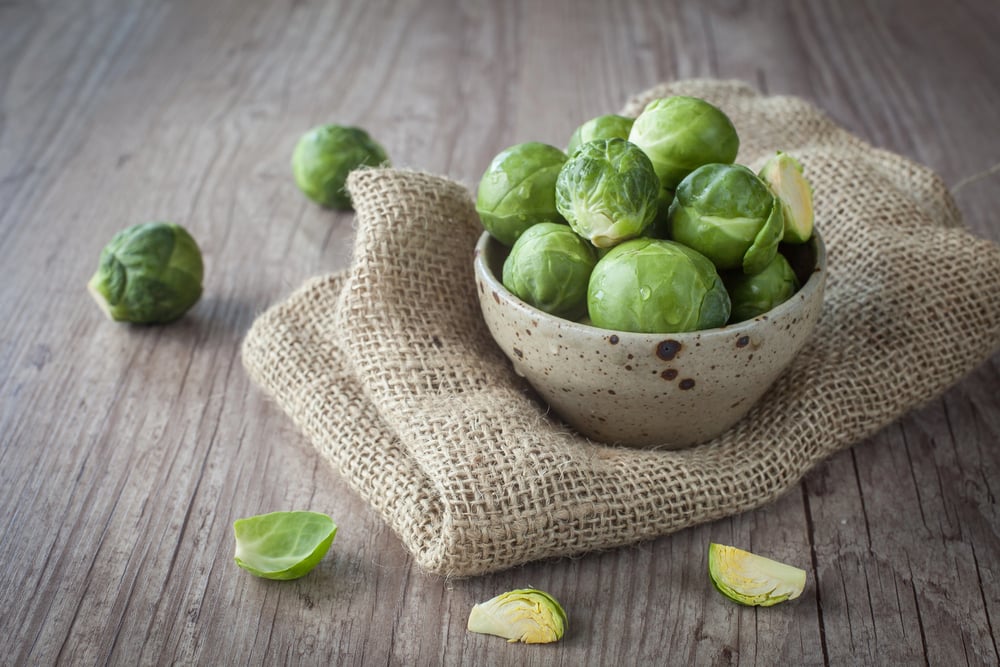
Ancient Greeks and Romans thought cabbage could cure just about everything, but medieval Europeans flipped the script and decided it was dangerous. Some people believed cabbage caused melancholy and depression, which seems ridiculous now.
Others thought it would make you stupid or dull-witted if you ate too much of it. The poor reputation stuck around for quite a while before cabbage eventually redeemed itself as a reliable, cheap vegetable that could feed families through harsh winters.
Celery
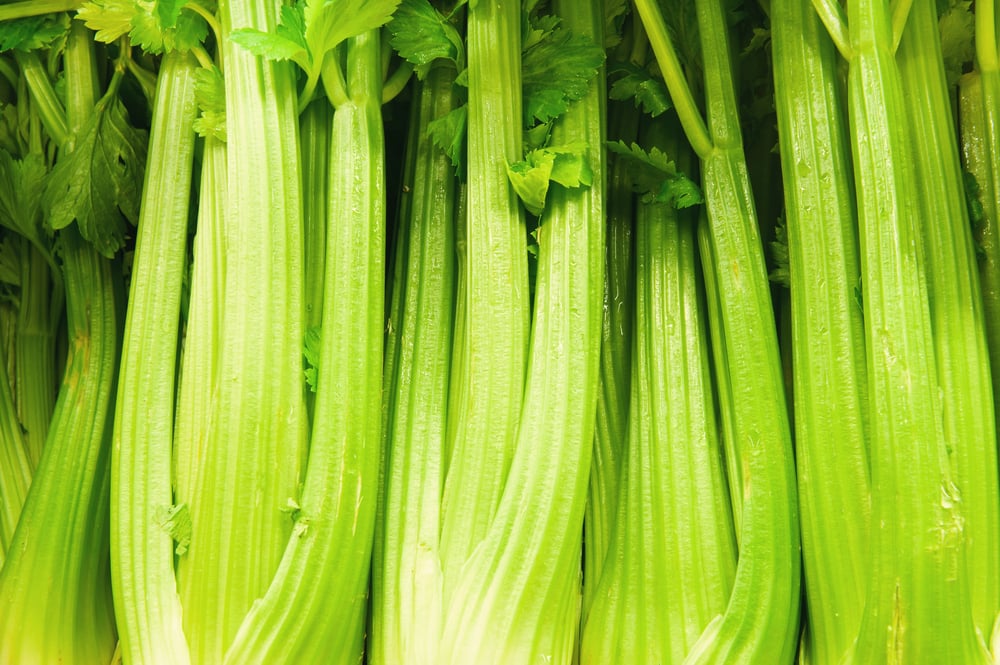
Wild celery was actually toxic enough to cause problems if eaten in large amounts. The ancient Greeks used wild celery for medicinal purposes and funeral wreaths, not food, which should tell you something about its reputation.
It contained higher levels of psoralens, compounds that can cause skin irritation and other issues. Over many generations, celery was carefully cultivated to reduce these toxic compounds, turning it into the mild, crunchy vegetable we munch on today.
Cucumbers
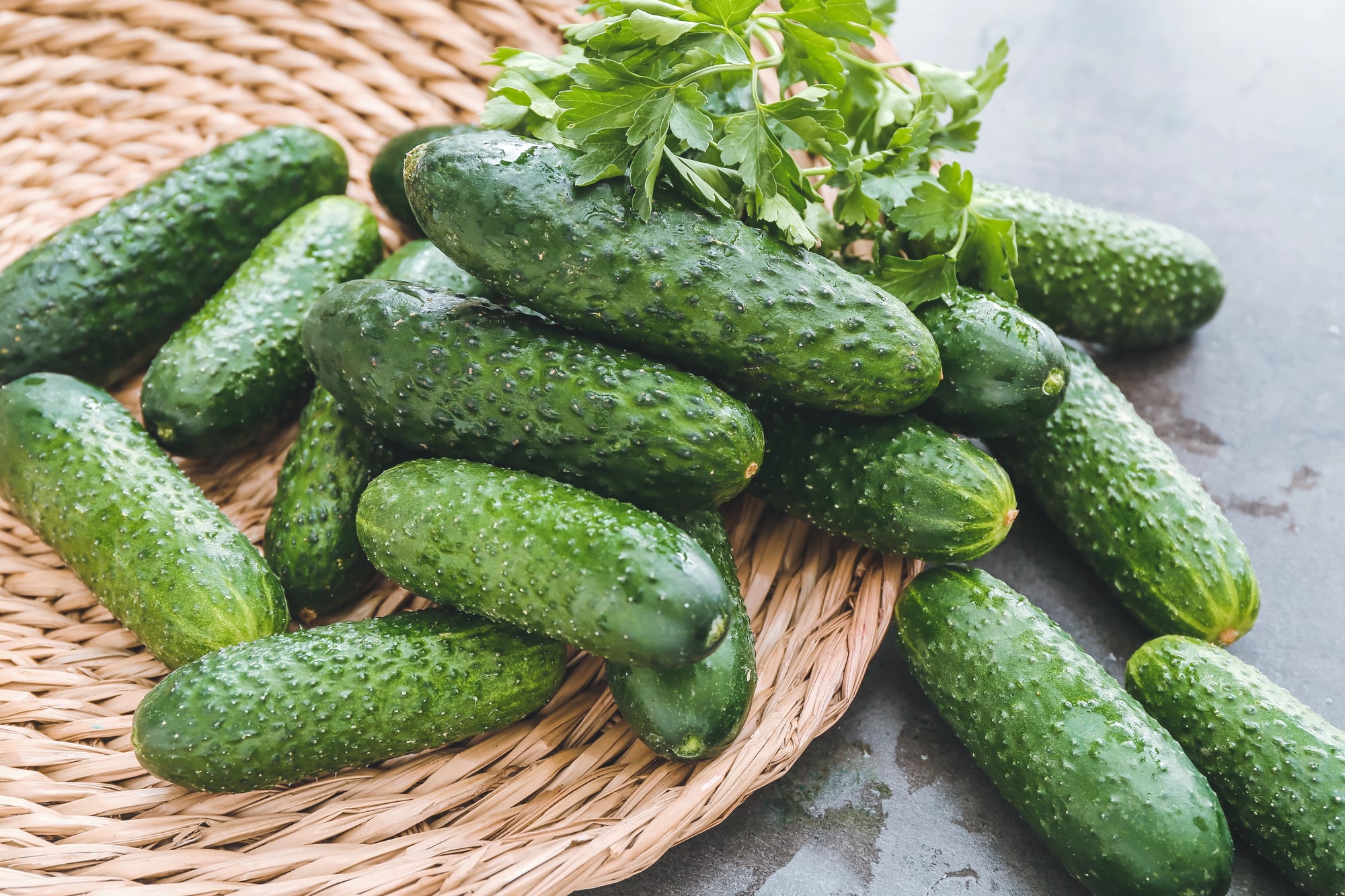
The ancient Romans loved cucumbers, but by the medieval period, Europeans had turned against them completely. Medical texts from the Middle Ages warned that cucumbers were cold and moist, which supposedly upset the body’s natural balance and caused fevers.
Some doctors claimed they could cause everything from indigestion to serious illness. The English particularly distrusted cucumbers, and it took hundreds of years for them to regain their status as a refreshing, harmless vegetable.
Lettuce
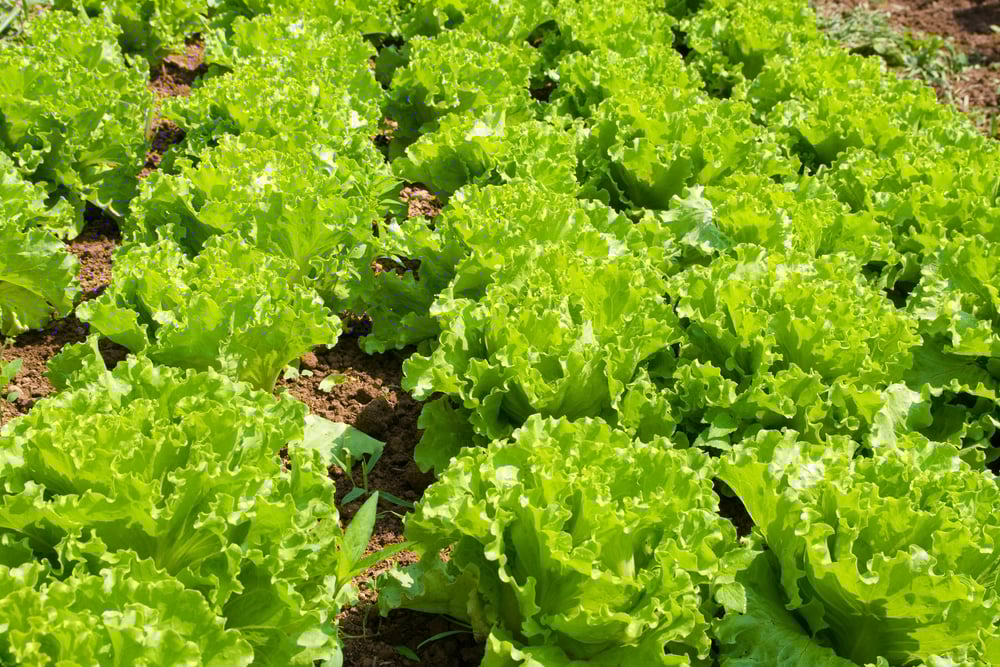
Lettuce seems like the most innocent vegetable imaginable, but people once feared it would make them sterile. This belief probably came from the fact that wild lettuce contains a milky substance called lactucarium, which has mild sedative properties.
Ancient physicians sometimes used this substance as a painkiller, which made people think regular lettuce might have dangerous effects on the body. The connection between lettuce and reproductive problems was taken seriously enough that some cultures avoided it completely.
Peppers
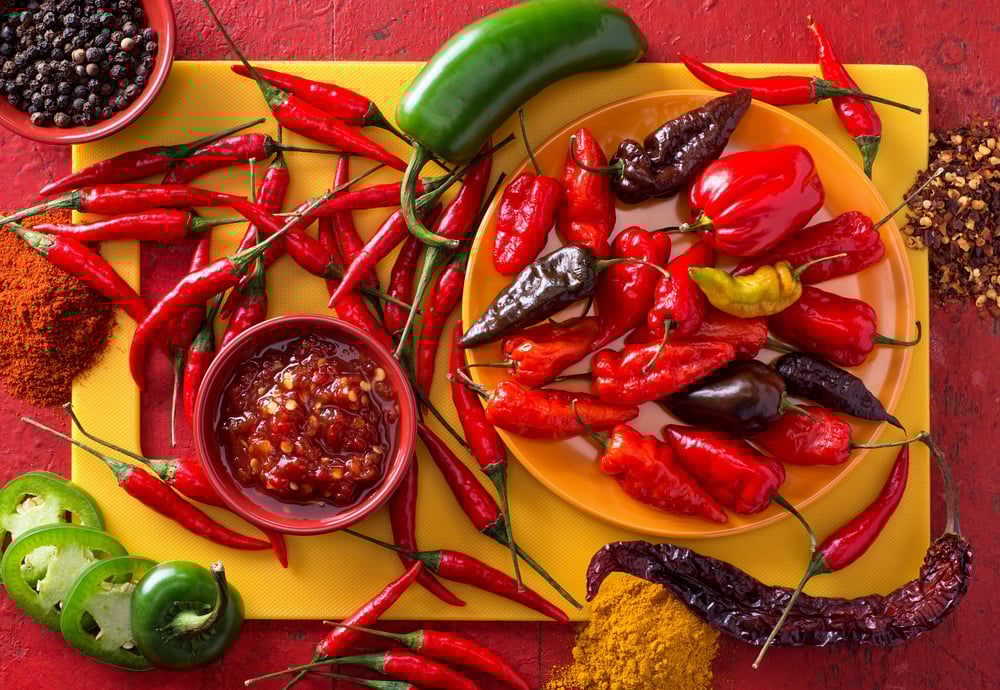
When peppers arrived in Europe from the Americas, people had no idea what to make of them. The burning sensation they caused made folks think they were being poisoned or damaged inside.
Bell peppers and hot peppers alike were viewed with extreme suspicion. Many Europeans believed the heat from peppers would literally burn pits in their stomachs.
It took adventurous eaters and lots of time before peppers became the beloved vegetables and spices they are today.
Spinach
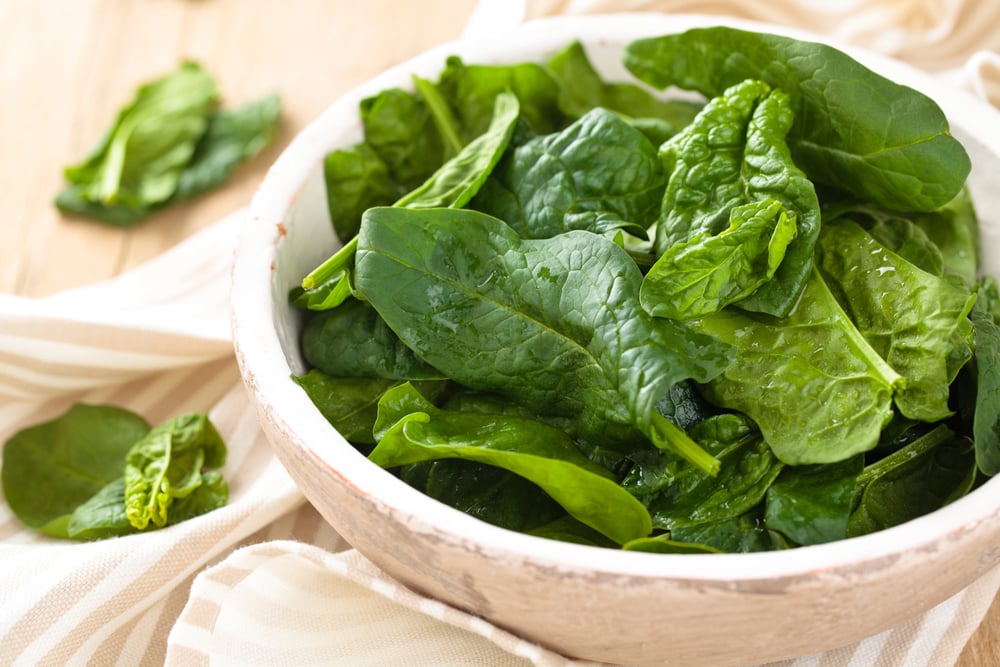
Spinach wasn’t considered poisonous in the traditional sense, but a mathematical error made people think it contained way more iron than it actually does. This mistake led to both overblown health claims and concerns about iron toxicity.
Additionally, spinach contains oxalic acid, which can interfere with calcium absorption and contribute to kidney stones in susceptible people. Some historical medical texts warned against eating too much spinach because of these compounds, even though moderate consumption is perfectly safe.
Parsnips
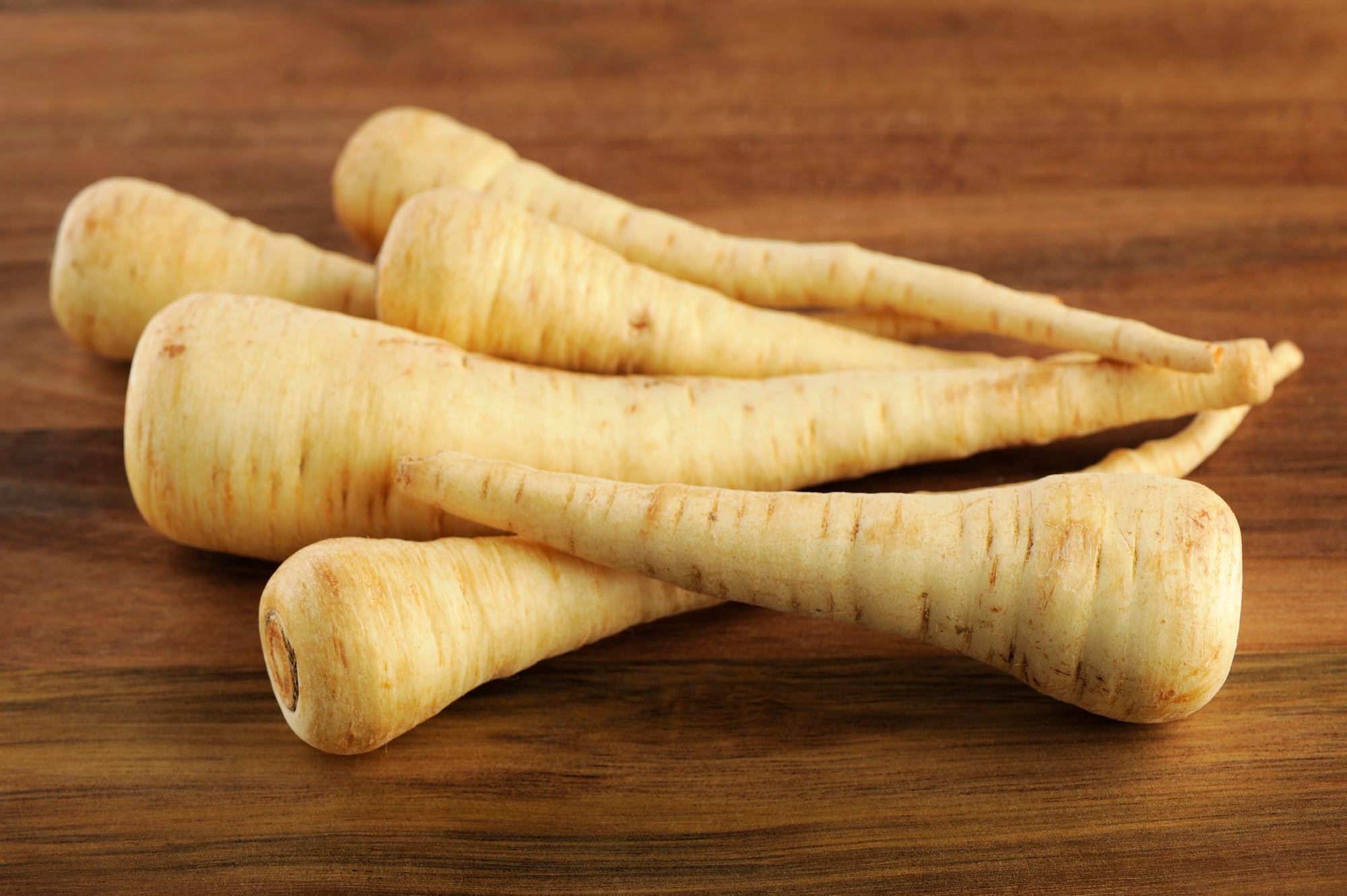
Wild parsnips can cause a condition called phytophotodermatitis, where touching the plant and then exposing your skin to sunlight causes painful burns and blisters. This very real danger made people extremely wary of all parsnips, even the cultivated kind that are much safer.
The plant looks similar to several poisonous relatives, which added to the confusion and fear. Despite these concerns, parsnips became a staple root vegetable in Europe, especially before potatoes showed up.
Asparagus
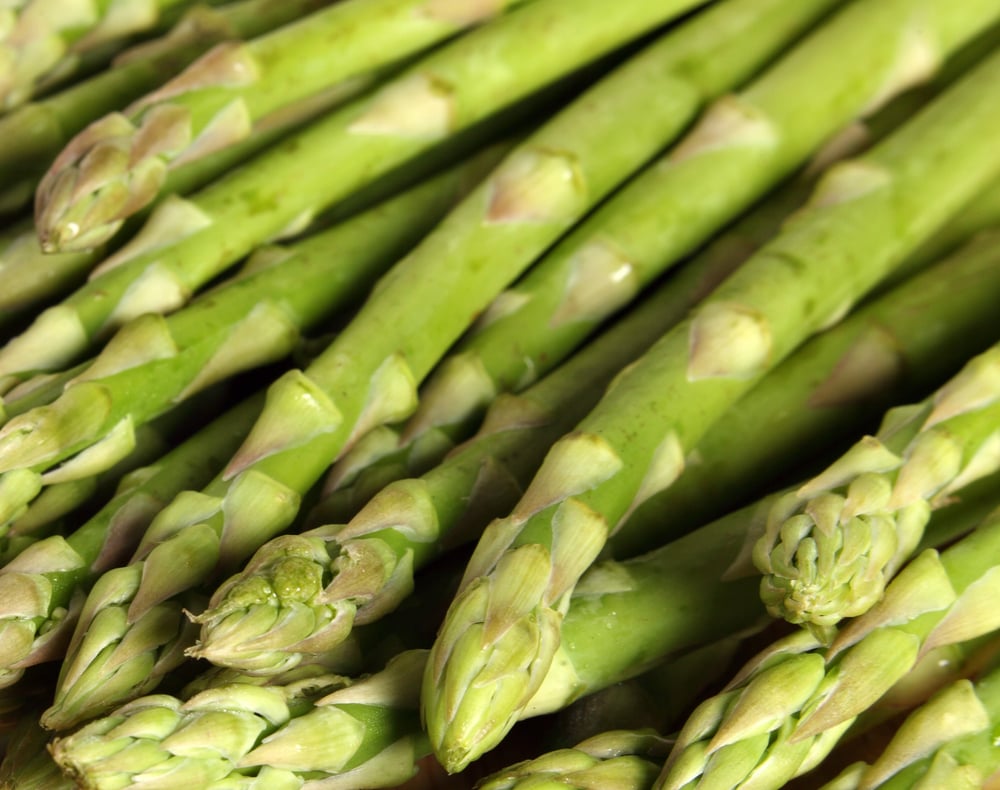
Asparagus was thought to be an aphrodisiac in some cultures, which made it morally dangerous rather than physically poisonous. Some religious communities banned asparagus because they believed it would provoke inappropriate desires.
Others thought asparagus had medicinal properties so strong that eating it could upset the body’s natural state. The strange smell it gives to urine also made people suspicious that something unusual was happening inside their bodies.
Brussels sprouts
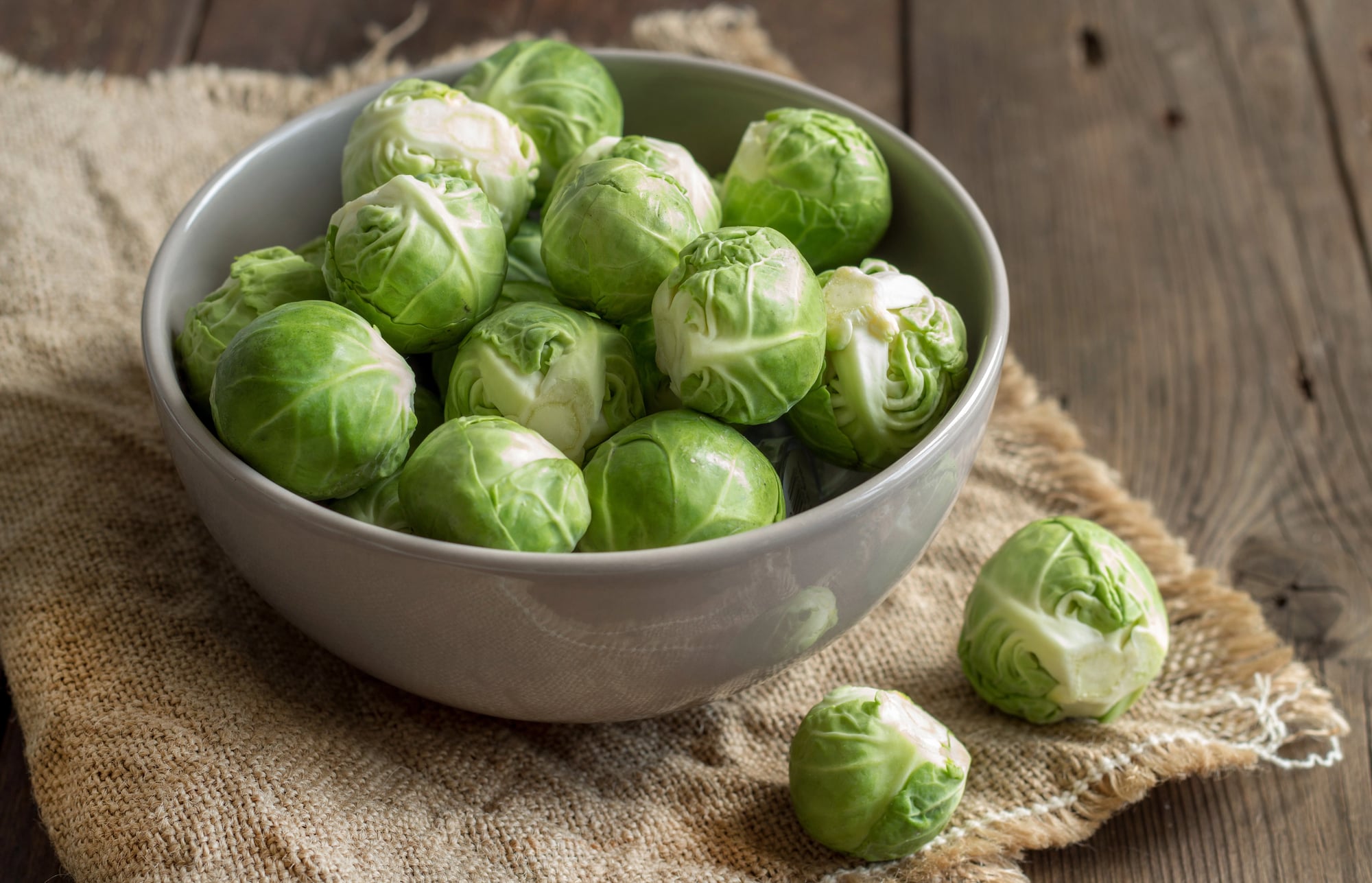
Brussels sprouts are a relatively new vegetable, first cultivated in Belgium in the 1500s, but they still managed to get a bad reputation early on. Some people thought they were poisonous because they caused gas and digestive discomfort when eaten in large amounts.
The strong smell they produce when overcooked didn’t help matters. Many families forced children to eat them despite the unpleasant effects, which created generations of people who genuinely feared and hated brussels sprouts.
Beets
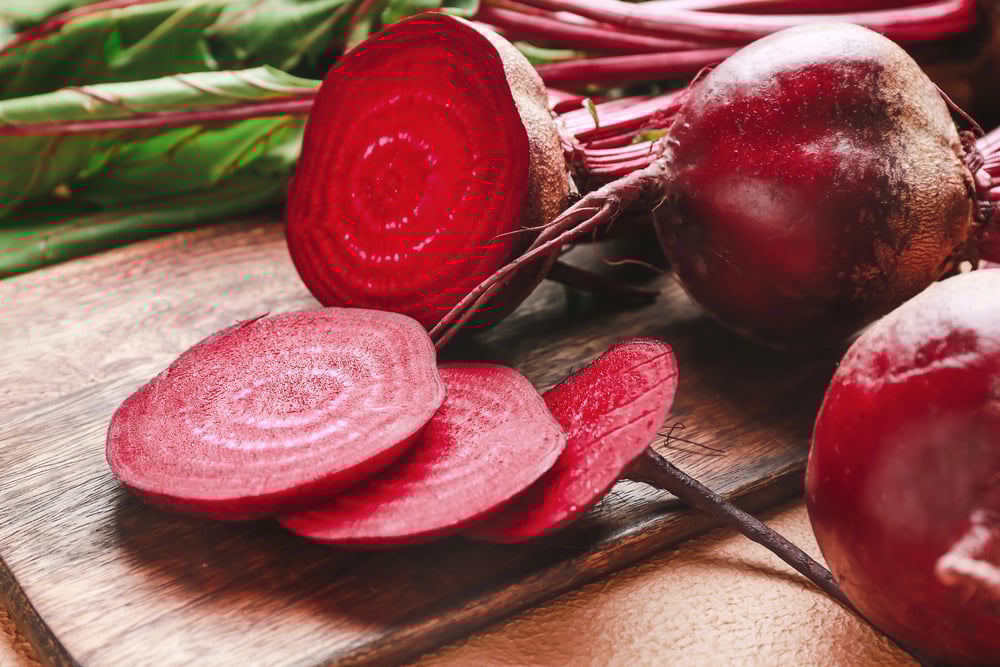
Reddish pee after eating beets surprised folks long before anyone understood why. Called beeturia, it does no harm at all yet often causes alarm.
Many assumed internal hemorrhage had occurred, so they stopped eating the root entirely. That intense crimson tint gave beets a strange, almost suspicious appearance.
Over time though, humans grew familiar – farming them widely, trusting their value, seeing food instead of threat.
Turnips
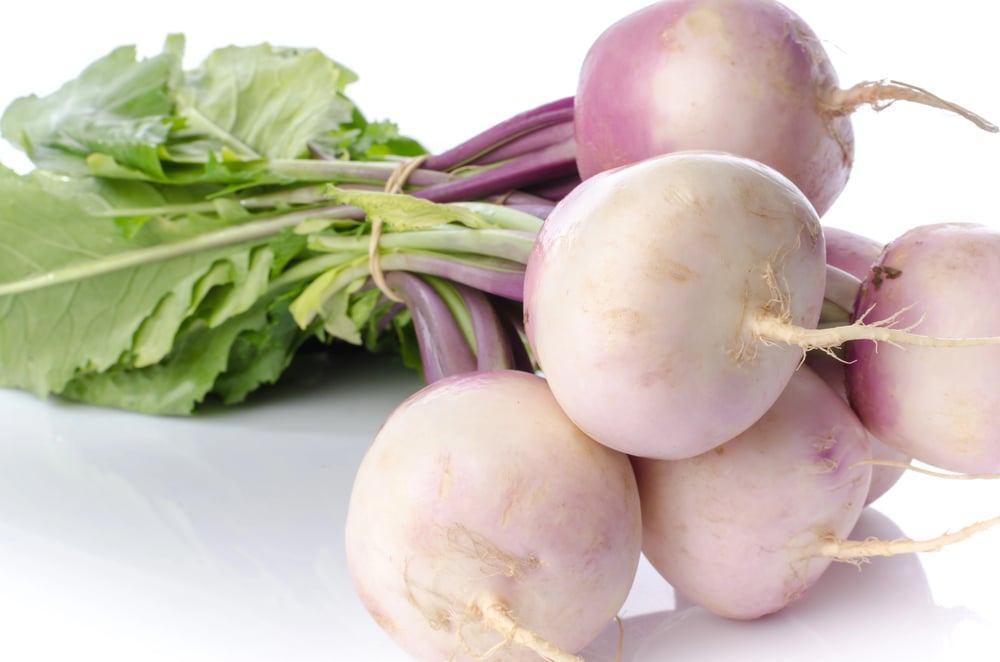
Peasants ate them – that fact alone made turnips risky for nobles. To think a duke might eat the same root as a farmhand? Unthinkable.
Delicate stomachs, doctors insisted, simply could not process such rough fare. Gas, bloating – symptoms too vulgar for silk-dressed society.
The danger lay less in nutrition and more in who was supposed to digest what. Status shaped diets far more than health ever did.
From fear to feast
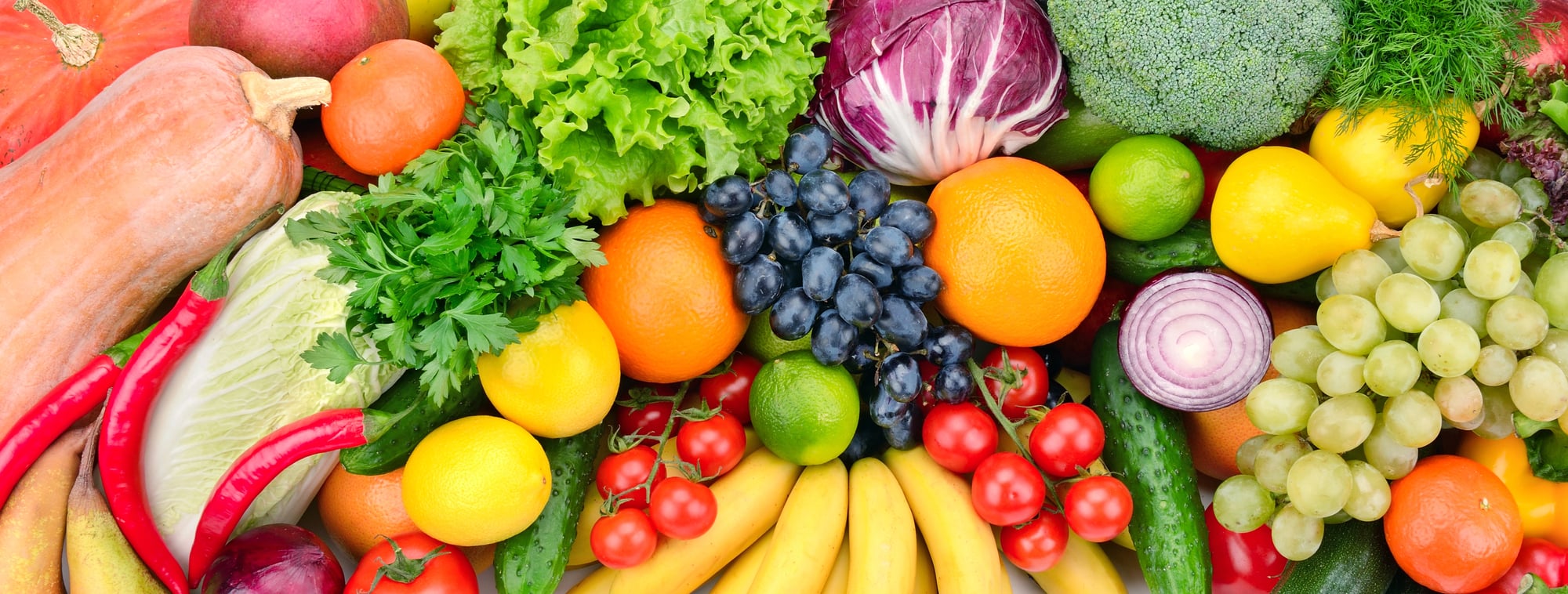
One bite of a bell pepper now feels normal, yet people once believed it could spell doom. Truth emerged slowly, thanks to careful study, even if certain fears were actually justified.
A bowl of greens on your plate would shock those who lived long before us. Roasted eggplant sits calmly among modern sides, though past generations saw poison in its flesh.
That crunch of raw zucchini? Once proof of danger, now just texture.
Imagine fleeing from what you casually toss into tonight’s pan.
More from Go2Tutors!

- The Romanov Crown Jewels and Their Tragic Fate
- 13 Historical Mysteries That Science Still Can’t Solve
- Famous Hoaxes That Fooled the World for Years
- 15 Child Stars with Tragic Adult Lives
- 16 Famous Jewelry Pieces in History
Like Go2Tutors’s content? Follow us on MSN.