Vintage Easy-Bake Ovens and Toy Kitchens Worth Money
A child-sized stove can hold more memories than the full-sized one it imitated. Cake pans the size of a coaster, tiny irons, and cast-metal ranges with lids that actually lift all trace back to the same idea: let kids play at running the house.
Some of those toys now sit in glass cases, and others still turn up in attic boxes.
Collectors chase them for different reasons, from nostalgia to the craftsmanship of the toy makers who built them. Prices swing widely, and what any piece fetches depends heavily on condition, completeness, and the presence of original packaging.
The 1963 Kenner Easy-Bake Oven
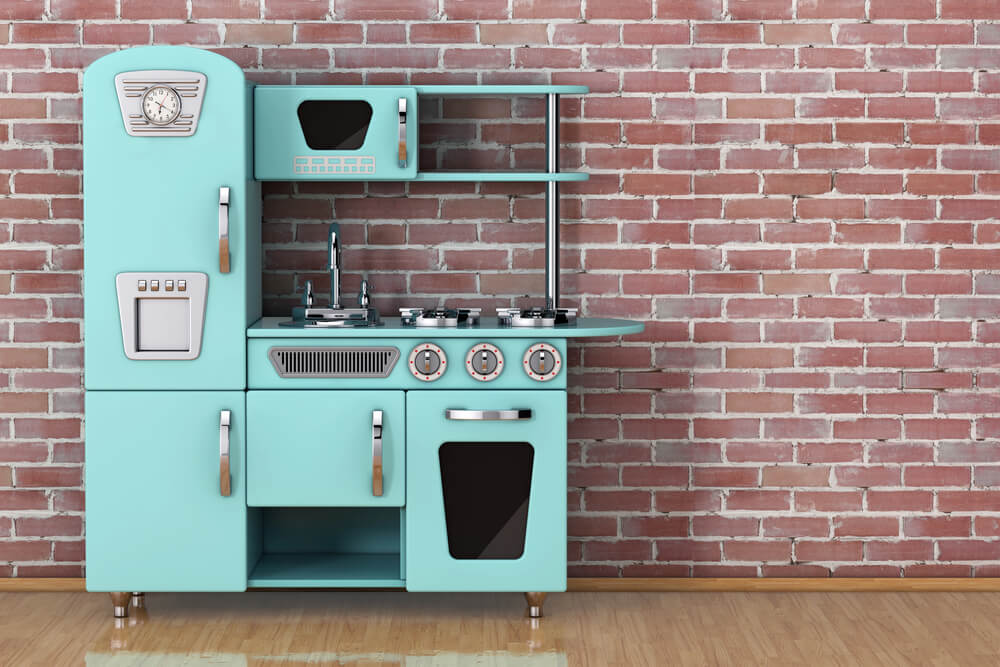
Kenner of Cincinnati launched the Easy-Bake Oven in 1963, and the toy had no heating element at all. Two 100-watt incandescent light bulbs supplied the heat, which cooked tiny cakes in the same way a lamp can warm a room.
More than half a million ovens sold in the first year, according to widely cited histories of the toy. Early ovens with intact pans, pushers, and original boxes are the ones collectors prize most, and condition drives value.
General Mills-Era Kenner Ovens
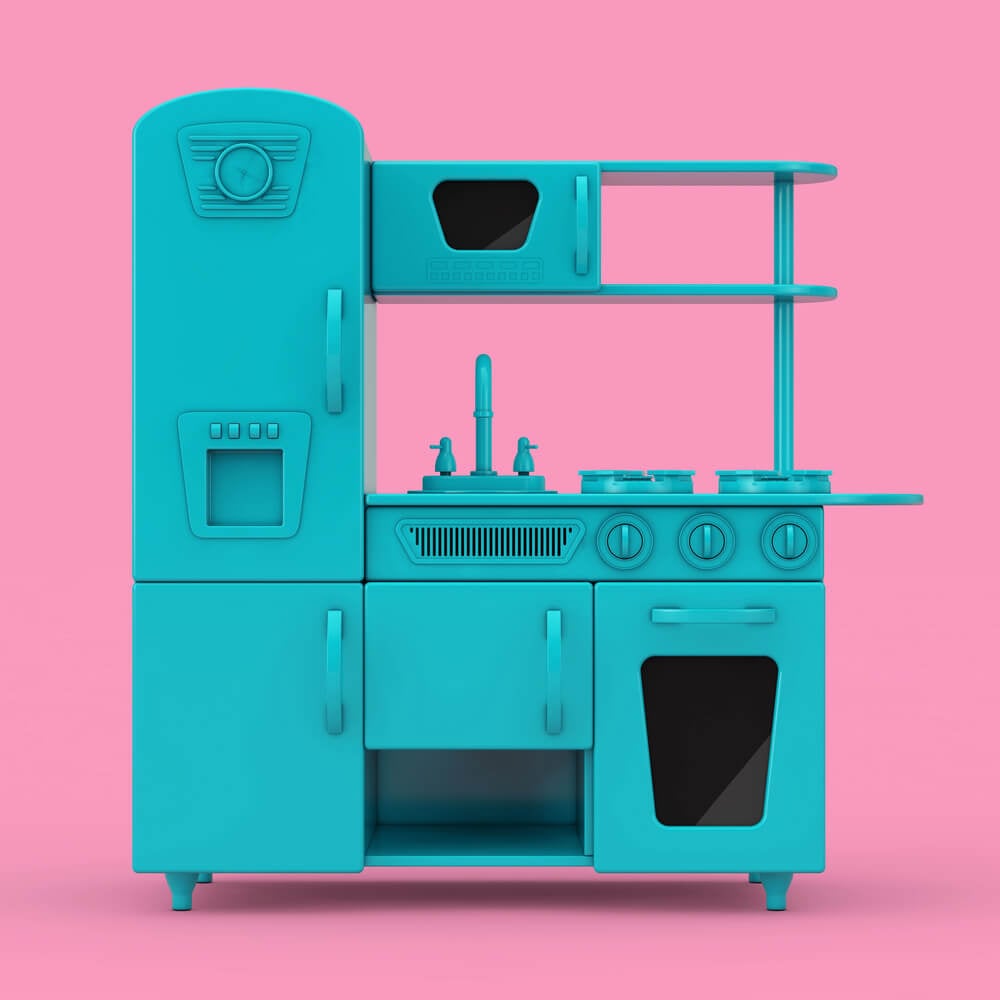
General Mills bought Kenner in 1967, which put the Easy-Bake Oven under the same corporate roof as Betty Crocker. That connection explains why the toy’s mix packets carried the Betty Crocker name.
Collectors tend to sort ovens by the look of their packaging, since graphics changed with the decades. A set that still includes its original pans and instruction sheet is far more attractive than a bare oven, and wear on the plastic matters.
Unopened Betty Crocker Easy-Bake Mixes
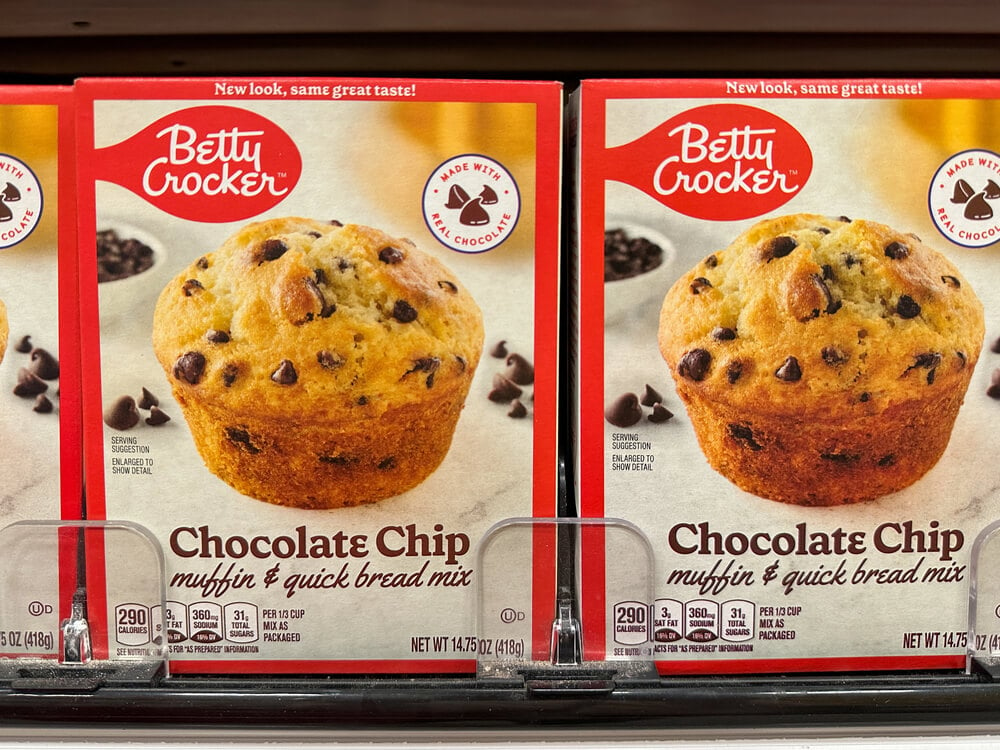
Mix packets are the quietly valuable corner of Easy-Bake collecting, because almost every packet ever sold was eventually torn open and baked. Those that survive sealed carry the vintage Betty Crocker artwork that dates them to a specific era.
Collectors accept that the contents are no longer edible, since the packaging is the real attraction. Value depends on whether the packet is sealed, crisp, and free of stains, and on how rare the flavor is.
The Final Light-Bulb Easy-Bake Ovens
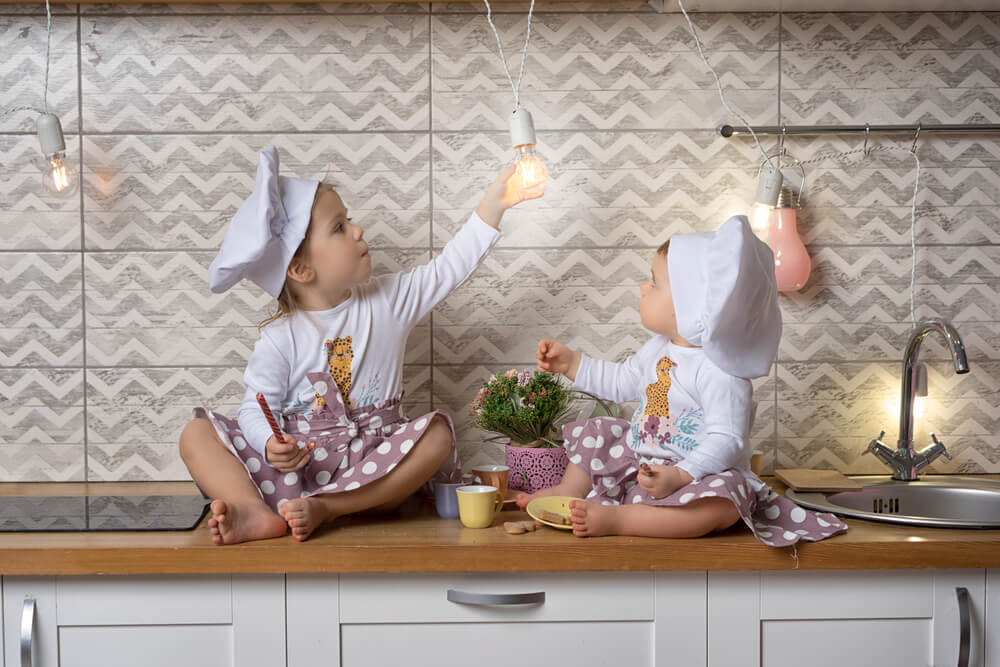
Hasbro replaced the light-bulb design in 2011 with the Easy-Bake Ultimate Oven, which used a true heating element after incandescent bulbs were phased out. That change turned the last bulb-powered ovens into a collectible dividing line, the end of a design that had run for nearly five decades.
Collectors look for models in their original boxes with the pans and accessories intact. As with any modern toy, condition and completeness shape the price.
Topper Suzy Homemaker Super Safety Oven
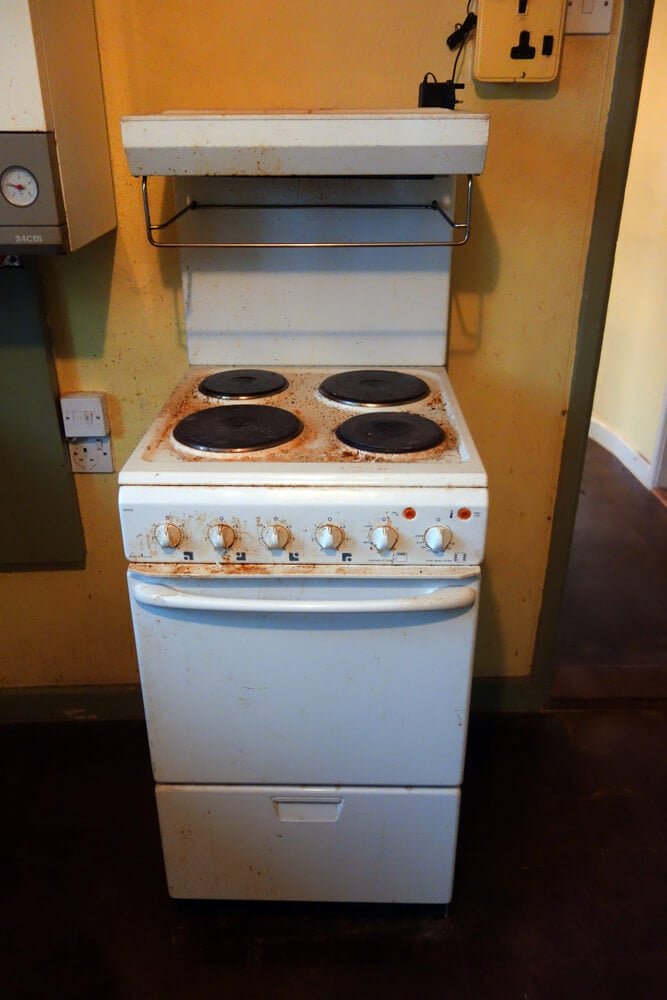
Topper Toys, based in Elizabeth, New Jersey, sold a line of working miniature appliances under the Suzy Homemaker name. The Super Safety Oven is a favorite among collectors because it competed directly with Kenner’s design.
The set came with small pans and a safety-minded construction that gave it its name. Boxed examples with the original accessories are scarce, and condition determines how much a collector will pay.
Wolverine Sunny Suzy Toys
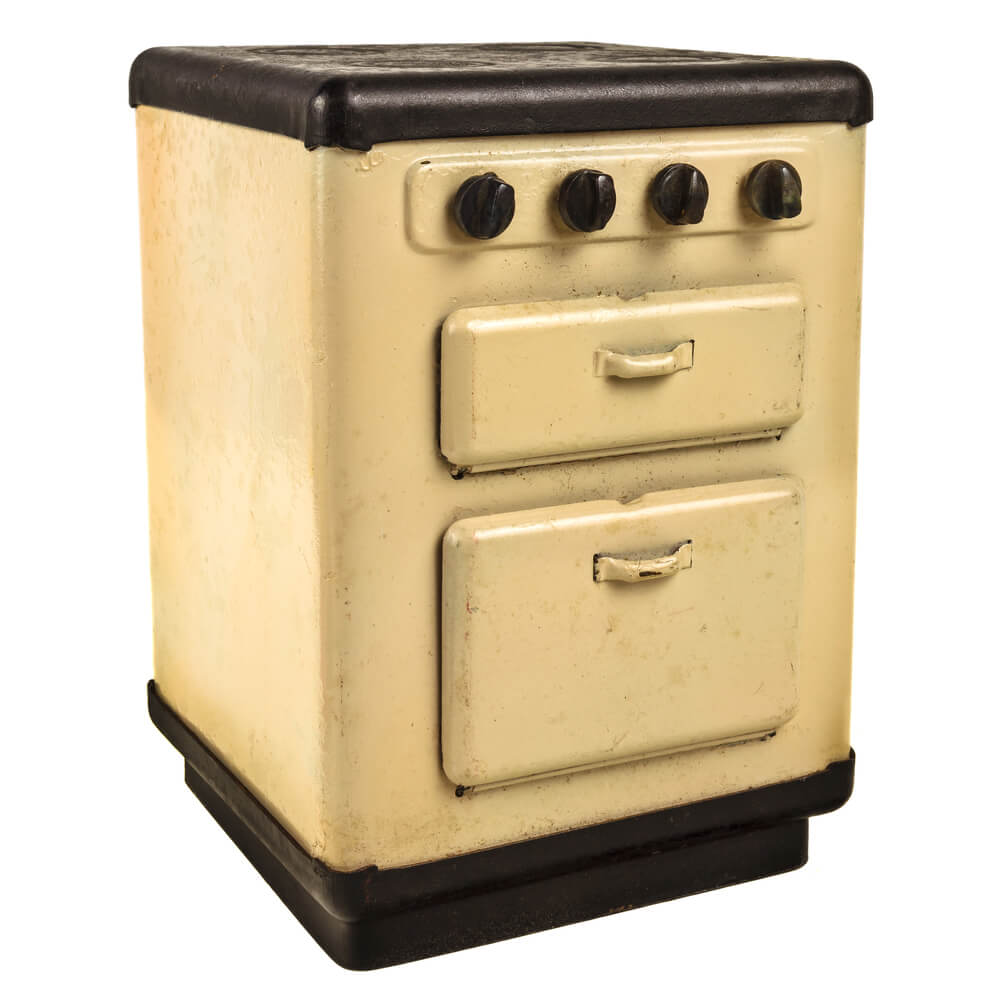
Wolverine Toy Company of Pittsburgh produced tin toys for decades, and an archive of the company’s records covers the years 1908 to 1984. Its Sunny Suzy line of household toys included items such as a toy iron, and The Henry Ford holds one dated 1950 to 1955.
Collectors prize the bright lithographed artwork, which fades and scratches easily. Pieces with clean graphics and original boxes are harder to find than loose, worn examples.
Arcade Cast Iron Toy Stoves
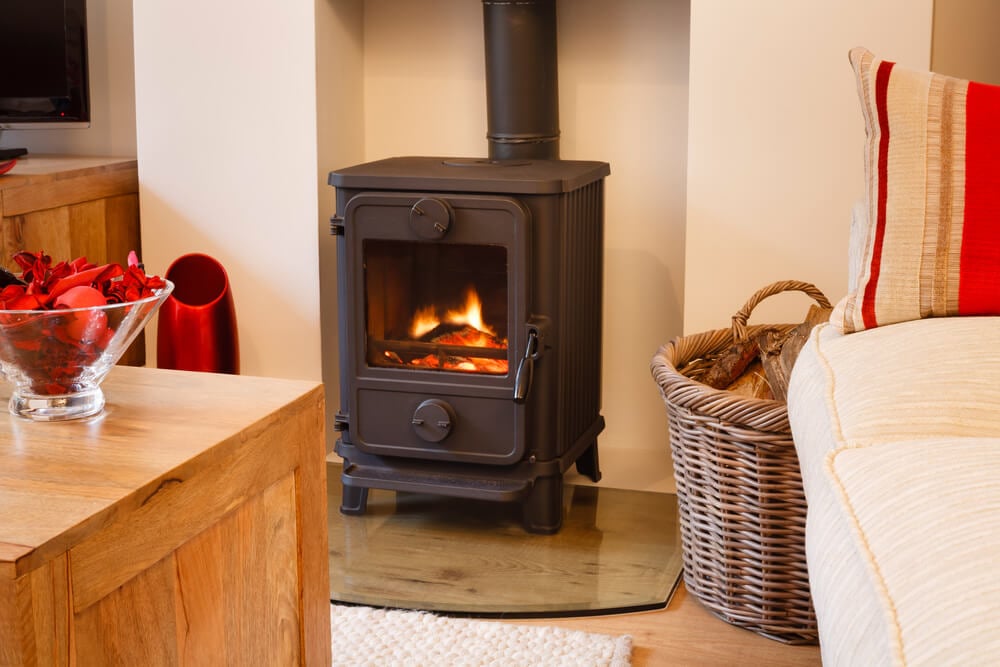
Arcade Manufacturing Company of Freeport, Illinois, was one of the best-known makers of cast iron toys in America. Its toy stoves were scaled-down versions of the kitchen ranges found in real homes, complete with lids and doors.
The weight of the metal makes them solid in the hand and costly to ship. Surviving paint and the presence of original cookware raise value considerably, while rust and repairs reduce it.
Kenton Hardware Cast Iron Stoves
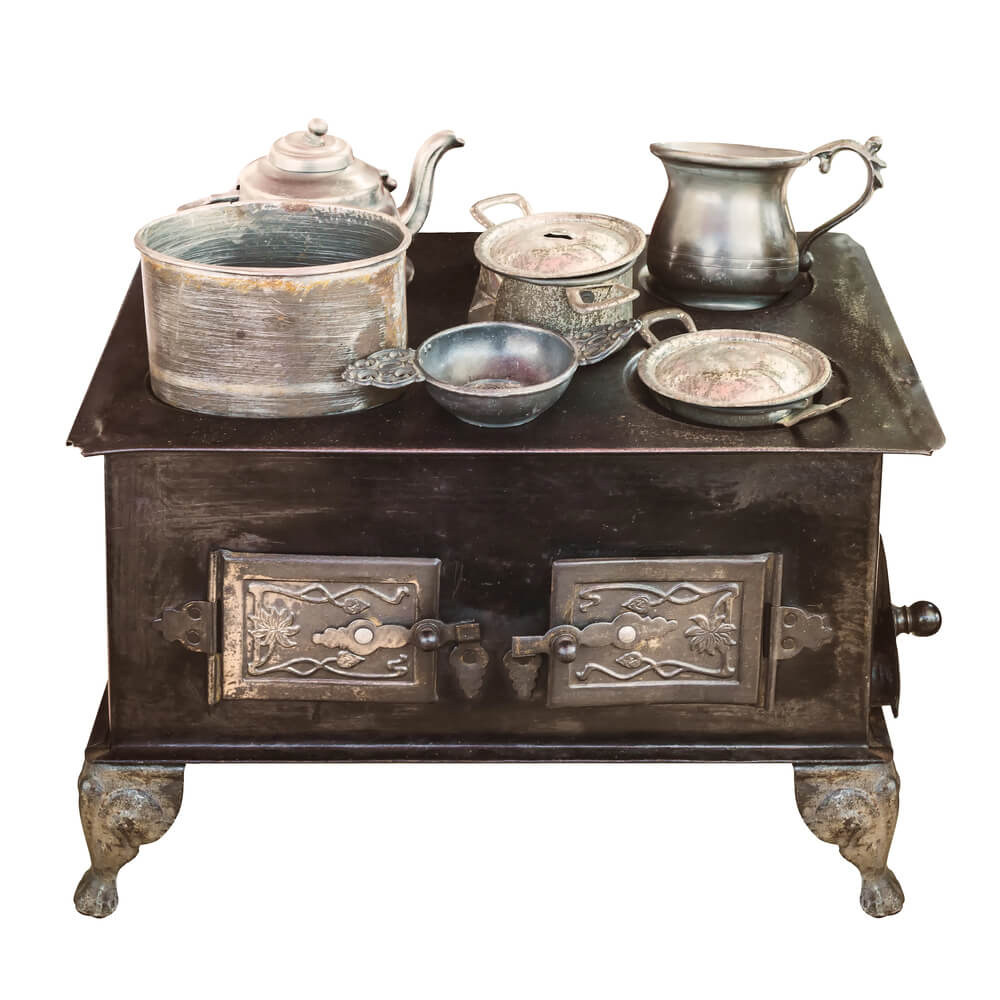
Kenton Hardware Manufacturing Company took its name from its home in Kenton, Ohio, and made cast iron toys for decades. The company’s toy stoves are favorites among collectors who specialize in kitchen pieces.
Many surviving examples have lost their small accessories, which makes a complete stove stand out. Original finish and the absence of repairs matter greatly to value.
Hubley Cast Iron Toy Stoves
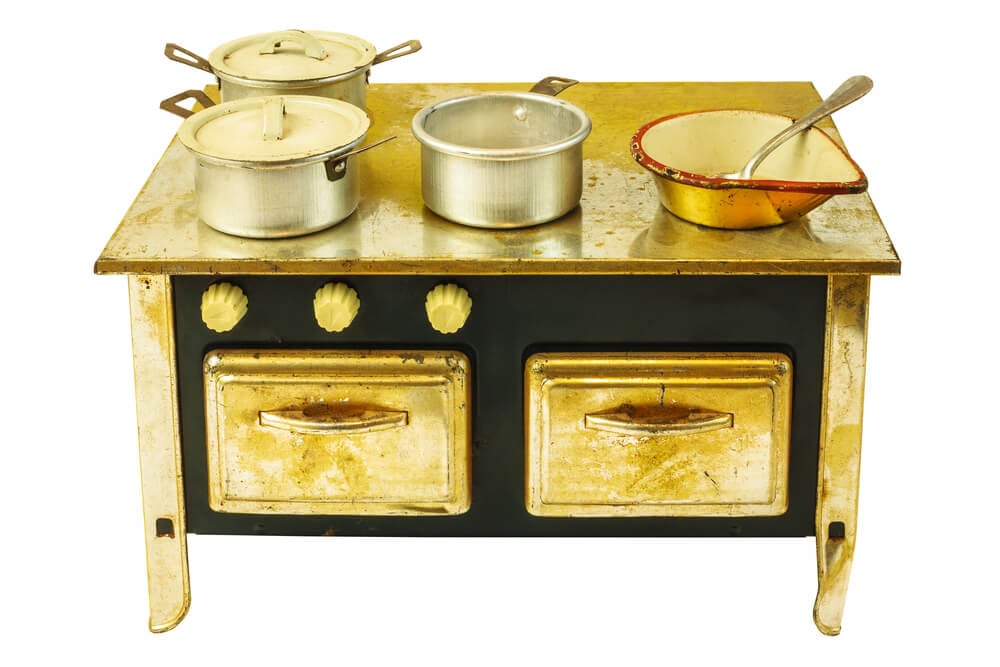
Hubley Manufacturing Company of Lancaster, Pennsylvania, made cast iron toys that ranged from vehicles to banks, and toy cook stoves were part of the output. Collectors who want to identify and date these pieces can turn to Cast Iron Toy Cook Stoves and Ranges: From A to Z, a reference book devoted entirely to the subject.
Hubley stoves in good original paint draw more interest than refinished ones, and completeness affects the price.
Ohio Art Tin Litho Kitchens
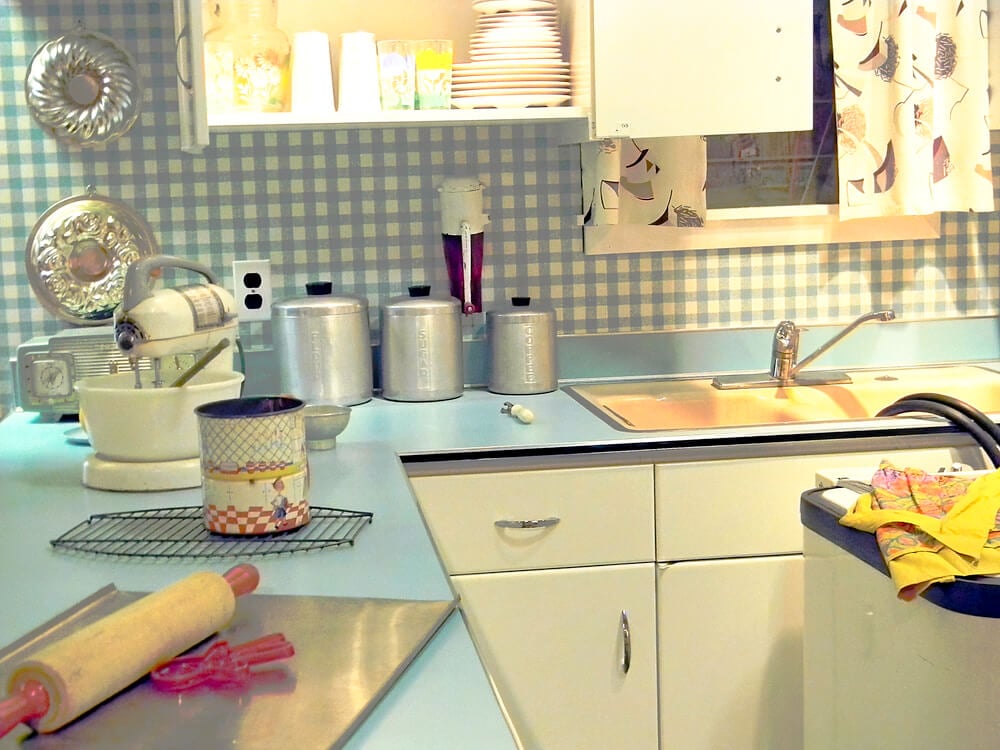
Ohio Art Company of Bryan, Ohio, is best known for the Etch A Sketch, but its earlier output included lithographed tin toys for the kitchen and nursery. Those pieces are documented in Lisa Kerr’s book on American tin litho toys, which covers Ohio Art alongside Wolverine.
The printed designs carry the charm, though they chip and scratch easily. Pieces with bright color and minimal rust are the ones that command the highest prices.
Marx Tin Litho Kitchen Sets
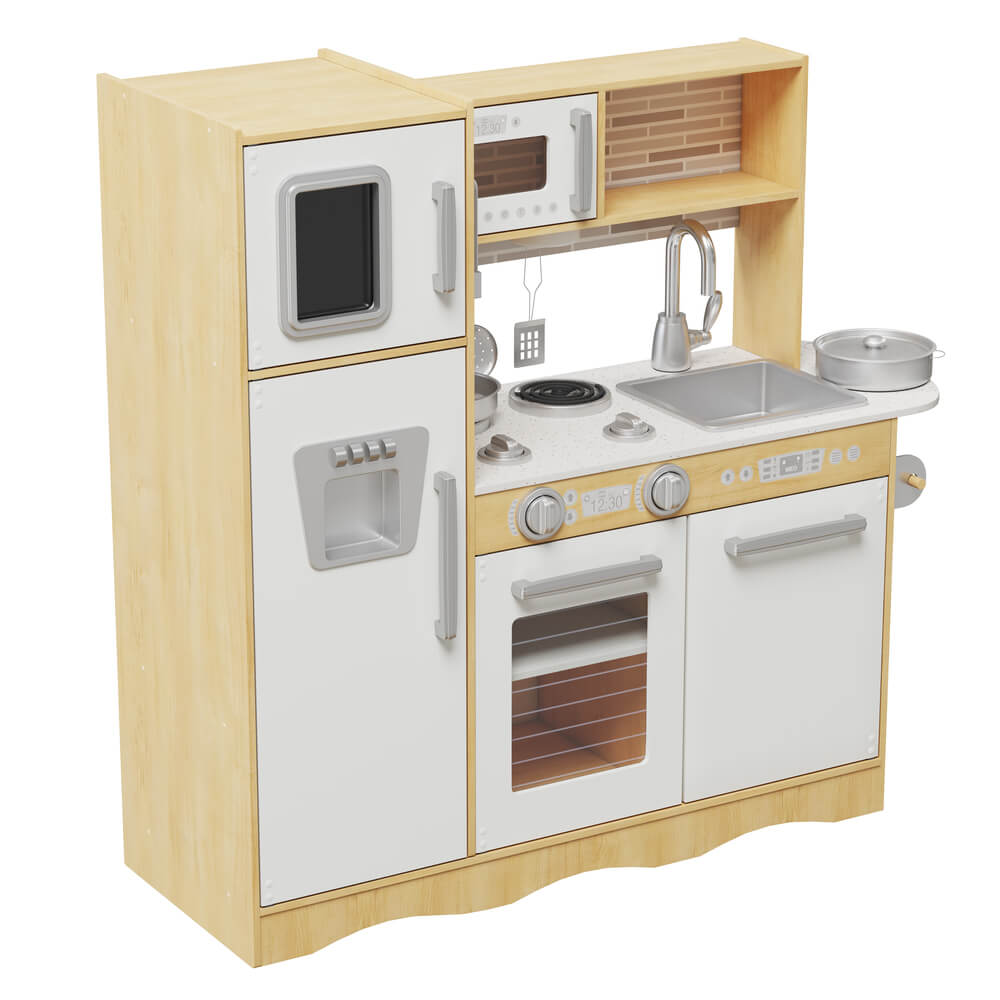
Louis Marx and Company turned out tin litho toys by the thousands, including miniature kitchen appliances and room settings. The company’s reputation rested on producing playthings that looked impressive while staying affordable for families.
Surviving sets with the original boxes are far harder to find than loose pieces. Value depends on the condition of the lithography and on whether any parts are missing.
Tootsietoy Dollhouse Kitchen Furniture
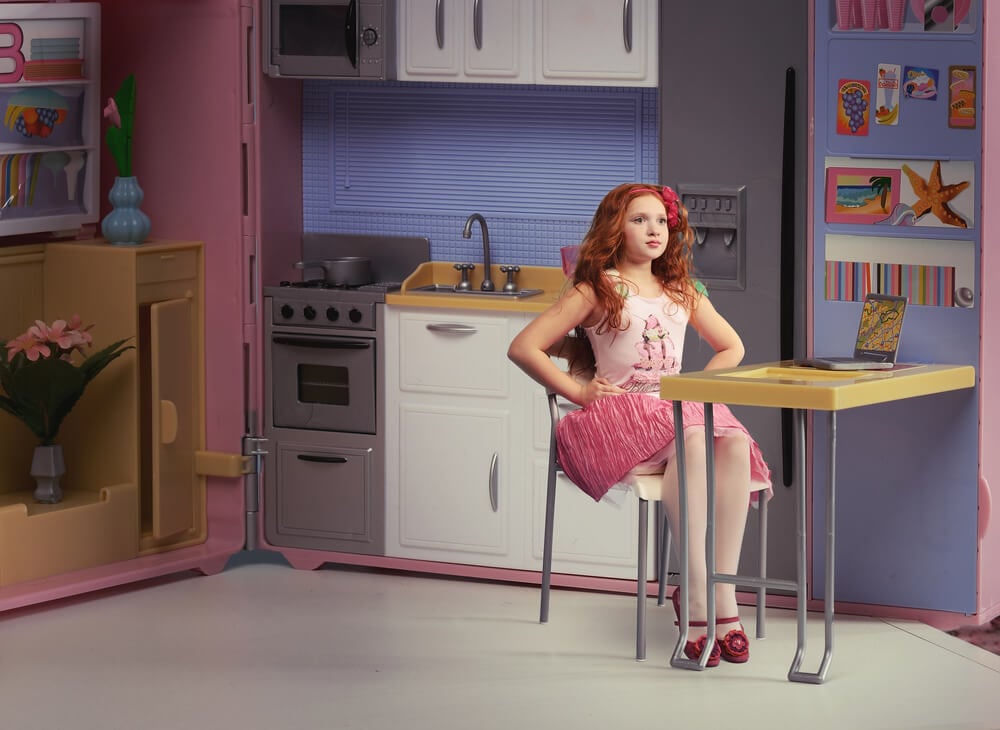
Dowst Manufacturing Company of Chicago produced Tootsietoy, and the brand’s metal dollhouse furniture included kitchen pieces such as stoves and sinks. These tiny castings were made for dollhouses rather than for children to cook on, but collectors of kitchen miniatures want them all the same.
Original paint is delicate and often worn away. Pieces in good finish and complete sets earn the most interest.
Renwal Dollhouse Kitchen Sets
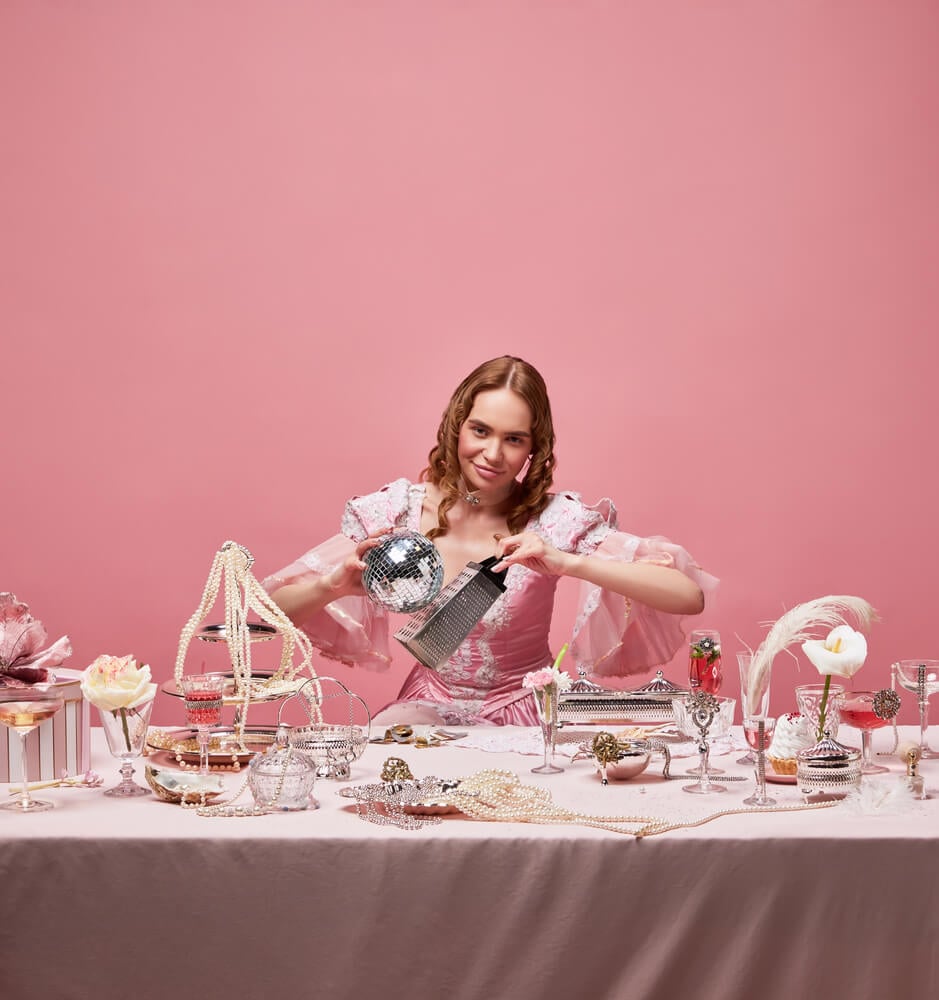
Renwal Manufacturing Company made plastic dollhouse furniture, and its kitchen pieces are among the most collected. The molded details on stoves, sinks, and refrigerators were finely done for their time.
Because the pieces are small, many were lost over the years, which makes a complete kitchen set a satisfying find. Original boxes and crisp, unbroken plastic raise the value of any set.
Little Tikes Country Kitchen
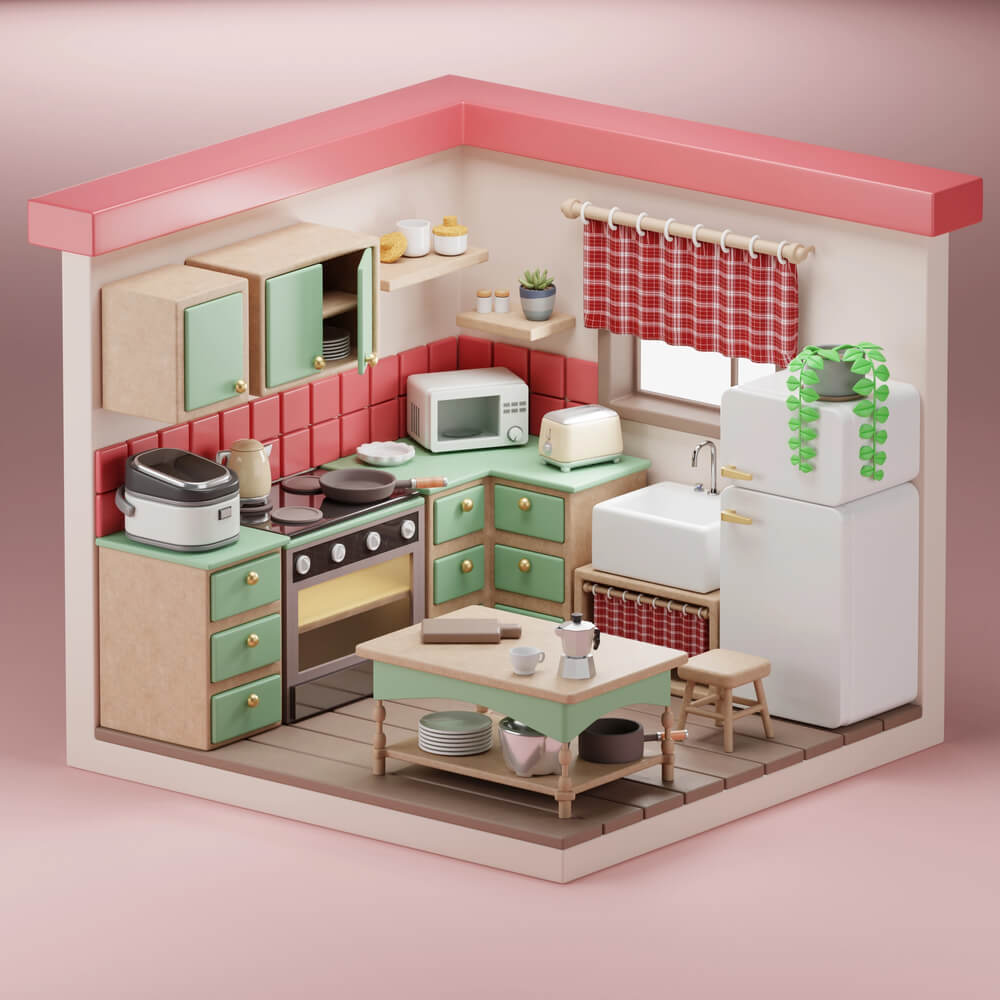
Little Tikes, founded in Hudson, Ohio, built its name on sturdy molded plastic toys, and the Country Kitchen became a fixture in playrooms. The company is now part of MGA Entertainment, which bought it in 2006.
Vintage kitchens in clean, unfaded condition sell to nostalgic parents who remember playing with one. Sun-bleached and cracked units draw far less interest, and complete accessory sets help.
Why Tiny Kitchens Keep Their Heat

Toy kitchens and ovens stay collectible because they mirror the homes that produced them. Each tin range, cast iron cooker, and plastic play kitchen reflects its decade’s ideas about family life, design, and what children should imitate.
That mirror is part of what makes a worn pan or chipped stove worth saving.
The market rewards pieces that survived with their boxes, accessories, and original finish. A bare oven can sell for little, while the same oven with its packaging and mix packets can attract serious attention.
Anyone hunting these toys is really searching for the details that most owners threw away.
More from Go2Tutors!

- The Romanov Crown Jewels and Their Tragic Fate
- 13 Historical Mysteries That Science Still Can’t Solve
- Famous Hoaxes That Fooled the World for Years
- 15 Child Stars with Tragic Adult Lives
- 16 Famous Jewelry Pieces in History
Like Go2Tutors’s content? Follow us on MSN.