16 Dining Customs That Surprise Travelers
Traveling opens your eyes to new places, foods, and ways of life. Sometimes the biggest surprises come not from what people eat, though—it’s how they eat it. Different cultures have developed their own unique approaches to dining that can catch visitors completely off guard.
Here is a list of 16 dining customs that often leave travelers scratching their heads or scrambling to adjust their table manners.
Slurping Your Soup

In Japan, making noise while eating soup or noodles isn’t just acceptable. It’s actively encouraged.
The slurping sound shows appreciation for the meal and helps cool down hot food as you eat it—a practical benefit many people don’t realize. Western visitors often feel awkward at first, yet locals see silence at the soup bowl as a missed opportunity to properly enjoy the dish.
Eating with Your Hands

Throughout much of India and the Middle East, using your hands to eat remains the traditional way to enjoy a meal. The right hand does all the work.
The left hand stays clean for other purposes. Visitors often struggle with rice and curry dishes initially—though there’s actually a specific technique that makes the food taste better than using utensils.
Like Go2Tutors’s content? Follow us on MSN.
Never Finishing Your Plate
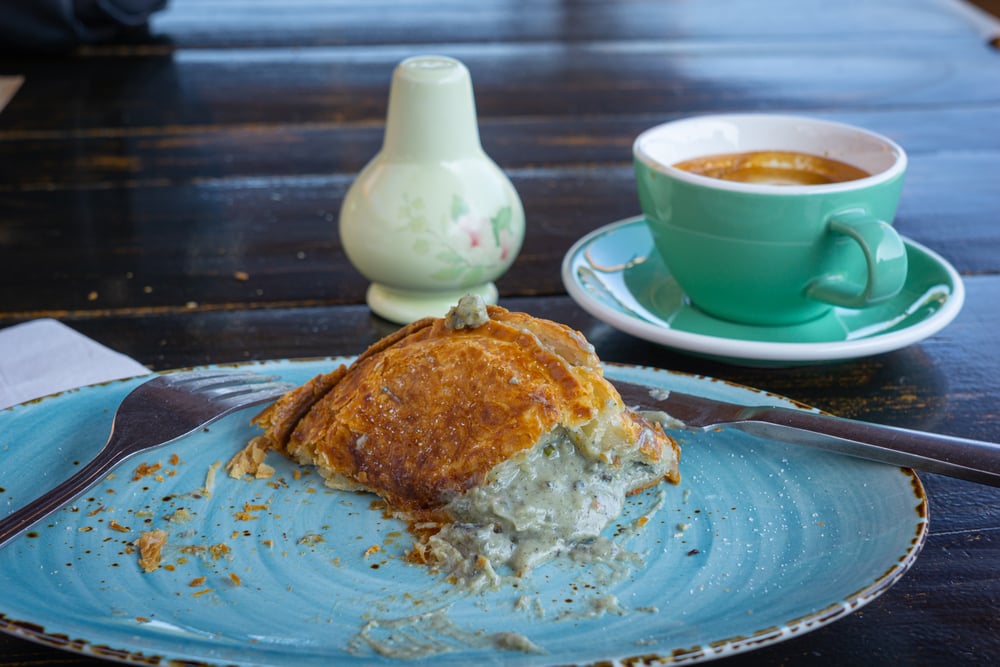
In China, leaving a small amount of food on your plate signals that your host provided enough food. You’re satisfied. Cleaning your plate completely suggests you’re still hungry and weren’t fed adequately—the opposite of what most visitors expect.
This custom catches many travelers off guard, especially those raised to always finish their meals.
Sharing Everything

Korean dining revolves around communal eating, where dishes are placed in the center and everyone shares from the same plates. Personal portions don’t really exist for most meals—it’s all about the group experience.
Visitors sometimes feel uncomfortable reaching across the table or eating from shared dishes, yet it’s how families and friends bond over food.
Standing While Drinking Coffee

In Italy, many people drink their espresso while standing at the bar counter rather than sitting at tables. Sitting down often costs extra—and locals prefer the quick social interaction that happens while standing.
Tourists who expect to linger over coffee for hours might find this custom surprisingly efficient, though initially jarring.
Like Go2Tutors’s content? Follow us on MSN.
Tipping Differently

In Japan, leaving a tip can actually offend restaurant staff. It implies they don’t take pride in their work or aren’t paid fairly—concepts that run counter to Japanese service culture. The service charge gets built into the price, while excellent service is simply expected.
American visitors especially struggle with this since tipping has become such an ingrained habit back home.
Bringing Your Own Alcohol
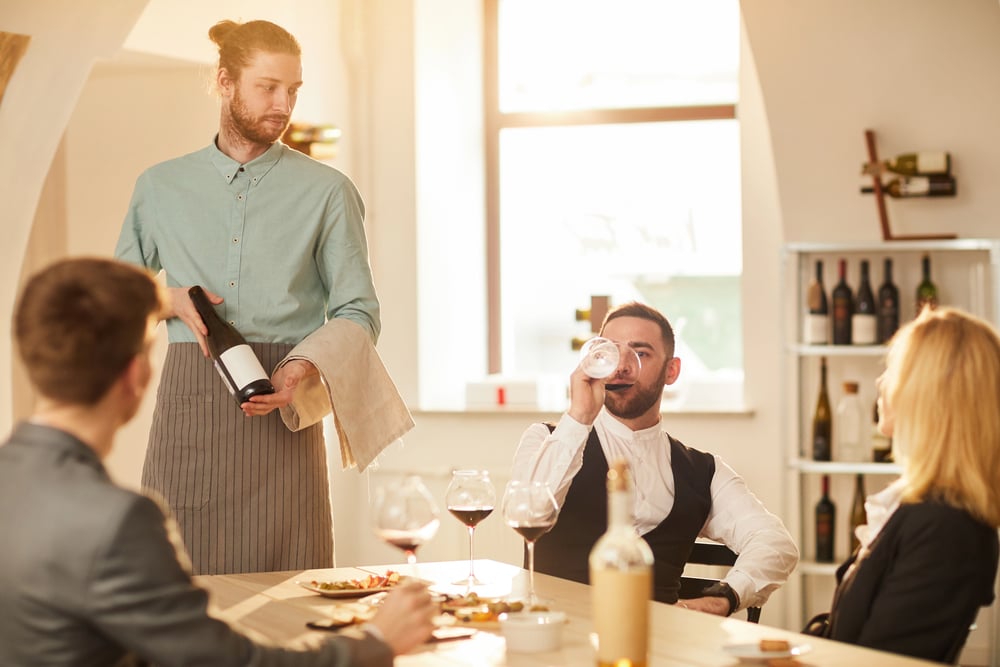
Many restaurants in certain parts of Asia operate as BYOB establishments where you purchase food but bring your own drinks. The restaurant might charge a small fee for glasses and ice—but alcohol sales aren’t part of their business model.
Travelers expecting to order wine with dinner often find themselves making unexpected trips to nearby stores.
Eating Breakfast for Dinner

In Australia and New Zealand, all-day breakfast menus mean you can order pancakes, eggs, and bacon at 8 PM. Nobody bats an eye. The concept of breakfast foods being time-specific doesn’t really exist—which gives diners remarkable freedom.
Visitors from countries with stricter meal timing often find this both liberating and slightly confusing.
Like Go2Tutors’s content? Follow us on MSN.
Using Bread as Utensils

Throughout Ethiopia and parts of the Middle East, injera bread or flatbread serves as both your plate and your spoon. You tear off pieces to scoop up stews and vegetables—the bread absorbs all the flavors as you eat.
Travelers accustomed to separate plates and metal utensils need time to master this edible tableware system.
Refusing Food Multiple Times

In many Middle Eastern cultures, hosts will offer food several times. Guests are expected to politely decline at least twice before accepting—a ritual that ensures the host isn’t being pushy while the guest isn’t appearing greedy.
Visitors who accept immediately or give up after one refusal miss out on the entire social dynamic.
Drinking Tea Constantly

In Morocco and Turkey, tea drinking happens throughout the day and serves as a social connector between people. Refusing tea can seem rude, even when you’re not thirsty. The preparation and serving process forms part of the hospitality experience.
Travelers who try to rush through tea time or skip it altogether might unintentionally insult their hosts.
Like Go2Tutors’s content? Follow us on MSN.
Eating Dinner Very Late

In Spain, dinner typically starts around 9 or 10 PM. This can throw off visitors’ entire daily schedule.
Restaurants might not even open for dinner service until 8 PM, leaving travelers from countries where dinner happens at 6 PM feeling hungry and confused about when and where to eat.
Removing Your Shoes

In many Asian homes and some restaurants, removing shoes before entering dining areas is mandatory. Special slippers might be provided, or you’ll eat in socks or barefoot.
This custom maintains cleanliness since people often sit on floor cushions or low tables. Visitors wearing complicated boots or embarrassing socks learn this lesson quickly.
Paying for Water

In many European restaurants, water isn’t automatically free like it is in American establishments. You’ll need to specifically order tap water if you want the free option.
Otherwise, you’ll be charged for bottled water. The concept surprises visitors from places where water glasses appear immediately and refills are unlimited.
Like Go2Tutors’s content? Follow us on MSN.
Eating Fish Whole
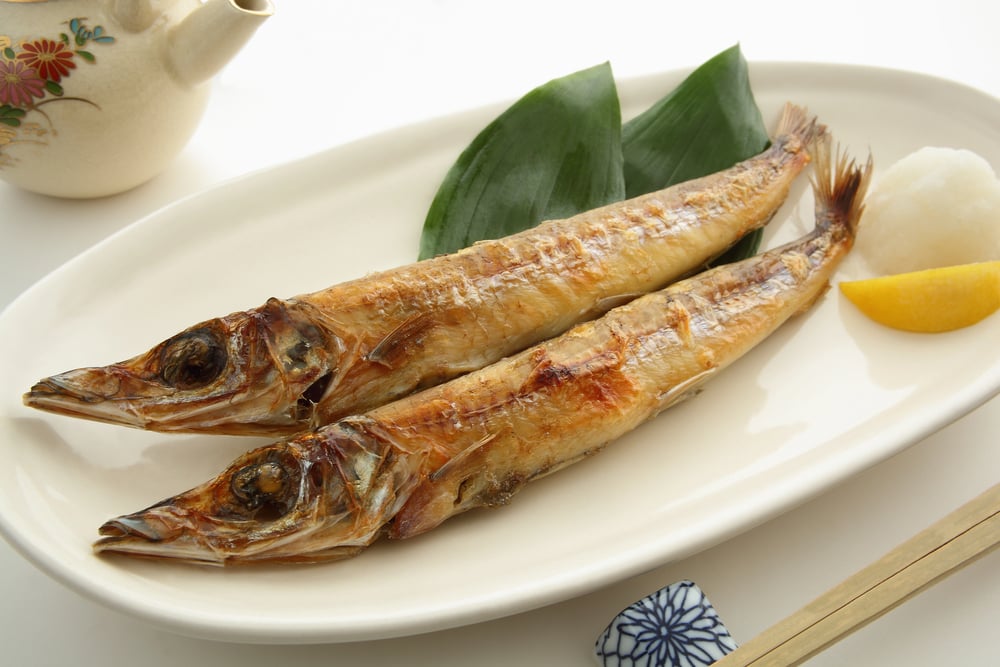
In many coastal cultures, fish arrives at your table complete with head, bones, and all the parts that squeamish diners prefer to avoid. Learning to navigate around bones and extract meat properly becomes a necessary skill.
Visitors who expect pre-filleted fish portions often struggle with the hands-on approach required.
Taking Your Time

In France and many Mediterranean countries, meals are meant to be leisurely social events. They can last several hours.
Rushing through courses or asking for the check too quickly can seem rude, while restaurants don’t turn tables quickly like they do in other countries. Travelers accustomed to fast dining experiences need to adjust their expectations and schedules accordingly.
When Cultures Collide at the Table
These dining customs remind us that food culture extends far beyond recipes and ingredients. How we eat reflects deep social values about hospitality, respect, community, and daily rhythms.
Understanding these differences helps travelers connect more meaningfully with local communities while avoiding awkward misunderstandings. The next time you sit down to eat in a new place, learning the local dining etiquette might prove just as important as knowing how to say ‘thank you’ in the local language.
More from Go2Tutors!

- 16 Historical Figures Who Were Nothing Like You Think
- 12 Things Sold in the 80s That Are Now Illegal
- 15 VHS Tapes That Could Be Worth Thousands
- 17 Historical “What Ifs” That Would Have Changed Everything
- 18 TV Shows That Vanished Without a Finale
Like Go2Tutors’s content? Follow us on MSN.