Glaring Errors in Big-Budget Movies
Big-budget Hollywood productions have armies of editors, continuity supervisors, and quality control teams working tirelessly to catch every mistake before a film hits theaters. With budgets soaring into the hundreds of millions, you’d think these movies would be flawless.
Yet somehow, glaring errors still slip through the cracks and make it onto the big screen. From anachronistic objects that shouldn’t exist for centuries to crew members accidentally wandering into frame, these mistakes prove that even the most expensive films can’t escape human error.
Here is a list of 13 big-budget movie errors that somehow made it past everyone and into cinematic history.
Gladiator’s Time-Traveling Gas Cylinder
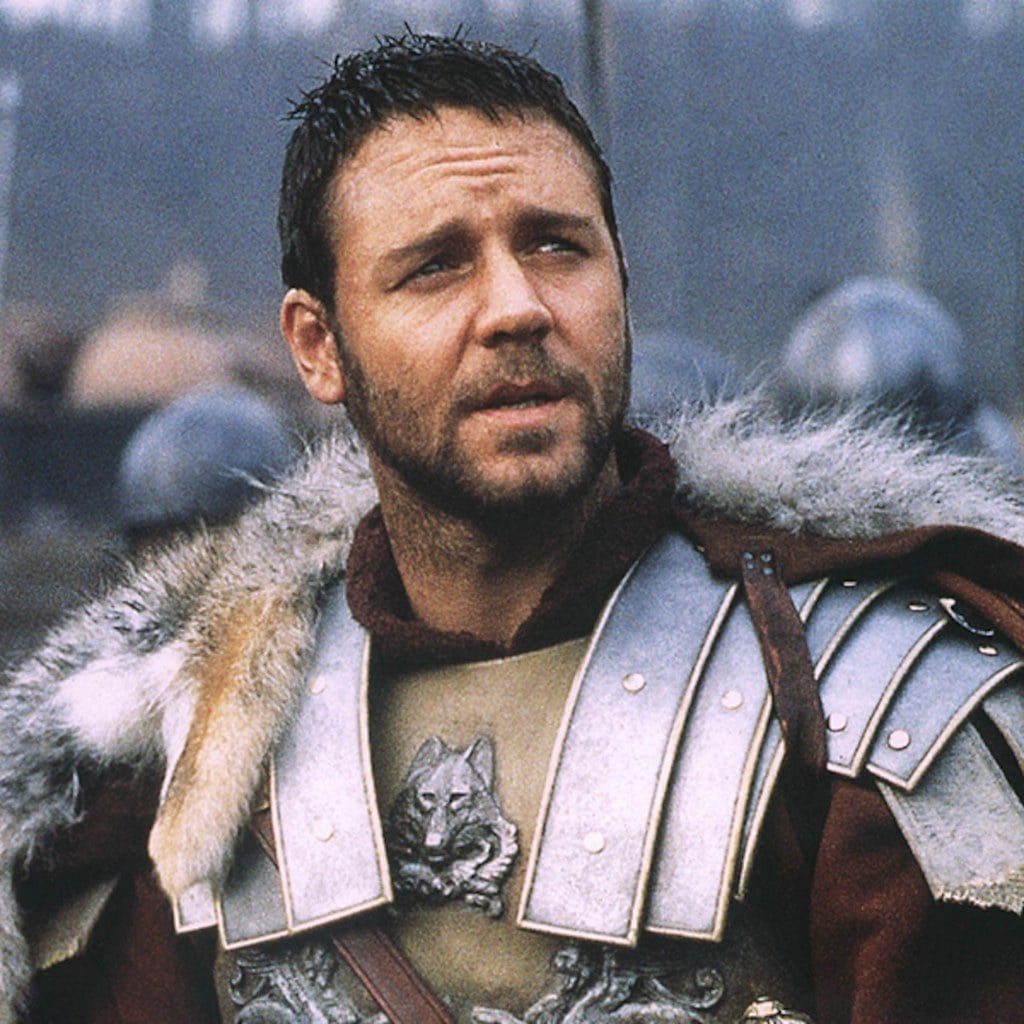
During the spectacular Battle of Carthage sequence in Ridley Scott’s Oscar-winning epic, a chariot flips dramatically on its side in the Colosseum. Once the dust settles, eagle-eyed viewers can clearly see a modern gas cylinder mounted in the back of the ancient Roman chariot.
The canister was presumably there to help flip the chariot for the stunt, but considering Gladiator is set in 180 AD, this technology wouldn’t be invented for roughly another 1,500 years. Despite the film’s $103 million budget and meticulous attention to historical detail elsewhere, this very modern piece of equipment made it into one of the movie’s most dramatic action sequences.
The Stormtrooper Who Couldn’t Duck
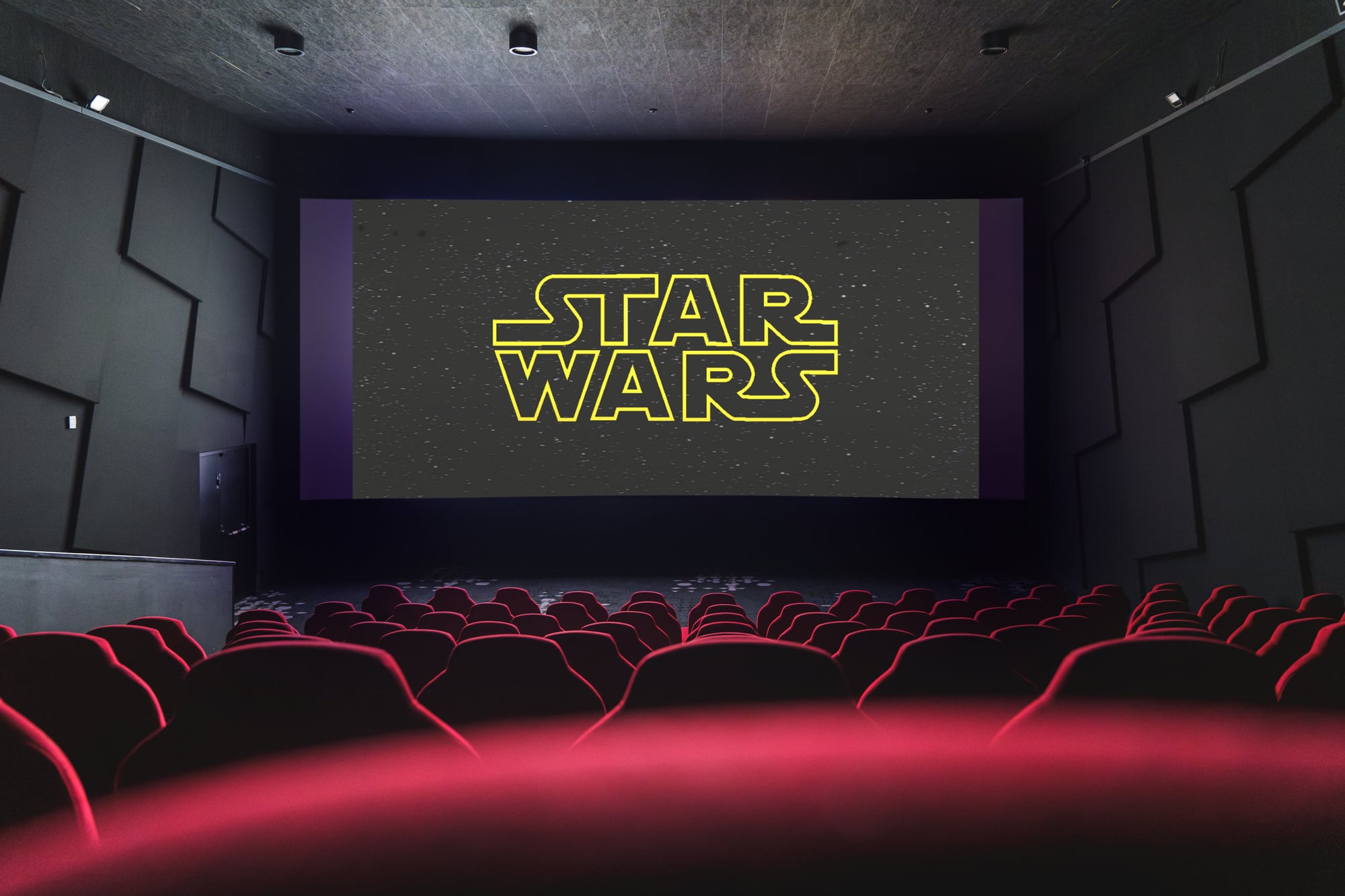
One of the most famous bloopers in cinema history occurs in the original Star Wars when a group of stormtroopers bursts into a control room aboard the Death Star. The stormtrooper on the far right clearly smacks his head on the doorframe as he enters.
The actor, Laurie Goode, later explained he was suffering from an upset stomach that day and wasn’t concentrating properly during what turned out to be the final take. George Lucas was so aware of this beloved blooper that when preparing special editions decades later, sound designer Ben Burtt added a distinct clonking sound effect to draw even more attention to the moment, essentially turning the mistake into an intentional joke.
Gone with the Wind’s Premature Illumination
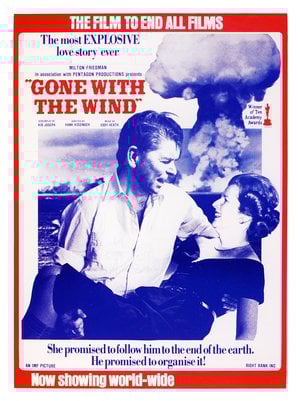
This sweeping Civil War epic holds up remarkably well despite being filmed in 1939, but one glaring anachronism stands out. In a street scene set in 1861 Atlanta, electric lightbulbs are clearly visible in what should be gas fixtures.
Thomas Edison wouldn’t even invent the lightbulb until 1879, a full 18 years after this scene takes place. For a film that cost nearly $4 million to make at the time, making it one of the most expensive productions in Hollywood history, and one that stretched across multiple years and cities, somehow nobody caught this rather bright mistake before the film’s release.
Titanic’s Impossible Lake
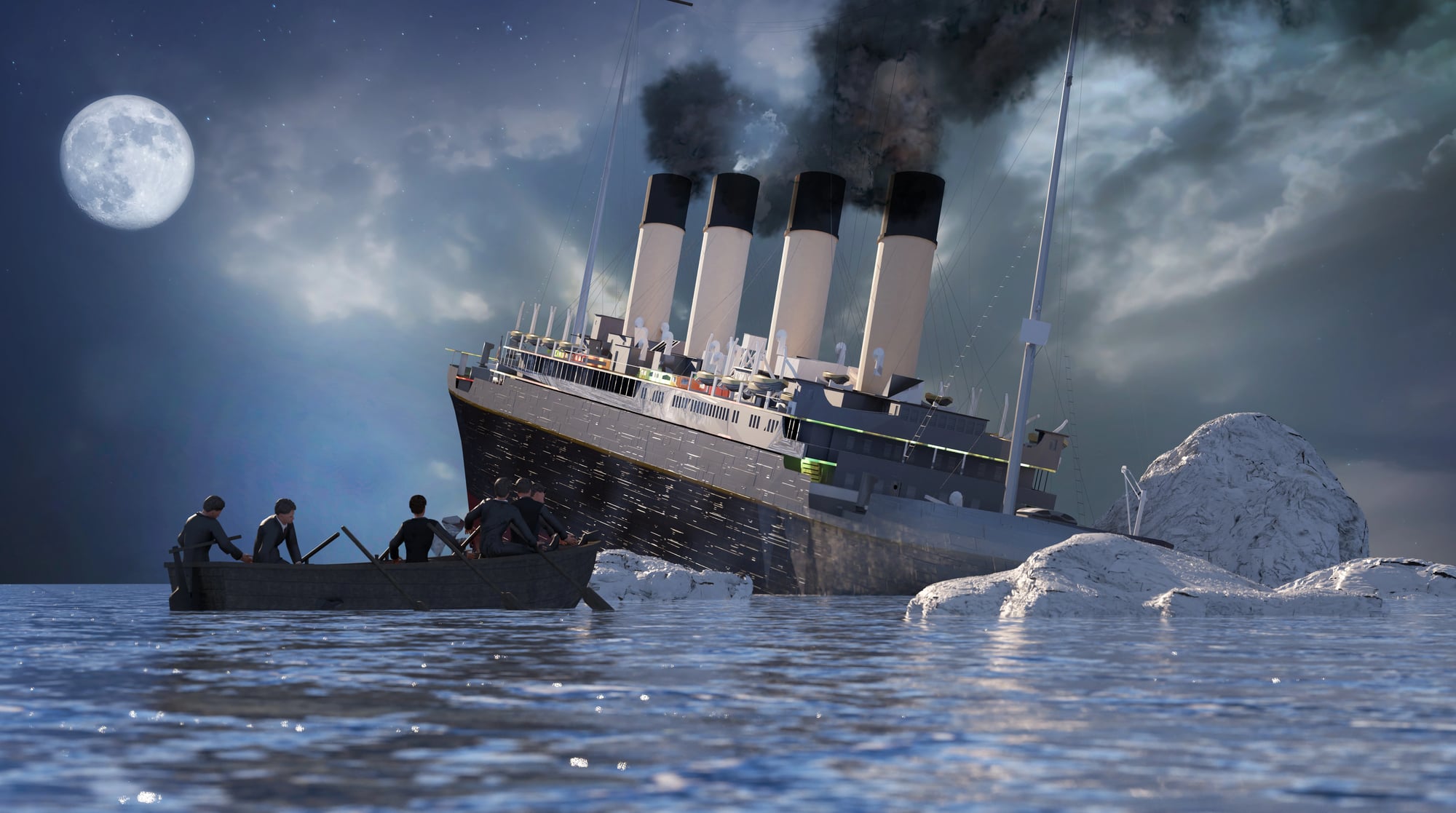
In one of the most expensive films ever made at $200 million, James Cameron crafted an epic romance aboard the doomed ocean liner. Jack tries to comfort Rose and build a connection by telling her a story about falling through ice into the freezing waters of Lake Wissota in Wisconsin.
There’s just one problem with this touching anecdote: Lake Wissota is a man-made reservoir that wasn’t created until 1917, five years after the Titanic sank in 1912. For a director known for his obsessive attention to detail and historical accuracy, having his hero reference a lake that didn’t exist yet is a fairly significant geographical blunder.
Pretty Woman’s Magical Breakfast

This beloved romantic comedy contains one of the most talked-about continuity errors in film history. When Vivian sits down for breakfast at the hotel, she picks up a croissant and takes a bite.
The camera cuts away briefly, and when it returns to her just seconds later, she’s now eating what appears to be a Danish pastry. The breakfast item keeps magically transforming throughout the scene, suggesting either multiple takes were carelessly edited together or the film’s editors simply didn’t notice the switch.
Commando’s Self-Healing Porsche

Arnold Schwarzenegger’s 1985 action vehicle contains one of the most blatant continuity errors ever filmed. During a chase scene, the villain Sully drives a yellow Porsche that gets absolutely demolished, with the entire passenger side smashed in and the mirror torn off.
Yet just moments later in the very next scene, the same Porsche appears in perfect condition with no damage whatsoever. The car apparently has better regenerative abilities than the Terminator himself, magically repairing itself between shots in what has to be one of the laziest continuity mistakes in action movie history.
Pulp Fiction’s Premature Impacts

Quentin Tarantino is known for his meticulous attention to detail, which makes this error in one of his most famous scenes all the more surprising. During Jules’ iconic Ezekiel speech in the apartment, a hidden gunman bursts from the bathroom and fires multiple shots at Jules and Vincent, miraculously missing them both.
The problem is that if you look carefully at the wall behind the hitmen before the action starts, you can already see the impact marks. The divots and marks from the gunfire appear on the wall several seconds before any shots are actually fired, completely undermining the miracle that Jules interprets as divine intervention.
Django Unchained’s Anachronistic Explosives
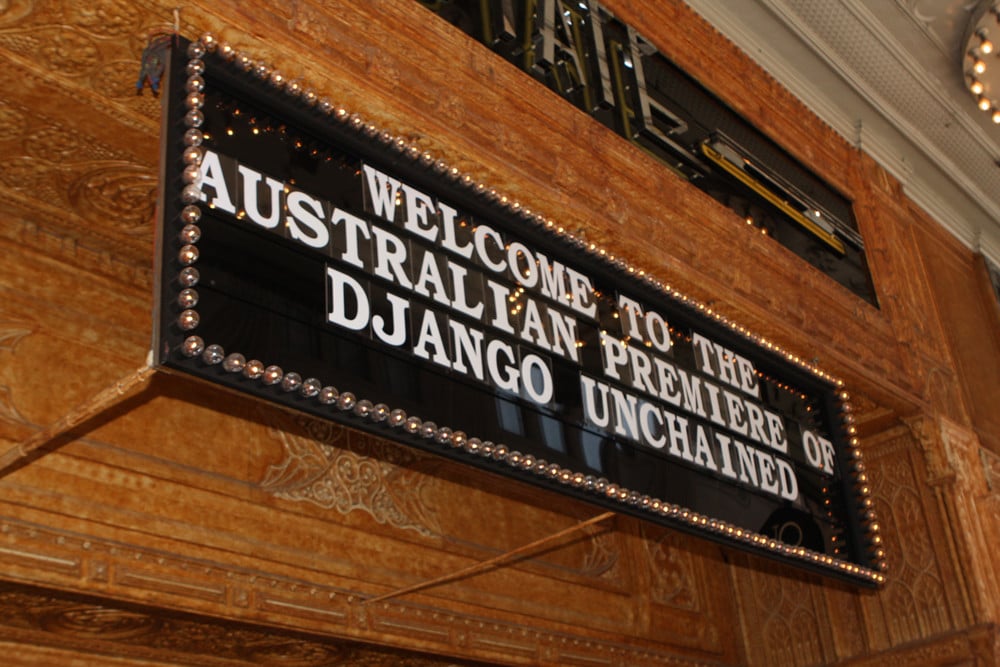
In the climactic finale of Tarantino’s revenge epic set in 1858, Django destroys Candyland mansion using dynamite in a cathartic explosion. There’s just one historical problem with this satisfying conclusion: dynamite wasn’t invented until 1867 by Alfred Nobel, nearly a decade after the film takes place.
Even more awkwardly, by the time dynamite became available, enslavement had already been abolished in the United States. While it makes for a visually spectacular ending, Django’s use of explosives that didn’t exist yet is a glaring anachronism that slipped past the production team.
Quantum of Solace’s Invisible Dirt
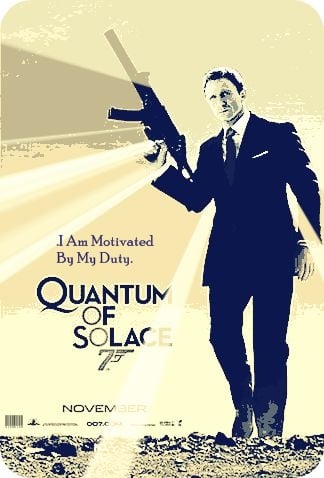
In this James Bond installment, there’s a scene with 007 on a pier where a worker can be seen in the background diligently sweeping with a large broom. The only problem is that the extra is literally sweeping air, moving his broom back and forth over empty ground with no dirt, debris, or anything else to actually clean.
The broom doesn’t even touch the pavement. Either the docks of this particular location are kept impossibly pristine, or someone forgot to give this background actor clear direction about what he was supposed to be doing.
North by Northwest’s Psychic Child

Alfred Hitchcock’s thriller is considered one of his masterpieces, but it contains a famous blooper that’s impossible to unsee once noticed. In the Mount Rushmore cafeteria scene where Eve threatens Roger with a gun, a young boy extra in the background can be seen covering his ears moments before the shot is actually fired.
The child clearly knew the gunshot was coming from multiple takes of the same scene, and his premature reaction made it into the final cut. Critics have debated this moment for decades, with the consensus being that the boy simply got tired of the loud gunshot startling him take after take.
Speed’s Invisible Crew

Late in this high-octane thriller, hero Jack must rescue Annie from a runaway subway train, and the two are supposed to be completely alone in the compartment during this tense sequence. However, if you look closely at the reflections in the train windows, you can clearly see a camera operator standing there filming them, along with another crew member crouching nearby.
For a film that cost $30 million and built its reputation on edge-of-your-seat action, having the film crew’s reflections visible during what should be an isolated, claustrophobic moment is a glaring oversight that breaks the illusion.
The Goonies’ Deleted Scene Reference

At the end of this beloved adventure film, young inventor Data tells a reporter that the scariest part of his ordeal was battling a giant octopus. The problem is that this octopus scene was completely cut from the theatrical release and wouldn’t be seen by audiences until the Disney Channel started airing the film in the 1990s with the deleted footage restored.
Data’s reference to an encounter that never happened in the movie as released left theater audiences completely baffled, wondering what octopus the kid was talking about. The line was left in despite the scene being removed, creating a confusing plot reference to nothing.
Titanic’s Modern Charcoal
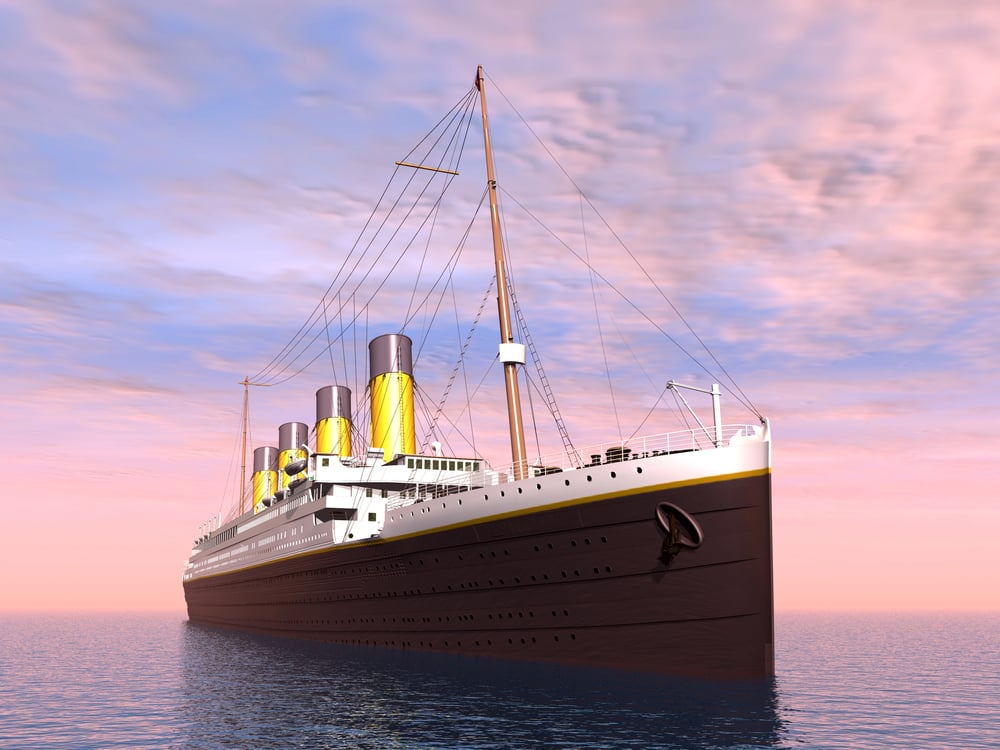
James Cameron’s attention to period detail in Titanic was legendary, yet one small anachronism slipped through during the famous drawing scene. When Jack sketches Rose, he’s using modern square-sided pressed charcoal with numbers embossed on the side.
In 1912, artists would have been using vine charcoal, which was round and made from willow twigs. While this might seem like a minor detail that most viewers would never notice, for a film that spent enormous resources recreating every other aspect of the era with painstaking accuracy, having Jack use art supplies that wouldn’t exist for decades is an ironic oversight.
When Budgets Can’t Buy Perfection

These errors prove that no amount of money, talent, or technology can guarantee a flawless film. Whether it’s a gas cylinder in ancient Rome, premature impact marks in a Tarantino classic, or a psychic child in a Hitchcock thriller, mistakes will always find their way onto screen.
What’s remarkable isn’t that these errors exist, but that they made it past dozens of professionals whose entire job was to catch them. These blunders have become part of movie lore, reminding us that filmmaking is a beautifully imperfect human endeavor, and sometimes the mistakes are just as memorable as the masterpieces themselves.
More from Go2Tutors!

- The Romanov Crown Jewels and Their Tragic Fate
- 13 Historical Mysteries That Science Still Can’t Solve
- Famous Hoaxes That Fooled the World for Years
- 15 Child Stars with Tragic Adult Lives
- 16 Famous Jewelry Pieces in History
Like Go2Tutors’s content? Follow us on MSN.