15 Ways to Stay Focused in Online Classes
Online learning has become a regular part of education for millions of students around the world. Whether you’re taking a college course from your bedroom or joining a high school class from the kitchen table, staying focused can feel like an uphill battle.
Distractions are everywhere, from social media notifications to the comfort of your own couch calling your name. The good news is that staying focused during online classes isn’t about having superhuman willpower.
It’s about setting yourself up for success with the right strategies and habits.
Create a dedicated learning space

Setting up a specific area just for studying makes a huge difference in how your brain responds to class time. This doesn’t mean you need a fancy home office with expensive furniture.
Even a corner of your bedroom with a small desk or a cleared-off section of the dining table works perfectly. The key is consistency, using the same spot every time you log in for class.
Your brain starts to associate that space with learning mode, making it easier to slip into focus when you sit down.
Get dressed like you’re going somewhere

Staying in pajamas might sound comfortable, but it keeps your brain in relaxation mode instead of learning mode. You don’t need to dress up in formal clothes or anything fancy.
Just changing into regular daytime clothes signals to your mind that it’s time to work. This simple act creates a mental boundary between sleep time and class time, helping you take your online sessions more seriously.
Keep your phone out of reach
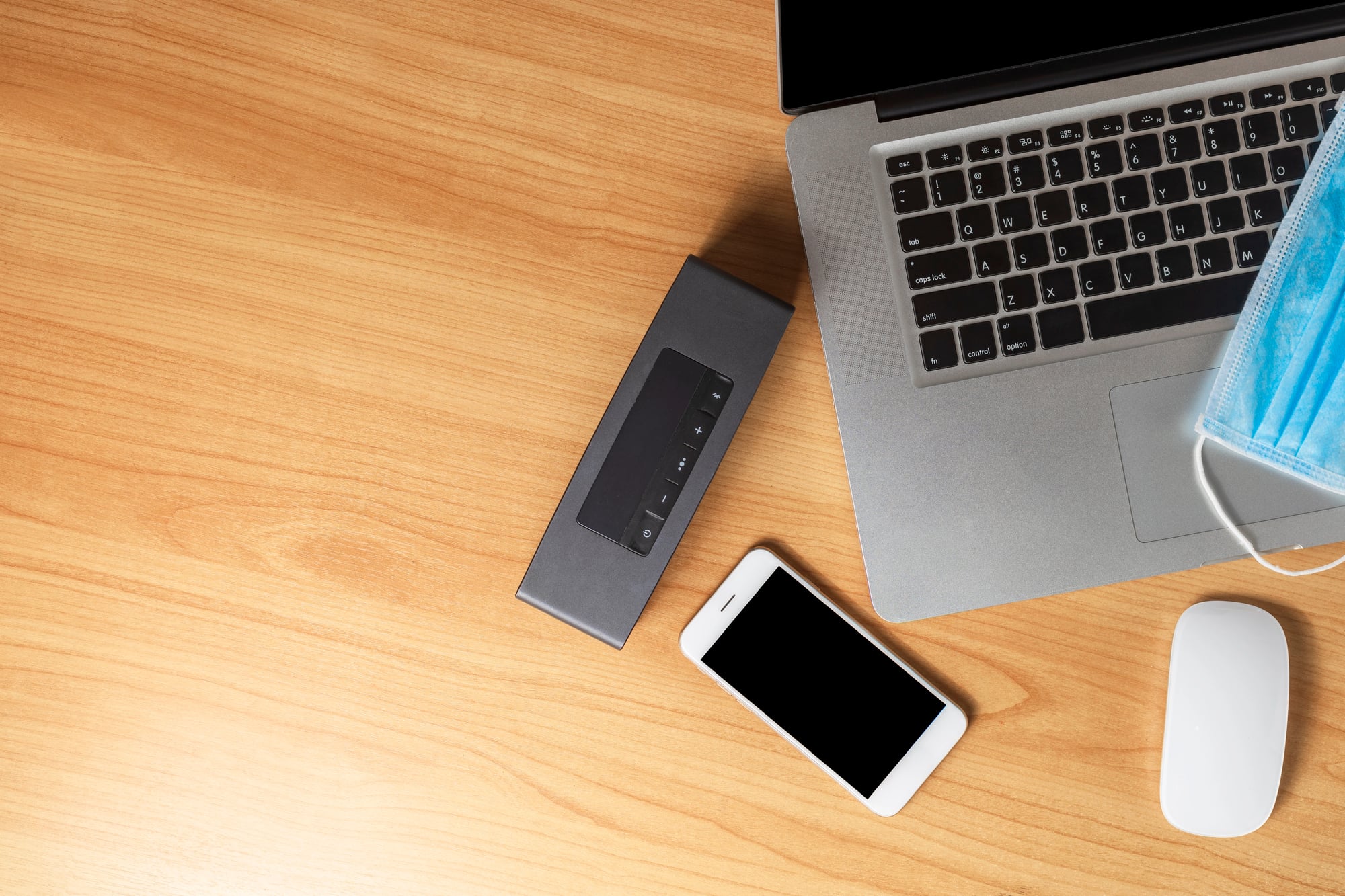
Phones are focus killers, plain and simple. Every buzz, ding, or flash of light pulls your attention away from the lesson.
Put your phone in another room, or at least across the room where you can’t easily grab it. If you absolutely need it nearby for emergencies, turn it face down and switch it to silent mode.
The urge to check notifications fades after a few minutes once your phone isn’t right there tempting you.
Use the chat feature actively

Participating in class keeps your mind engaged with the material instead of wandering off to think about lunch or weekend plans. Type questions in the chat box, respond to polls, or answer when the teacher asks something.
Active participation makes you feel more connected to the class, even through a screen. It also helps the time pass faster because you’re involved rather than just passively watching.
Take notes by hand when possible

Writing notes by hand forces you to process information differently than typing does. Your brain has to work harder to summarize and understand what’s being said, which means you’re actually learning instead of just transcribing.
Keep a notebook and pen next to your computer during class. Even if the teacher provides slides or materials later, the act of writing helps cement the information in your memory.
Close unnecessary browser tabs
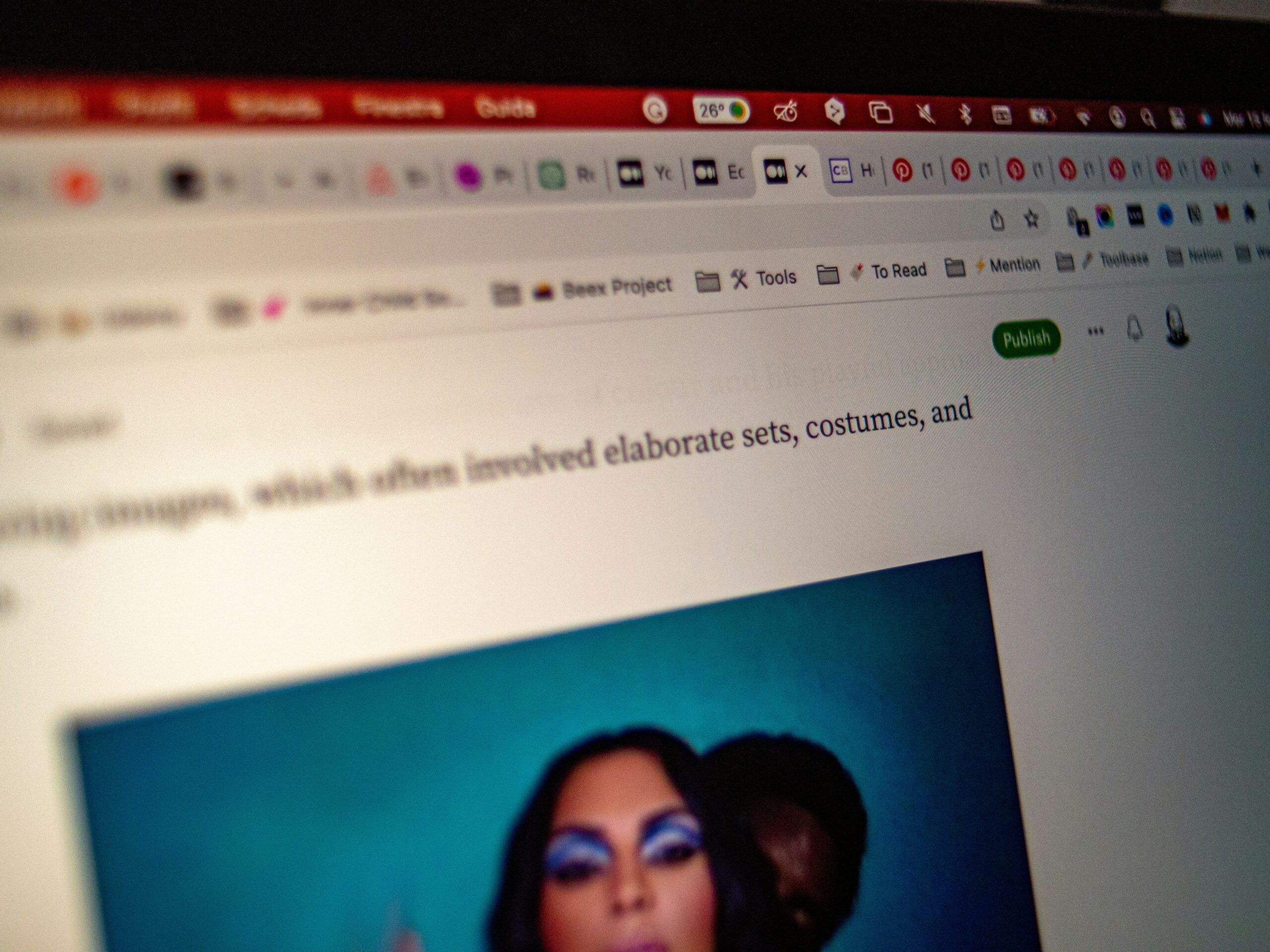
Having multiple tabs open is like inviting distractions to your desk. That shopping site, the YouTube video you were watching, or your email inbox all scream for attention while you’re trying to focus on class.
Before your session starts, close everything except what you absolutely need for the lesson. A clean browser means a clearer mind, and you won’t be tempted to ‘quickly check’ something that turns into a ten-minute rabbit pit.
Schedule breaks between back-to-back classes

Jumping from one class straight into another without a break drains your mental energy fast. Even a five-minute break to stand up, stretch, or grab a snack makes a difference.
Your brain needs time to reset between subjects, especially if you’re switching from math to English or science to history. These short pauses help you start each class fresh instead of carrying mental fatigue from one session to the next.
Eat something before class starts

An empty stomach competes with your teacher for attention. Light hunger becomes a nagging distraction that grows louder as class goes on.
Have a snack or small meal about thirty minutes before your class begins. Choose something with protein or complex carbs that gives you steady energy, not sugary snacks that cause an energy crash halfway through the lesson.
Your body and brain work better when they’re properly fueled.
Use good lighting in your space

Dim lighting makes your eyes work harder and signals to your body that it’s time to wind down, not focus up. Position your workspace near a window if possible, or use a desk lamp that provides bright, clear light.
Good lighting reduces eye strain and helps you stay alert during longer classes. It’s a small change that makes a surprisingly big impact on how awake and attentive you feel.
Set up your camera so it’s even with your eyes
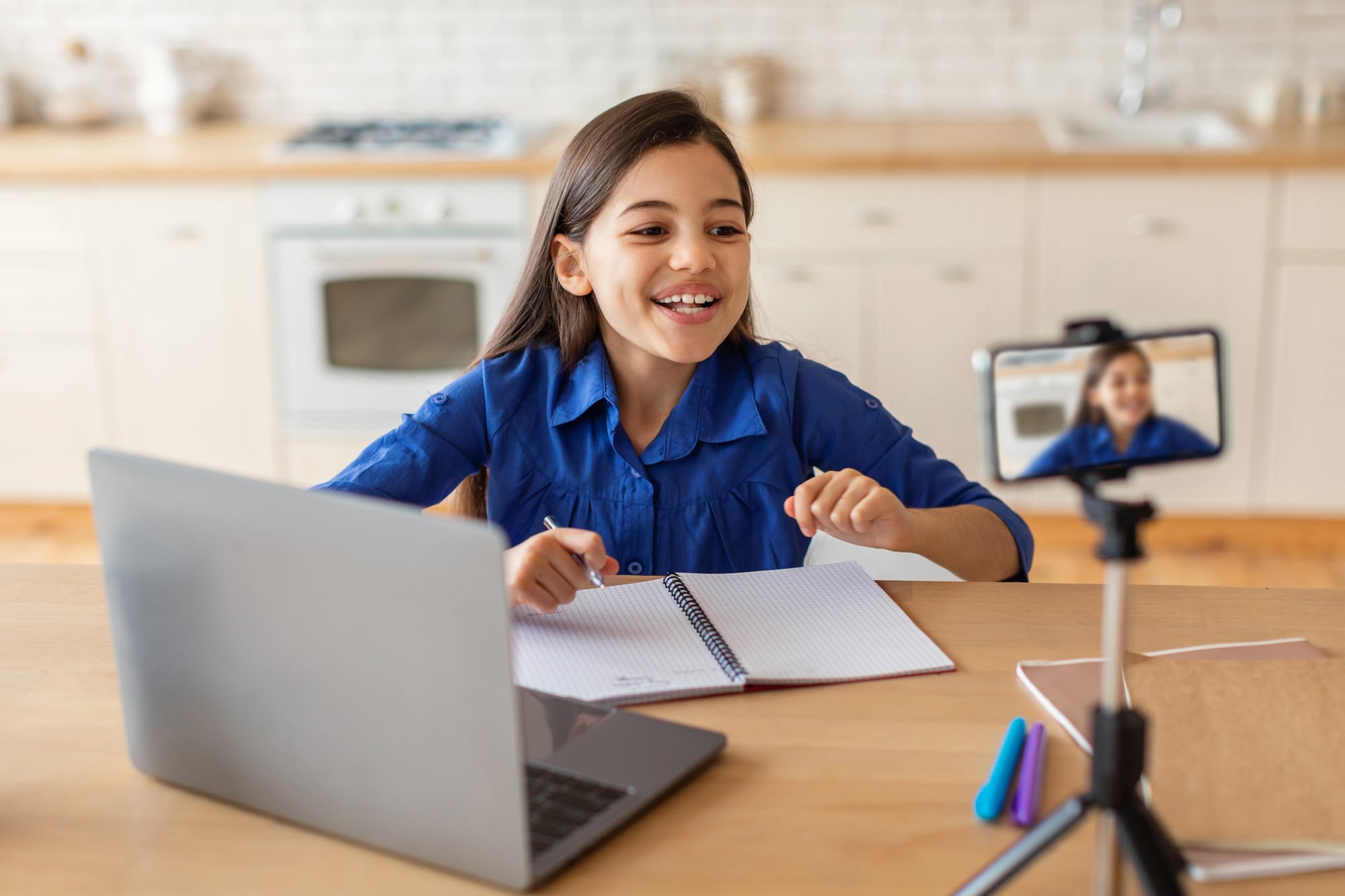
If your camera’s placed way too low or super high, you’ll start leaning forward or stretching your neck just to see the display. That kind of position feels off after a while, pulling focus from what matters.
Prop your device up using whatever books you’ve got nearby – or tweak the screen angle – so the lens lines up with your eyes. Standing or sitting straight lets air move easier through your body, keeps energy steady, and saves you from soreness caused by bending toward the monitor all day.
Break down tasks into tiny steps every time you study
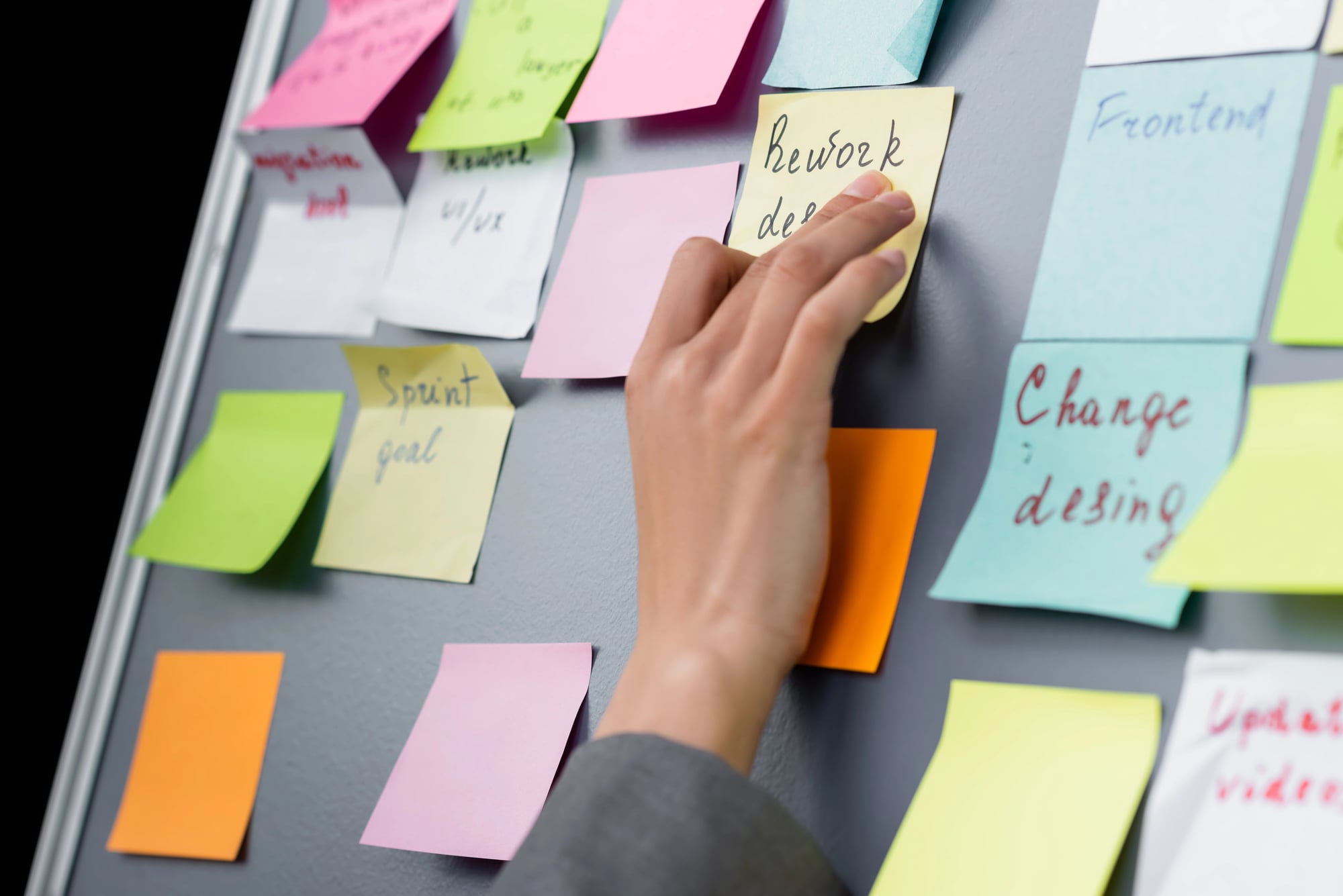
Heading to class with a tiny goal in mind hands you a real thing to zero in on – way more than just trying to pay attention. Pick one idea you’ll actually get today, jot down three main takeaways, or toss out an answer when there’s a chance.
Tiny aims like that tell your brain exactly what to do, keeping it locked in much better than loose plans ever could. On top of that, nailing those mini-tasks gives a nice boost, making the next class feel easier to tackle.
Keep water nearby

Dehydration hits quietly – saps energy, brings on headaches, messes with clear thinking. Toss a water bottle near your seat before the lecture starts.
Sipping now then keeps fluids up while giving fingers a job instead of scrolling screens. Water in the system means sharper attention without much effort.
Play low sounds on purpose
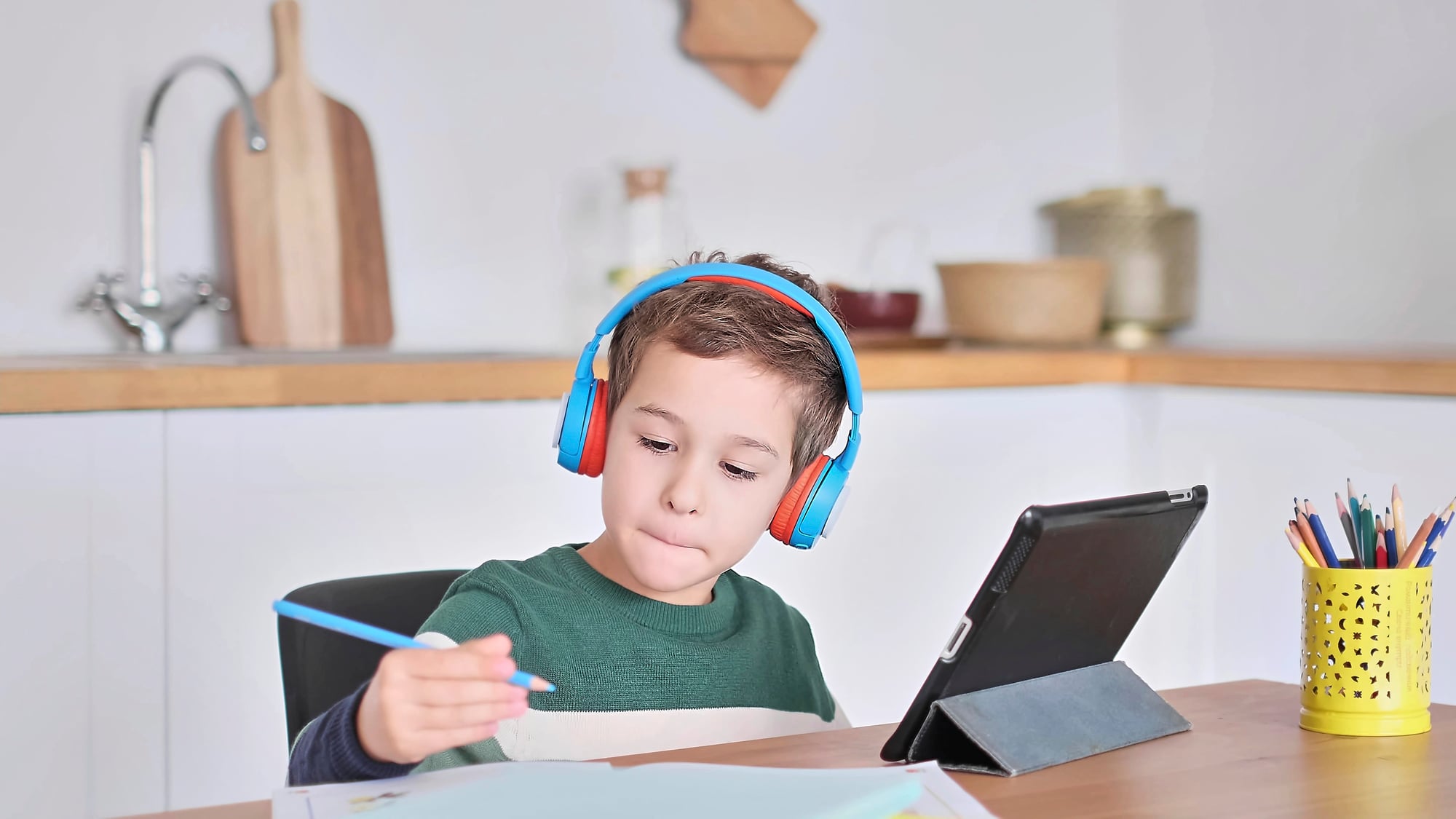
Silence isn’t ideal for each person – household clamor might throw you off. Others actually concentrate easier when there’s some hum in the background.
If your place gets loud, test soft instrumentals, outdoor ambience, or steady static using earphones. Pick audio that skips lyrics and sudden spikes in loudness.
That way, it blocks out disruptions but won’t steal focus from learning.
Check out what’s inside before you start

Spending ten minutes glancing at today’s subject before the lecture kicks things off helps your mind get ready. No deep diving needed here – skip the heavy studying or jotting down points.
Flip through the pages, check section titles, maybe scan what the instructor uploaded online. A fast once-over gets your brain tuned in so ideas make more sense when discussed out loud.
That way, keeping up feels smoother and you’re less likely to zone out.
Treat yourself once school’s done

A little treat after class can keep you going when attention fades. Try setting up something fun – like catching one episode of a show, spending 20 minutes on a game, or eating a snack you really like.
That way, staying sharp during lessons feels more worthwhile. Over time, your mind links paying attention with getting rewards.
So later on, focusing becomes less of a struggle because it’s tied to things you actually enjoy.
Keeping in touch even when far away

Virtual lessons are here to stay – so are the hurdles they bring. What sets successful learners apart from others?
It’s usually small, doable choices they make every day. Not one of these tips needs fancy tools or big life overhauls.
Just minor tweaks that slowly boost attention and understanding during screen time. Tossing just a couple of these into your usual flow can turn Zoom lectures from a chore into moments you actually remember.
More from Go2Tutors!

- The Romanov Crown Jewels and Their Tragic Fate
- 13 Historical Mysteries That Science Still Can’t Solve
- Famous Hoaxes That Fooled the World for Years
- 15 Child Stars with Tragic Adult Lives
- 16 Famous Jewelry Pieces in History
Like Go2Tutors’s content? Follow us on MSN.