16 Details Hidden in the Background of Disney Movies
Disney animators have always been obsessive about details, but some of their most clever work happens where you’re not supposed to be looking. While the main characters capture your attention, entire worlds of tiny jokes, references, and Easter eggs unfold in the margins.
These background details reward the eagle-eyed viewer and reveal just how much thought goes into every frame of a Disney film.
The Pizza Planet Truck in Multiple Films
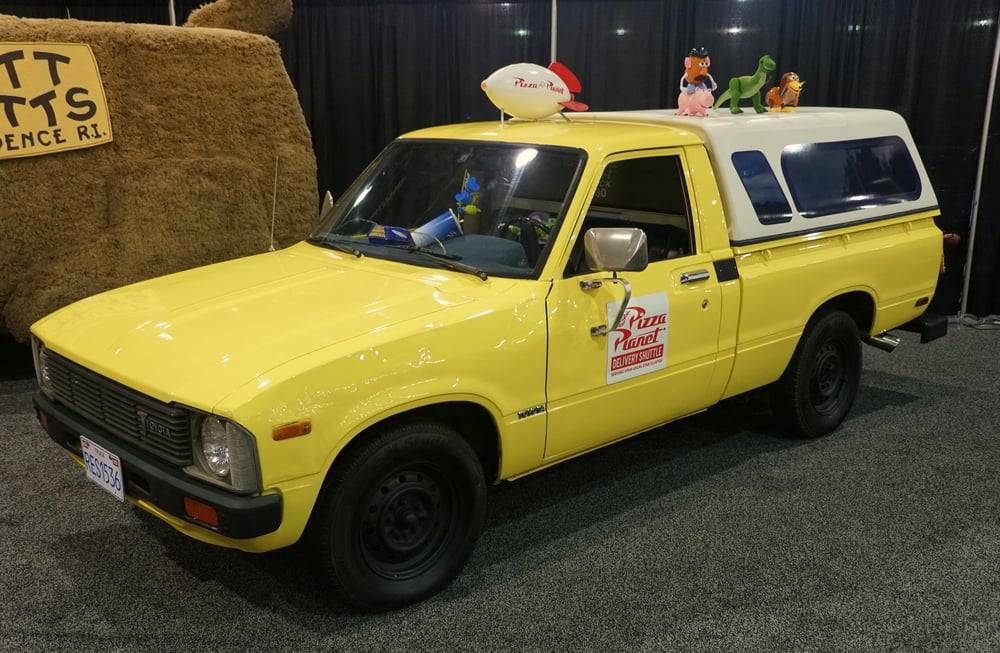
The yellow Toyota pickup from Toy Story shows up everywhere. It’s parked outside Andy’s house, races through the streets of Monsters, Inc., and even appears in medieval Scotland during Brave.
Hidden Mickeys Throughout Every Movie
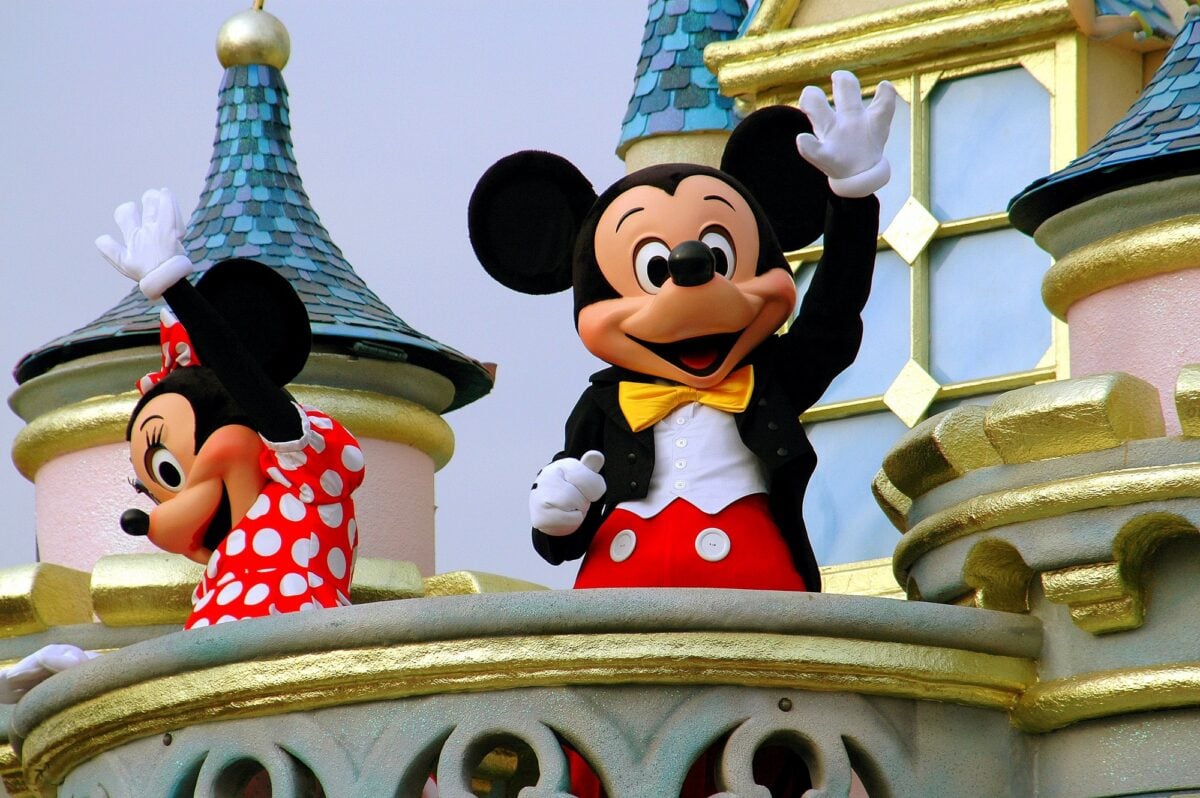
Three circles arranged like Mickey Mouse’s head appear constantly. Look for them in cloud formations, food arrangements, and architectural details.
Some are obvious. Most aren’t.
Rapunzel and Flynn at Elsa’s Coronation
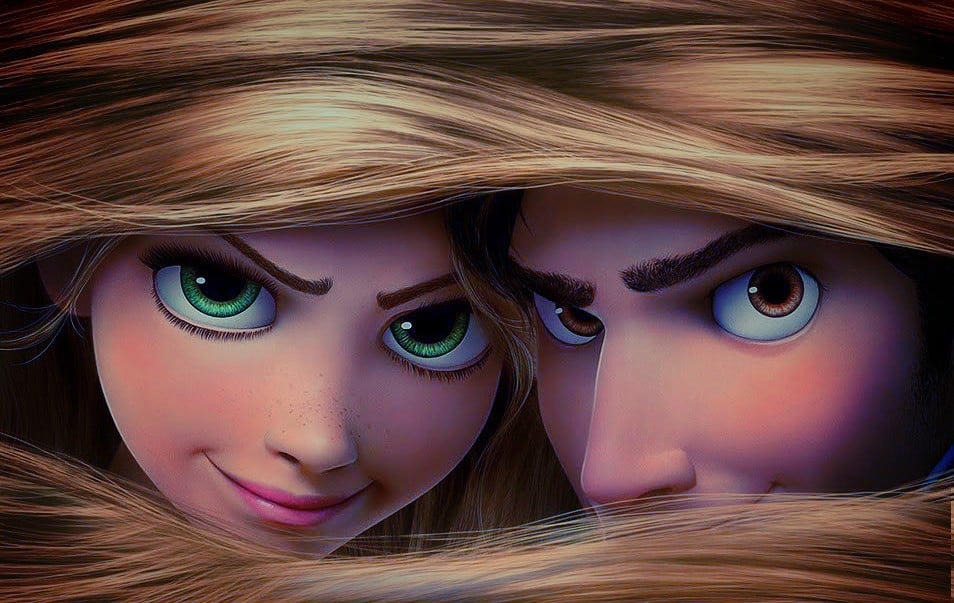
If you’ve ever wondered what happens after “happily ever after,” Disney provides an answer (though you might miss it if you blink): Rapunzel and Flynn Rider appear as guests at Elsa’s coronation ceremony in Frozen, their distinctive silhouettes unmistakable among the crowd of dignitaries. And the detail extends beyond mere cameo appearances — they’re dressed appropriately for a formal royal event, suggesting the animators considered not just their presence but how they would realistically appear years after their own story concluded.
Even their positioning feels deliberate: close enough to the action that observant viewers can spot them, but far enough back that they don’t distract from Anna and Elsa’s moment. But here’s where it gets interesting — their appearance raises questions about the Disney universe timeline that the studio has never officially addressed.
So while fans debate whether all Disney films share a connected world, the animators quietly plant evidence that suggests they do.
Scar’s Pelt in Hercules
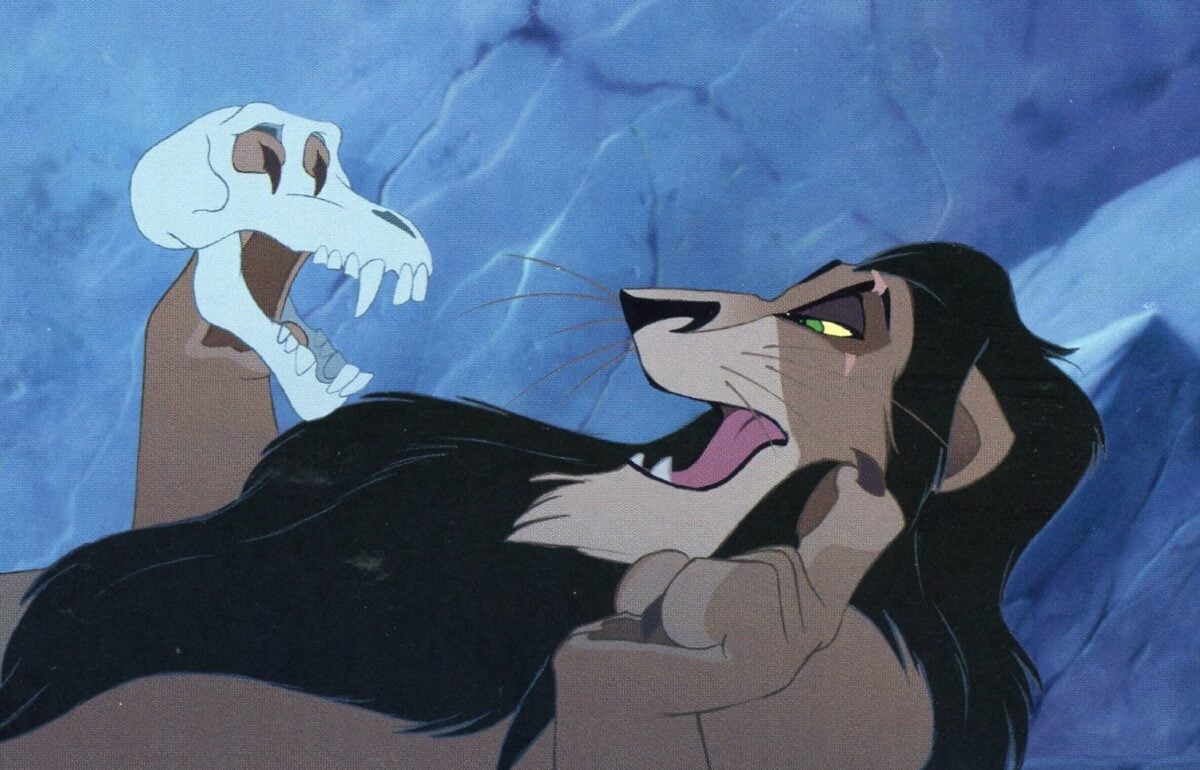
Scar from The Lion King appears as a lion skin rug in Hercules. This isn’t subtle symbolism — it’s Scar, unmistakably, draped over Hercules during the “Zero to Hero” sequence.
Books from Other Disney Films
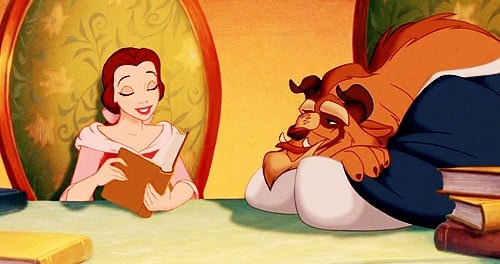
Beauty and the Beast’s library contains books that reference other Disney stories. The spines show titles that correspond to Sleeping Beauty, Cinderella, and other fairy tales Disney has adapted.
A113 Classroom References
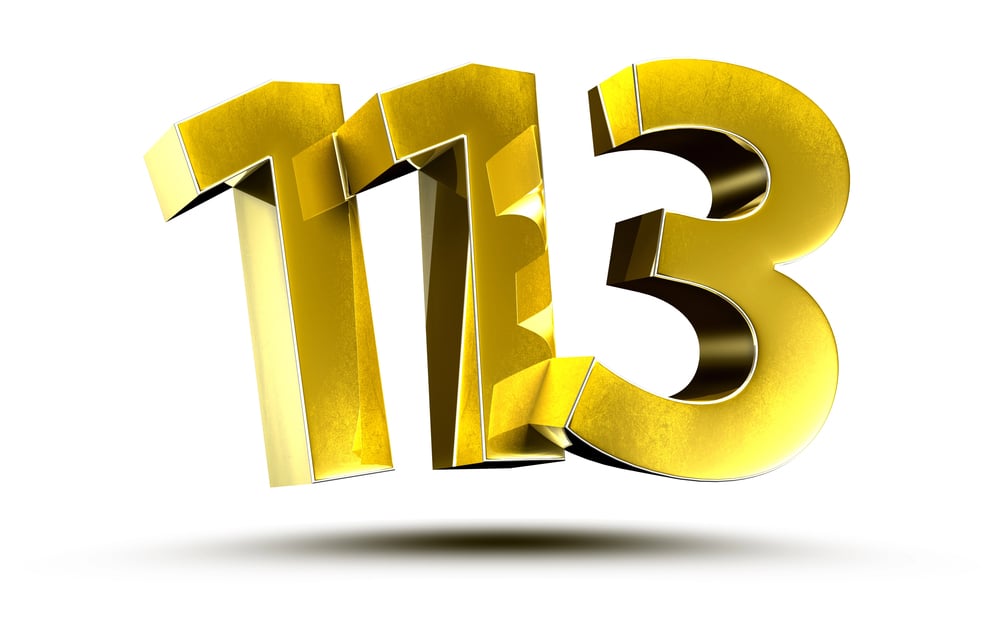
Like breadcrumbs scattered through a forest, the number A113 appears in nearly every Pixar and Disney film — sometimes on license plates, sometimes on room numbers, sometimes hidden so cleverly that finding it becomes a treasure hunt in itself. The number itself carries the weight of personal history: it was the classroom number at CalArts where many Disney and Pixar animators learned their craft, transforming what could have been a dry institutional detail into something that feels like a signature left by artists who never forgot where they started.
The placement varies wildly from film to film. In some movies, A113 sits prominently on a character’s license plate, almost daring you to notice it.
In others, it’s tucked into the corner of a frame, visible for perhaps three seconds while the action unfolds elsewhere. There’s something deeply human about this persistence — like an inside joke that’s been running for decades among friends who scattered to different studios but never quite let go of their shared beginnings.
And yet the number represents something larger than nostalgia: it’s proof that even in the most polished, corporate entertainment, individual artists still find ways to leave traces of themselves in the work.
The Carpet from Aladdin in Other Films
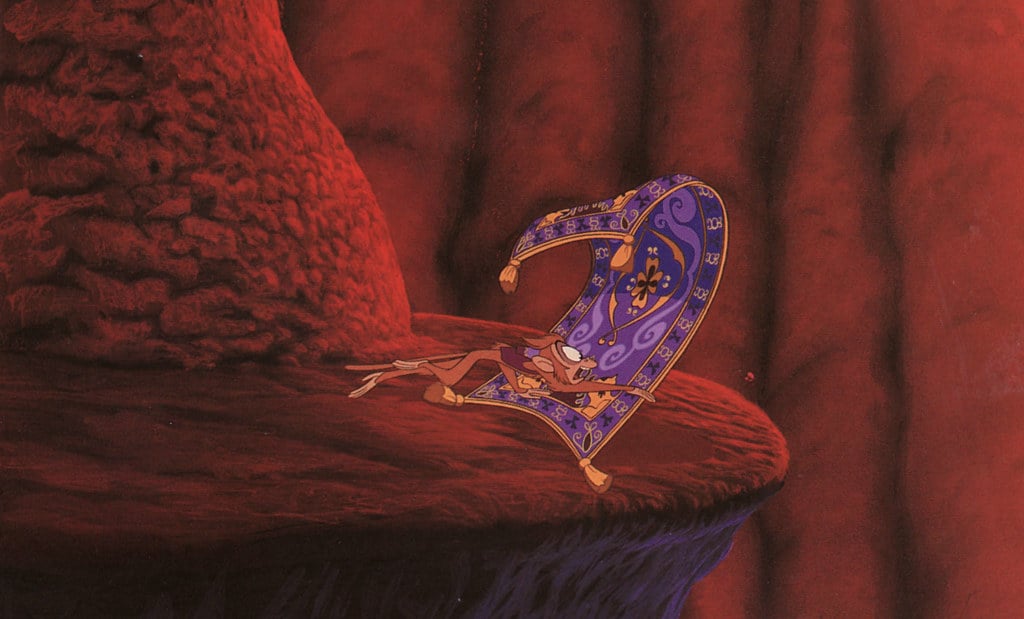
Aladdin’s magic carpet makes appearances outside its own movie. It hangs in the background during Beauty and the Beast and shows up folded in Lilo & Stitch.
Andy’s Toys in Daycare
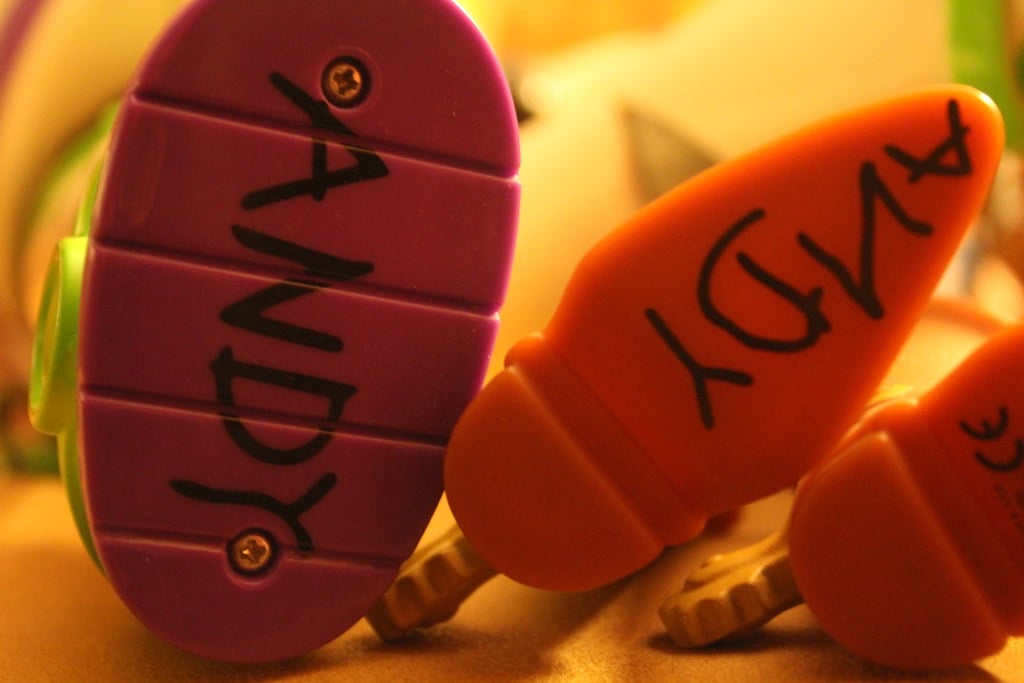
Toy Story 3’s Sunnyside Daycare contains toys that previously belonged to Andy. Look carefully at the background toys during Bonnie’s playtime — some are familiar faces that Andy donated years earlier but never got proper goodbye scenes.
Nemo Swimming in Other Pixar Films
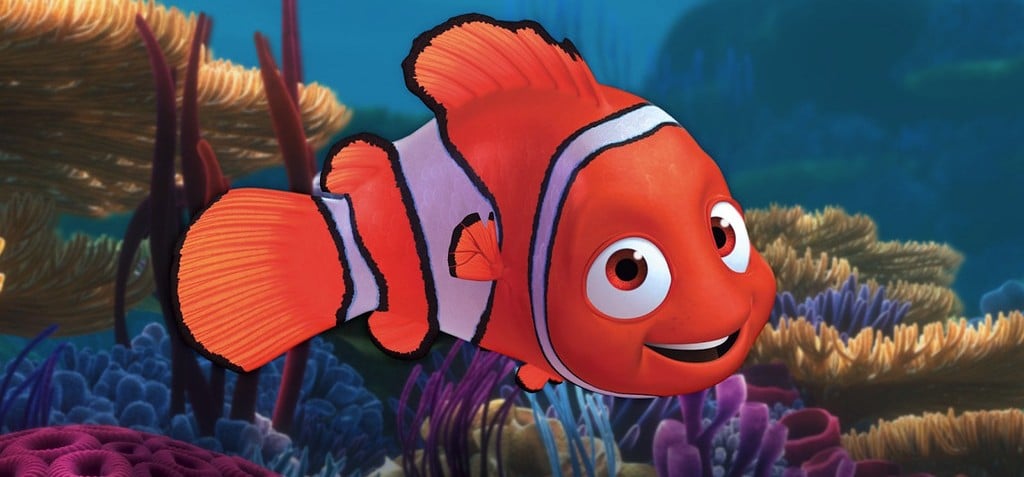
There’s a peculiar comfort in discovering Nemo swimming through scenes where he has no business being — a small orange fish who somehow found his way into the background of Monsters, Inc. and later appeared in the aquarium scenes of other Pixar films, as if the animators couldn’t bear to let him remain confined to his own ocean. His appearances feel less like calculated Easter eggs and more like the work of someone who grew fond of animating him and decided he deserved a longer life than a single movie could provide.
The placements themselves tell a story about how animators think. Nemo never appears where he would steal focus from the main action, but he’s positioned where a careful viewer might catch a glimpse during a second or third viewing.
It’s the visual equivalent of a whispered joke — meant for people paying close attention rather than the general audience rushing toward the next plot point. These cameos create an odd sense of continuity across Pixar’s catalog, suggesting that all these films might exist in the same universe where cartoon fish can somehow travel between dimensions.
Whether that’s intentional world-building or simply animators having fun with their digital aquarium remains charmingly unclear.
Adult Humor in Sign Language

Disney films contain jokes designed specifically for adults, hidden in plain sight through background signage, store names, and book titles that children can’t yet read or understand. The humor ranges from gentle puns to references that require knowledge of other films, literature, or cultural touchstones that fly completely over young heads while giving parents something to enjoy during their inevitable repeat viewings.
Experimental Animation Techniques

Background elements often serve as testing grounds for new animation methods. Studios use crowd scenes, environmental effects, and atmospheric details to experiment with rendering techniques that might later become standard practice in more prominent scenes.
References to Animator Personal Lives
Like artists signing their work with inside jokes that only their family would understand, Disney animators scatter references to their own lives throughout the backgrounds of their films — pet names appear on store signs, childhood addresses show up as building numbers, and family members get immortalized as background characters in crowd scenes. The practice transforms what could be impersonal corporate entertainment into something surprisingly intimate, where real human experiences get woven into fantasy worlds in ways most viewers will never notice.
But the personal touches extend beyond simple name-dropping. Animators include references to their hometowns, their college experiences, even their favorite restaurants, creating a hidden autobiography spread across multiple films.
So while audiences focus on the adventures of princes and talking animals, the people who created those adventures leave subtle evidence of their own stories embedded in the margins.
Stock Character Recycling

The same background character models appear across multiple Disney films, sometimes with different clothing or slight modifications. The practice saves time and money, but sharp-eyed viewers can spot familiar faces in completely different movies and time periods.
Hidden Foreshadowing
Background details often hint at plot developments that won’t become relevant until much later in the film. Books on shelves, posters on walls, and objects in rooms can reveal character motivations or story directions that seem obvious only in hindsight.
Cultural Inside Jokes
Disney films contain references that only make sense to people from specific regions or cultural backgrounds. Street signs might reference local landmarks near the animation studio, store names might reference local businesses, and architectural details might nod to places the animators knew personally.
Tribute Artwork
Studios hide artwork that pays homage to influential animators, directors, or other films within the medium. These tributes appear as paintings on walls, sculptures in gardens, or decorative elements that eagle-eyed viewers might recognize as references to animation history.
The Art of Paying Attention

The best Disney background details reward patience more than sharp eyesight. They’re easter eggs for the devoted, proof that magic happens not just in the foreground action but in the margins where artists hide their most personal touches.
Every frame becomes a potential treasure hunt, every rewatch a chance to discover something that was always there, waiting for the right moment of attention to reveal itself.
More from Go2Tutors!

- The Romanov Crown Jewels and Their Tragic Fate
- 13 Historical Mysteries That Science Still Can’t Solve
- Famous Hoaxes That Fooled the World for Years
- 15 Child Stars with Tragic Adult Lives
- 16 Famous Jewelry Pieces in History
Like Go2Tutors’s content? Follow us on MSN.