15 Weird Jobs The Military Actually Pays For
When most people think about military careers, they picture infantry soldiers, pilots, or tank crews charging into battle. While these combat roles certainly exist, the modern military is actually more like a small city that needs every type of worker imaginable to function properly. From bug hunters to professional musicians, the armed forces employ people in some surprisingly unusual specialties that most civilians never hear about.
The military has evolved far beyond just fighting wars. Today’s armed forces need specialists in everything from cybersecurity to animal care, creating opportunities for people with diverse skills and interests to serve their country in unexpected ways. Here is a list of 15 weird jobs the military actually pays for.
Mortuary Affairs Specialist
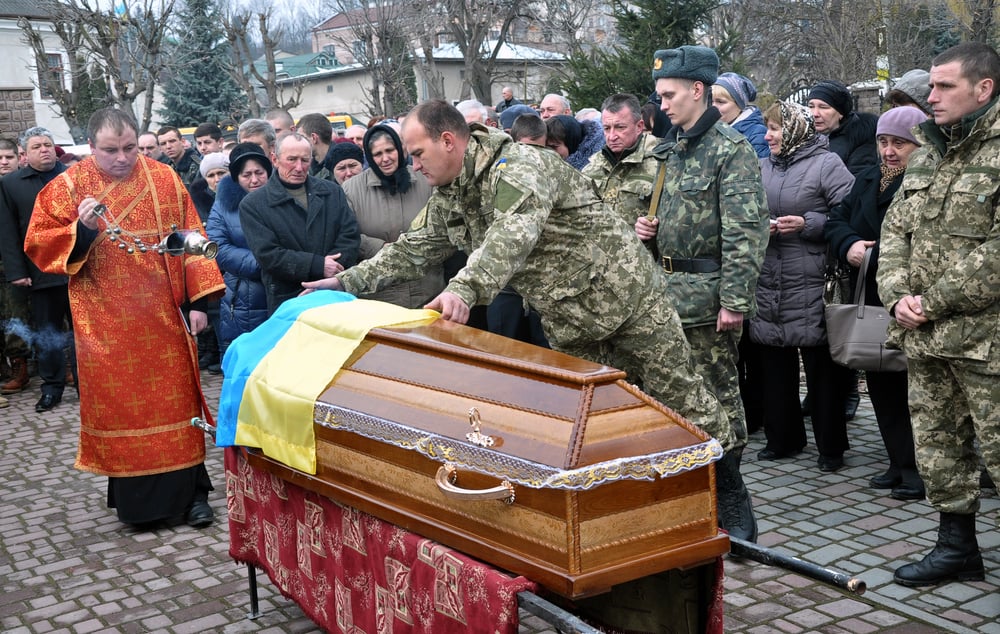
— Photo by orestligetka.ukr.net
Mortuary affairs specialists work in both combat and noncombat situations to search for and identify deceased personnel, help with the inventory and safeguarding of personal effects, and provide internment services. These professionals handle one of the military’s most sensitive responsibilities with the utmost dignity and respect. The Army and Marines are the only branches with dedicated mortuary affairs units, and they’ve established the Joint Mortuary Affairs Center at Fort Lee in Virginia to train personnel. It takes a special kind of person to perform this emotionally demanding work, but it’s absolutely essential for bringing closure to families and honoring fallen service members.
Animal Care Specialist
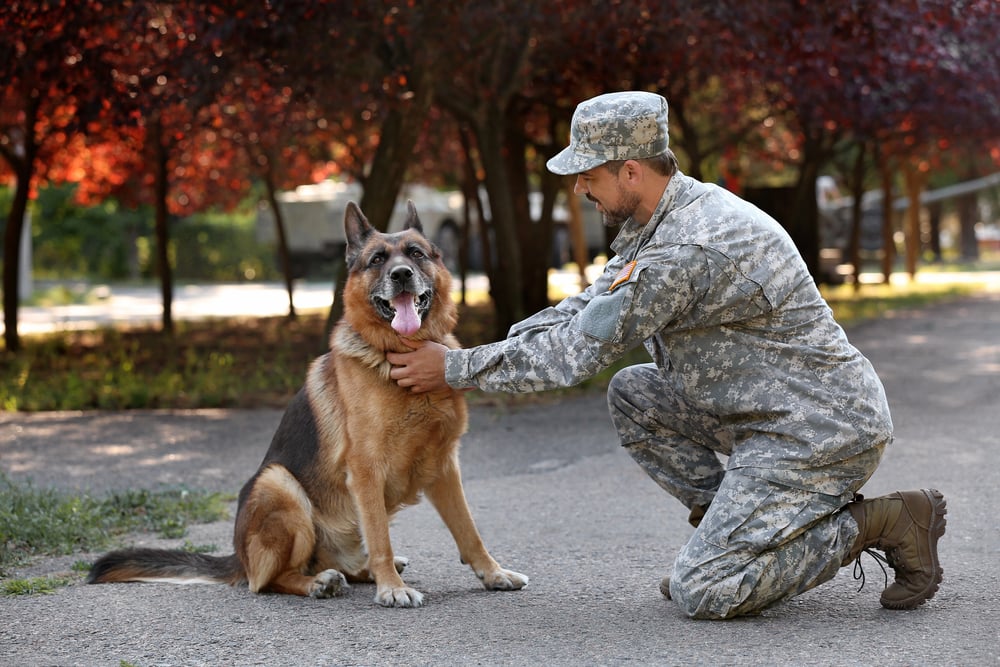
Animal care specialists help provide medical care and treatment for government-owned animals, similar to that of a veterinary technician, while also preventing and controlling the spread of diseases from animals to humans. Think of them as the military’s veterinary assistants who keep working dogs, ceremonial horses, and research animals in top condition. These specialists work under veterinarian supervision and perform everything from routine checkups to emergency procedures. When a bomb-sniffing dog needs dental work or a ceremonial horse requires medical attention, these are the people who make it happen.
Military Musician
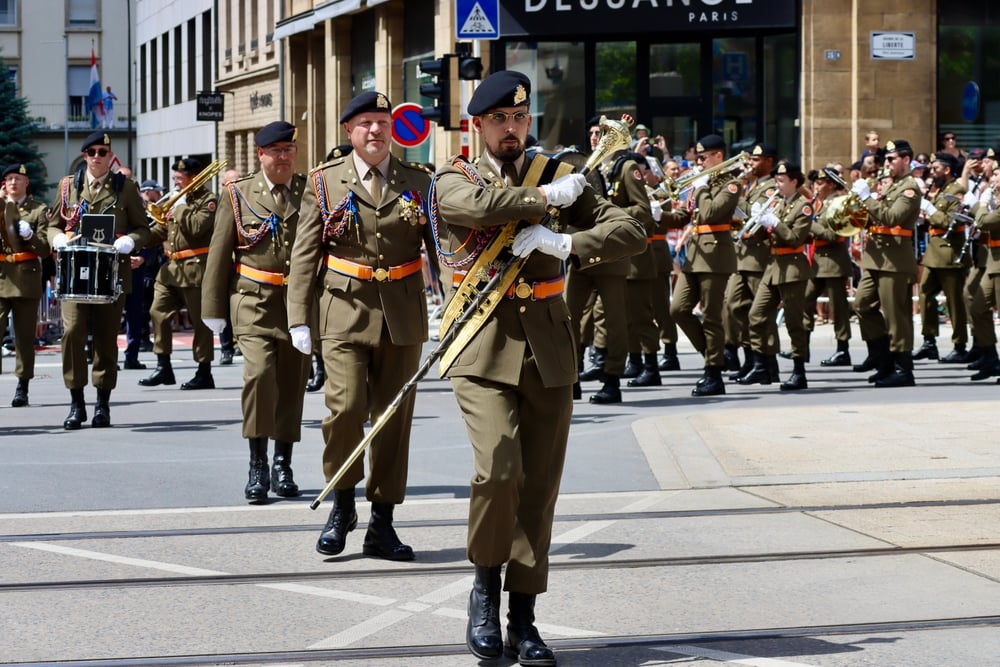
— Photo by IlonaLablaika
Military bands require trained musicians who can pass an audition, with the majority having completed a Bachelor’s Degree or higher in music plus previous professional experience. These aren’t just hobbyists playing weekend gigs – they’re full-time professional musicians who perform at state ceremonies, military funerals, and recruitment events around the world. The military has some great bands with lots of instruments that need constant upkeep, so the Army and Marine Corps even have troops whose primary job is repairing musical instruments. It’s like being in a touring band, except your audience includes world leaders and your workplace changes countries regularly.
Entomologist
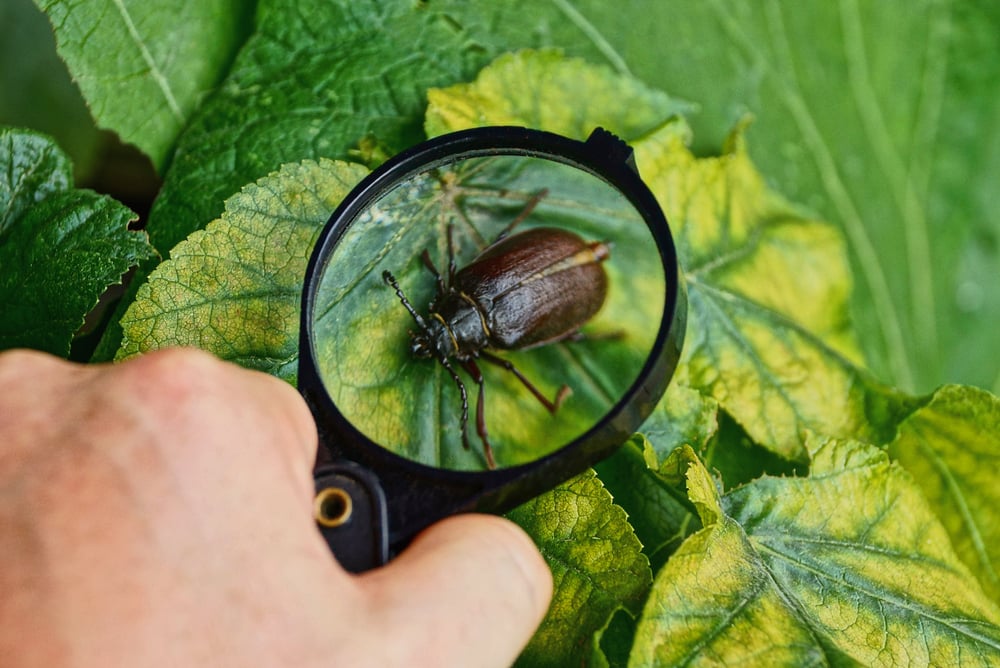
Military entomologists seek out evidence of bug infestations and combat them using pesticides, traps, introducing natural predators, or covering troops in delousing powder. While this might sound like an odd specialty, insects can seriously threaten military operations by spreading diseases or simply making life miserable for deployed troops. When deployed, troops face threats from enemy forces, terrain, weather, and bugs – with insects potentially spreading disease and seriously harming personnel. These specialists essentially wage war against six-legged enemies that most people never think about.
Weather Forecaster
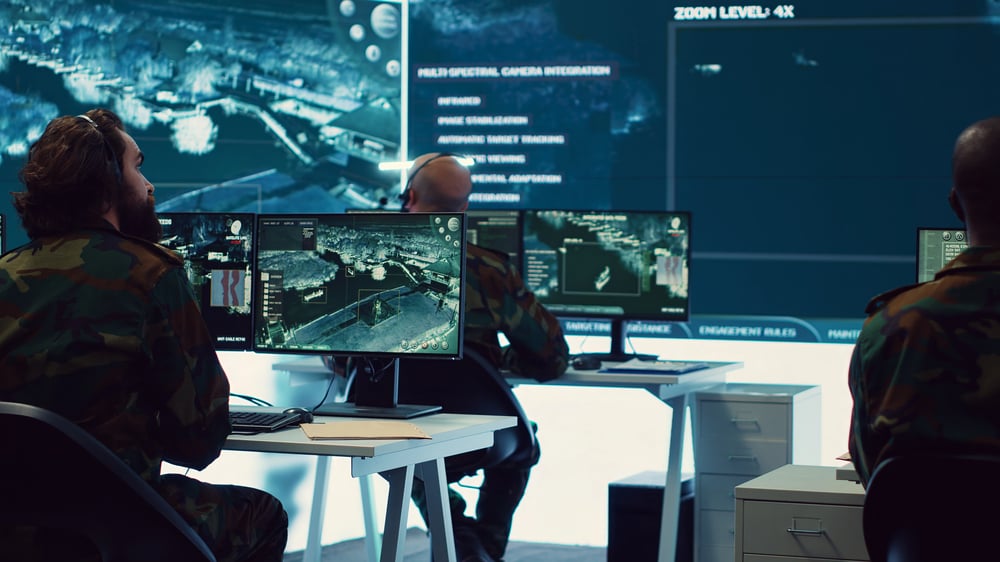
Every military flight operation requires accurate and timely weather information to inform takeoffs, in-air operations, and much more, making Base Weather Operations crucial to the success of any flying mission. Military meteorologists don’t just predict whether you’ll need an umbrella – they determine if fighter jets can take off safely or if a helicopter rescue mission is possible. Their forecasts can literally mean the difference between mission success and disaster. These specialists use advanced equipment and techniques that often exceed what civilian weather services employ.
Combat Photographer
— Photo by ALesik
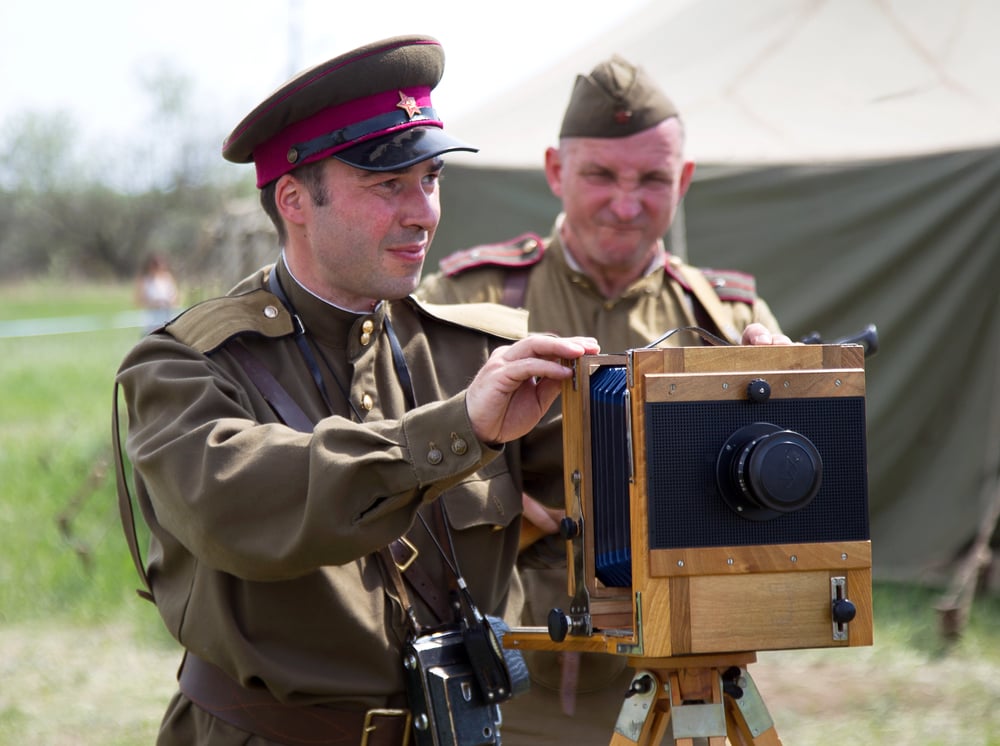
Many images and videos of military operations are taken by service members assigned to public affairs and combat camera units, with some branches combining photographer and videographer jobs into one rating. These aren’t tourists with cameras – they’re trained soldiers who document history while bullets are flying around them. Specialties include combat camera (the military term for photographer), print journalists who write for base newspapers, and broadcast journalists who shoot and edit video. They capture everything from humanitarian missions to combat operations, creating the visual record of military history.
Military Working Dog Handler
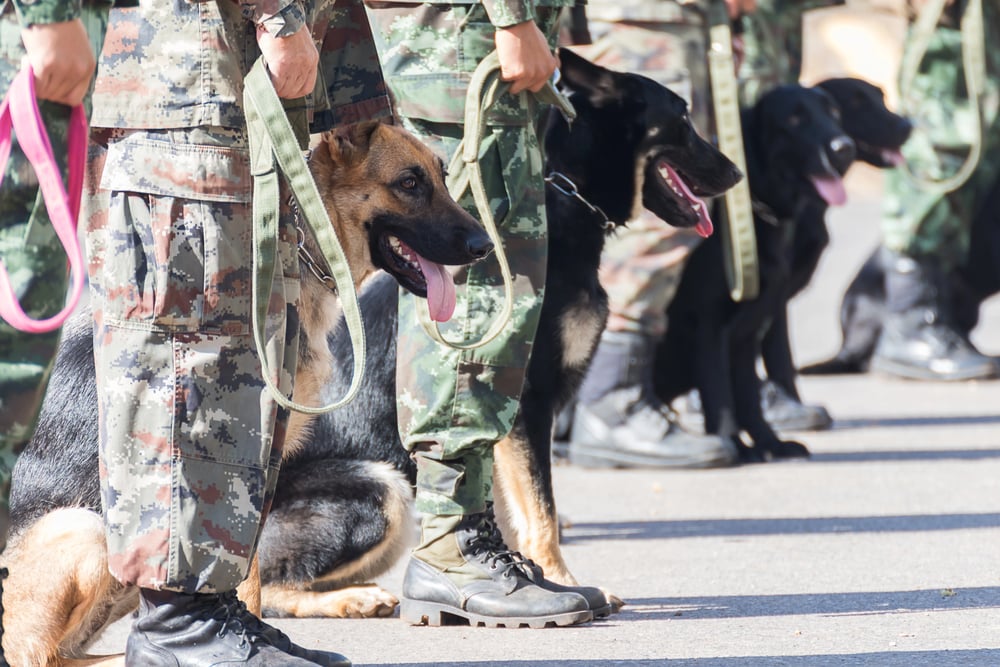
Military working dog handlers form incredibly close bonds with their four-legged partners while training them for specialized missions. These dogs aren’t pets – they’re highly trained professionals who can detect explosives, drugs, or track enemies. Security Forces K-9 handlers rely heavily on animal care professionals for the training, housing, and care of bomb sniffing dogs, drug dogs, and airport security dogs. The relationship between handler and dog is so strong that many handlers adopt their partners when the dogs retire from active duty.
Army Boat Operator
— Photo by Fotoember
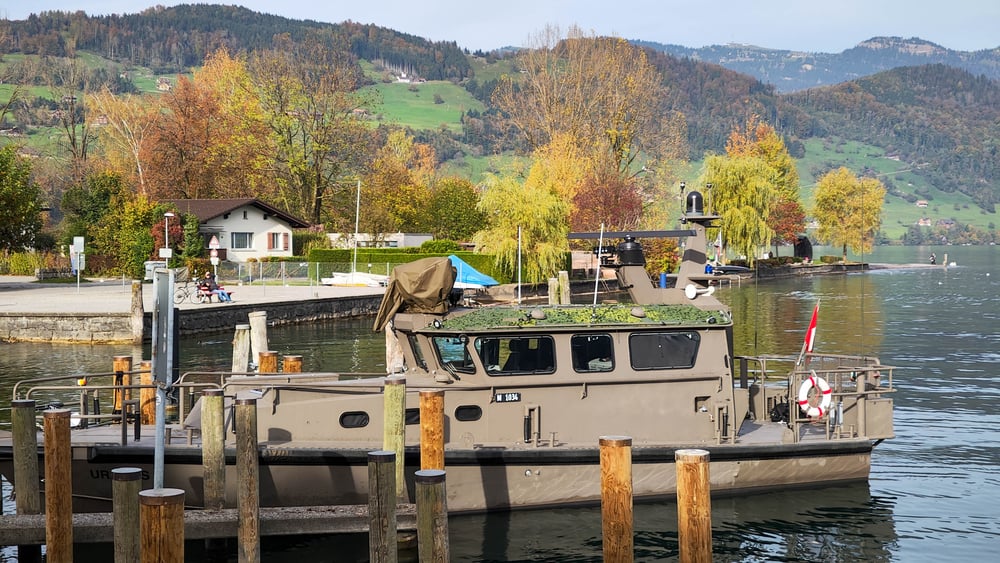
Army ships include tug boats, supply vessels, landing craft, and more, with Boat Soldiers occupying positions in the 88 series that seem to be ruled by warrant officers in Marine Engineering Officer and Marine Deck Officer positions. Yes, the Army has boats, and they need people to drive them. Who thought joining the U.S. Army could lead you to serve on a ship? These specialists operate everything from small landing craft to large supply vessels, proving that the Army’s reach extends well beyond land-based operations.
Military Dietitian
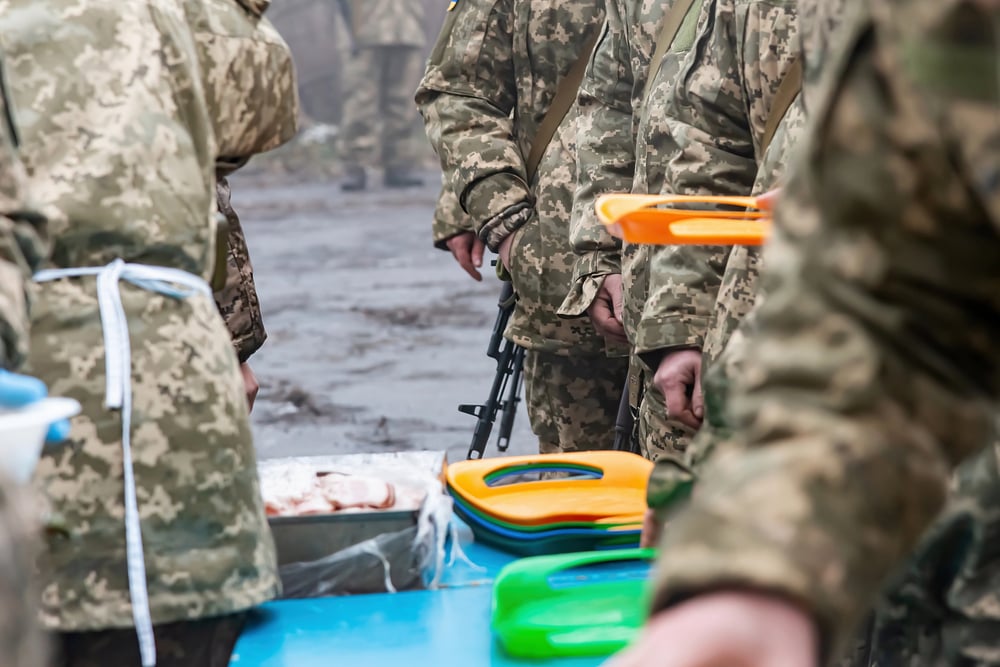
Military dietitians create diet plans based on mission requirements, available resources, and service member needs. Feeding thousands of troops in remote locations requires serious nutritional planning and logistics expertise. These professionals ensure that soldiers get the right nutrients to maintain peak performance, whether they’re stationed at a comfortable base or deployed in harsh conditions. They also develop specialized meal plans for troops with dietary restrictions or specific mission requirements.
Ground Sensor Specialist
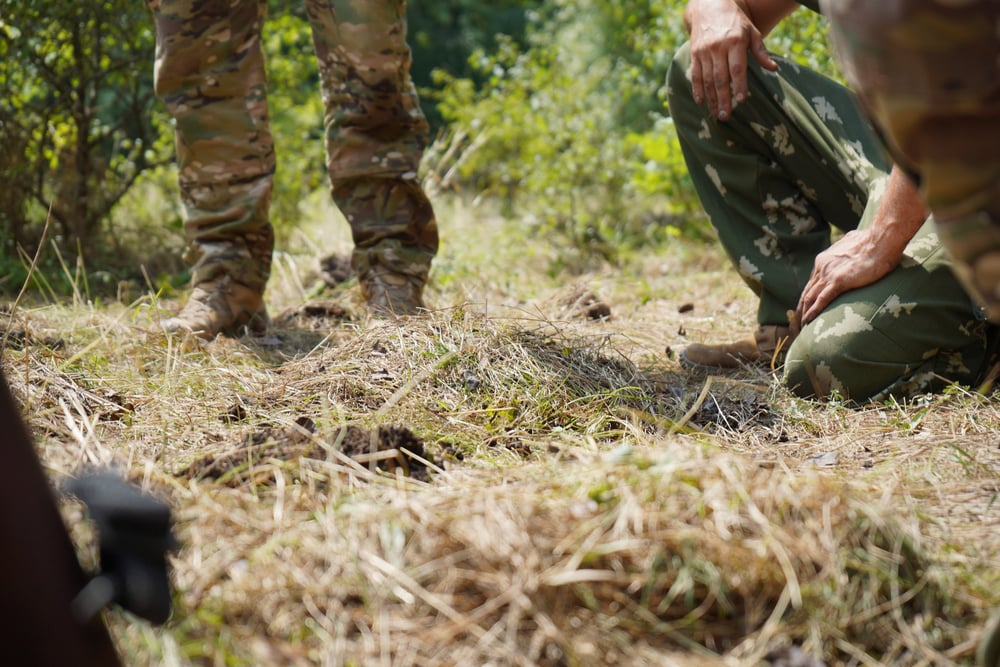
With less than 100 in the entire Marine Corps, the grunts that make up the Ground Sensor Platoon are responsible for implanting surveillance sensors and occupy not only a weird military job but also a very rare one. Most Marines don’t even know this specialty exists. They used to be called the SCAMP platoon, and that was a way better acronym. These specialists deploy high-tech surveillance equipment in enemy territory, creating an invisible network that monitors enemy movement and activity.
Multimedia Illustrator
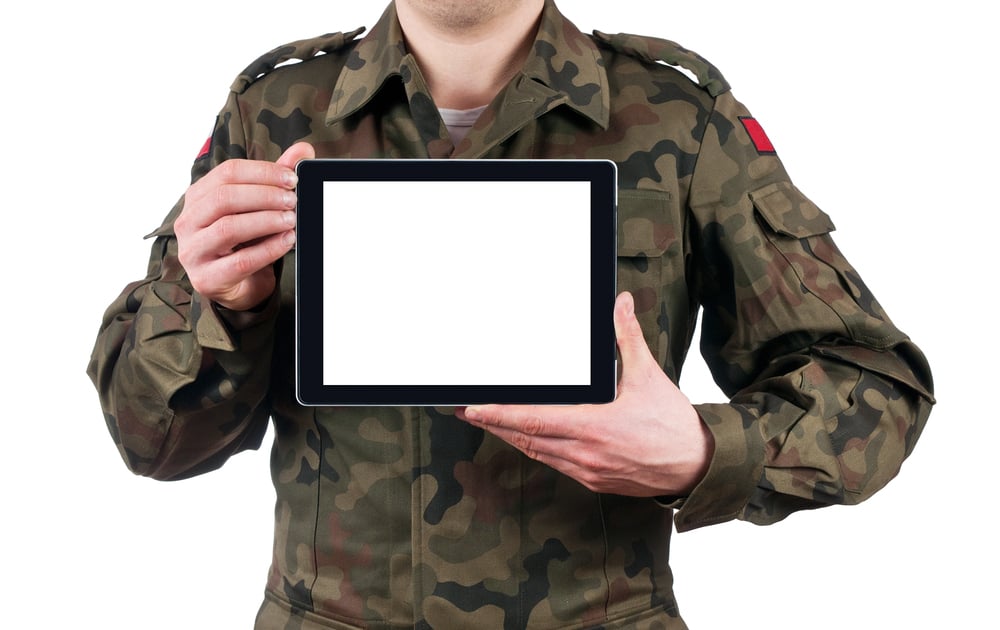
Army multimedia illustrators support the creation of military publications as well as civil affairs and psychological operations, serving as skilled artists who spend a lot of time drawing. While everyone else is carrying rifles, these soldiers carry pencils and tablets to create visual materials for training, operations, and communication. They might design infographics for safety briefings, create maps for mission planning, or develop materials for psychological operations. It’s like being a graphic designer, but your artwork might help save lives or accomplish military objectives.
Military Chaplain
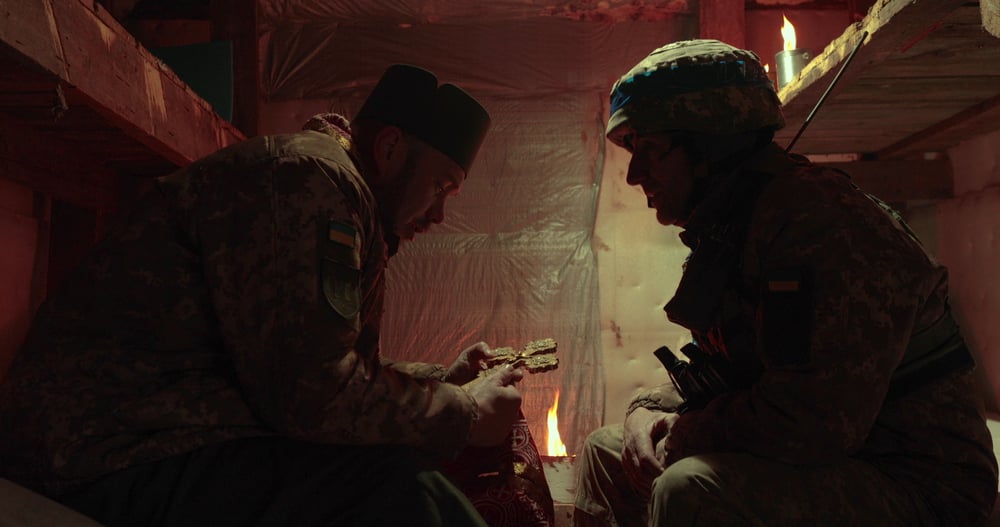
Army Chaplains serve as spiritual leaders who guide soldiers through triumphs and tragedies, with the Army’s Chaplain School preparing clergy of all denominations to serve God and country while protecting the free exercise of religion within the military. These aren’t just Sunday service leaders – they’re counselors, advisors, and sources of comfort during some of the most stressful situations imaginable. Military chaplains often find themselves ministering to troops of all faiths (or no faith) while navigating the unique challenges of military life and combat deployments.
Cybersecurity Specialist
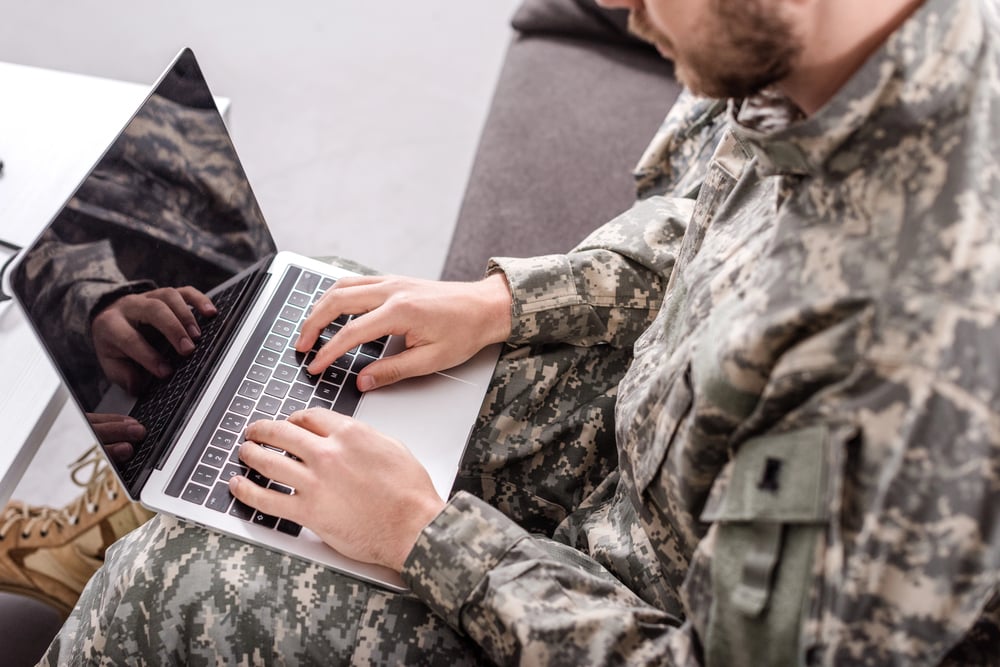
These specialists defend U.S. military networks against a constant barrage of cyberattacks and also conduct counter-attacks when called to do so. While traditional soldiers fight with weapons, cyber warriors battle enemies using keyboards and computer screens. They protect classified information, prevent digital sabotage, and sometimes launch offensive operations against hostile networks. It’s a high-tech game of cat and mouse where the stakes are national security.
Store Manager
— Photo by urf
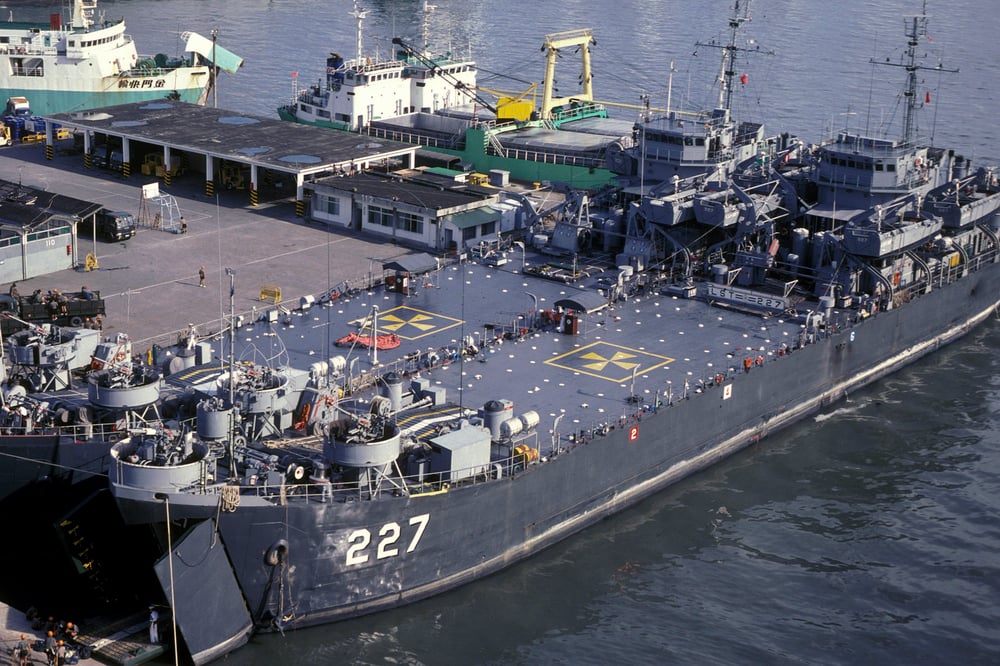
Sailors on ships want to rent videos and buy Pringles like everyone else, but the Navy doesn’t have convenience stores staffed by civilians out at sea, so they have sailors whose job it is to run vending machines, small shops, and rental booths. Someone has to manage the mini-marts, barbershops, and other retail services that make military life more bearable. Similar to the Navy’s business managers, Community Services Marines manage retail services for the Marine Corps and conduct morale, welfare, and recreation activities. These specialists ensure that deployed troops can still buy snacks, toiletries, and entertainment during long deployments.
Marketing Specialist
The Army recently created a new MOS known as the FA58, aka the Marketing Soldier, designed to make the Army look better in more modern ways through improved marketing and recruiting. It’s a very small MOS, with plans to recruit only 15 to 20 officers for the role. These specialists use social media, digital marketing, and modern communication techniques to improve the Army’s public image and attract new recruits. They’re essentially Madison Avenue executives in uniform, trying to make military service appealing to younger generations.
The Future of Military Specialization
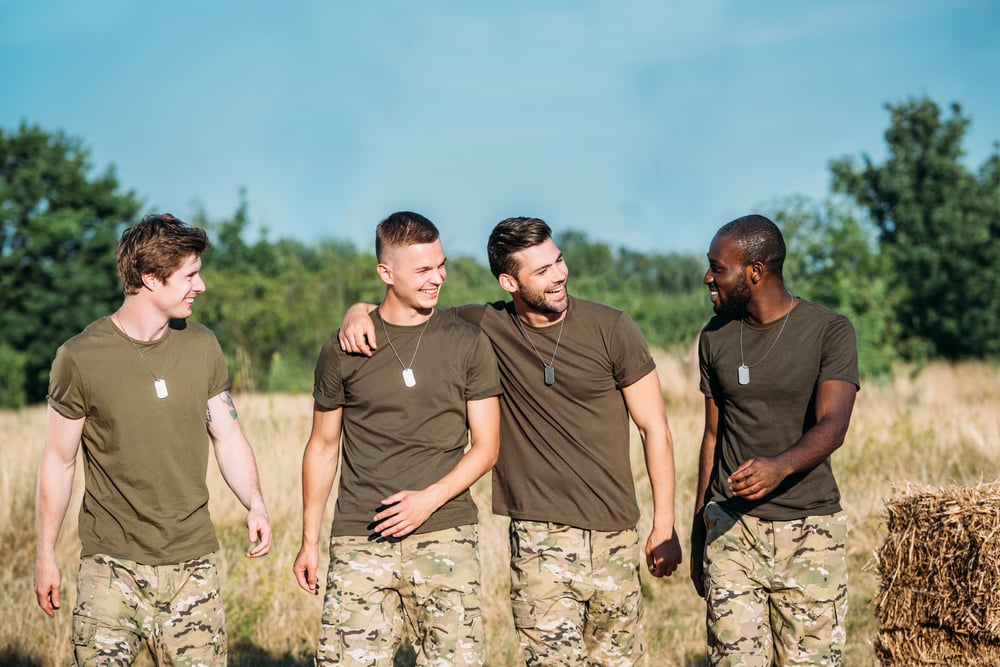
The military’s specialty careers extend leadership opportunities to individuals with valuable experience, from cybersecurity and STEM to music and Special Operations forces. As technology advances and military missions become more complex, expect to see even more unusual specialties emerge. The days of armies being just collections of infantry soldiers are long gone – today’s military is a sophisticated organization that needs every type of skill imaginable. Whether you’re a talented musician, a computer whiz, or someone with a strong stomach for difficult work, there might be a uniform waiting for you in the most unexpected places.
More from Go2Tutors!

- 16 Historical Figures Who Were Nothing Like You Think
- 12 Things Sold in the 80s That Are Now Illegal
- 15 VHS Tapes That Could Be Worth Thousands
- 17 Historical “What Ifs” That Would Have Changed Everything
- 18 TV Shows That Vanished Without a Finale
Like Go2Tutors’s content? Follow us on MSN.