Iconic Fashion Pieces With Hidden History
Fashion isn’t just about looking good. Behind every famous piece of clothing or accessory lies a story that most people never hear about.
Some items started as practical solutions to everyday problems, while others emerged from unexpected places or unusual circumstances. The clothes and accessories that define entire eras often have origins that would surprise anyone who wears them today.
Here are some of the most recognizable fashion pieces and the fascinating backstories that made them what they are.
The Little Black Dress Started As Mourning Wear

Coco Chanel turned funeral attire into a fashion statement in 1926 when she introduced the little black dress to the world. Before that, black clothing was strictly for widows and people grieving lost loved ones.
Chanel saw an opportunity to take something associated with sadness and transform it into elegant evening wear that anyone could enjoy. Vogue called her design ‘Chanel’s Ford,’ comparing it to the Model T because it was simple, accessible, and perfect for everyone.
Trench Coats Were Designed For Actual Trenches

The trench coat got its name from World War I, when British soldiers needed something waterproof for the muddy battlefields. Thomas Burberry created the gabardine fabric and designed a coat with all sorts of practical features like D-rings for grenades and a storm flap to keep out rain.
Officers wore these coats in the trenches of France and Belgium, and the style stuck around long after the war ended. What started as military gear became one of the most timeless pieces of outerwear anyone can own.
High Heels Were Originally Made For Men

Persian soldiers wore the first high heels in the 10th century to help them stay secure in their stirrups while riding horses and shooting arrows. The heel gave them stability and better aim during battle.
European aristocrats saw these shoes and decided they looked powerful and impressive, so wealthy men started wearing heels to appear taller and more important. Women didn’t start wearing heels regularly until the 1600s, and even then, it took a while before heels became seen as feminine footwear.
White Wedding Dresses Weren’t Always Traditional

Queen Victoria changed wedding fashion forever when she wore a white gown to marry Prince Albert in 1840. Before that, brides just wore their best dress in whatever color they owned, and many chose red or other bright shades.
White fabric was expensive and hard to keep clean, so wearing it showed off wealth and status. Victoria’s choice became so famous that brides everywhere started copying her, and now white wedding dresses feel like they’ve been around forever even though they’re a relatively recent trend.
Cargo Pants Came From British Military Uniforms

British soldiers got the first cargo pants in the 1930s when the military needed uniforms with extra pockets for maps, supplies, and equipment. The large pockets on the thighs made it easy to carry important items without needing a bag.
American paratroopers adopted similar pants during World War II, and eventually, these practical designs made their way into civilian fashion. Today, cargo pants go in and out of style, but their military roots remain in every pocket and stitch.
The Bikini Was Named After A Nuclear Test Site

French designer Louis Réard introduced the bikini in 1946, just four days after the United States tested atomic bombs at Bikini Atoll in the Pacific. Réard thought his revealing swimsuit design would cause a reaction as explosive as a nuclear blast.
He was right about the shock value, since most people considered the two-piece scandalous and inappropriate. It took years before the bikini became acceptable beachwear, and some countries even banned it for being too revealing.
Denim Jeans Were Reinforced With Copper Rivets For Gold Miners

Levi Strauss and tailor Jacob Davis created the first riveted denim pants in 1873 for miners in California who kept ripping their pockets. The copper rivets at stress points made the pants practically indestructible, which was exactly what miners needed when they were hauling heavy rocks and tools.
The patent for riveted clothing made Strauss rich, and his durable work pants eventually became the most popular casual wear in the world. Those little metal dots still show up on jeans today as a reminder of where it all started.
Aviator Sunglasses Were Made To Protect Fighter Pilots

Bausch & Lomb developed aviator sunglasses in 1936 after the U.S. Army Air Corps asked for eyewear that would protect pilots from glare at high altitudes. The teardrop shape covered more of the eye area than regular glasses, and the dark lenses blocked harsh sunlight that could interfere with vision during flight.
General Douglas MacArthur made them famous when he wore aviators while landing in the Philippines during World War II. The military design became so cool that everyone wanted a pair, and aviators never went out of style.
Hoodies Came From Medieval Monks

The basic hood design goes all the way back to Medieval Europe, where monks wore hooded robes to stay warm and maintain modesty. Champion Products brought the hood into modern fashion in the 1930s when they added it to sweatshirts for workers in cold New York warehouses.
College athletes started wearing hoodies to stay warm during outdoor practice, and the style spread from there. Now hoodies are everywhere, from high-end fashion runways to grocery store aisles, but they still serve the same purpose they did centuries ago.
The Polo Shirt Was Designed For Tennis, Not Polo

French tennis player René Lacoste got tired of wearing stiff, long-sleeved shirts on the court in the 1920s, so he designed something more comfortable. He created a short-sleeved cotton shirt with a collar that players could pop up to protect their necks from the sun.
The shirt became known as a polo shirt because polo players adopted it later, even though Lacoste made it for tennis. His crocodile logo became one of the most recognized symbols in fashion, and the polo shirt turned into a wardrobe staple for athletes and regular folks alike.
Doc Martens Boots Were Designed By A Doctor With A Broken Foot

Klaus Märtens was a German doctor who injured his foot while skiing in 1945 and found traditional boots too painful to wear. He invented an air-cushioned sole that made walking more comfortable and teamed up with an old friend to start producing the boots.
British shoe company R. Griggs bought the rights in 1960 and marketed them to factory workers who needed sturdy, comfortable footwear. Punks and skinheads adopted Doc Martens in the 1970s, turning practical work boots into a symbol of rebellion and counterculture.
Chinos Were Created For The Spanish-American War
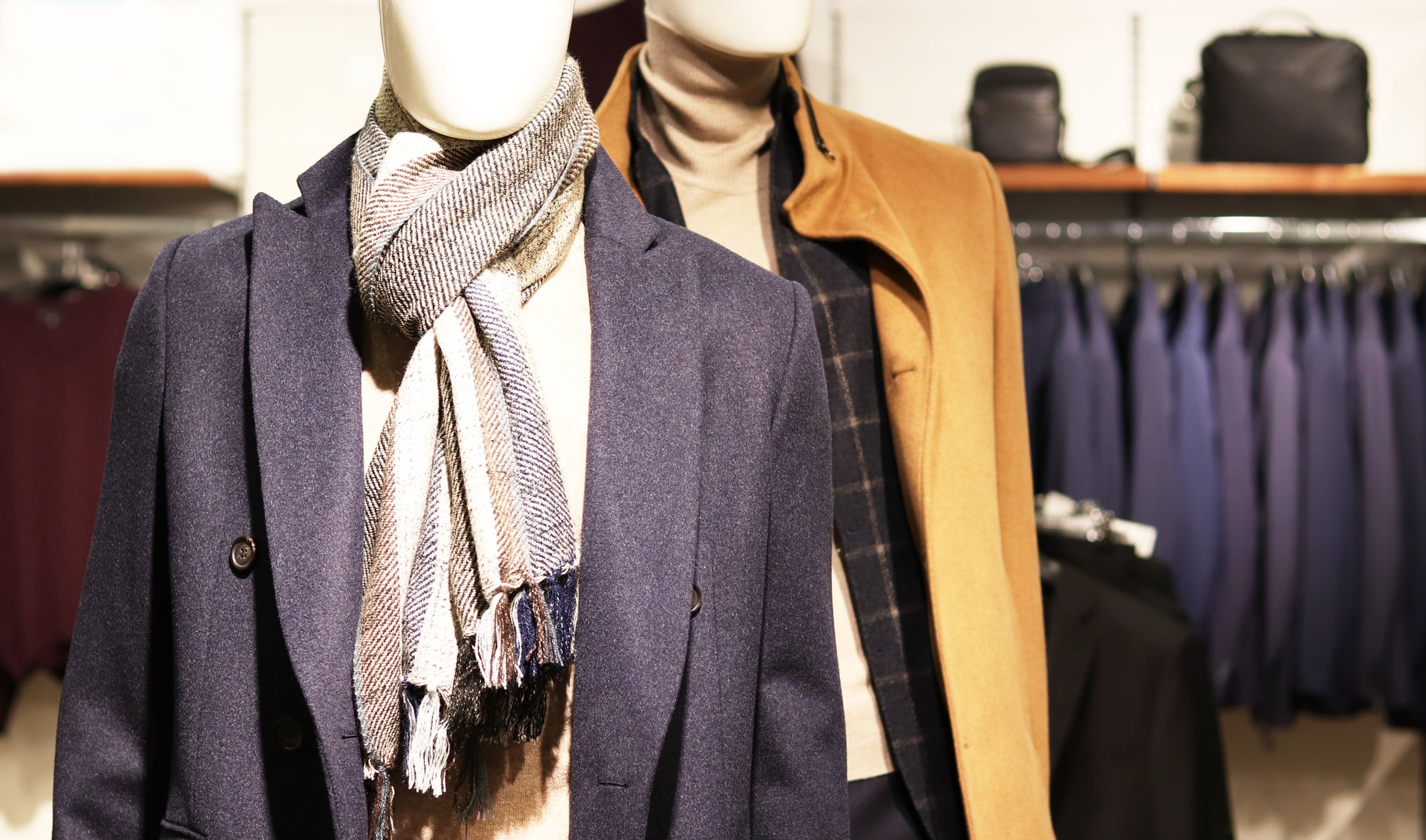
The U.S. military needed lightweight pants for soldiers fighting in the Philippines during the Spanish-American War in 1898. They started manufacturing khaki-colored cotton twill trousers in China, which is why they got the name ‘chinos.’
The pants were cooler than wool uniforms and held up well in tropical climates. After the war, soldiers brought the style home, and chinos became popular casual wear that looked neater than jeans but more relaxed than dress pants.
Ray-Ban Wayfarers Almost Disappeared Before Becoming Iconic
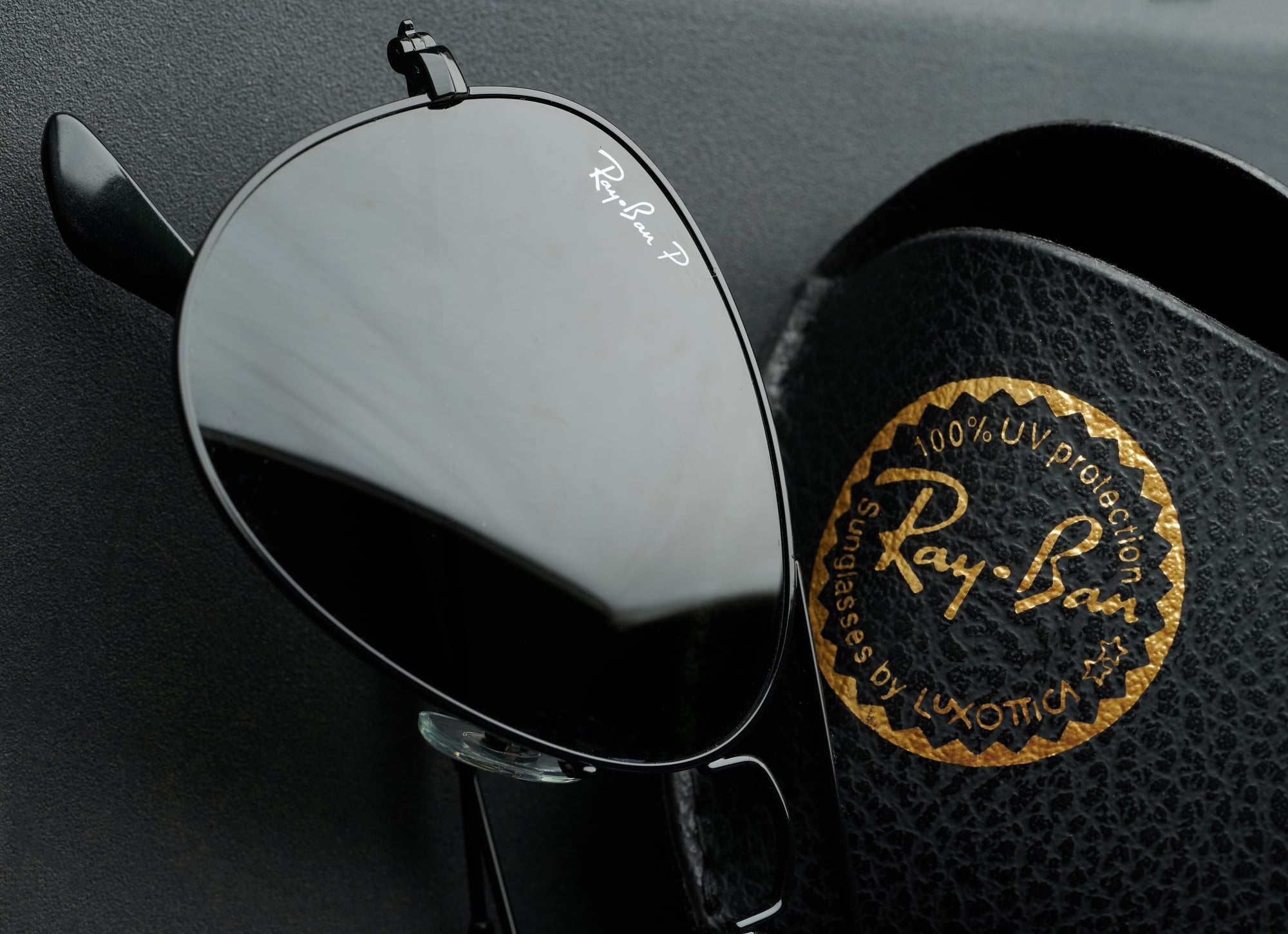
Ray-Ban introduced Wayfarer sunglasses in 1952, and they sold well for about a decade before falling completely out of fashion. The company nearly discontinued them in the 1970s because hardly anyone wanted to buy the chunky plastic frames anymore.
Then something changed in the 1980s when movies like ‘The Blues Brothers’ and ‘Risky Business’ featured characters wearing Wayfarers. Sales shot through the roof, and the sunglasses that almost got scrapped became one of the best-selling styles ever made.
The Peacoat Kept Sailors Warm In Rough Seas

British Royal Navy sailors wore the first peacoats in the 1700s, made from heavy wool that could handle freezing ocean winds and salty spray. The double-breasted design meant sailors could button the coat on either side depending on which way the wind blew.
The name probably comes from the Dutch word ‘pij,’ which refers to the type of coarse wool used to make them. American sailors adopted peacoats too, and eventually, the warm, practical coat found its way into civilian closets everywhere.
Converse All Stars Started As Basketball Shoes

Back in 1917, the Converse Rubber Shoe Company launched a basketball sneaker called the All Star – yet it sat quiet until the 1920s when a ballplayer named Chuck Taylor began pushing them hard. Through his travels across towns, hosting hoops sessions, he hooked teams and mentors on both the game and the gear.
By 1932, they stitched his name into the collar, turning the model into what most hoopsters wore for years after. Though newer performance footwear slowly replaced them on courts, these kicks slipped smoothly into streetwear rotation instead.
World War I Pilots Wore Leather Jackets

Up in the sky, early planes left pilots out in the cold, literally – no cover from wind or freezing air. To fight the chill, soldiers handed out heavy leather coats lined with fur around the neck.
During WWII, bomber teams strapped on those same rugged jackets, turning workwear into badges of grit. Once peace came, bikers took up the style, wearing leather for safety on the road.
Then movie stars such as Marlon Brando gave them an edge, making the look stick – not just tough, but untamed.
Starting with what works, moving toward lasting looks
Clothing seen on streets today began as answers to tough challenges faced by troops, laborers, and sportsmen. Not one was made for looks when first created.
Each had a purpose – to perform, endure, and survive heavy use. Over time, usefulness turned into trend, until function shaped global wardrobes.
Strongest styles carry history, often rooted in simple needs – keeping heat in, water out, bodies moving without fuss during long hours of effort.
More from Go2Tutors!

- The Romanov Crown Jewels and Their Tragic Fate
- 13 Historical Mysteries That Science Still Can’t Solve
- Famous Hoaxes That Fooled the World for Years
- 15 Child Stars with Tragic Adult Lives
- 16 Famous Jewelry Pieces in History
Like Go2Tutors’s content? Follow us on MSN.