15 Weird Things Cargo Ships Carry
Floating low in saltwater lanes, cargo vessels move without fanfare. Each holds rows of steel boxes, sealed tight, hiding their contents completely.
Seen far off, commerce seems neat – orderly flows of machines, gadgets, crops, oil. Their journeys form invisible threads linking distant shores.
Strange things happen down there. Inside each metal container, different oddities appear – items odd enough to seem made up, though every one survived sea travel obeying tight shipping laws.
Live Zoo Animals

Transporting live zoo animals by sea requires precision that rivals a space launch. Giraffes, elephants, and even penguins have crossed oceans in climate-controlled enclosures designed to mimic their natural habitats.
Veterinary teams often travel alongside them to monitor stress levels, hydration, and temperature. Sea transport is sometimes less physically taxing than air for large species, especially when entire breeding groups relocate between conservation parks.
The journey may take weeks, but stability matters more than speed. It is essentially a floating wildlife hospital moving at 20 miles per hour.
Giant Rubber Ducks
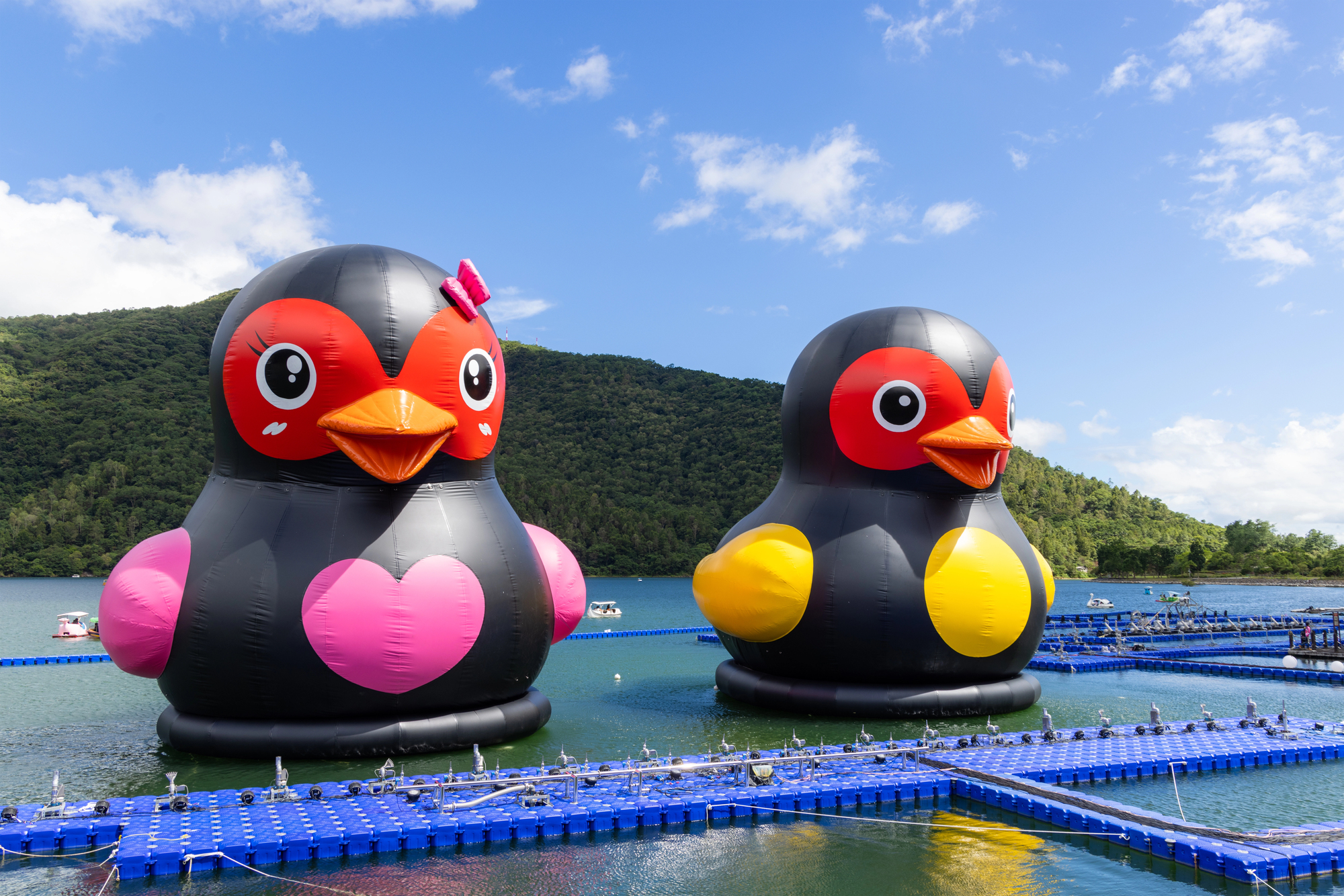
Massive inflatable structures known as marine salvage pontoons, often nicknamed ‘giant rubber ducks,’ are used to lift sunken ships. These bright orange air-filled bags can be as tall as a building and are shipped deflated to salvage sites worldwide.
When inflated underwater, they provide buoyancy strong enough to raise vessels weighing thousands of tons. Cargo ships routinely transport these enormous rubber structures folded tightly inside containers.
The irony is hard to miss: ships sometimes carry the very tools designed to rescue other ships.
Entire Houses

Prefabricated houses have crossed oceans fully assembled or in massive modular sections. In some cases, luxury villas built in Europe have been shipped to remote islands in the Caribbean or Pacific.
Transporting a house requires reinforced cradles and careful weight distribution. Even minor imbalance can shift thousands of pounds mid-voyage.
It is essentially moving a neighborhood across open water, piece by piece, proving that modern logistics can treat a home like oversized furniture.
Locomotives
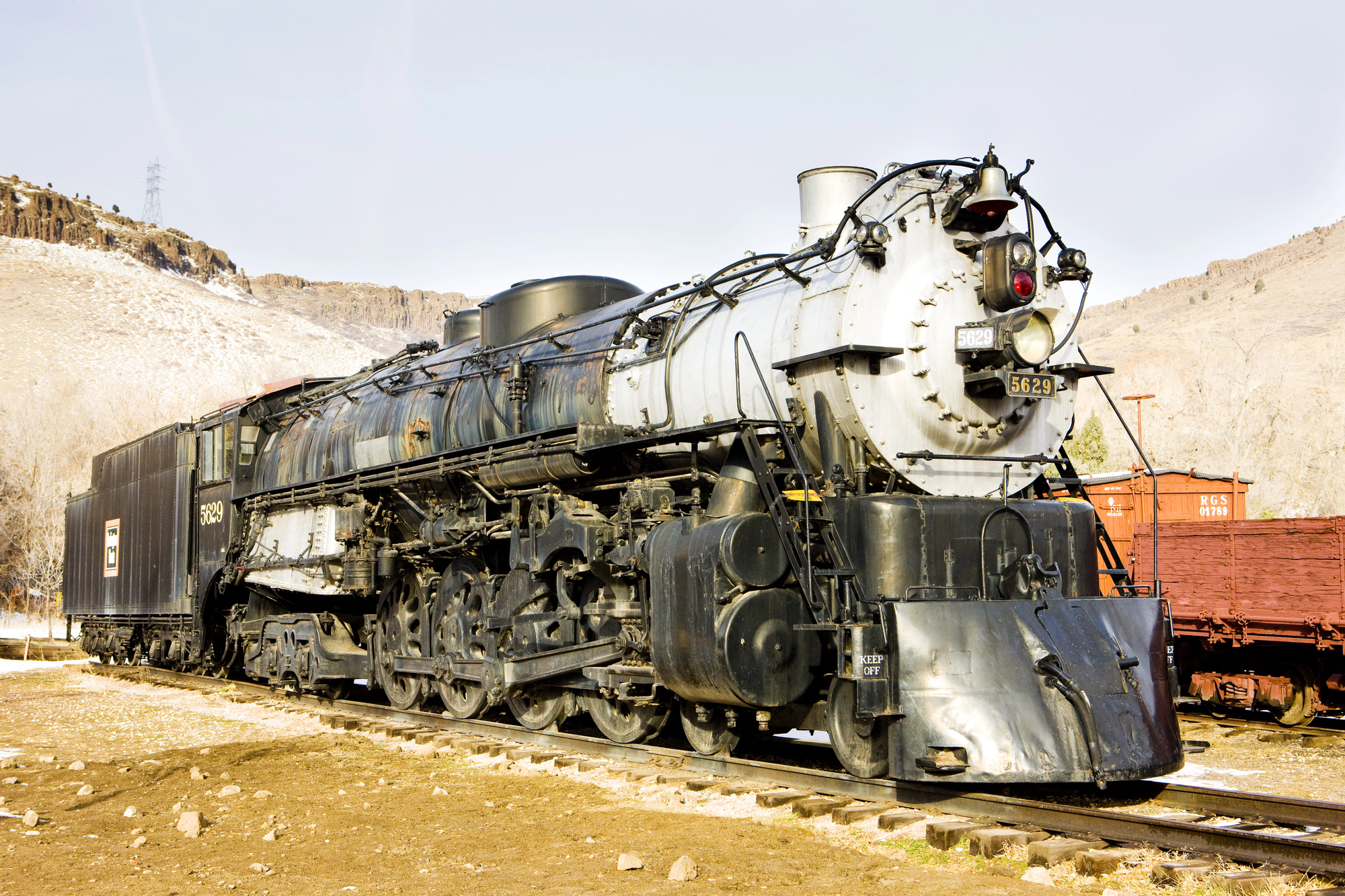
Full-sized locomotives weighing over 200 tons regularly travel by cargo ship. Countries upgrading rail infrastructure often purchase engines manufactured thousands of miles away.
These machines are secured using welded brackets and heavy chains capable of absorbing ocean movement. Even so, crews constantly monitor balance during rough seas.
A locomotive rolling slightly out of alignment is not a minor issue. It is industrial mass meeting ocean physics.
Floating Power Plants
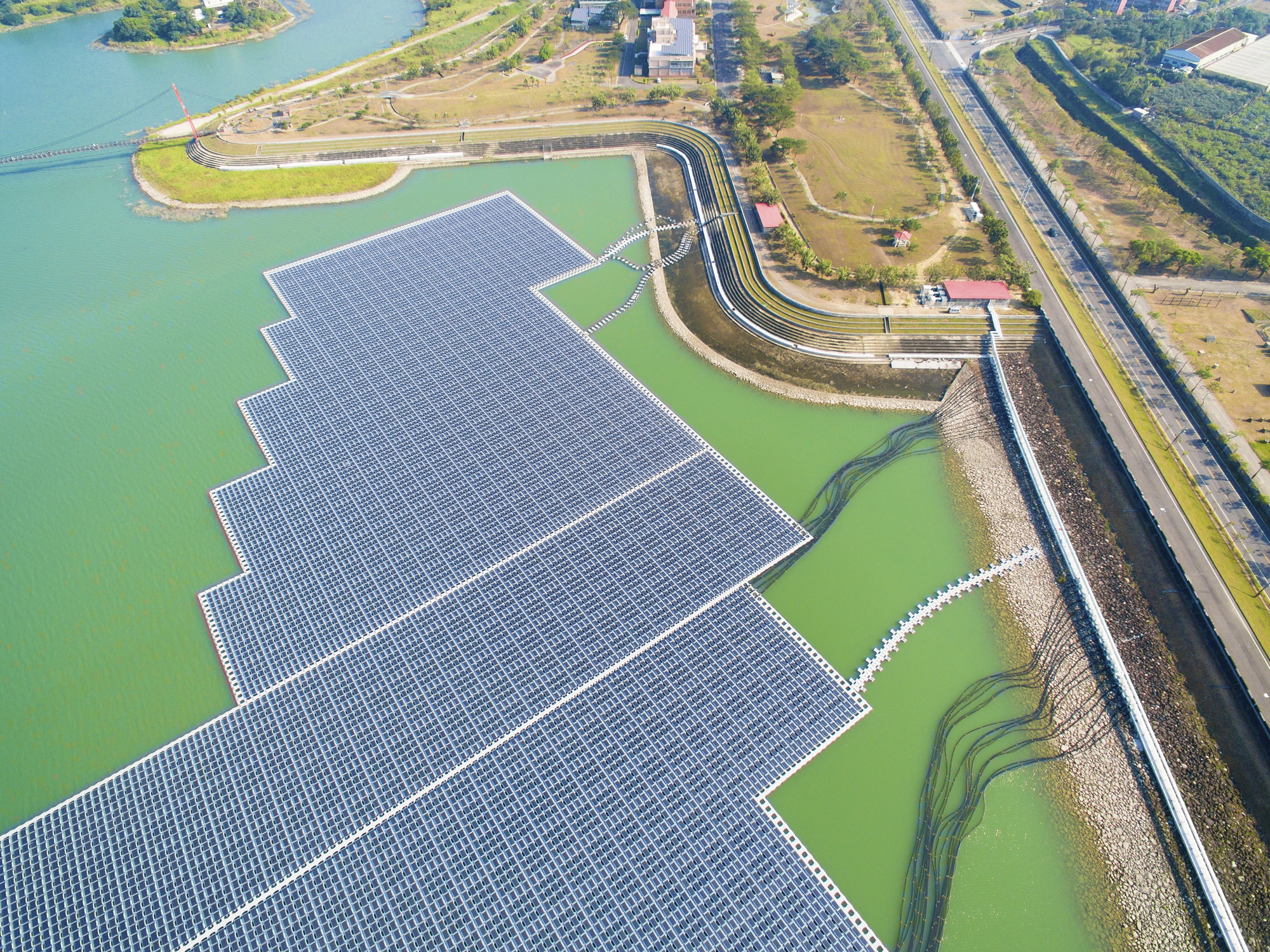
In recent years, floating power plants have become part of international energy strategies. These massive barges generate electricity offshore and feed it directly into coastal grids.
They are essentially portable cities of turbines and generators. Shipping one requires coordination between tugboats, cargo vessels, and harbor authorities.
Once delivered, they can provide power to millions. It is energy infrastructure delivered by sea rather than constructed on land.
Million-Dollar Artwork

High-value artwork frequently travels in climate-controlled shipping containers. Paintings, sculptures, and ancient artifacts are packed in custom-built crates designed to manage humidity and vibration.
Museums often rely on maritime shipping when transporting entire exhibitions internationally. Insurance valuations can climb into the hundreds of millions.
The container may look ordinary from the outside, but inside it could hold centuries of cultural history.
Human Hair

Human hair is a surprisingly valuable global commodity. It is used for wigs, extensions, and even certain industrial applications.
Large shipments often originate in Asia and travel by sea to manufacturing hubs worldwide. The hair is sorted by length, texture, and quality before being compressed into bales.
On paper, it appears as a standard textile shipment. In reality, it is one of the more unusual items quietly fueling a global beauty market.
Spacecraft Components
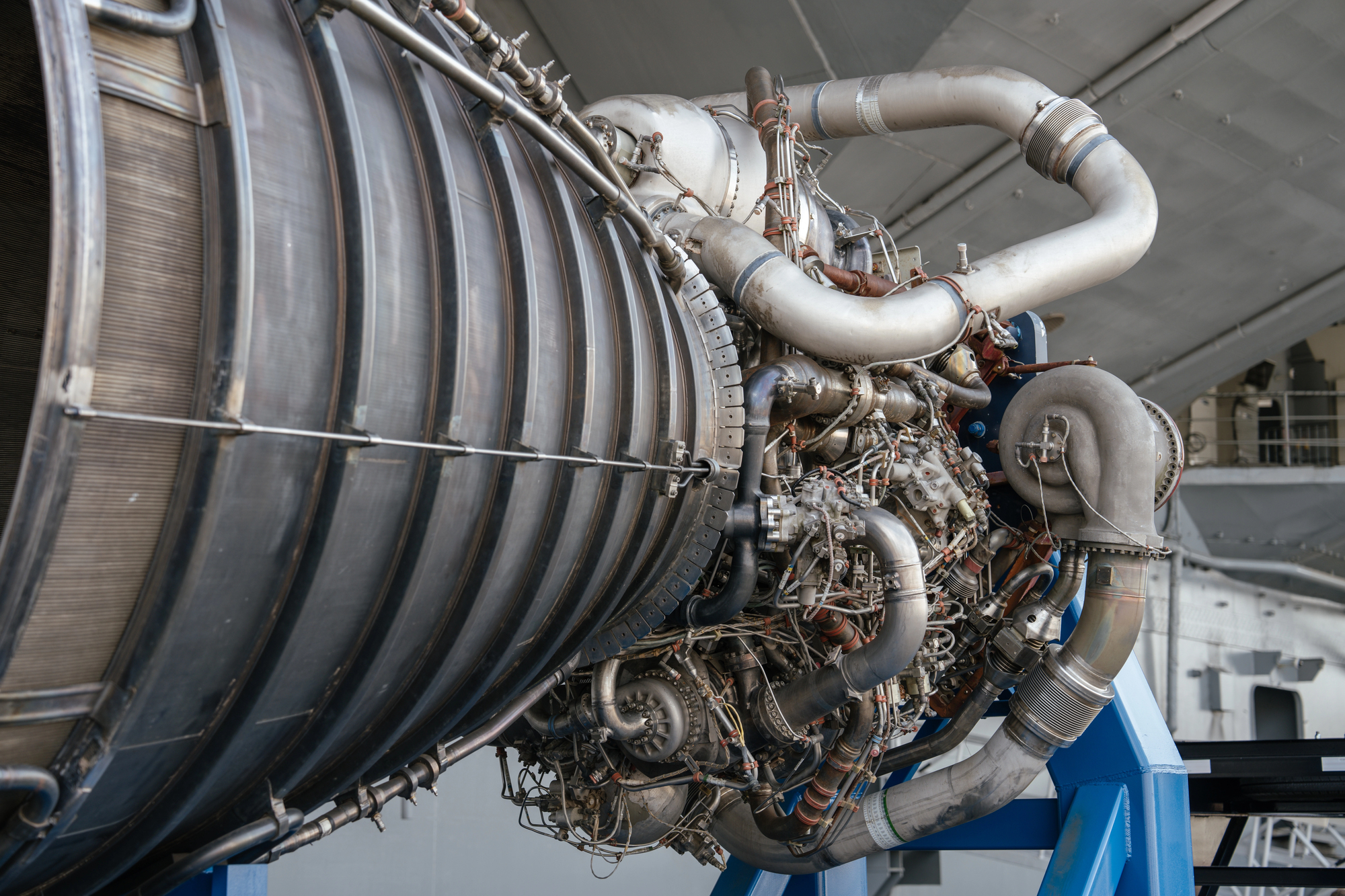
Rocket parts and satellite components frequently move by cargo ship. Large rocket segments are too wide or heavy for conventional air transport, making maritime shipping the safest option.
For example, sections of launch vehicles built in one country may be shipped to another for final assembly. These parts are secured in shock-absorbing frames to prevent microfractures.
Ocean freight becomes an essential link in the space industry, even if the journey begins at sea level.
Amusement Park Rides

Roller coasters and giant observation wheels are manufactured in pieces and shipped across oceans to theme parks worldwide. Each steel beam and mechanical track segment is carefully labeled for reassembly.
Transporting these rides involves managing irregular shapes that do not fit neatly into containers. Specialized flat-rack platforms often carry the load.
It is hard not to picture a quiet cargo vessel carrying the raw materials for adrenaline and cotton candy.
Live Crabs And Lobsters
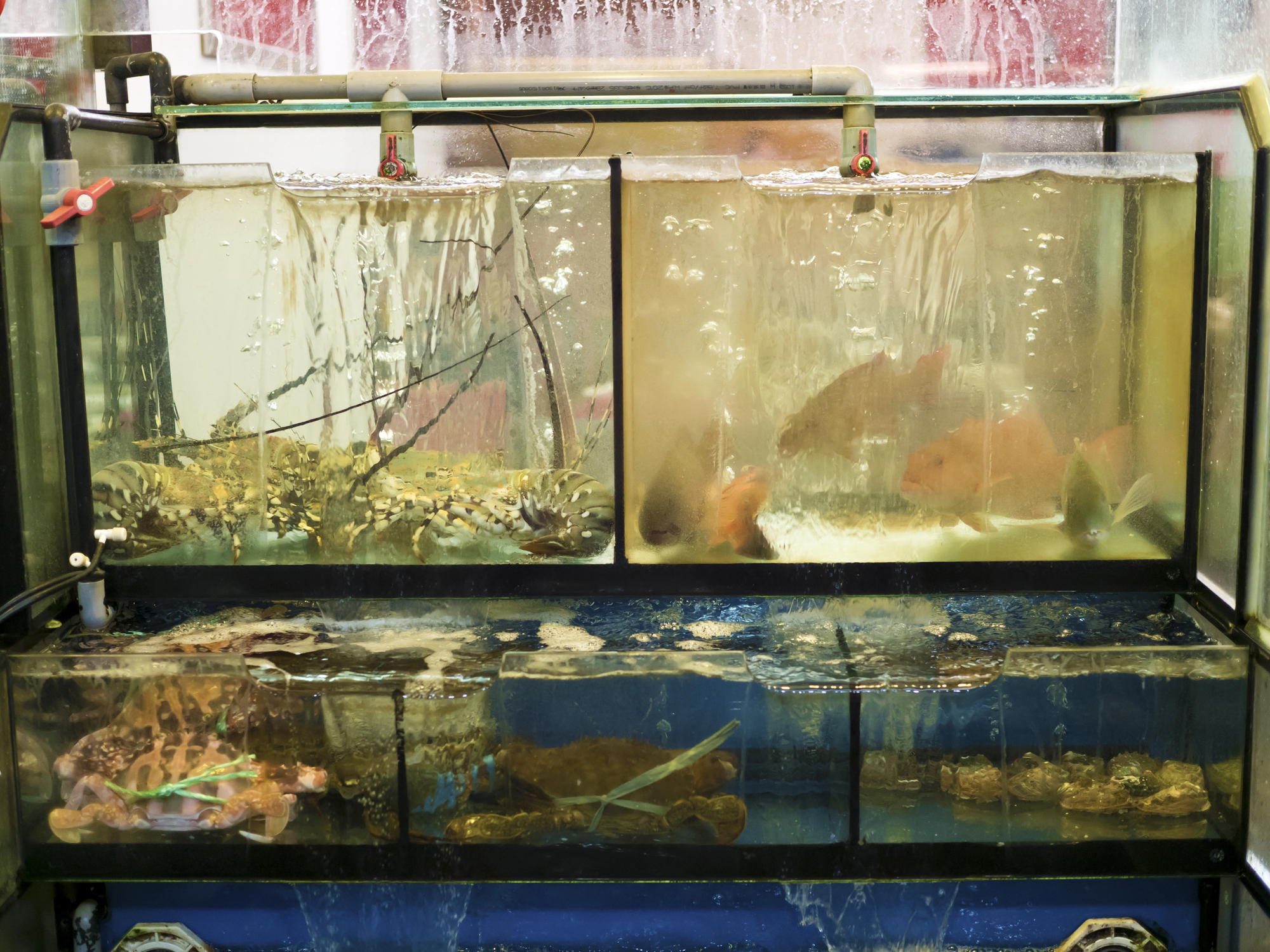
Seafood shipping sometimes involves transporting live crabs and lobsters across continents. These crustaceans are kept in chilled, oxygen-controlled environments that slow metabolism and preserve freshness.
Maintaining precise temperature is critical. Even a few degrees of fluctuation can result in mass losses.
The cargo hold effectively becomes a floating aquarium, designed to keep marine life alive long enough to reach distant markets.
Wind Turbine Blades
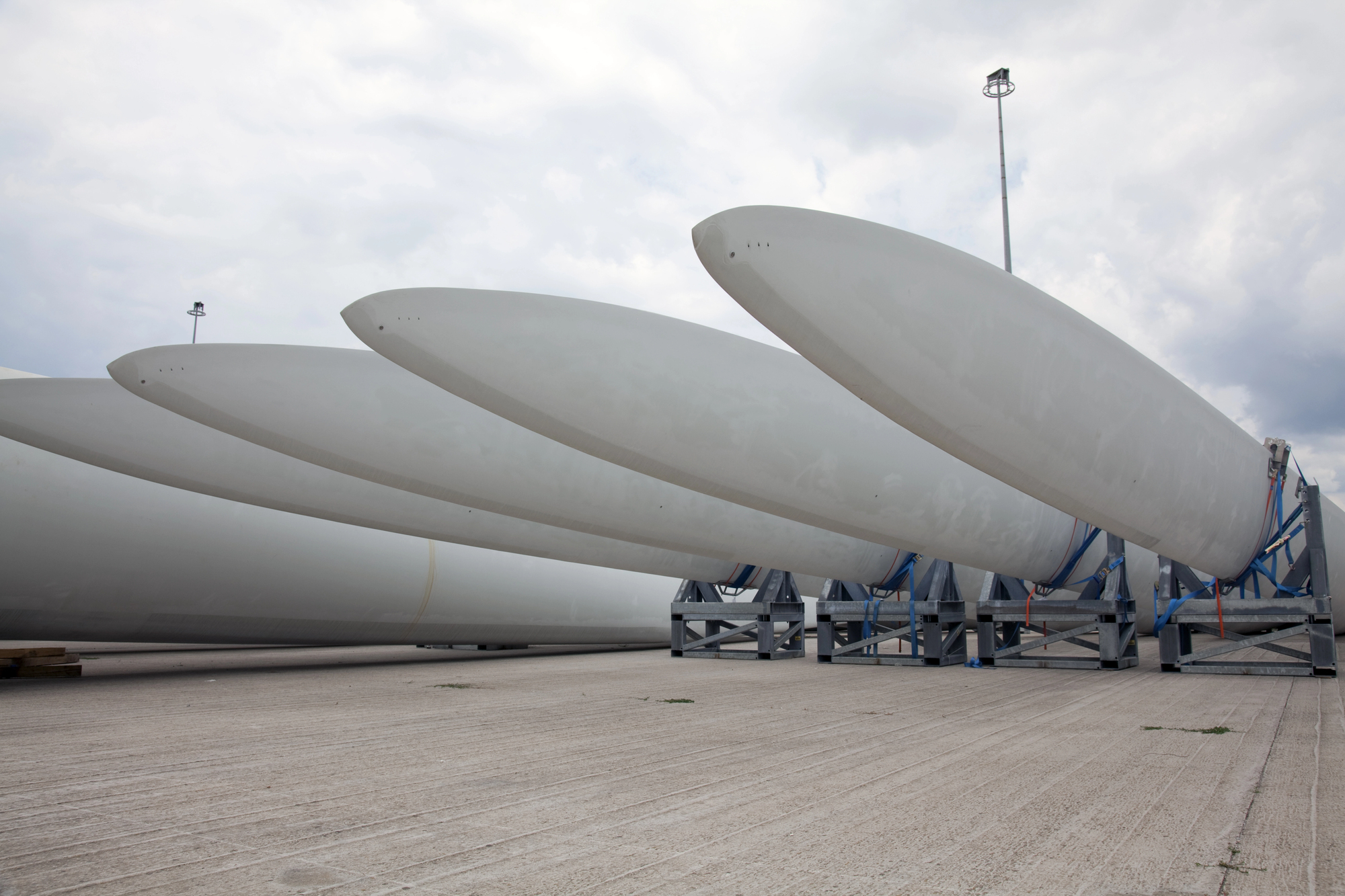
Modern wind turbine blades can stretch longer than a football field. Moving them over land is challenging, but shipping by sea provides greater flexibility.
Blades are secured horizontally on specialized carriers, often spanning the length of a vessel’s deck. Their curved aerodynamic shape requires careful positioning to avoid stress fractures.
Each blade represents a commitment to renewable energy, quietly riding ocean swells before rising into the sky.
Decommissioned Military Equipment
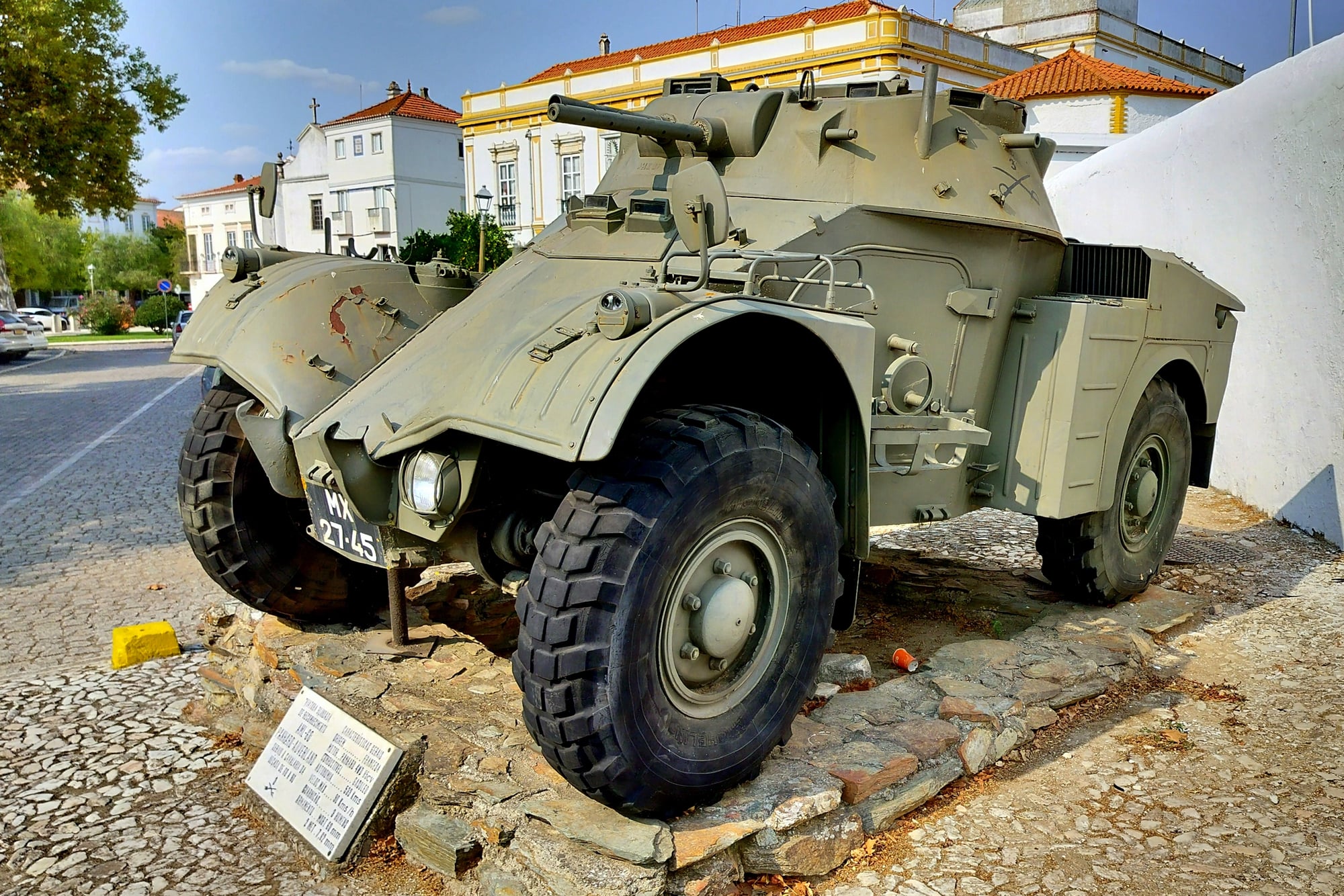
Retired tanks, armored vehicles, and aircraft components frequently travel by cargo ship for resale, recycling, or museum display. These shipments follow strict international regulations.
Heavy equipment is lashed down with reinforced tie-down systems built to withstand rough seas. Even so, the sight of military hardware stacked in rows aboard a civilian cargo vessel creates a strange visual contrast between commerce and defense.
Giant Yacht Transfers
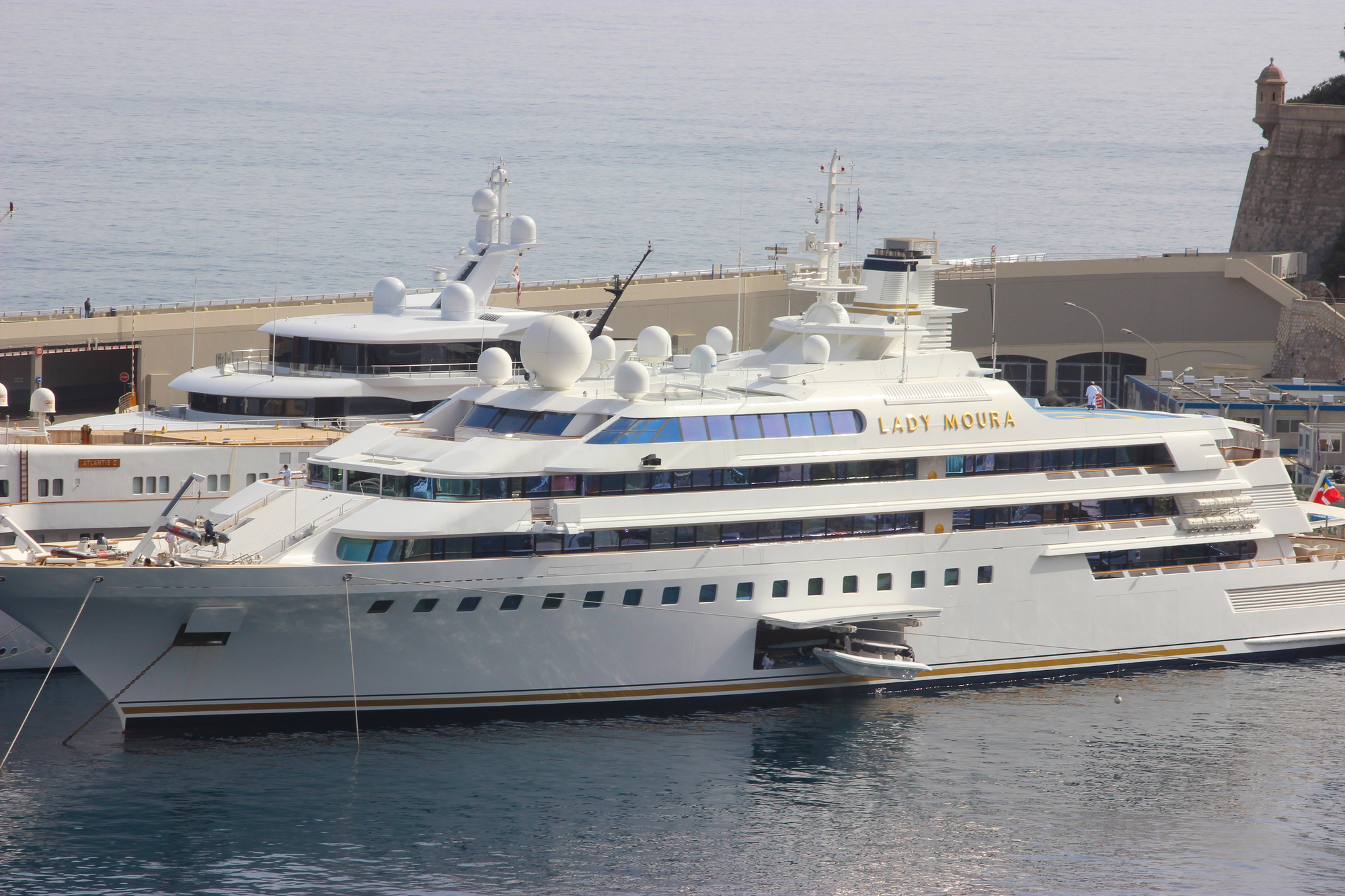
Luxury yachts are often shipped rather than sailed long distances. Owners may want to avoid wear on engines or reduce crew fatigue.
Specialized semi-submersible cargo ships partially sink, allowing yachts to float into position before being secured. Once the deck rises, the yachts travel dry across oceans.
It is essentially a ship carrying smaller ships, stacked like delicate cargo rather than seafaring vessels.
Bananas By The Billions

Bananas are not unusual individually, but the scale is staggering. Cargo ships routinely carry millions at once, stored in refrigerated containers that carefully control ripening.
Temperature and ventilation determine when the fruit turns from green to yellow. Too much ethylene gas can trigger premature ripening.
The system functions like a floating laboratory managing biological timing at industrial scale.
Ice And Snow For Events

Occasionally, truckloads of fake snow get sent to hot places for holiday parties or movie sets. Keeping it cold means tight seals and fast moves once it lands.
Frozen items crossing hot ocean stretches need steady cold. A small glitch in the cooling gear might ruin everything inside.
Ships carry more than boxes – sometimes, they ferry winter into summer places.
The Hidden Highways Of Trade
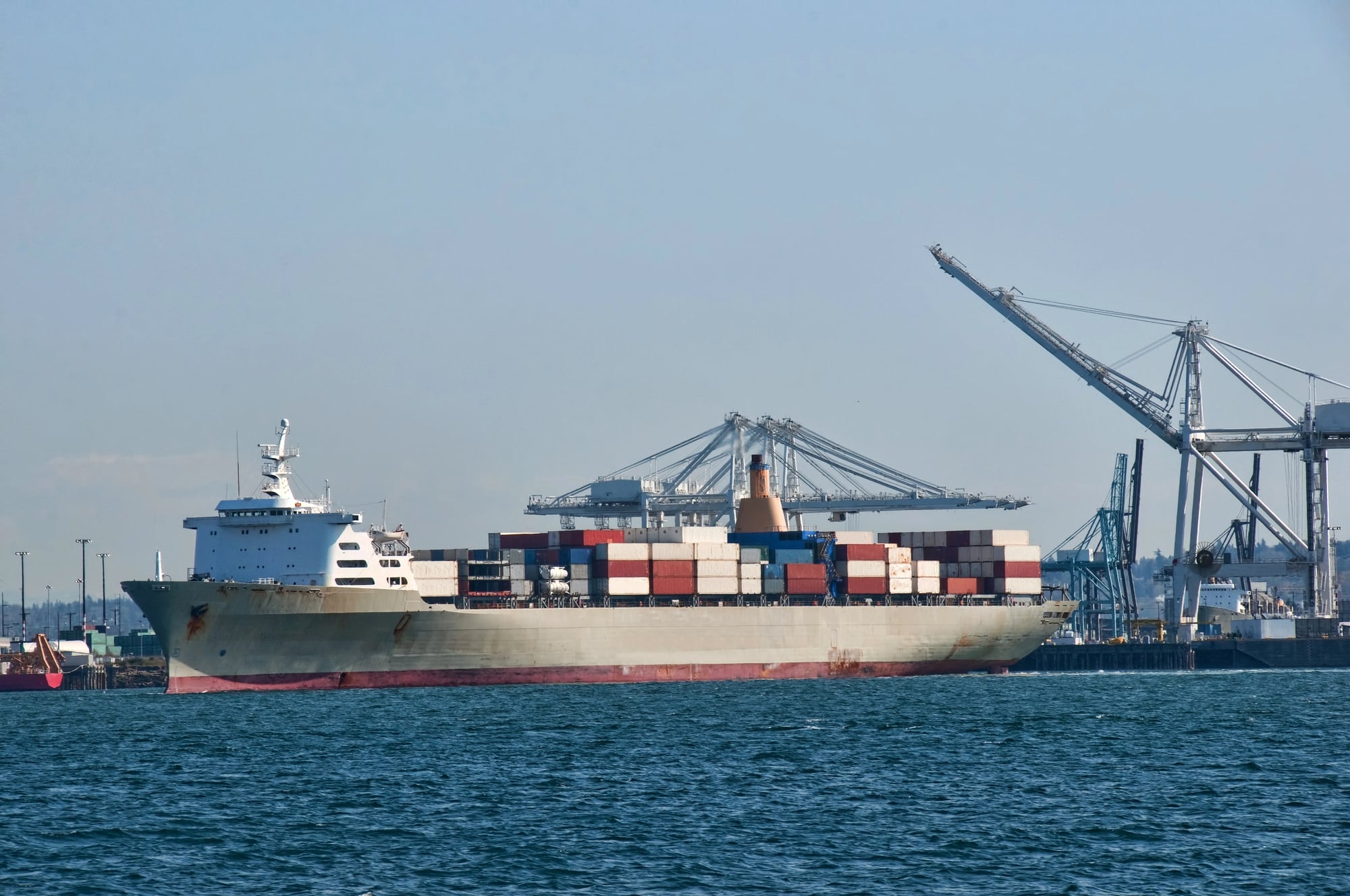
Floating pathways link most corners of Earth, traveled by vessels hauling goods day after day. Though news tends to spotlight supply hiccups or dock holdups, few stop to consider just how many different things ride those waves.
Floating power plants, living creatures, even pieces of rockets – ships carry them across oceans, feeding industries we rely on every day. Not storage units at sea, but vital channels pumping through commerce worldwide.
Spot a cargo vessel one morning? It might hold odder cargo than you think – and if it vanished, things would still hum along, barely missing a beat.
More from Go2Tutors!

- The Romanov Crown Jewels and Their Tragic Fate
- 13 Historical Mysteries That Science Still Can’t Solve
- Famous Hoaxes That Fooled the World for Years
- 15 Child Stars with Tragic Adult Lives
- 16 Famous Jewelry Pieces in History
Like Go2Tutors’s content? Follow us on MSN.