15 Worst Rated Cities for Extreme Weather Disruptions
Weather doesn’t ask permission before it arrives. One day you’re planning a weekend barbecue, the next you’re boarding up windows or filling sandbags.
Some cities, though, seem to have drawn the short straw when it comes to nature’s temperamental moods. These places face a relentless parade of storms, floods, heat waves, and other meteorological mayhem that can turn daily life into a constant game of weather roulette.
Miami
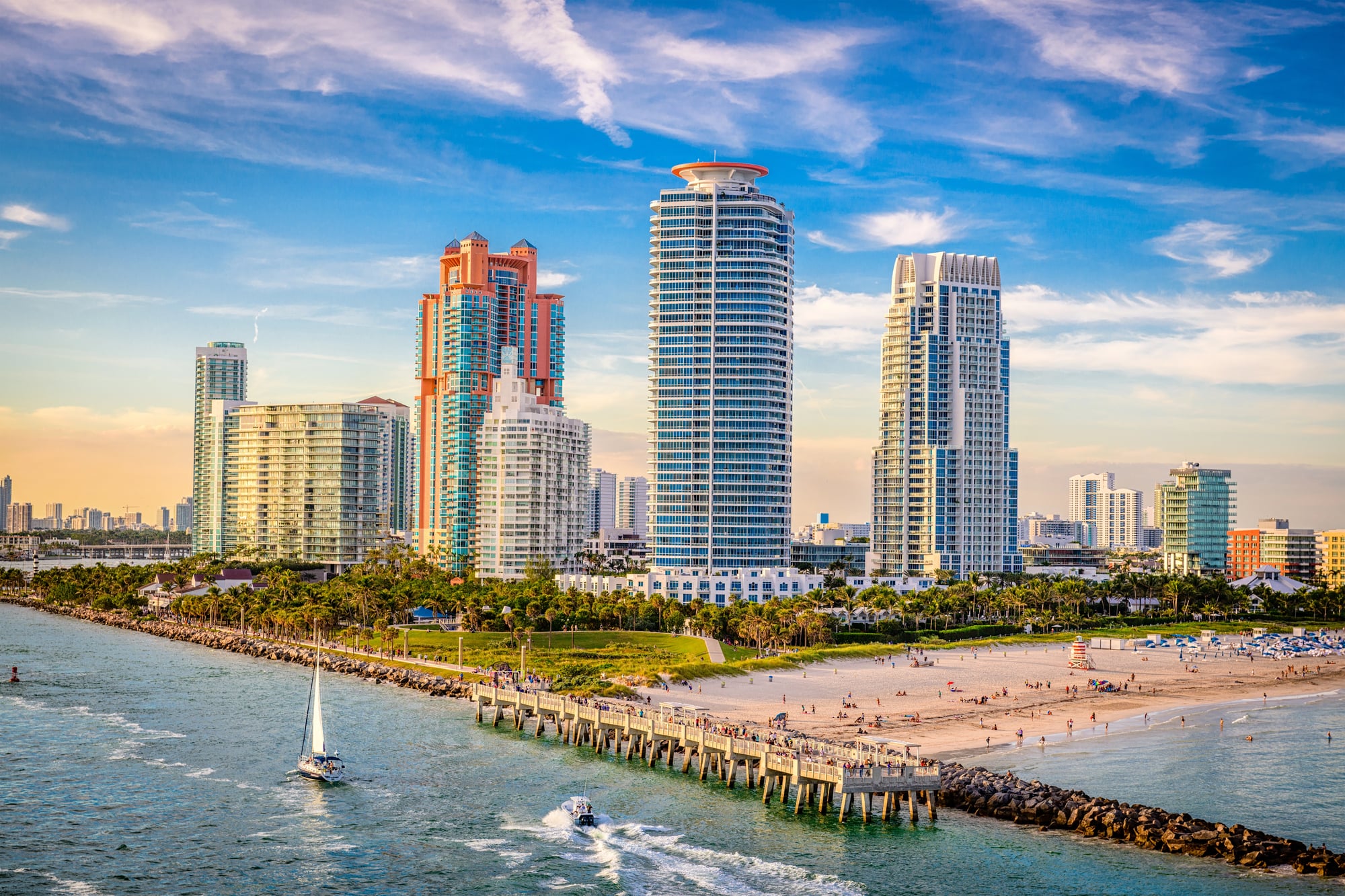
Hurricane season hits Miami like clockwork. Category 4 storms barrel through with winds that snap palm trees like toothpicks.
The city floods when it rains hard, even on sunny days.
New Orleans
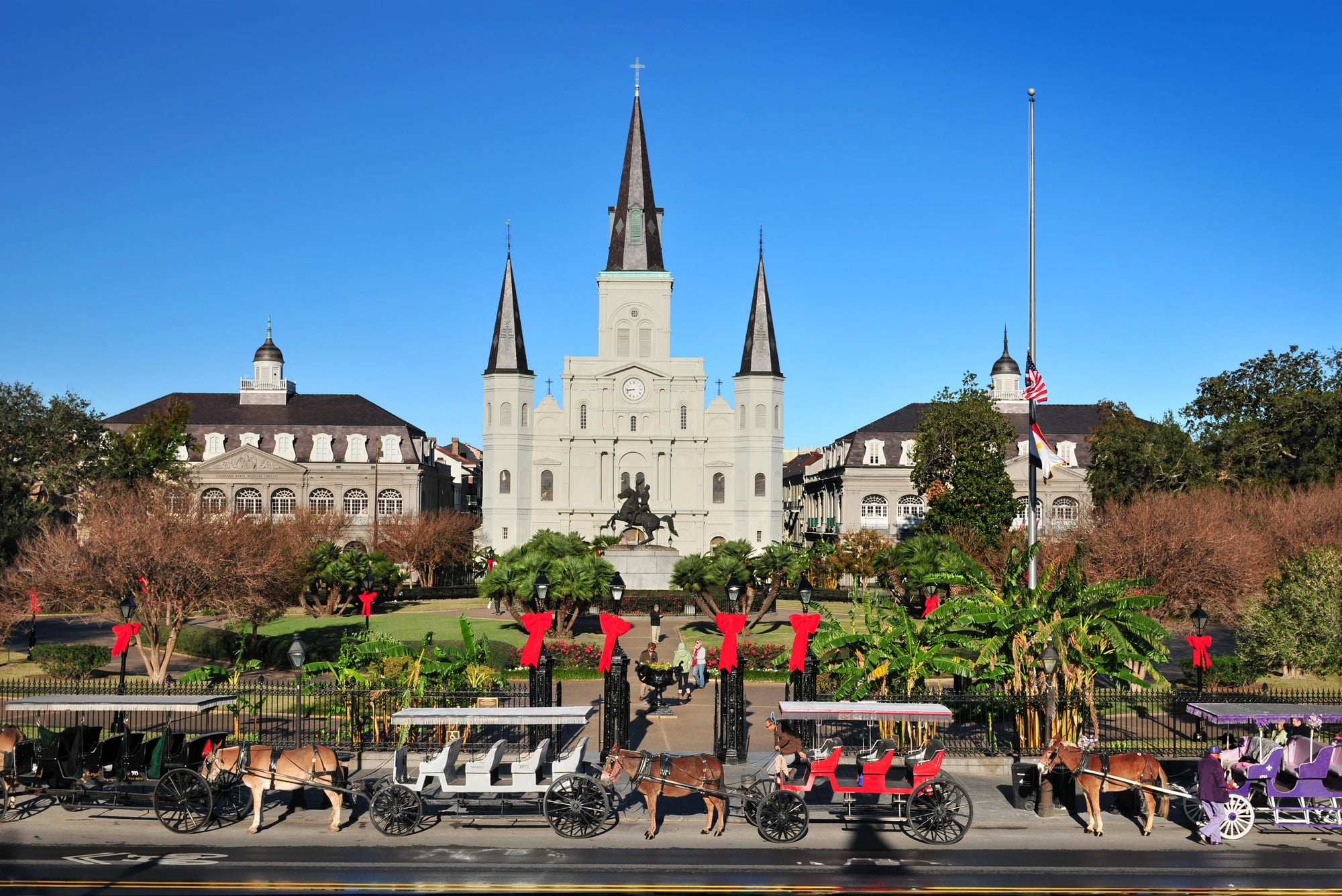
The city sits below sea level in a bowl. Every storm is a potential catastrophe waiting to happen.
Katrina proved that point permanently.
Phoenix
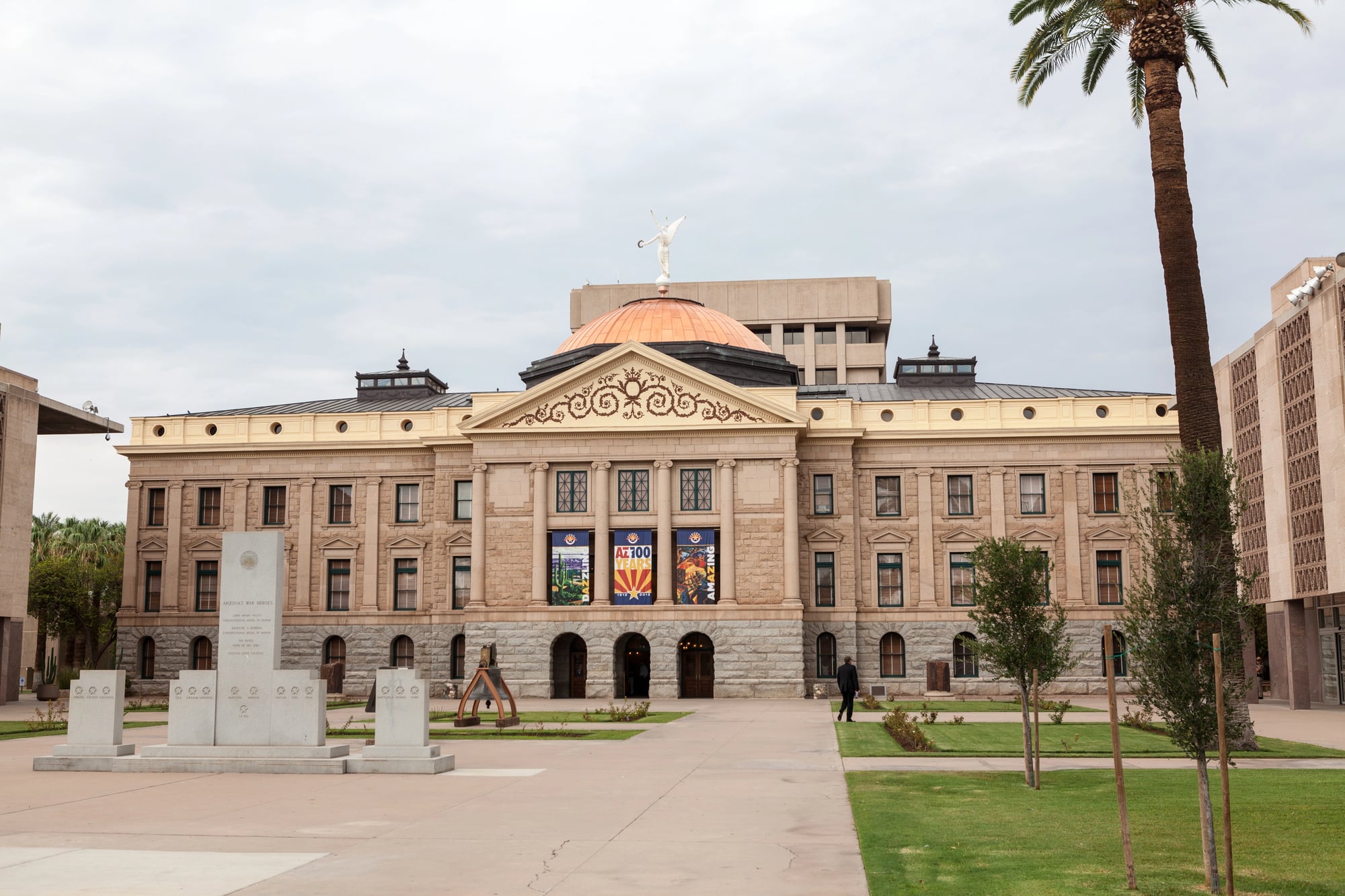
Summer temperatures in Phoenix don’t just climb—they become something (almost surreal, really) that transforms the entire landscape into what feels like the surface of another planet, where stepping outside after noon requires the kind of preparation most people reserve for extreme sports.
And the monsoons that arrive later don’t offer much relief; they mostly just add humidity to the furnace. But here’s the thing about desert storms: they’re deceptive in their intensity, rolling across the valley with dust walls that stretch for miles, reducing visibility to nearly zero in minutes, which means your afternoon commute can turn into something resembling a scene from an apocalypse movie without much warning at all.
Houston
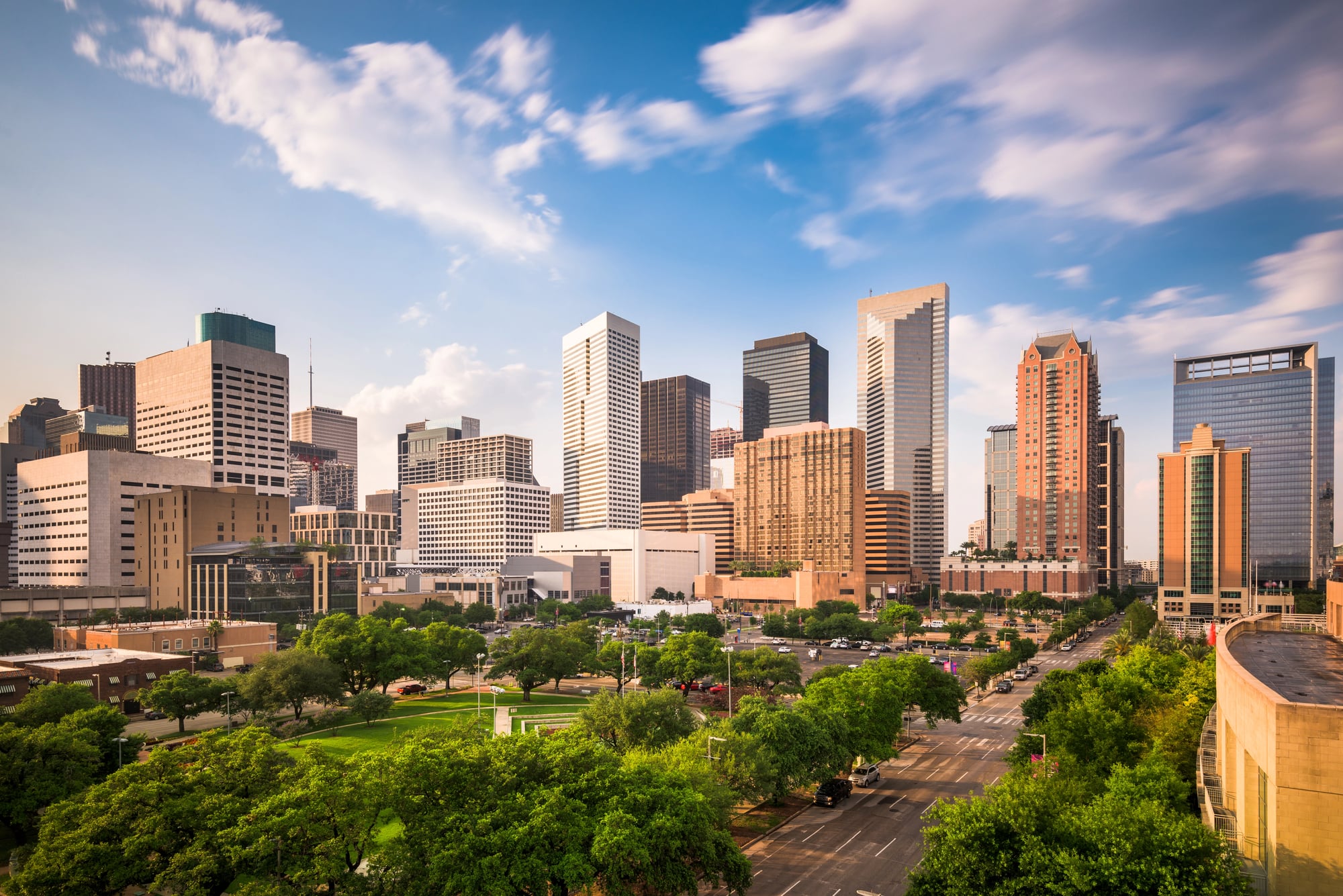
Think of Houston as a city that wears weather disasters like an uncomfortable suit—always a poor fit, but somehow it keeps showing up to work anyway.
The bayous that once offered natural drainage have been paved over, replaced with concrete that sheds water like a raincoat, sending it rushing toward neighborhoods that weren’t designed to handle the volume. When Hurricane Harvey stalled over the city for days, it wasn’t just the storm that caused the flooding; it was decades of development choices that had slowly painted the city into a meteorological corner.
Oklahoma City
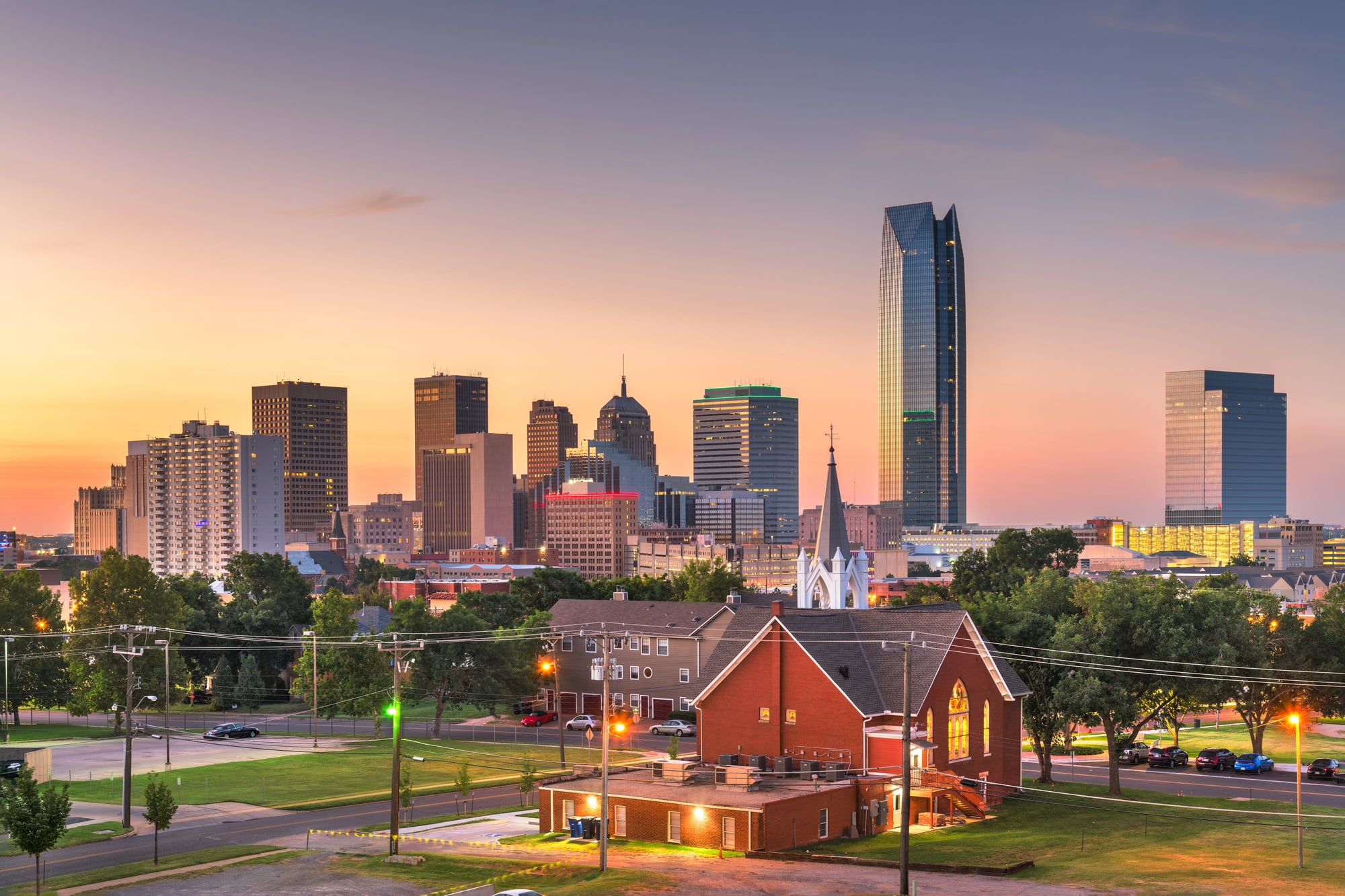
Tornado Alley runs right through Oklahoma City’s backyard. The city experiences more tornadoes than any reasonable place should.
Spring brings the kind of weather that sends people to their basements on a weekly basis.
San Antonio
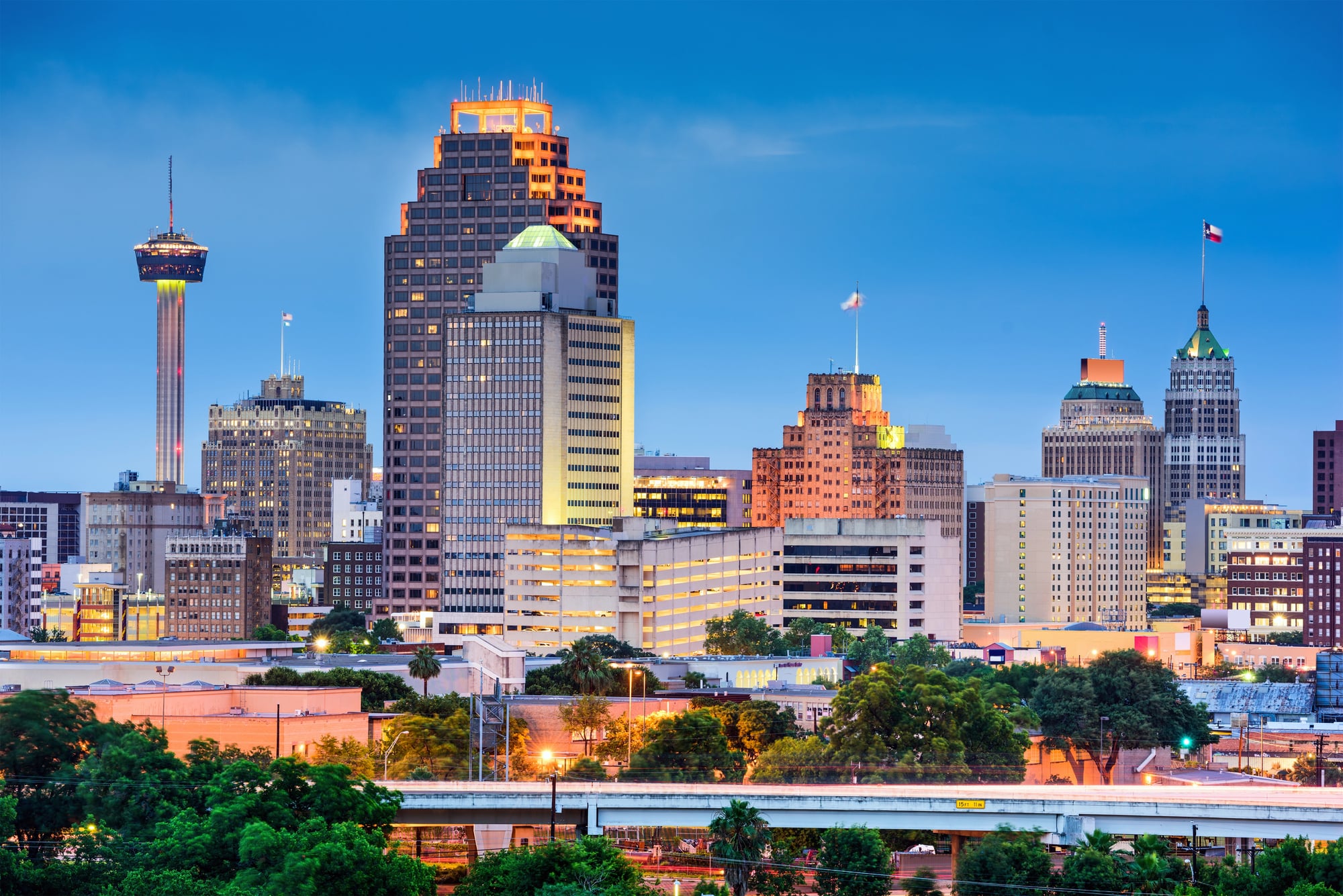
Flash flooding turns San Antonio’s streets into rivers (and not the romantic kind you’d want to take a boat ride down, either), because the city sits in what meteorologists politely call a “flood-prone region” but which residents know more accurately as a place where three inches of rain in an hour can strand you at the grocery store for half the day.
The limestone underneath doesn’t absorb water well. So it runs off fast and hard. The heat doesn’t help either—summer temperatures regularly climb past 100 degrees, turning the city into an oven that someone forgot to turn off, and the humidity makes it feel like you’re breathing through a wet towel most of the time.
Buffalo
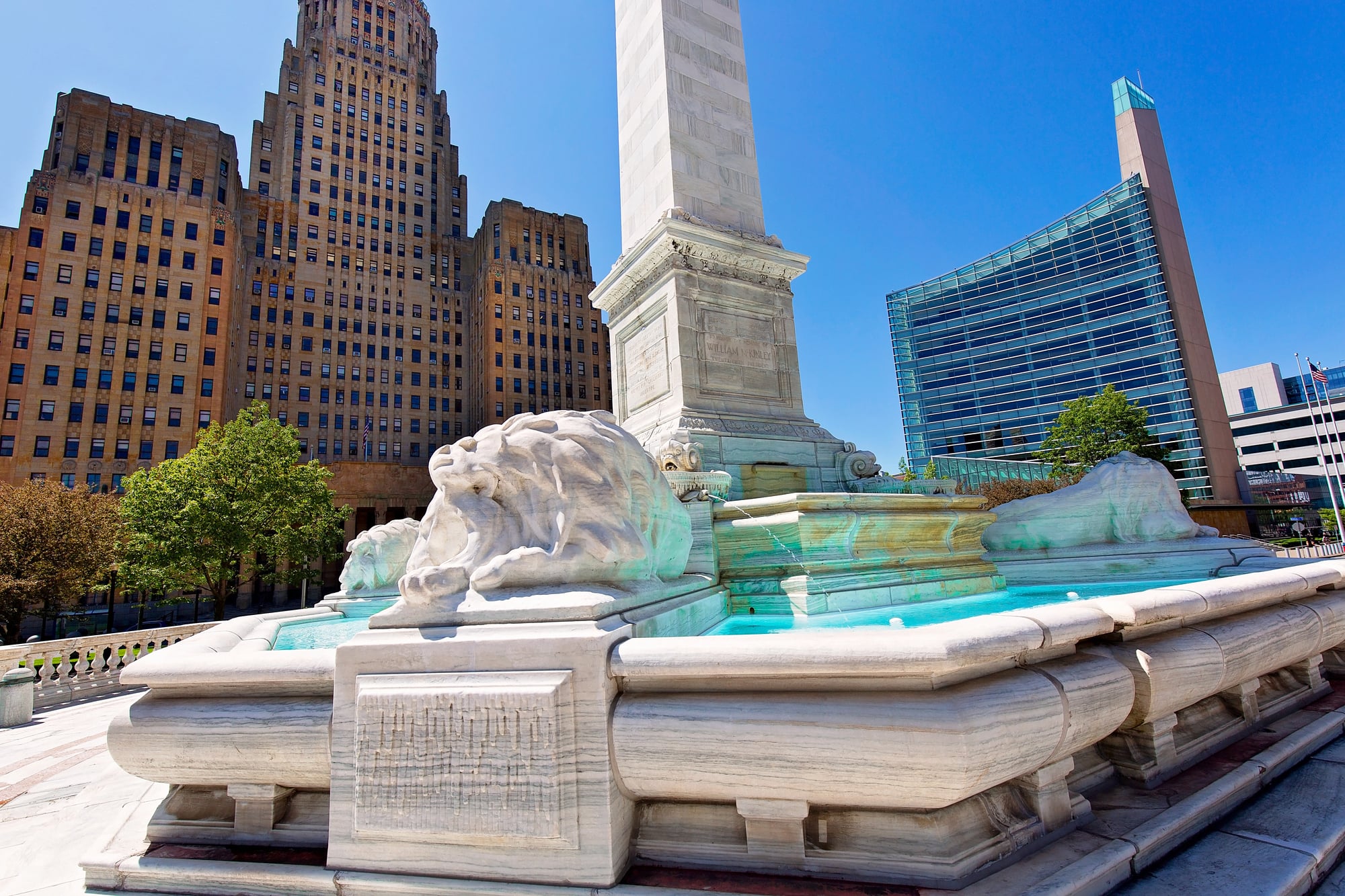
Buffalo doesn’t experience winter weather—it gets buried by it. The city sits perfectly positioned to catch lake-effect snow that dumps feet of accumulation in hours, creating whiteout conditions that turn a five-minute drive to the corner store into a genuine survival exercise.
The wind off Lake Erie doesn’t just blow; it howls with the kind of persistence that makes you wonder if the city did something to personally offend the weather gods.
Mobile
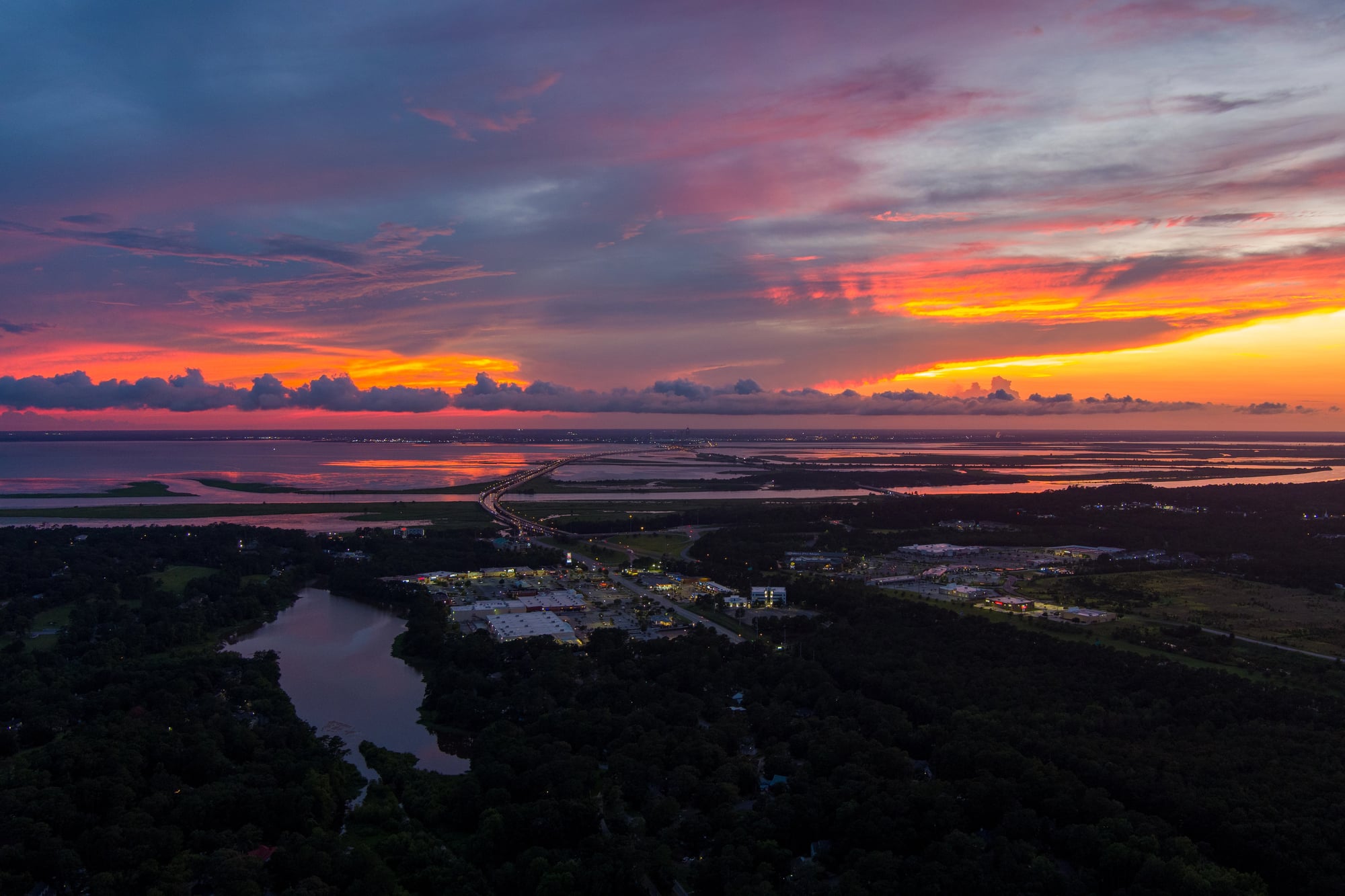
Hurricane season lasts half the year in Mobile. The Gulf Coast location means every tropical system that develops becomes a potential threat.
Storm surge regularly floods downtown streets, and the humidity makes summer feel like living inside someone’s mouth.
Tulsa
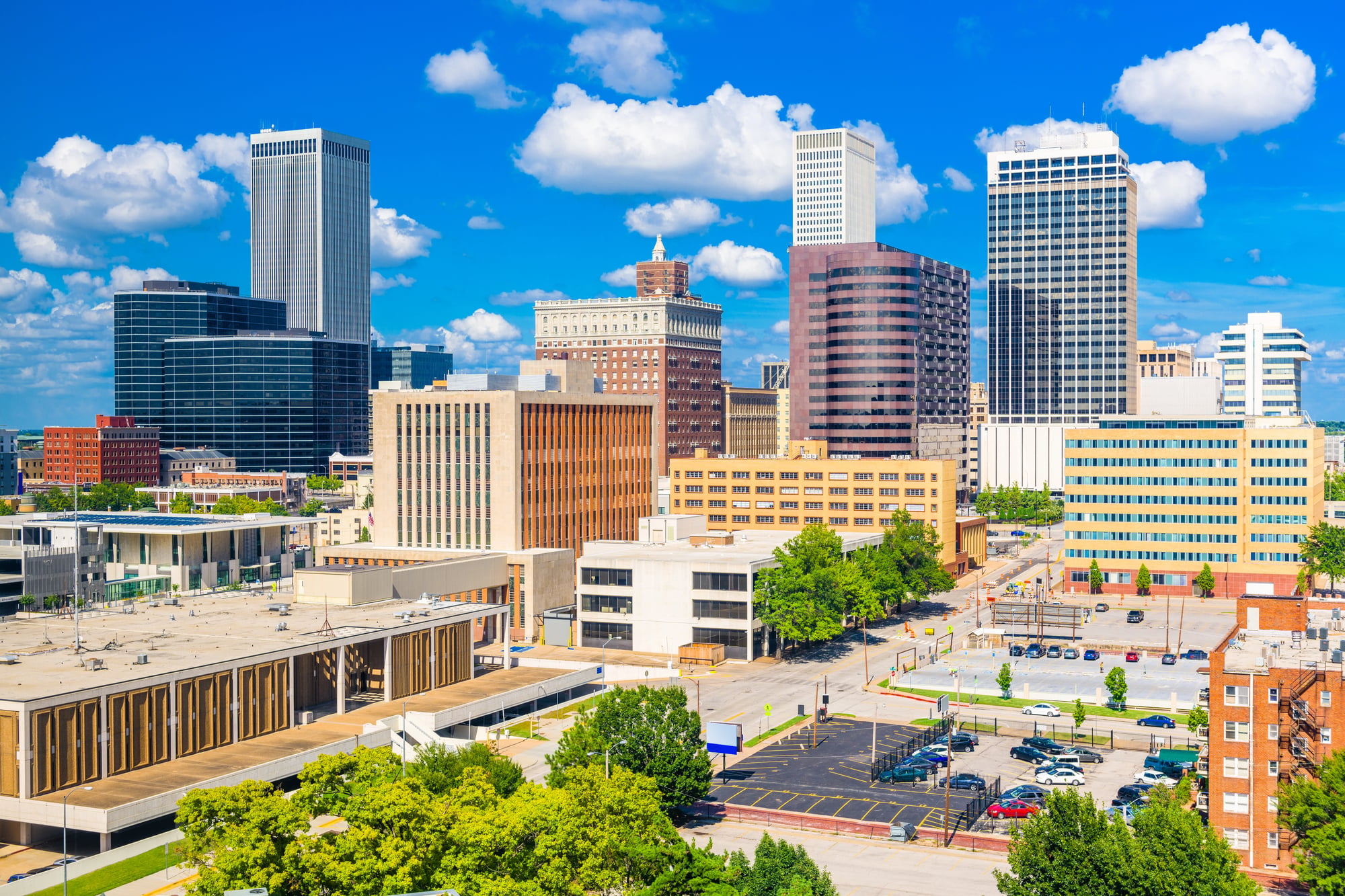
Severe weather season in Tulsa stretches from March through October (which is a longer span than most people spend in college, and probably just as stressful, depending on your perspective), bringing with it the kind of storms that make weather forecasters reach for words like “unprecedented” and “historic” with uncomfortable frequency.
The Arkansas River floods regularly, and the city sits squarely in tornado territory. But the real challenge isn’t any single storm—it’s the relentless nature of it all. Spring thunderstorms that spawn tornadoes give way to summer heat that bakes the pavement, which then transitions into fall storms that flood the rivers, creating a year-round cycle of meteorological anxiety that becomes part of daily life whether residents want it or not.
Charleston
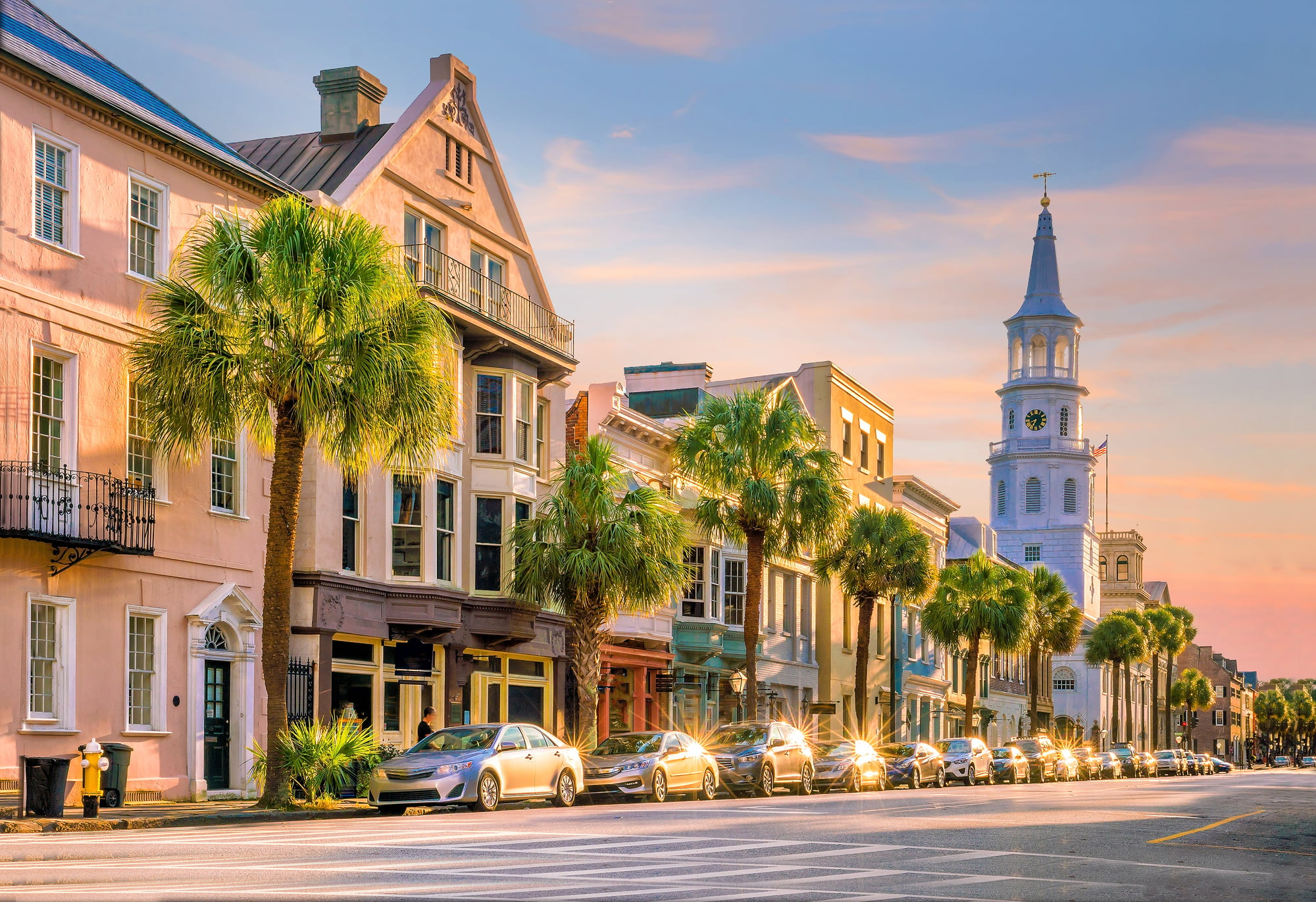
Hurricane season brings Charleston a steady parade of tropical visitors who overstay their welcome. The historic downtown floods during regular high tides, creating a city where “sunny day flooding” is an actual meteorological term that residents use without irony.
Sea level rise makes every storm surge worse than the last one.
Fargo
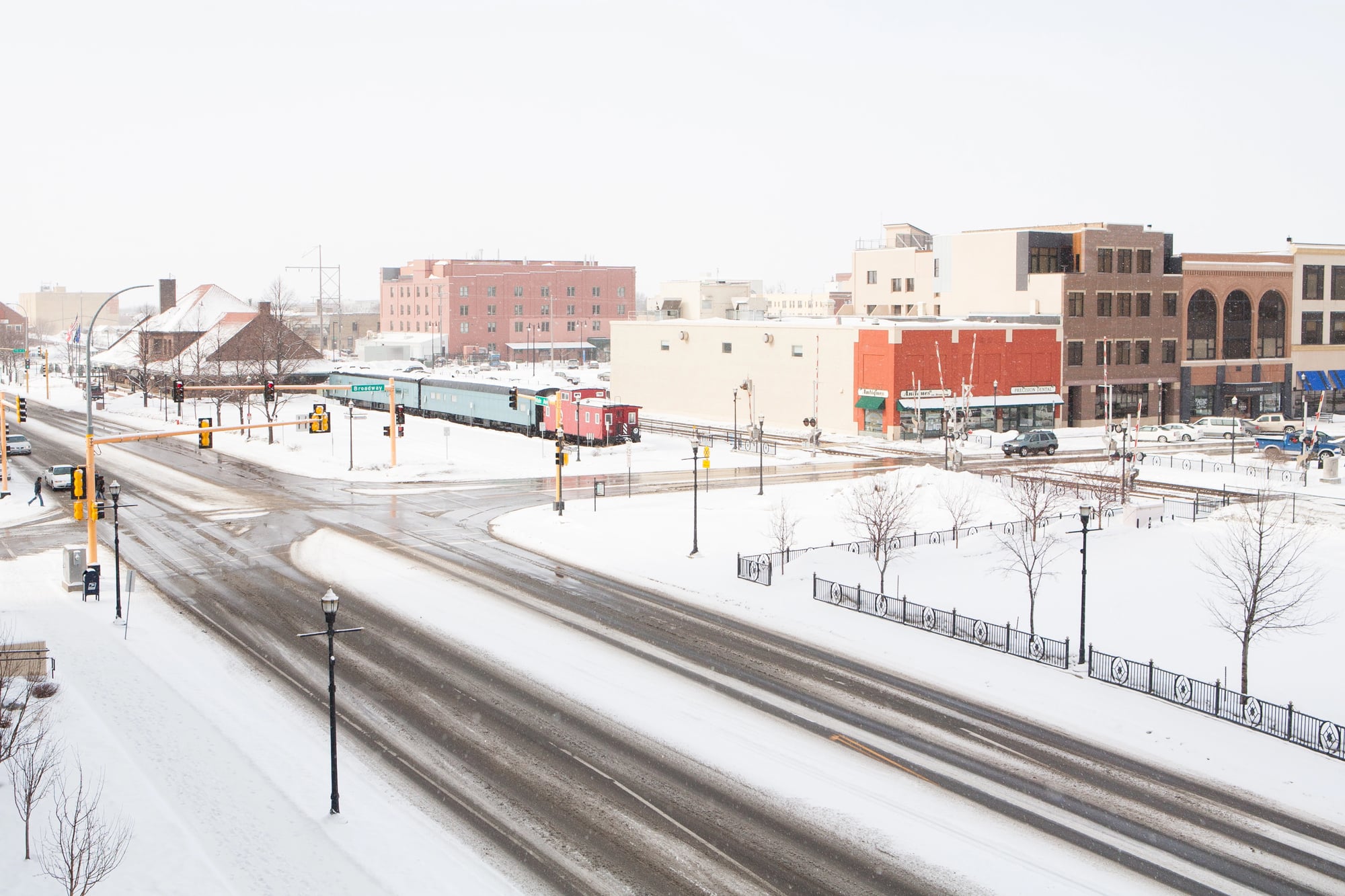
Winter in Fargo doesn’t mess around. Temperatures drop so low that exposed skin freezes in minutes, and the wind chill makes stepping outside feel like opening a freezer door, if freezers could somehow get colder and more vindictive.
Spring brings flood season along the Red River, creating a tag-team weather disaster that bookends the year with frozen misery and soggy chaos.
Tampa
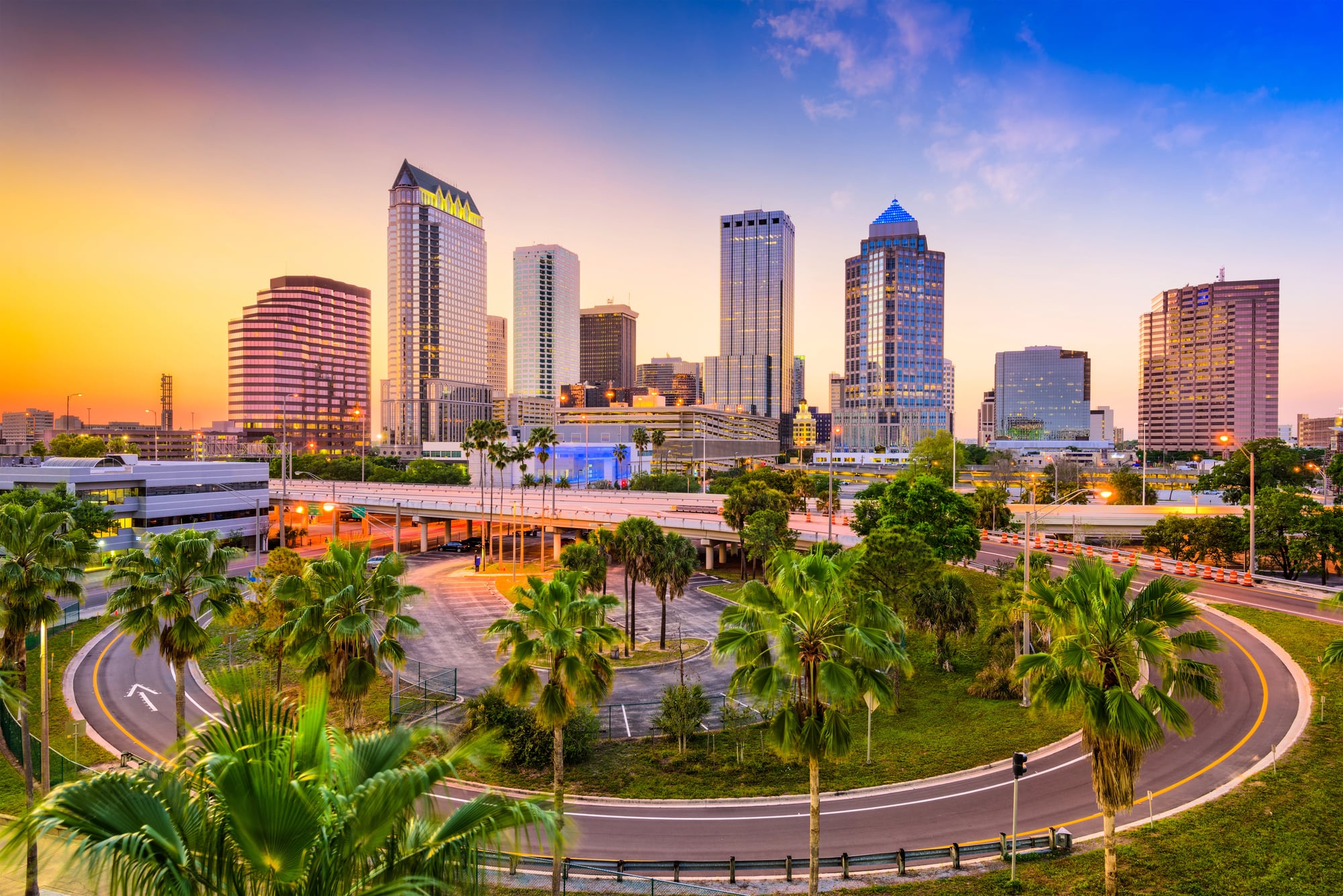
Lightning strikes are frequent in Tampa, making it one of the highest lightning-strike areas in the country. Hurricane season brings storm after storm up the Gulf Coast.
The summer heat combines with humidity to create air thick enough to swim through.
Baton Rouge
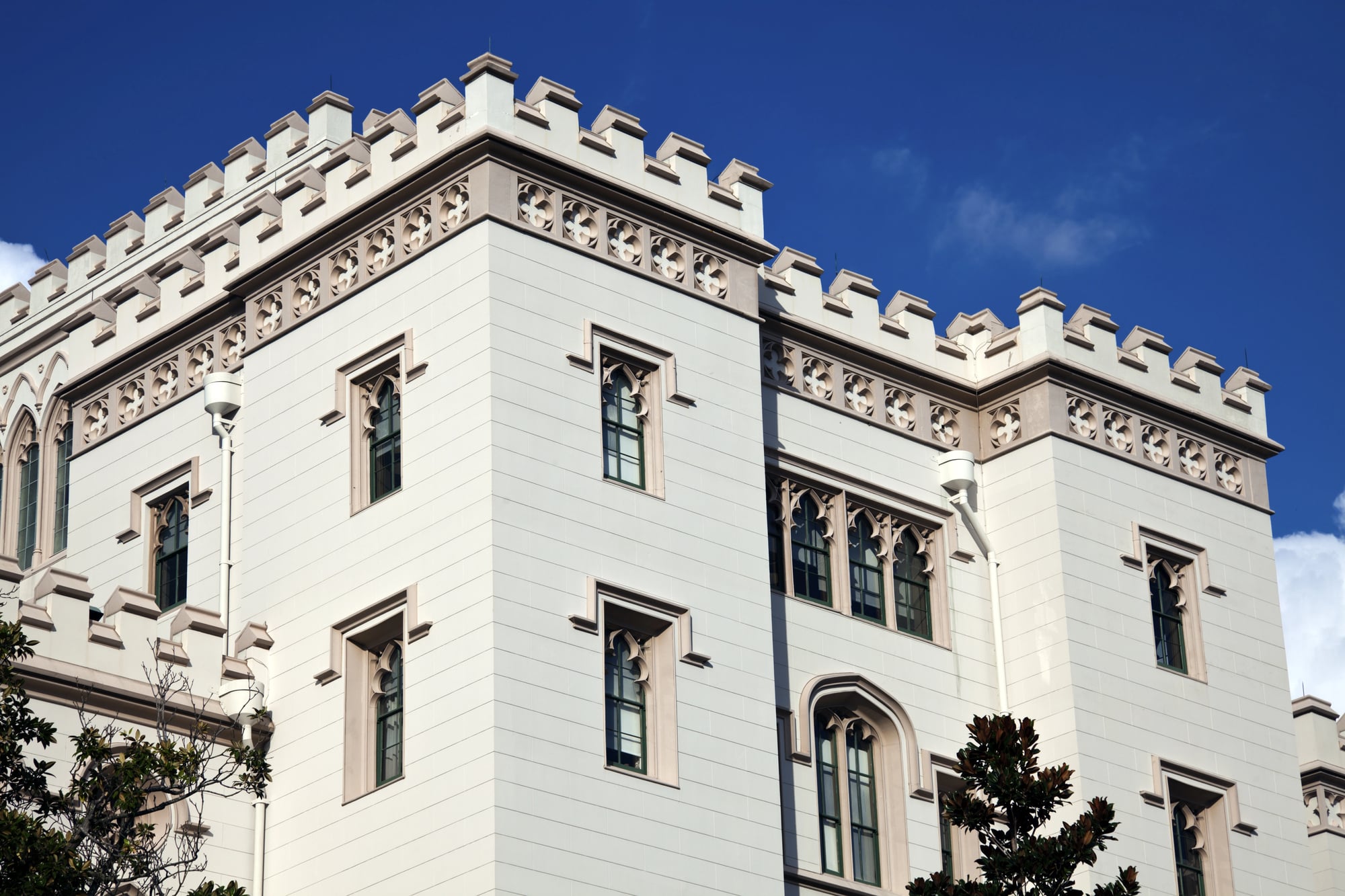
Baton Rouge sits in Louisiana’s hurricane corridor, which means storm season brings a parade of tropical systems that range from merely inconvenient to absolutely catastrophic, and there’s usually no way to tell which category you’re dealing with until the thing is already sitting on top of you like an unwelcome house guest who brought all their baggage and refuses to leave.
The Mississippi River adds flood risk year-round (because apparently hurricanes weren’t enough of a challenge), and the summer heat regularly pushes past 100 degrees with humidity levels that make breathing feel like work. And then there’s the tornado risk during severe weather season, because why should the city limit itself to just two or three types of meteorological disasters when it can collect the whole set like some kind of twisted weather enthusiast trading cards?
Norfolk
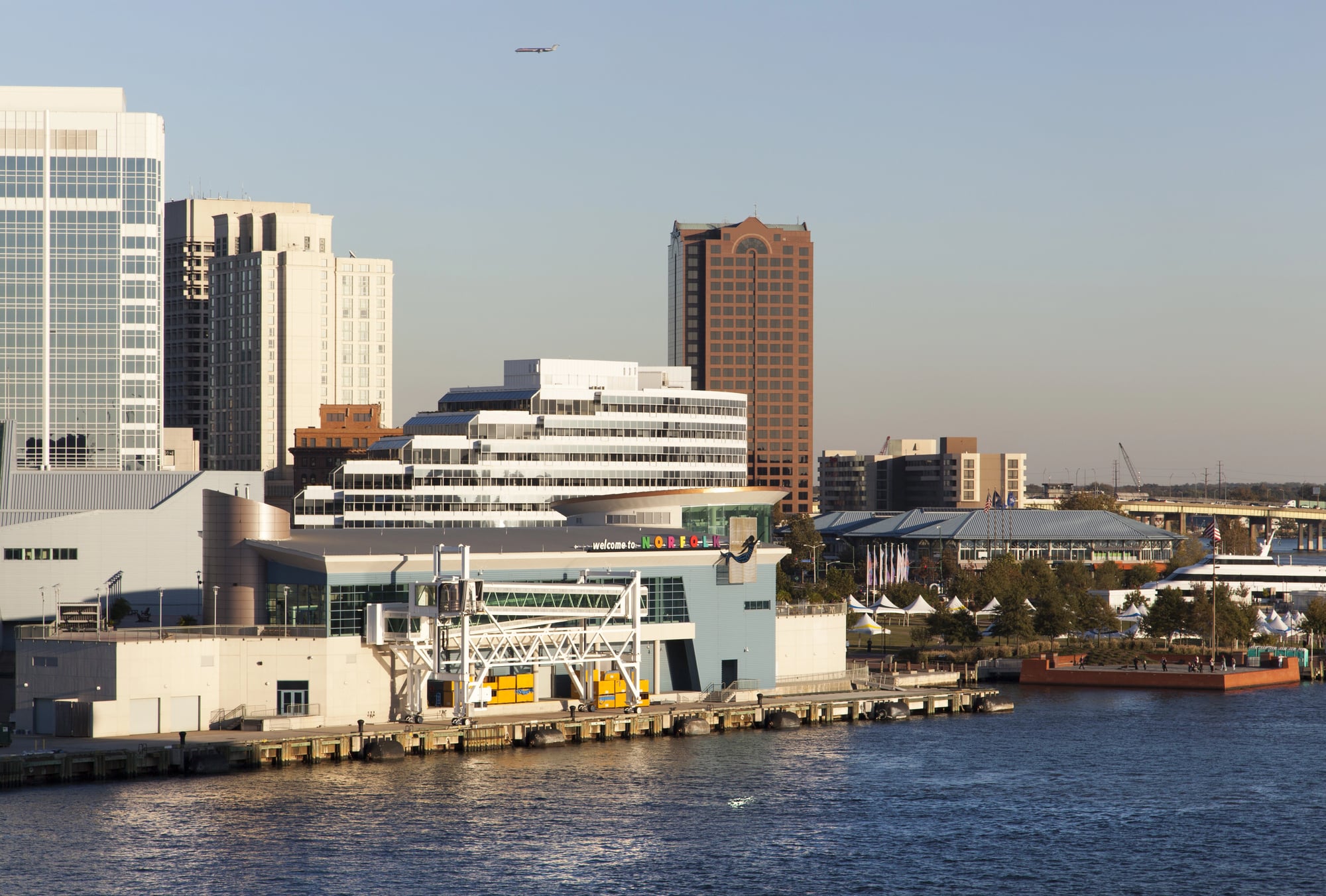
Norfolk floods when the tide comes in wrong. Hurricane season brings storms that push Chesapeake Bay water into streets designed for cars, not boats.
The military bases mean the city can’t retreat from the waterfront, creating a permanent standoff between urban planning and rising seas.
Stockton
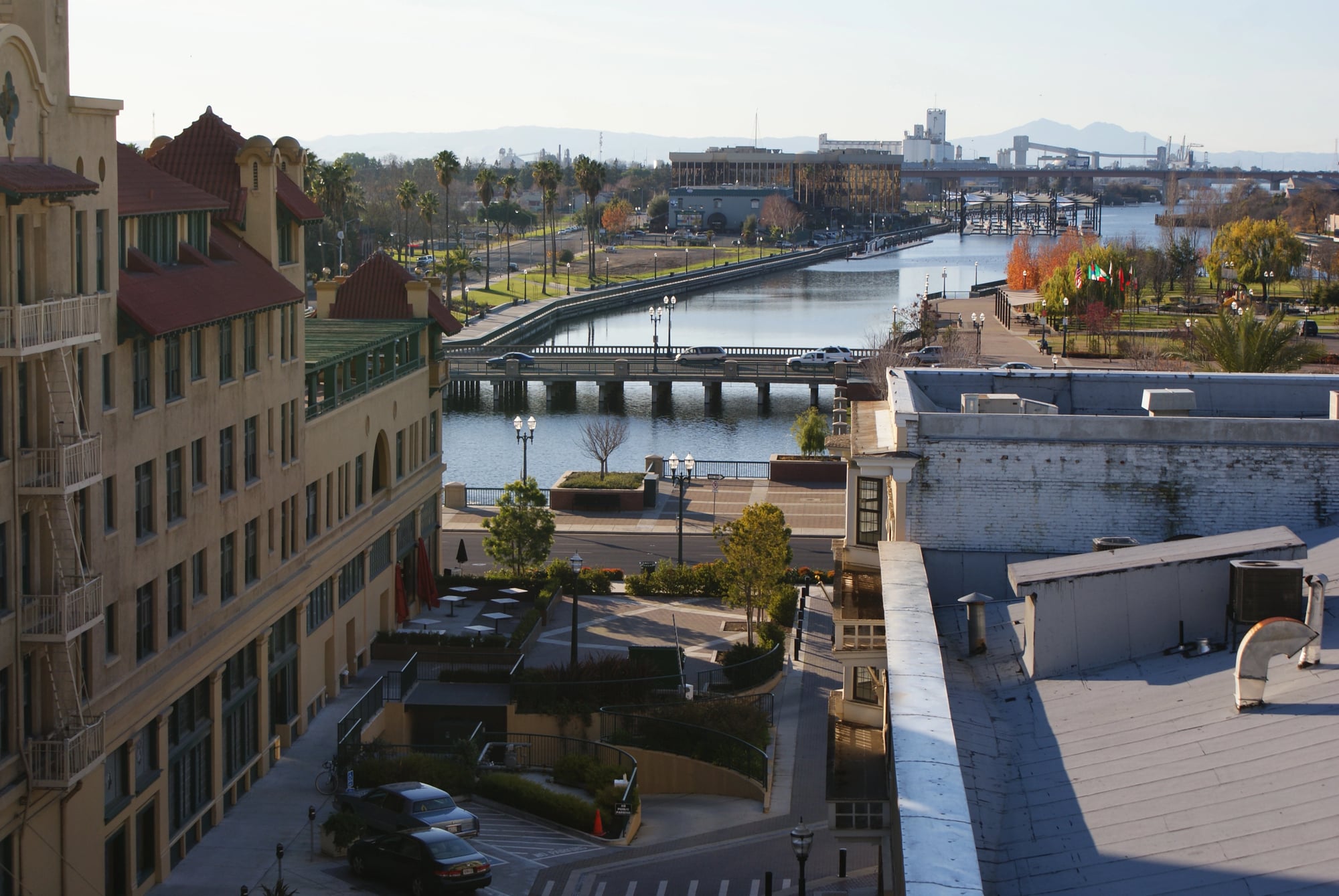
Central Valley heat turns Stockton into a furnace every summer. Tule fog in winter reduces visibility to zero, creating driving conditions that belong in a horror movie.
The San Joaquin River floods regularly, and wildfire smoke drifts in from surrounding mountains, creating air quality that makes breathing optional.
When the Forecast Becomes Your Daily Reality
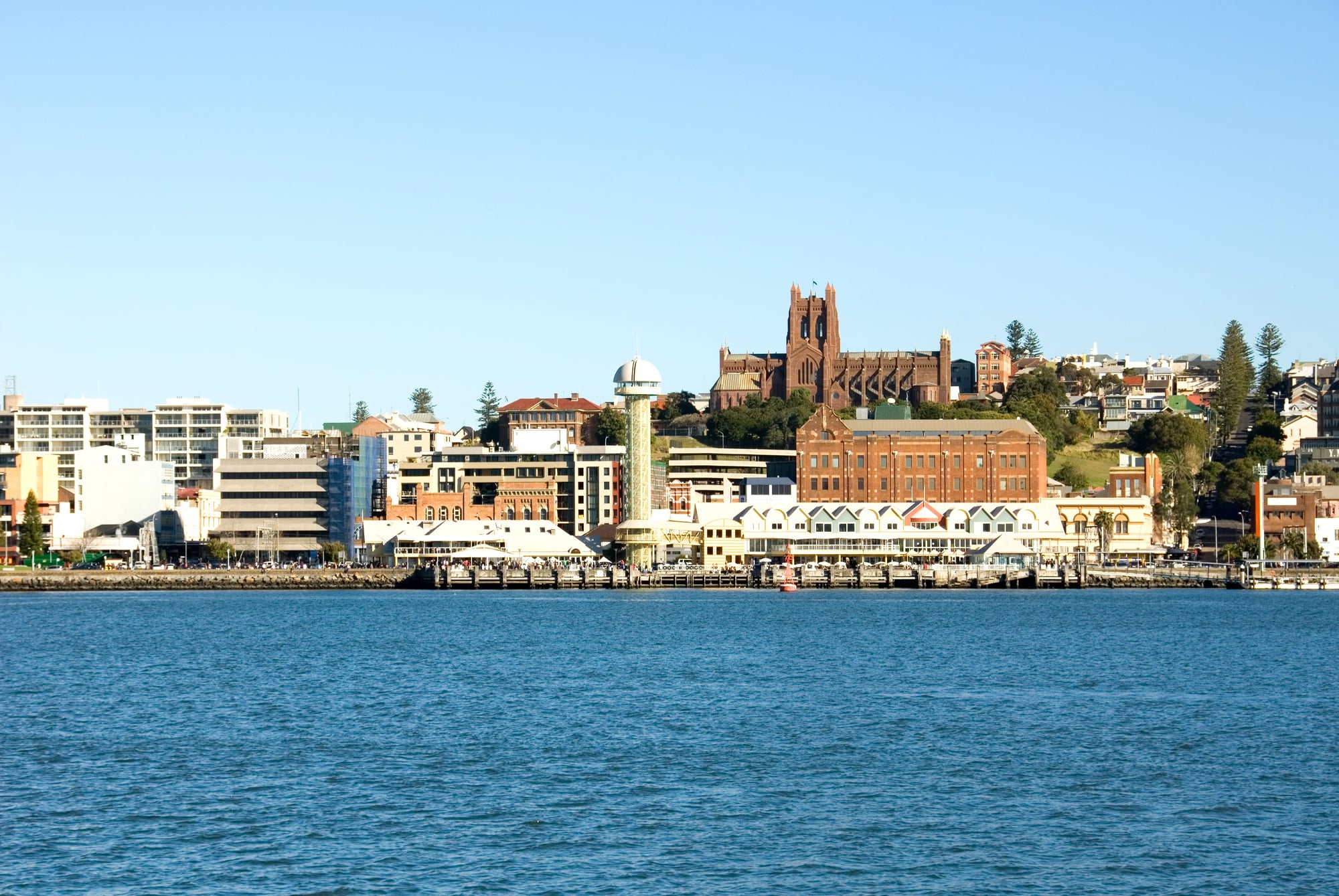
Living in these cities means developing a different relationship with weather apps—they stop being casual references and become essential survival tools. Residents learn to read the sky like a second language, recognizing the difference between clouds that might rain and clouds that might rearrange their neighborhood.
The real challenge isn’t surviving any single storm; it’s building a life in a place where extreme weather isn’t an exception, but a recurring character in your personal story.
More from Go2Tutors!

- The Romanov Crown Jewels and Their Tragic Fate
- 13 Historical Mysteries That Science Still Can’t Solve
- Famous Hoaxes That Fooled the World for Years
- 15 Child Stars with Tragic Adult Lives
- 16 Famous Jewelry Pieces in History
Like Go2Tutors’s content? Follow us on MSN.