33 Foods Considered a Delicacy in One Country and Thrown Away in Another
There’s a moment every traveler knows — sitting across from a plate of something unfamiliar, watching a local eat it with total ease, wondering how on earth two people can look at the same ingredient and land in completely different places. Food is one of the most honest mirrors of culture there is.
What one country treasures as a rare and carefully prepared dish, another country tosses without a second thought, sometimes literally into the garbage. The gap between delicacy and waste is almost never about the food itself.
It’s about what you grew up with, what your grandmother cooked, what your market sold on Sundays. These 33 foods sit right in the middle of that gap — celebrated on one side of the world, discarded on the other.
Chicken Feet
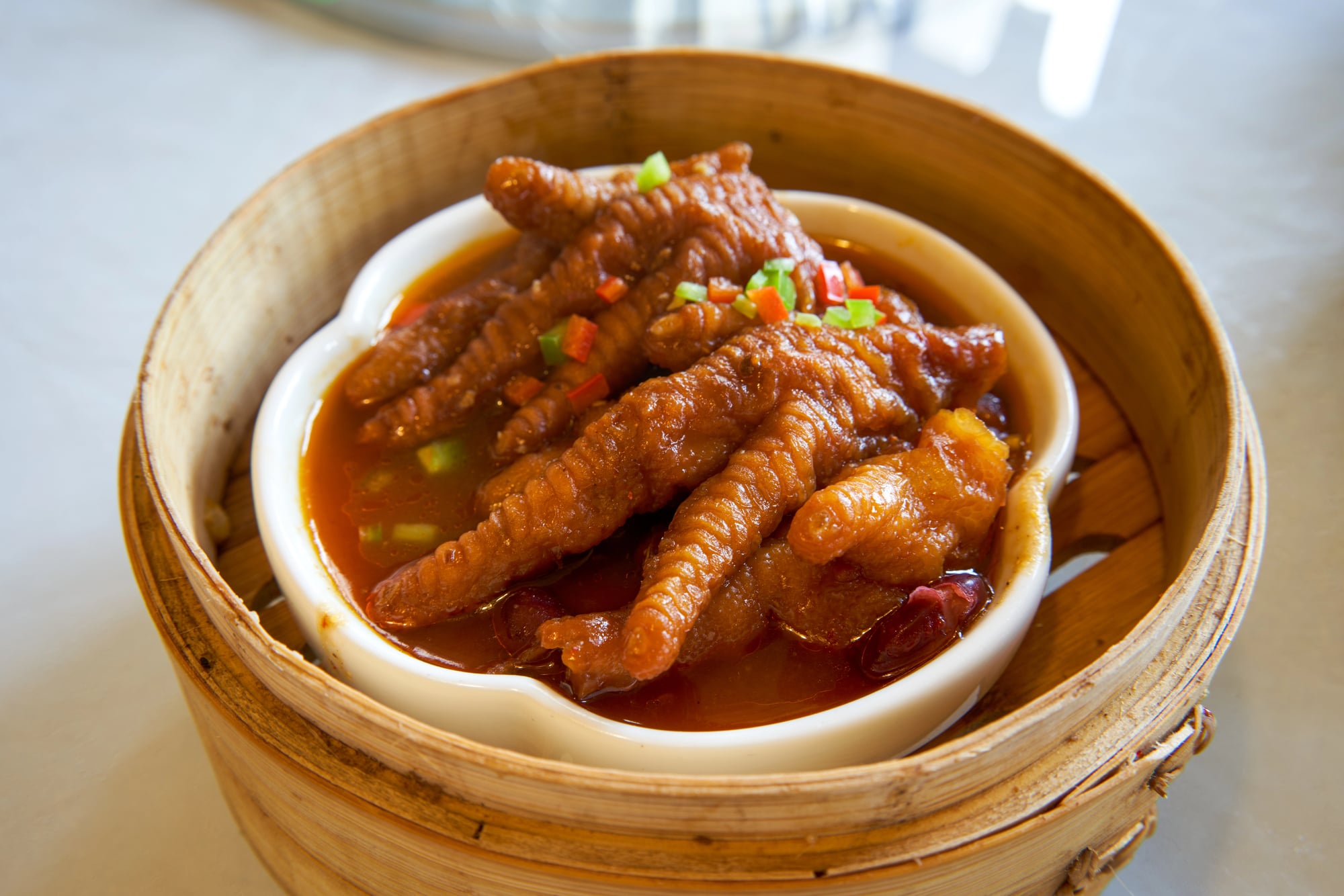
Chicken feet are a point of pride in China, where they’re slow-braised in soy, star anise, and chili until the skin turns amber and the collagen melts into something almost silky. In the United States, they come off the bird and disappear — trimmed, bagged, and sent to rendering facilities or exported.
The same part, the same animal, two completely opposite fates.
Stale Bread
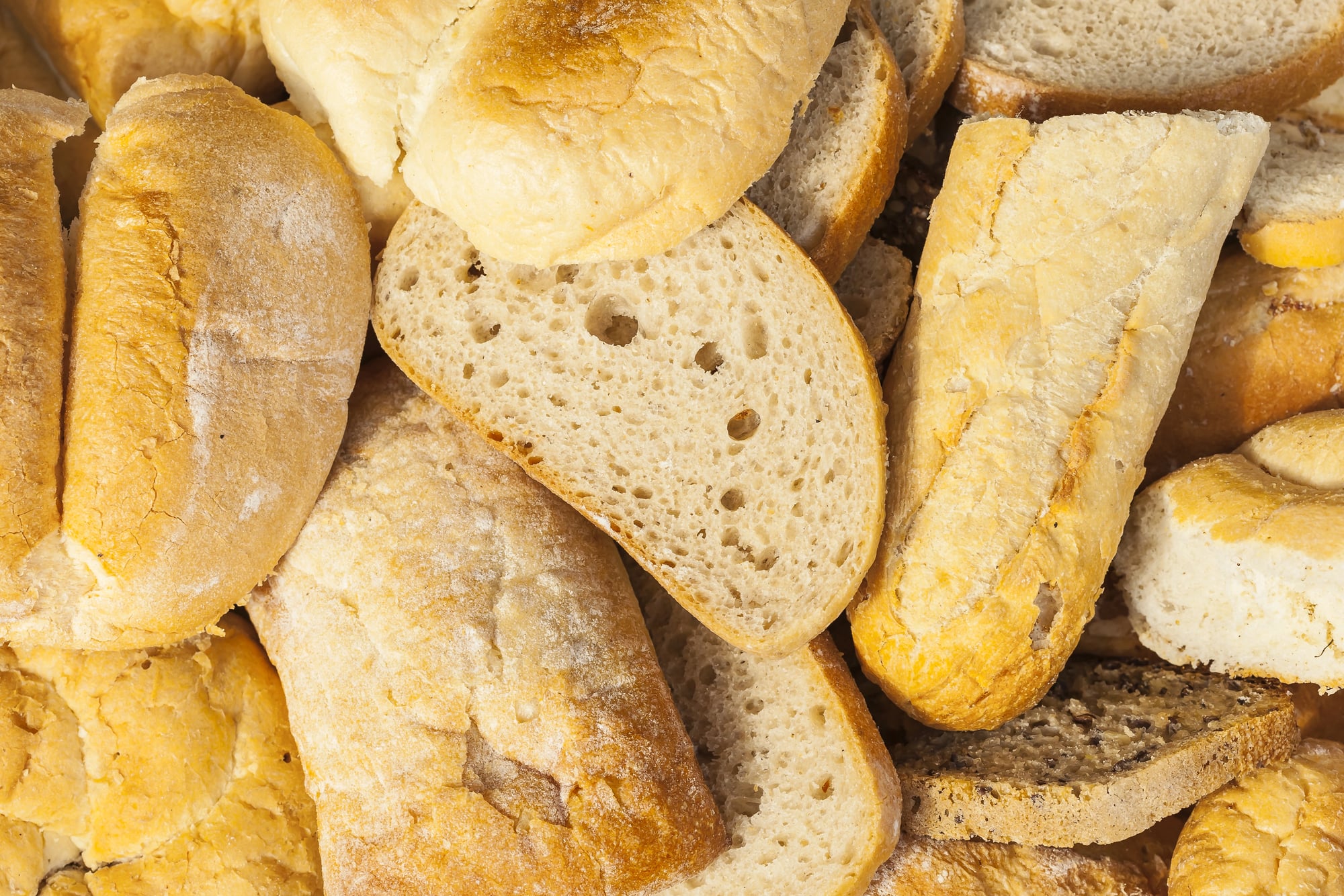
The French invented pain perdu — “lost bread” — specifically to rescue stale loaves that would otherwise be discarded, soaking slices in egg and milk before frying them golden. That dish made its way to America and became French toast, which Americans now make deliberately with fresh bread.
The bread that inspired the whole thing gets thrown away.
Pork Blood
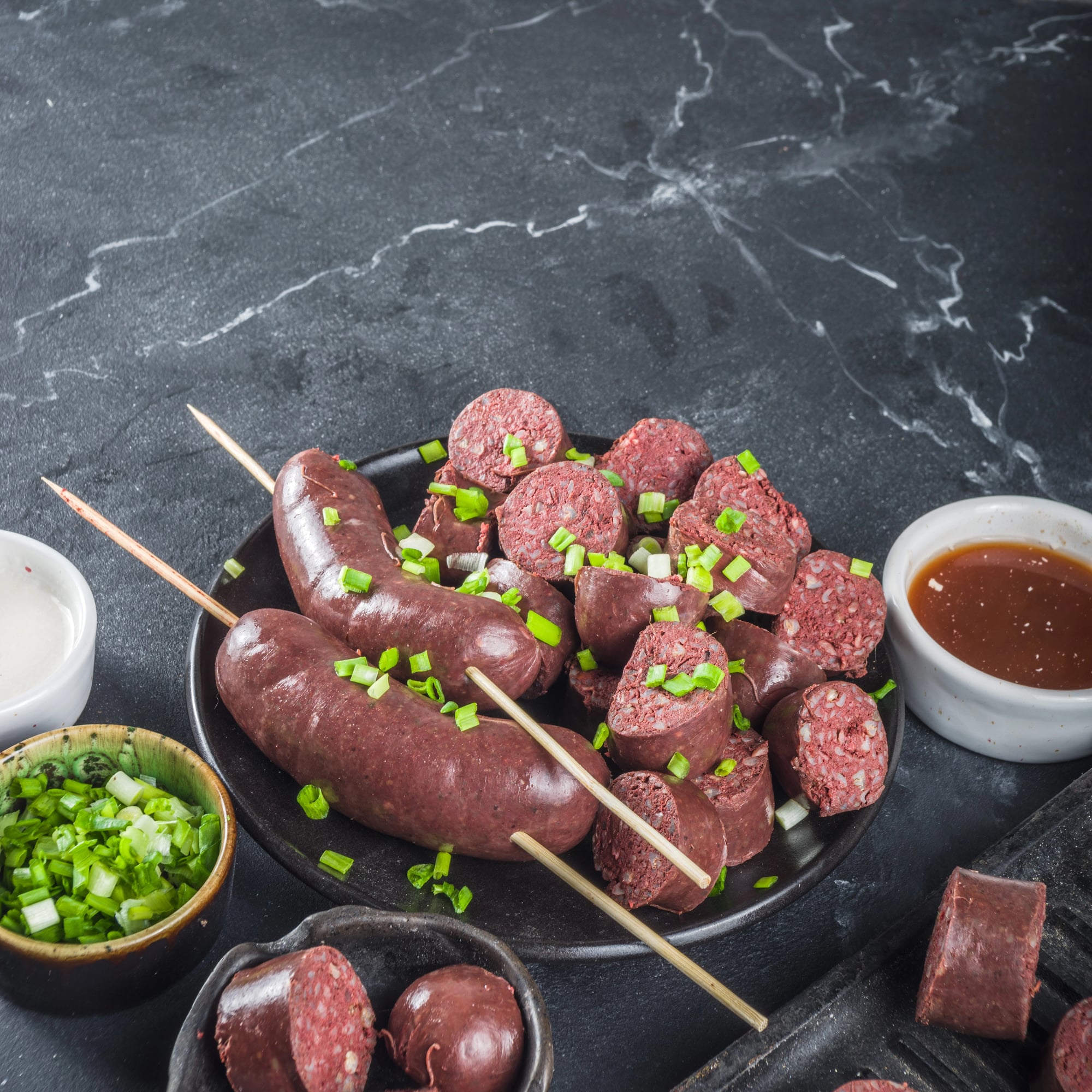
In the Philippines, dinuguan is a savory stew built around pork blood — dark, rich, and seasoned with vinegar and chili — eaten as comfort food at family gatherings and street stalls alike. In most Western countries, blood from the slaughter process is treated as a byproduct, drained and discarded unless a specialty butcher is specifically asked to save it.
To be fair, anyone who’s eaten dinuguan and dismissed it as a concept rather than tasted it as a dish has made a significant error.
Watermelon Rind
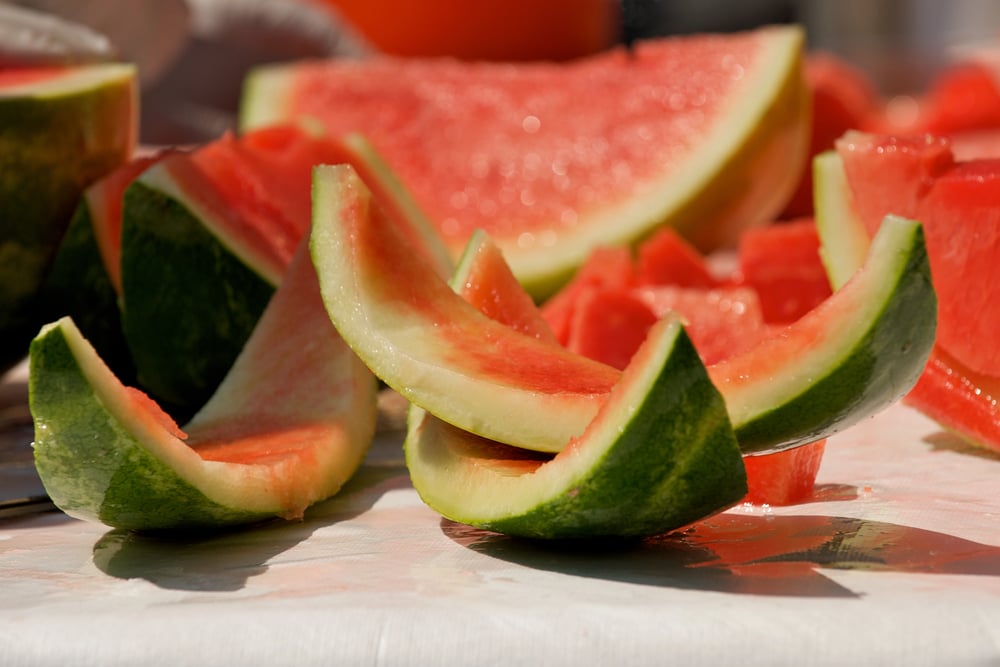
Watermelon rind pickle is a real and serious thing in the American South — firm, slightly sweet, slightly sour, spiced with cloves — and it’s been there for generations. Everywhere else in the country and across much of the Western world, the rind goes straight into the compost after the red flesh is scooped out.
In China, the rind is stir-fried with garlic and chili and eaten as a vegetable side dish, which honestly makes more sense than throwing away half the fruit.
Cod Tongue
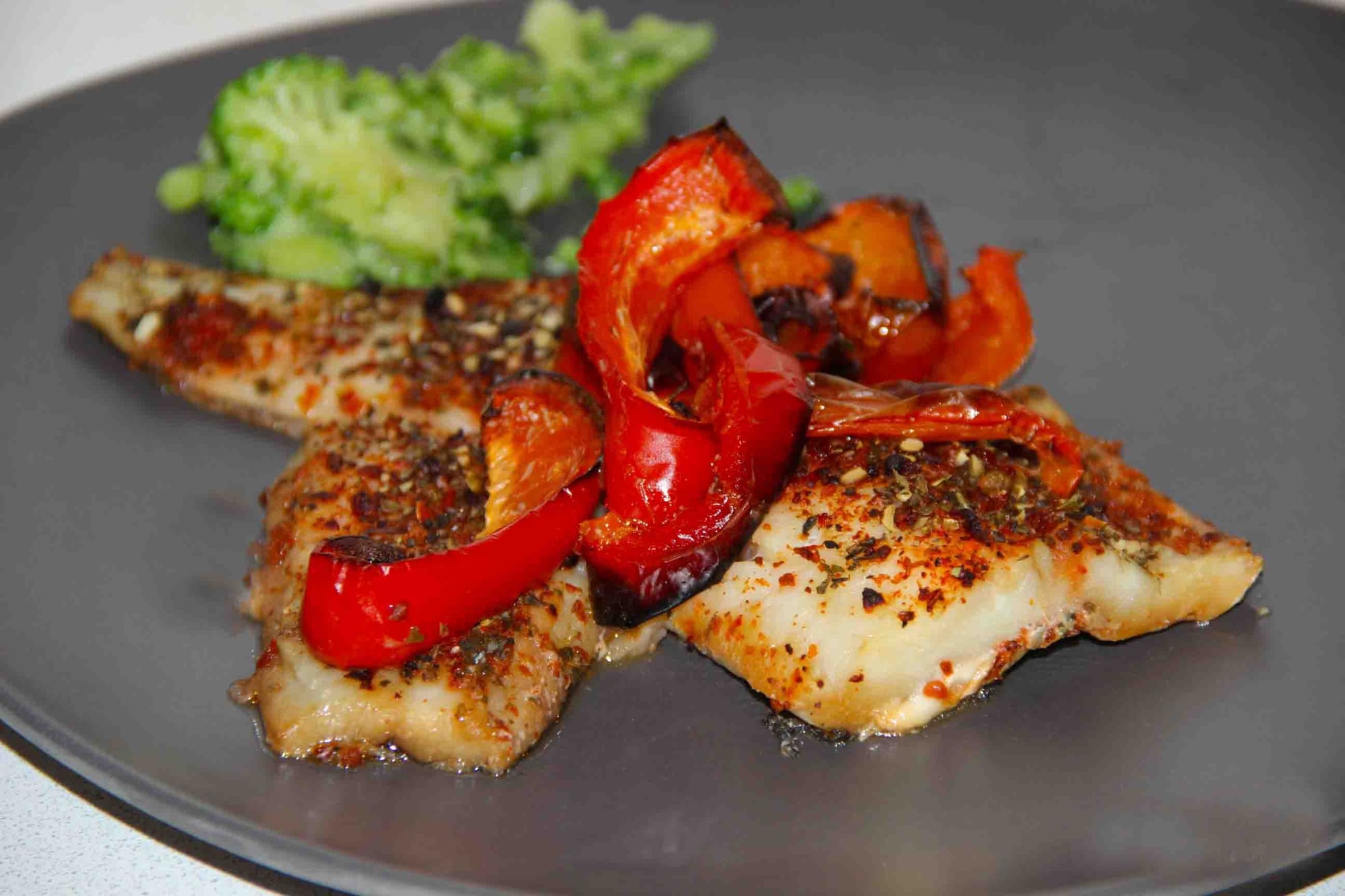
In Newfoundland, cod tongues — pan-fried in scrunchions, which are rendered salt pork fat — are a regional institution, the kind of dish that signals home and belonging for people who grew up there. Everywhere else that cod is caught and sold, the tongue is separated during processing and discarded with the offal.
It’s small, tender, and rich in a way that cod fillets simply aren’t, which makes the discard especially difficult to justify.
Durian
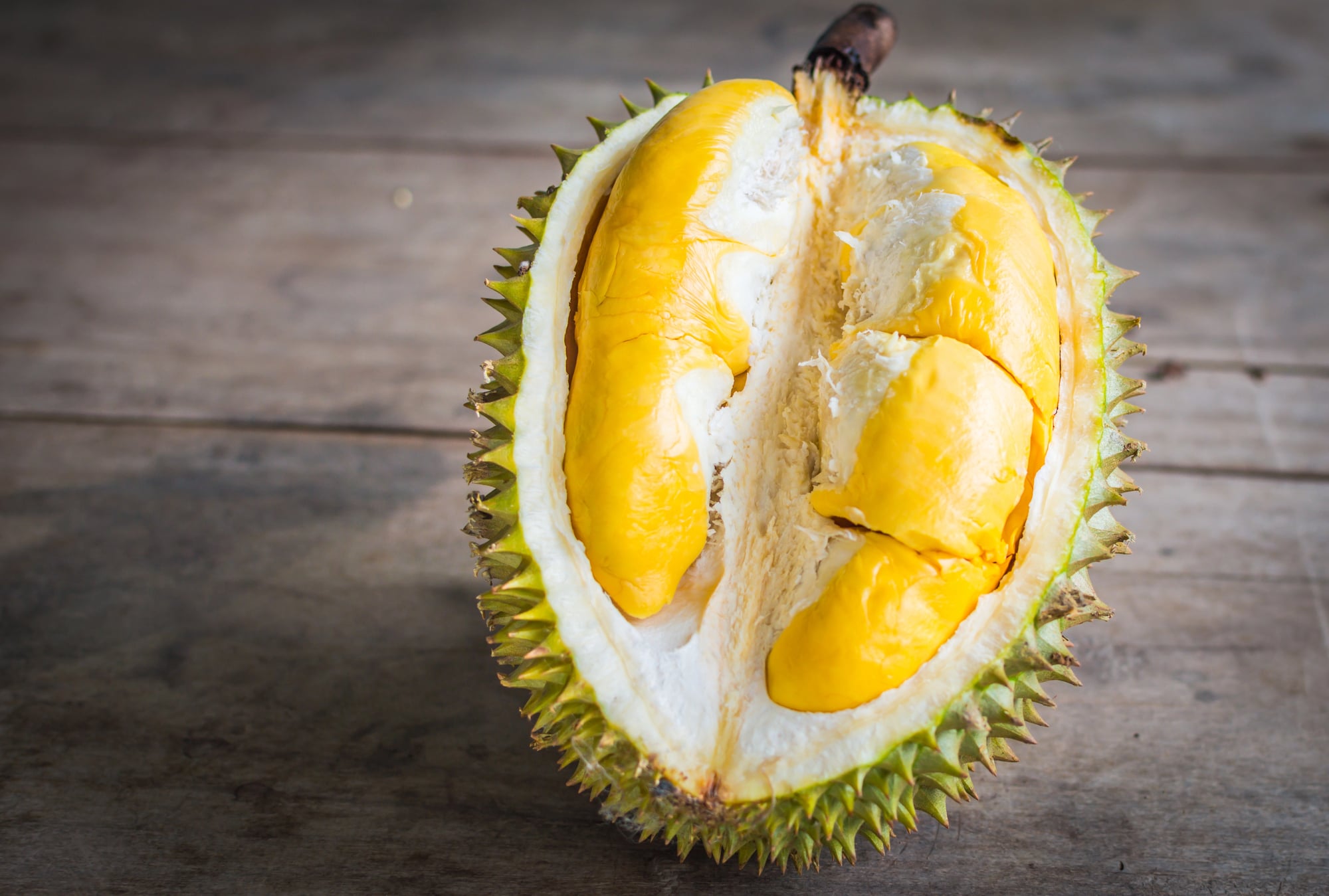
Durian is banned from hotels and public transit systems across Southeast Asia not because anyone wants to stop eating it, but because the demand is so high and the smell so powerful that shared spaces would become unbearable. In the United States and Europe, durian arrives in specialty Asian grocery stores, where most non-Southeast Asian shoppers pick it up, smell it through the packaging, and put it back down.
It’s one of the most expensive fruits at the market in Thailand. It’s a punchline in most of the West.
Tripe
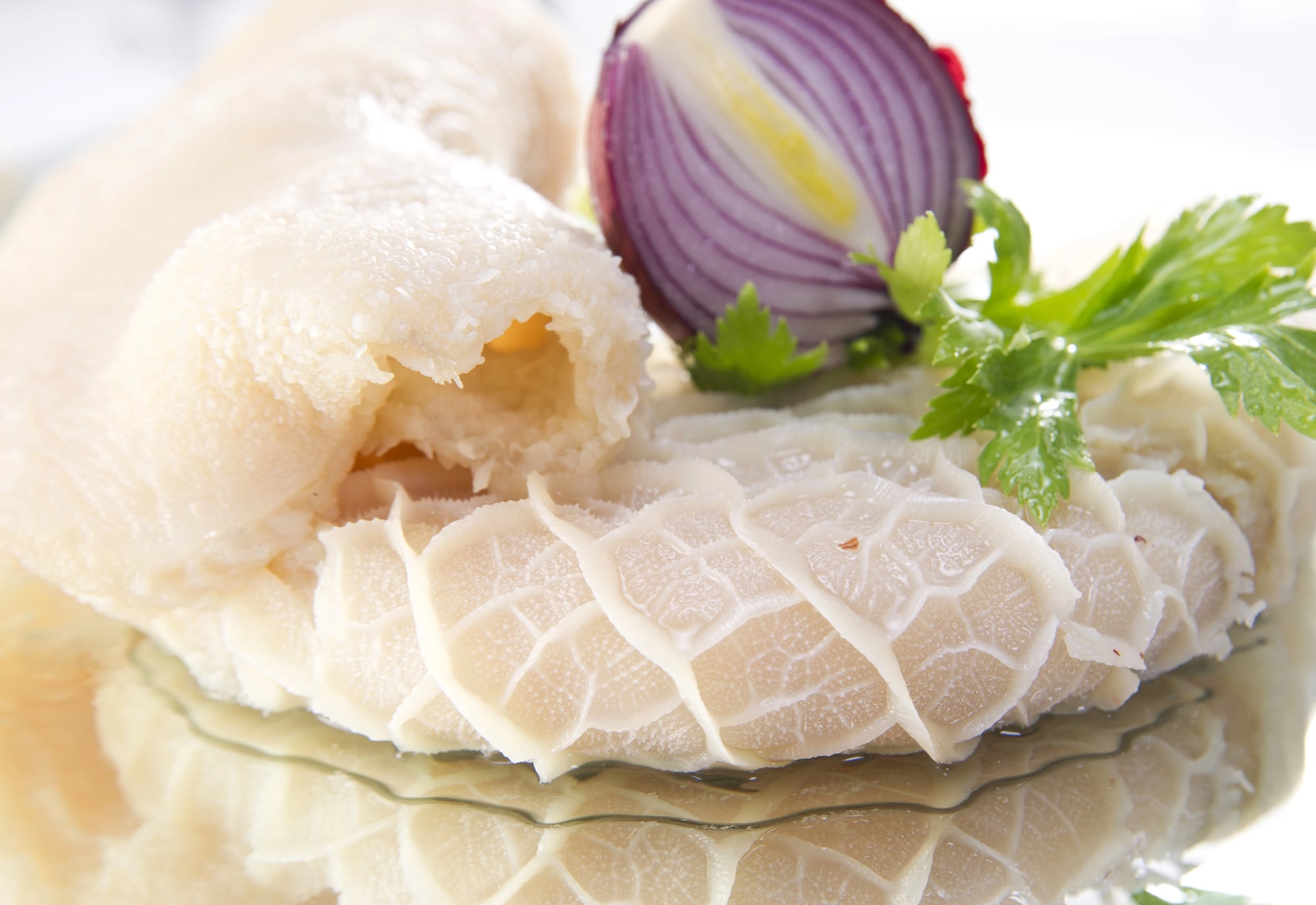
Tripe — the stomach lining of cattle — is the base of menudo in Mexico, trippa alla romana in Italy, and flaki in Poland, each preparation slow-cooked until the texture softens into something almost lush. In the United States, beef stomachs are largely relegated to pet food or exported to markets that actually want them.
American grocery stores rarely stock it. The ones that do keep it in a corner of the butcher section where it sits, largely unbothered.
Stingray
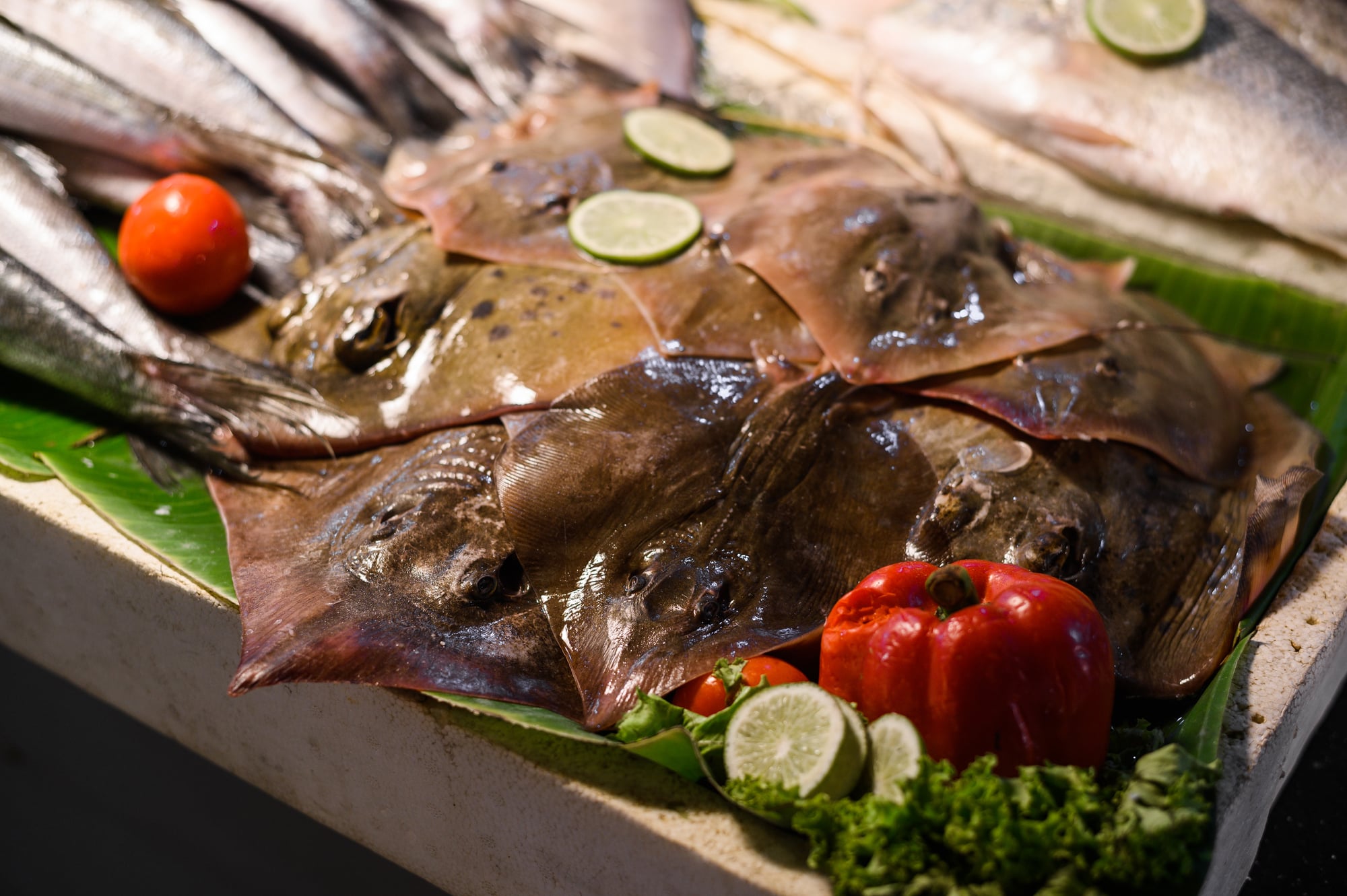
Stingray (known as ikan pari) is grilled over charcoal in Singapore and Malaysia, wrapped in banana leaf with sambal, and eaten at hawker stalls where the line forms early and the wait is worth it. In the United States, stingrays caught as bycatch are typically thrown back — dead or alive — or discarded at the dock.
The wings, which are the part that’s eaten, have a texture somewhere between scallop and firm fish, which is to say they’re good.
Coffee Grounds
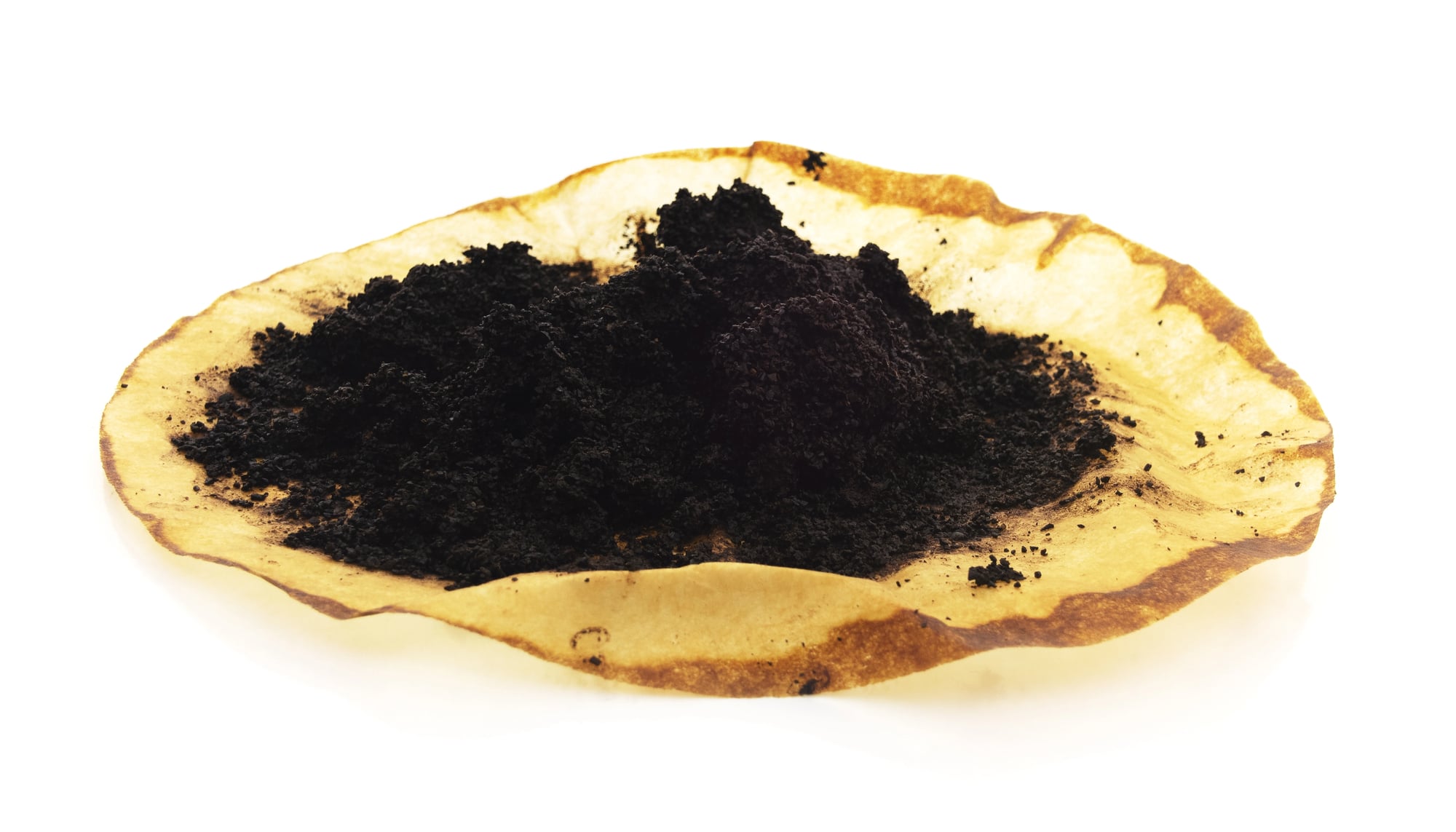
Used coffee grounds in Ethiopia and across parts of East Africa are often re-brewed in a ceremony that involves multiple rounds — the first cup strong, the later ones progressively lighter — treating the grounds as a resource to be fully spent rather than immediately discarded. In the United States, a single-use pod gets brewed once and thrown away, grounds and all, with global estimates of discarded coffee pods running into the tens of billions every year.
The contrast is almost too pointed to be comfortable.
Pig Ears
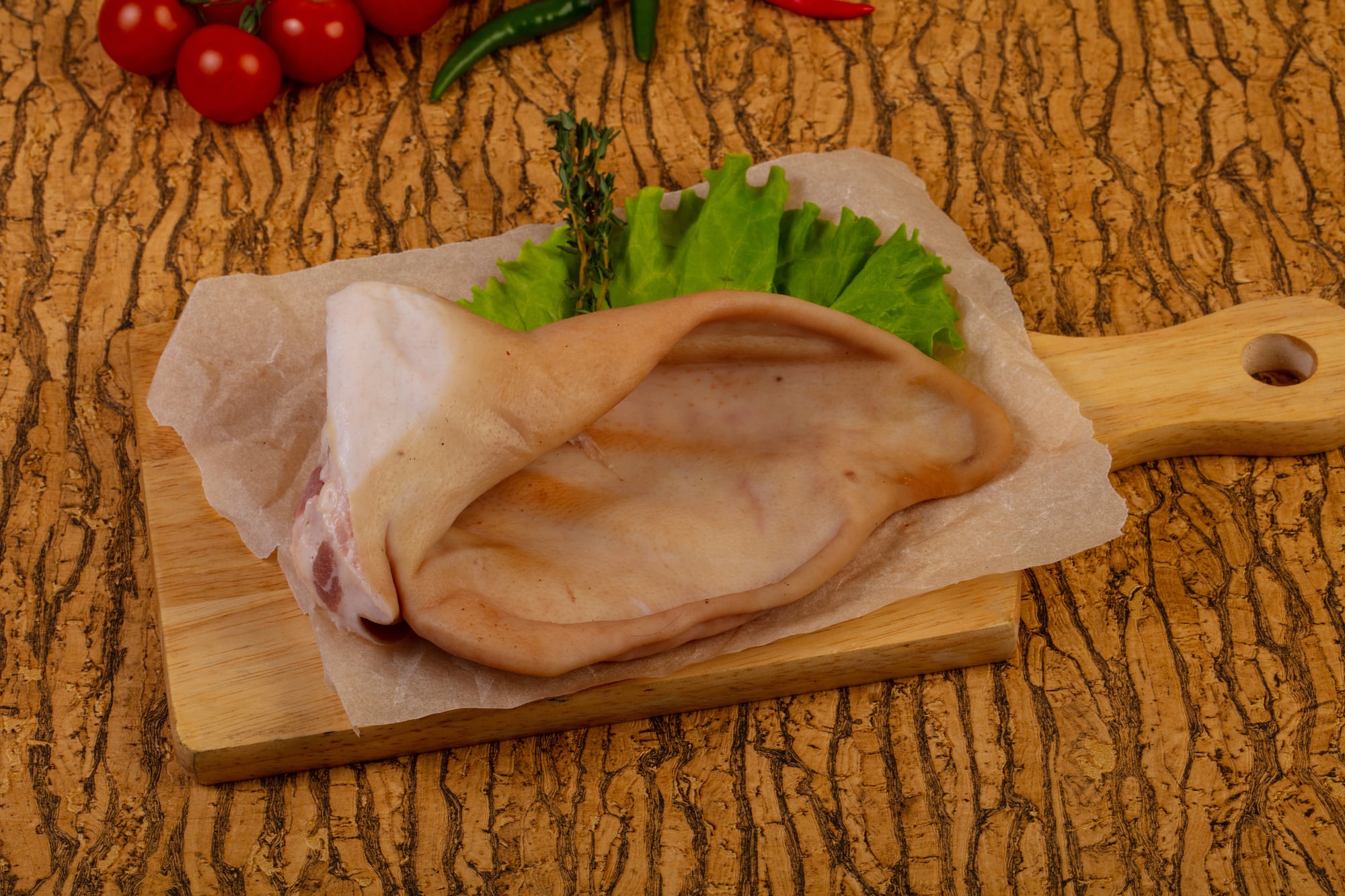
Pig ears are braised in soy and five-spice in China, thinly sliced and served cold as an appetizer with a vinegar dipping sauce — and the texture, which is simultaneously crunchy and gelatinous, is genuinely unlike anything else. In the United States, pig ears are processed into dog chews, which is where most of them end up.
A food that China treats as a considered dish, America has decided is appropriate for pets.
Sheep’s Head

Smalahove, the Norwegian tradition of eating a smoked and salted sheep’s head — eye, ear, cheek, and all — dates back centuries and remains a deliberate cultural preservation project in western Norway, where restaurants serve it around the winter solstice specifically because it’s old and specific and worth keeping. In the United States, sheep heads are removed during processing and discarded with the rest of the byproducts.
The Moroccan dish mkheimar does something similar, slow-roasting a whole head until the cheek meat falls away in threads — extraordinary food that most of the Western world has decided belongs in the trash.
Banana Blossoms
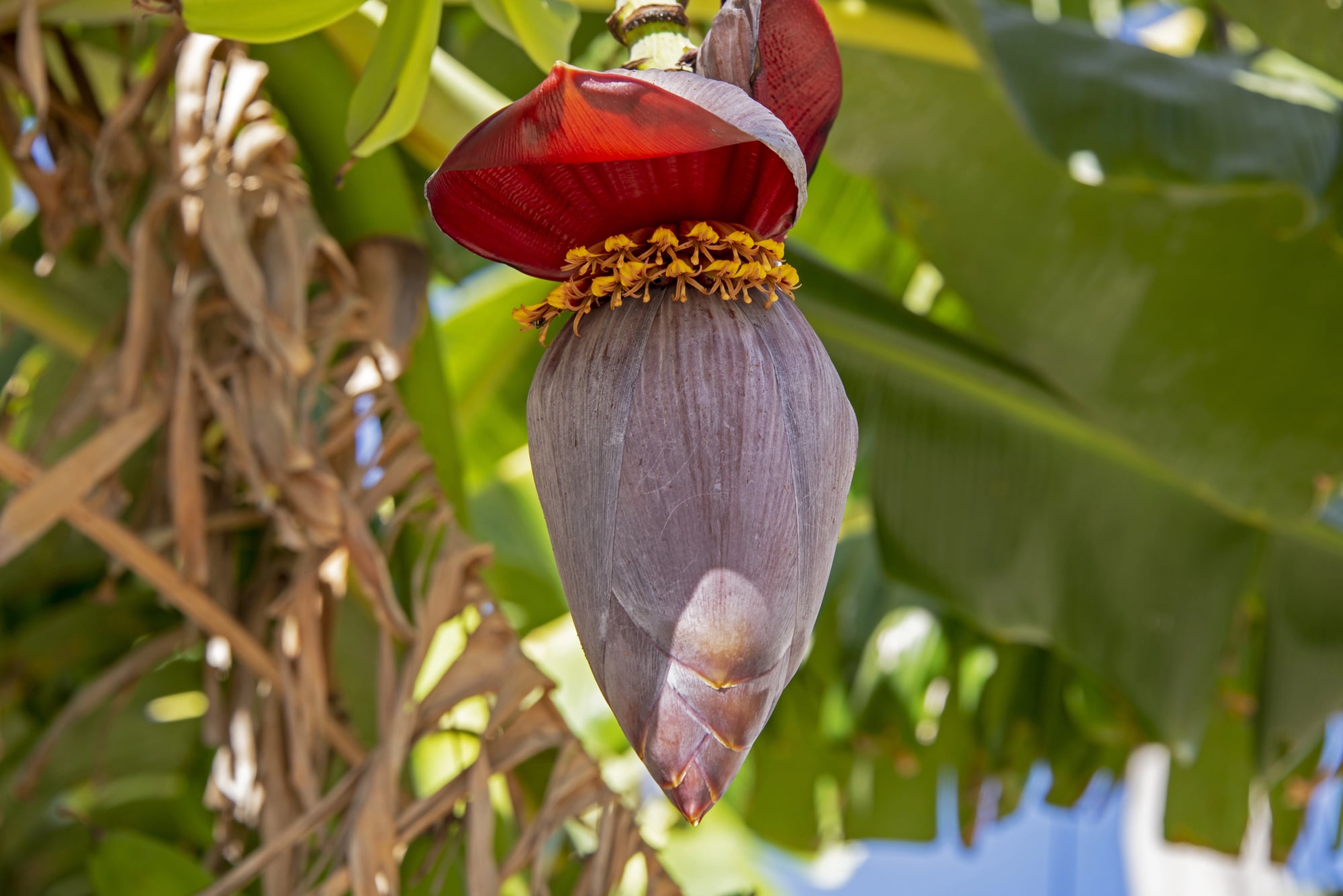
The banana blossom — the large purple flower that hangs at the end of a banana cluster — is cooked into curries in Sri Lanka, India, and the Philippines, where it’s sliced, soaked to remove bitterness, and braised with coconut milk and turmeric. In countries where bananas are produced for export, the blossoms are removed from the plant once harvesting begins and left on the ground.
They’re edible, plentiful, and flavorful. They’re also almost entirely wasted at the production level.
Lamb Kidneys
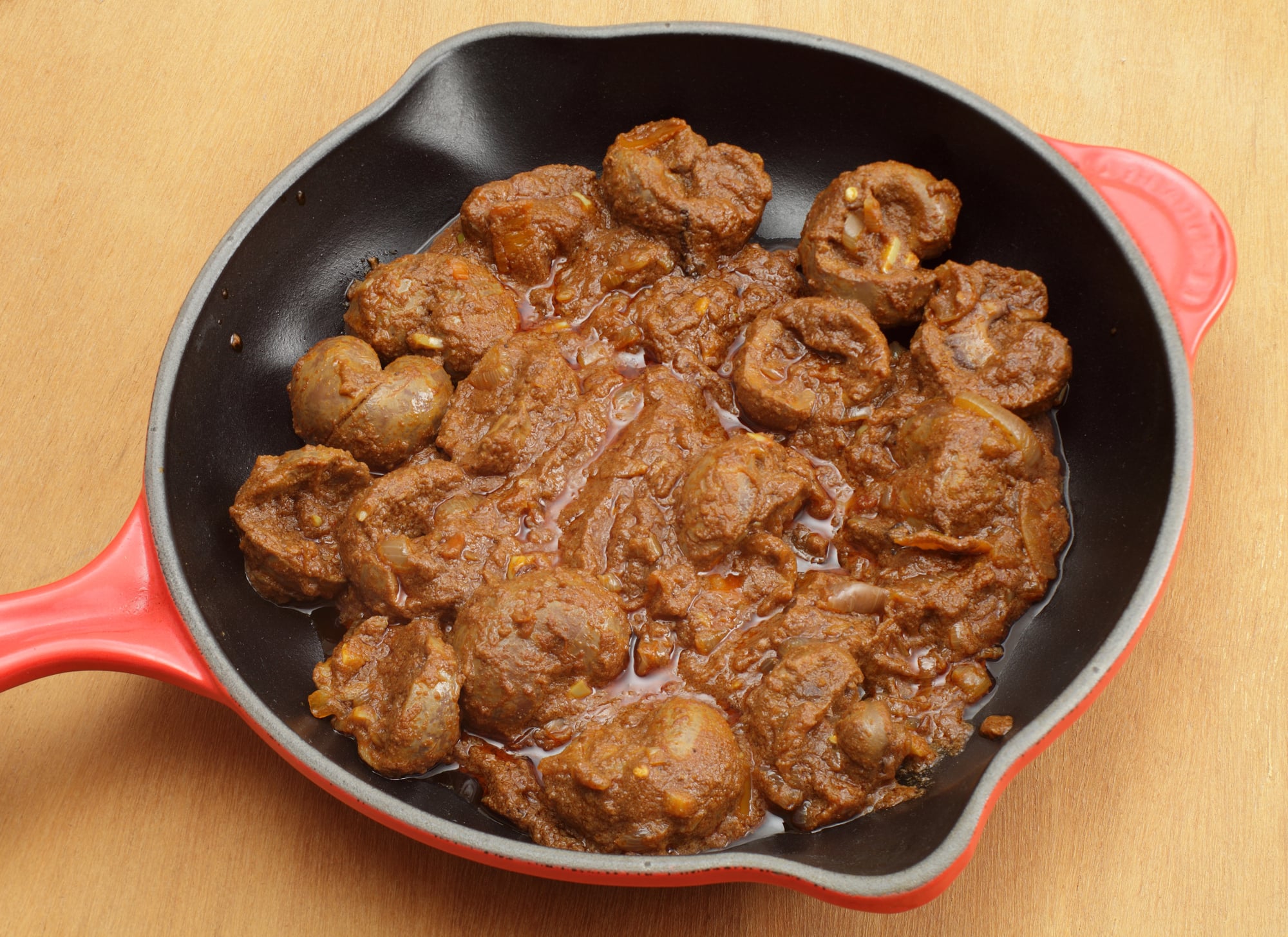
In the United Kingdom, lamb kidneys grilled over charcoal or deviled in a mustard sauce were once a staple of the British breakfast — something people expected on the plate alongside eggs and toast, with no ceremony about it. That tradition has largely faded, and in the United States, kidneys rarely make it to the retail market at all; they’re trimmed away during processing.
France still uses them in rognons de veau, but most of the English-speaking world has quietly moved on.
Ants

Escamoles — ant larvae harvested from the roots of agave plants in Mexico — are served at upscale restaurants in Mexico City and traditionally eaten in central Mexico with tortillas, butter, and epazote. The flavor is often described as nutty and faintly buttery, which makes sense given that they’re largely fat.
In the United States, ants of any variety are a pest problem, not a food source — sprayed, trapped, and removed, with no consideration that they might be the meal itself.
Carp
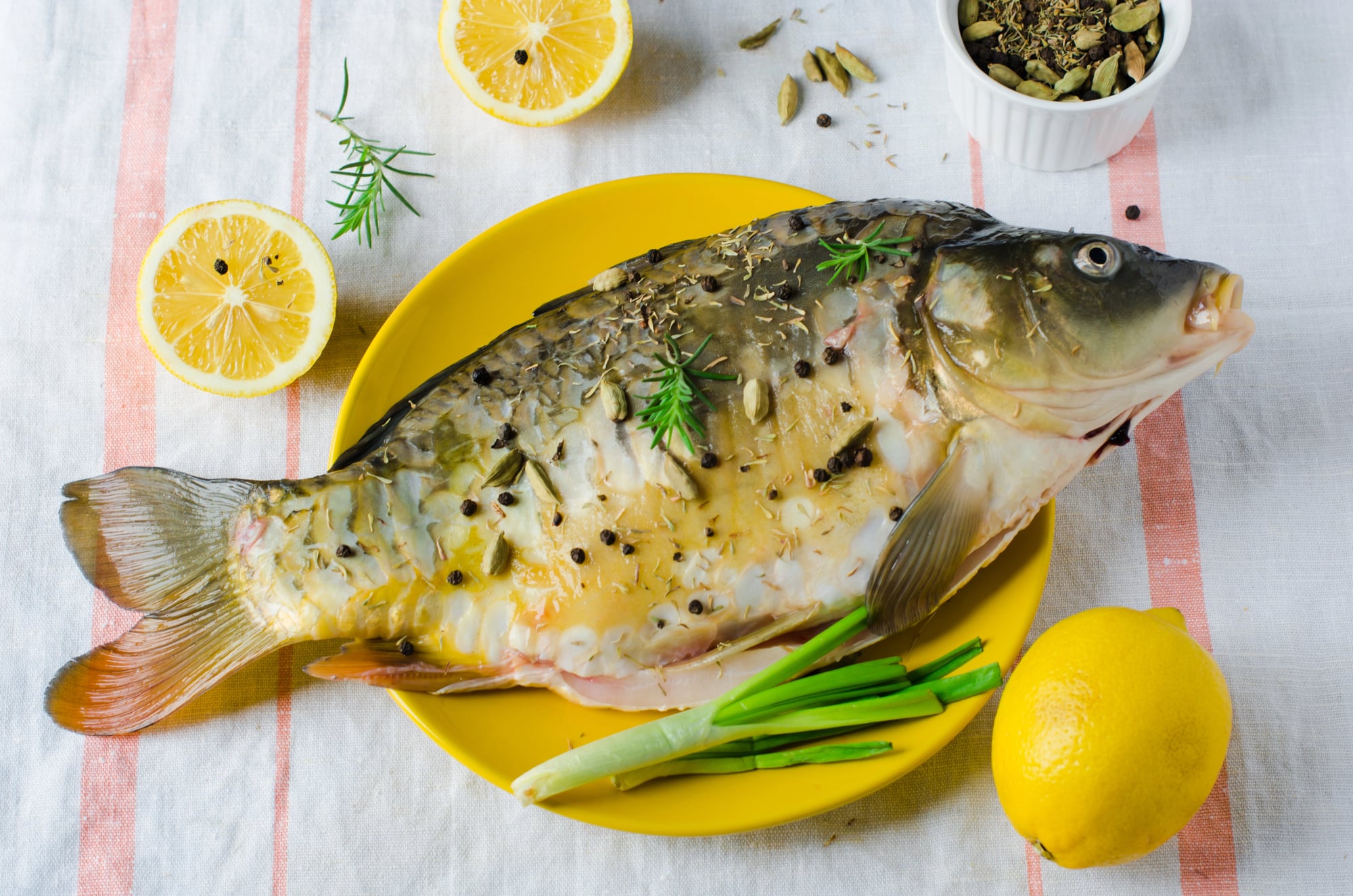
Carp is a celebration fish across Central and Eastern Europe — fried whole and served with potato salad for Christmas Eve dinner in the Czech Republic, Slovakia, and Poland, sometimes bought live at market stalls days in advance and kept in the bathtub. In the United States, common carp are classified as an invasive nuisance species in many states, actively removed from waterways and discarded.
Edible. Plentiful. Unwanted.
Chicken Hearts
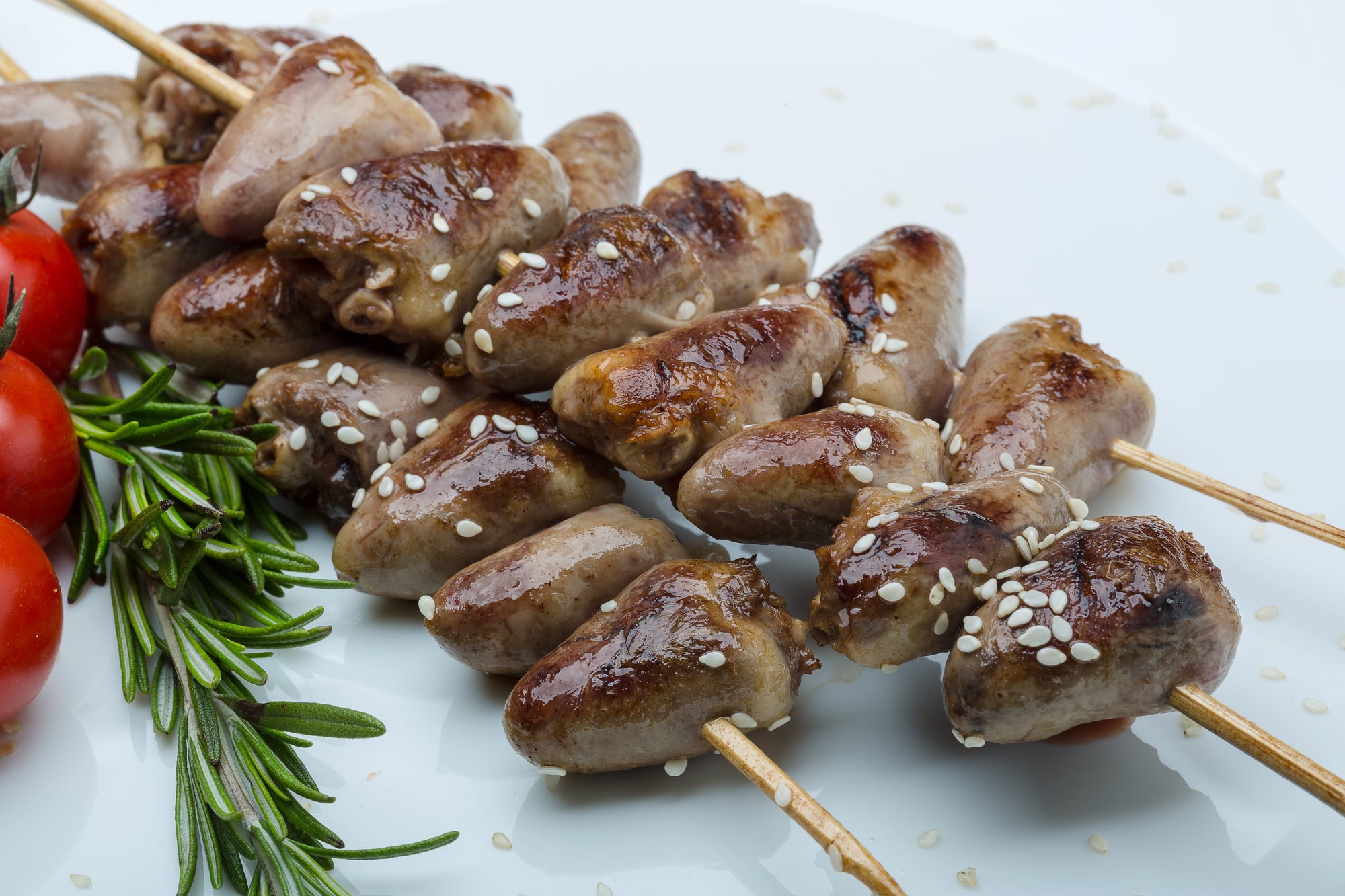
In Brazil, chicken hearts skewered and grilled over charcoal — served at churrascarias alongside cuts that cost thirty times as much — are not an afterthought. They’re ordered deliberately, often first.
In the United States, chicken hearts are an organ meat that most grocery stores don’t stock, most home cooks don’t know what to do with, and most processing plants redirect toward pet food. The entire American poultry industry produces plenty of them.
Essentially none end up on American dinner tables.
Sea Cucumber

Sea cucumber is a prestige ingredient in Chinese cuisine — dried, rehydrated over several days, braised in oyster sauce and served at banquets — with prices for premium varieties reaching hundreds of dollars per pound. In the waters off Australia and parts of the Pacific, sea cucumbers are so abundant that they’re treated as a nuisance by fishermen who have to move around them.
Go figure.
Frog Legs

Frog legs in France are an actual and serious dish — sautéed in butter and garlic, eaten with bread — not a national joke, and certainly not a novelty. They’re eaten in parts of Louisiana too, which most Americans don’t know because the dish has been reduced to a punchline about French eating habits rather than taken seriously as food.
Everywhere else in the United States, frogs caught in ponds and wetlands are thrown back, or killed as pest control, while the legs, which taste genuinely similar to chicken, go to waste.
Bread Crusts
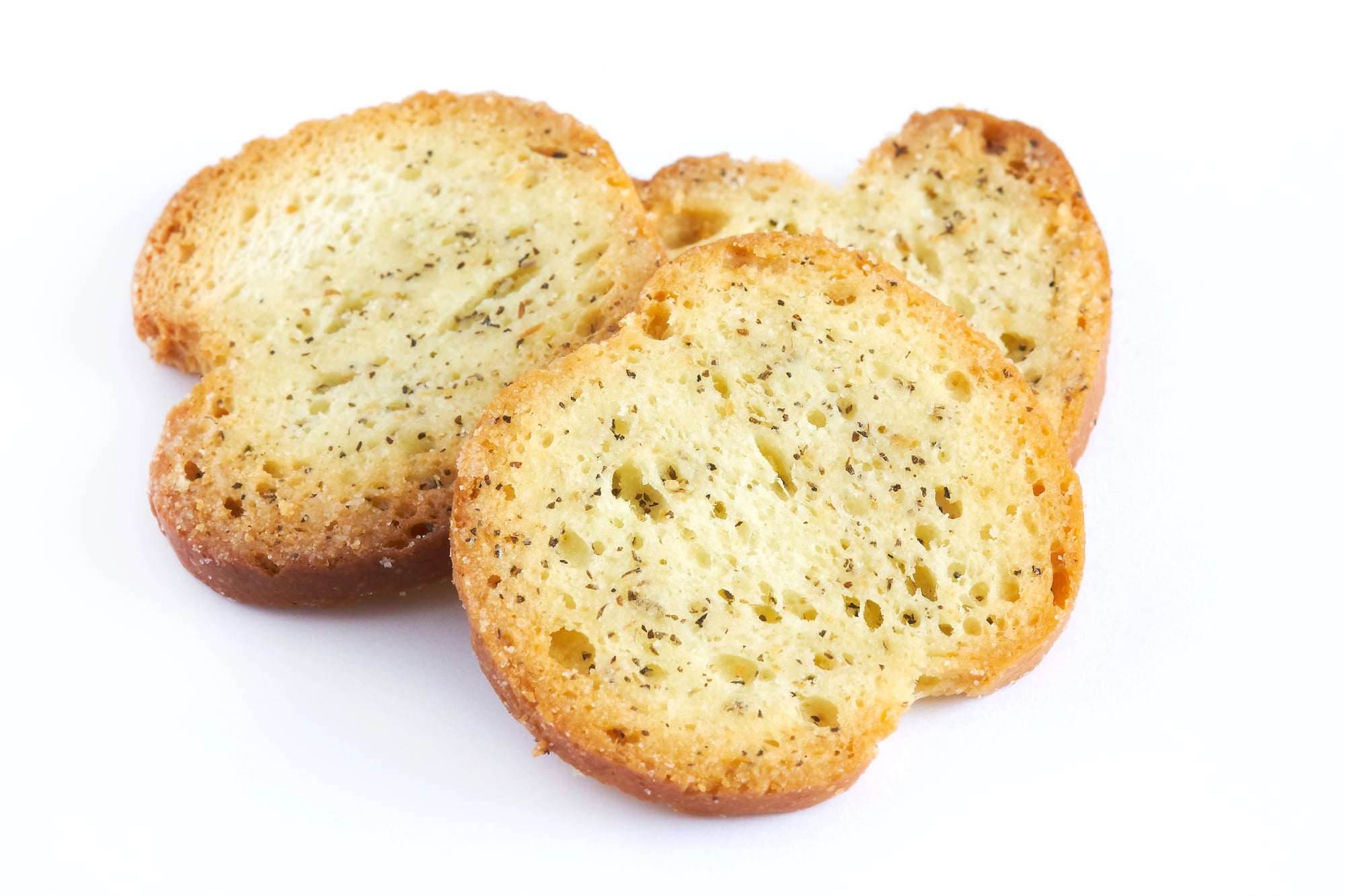
This one sounds small, but it’s meaningful — in many European households, bread crusts are collected, dried, and ground into breadcrumbs or softened in soups, the heel of the loaf treated as the best part rather than the part the children refuse. In American households, bread crusts are one of the most commonly discarded food items, cut off sandwiches, left on plates, and thrown away in volumes that would be embarrassing to calculate.
A crust is still bread.
Goat
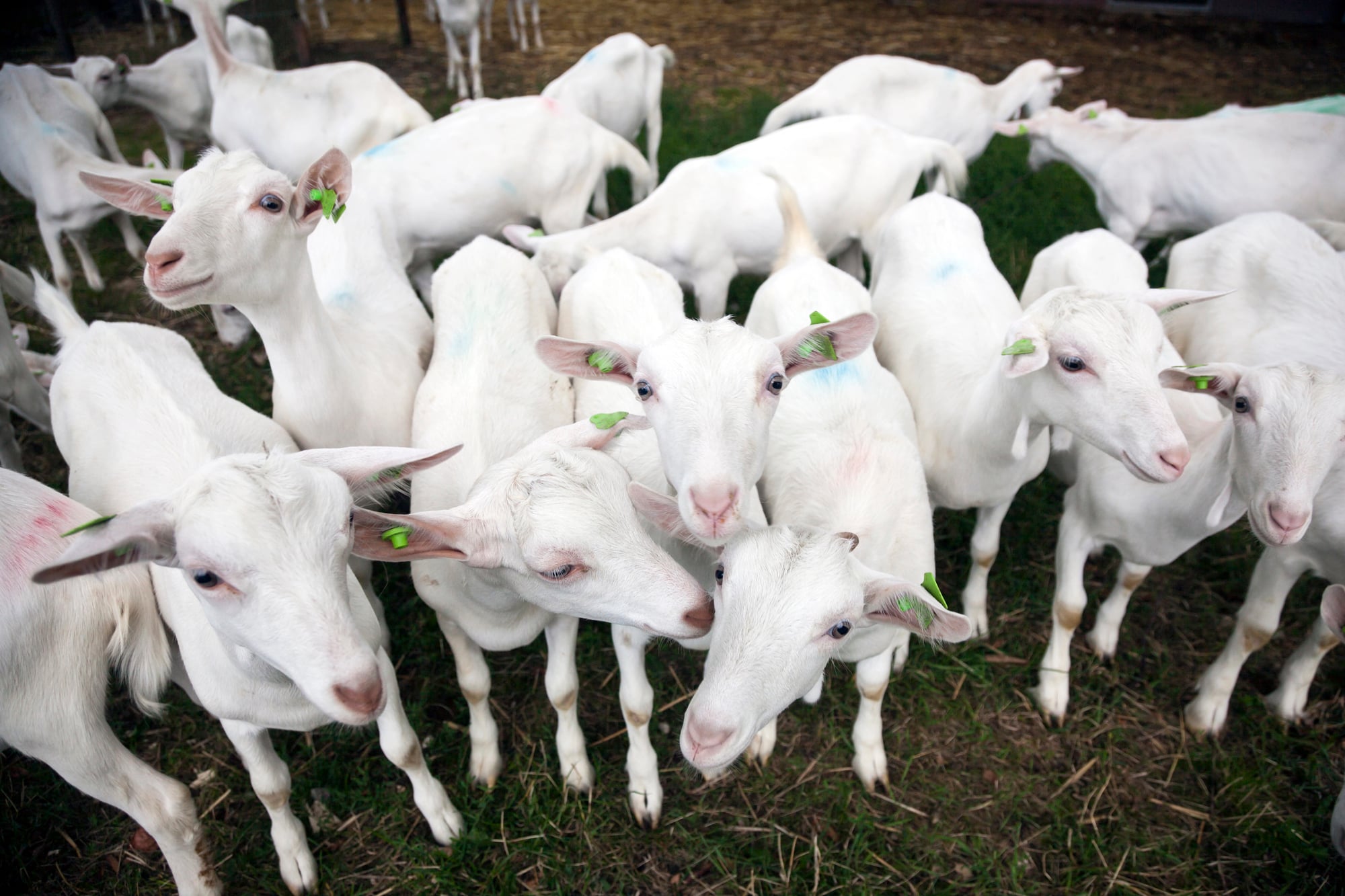
Goat is the most widely consumed red meat in the world — more than beef, more than lamb — eaten across Africa, the Caribbean, South Asia, and the Middle East as the default protein for celebrations. In the United States, it barely registers.
American grocery stores rarely stock goat meat, American consumers rarely seek it out, and most goats raised domestically are either dairy animals or sold at ethnic specialty markets serving immigrant communities. A country that eats beef daily somehow finds goat unfamiliar.
Fish Heads
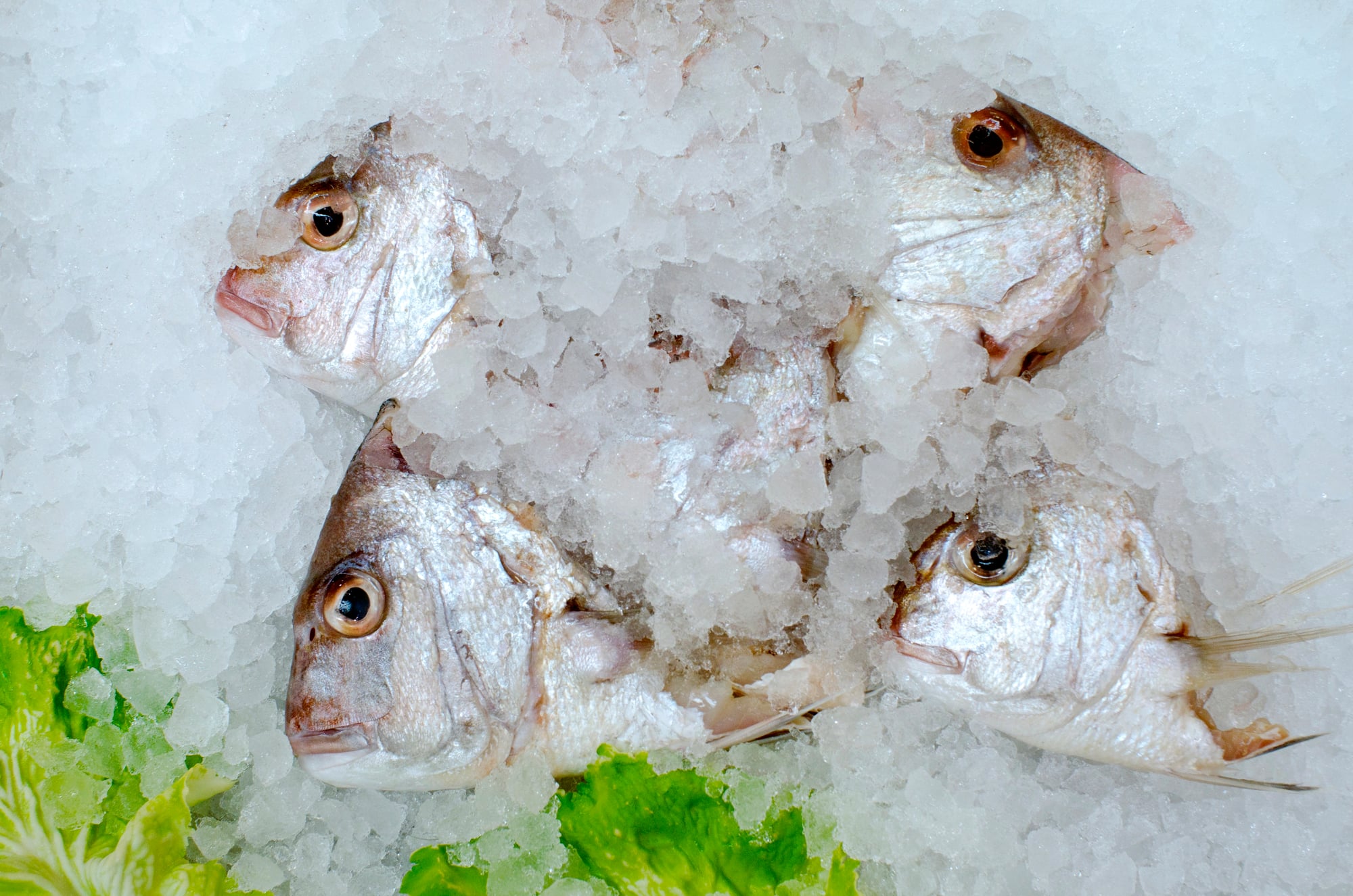
In Singapore, fish head curry — a whole snapper head, eyes and all, braised in a tangy South Indian-style curry — is so beloved it has its own argument about who invented it and whose version is better, which is the clearest sign a dish matters. In the United States, fish heads are removed during filleting and discarded as waste or used for stock that most people then throw away too.
The cheek meat alone — the small, rounded piece just below the eye — is often described by chefs as the best part of the fish.
Cacao Pulp
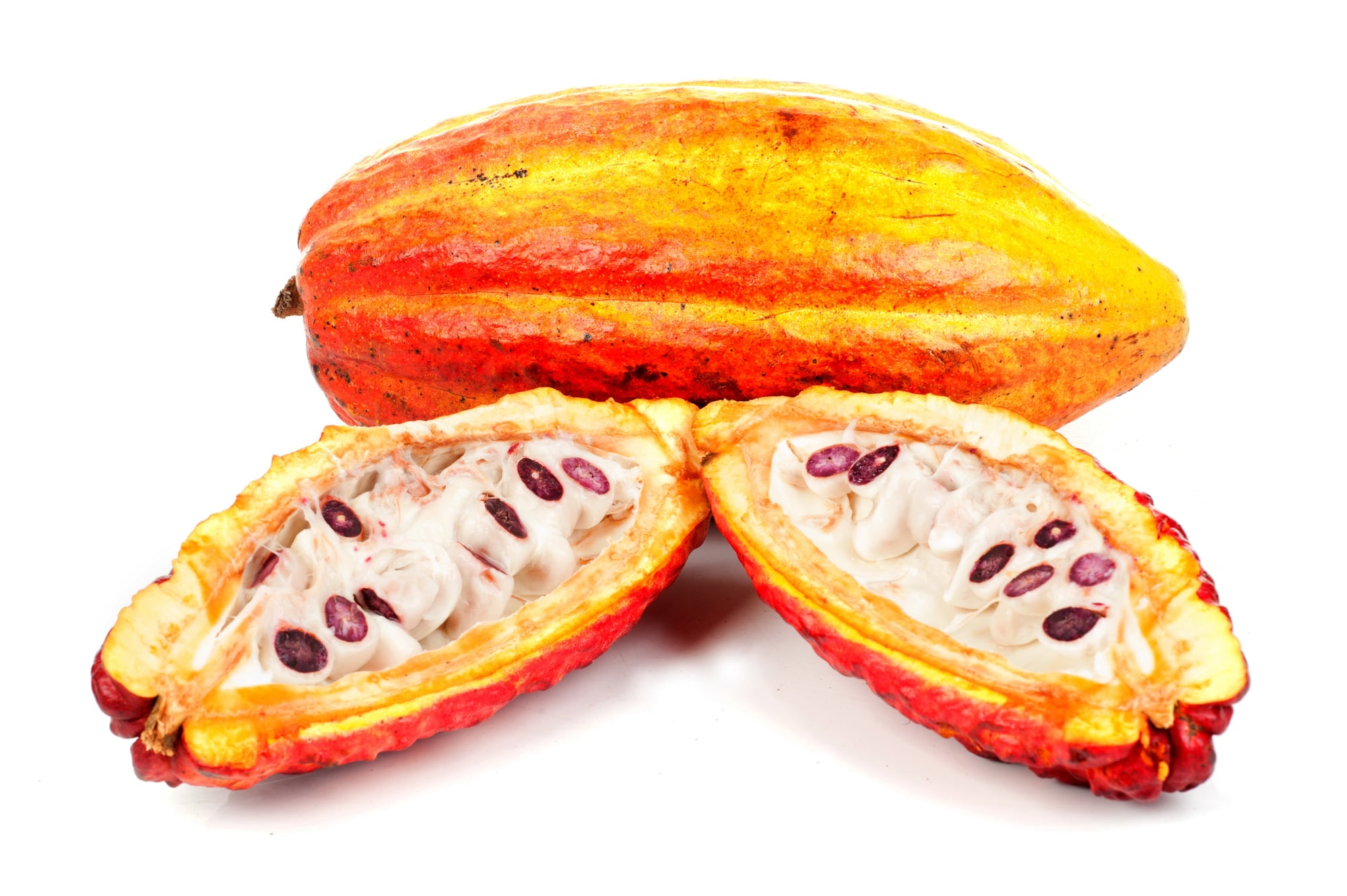
The white, slippery pulp surrounding cacao beans inside the cacao pod is sweet and tropical-tasting — somewhere between lychee and passion fruit — and in parts of Ecuador and Peru it’s drunk as juice or eaten fresh directly from the pod. The global chocolate industry scoops out the beans for fermentation and leaves the pulp behind, fermenting or rotting on the ground at cacao farms, treated as an unavoidable byproduct.
There’s an entire juice sitting there, and most of the world doesn’t know it exists.
Lamb Brain
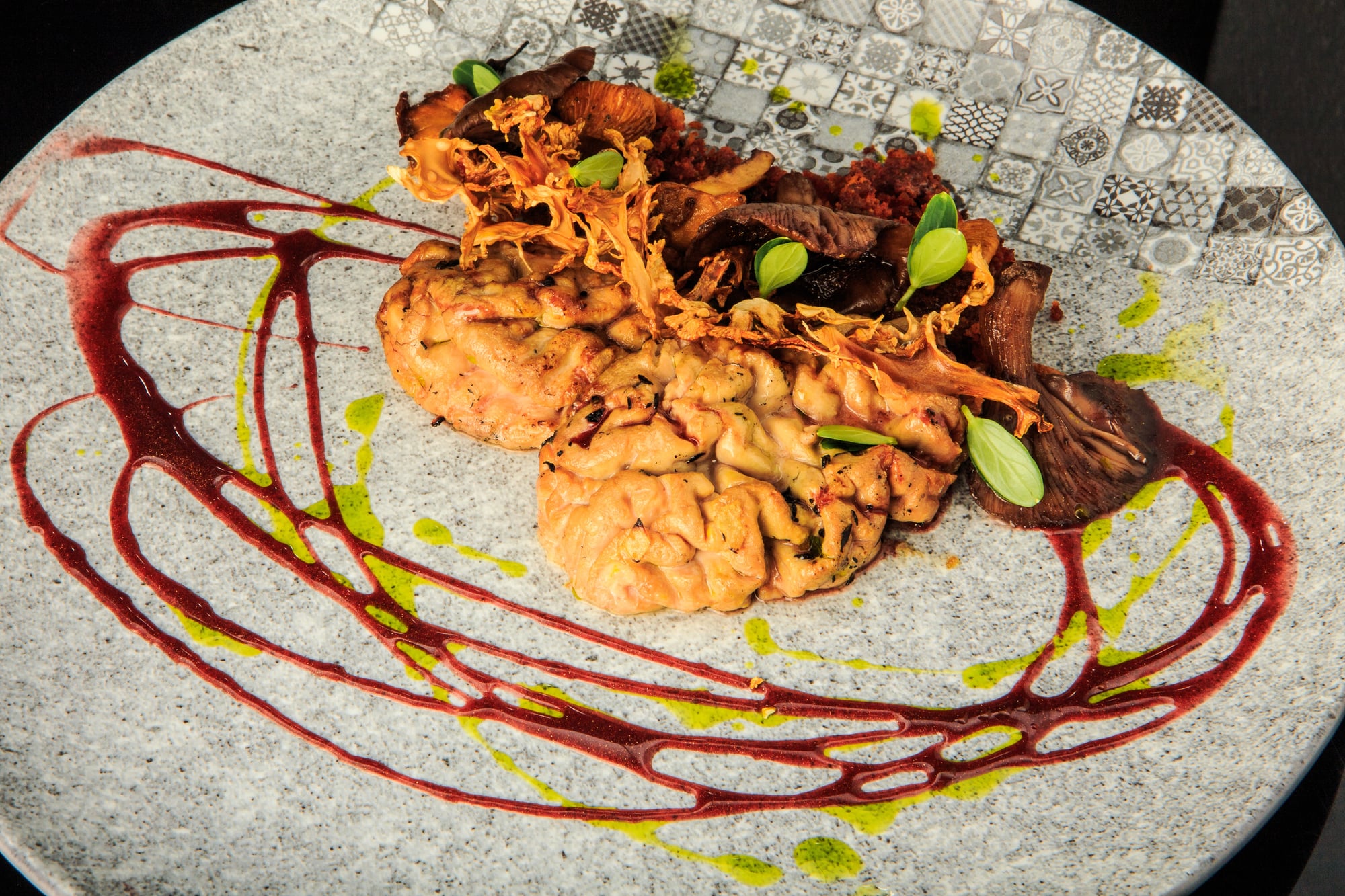
In Morocco, lamb brain is cooked in charmoula — a spiced marinade of cumin, paprika, and preserved lemon — grilled or pan-fried, and eaten with flatbread as something between street food and a Sunday treat. In the United States, beef and lamb brains were a normal part of cooking before BSE (mad cow disease) concerns in the 1990s and 2000s led the USDA and FDA to designate brain and spinal cord from cattle over 30 months old as “specified risk material,” restricted from the human food supply; what remains is largely inaccessible to the average consumer.
A texture often described as silky, a flavor often described as mild — and the vast majority of Americans will never encounter either.
Silkworm Pupae
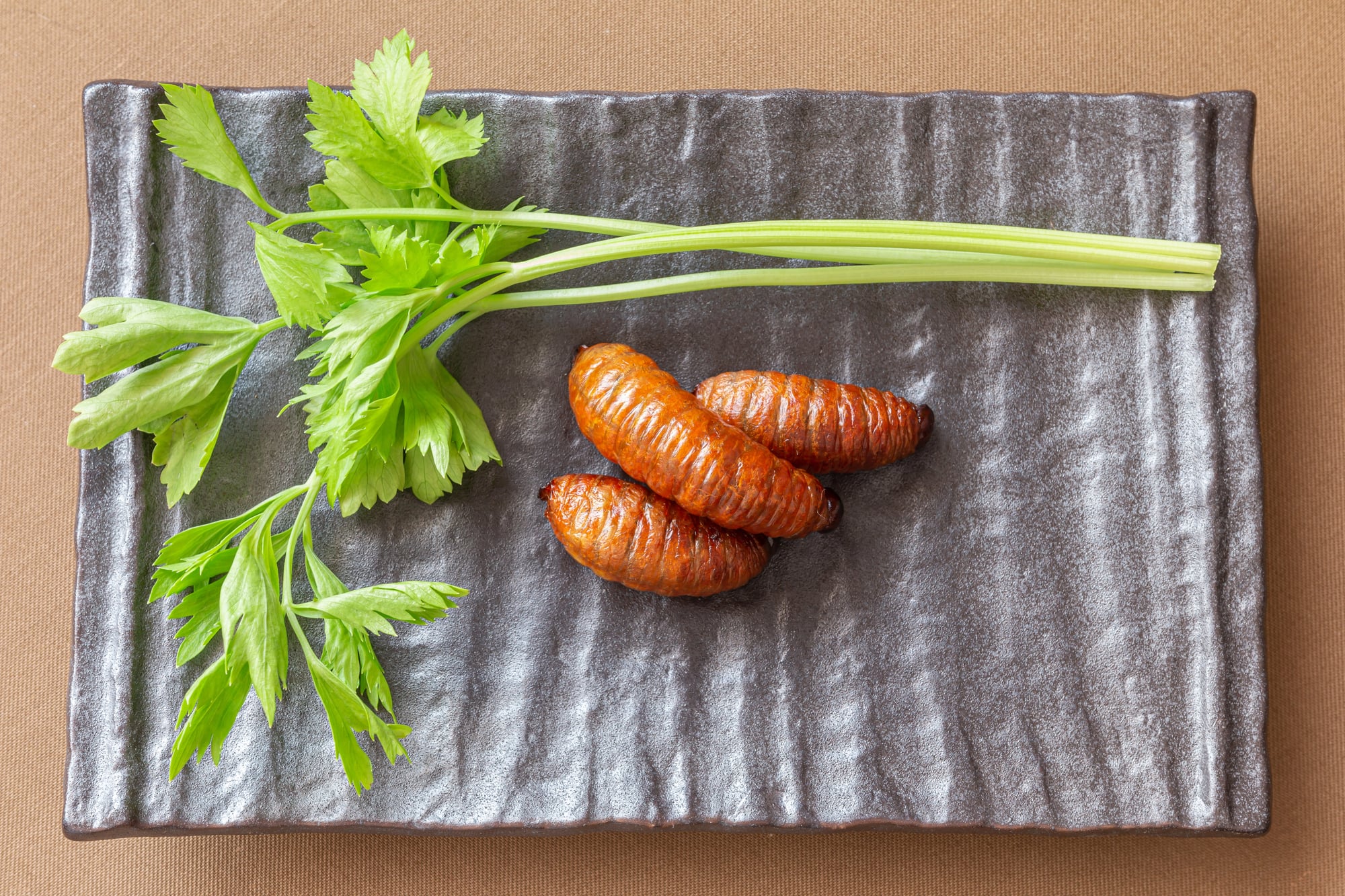
Beondegi — silkworm pupae — are sold from street carts in South Korea, served in paper cups and eaten as a snack the way popcorn gets eaten at a movie theater: casually, without ceremony. The pupae are a byproduct of the silk industry, which means they’re already being produced in enormous quantities for a completely different purpose; eating them is the most logical use of what would otherwise be agricultural waste.
In Western countries, the silk industry discards the pupae, and the idea of eating an insect of any kind remains, for most consumers, somewhere between novel and impossible.
Chicken Liver
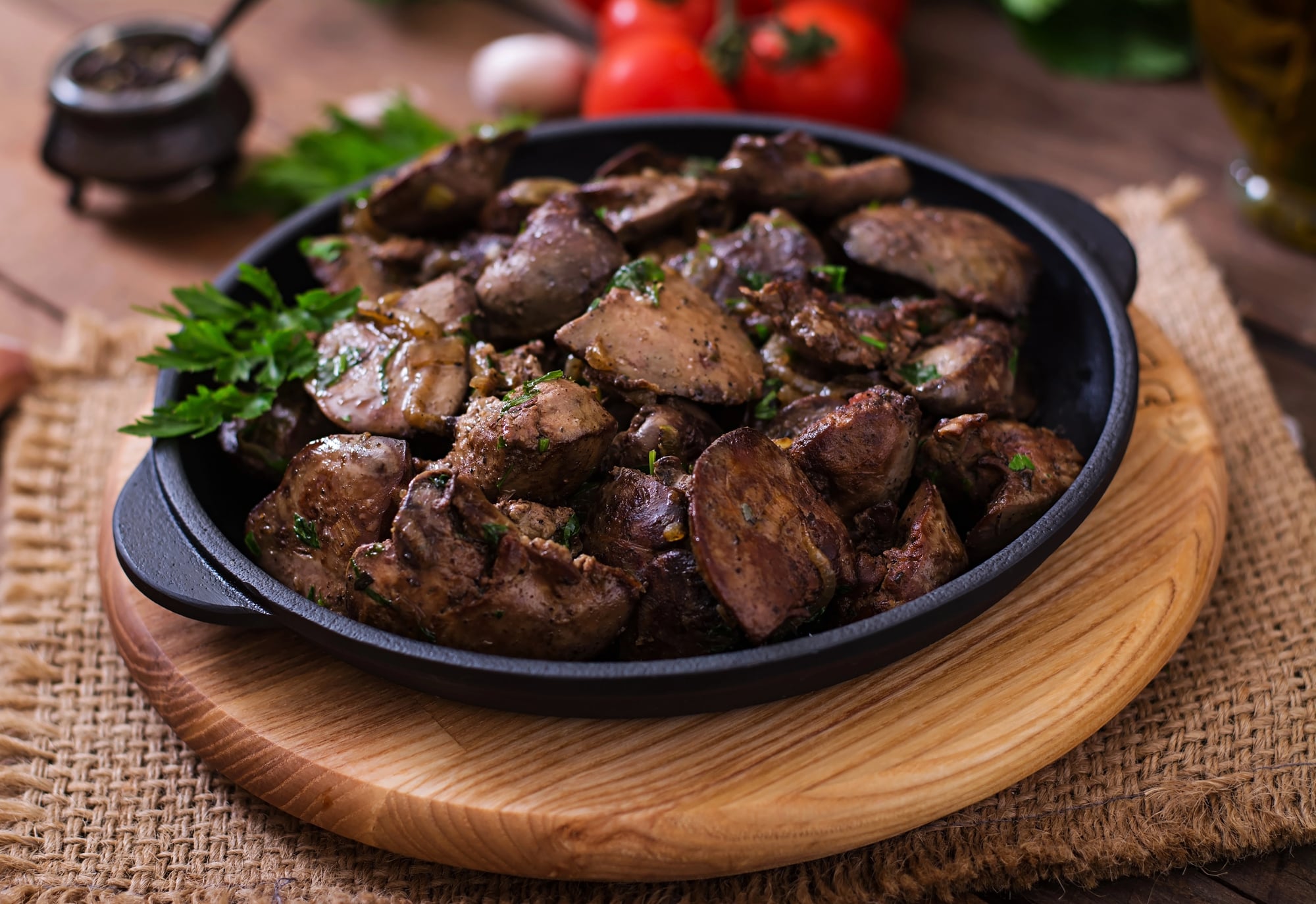
Chicken liver pâté in France is not a fancy restaurant thing — it’s a spread you make at home, put on toast, and eat before dinner without much fuss. In the United States, chicken livers are available but largely ignored; some Southern fried chicken traditions use them, a small number of home cooks know what to do with them, and the rest are processed into pet food.
The French approach to liver is unapologetic and deeply practical, which is the only sensible approach to an ingredient that’s cheap, nutritious, and good.
Jute Leaves
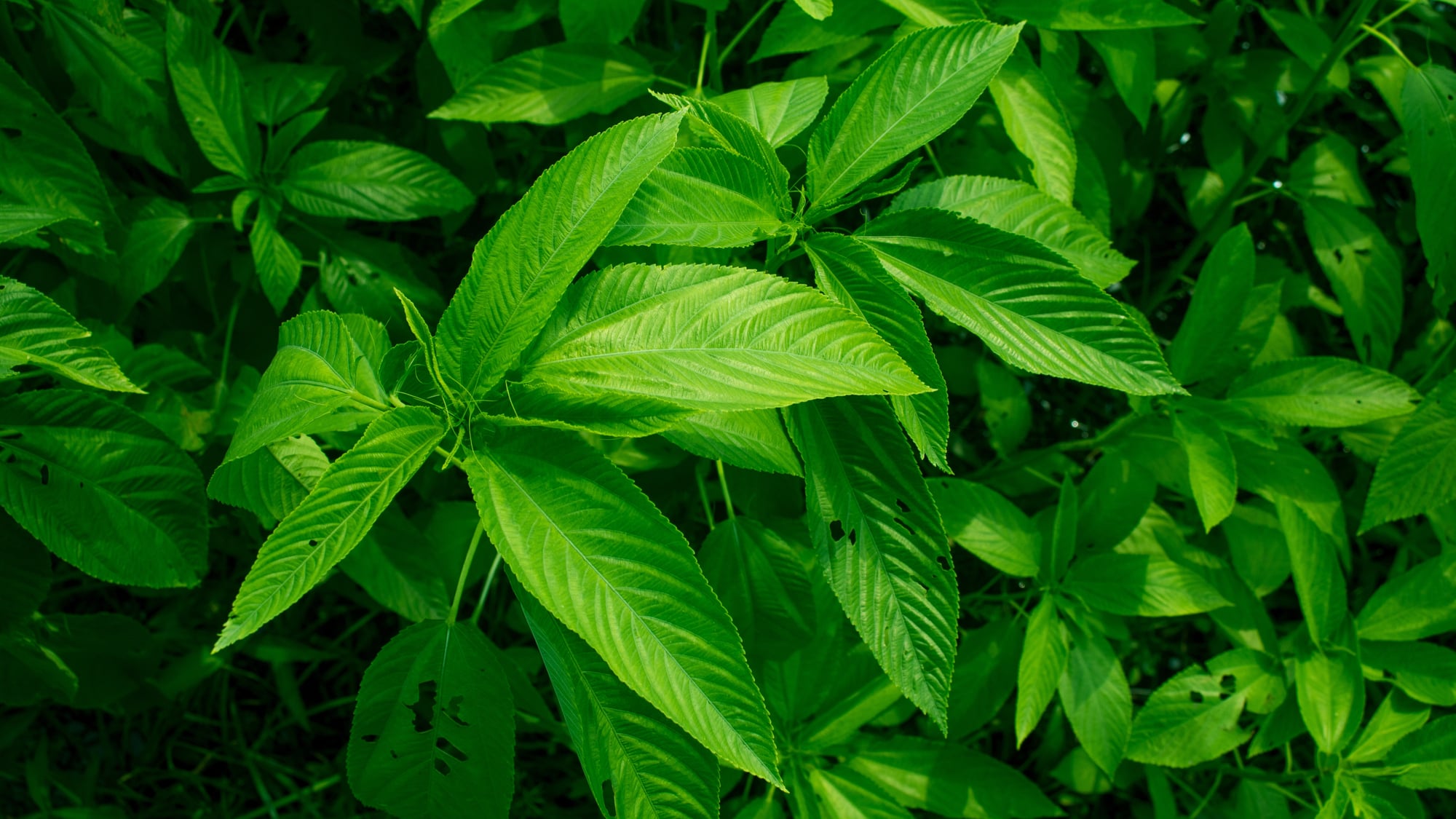
Molokhia — a soup or stew made from jute leaves — is a daily staple in Egypt, eaten with rice or bread, cooked with garlic and coriander until the leaves break down into a thick, slightly viscous broth. Jute is grown globally and primarily harvested for its fiber, used to make burlap sacks and rope; the leaves are stripped and discarded as an agricultural byproduct in most of the world’s jute-producing regions.
Egypt knew what to do with them centuries ago.
Pumpkin Seeds
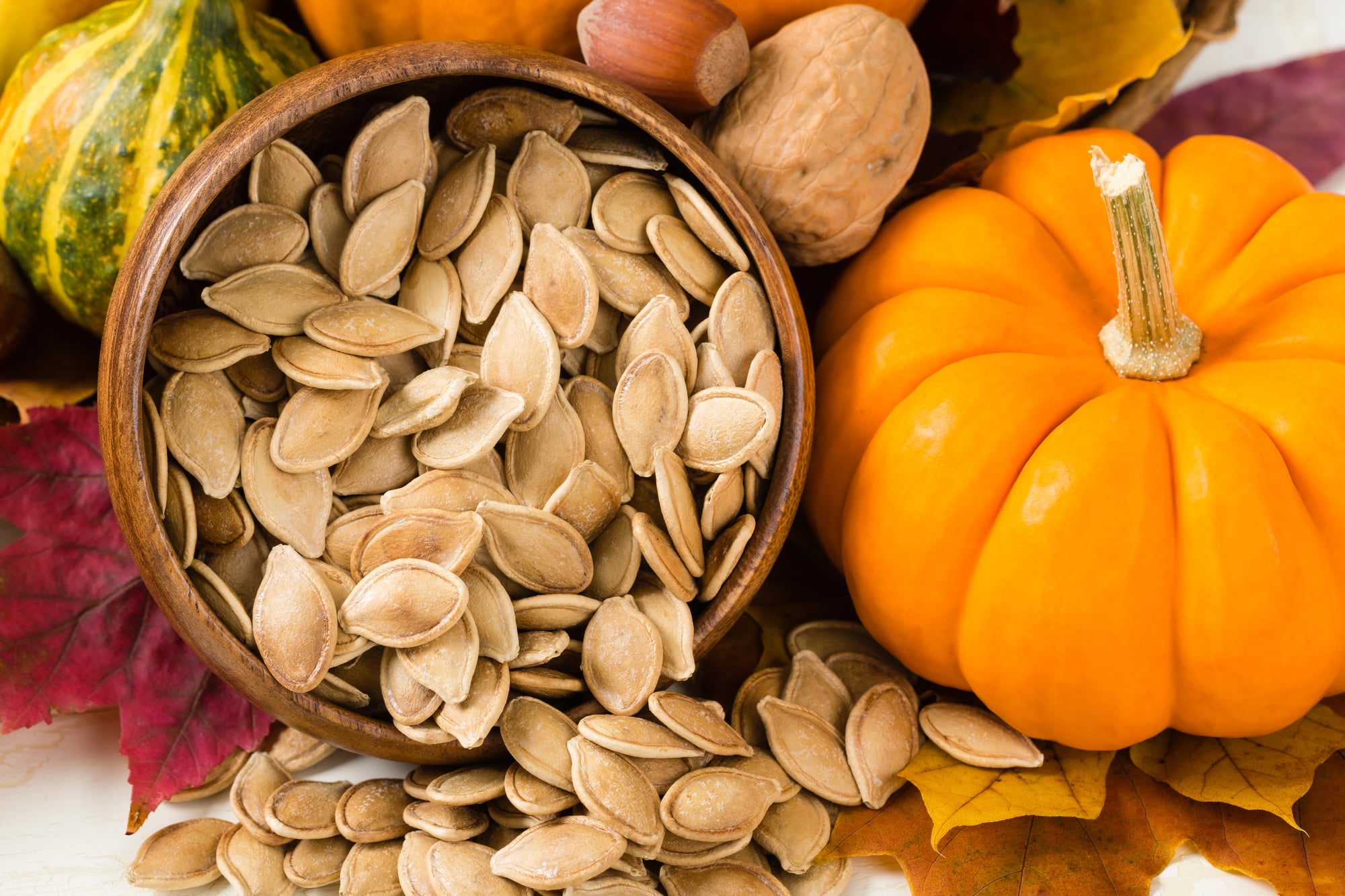
In Mexico, pepitas — hulled pumpkin seeds, toasted and salted or ground into mole sauces — are a pantry staple with pre-Columbian roots, used in everything from salads to the complex sauce that defines certain regional cuisines. In the United States, pumpkin seeds are scooped out of jack-o’-lanterns and thrown away by the tens of millions every October.
Some households roast them. Most don’t.
Jellyfish
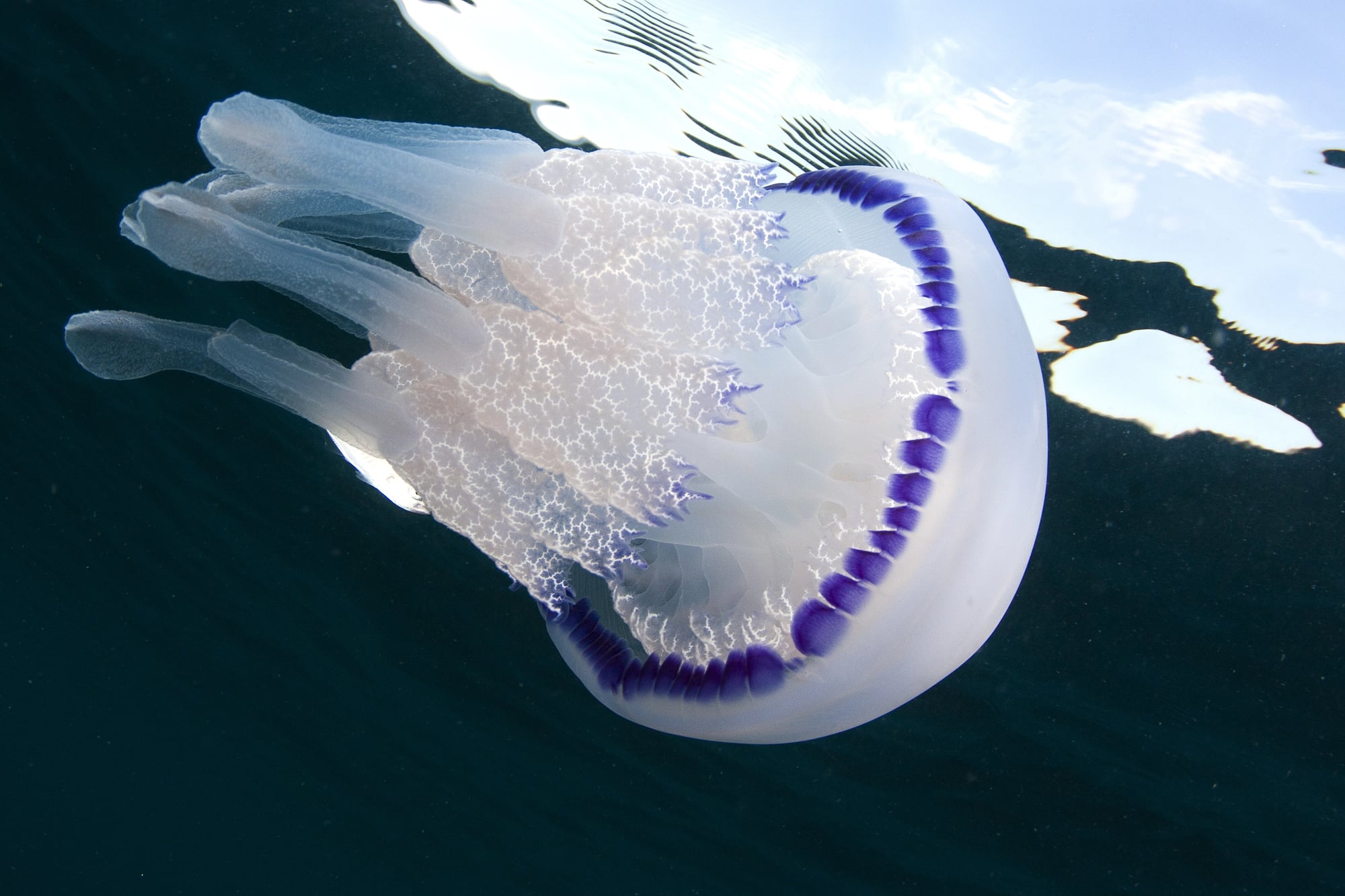
Jellyfish has been eaten in China and Japan for over a thousand years — dried, rehydrated, sliced thin, and dressed with sesame oil and rice vinegar — the texture crunchy in a way that’s almost impossible to describe to someone who hasn’t encountered it. In the Mediterranean, jellyfish blooms are considered a seasonal disaster, treated as a hazard to swimmers and fishing nets, cleared away or simply avoided.
The same animal, the same ocean, two completely opposite reactions.
Beef Tongue
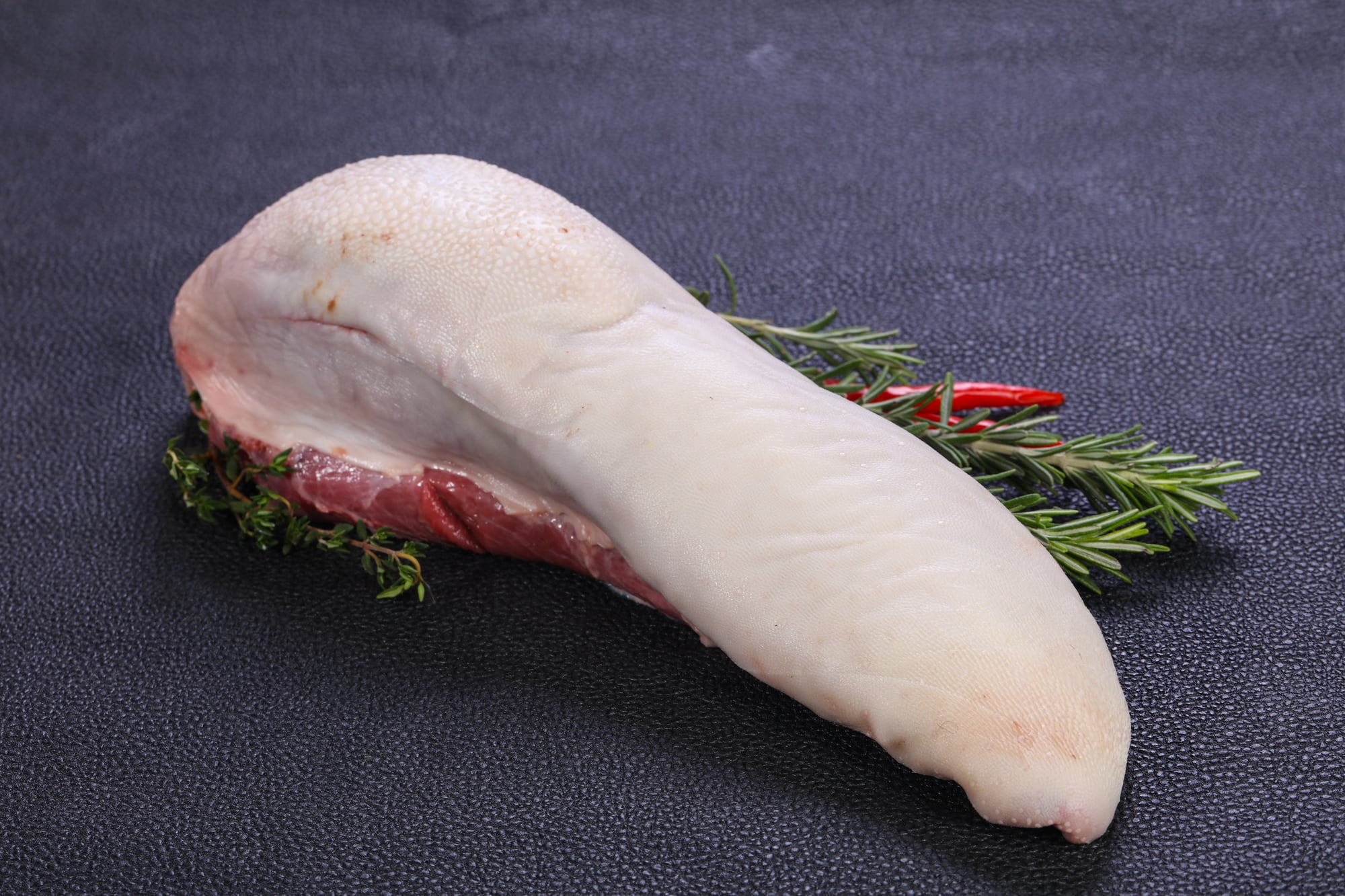
Lengua tacos are a staple of Mexican street food — beef tongue braised for hours until tender, then diced and served on warm corn tortillas with salsa and onion — and the flavor is richer and more nuanced than any other beef cut. In the United States, beef tongues are available at some butcher shops, but they account for a fraction of a fraction of consumer beef purchases; most are exported to Japan and Mexico.
Americans discard or export one of the best parts of the animal and then wonder why certain cuts are expensive.
Corn Silk
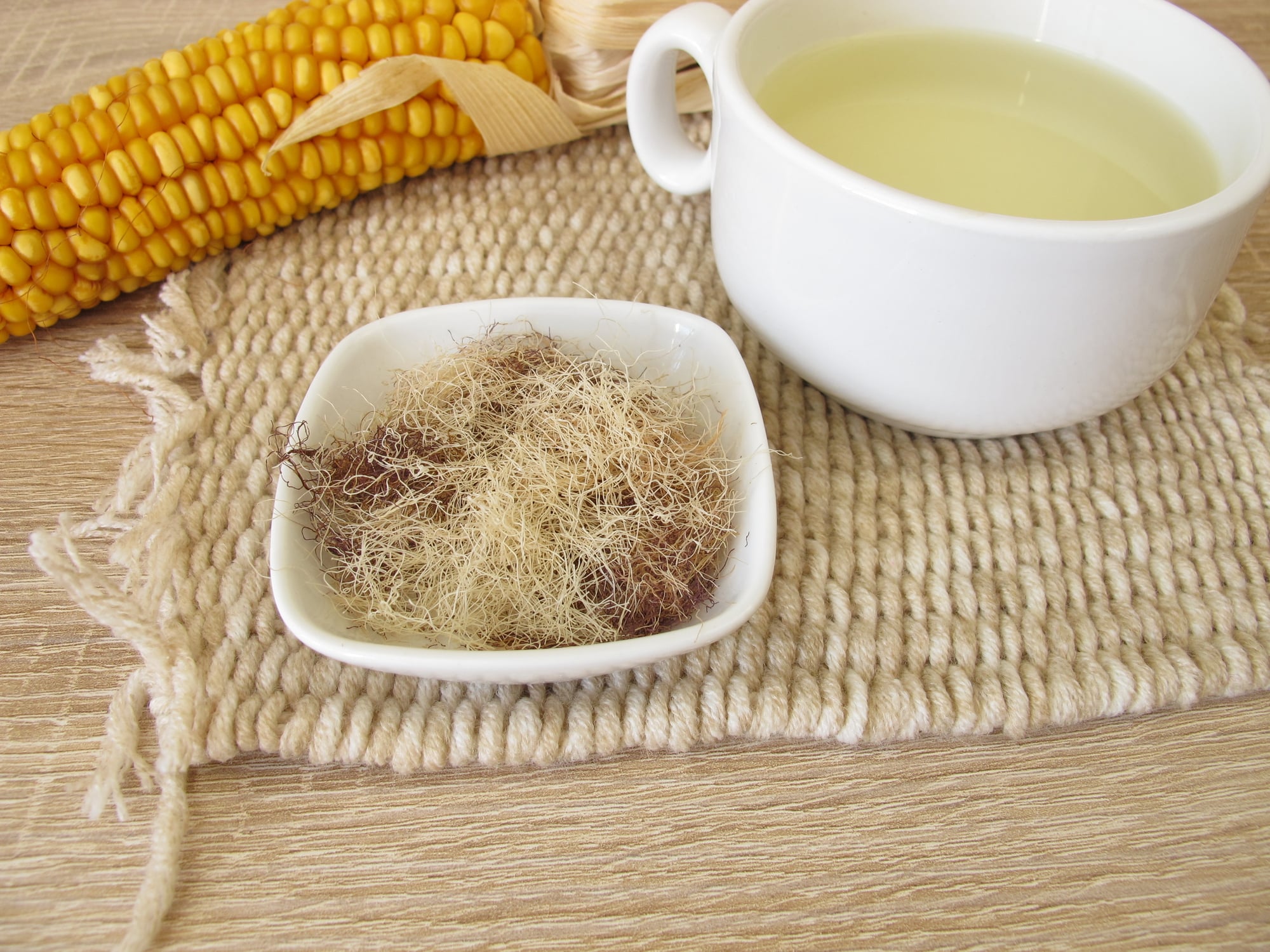
The silky threads that cling to an ear of corn — the part everyone pulls off and throws in the bin — are brewed into tea in parts of China and Southeast Asia, where corn silk has been used medicinally and as a beverage for centuries. It’s mild, faintly sweet, and requires nothing but hot water.
Every summer in the United States, millions of ears of corn are shucked, the silk discarded without a thought, while the part everyone actually wanted — the corn itself — gets eaten in thirty seconds.
Duck Blood
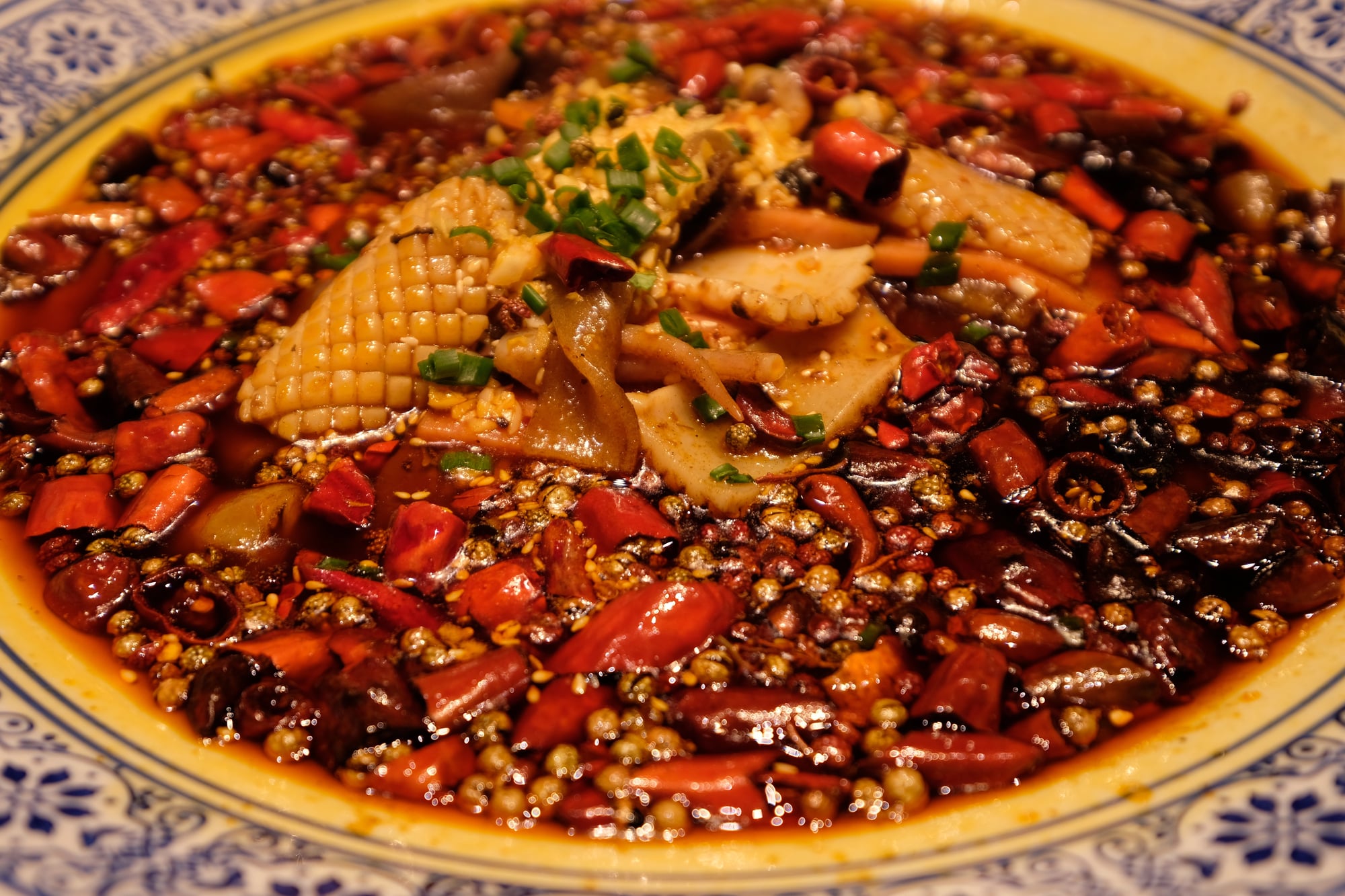
Duck blood tofu — set duck blood, sliced into cubes and cooked in hotpot broth or added to noodle soups — is a common and affordable ingredient in China, Taiwan, and parts of Vietnam, prized for its silky texture and iron-rich depth. In the United States, duck blood is discarded during processing; there’s no retail market for it, no infrastructure for selling it, and most consumers have never considered it as something that might be on a menu.
It’s quiet food, easy food, just not here.
Hawthorn Berries
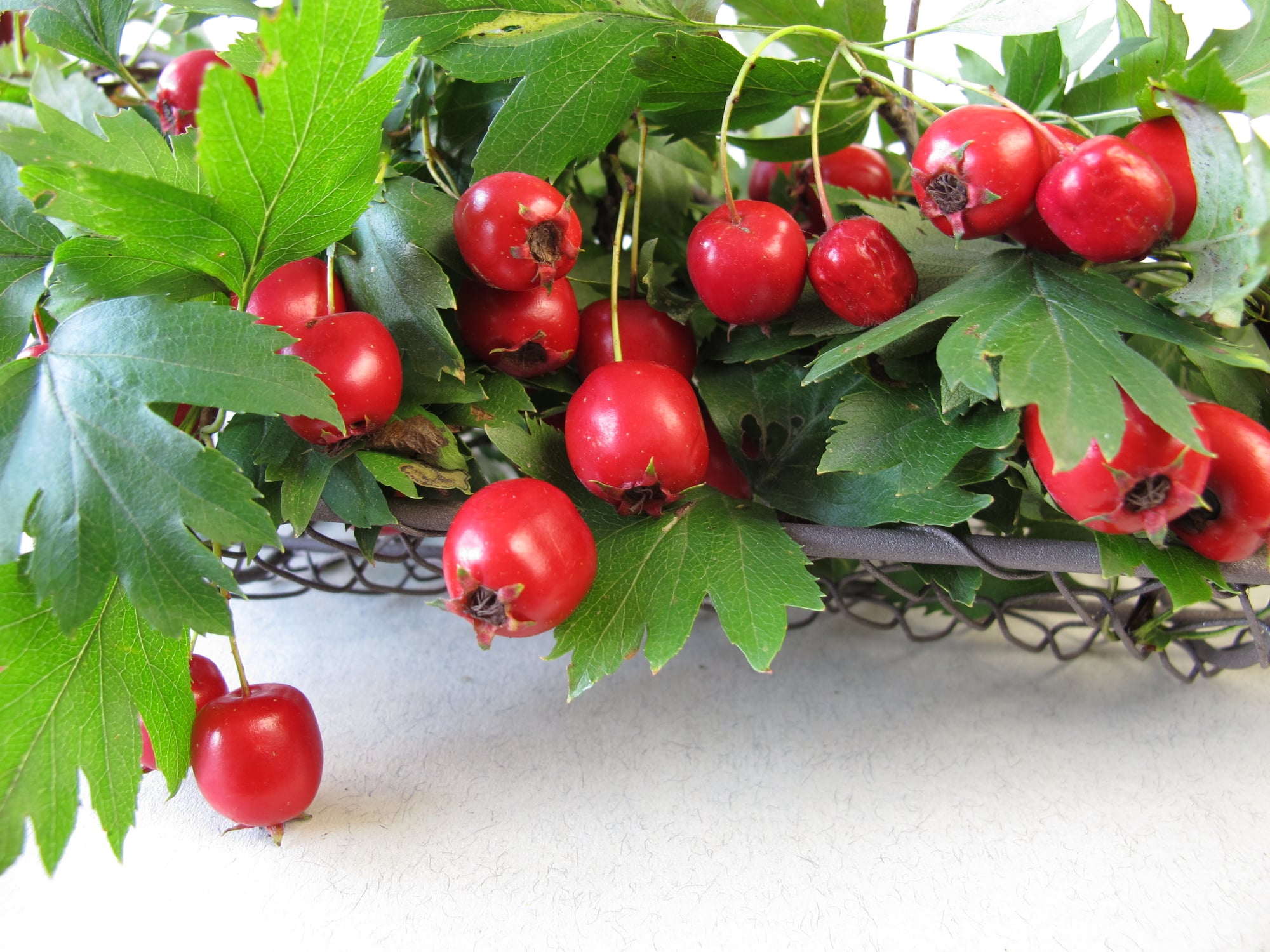
Tanghulu — fresh hawthorn berries coated in a hard, crackling sugar shell — is one of the most recognized street foods in northern China, sold on wooden skewers from vendors outside temples and markets, the crunch of the sugar against the sour berry making it almost aggressively satisfying. Hawthorn trees grow wild across the Eastern United States, producing berries in autumn that are largely ignored, occasionally eaten by birds, and almost never harvested by people.
The trees are there. The berries are there. Most Americans walk past them without recognition.
Pork Skin
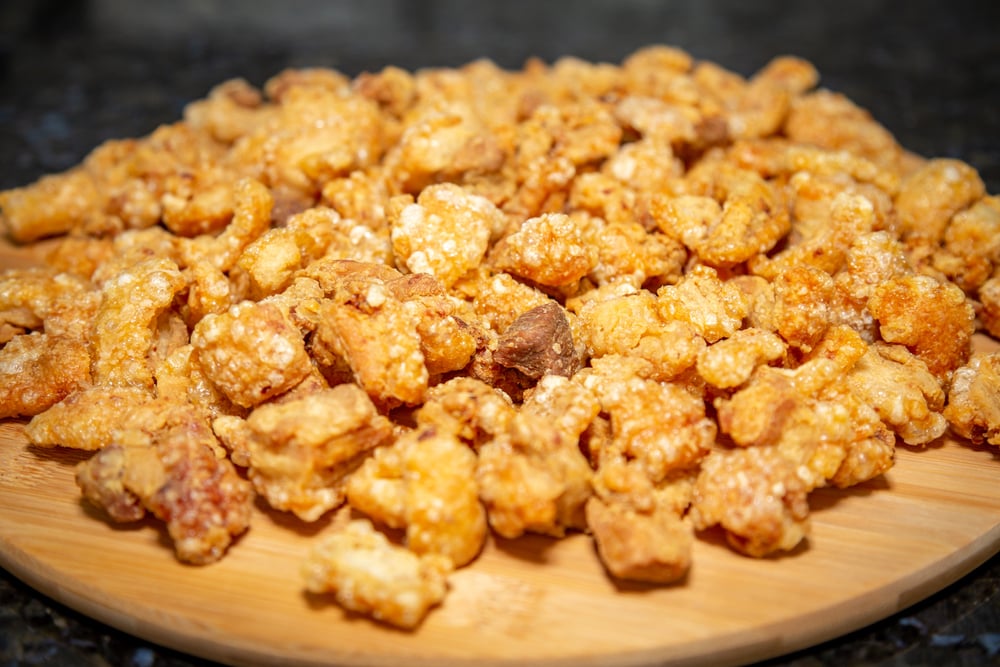
Chicharrón — fried pork skin — is serious food across Latin America and the Philippines, where it’s eaten as a snack, crumbled over beans, or served as a side dish with the same respect given to any other part of the meal. In the United States, pork rinds exist as a gas station snack — present, but treated as junk food rather than the considered, culturally rooted dish it is in the places that actually care about it.
Pork skin that doesn’t get fried and eaten with intention gets trimmed during processing and rendered into other products, which is a quieter fate for an ingredient that, done right, is genuinely worth the attention.
The Plate Looks Different From Each Side of the Table
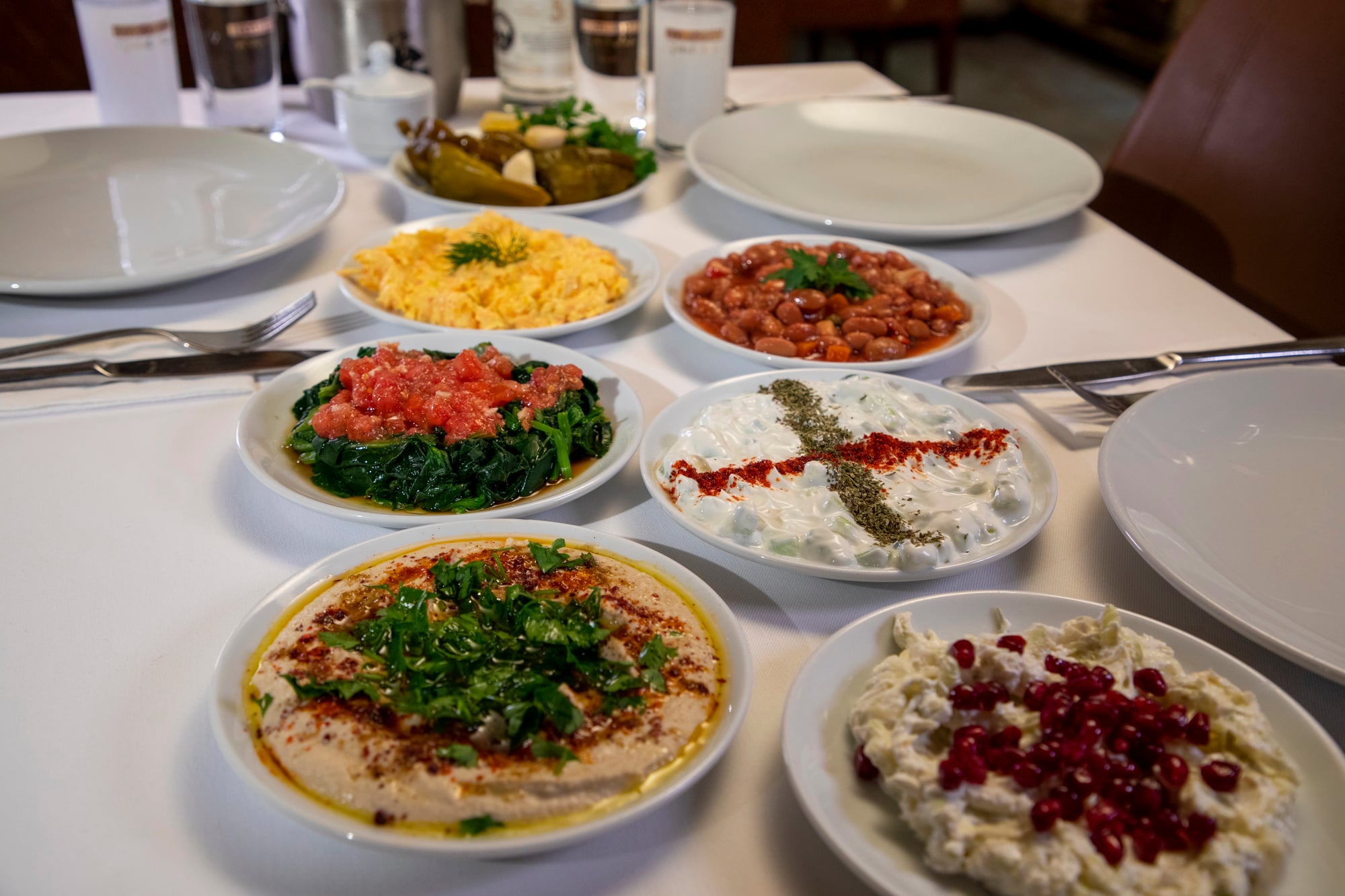
None of the foods on this list are inherently strange. What changes from country to country isn’t the ingredient — it’s the inherited knowledge of what to do with it, passed down specifically enough that a chicken foot looks like dinner to one grandmother and garbage to another.
Waste, it turns out, is mostly a failure of imagination rather than a fact about the food itself.
The deeper pattern here is economic as much as cultural: scarcity tends to produce ingenuity, and abundance tends to produce carelessness. Cultures that historically had less to work with developed techniques for using the whole animal, the whole plant, the whole harvest, because nothing could be spared.
Wealthier countries, with surplus and convenience built into the food system, lost the incentive to bother — and along with it, lost the recipes, the techniques, and eventually the appetite. The ingredient never disappeared. The reason to use it well is what got thrown away.
More from Go2Tutors!

- The Romanov Crown Jewels and Their Tragic Fate
- 13 Historical Mysteries That Science Still Can’t Solve
- Famous Hoaxes That Fooled the World for Years
- 15 Child Stars with Tragic Adult Lives
- 16 Famous Jewelry Pieces in History
Like Go2Tutors’s content? Follow us on MSN.



