15 Design Choices That Secretly Change the Way You Shop
The next time you walk into a store or browse online, take a moment to notice your surroundings. None of the layout, colors, or even the music playing in the background is accidental. Retailers have been studying consumer psychology for decades, using subtle design elements to guide your purchasing decisions without you even realizing it.
Here is a list of 15 design choices that retailers use to influence how you shop and what you buy.
Strategic Store Layouts
Most stores are designed with a counterclockwise layout because research shows that most shoppers naturally drift to the right when entering. This simple directional choice keeps you in the store longer and exposes you to more products.
Department stores often place cosmetics and fragrances near entrances, creating sensory experiences that transition you from the outside world into a shopping mindset.
The Decompression Zone
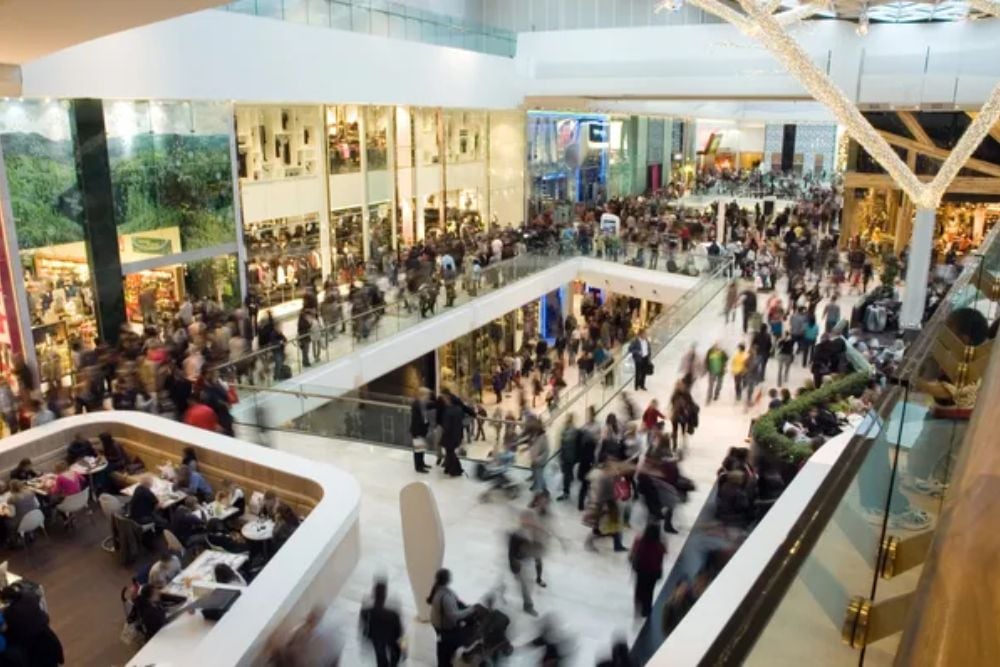
Ever notice that area just inside the entrance of a store that seems a bit empty? Retailers call this the ‘decompression zone’, a space designed to slow you down and help you transition from the outside world.
This 10-15 foot area gives your brain time to adjust to new lighting, temperature, and surroundings, making you more receptive to what’s ahead when you’re fully ‘decompressed.’
Eye-Level Positioning
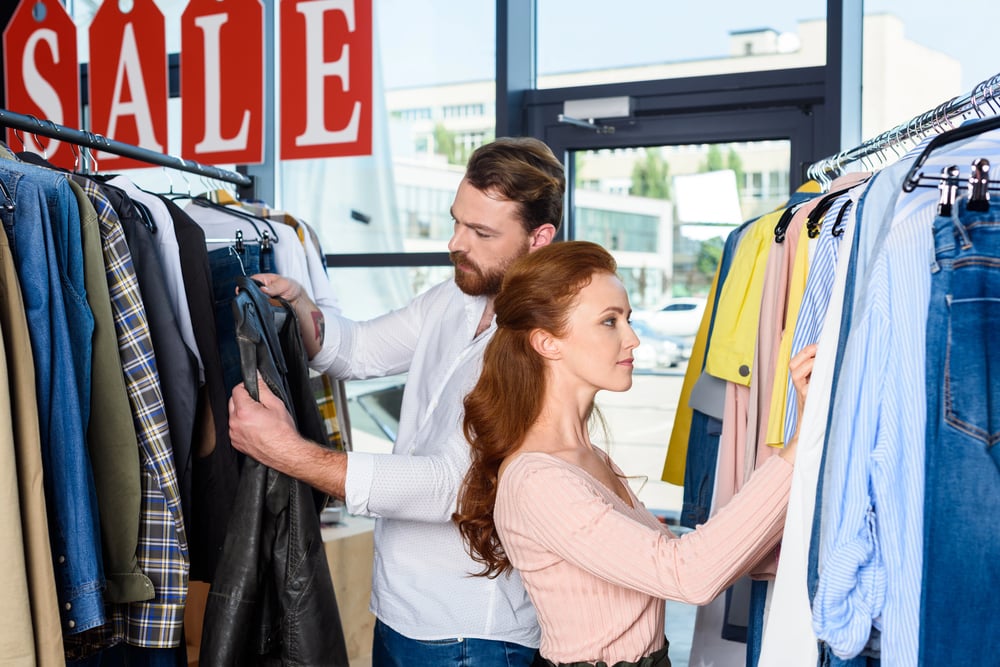
Products with higher profit margins that are positioned at eye level are usually the ones that retailers want you to purchase. Store brands and less expensive options are frequently positioned on lower shelves, where you have to stoop to see them.
Products for children are positioned at eye level, around three feet off the ground, giving them “pester power” when they see something they want.
End Cap Displays
Those prominent displays at the ends of aisles called end caps, are prime retail real estate. While they often appear to showcase special deals, they’re actually carefully calculated placement zones that can increase product sales by up to 30%.
Brands pay substantial premiums for these spots because shoppers naturally slow down at aisle intersections, creating more opportunity for impulse purchases.
Wandering Pathways
IKEA perfected the meandering store layout that forces shoppers to walk through the entire store. Unlike traditional retailers with straight aisles, this ‘forced wandering’ approach exposes shoppers to more merchandise than they would see if they could take a direct path to what they need.
The average IKEA shopper walks nearly a mile during their shopping trip, encountering countless opportunities for unplanned purchases.
Touch-Friendly Displays
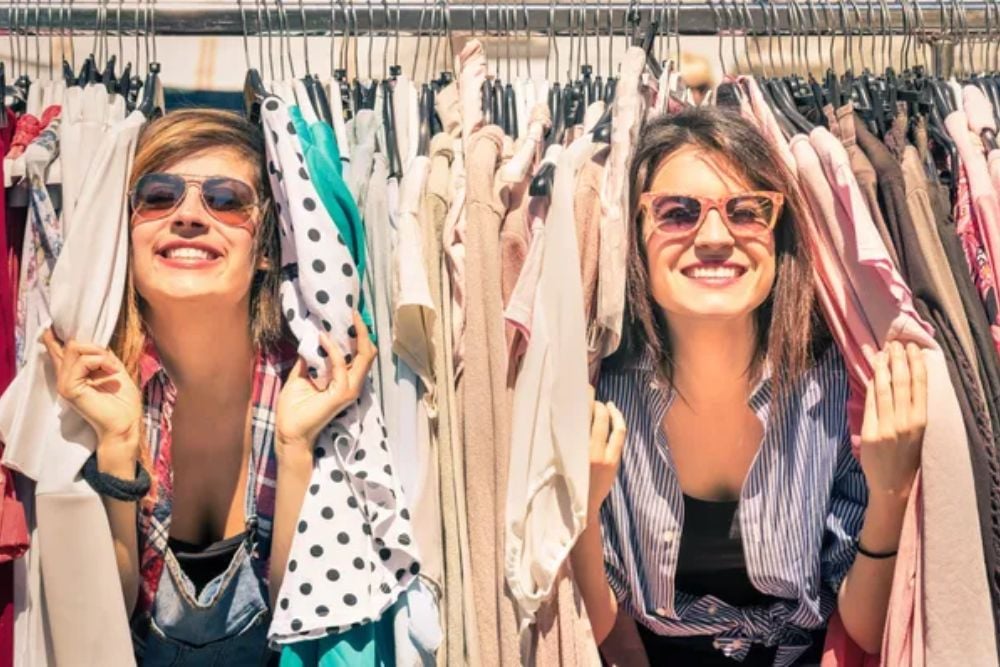
Retailers know that physical contact with products creates a sense of ownership that makes you more likely to buy. This ‘endowment effect’ is why Apple stores have completely open displays, encouraging you to pick up and play with expensive devices.
The longer you hold an item, the stronger your connection becomes, and the harder it is to put it back on the shelf.
Scent Marketing
The smell of freshly baked cookies in a supermarket isn’t an accident. Scent marketing uses specific aromas to trigger emotions and memories that make you more inclined to purchase.
Cinnabon strategically places ovens near the front of their stores to waft that irresistible cinnamon smell into common areas. Hotels, retailers, and even car dealerships now have signature scents designed to keep you comfortable and buying.
Strategic Color Choices
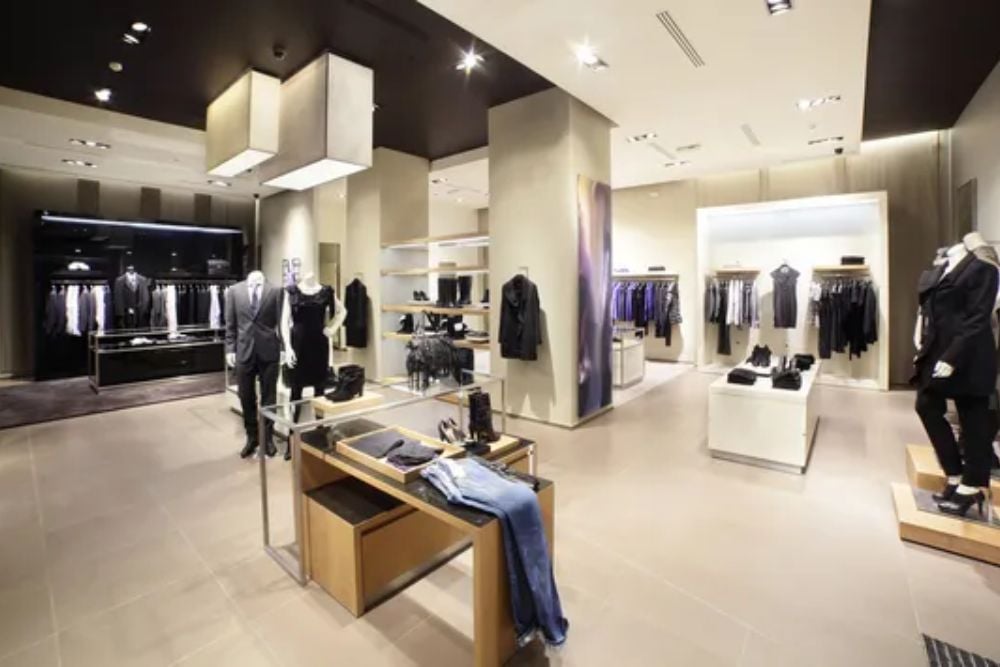
Retailers use color psychology extensively in their designs. Red creates urgency and is often used for clearance sales, while blue evokes trust and is common in banks and insurance offices.
Fast food chains frequently use red and yellow because these colors have been shown to stimulate appetite and create feelings of happiness. Luxury brands tend toward muted tones that convey exclusivity and sophistication.
Optimized Checkout Areas
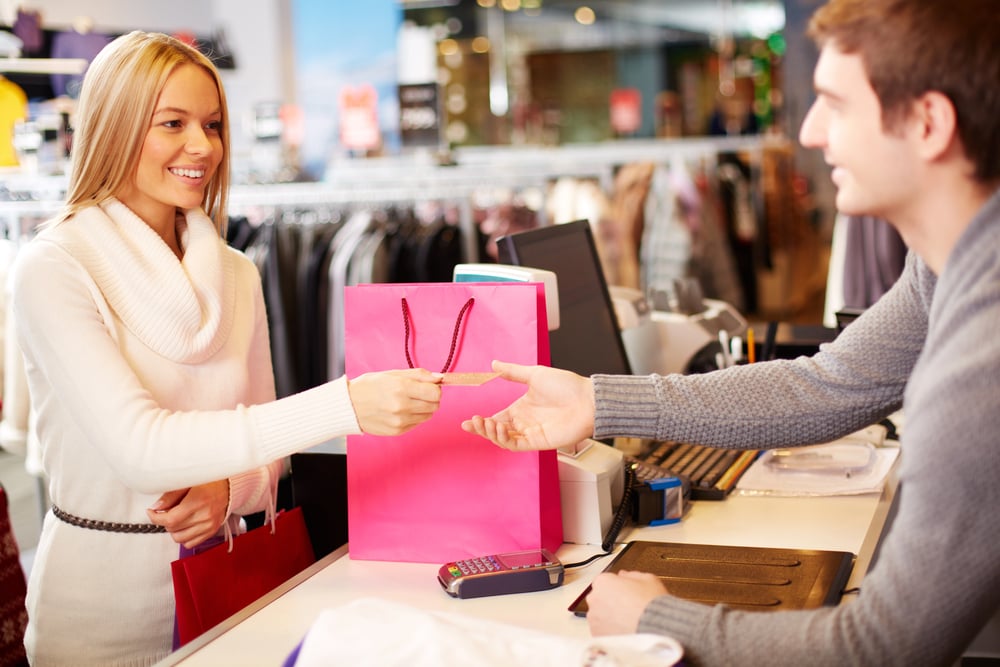
The checkout area is designed to maximize last-minute impulse buys. Those small, inexpensive items placed along the checkout line, known in the industry as ‘queue merchandising’, are high-margin products you didn’t know you wanted until you saw them.
This is why you’ll find magazines, candy, and small gadgets in these areas, easy to grab while you’re already committed to making a purchase.
Music and Tempo Control
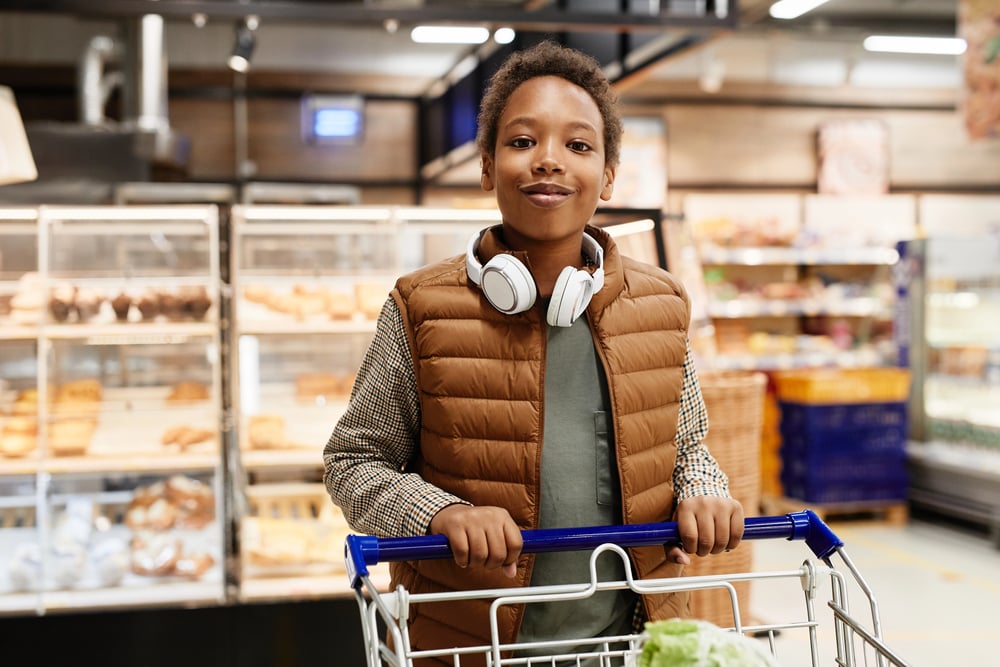
The background music in stores is carefully selected to influence your shopping pace. Slow, relaxing music encourages shoppers to take their time and browse more extensively.
Studies show that shoppers spend an average of 38% more time in stores with slow-tempo music compared to fast-tempo tunes. Luxury stores often play classical music to reinforce their upscale brand identity.
Limited-Time Offers

The phrases “while supplies last” and “limited time only” appeal directly to your fear of missing out. The sense of urgency created by this false scarcity has the power to overrule logical decision-making.
Even when there is actually a lot of stock available behind the scenes, retailers regularly switch up these offers to maintain the impression of scarcity.
Oversized Shopping Carts
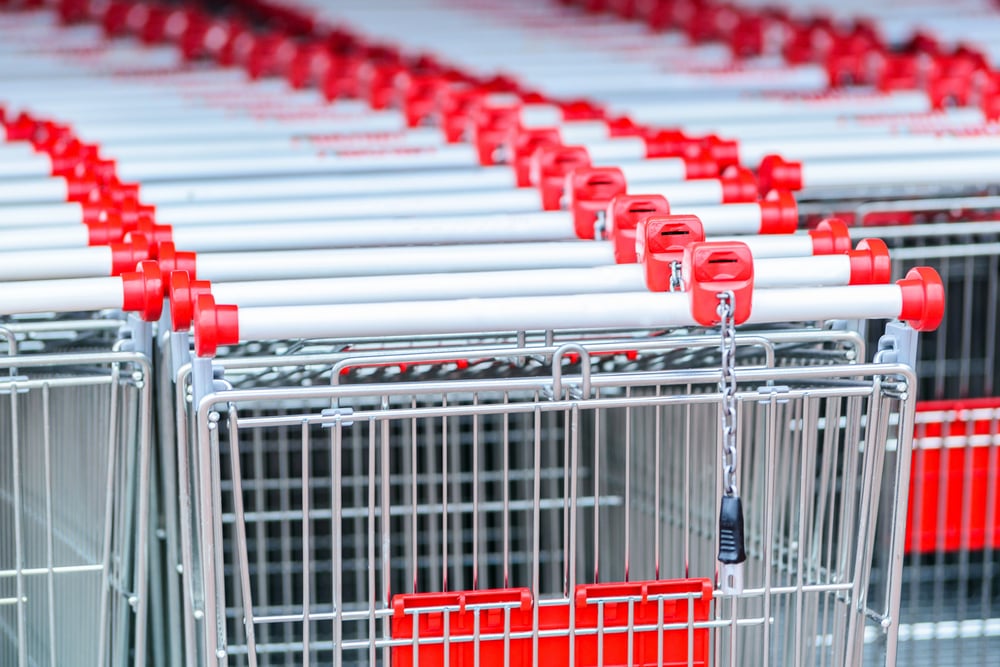
Shopping carts have grown nearly three times larger since their introduction in the 1930s. This isn’t because we’re buying more groceries, it’s because retailers know that larger carts create a psychological need to fill empty space.
A half-empty cart can make shoppers feel like they haven’t bought enough, leading them to add more items than they initially planned.
Price Ending Tactics

The ubiquitous $19.99 price tag (instead of $20) works because we read from left to right, with the first digit making a disproportionate impression. This ‘left-digit effect’ makes the price feel significantly lower, even though the difference is just a penny.
Studies show that switching from round numbers to 99-cent endings can increase sales by up to 24% for the same exact product.
Mobile-Friendly Design Elements
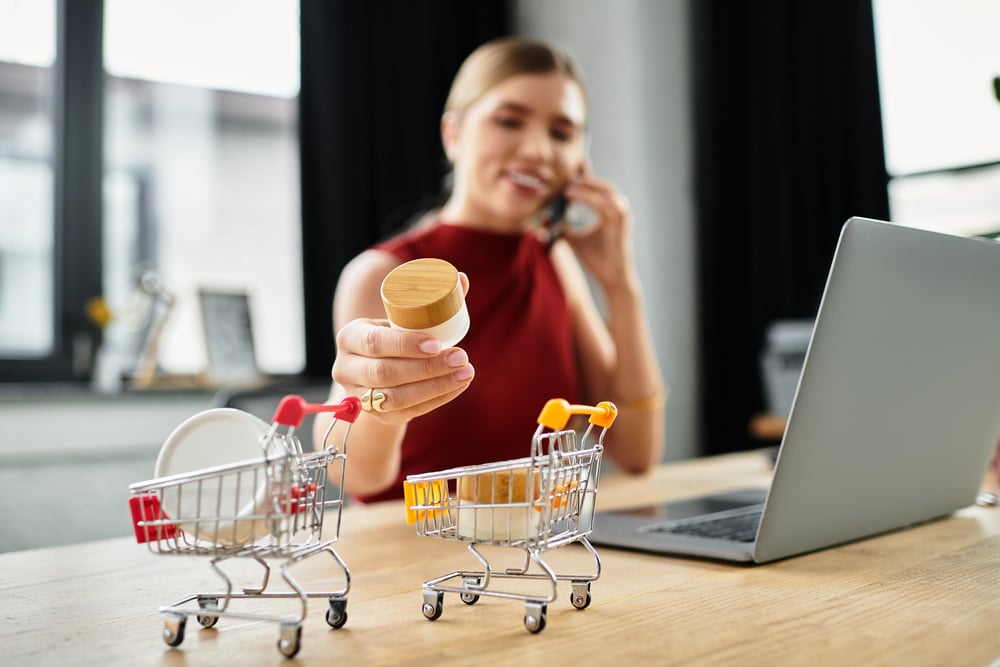
Online retailers design their mobile experiences with psychological triggers in mind. The endless scroll feature pioneered by social media has been adopted by e-commerce sites because it keeps products continuously appearing, removing natural stopping points.
One-click purchasing options reduce ‘friction’ in the buying process, making it dangerously easy to complete purchases with minimal thought.
Ambient Temperature Control
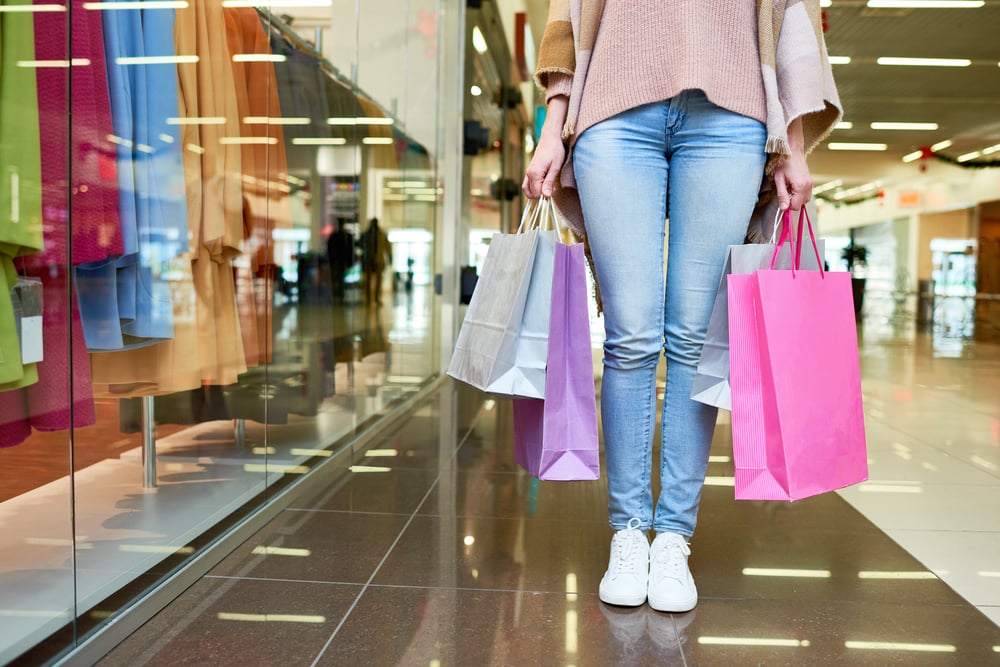
The temperature inside retail spaces is carefully regulated to keep you shopping longer. Department stores maintain cooler temperatures in women’s departments (where browsing is common) and warmer temperatures in men’s sections (where shopping tends to be more targeted).
Too hot or too cold, and shoppers rush through their experience; just right, and they’ll linger, examining more merchandise.
The Science Behind the Shopping Experience
These design choices represent just the tip of the retail psychology iceberg. As technology advances, retailers continue to refine these techniques with eye-tracking studies, heat maps of store movement, and even facial recognition to gauge emotional responses to products.
The next time you find yourself with more items in your cart than you planned, remember that your shopping experience was engineered long before you walked through the door.
More from Go2Tutors!

- The Romanov Crown Jewels and Their Tragic Fate
- 13 Historical Mysteries That Science Still Can’t Solve
- Famous Hoaxes That Fooled the World for Years
- 15 Child Stars with Tragic Adult Lives
- 16 Famous Jewelry Pieces in History
Like Go2Tutors’s content? Follow us on MSN.