16 Ancient Beauty Routines That Sound Impossible
Back then, looking a certain way mattered just as much as it does now. Surprising, really – how much pain some endured for beauty.
Whole groups stuck to habits we’d call wild nowadays. Imagine doing something risky each day because everyone else did too.
It wasn’t fringe behavior; it was normal life for countless folks across time. Strange what counts as ordinary shifts with the years.
Funny how far folks went just to feel good about their looks. Here’s a peek at some old routines that shaped beauty habits.
Crocodile Dung Face Masks

Crocodile dung, thought ancient Egyptian women, could renew aging skin. Out by the riverbanks, they’d gather the sun-baked droppings.
Blended with wet clay and Nile water, a thick goop formed slowly. Over their cheeks and foreheads, layer after messy layer went on.
Hours passed while the mask hardened under the hot air. Pores tightened, so they believed, lines faded like footprints in sand.
Today’s researchers see no proof behind such claims. Still, back then, rich families handed over heavy coins just to get newly collected scat from croc pens along the banks.
Lead-Based Face Powder

Pale skin meant riches, so Roman and Greek women chased it fiercely. A chalky paste from white lead coated their cheeks, arms, backs – anywhere sun might touch.
Slowly, the poison crept in, stealing strength, thinning hair, weakening organs. Death came early for some, still they kept painting themselves.
Centuries passed without change, all because whiteness stood above all else.
Belladonna Eye Drops

Pupils wide like dark moons – that was the dream. To get it, some reached for a certain berry juice.
Into the eye went the liquid, pressed drop by drop. Belladonna, they called the plant. Pretty lady, in old words.
Dangerous though. Sight would swim, daylight burned, yet still they used it. Blindness crept near, ignored each morning.
Beauty had its price, paid without asking.
Arsenic Complexion Wafers
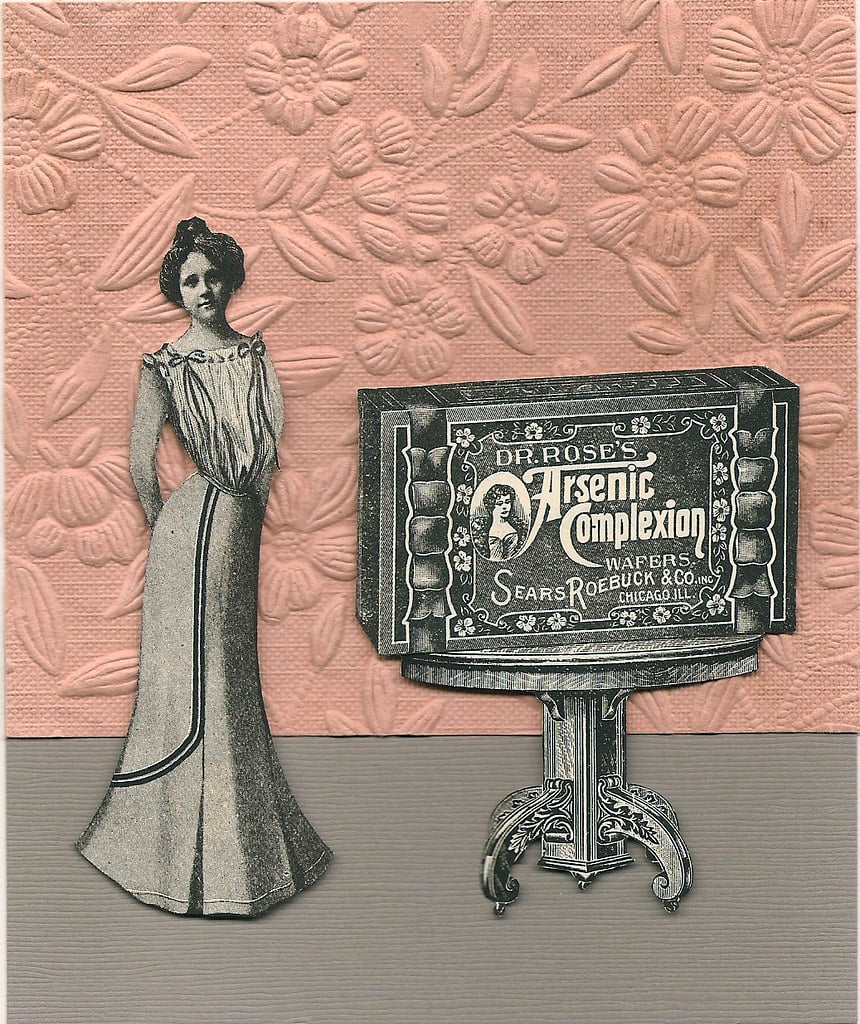
From within, some Victorian women chased paleness by swallowing tiny bits of arsenic. Sold like ordinary remedies, these thin wafers appeared on shelves in drugstores throughout Europe and America.
Blood grew thinner from the poison, making skin seem delicate, nearly see-through. Shaking hands and upset digestion crept in over time, yet death arrived slowly for many who kept using them.
Beauty ads never mentioned danger – just soft looks and elegance. Pale faces came at a cost hidden beneath glowing promises.
Bloodletting For Rosy Cheeks
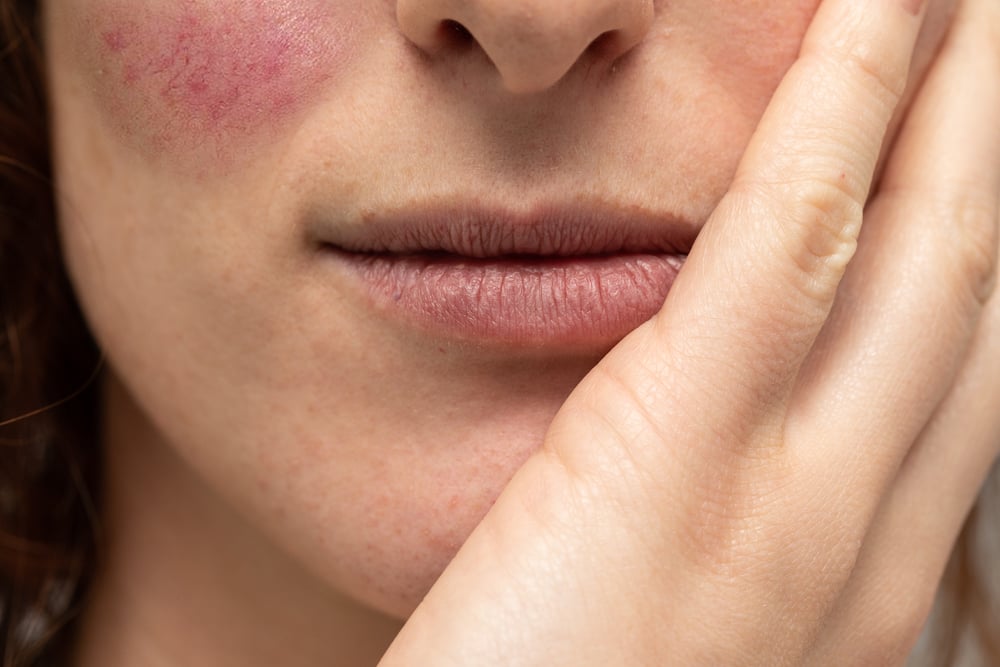
Some medieval women in Europe chased radiance by clearing out what they called bad blood. Veins along the arm were sliced open – often by barbers – or creatures like leeches did the draining work instead.
Afterward, skin turned pale for a short time, which many felt made blush return stronger later. Though this habit damaged natural defenses and opened doors to sickness, handbooks on beauty still pushed it once every month.
Mercury In Skincare

Ancient Chinese and Arab beauty treatments included mercury compounds to treat blemishes and achieve lighter skin. Women applied mercury-laced creams and ointments daily, absorbing the toxic metal through their skin.
Mercury causes severe neurological damage, kidney failure, and birth defects. Despite these horrible side effects, the practice spread across Asia and the Middle East, lasting well into the 20th century in some regions.
Nightingale Droppings Facial
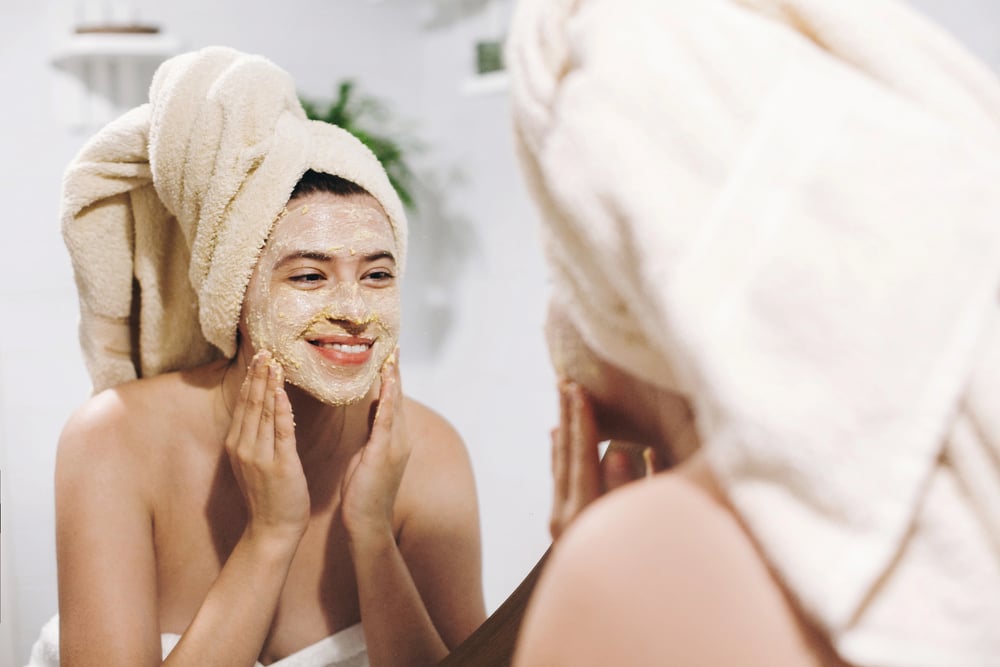
Japanese geishas used nightingale waste as an exfoliating facial treatment. The droppings were dried, ground into powder, and mixed with water to create a paste.
This mixture was massaged into the skin to remove heavy white makeup and supposedly brighten the complexion. While less dangerous than some ancient beauty treatments, the idea of rubbing bird droppings on your face still seems pretty extreme.
Urine Hair Rinse
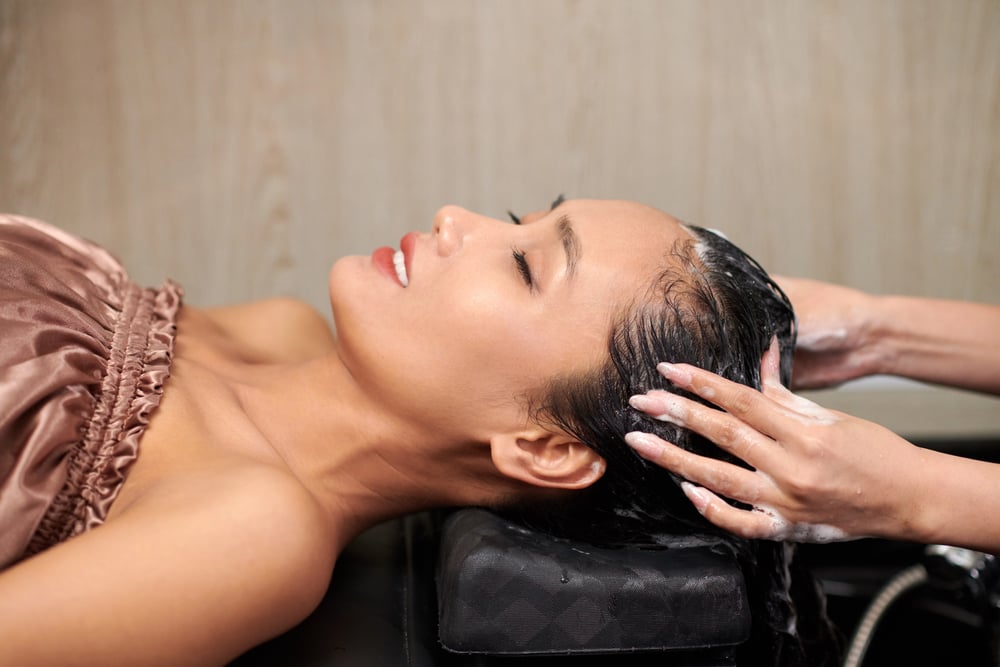
Ancient Romans used aged urine as a hair treatment to lighten and strengthen their locks. The ammonia in decomposed urine acted as a bleaching and cleaning agent.
Women would collect urine, let it sit for weeks, then work it through their hair like shampoo. The smell must have been unbearable, but blonde hair was highly prized in Roman society, making the discomfort worthwhile to many.
Tape Worms For Weight Loss

Women in the Victorian era and early 1900s swallowed pills containing tape worm eggs to lose weight. The parasites would grow inside their intestines, absorbing nutrients and causing dramatic weight loss.
This practice led to severe malnutrition, intestinal blockages, and sometimes death. Pills were advertised openly with promises of eating whatever you want while staying slim, conveniently leaving out the part about hosting parasites in your gut.
Bear Grease Pomade

Native American and European colonists used rendered bear fat to style and condition their hair. Hunters would kill bears, render the fat, and sell it as a premium hair product.
The grease gave hair a slick, shiny appearance and supposedly promoted growth. Men and women alike would coat their heads in animal fat, which would turn rancid in warm weather and attract flies.
Kohl Eyeliner With Dangerous Metals

Ancient Egyptians, Mesopotamians, and Indians used kohl to line their eyes for both beauty and supposed health benefits. Traditional kohl contained lead, antimony, and other toxic metals ground into a fine powder.
People believed it protected against eye diseases and evil spirits. Instead, the heavy metals caused lead poisoning, vision problems, and developmental issues in children who wore it from infancy.
Foot Binding Beauty Standard

Chinese women endured foot binding for over a thousand years to achieve the ideal ‘lotus feet’. Young girls had their toes broken and bound tightly to prevent growth, creating tiny, deformed feet.
The process was incredibly painful and left women barely able to walk. Small feet were considered the ultimate beauty standard for marriage, so families subjected daughters to this practice despite the lifelong disability it caused.
Radioactive Beauty Products

In the early 1900s, companies added radium to face creams, soaps, and cosmetics. Manufacturers claimed radioactive ingredients would give skin a youthful glow and restore vitality.
Women faithfully applied these products, absorbing dangerous levels of radiation. The long-term effects included cancer, bone deterioration, and radiation sickness, but the products remained popular until regulations finally banned them.
Wasp Nest Face Masks
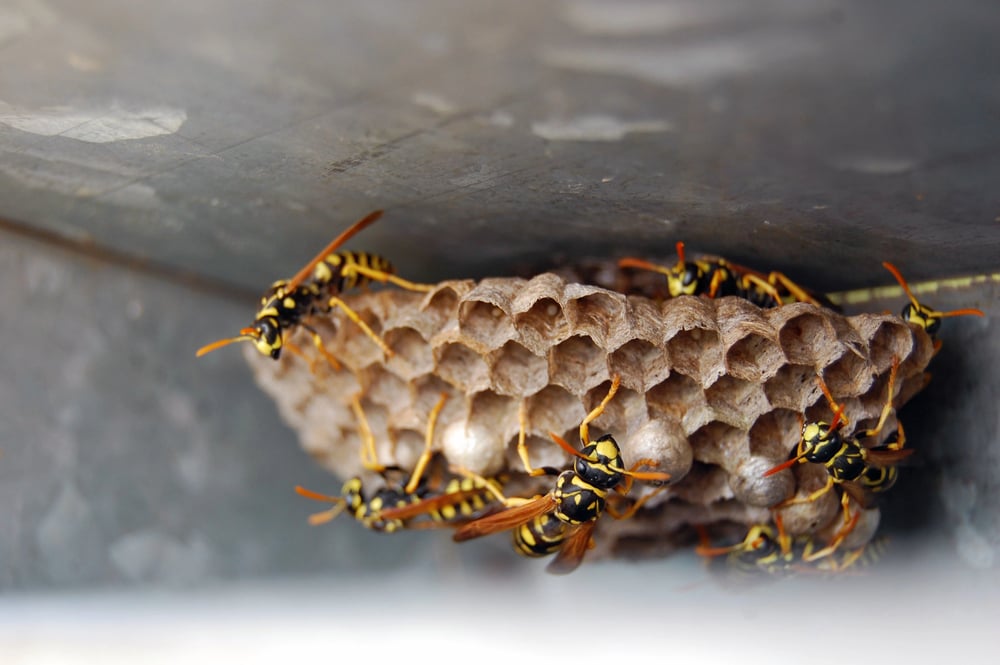
Ancient Greek women crushed wasp nests and mixed them with various oils to create anti-aging face masks. They believed the compounds in wasp nests would tighten skin and reduce wrinkles.
Applying crushed wasp nests to your face risked allergic reactions, stings from any remaining wasps, and skin infections. Still, beauty manuals from ancient Greece recommended this treatment alongside other equally questionable practices.
Leeches For Lip Plumping

European women in the 1800s applied leeches to their lips to make them appear fuller and redder. The bloodsuckers would engorge themselves while creating swelling and redness in the lips.
This painful process lasted only a few hours before the swelling went down. Women repeated it regularly for special occasions, risking infection and scarring each time.
The Price Of Beauty Through Time
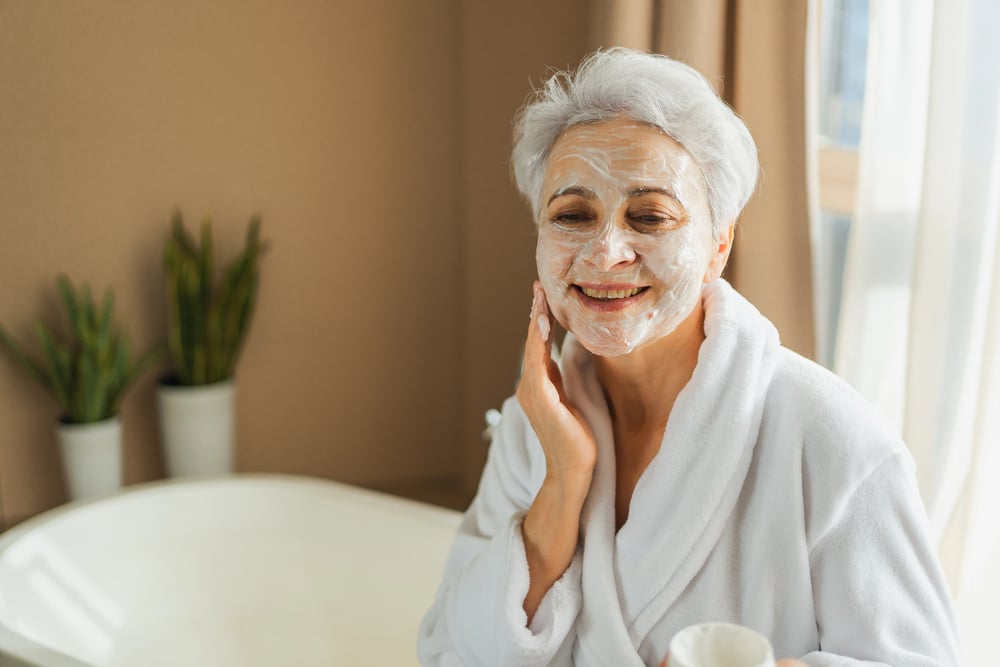
These ancient beauty routines reveal just how much people were willing to sacrifice for appearance throughout history. Many of these practices caused serious harm, yet they persisted for generations because cultural beauty standards held such powerful influence.
Today’s beauty industry still pushes boundaries, though hopefully with better safety standards and scientific understanding. Looking back at these extreme measures makes modern skincare seem pretty tame by comparison, even if we’re still chasing many of the same goals our ancestors were.
More from Go2Tutors!

- The Romanov Crown Jewels and Their Tragic Fate
- 13 Historical Mysteries That Science Still Can’t Solve
- Famous Hoaxes That Fooled the World for Years
- 15 Child Stars with Tragic Adult Lives
- 16 Famous Jewelry Pieces in History
Like Go2Tutors’s content? Follow us on MSN.