Foods That Can Kill You If Not Careful
Most people assume food becomes dangerous only when it spoils. But some ingredients sitting in your kitchen right now can turn deadly with just one wrong move during preparation.
The line between a delicious meal and a hospital visit sometimes comes down to knowing which parts to avoid, how long to cook something, or when to throw it out entirely.
Cassava Root
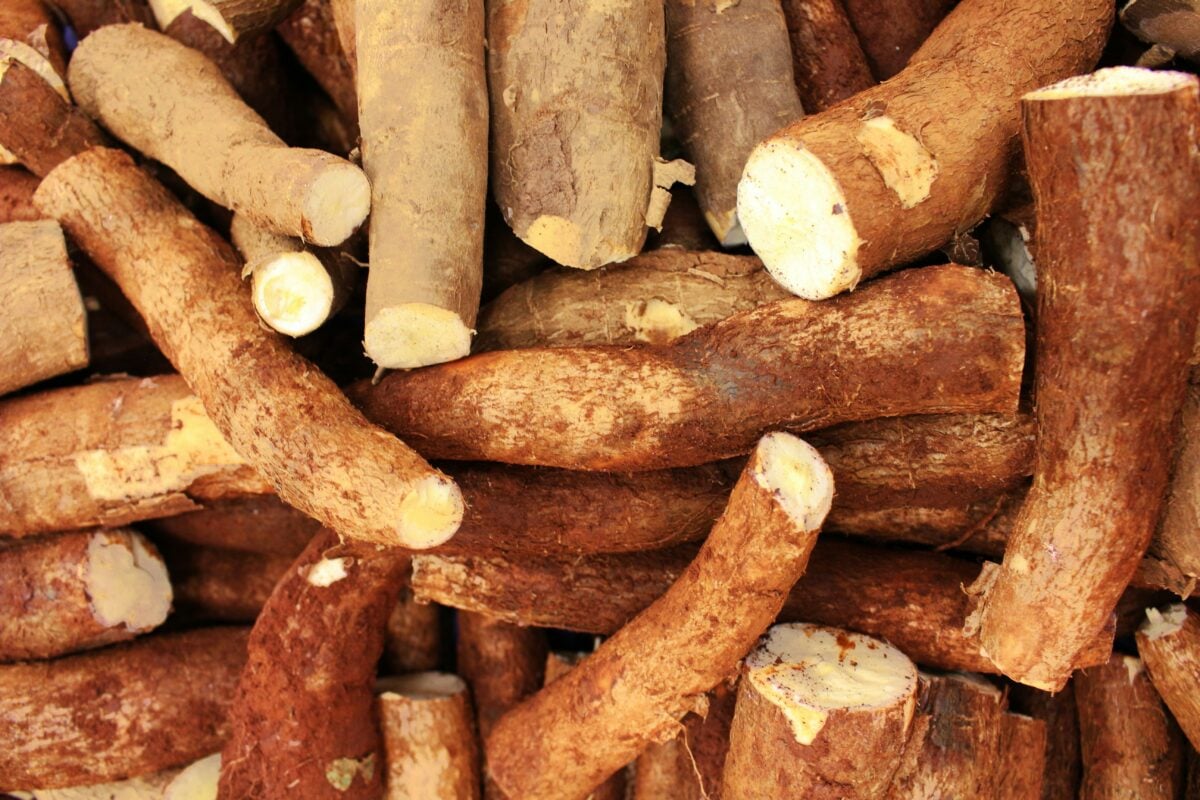
This starchy root feeds millions of people across Africa, South America, and Asia. But cassava contains cyanogenic glycosides that convert to cyanide when you eat it raw or prepare it incorrectly.
The bitter varieties pack more of these compounds than sweet ones. You need to peel, soak, and cook cassava thoroughly to break down the toxins.
People who eat it regularly know the preparation methods passed down through generations. Skip these steps, and you’re ingesting enough cyanide to cause serious harm.
The symptoms start with headaches and dizziness, then progress to difficulty breathing and potentially death.
Pufferfish
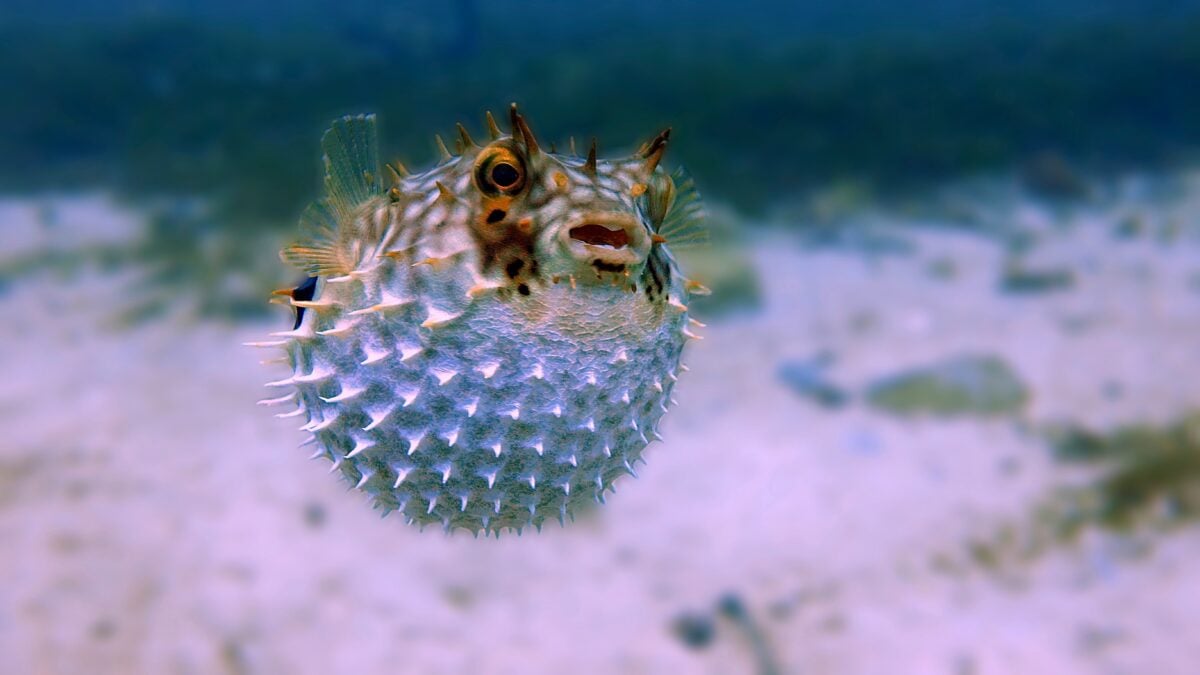
Japanese chefs train for years before they can legally serve fugu. The liver, ovaries, and skin contain tetrodotoxin, a poison with no known antidote.
This neurotoxin paralyzes your muscles while you remain fully conscious, leading to death by asphyxiation. Even expert preparation doesn’t eliminate all risk.
Several people die each year from fugu poisoning, usually from fish prepared by unlicensed individuals or consumed outside regulated restaurants. The tingling sensation some diners seek from trace amounts of the toxin represents genuine danger, not just an exotic thrill.
Raw Kidney Beans
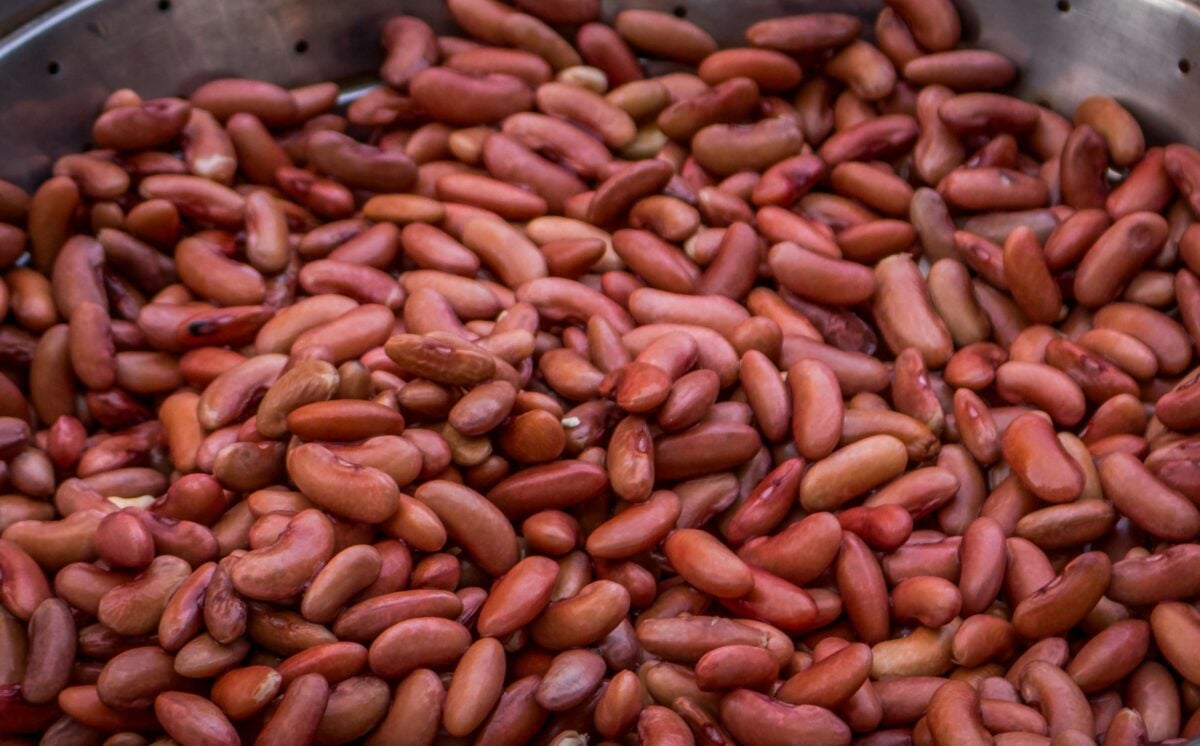
Red kidney beans straight from the bag contain phytohaemagglutinin, a toxin that causes severe nausea, vomiting, and diarrhea. Just four or five raw beans can make you sick.
The worst part is that slow cookers don’t reach temperatures high enough to destroy the toxin. They actually increase toxicity by warming the beans without fully cooking them.
You need to boil kidney beans hard for at least ten minutes before reducing the heat. This process neutralizes the toxin completely.
Other beans contain smaller amounts of the same compound, but kidney beans pack enough to cause real problems.
Rhubarb Leaves
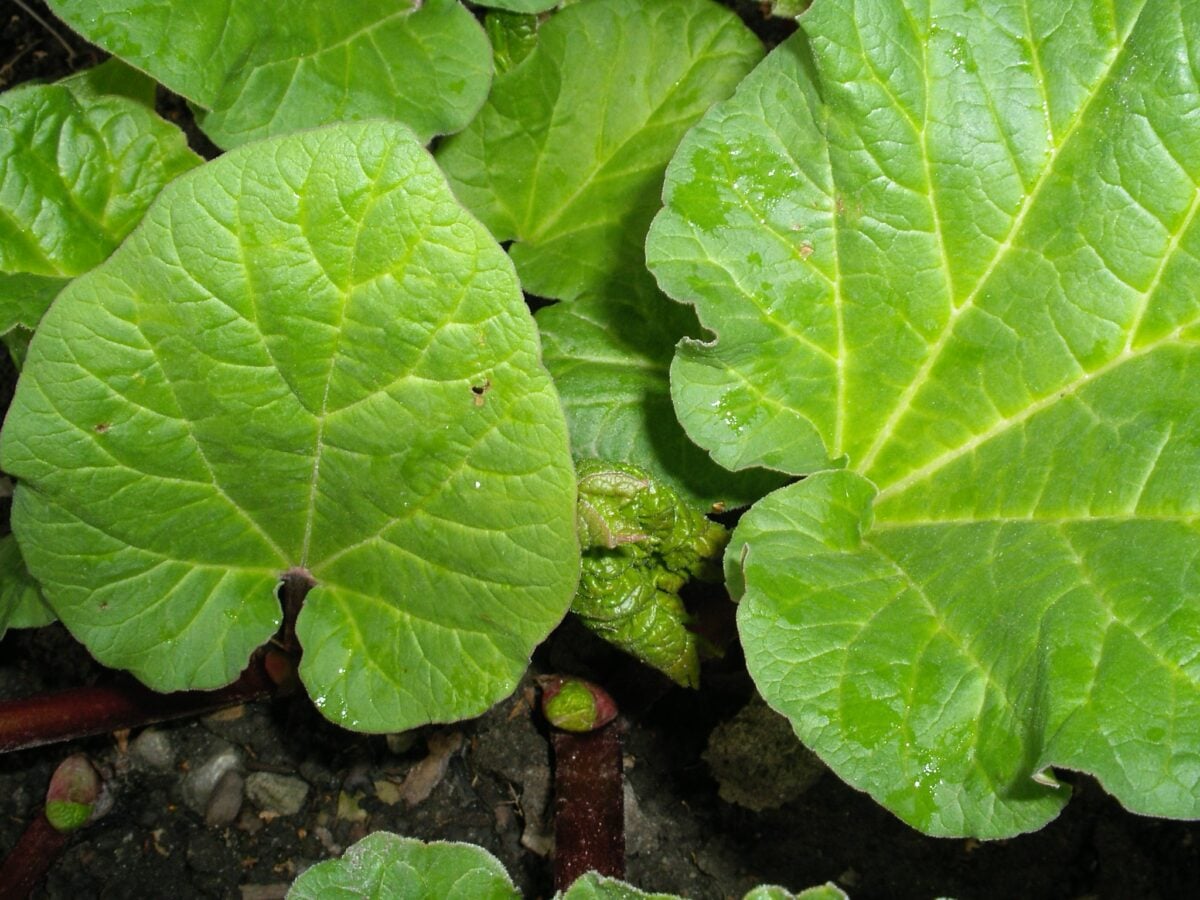
The stalks make excellent pies and preserves, but the leaves contain high levels of oxalic acid. This compound binds with calcium in your body and forms crystals that damage your kidneys.
The leaves also contain other toxins that cause breathing difficulties and seizures. A large serving of rhubarb leaves can kill an adult.
The exact fatal dose varies between individuals, but you don’t want to test it. The stalks contain small amounts of oxalic acid too, but not enough to cause concern when you eat them normally.
Just trim away all leaf material before cooking.
Green Potatoes

Potatoes turn green when exposed to light, signaling the presence of solanine. This glycoalkaloid develops as a defense mechanism and causes nausea, headaches, and neurological problems.
The bitter taste warns you something is wrong. Cooking doesn’t destroy solanine.
You need to cut away all green parts along with any sprouts. The concentration increases near the surface, so peel deeper than usual if you notice any discoloration.
Eating a single green potato probably won’t kill you, but it can make you miserable for days.
Wild Mushrooms
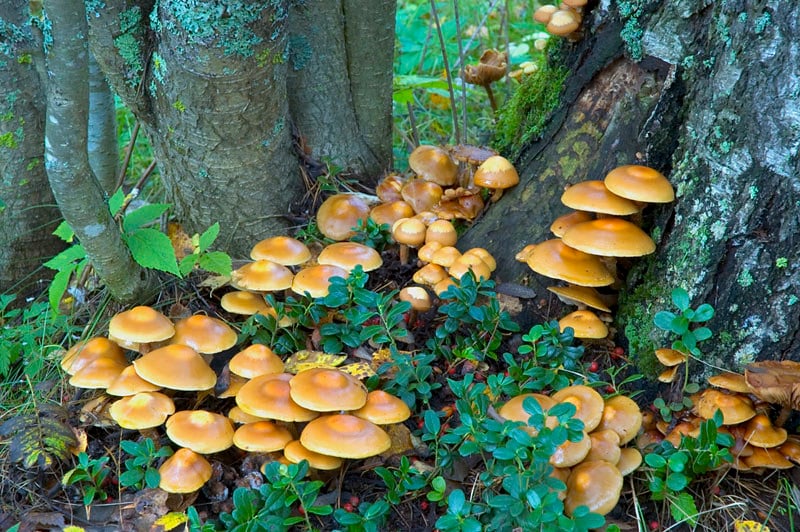
Experienced foragers spend years learning to identify edible species. Some deadly mushrooms look nearly identical to safe varieties.
The death cap mushroom accounts for most fatal poisonings worldwide and tastes pleasant, giving no warning of its toxicity. Symptoms can take hours or even days to appear, by which time the toxins have already damaged your liver and kidneys beyond repair.
There’s no reliable home test to distinguish safe mushrooms from poisonous ones. Even smartphone apps that claim to identify species have led people to eat toxic varieties.
Raw Cashews

The cashews you buy in stores have been steamed or roasted. Raw cashews straight from the tree contain urushiol, the same compound that makes poison ivy so irritating.
But eating it causes much worse reactions than skin contact. The processing removes this toxic resin completely.
True raw cashews can cause serious allergic reactions and organ damage. Some specialty stores sell “raw” cashews, but these have been minimally processed to remove the urushiol while preserving other qualities.
Bitter Almonds
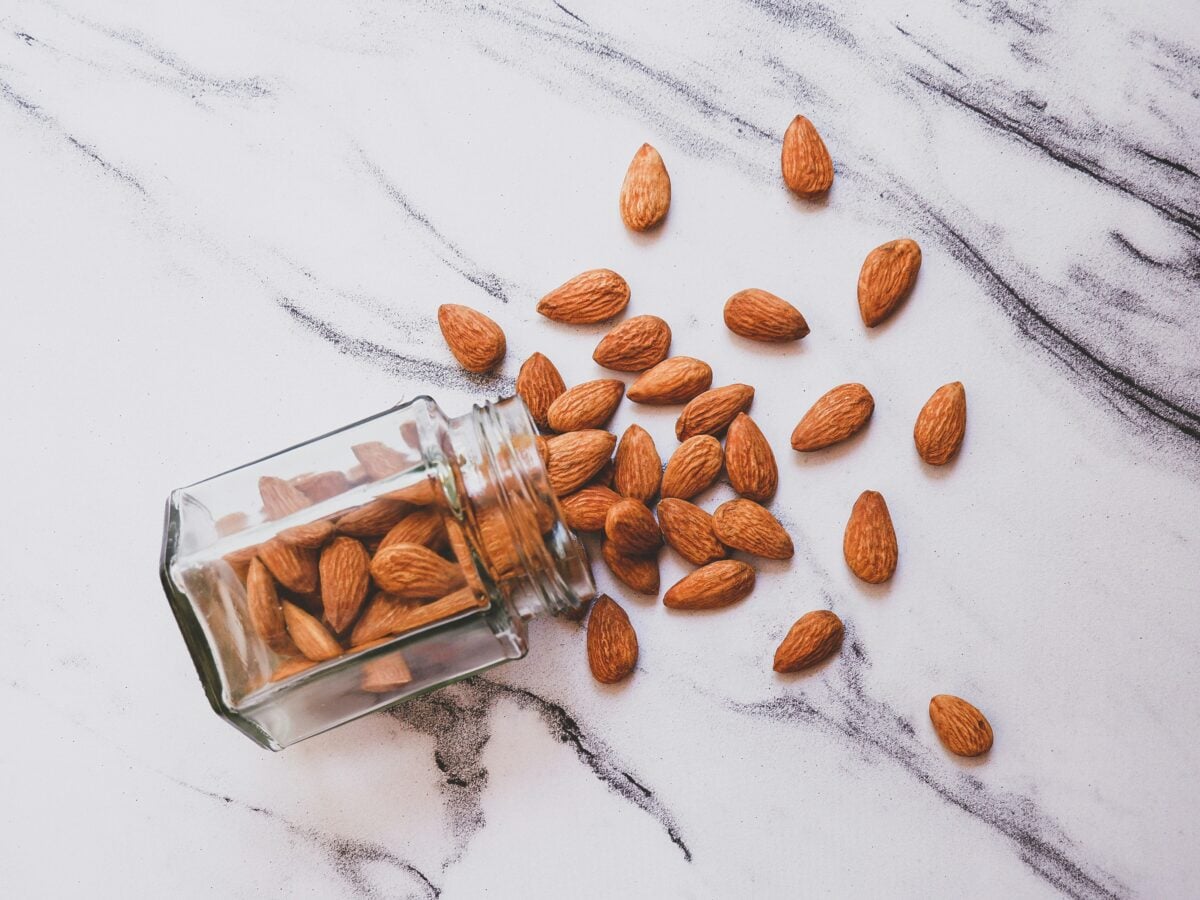
Sweet almonds fill grocery store shelves, but bitter almonds contain amygdalin. Your body converts this compound into cyanide during digestion.
Just a handful of bitter almonds can kill a child, and adults need to eat more but still face significant risk. Most countries ban the sale of bitter almonds for direct consumption.
They appear mainly in highly processed forms where the toxins have been removed. Some imported almond extracts contain traces of bitter almonds for flavor, but the processing makes them safe.
Elderberries
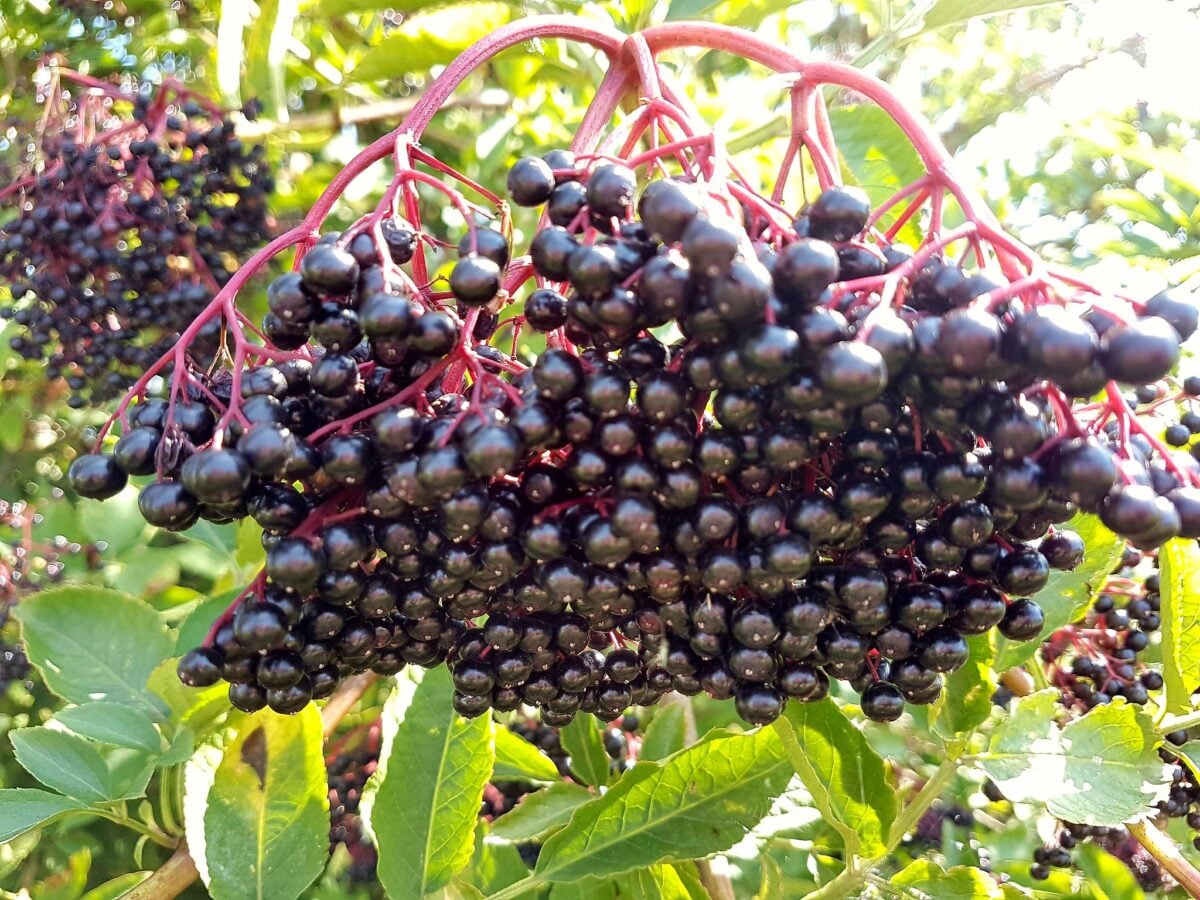
Elderberry syrup and jam enjoy popularity as immune boosters, but the raw berries, leaves, stems, and roots all contain cyanide-inducing glycosides. You must cook elderberries thoroughly before eating them.
Even then, remove all stems and unripe berries. Red elderberries carry more toxins than black varieties.
Raw elderberries cause severe nausea and diarrhea at minimum. Larger amounts lead to more serious poisoning.
The flowers can be eaten raw in small quantities, but everything else needs cooking.
Nutmeg
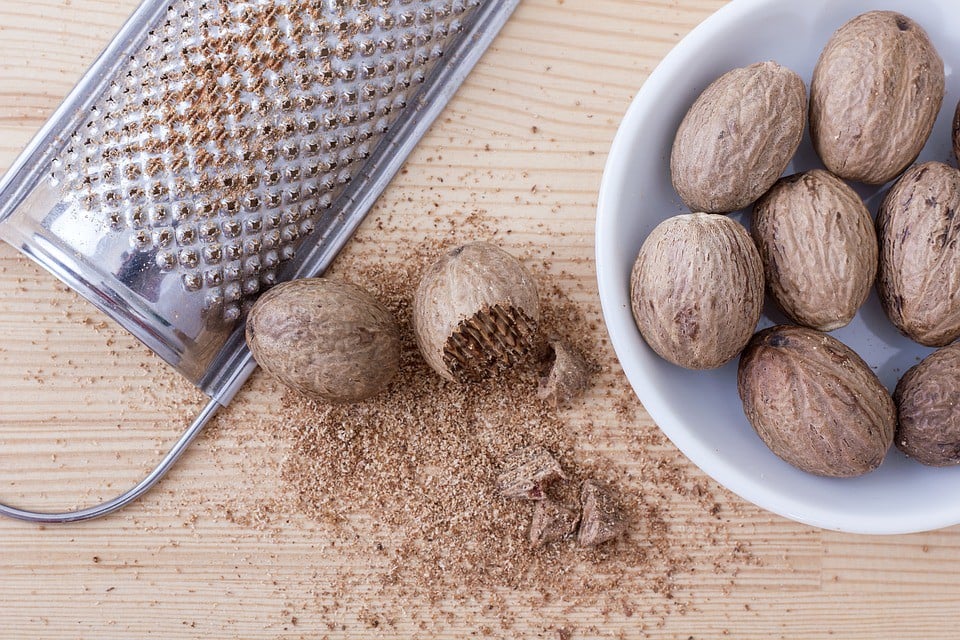
Baking recipes call for a pinch of nutmeg because small amounts add pleasant flavor. But two or three whole nutmegs contain enough myristicin to cause serious problems.
This compound produces hallucinations, rapid heart rate, and seizures. Deaths from nutmeg poisoning remain rare, but people end up in emergency rooms every year after trying to get high from large doses.
The effects last for days and include extreme discomfort. Your body processes myristicin slowly, making the experience unpredictable and potentially dangerous.
Raw Honey
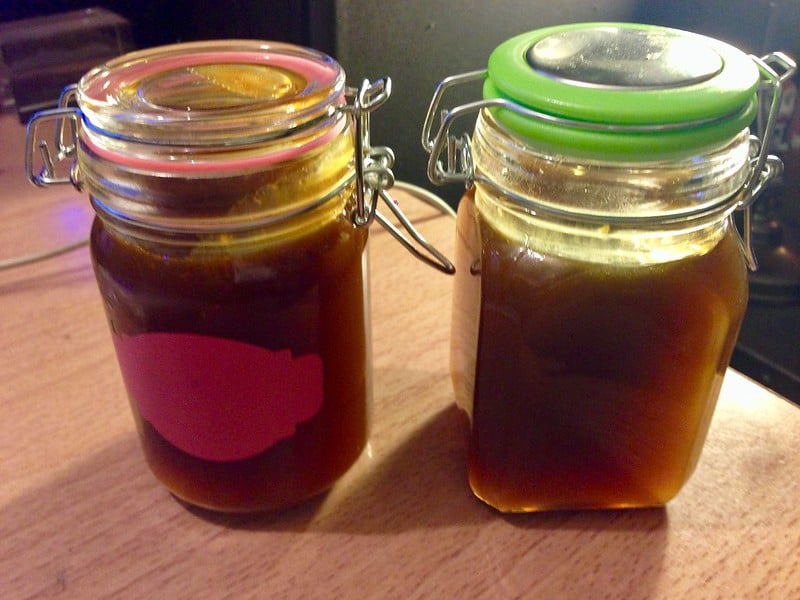
Pasteurization makes commercial honey safe, but raw honey sometimes contains grayanotoxin from rhododendron and azalea flowers. This toxin causes a condition called “mad honey disease” with symptoms including low blood pressure, irregular heartbeat, and chest pain.
Most cases resolve without lasting harm, but severe poisoning can be fatal. The concentration depends on which flowers the bees visited.
Honey from certain regions carries higher risk. Infants face additional danger from botulism spores that survive in raw honey, which is why pediatricians warn against giving it to babies under one year old.
Cherry Pits

The flesh of cherries is perfectly safe, but the pits contain amygdalin. Your body converts this into cyanide when you chew or digest the pits.
Swallowing one or two whole pits won’t harm you because they pass through undigested. The danger comes from crushing or chewing them.
Children who crack pits with their teeth face real risk. Other stone fruits like apricots, peaches, and plums have pits with similar compounds.
The concentration varies, but apricot kernels contain particularly high levels.
Starfruit
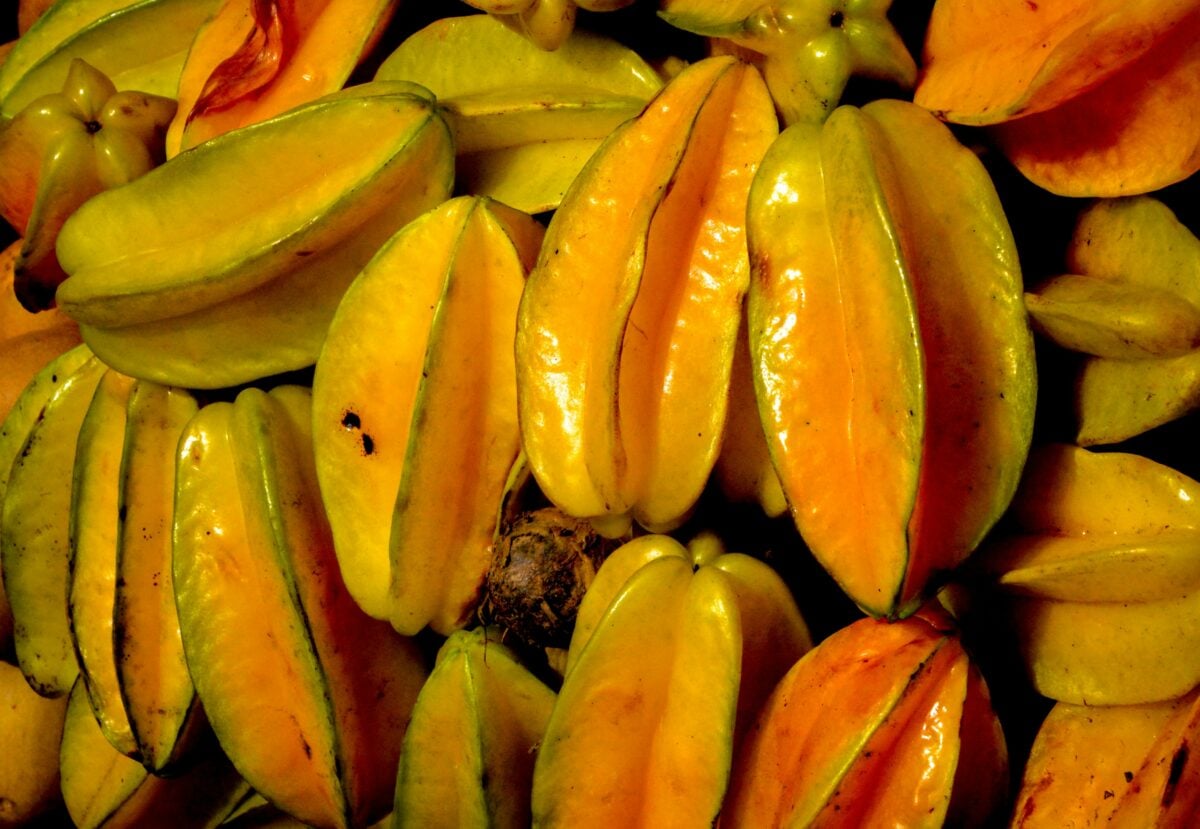
This tropical fruit creates problems for people with kidney issues. It contains caramboxin, a neurotoxin that healthy kidneys filter out easily.
But damaged kidneys can’t remove it, leading to confusion, seizures, and death. Even people with mild kidney problems they didn’t know about have died from eating starfruit.
The fruit also contains high levels of oxalic acid. If you have any kidney disease or take certain medications, avoid starfruit completely.
For healthy individuals, it poses no risk.
When Knowledge Becomes Protection

Food safety doesn’t require paranoia. These risks exist, but knowing them helps you make better choices. You can enjoy these foods safely once you understand proper preparation and your own health conditions.
The real danger lies in ignorance, not in the ingredients themselves. Your kitchen holds incredible variety and flavor.
Respecting the line between culinary adventure and genuine risk keeps meals enjoyable rather than dangerous. Pay attention to how you prepare food, trust reliable sources for foraging and unusual ingredients, and when something seems off, throw it out.
That simple awareness makes all the difference.
More from Go2Tutors!

- The Romanov Crown Jewels and Their Tragic Fate
- 13 Historical Mysteries That Science Still Can’t Solve
- Famous Hoaxes That Fooled the World for Years
- 15 Child Stars with Tragic Adult Lives
- 16 Famous Jewelry Pieces in History
Like Go2Tutors’s content? Follow us on MS



