16 Ancient Predictions That Came True Later
Throughout history, visionaries, scientists, and philosophers have made bold claims about the future that seemed impossible at the time. While many predictions fell flat, some ancient forecasts turned out to be remarkably accurate, often centuries before the technology or events they described became reality.
Here’s a list of 16 ancient predictions that eventually came true, proving that human imagination and insight can sometimes leap far ahead of their time.
Submarines
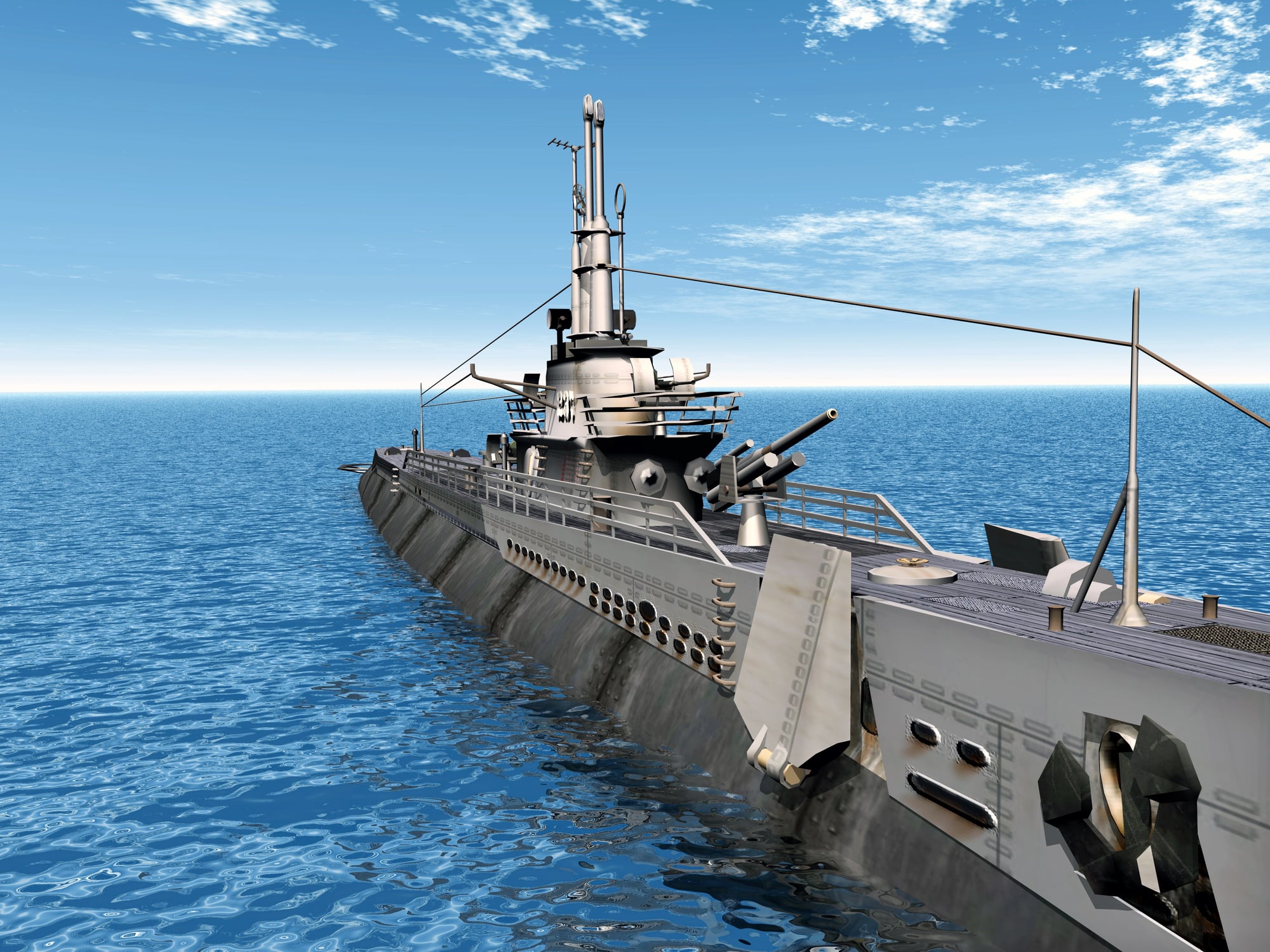
Leonardo da Vinci sketched designs for an underwater vessel in the late 1400s — complete with air tubes and ballast systems. His notebooks described a craft that could travel beneath the surface for military purposes, though it wouldn’t be until 1620 that the first practical submarine appeared.
Military submarines didn’t become truly effective until the American Civil War, nearly 400 years after da Vinci’s initial concept.
Flying Machines
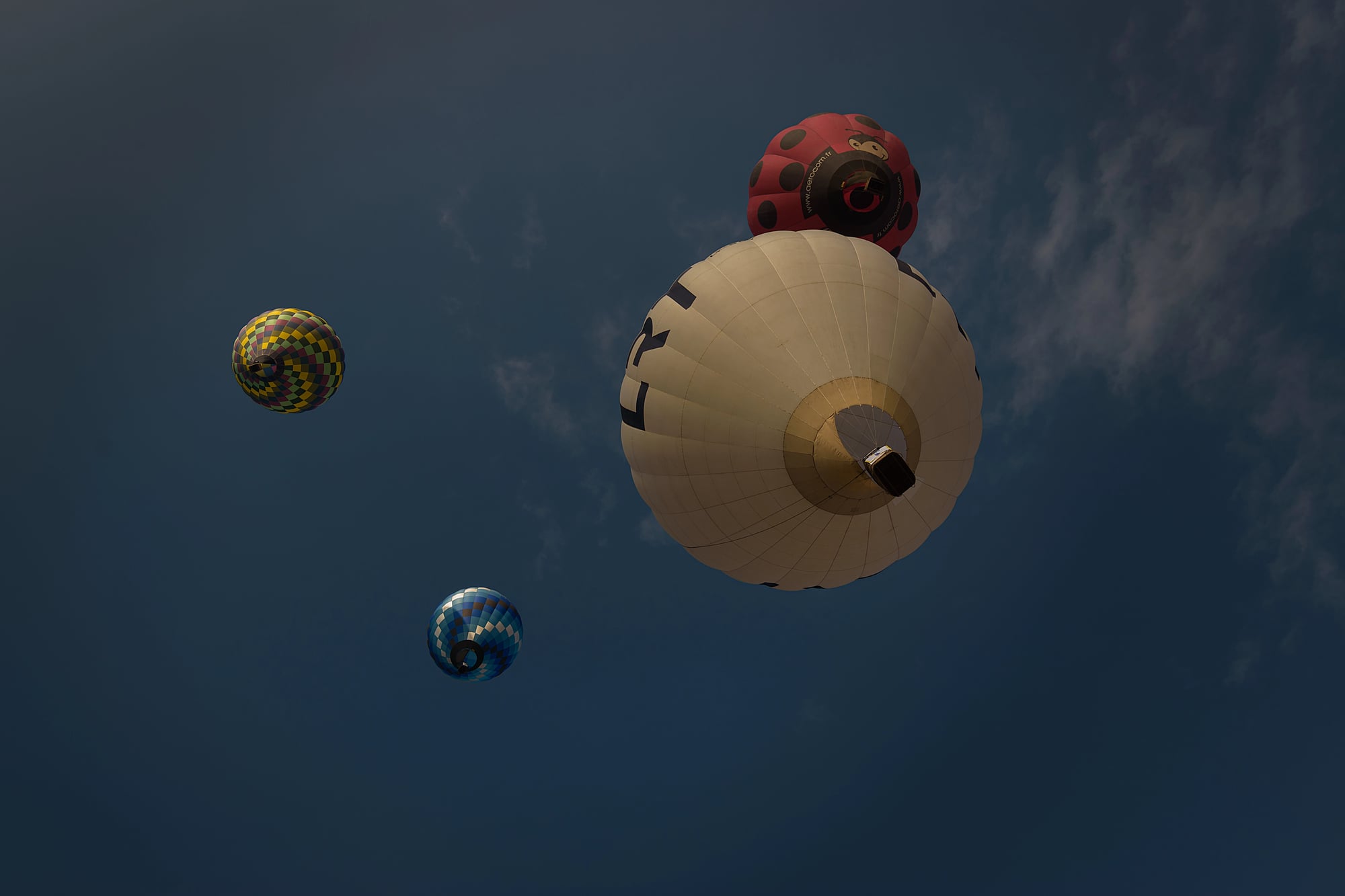
Da Vinci also predicted human flight through his detailed studies of birds and wing mechanics. He designed ornithopters, parachutes, and helicopter-like devices centuries before the Wright brothers took to the skies, yet his understanding of lift and aerodynamics was so advanced that modern engineers still marvel at his flying machine designs.
Like Go2Tutors’s content? Follow us on MSN.
Tanks

The same Renaissance genius foresaw armored warfare vehicles — his tank design featured a conical shell with cannons protruding from all sides, powered by hand cranks. Though his version was never built, the concept directly parallels the armored vehicles that would revolutionize warfare in World War I, over 400 years later.
Satellites
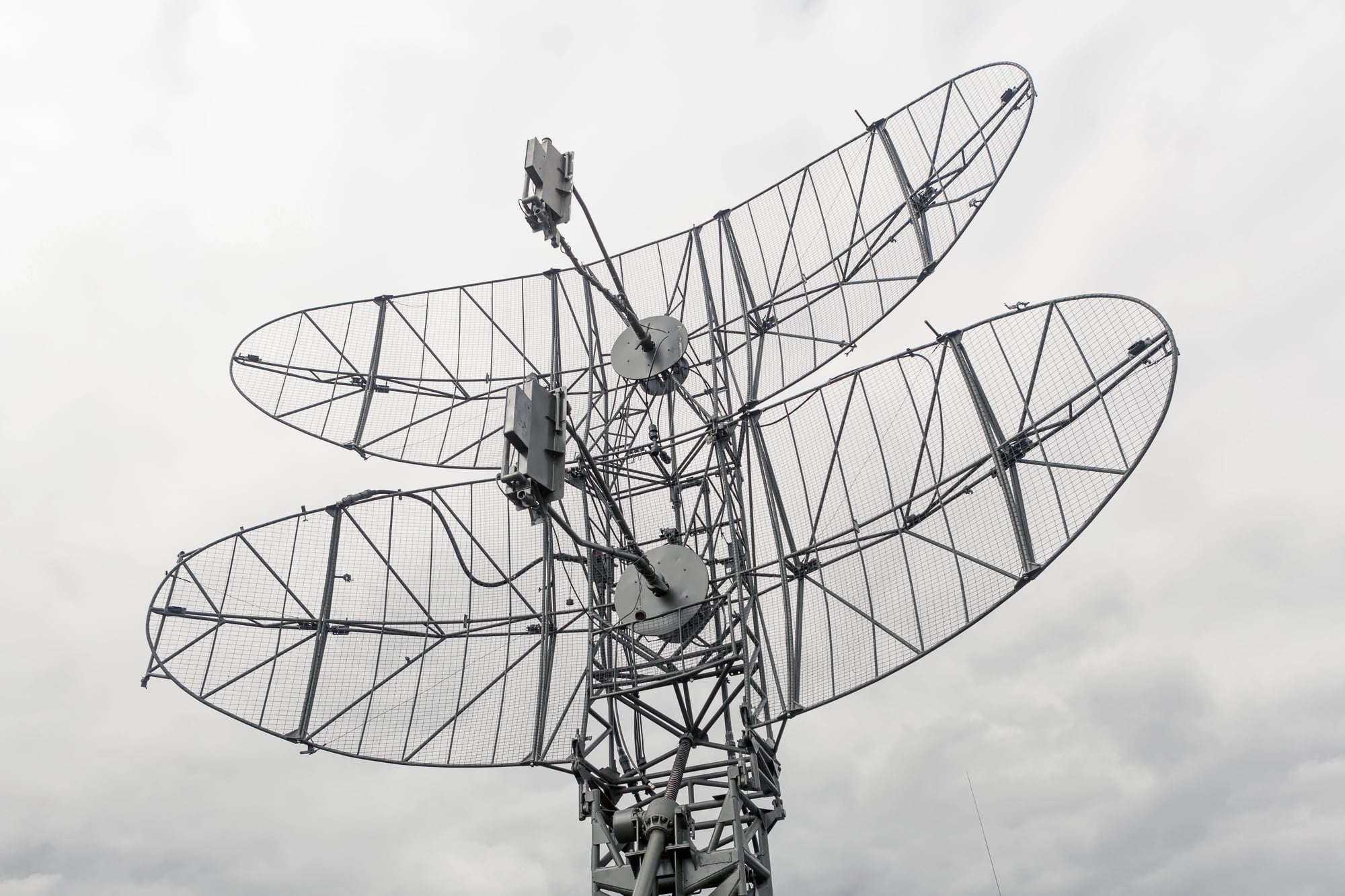
Arthur C. Clarke, the science fiction writer, predicted geostationary satellites in 1945 — describing how they could provide global communications by orbiting at exactly the right altitude. His technical paper outlined the precise orbital mechanics needed for satellites to remain stationary relative to Earth.
The first communication satellite was launched just 12 years later, validating his mathematical predictions.
Global Communication Network

Mark Twain, writing in 1898, described a worldwide telephone system that would connect people instantly across continents. He envisioned a network where anyone could speak to anyone else on Earth through interconnected devices.
He essentially described the modern internet and global telecommunications infrastructure that emerged a century later.
Like Go2Tutors’s content? Follow us on MSN.
Nuclear Energy
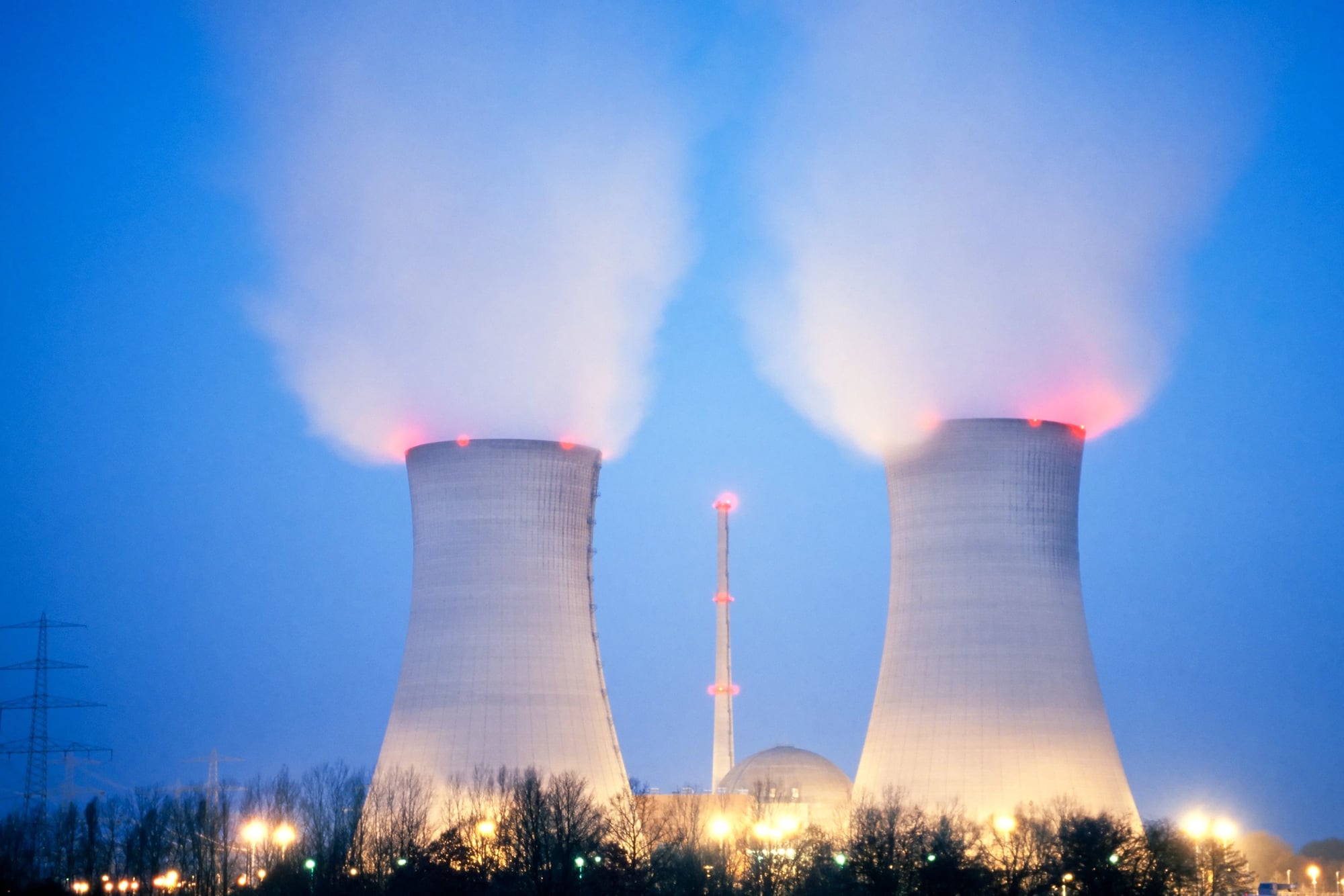
H.G. Wells wrote about atomic energy in his 1914 novel ‘The World Set Free’ — describing how scientists would harness the power locked inside atoms. He predicted both the peaceful and destructive applications of atomic energy decades before Einstein’s famous equation or the Manhattan Project.
Wells even used the term ‘atomic bomb’ thirty years before Hiroshima.
Space Travel

Jules Verne’s 1865 novel ‘From the Earth to the Moon’ accurately predicted many aspects of space travel. He calculated launch velocities, described weightlessness — and even placed his launch site in Florida.
That location was not far from where NASA would eventually build Cape Canaveral. His spacecraft dimensions and crew size closely matched the actual Apollo missions a century later.
Television

In 1926, inventor Nikola Tesla predicted that wireless technology would create a device allowing people to see distant events as they happened. He described pocket-sized devices that could transmit images and sound across vast distances instantly.
Tesla’s vision encompassed both television broadcasting and modern smartphones decades before either technology existed.
Like Go2Tutors’s content? Follow us on MSN.
Computers

Ada Lovelace, working with Charles Babbage in the 1840s, predicted that mechanical calculating machines could do more than just math. She envisioned computers creating music, art — and solving complex problems through programmed instructions.
Her notes described the fundamental concept of computer programming over a century before electronic computers were invented.
Solar Power
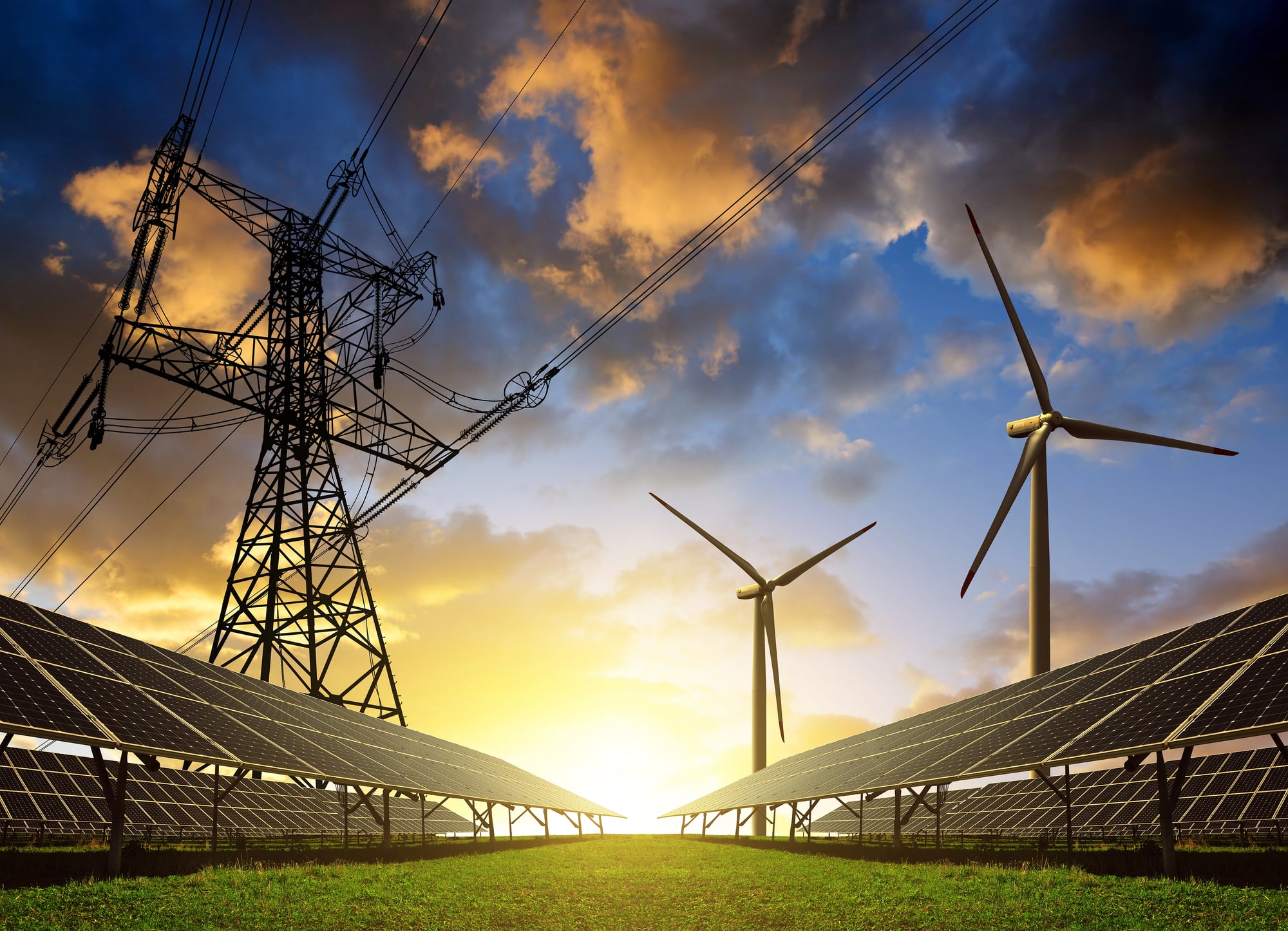
French scientist Augustin Mouchot predicted in 1860 that humanity would eventually rely on solar energy when coal ran out. He built working solar-powered steam engines — declaring that solar power would become essential for industrial civilization.
His predictions about renewable energy’s importance have proven remarkably prescient in our current climate-conscious era.
Skyscrapers

Architect Louis Sullivan predicted in the 1890s that cities would grow vertically as land became scarce and expensive. He foresaw buildings reaching unprecedented heights through steel frame construction and elevator technology.
Sullivan’s predictions came true as cities like New York and Chicago began their skyward expansion in the early 1900s.
Like Go2Tutors’s content? Follow us on MSN.
Automation

Aristotle wrote in 350 BCE that mechanical devices would eventually replace human labor in manufacturing. He predicted that automated tools would work independently, freeing humans from repetitive tasks.
His ancient vision of mechanized production closely describes modern factory automation and robotics.
Medical Imaging

Roger Bacon predicted in 1267 that future scientists would develop ways to see inside the human body without cutting it open. He described optical devices that could reveal internal structures and diagnose diseases.
X-rays, discovered in 1895, fulfilled his prediction, yet more advanced imaging technologies like MRI and CT scans followed.
Germ Theory

The Roman scholar Marcus Terentius Varro wrote in 36 BCE about invisible creatures that caused disease. He warned against building homes near swamps because tiny animals in the air could enter the body and cause illness.
His germ theory predated Louis Pasteur’s scientific proof by nearly 2,000 years.
Like Go2Tutors’s content? Follow us on MSN.
Continental Drift
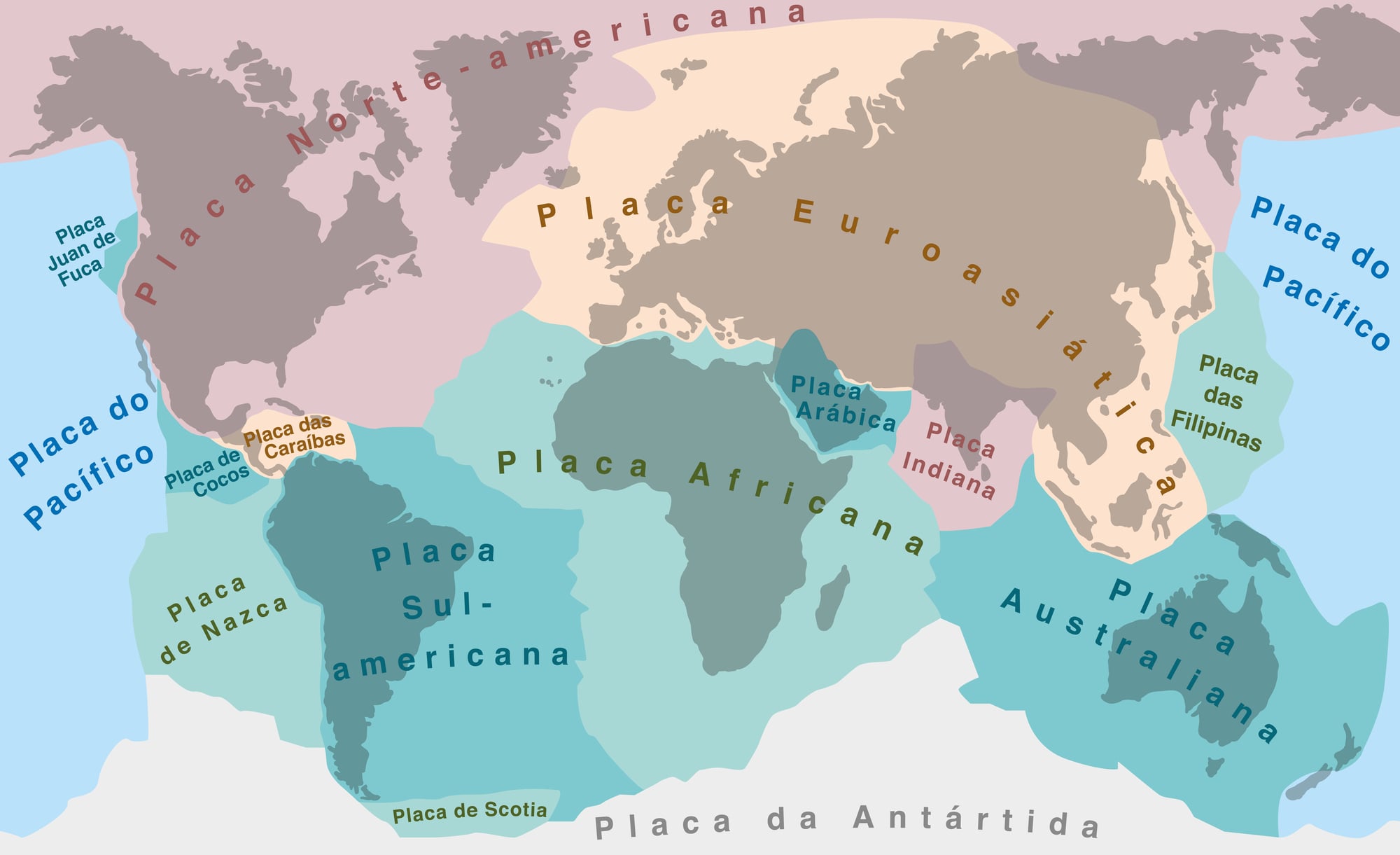
Ancient Greek philosopher Anaximander observed that similar fossils appeared on different continents, theorizing that landmasses had moved over time. His idea that continents shifted positions seemed absurd until Alfred Wegener’s continental drift theory gained acceptance in the 1960s.
Modern plate tectonics proved that Anaximander’s ancient insight was fundamentally correct.
Climate Change

Svante Arrhenius calculated in 1896 that increasing atmospheric carbon dioxide would warm the planet. He predicted that burning fossil fuels would double atmospheric CO2 levels and raise global temperatures by several degrees.
His mathematical models accurately forecast the greenhouse effect that scientists now confirm is changing our climate.
From Vision to Reality
These ancient predictions remind us that human imagination often outpaces technology by centuries. Many ideas that seemed like pure fantasy eventually became the foundation of our modern world.
The visionaries who made these forecasts shared one common trait. They observed current trends and extrapolated them far into the future, often with startling accuracy.
More from Go2Tutors!

- 16 Restaurant Chains That Went Too Fast
- 12 Things Sold in the 80s That Are Now Illegal
- 15 Strange Things People Have Tried to Ban (And Failed)
- 16 Collectibles People Tossed Out Too Soon
- 17 Myths from Your Childhood That Were Actually Based on Real Things
Like Go2Tutors’s content? Follow us on MSN.



