Unique Kitkat Flavors From Around The World
Most people picture the same thing when they hear KitKat: a red wrapper, crisp wafer, and a layer of milk chocolate. That’s the version you grew up with.
But walk into a convenience store in Tokyo, browse a specialty shop in Dubai, or check out what’s on shelves in Australia, and you’ll find a completely different world. KitKat has quietly become one of the most creative candy brands on the planet, and the flavors it’s released in different countries tell a surprisingly interesting story about food, culture, and what happens when a chocolate company decides to get experimental.
The Bar That Belongs To Every Country

KitKat started in England back in 1935, originally called Rowntree’s Chocolate Crisp. It’s been renamed, bought, and sold a few times since then.
Today, Nestlé produces it in over 16 countries. The one big exception is the United States, where Hershey still makes it under a licensing agreement that goes back decades.
Japan is the country that really changed things. When KitKat arrived there in 1973, it caught on fast.
Part of the reason is linguistic. In Japanese, “Kit Kat” sounds close to “Kitto Katsu,” which translates to “you’ll certainly win.”
People started giving KitKats as good luck gifts before exams and competitions. That cultural connection gave Nestlé Japan a reason to keep pushing the brand forward, and that push eventually led to over 300 flavors.
Matcha Green Tea — The Flavor That Started It All

If there’s one Japanese KitKat flavor that everyone’s heard of, it’s matcha. The original version pairs milk chocolate with matcha paste, creating a balance between sweetness and the slightly bitter, grassy notes that make green tea so distinct.
But the basic version is just the beginning. The premium Rich Green Tea KitKat uses special matcha sourced from Uji in Kyoto, the region most associated with high-quality Japanese tea.
That version has a deeper, more complex flavor. There’s also a Strong Matcha edition for people who want that bitterness turned way up.
Matcha KitKat became one of the most popular flavors not just in Japan but among international buyers too, and it’s probably the single flavor most responsible for putting Japanese KitKats on the radar for people outside the country.
When Wasabi Met Chocolate

Wasabi and chocolate sounds like a combination that shouldn’t work. And honestly, it takes a bit of trust the first time.
But this flavor exists for a very specific reason. It was created in collaboration with Tamaruya Honten, a wasabi shop in Shizuoka prefecture that has been in business for over 140 years.
The flavor celebrates the region’s deep connection to the spicy condiment. Shizuoka is one of Japan’s biggest wasabi-producing areas, and the KitKat version captures that heat without completely overwhelming the chocolate.
The kick builds gradually rather than hitting you all at once.
Soy Sauce: Sweet Meets Savory
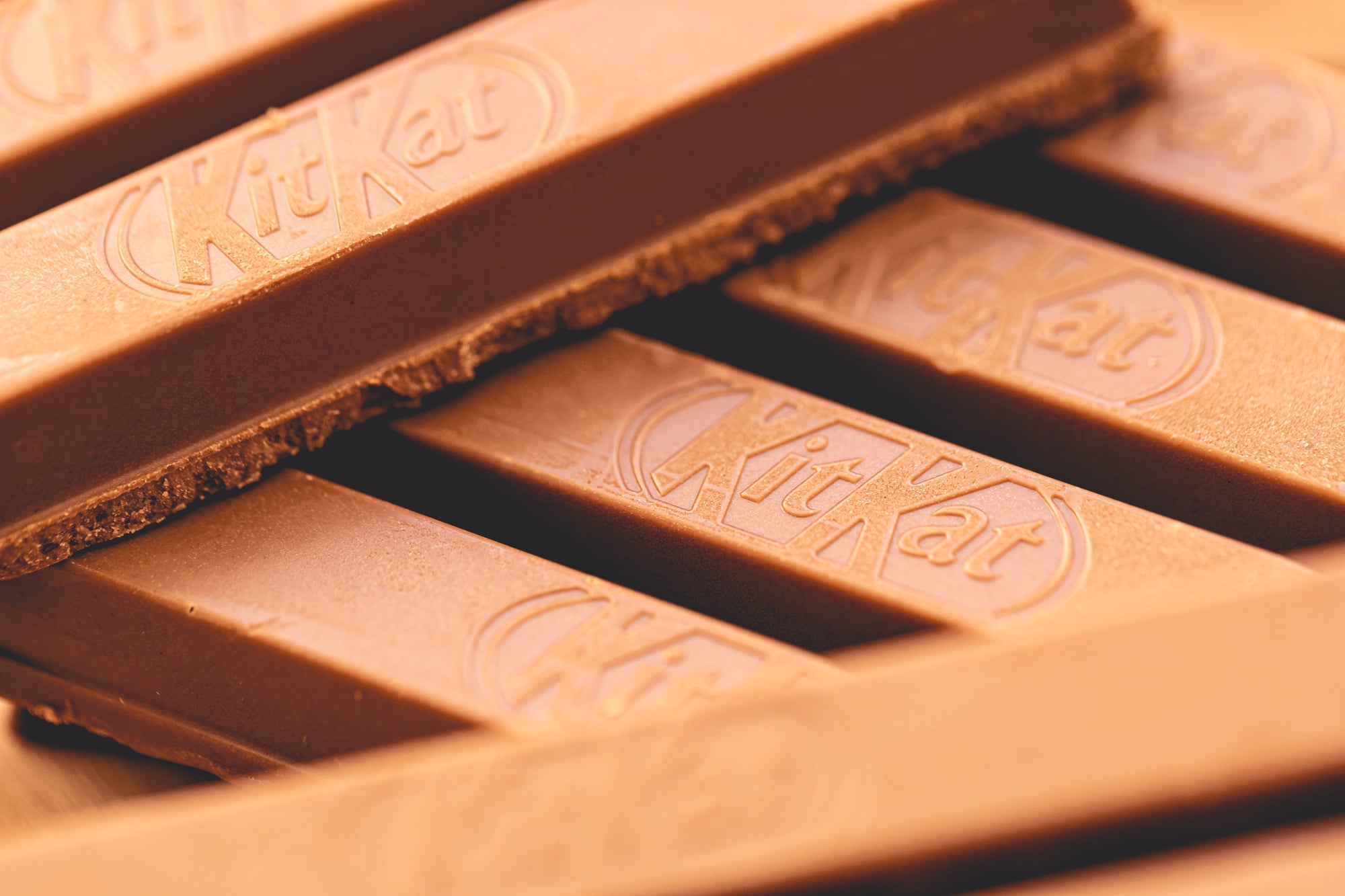
Soy sauce KitKat is one of those flavors that stops people in their tracks when they first hear about it. It sounds like a joke.
It’s not. The version made for the Chiba region uses a local soy sauce to add a savory depth to the chocolate coating.
It works because soy sauce, in small amounts, does something interesting to sweetness — it rounds it out. The result is a KitKat that doesn’t taste like soy sauce so much as it tastes like chocolate that’s a little more complex than what you’re used to.
Purple Sweet Potato And The Art Of Regional Flavors

One of the things that makes Japanese KitKats so different from everywhere else is how seriously they take regional identity. Japan has 47 prefectures, and many of them have their own KitKat.
Purple sweet potato, or beni imo, is one of the standout regional flavors. It’s associated with Okinawa, where this vibrant purple root vegetable is a local staple.
The KitKat version captures the earthy sweetness of beni imo and wraps it in a purple-tinted chocolate that makes the bar immediately recognizable on the shelf. It’s one of the most sought-after flavors by collectors and travelers who want a taste of something genuinely rooted in a place.
The Smoky, Peaty World Of Whisky Barrel Aged

Of all the KitKat flavors that have ever been created, the Whisky Barrel Aged version might be the most ambitious. It also has one of the most interesting stories behind it.
This KitKat is part of the Chocolatory line, a premium series created under the guidance of Japanese patissier Yasumasa Takagi, who has been designing luxury KitKats for Nestlé since 2003. The process for this particular bar starts with cacao nibs sourced from Ghana.
Those nibs are then placed in wooden barrels on the island of Islay in Scotland — the same island famous for producing some of the world’s smokiest, most peaty whiskies. The nibs stay in those barrels for 180 days.
Once a week, the barrels are rotated by hand to make sure every single nib gets contact with the wood and picks up the flavor of the whisky residue. No actual alcohol ends up in the finished bar.
The flavor comes entirely from the barrel itself. Tasters describe the experience as deeply layered.
There’s a floral opening, then a vanilla-tinged warmth, followed by notes of wood and smoke, and a finish that carries a hint of salty sea air. It’s a KitKat that genuinely feels like it belongs in a different category than anything you’d grab off a regular shelf.
This was also the first Chocolatory product ever made outside of Japan, with the packaging itself marked as a product of the United Kingdom.
Sake And Sakura: Japan’s Spring Treat
Japan introduced a sake KitKat in 2016, combining sake powder with white chocolate. The result is subtle — not boozy, more floral and slightly sweet in a way that’s distinctly different from standard white chocolate.
The version that really draws people in is the sake and sakura edition, which pairs the sake flavor with cherry blossom notes. It’s a seasonal release, timed to land during spring in Japan when cherry trees are in full bloom.
There’s also a yogurt sake version inspired by a specific brewery in Miyagi prefecture, which balances the sourness of yogurt with a sharper, more unexpected edge. These seasonal and region-specific releases are a big part of what keeps Japanese KitKat collections feeling fresh year after year.
Hojicha: Kyoto’s Deeper Tea
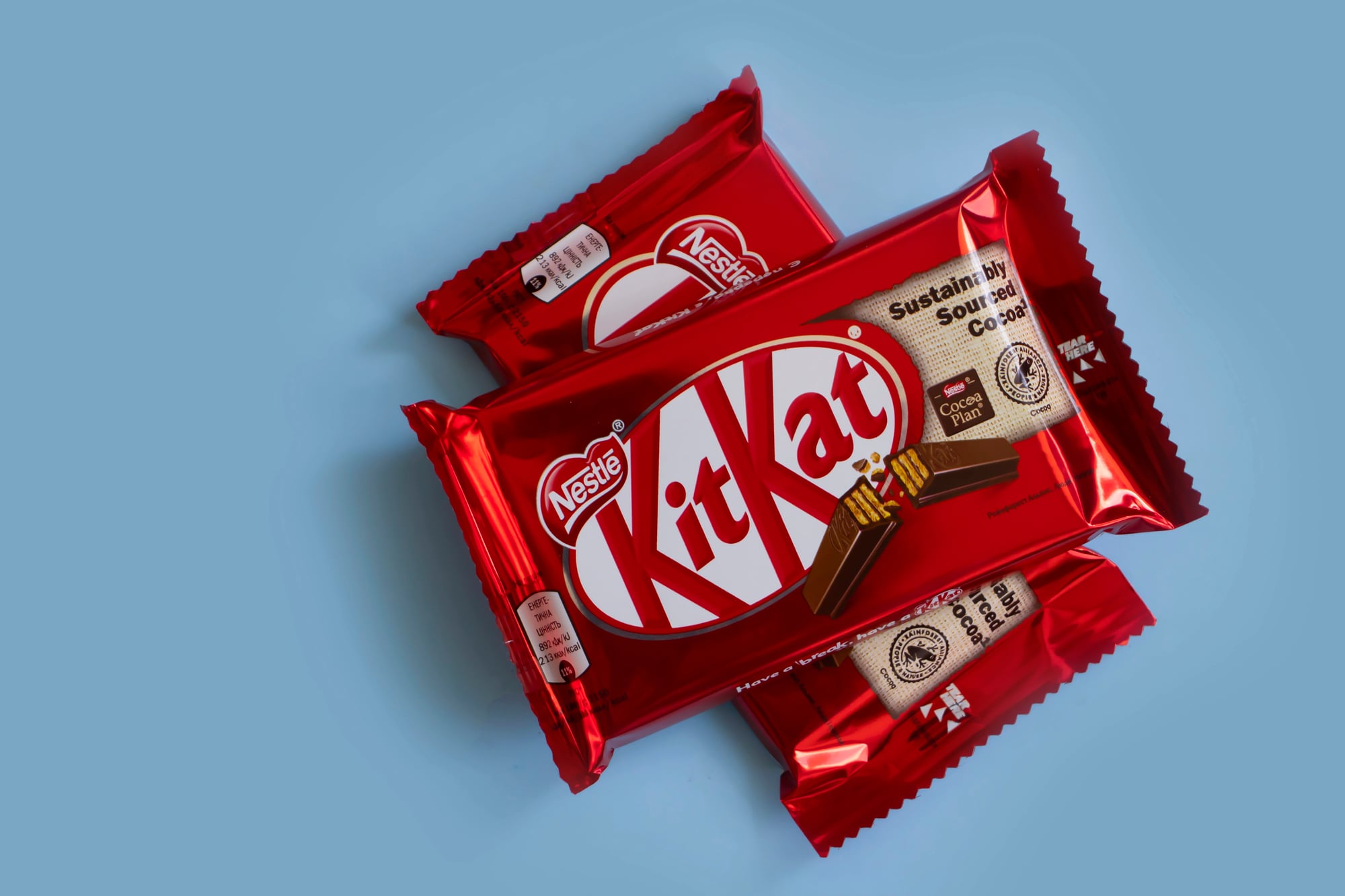
Matcha gets all the attention, but hojicha deserves its own moment. Hojicha is roasted green tea, and it has a completely different flavor profile from its more famous cousin.
Where matcha is grassy and vibrant, hojicha is warm, nutty, and carries a gentle smokiness. Kyoto is the city most closely tied to hojicha production, and KitKat has collaborated with the region multiple times over the years.
The hojicha KitKat uses a roasted tea that gives the bar a rich, amber-toned depth. It’s the kind of flavor that works especially well for people who find matcha a bit too sharp but still want that distinctly Japanese tea experience in a different form.
Ocean Salt From Kagoshima

This one is quieter than some of the flashier flavors, but it’s worth paying attention to. The Ocean Salt KitKat was created to celebrate the waters around Kagoshima, a prefecture at the southern tip of Japan’s main island.
The bar uses white chocolate and sea salt harvested from the Seto Inland Sea. The salt doesn’t make it taste aggressively salty in the way you might expect.
Instead, it sharpens the sweetness of the white chocolate and adds a clean, coastal finish. It’s a simple concept, but it works precisely because of how carefully the ingredients are matched to the place they come from.
Yuzu: Japan’s Wild Citrus

Yuzu is a citrus fruit that doesn’t have a clean equivalent in Western cooking. People describe it as somewhere between lemon, lime, and grapefruit, but it’s sharper and more fragrant than any of those three on their own.
The KitKat version leans into that brightness. It’s built on a white chocolate base with a yuzu-flavored filling that gives it a tangy, refreshing quality.
Kochi prefecture, one of Japan’s biggest yuzu-growing regions, has a strong connection to this flavor. Like many Japanese KitKats, it’s designed to taste like a place as much as it tastes like a fruit.
Gold Crush: Australia’s Sweet Spot
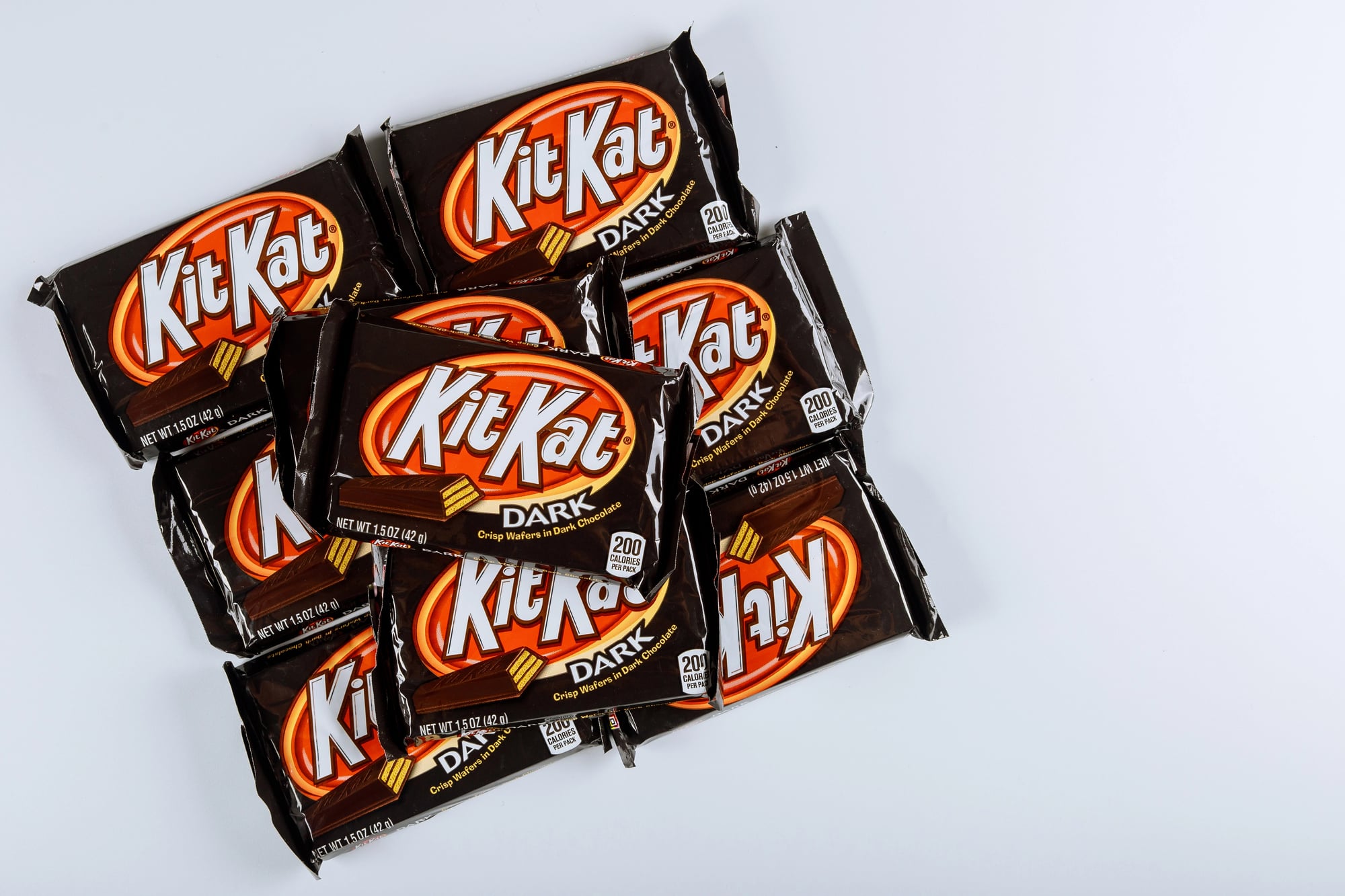
Japan gets most of the attention when people talk about international KitKat flavors, but Australia has quietly been producing some strong contenders of its own. Gold Crush is one of the best examples.
The bar is coated in caramelized white chocolate and layered with a cream filling studded with crushed caramel bits. The texture plays a big role here — there are crunchy bursts of caramel between bites of the softer cream, all wrapped around the standard crisp wafer.
It’s richer and more indulgent than most flavors you’d find in other markets, and it reflects the kind of dessert-forward flavor preferences that show up a lot in Australian confectionery.
From Dubai To Delhi

KitKat’s global reach extends well beyond Japan and Australia. The Middle East and South Asia have produced some genuinely distinctive flavors that are worth knowing about.
Dubai has been a hub for limited-edition releases. The KitKat Chunky Cinnabon was one of the more talked-about exports from that market, featuring a Cinnabon-style filling inside the thick Chunky bar format.
The United Arab Emirates also introduced Coffee Cardamom and Arabic Coffee versions, which pull from the flavor traditions of the region in a way that feels natural rather than forced. India has its own set of releases.
Mango is one of the more common ones — a flavor that makes sense given how central mango is to Indian food culture. There’s also Divine Chocolate Pudding, which combines layers of caramel cream with chocolate in a way that mirrors traditional Indian desserts.
These flavors tend to stay in their home markets, which is part of what makes hunting them down interesting for anyone building a global KitKat collection.
The Lemon Crisp And The American Approach

The United States has a relatively small selection of KitKat flavors compared to most other major markets. Hershey produces them domestically under its licensing agreement, and the range has historically been more cautious than what you’d find elsewhere in the world.
But Lemon Crisp is a genuine standout. It launched in 2020 as a seasonal spring release and comes back each Easter.
The bar has a coating with a mild lemon flavor that leans sweet rather than sour. It’s light, clean, and feels like a real departure from everything else in the American lineup.
For a brand that’s been playing it relatively safe in the U.S. market, Lemon Crisp showed what was possible when they decided to take a chance on something a little different.
Going Vegan: The Kitkat V
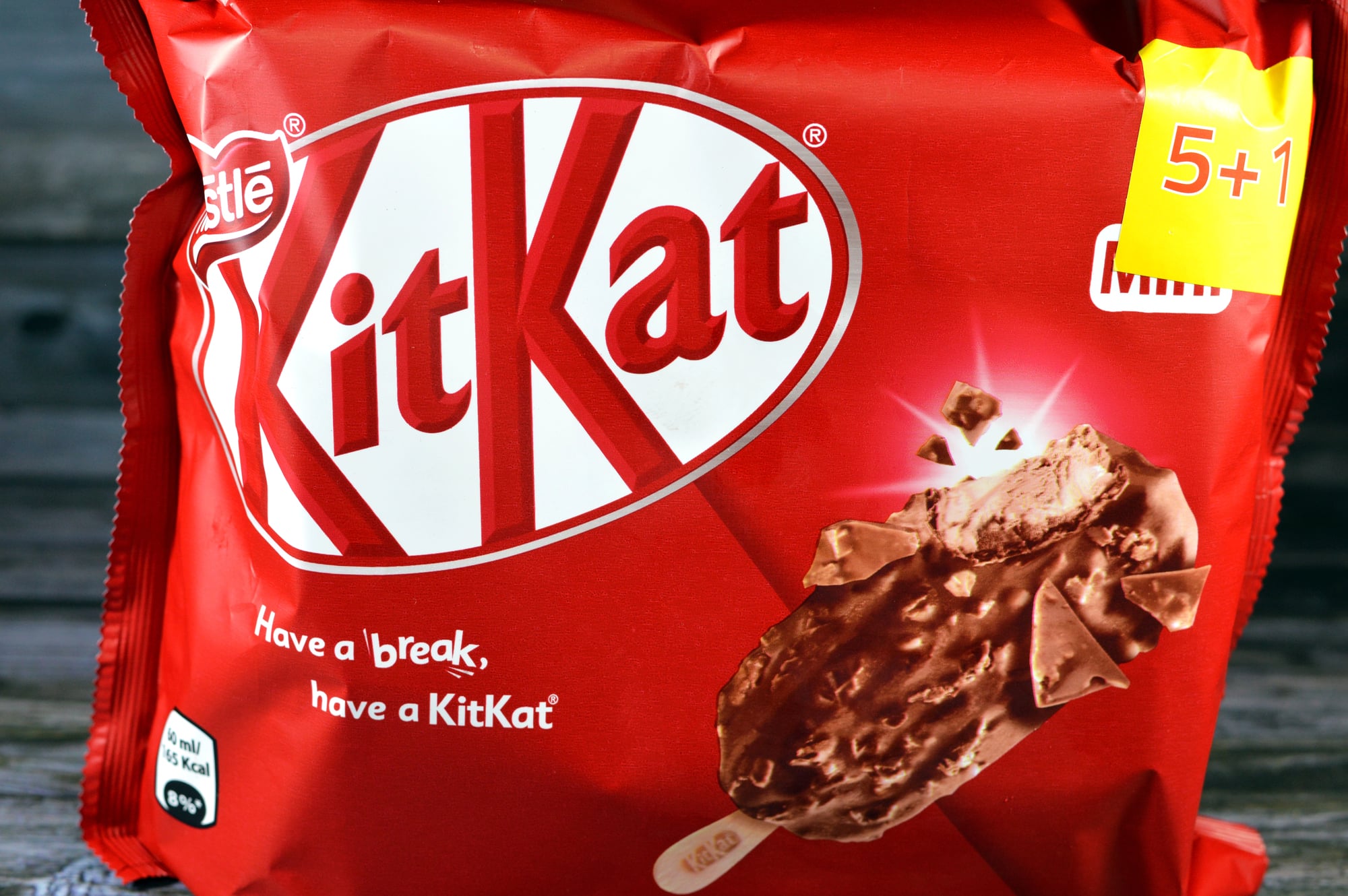
That winter month of twenty-twenty-one, Nestlé said it would start selling KitKat V – no animal ingredients, totally plant-based. First stop on the map?
The UK got it before anywhere else. A vegan chocolate bar that actually satisfies?
Tougher than most think. Not only replacing milk matters – matching the snap, the melt, the way it breaks apart between your fingers comes first.
Getting near that familiar experience took months of trial after trial. For Nestlé, launching KitKat V meant more than a new product line; it showed they would reshape their own rules.
Eating patterns evolve, so do recipes, even ones long thought untouchable.
The World In A Wafer
A chocolate bar can open a door to how people eat without making much noise. Not meant to study humans, KitKat aimed at moving more sweets off shelves.
Yet slowly, choices by teams across Japan, Australia, the UAE, India, and the UK shaped it differently. Small shifts in taste followed regional ideas on sugar.
What feels good to munch shifted from place to place. The snack became a mirror, though nobody planned it.
Flavors changed where they were sold. Each version carried whispers of local habits.
Sweetness wasn’t one thing anymore. A crisp rectangle started telling stories.
Decisions far from headquarters gave it new meaning. Snacking revealed preferences hidden in plain sight.
Start with a KitKat you’ve never seen at home. Choose one that seems odd.
Best flavors hide in those weird names. Try wasabi.
Or something aged in whisky barrels. These taste nothing like what you know.
Surprise lives in the unfamiliar.
More from Go2Tutors!

- The Romanov Crown Jewels and Their Tragic Fate
- 13 Historical Mysteries That Science Still Can’t Solve
- Famous Hoaxes That Fooled the World for Years
- 15 Child Stars with Tragic Adult Lives
- 16 Famous Jewelry Pieces in History
Like Go2Tutors’s content? Follow us on MSN.