14 Times Animals Changed Human History
Throughout human civilization, we’ve shared our planet with countless creatures that have shaped our destiny in ways both dramatic and subtle. From ancient battlefields to modern laboratories, animals have been silent partners in humanity’s greatest triumphs and most devastating defeats. These relationships have altered the course of empires, sparked scientific revolutions, and fundamentally changed how we live, work, and think about our world.
The connections between humans and animals run deeper than most people realize, creating ripple effects that continue to influence our lives today. Here is a list of 14 remarkable instances where animals became unexpected architects of human history.
Hannibal’s Elephants Cross the Alps
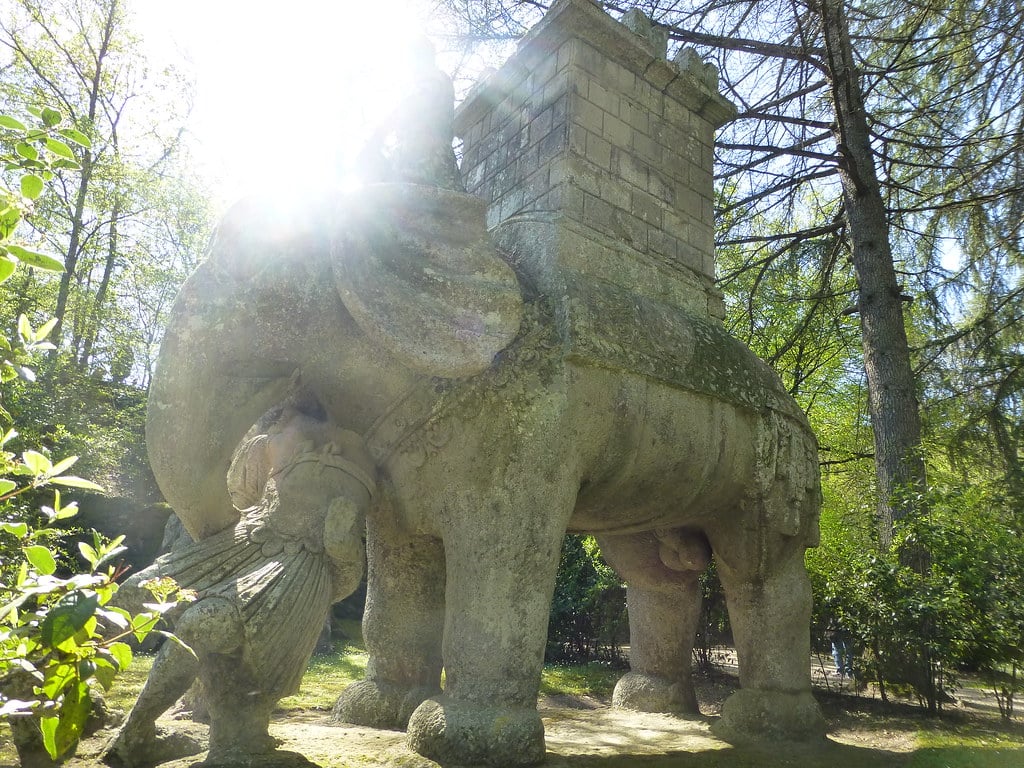
When Carthaginian general Hannibal decided to attack Rome in 218 BCE, he brought along 37 war elephants on one of history’s most audacious military campaigns. These massive creatures terrified Roman soldiers who’d never encountered anything remotely similar — helping Hannibal secure several crucial victories.
Most elephants perished during the brutal Alpine crossing, yet their psychological impact nearly brought the mighty Roman Empire to its knees.
The Black Death Spreads Through Rats
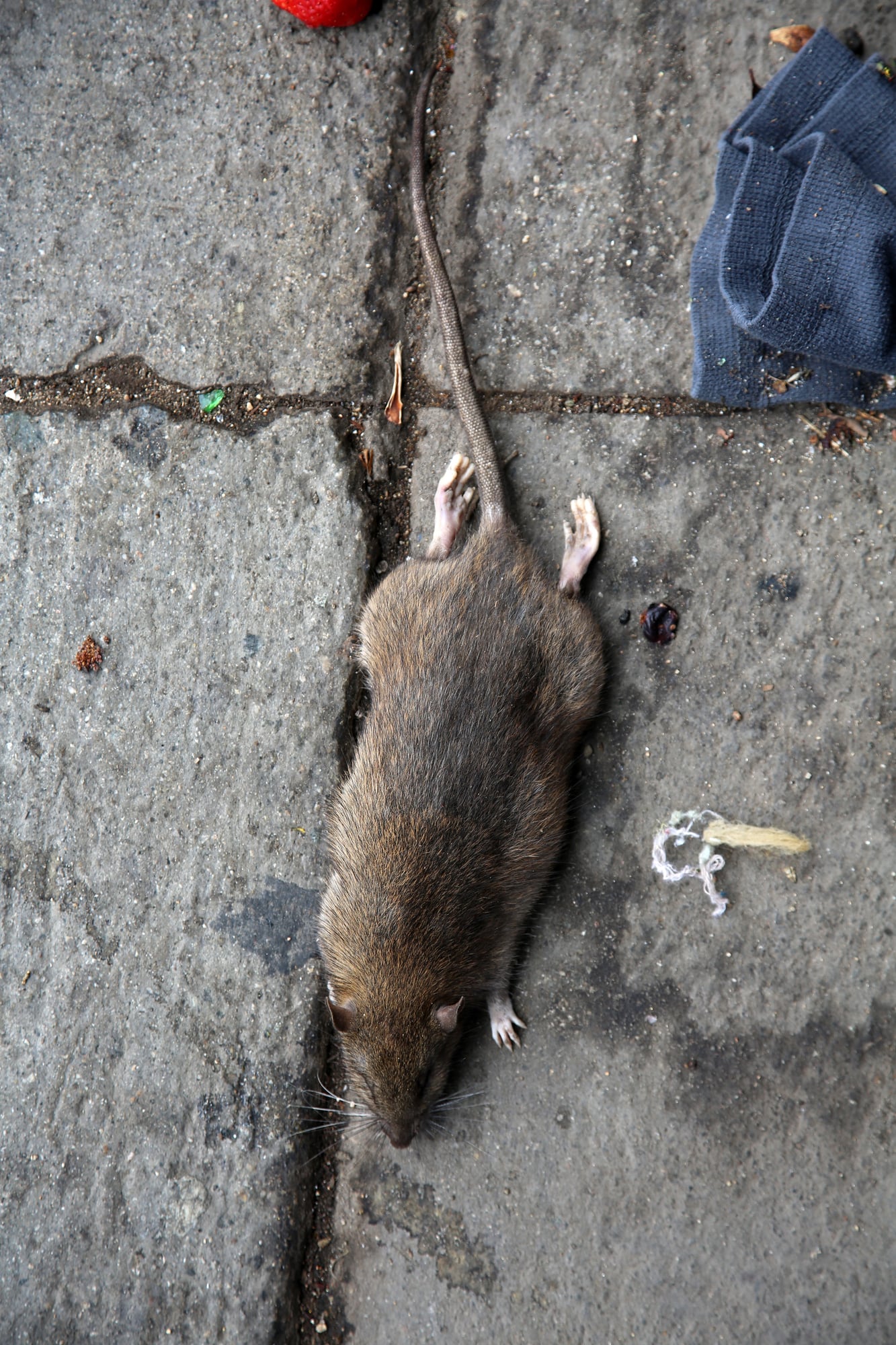
Europe’s 14th-century bubonic plague catastrophe wouldn’t have been possible without rats and their fleas. These rodents carried infected fleas from Asia along established trade routes — essentially turning merchant vessels into floating death chambers.
The pandemic reshaped European society by dismantling feudalism, empowering the working class, and fundamentally altering the continent’s social fabric for centuries.
Like Go2Tutors’s content? Follow us on MSN.
Horses Transform Native American Culture
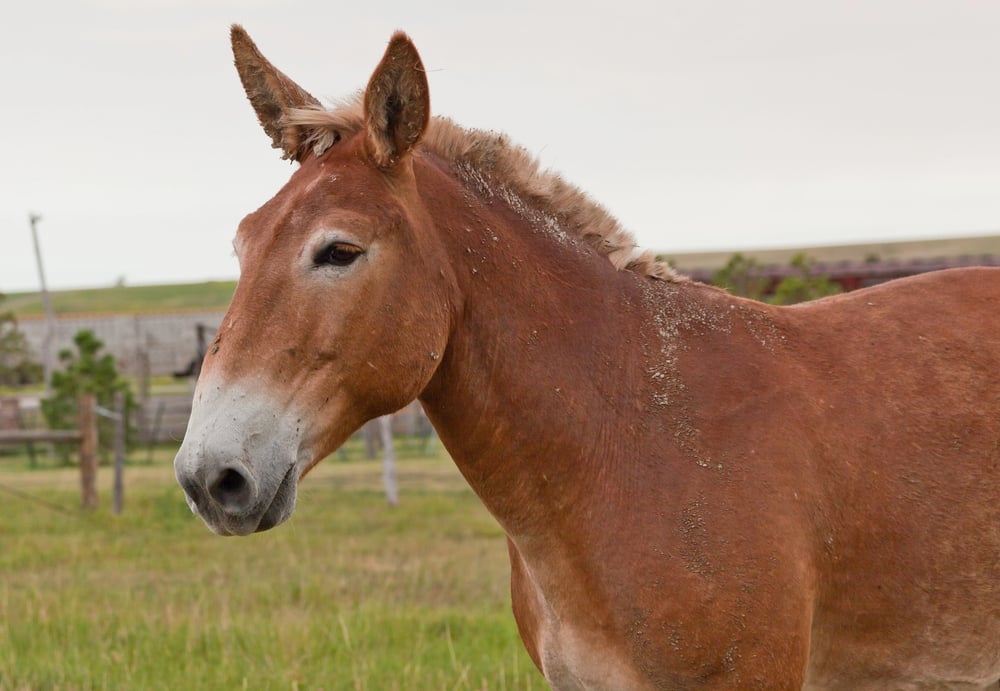
Spanish conquistadors introduced horses to the Americas during the 16th century, though Plains tribes like the Lakota and Comanche quickly adopted them. Within just a few generations, these groups became exceptional horsemen.
The transformation revolutionized hunting, warfare, and trade across the Great Plains — so completely that many can’t imagine Native American culture without these animals, despite thousands of years without them.
Silkworms Create the Silk Road

The tiny silkworm caterpillar inadvertently created one of history’s most significant trade networks. Chinese silk production relied entirely on these creatures — becoming so valuable that merchants risked their lives crossing thousands of miles of treacherous terrain.
The Silk Road connected East and West for over a millennium, spreading goods, ideas, religions, and technologies that shaped entire civilizations.
Cattle Enable the American West
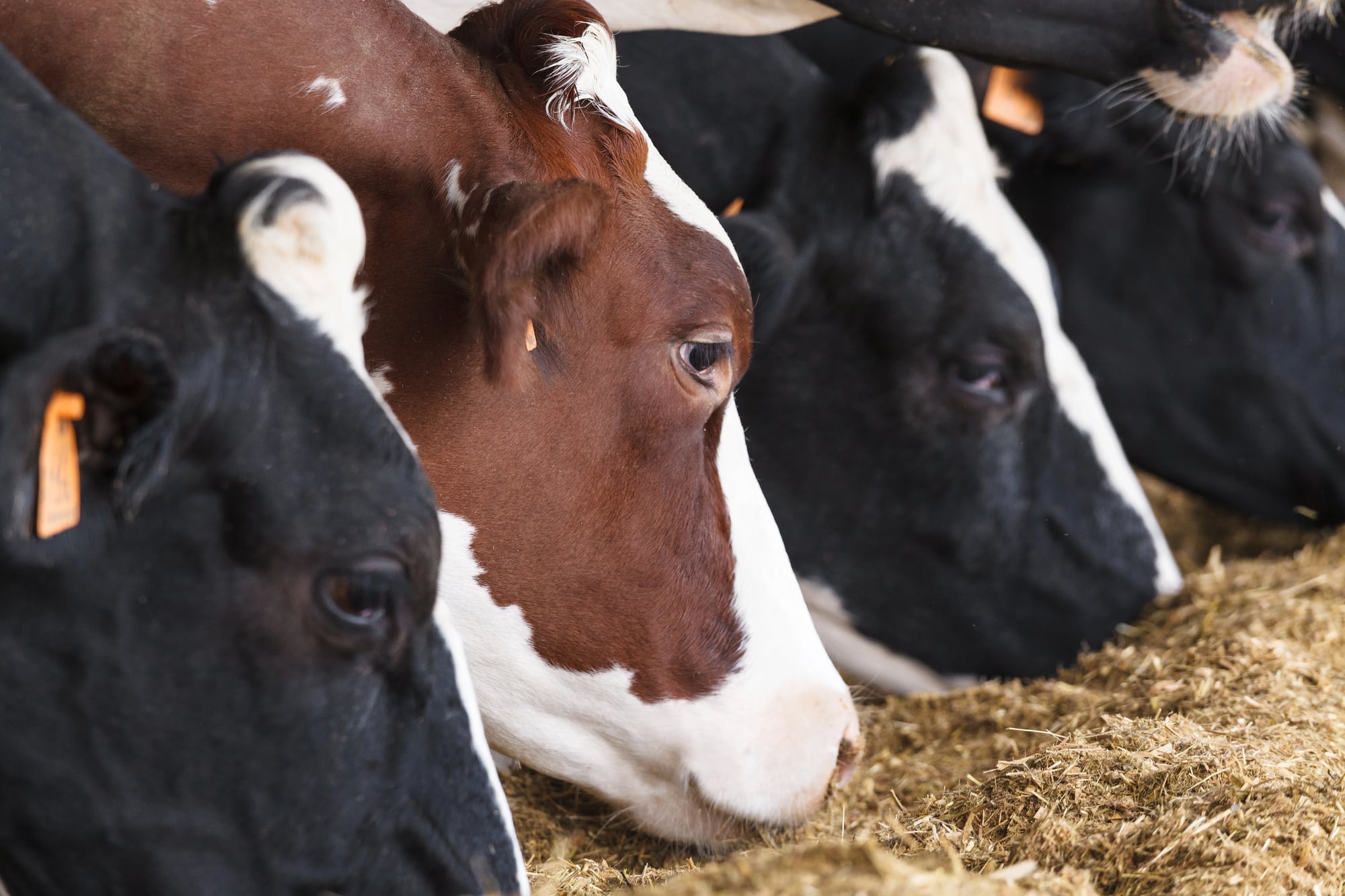
The American frontier would’ve developed completely differently without cattle. These animals made survival possible for settlers in harsh environments where traditional farming proved difficult or impossible — sometimes downright deadly.
Cattle drives created legendary cowboy culture, established major cities like Chicago as meatpacking centers, and provided the economic foundation for westward expansion.
Like Go2Tutors’s content? Follow us on MSN.
Dogs Become Humanity’s First Allies

Wolf domestication into dogs around 15,000 years ago marked humanity’s first successful partnership with another species. Dogs helped early humans hunt more effectively — provided protection from predators, and even served as pack animals.
This relationship proved so beneficial that dog-owning human groups likely gained significant advantages over those without canine companions, influencing which populations thrived across the globe.
Pigeons Deliver Wartime Messages

Carrier pigeons played crucial roles in both World Wars — delivering messages when radio communications failed or became too dangerous. These birds saved countless lives by carrying intelligence across enemy lines and coordinating military operations.
One pigeon named Cher Ami continued flying with a damaged wing and missing leg — delivering a message that saved 200 American soldiers trapped behind enemy lines.
Smallpox Decimates the Aztec Empire

Spanish conquistador Hernán Cortés conquered the mighty Aztec Empire with just a few hundred men, though his secret weapon wasn’t superior technology — it was smallpox carried by European livestock. The disease killed millions of Native Americans who had no immunity — devastating indigenous societies across the Americas.
This biological catastrophe enabled European colonization and forever altered two continents’ demographic makeup.
Like Go2Tutors’s content? Follow us on MSN.
Camels Open Desert Trade Routes
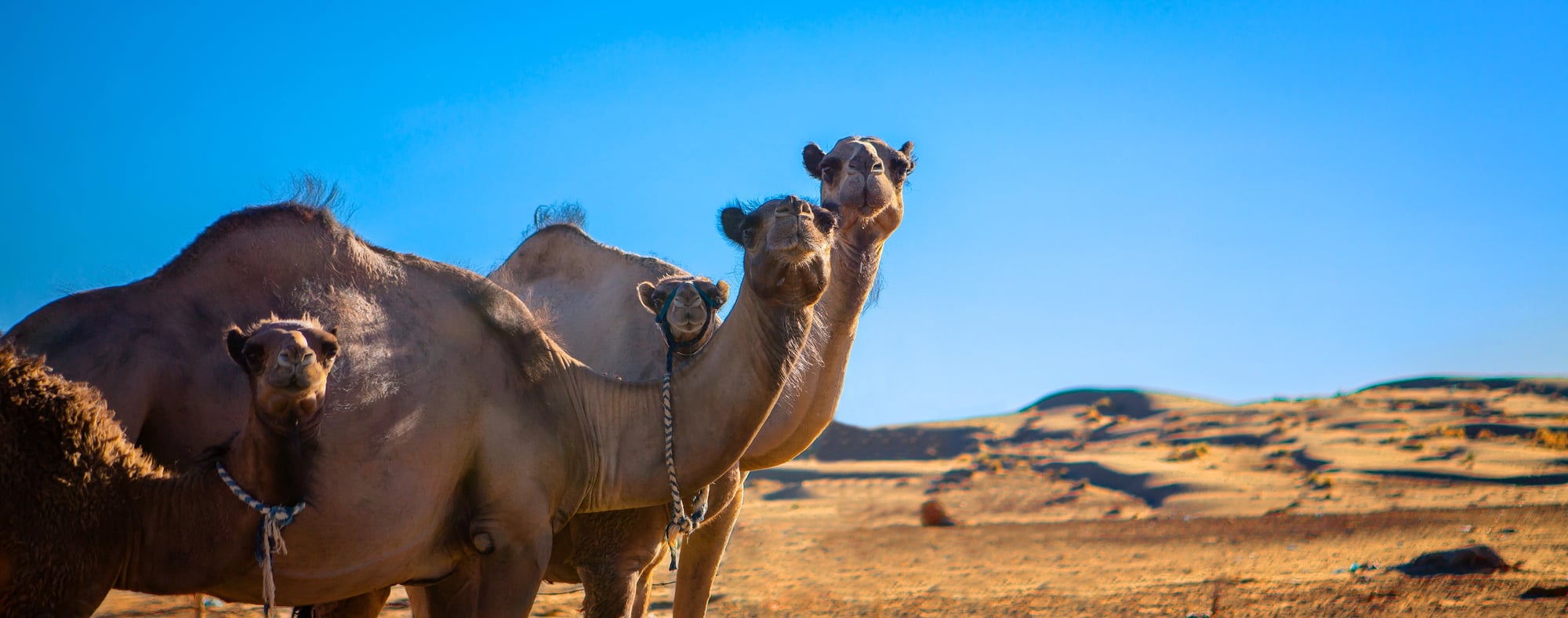
Camels made long-distance Sahara Desert trade possible — connecting sub-Saharan Africa with Mediterranean civilizations. These remarkable “ships of the desert” could travel for days without water while carrying heavy loads of gold, salt, and precious goods — no small feat in such harsh conditions.
Trans-Saharan routes enriched empires like Mali, spread Islam across West Africa, and created cultural exchanges influencing art and scholarship.
Bees Support Agricultural Civilization
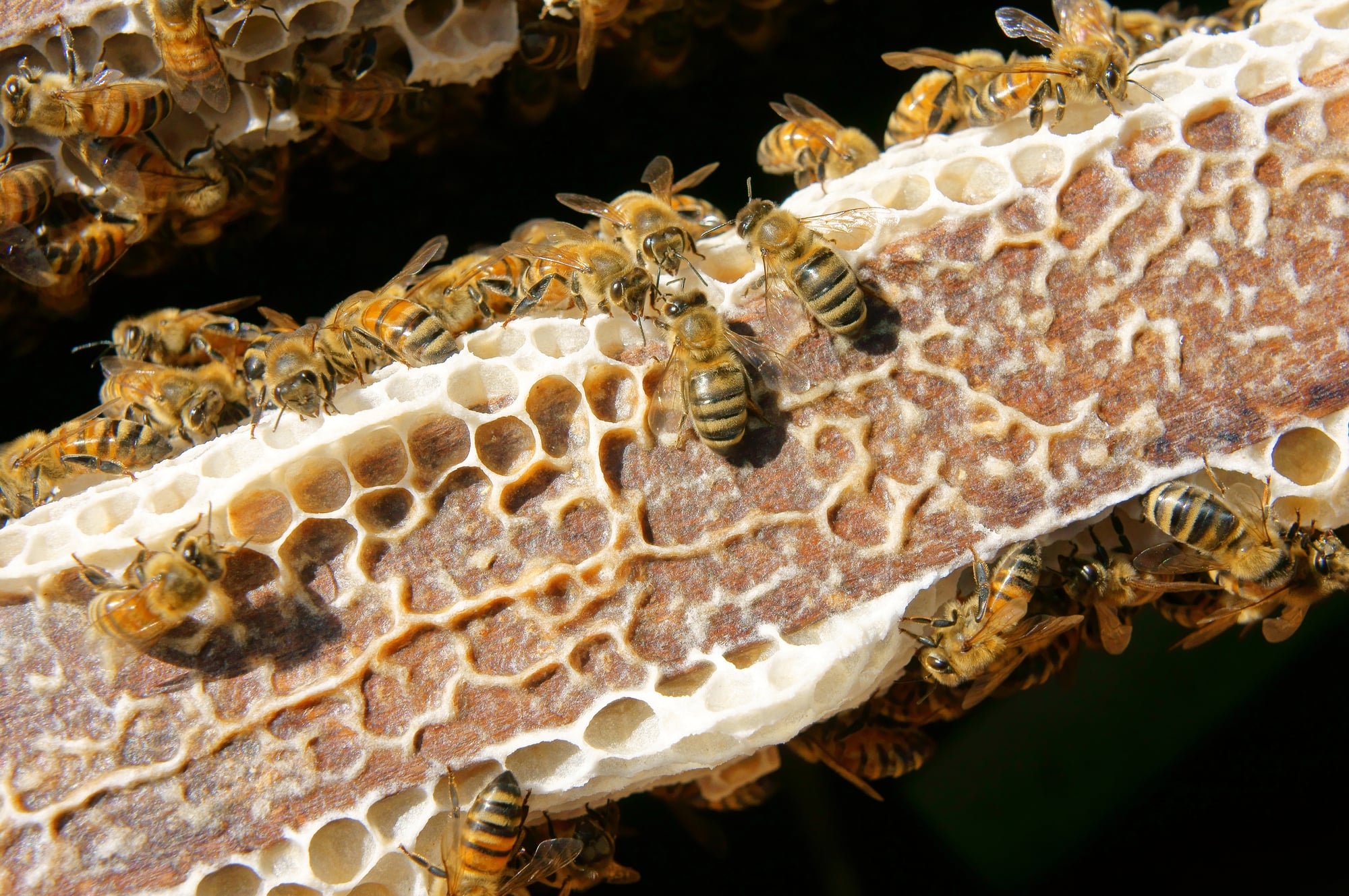
Honeybees don’t just make honey. They pollinate roughly one-third of all crops humans eat.
Without these industrious insects, agricultural societies couldn’t have developed stable food supplies necessary for large cities and complex civilizations. Today, bee populations are declining worldwide, threatening modern agriculture while highlighting just how dependent human civilization remains on these tiny creatures.
Lab Mice Advance Medical Science
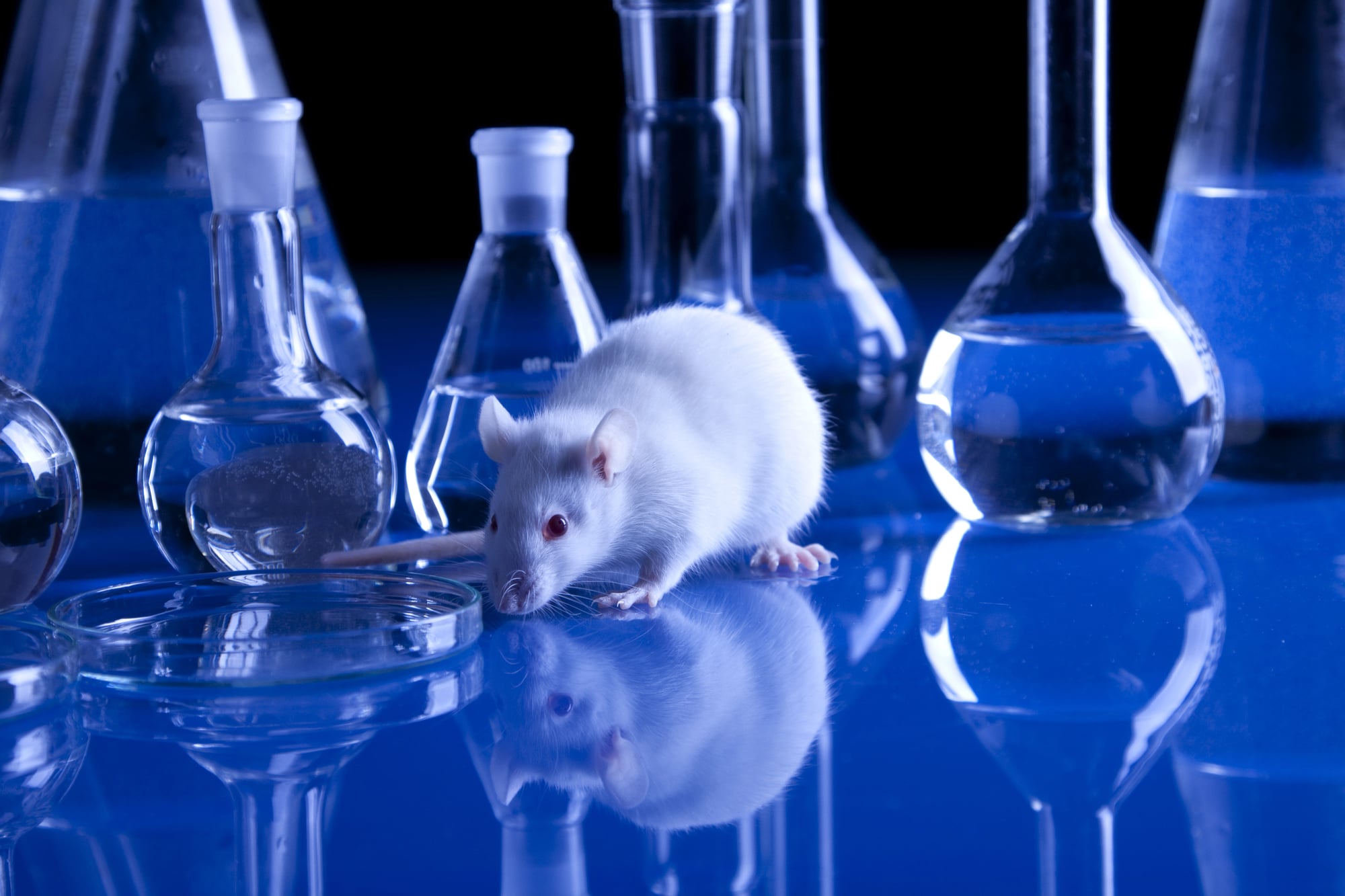
Laboratory mice have contributed to virtually every major medical breakthrough of the past century, from vaccines to cancer treatments. These small rodents share surprising genetic similarities with humans, making them ideal test subjects for understanding diseases and developing cures.
Countless human lives have been saved thanks to medical knowledge gained from mouse studies, making them unlikely heroes of modern medicine.
Like Go2Tutors’s content? Follow us on MSN.
Carrier Pigeons Win World War I
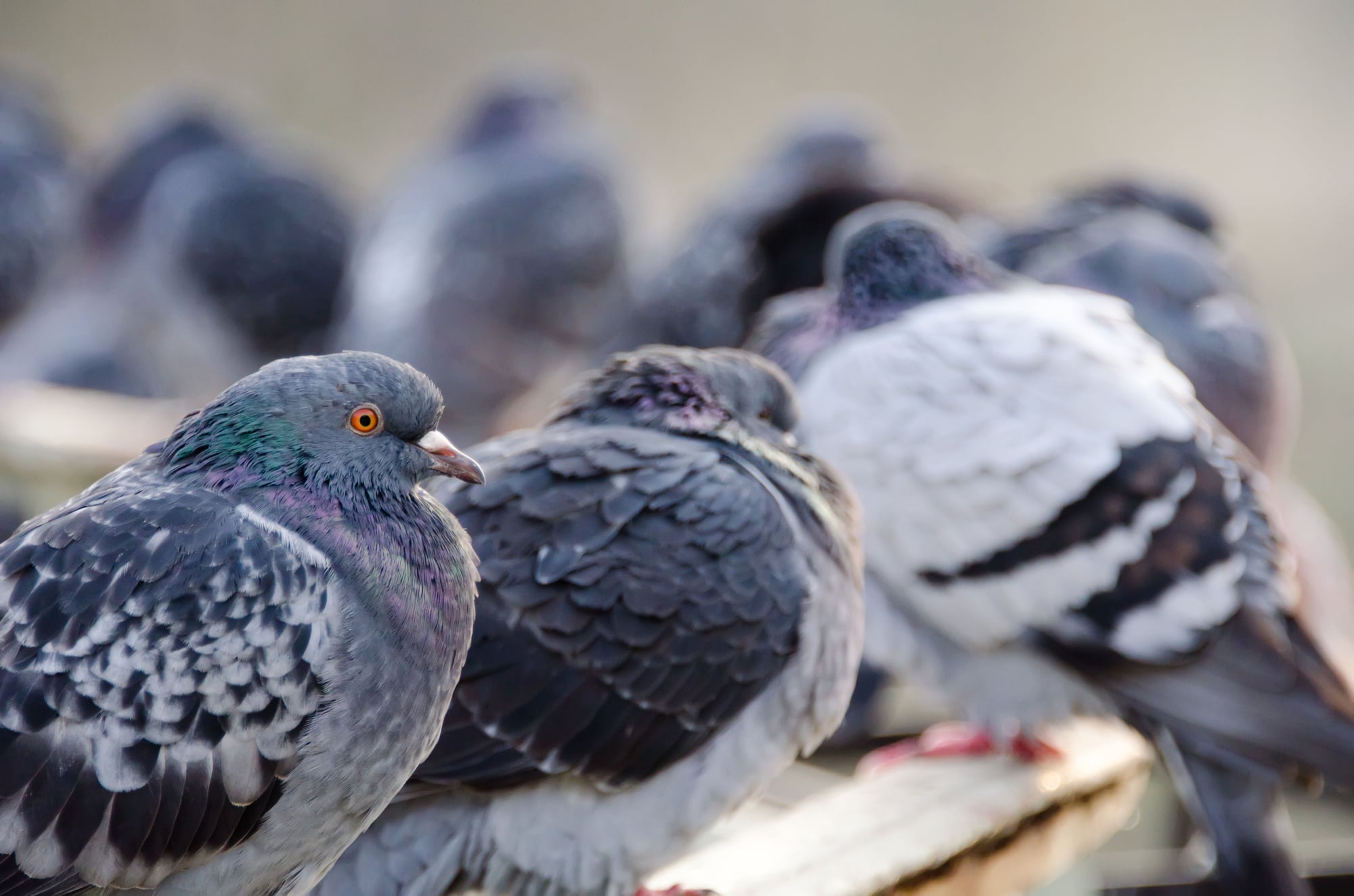
Beyond individual heroic birds, carrier pigeons as a group proved essential to Allied victory in World War I. When telephone lines were cut and radio equipment failed, these birds provided the only reliable communication between front-line troops and headquarters.
Military commanders depended on pigeons to coordinate attacks, call for reinforcements, and report enemy movements, making them genuine contributors to the war effort.
Sheep Fuel the Industrial Revolution
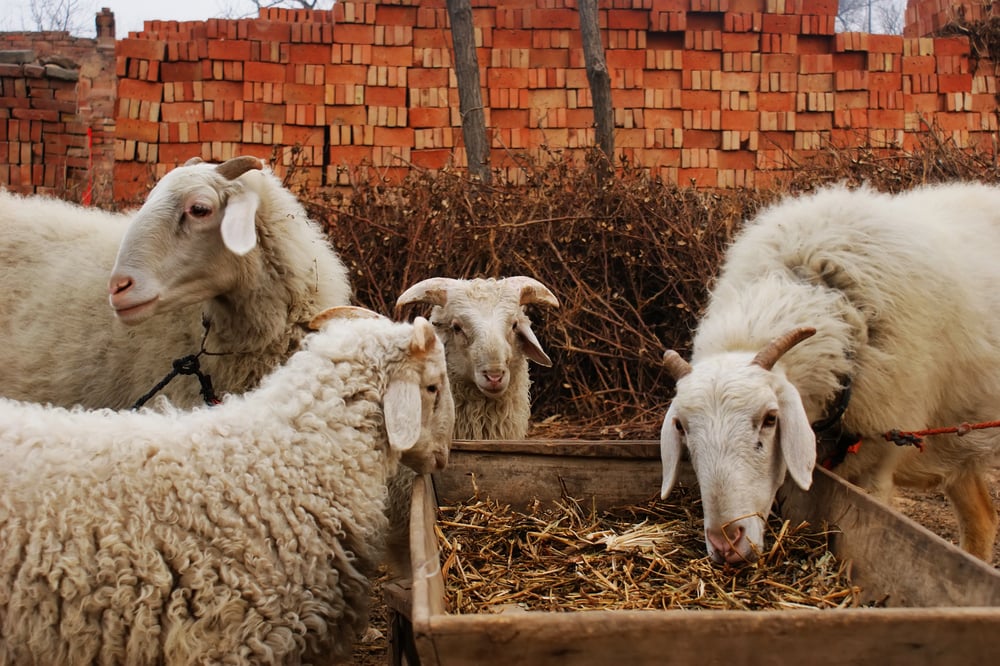
England’s textile industry, which sparked the Industrial Revolution, was built entirely on wool from sheep. These animals provided the raw material for cloth production that made England wealthy enough to invest in new technologies and manufacturing processes.
Wool trade also connected England to global markets, creating the economic conditions necessary for industrialization to take hold and eventually spread worldwide.
Mules Build the Panama Canal
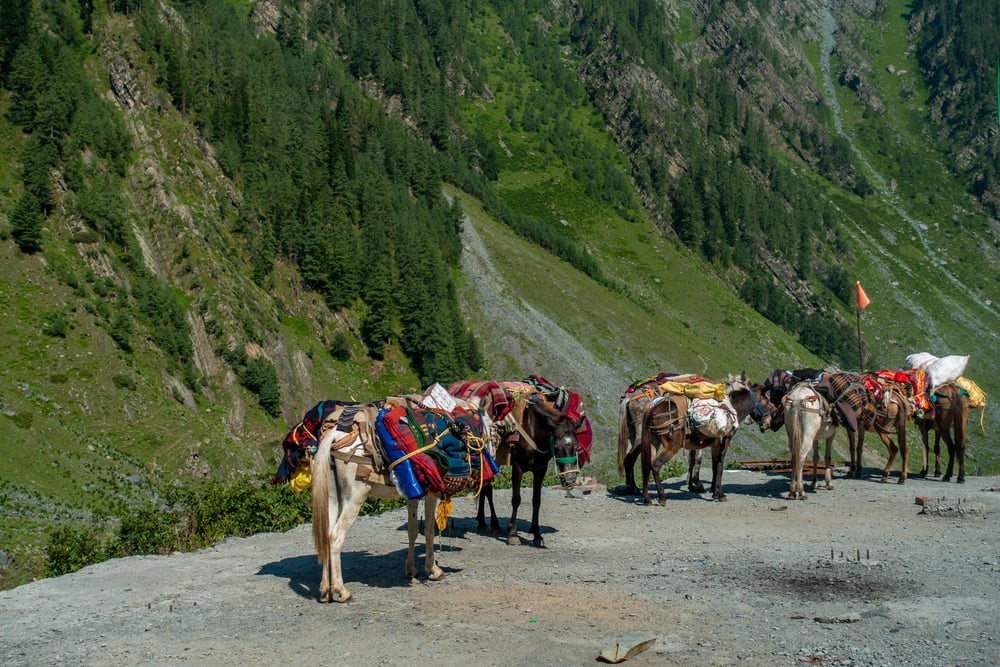
American engineers building the Panama Canal relied heavily on mules to transport equipment and supplies through dense jungle terrain where machines couldn’t operate. These sturdy pack animals carried everything from concrete to construction tools across difficult mountain passes and through swampy lowlands.
Without mules, the canal project would have taken much longer and cost significantly more, potentially delaying this crucial shipping route by decades.
Like Go2Tutors’s content? Follow us on MSN.
When Creatures Became Catalysts
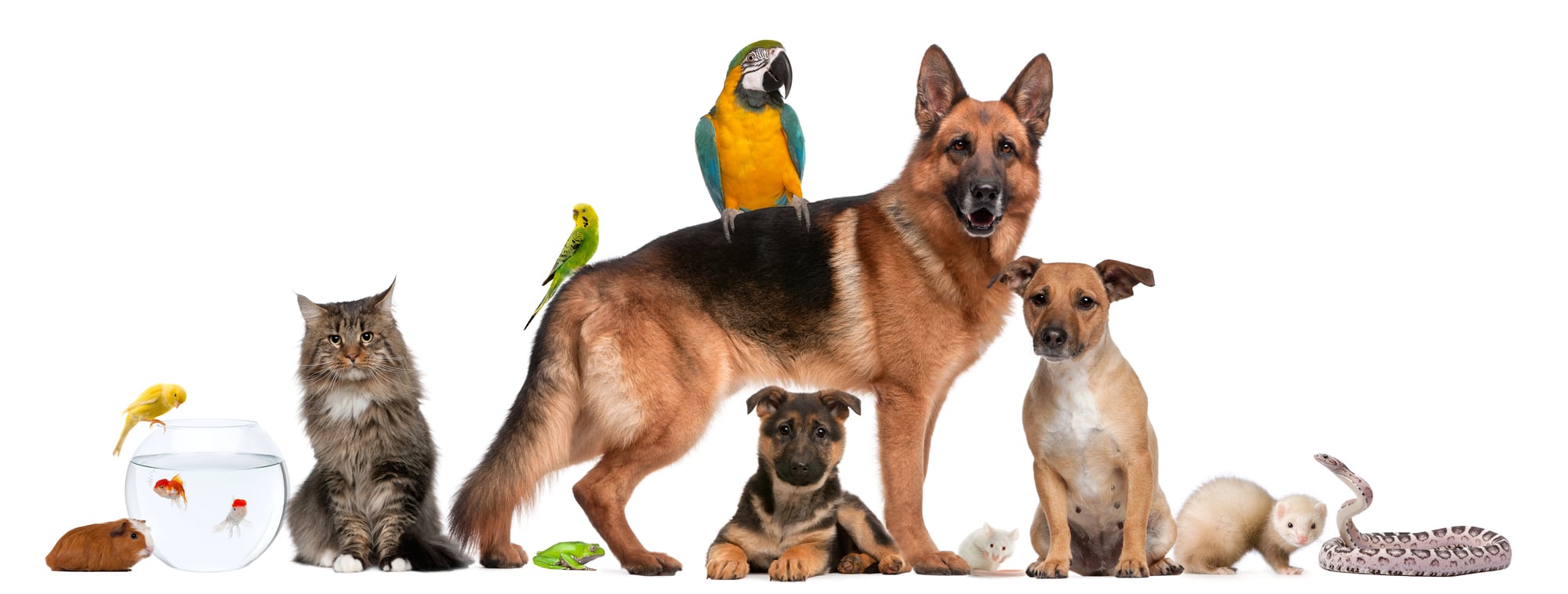
These stories reveal a fundamental truth about human progress: we’ve never been alone in shaping our destiny. Animals have served as partners, adversaries, and unwitting collaborators in humanity’s greatest achievements and most significant challenges.
From ancient battlefields to modern laboratories, creatures great and small have influenced the rise and fall of empires, the spread of ideas, and the development of technologies that define our modern world. Recognizing these connections helps us better understand not just our past, but our ongoing responsibility as stewards of the natural world that continues to shape our future.
More from Go2Tutors!

- 16 Historical Figures Who Were Nothing Like You Think
- 12 Things Sold in the 80s That Are Now Illegal
- 15 VHS Tapes That Could Be Worth Thousands
- 17 Historical “What Ifs” That Would Have Changed Everything
- 18 TV Shows That Vanished Without a Finale
Like Go2Tutors’s content? Follow us on MSN.



