Complex History Behind Classic Video Games
Some video games weren’t just fun to play—they were part of growing up.
They shaped weekend plans, sparked debates at school, and turned many into lifelong fans.
But behind those colorful screens and simple tunes, there are stories that are way more interesting than most realize.
Many games were born from lucky accidents, bold ideas, or struggles that almost ended them before they started.
It’s easy to think these old games were simple, but their histories are full of surprises.
Let’s jump into the fascinating stories behind some of the most classic video games.
Pac-Man

Pac-Man wasn’t just made to gobble dots.
The creator, Toru Iwatani, wanted to make a game that would attract women to arcades, which were mostly full of violent games.
The idea came from looking at a pizza with one slice missing.
The game became a huge hit worldwide, and it changed the way games were made forever.
Tetris

Tetris was created in the Soviet Union by a computer engineer named Alexey Pajitnov.
He made it as a side project while working for the government.
For years, he didn’t get any money from it because the rights belonged to the Soviet state.
Still, the game spread fast, often copied and shared, and it helped make the Game Boy super popular later on.
Super Mario Bros.
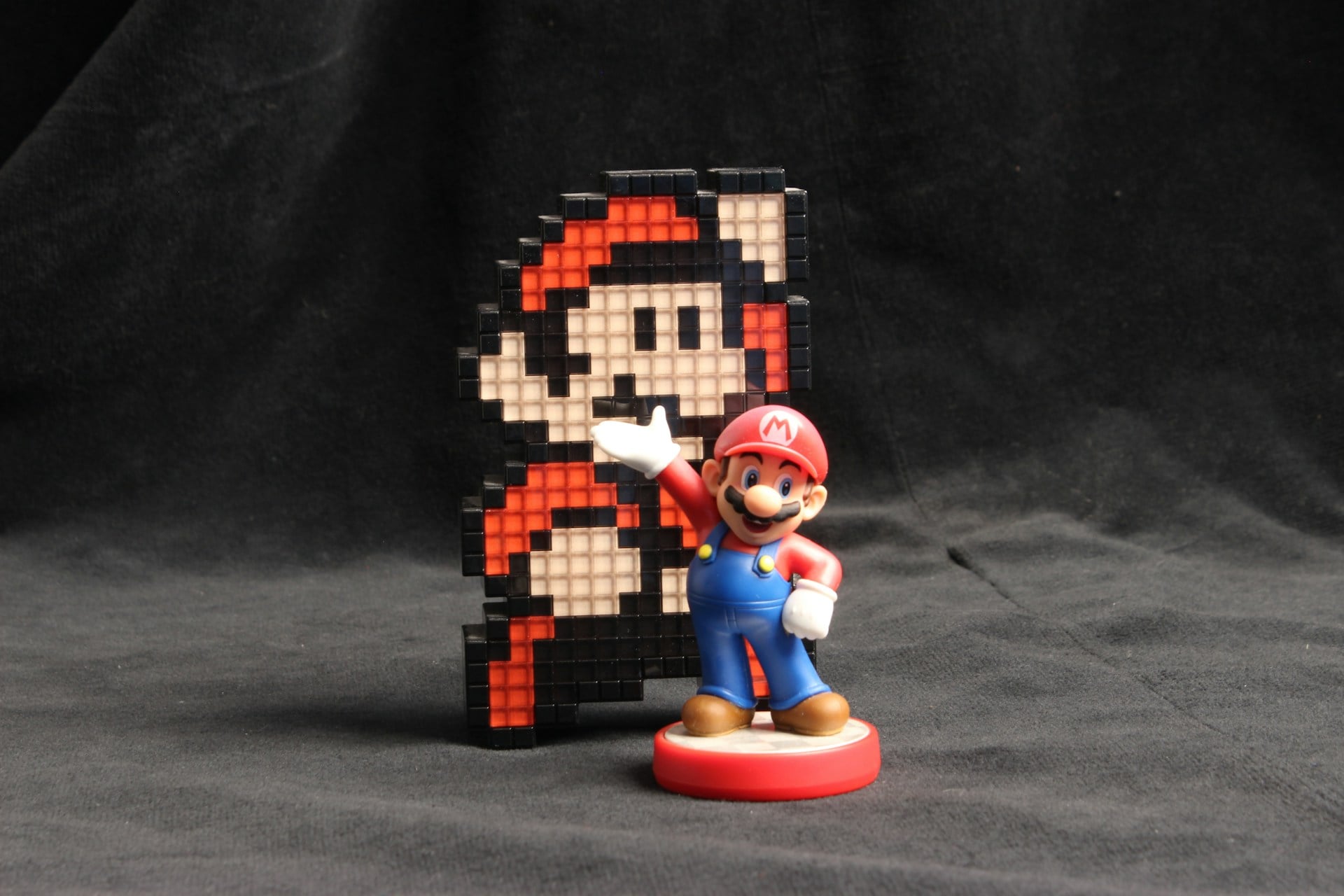
Mario actually started out as “Jumpman” in Donkey Kong before becoming the plumber we know today.
Nintendo needed a game to show off their new system in Japan in 1985.
The tight controls and hidden secrets made it feel fresh and exciting.
Mario quickly became the face of Nintendo and one of the most famous characters ever.
The Legend of Zelda

The creator of Zelda wanted players to feel like they were exploring forests and caves just like when they were kids.
The game didn’t explain much, so players had to figure things out on their own or share tips with friends.
It also introduced a way to save your progress, which was new at the time and changed gaming forever.
Sonic the Hedgehog
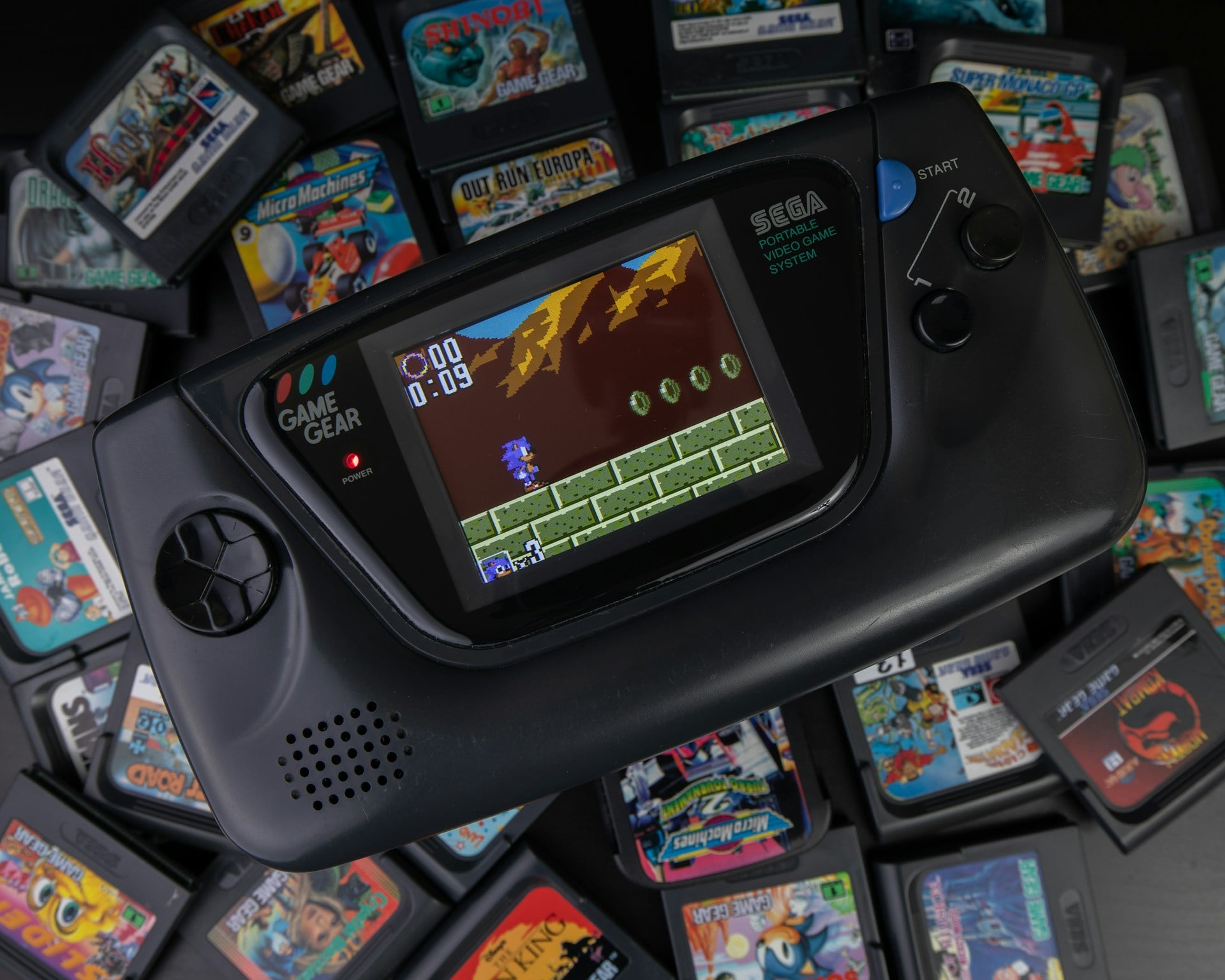
Sega made Sonic to compete with Mario, going for speed and attitude.
Sonic’s red shoes were inspired by Michael Jackson’s style.
The team worked hard to show how powerful the Sega Genesis was.
Sonic’s energy helped Sega become a serious rival to Nintendo in the early 90s.
Street Fighter II
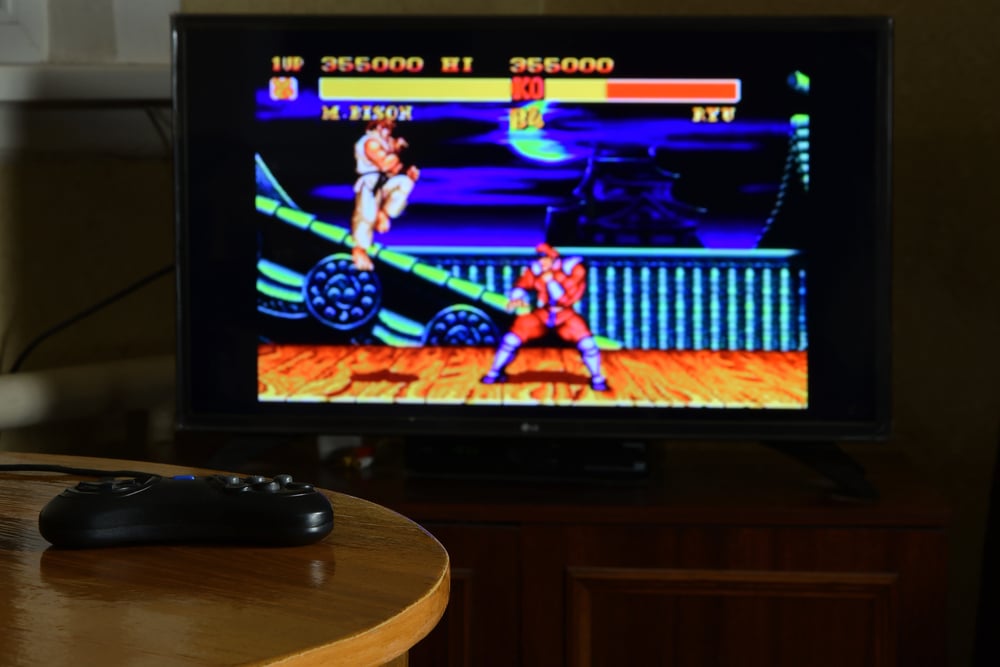
Street Fighter II wasn’t the first fighting game, but it became the one everyone loved.
It introduced combos and special moves, and players from all over would line up at arcades just to battle.
Its impact is still felt in fighting games today.
Donkey Kong

Donkey Kong almost wasn’t called that.
Nintendo originally wanted to make a game based on Popeye but lost the rights, so they made their own characters instead.
The name “Donkey Kong” was a rough translation meant to mean “stubborn ape.”
It ended up being perfect, and it launched Mario’s career.
Metroid
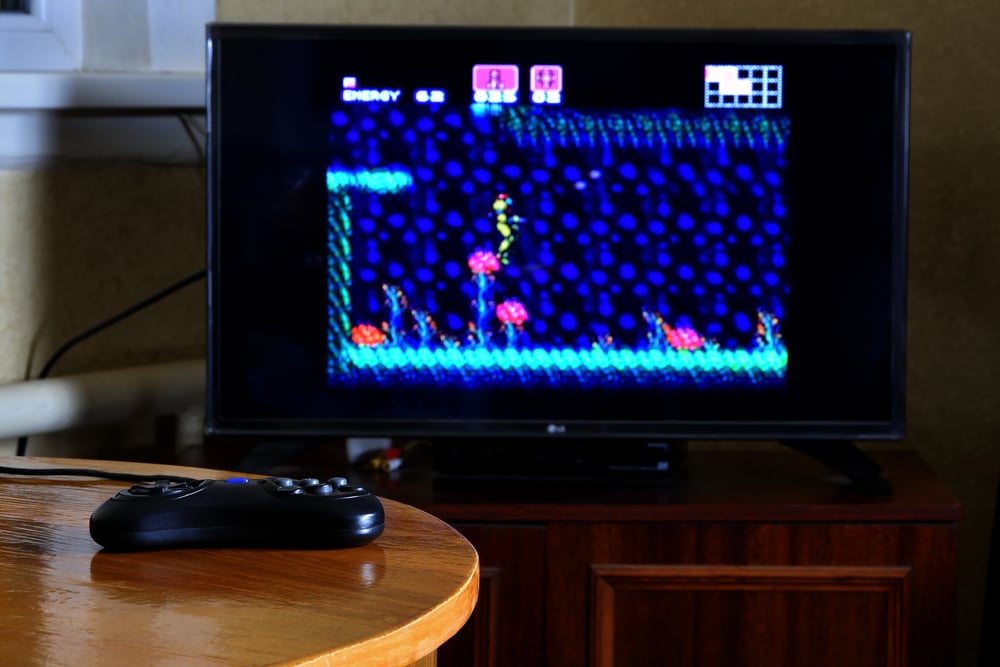
Metroid surprised players when they found out the hero, Samus, was a woman.
That was rare at the time.
The game mixed action and exploration in a new way and set the stage for many games that followed.
Pong
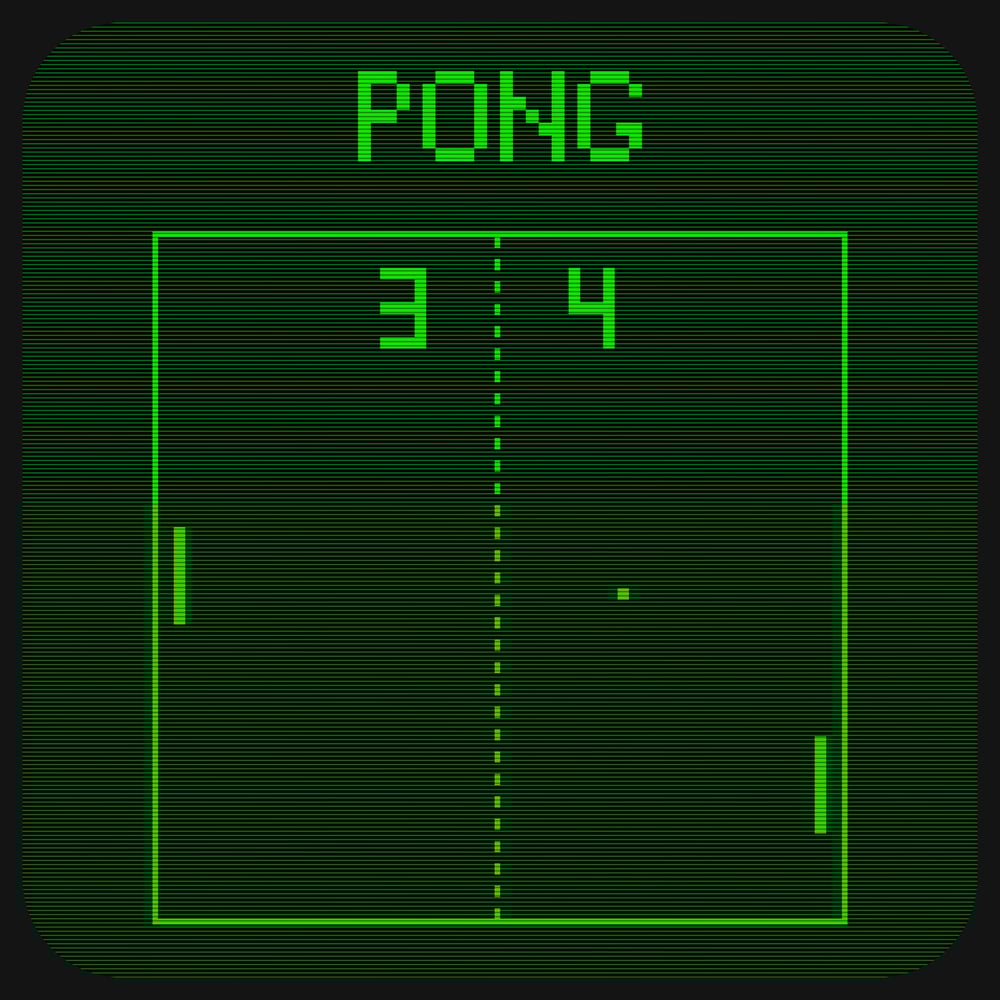
Pong started as a simple test project at Atari.
It was placed in a bar, and people loved it so much that the coin box jammed from too many quarters.
That’s when Atari realized they had a hit.
Space Invaders
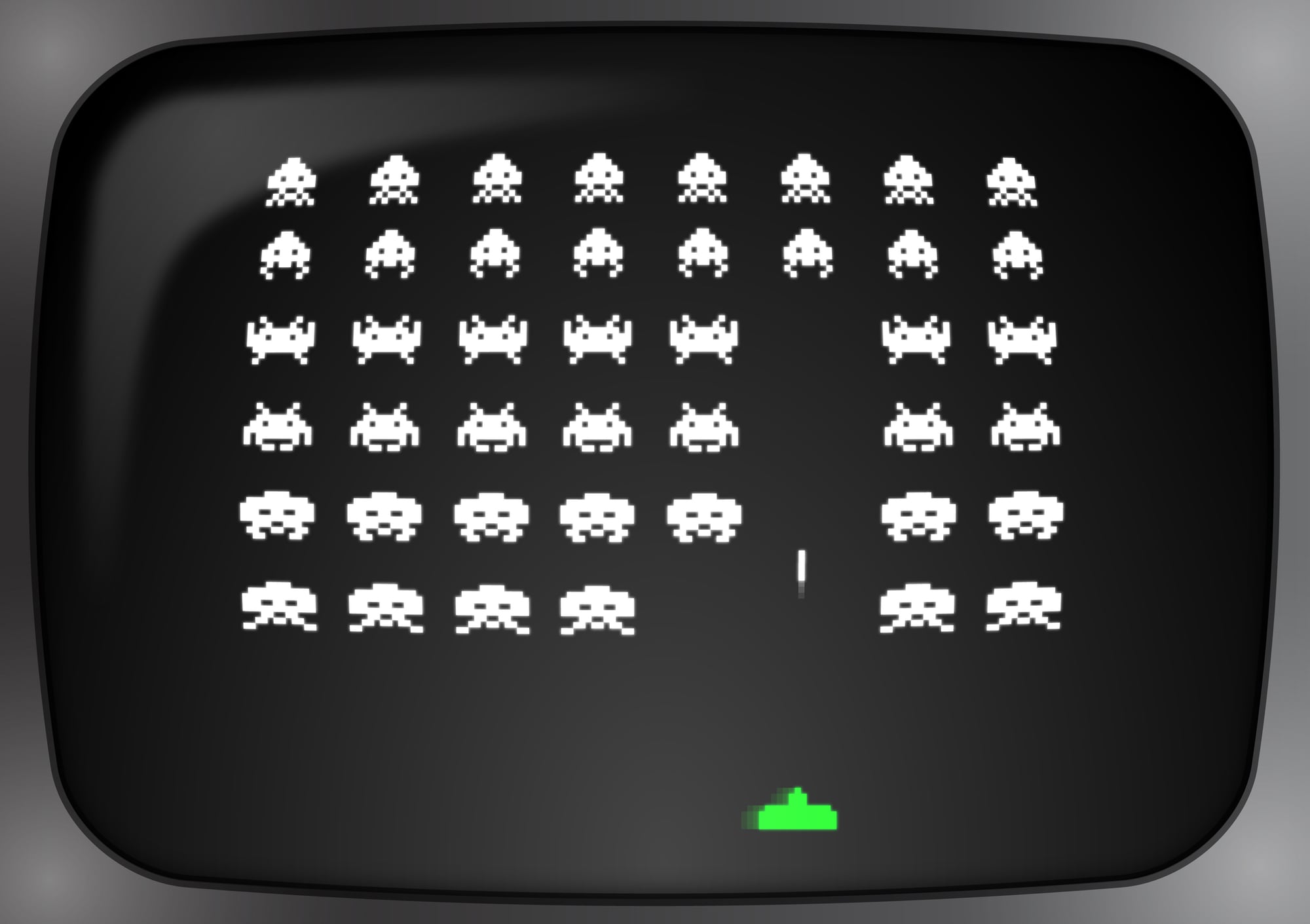
Space Invaders was so popular in Japan that people ran out of coins to play it.
The game’s speed increased as you destroyed enemies because of a programming quirk.
Instead of fixing it, the designers left it in because it made the game more exciting.
Final Fantasy

Final Fantasy was supposed to be Square’s last game because the company was struggling.
But it became a huge success and started a series that’s still going strong today.
Sometimes, near failure leads to the biggest wins.
Pokémon Red and Blue
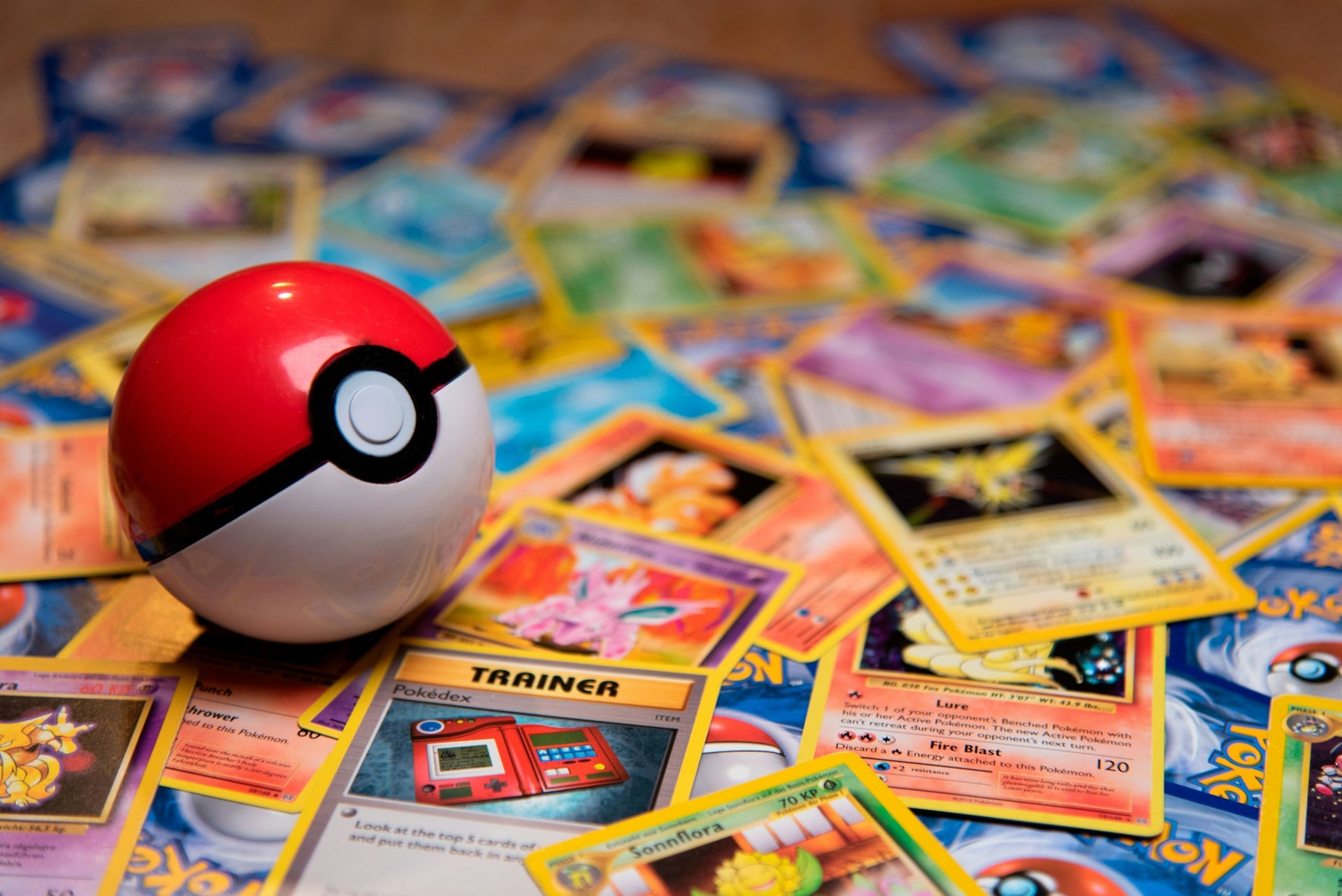
Pokémon started with a simple idea: collecting bugs.
The creator loved this as a kid and wanted to bring that feeling to a game.
Trading Pokémon using linked Game Boys was new and helped the series explode in popularity.
Duck Hunt
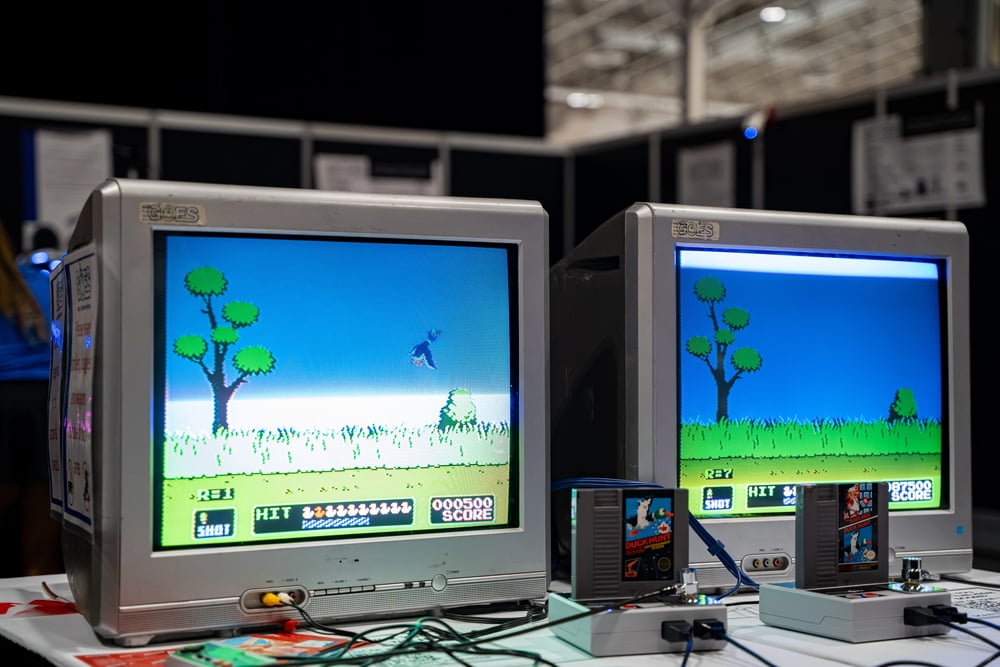
Duck Hunt used a special light gun called the NES Zapper.
When you pulled the trigger, the screen flashed to detect if you hit a duck.
Many remember the laughing dog who showed up when you missed—some loved it, others hated it.
Castlevania
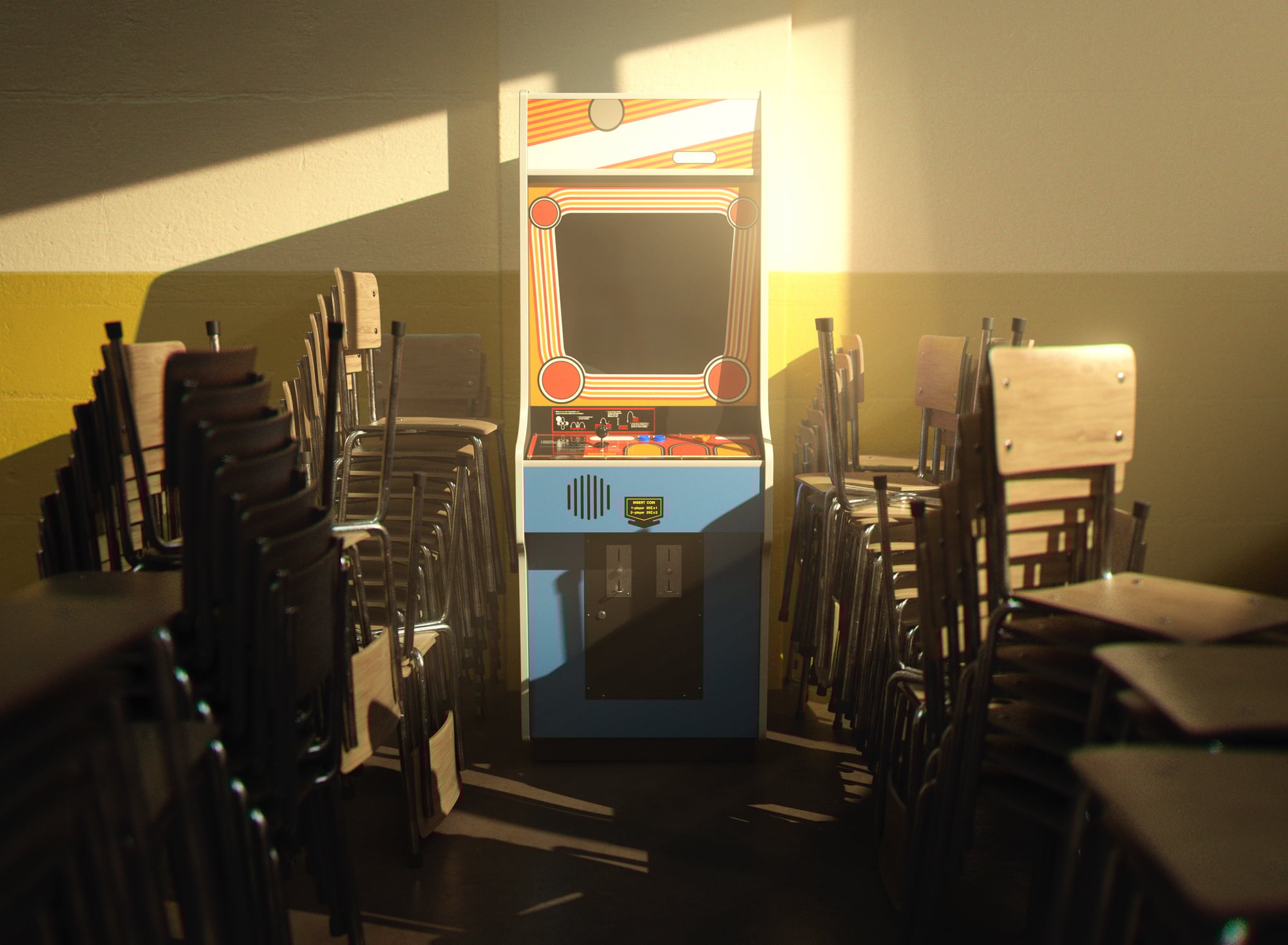
Castlevania mixed horror themes with platforming.
Players battled classic monsters like Dracula with a whip, which was different from the usual swords and guns.
Its music and challenge made it a favorite for many.
Frogger
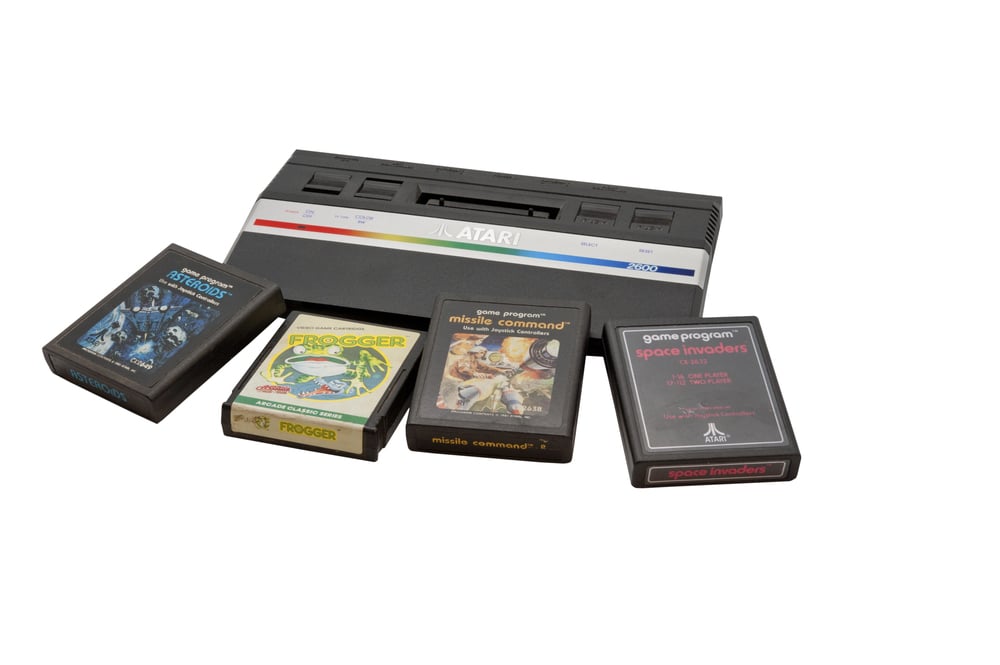
Frogger’s goal was simple: get a frog across a busy road and a river.
But timing was everything, making it tricky.
It proved that a great idea doesn’t need fancy graphics to be fun.
Mega Man

Mega Man’s first game wasn’t a huge hit.
But giving players the choice of which level to play first added strategy and kept people coming back.
It eventually became one of Capcom’s biggest franchises.
EarthBound

EarthBound looked like a kid’s game but had a strange sense of humor and deeper themes.
It didn’t sell well at first but gained a loyal following years later.
Now, it’s seen as a classic with a unique charm.
How old games still shape today’s fun
These classic games weren’t just created for fun.
Real people took risks, tried new ideas, and sometimes barely made it through.
Today’s games are bigger and flashier, but many still borrow from these old lessons.
The challenges and creativity from back then keep shaping what games are now.
Even if the graphics were simple, the ideas were powerful.
More from Go2Tutors!

- The Romanov Crown Jewels and Their Tragic Fate
- 17 Halloween Costumes Once Considered Taboo
- Famous Hoaxes That Fooled the World for Years
- 15 Child Stars with Tragic Adult Lives
- 16 Famous Jewelry Pieces in History
Like Go2Tutors’s content? Follow us on MSN.