Words of the Year from 1960 to 1980
Language evolves in fits and starts, capturing the spirit of each era through the words that suddenly matter most. The two decades from 1960 to 1980 witnessed some of the most dramatic cultural shifts in American history — civil rights, counterculture, technological breakthroughs, and political upheaval all left their mark on how people spoke and what they talked about.
These weren’t just trendy phrases that came and went; they were linguistic snapshots of a society transforming itself, one conversation at a time.
Teach-In
Universities became battlegrounds of ideas in 1965. Students and faculty gathered for marathon sessions of debate, discussion, and dissent — primarily about Vietnam. The teach-in wasn’t just an educational event; it was rebellion disguised as learning.
Traditional lecture halls couldn’t contain these sprawling conversations that lasted through the night, spilling into dormitory common rooms and campus quads where coffee grew cold and voices grew hoarse.
Black Power
Two words that changed everything in 1966. Stokely Carmichael shouted them during a march in Mississippi, and the phrase spread like wildfire through communities that had grown weary of polite requests for basic human dignity.
The term carried weight that “civil rights” couldn’t quite capture — it wasn’t asking permission anymore.
Credibility Gap
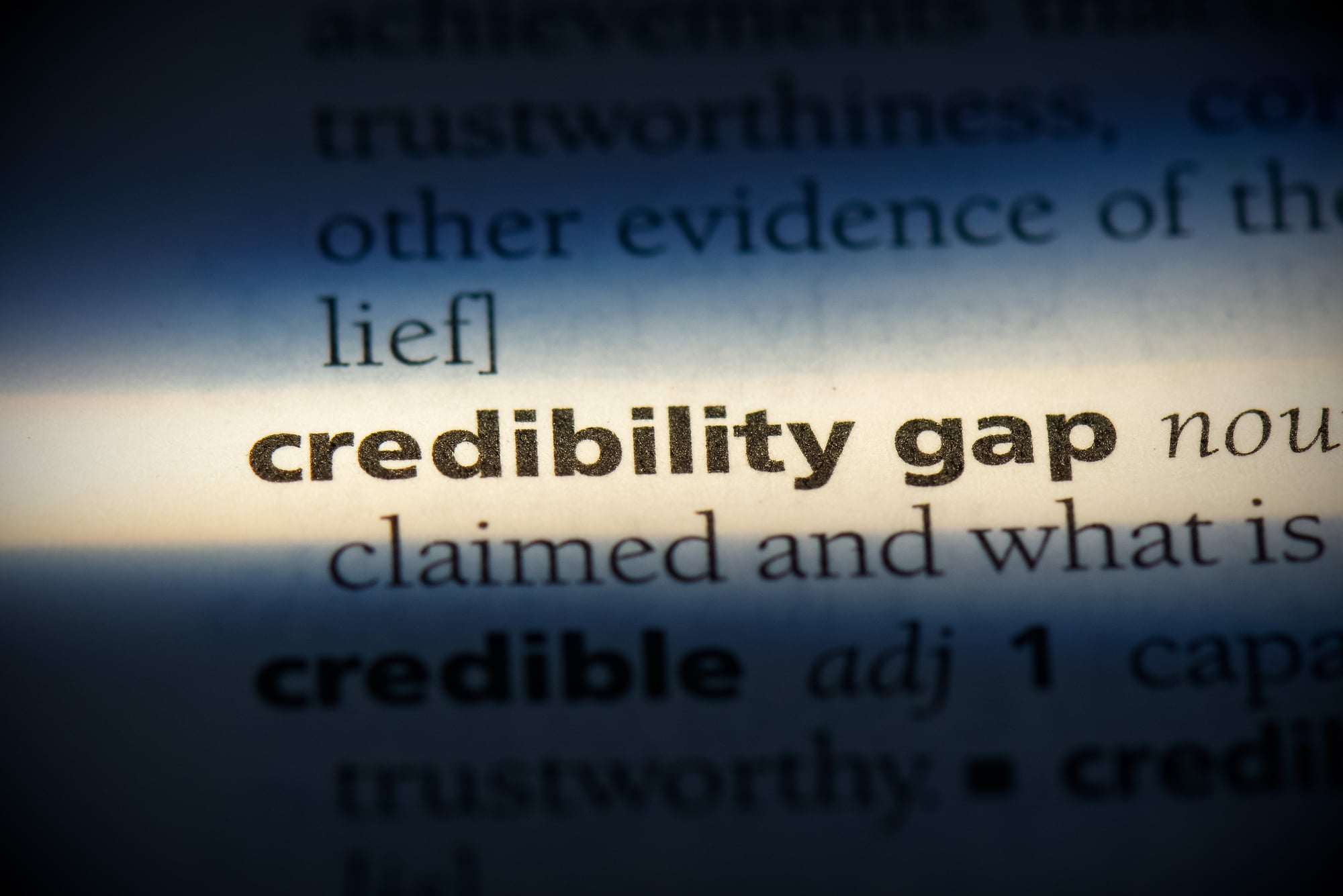
The distance between what politicians said and what actually happened grew so wide in 1967 that journalists needed a name for it. The name they chose was perfectly clinical — which somehow made it sting worse.
Vietnam casualty reports didn’t match what families were hearing from their sons, and government press conferences felt like elaborate fiction workshops where the stories kept changing. Trust became a luxury most Americans couldn’t afford.
Vietnam Syndrome
By 1968, the war had seeped into every corner of American consciousness like smoke under a door. The syndrome wasn’t just about the conflict itself but about the growing realization that this wasn’t how wars were supposed to go.
There were no clear victories, no triumphant homecomings, no easy explanations for why young men kept dying in a place most people couldn’t find on a map six months earlier. But here’s the thing about syndromes: they stick around long after the symptoms first appear.
Woodstock Nation

Three days in August 1969 (August 15–17) created a country within a country. The festival became shorthand for an entire generation’s refusal to accept the world as they’d inherited it, complete with its own citizens, customs, and completely impractical economic system based on sharing everything and expecting nothing in return.
The mud was real, the music was transcendent, and the idea that half a million people could gather peacefully while their government waged war on the other side of the world felt like proof that another way was possible.
Earth Day

April 22, 1970 marked the moment environmental awareness moved from fringe concern to mainstream movement. Twenty million Americans participated in teach-ins, cleanups, and demonstrations — suddenly everyone was talking about ecosystems and biodiversity as if they’d been discussing these concepts over dinner for years.
The planet had been turning for billions of years without requiring a special day, but it turned out humans needed the reminder.
Watergate
A hotel name became synonymous with political corruption in 1972. The break-in was amateur hour — five burglars with more enthusiasm than skill, caught red-handed in Democratic Party headquarters.
What followed was two years of revelations that peeled back layers of presidential misconduct like an onion that made everyone cry. The suffix “-gate” would attach itself to every subsequent scandal, ensuring this particular hotel would never be forgotten.
Streaking

1974 belonged to people running unclothed through public places for no particular reason other than the pure joy of shocking strangers. College campuses, sporting events, award shows — nowhere was safe from sudden displays of human anatomy accompanied by delighted squealing and frantic security guards.
The fad burned bright and brief, like most things involving public nudity and social rebellion, but it captured something essential about a decade that specialized in breaking rules just to see what would happen.
Punk
The music was three chords and a sneer, but the attitude was pure 1975: angry, raw, and completely uninterested in anyone’s approval. Punk rejected the elaborate guitar solos and concept albums that had turned rock into something requiring a college degree to understand.
Instead, it offered volume, speed, and lyrics that sounded like they’d been written on subway walls by someone who had something urgent to say and thirty seconds to say it.
Roots
Alex Haley’s novel became a cultural phenomenon in 1976, but the word itself traveled far beyond literature. Americans started digging into their own family histories with unprecedented enthusiasm, suddenly fascinated by ancestors they’d never bothered to ask their grandparents about.
Genealogy transformed from hobby for retired librarians to national obsession, as if the country’s bicentennial had triggered some collective need to understand where everyone had come from.
Yuppie

Young Urban Professional emerged in 1977 as both descriptor and accusation. These were college graduates who’d traded tie-dye for ties, communes for condominiums, and social activism for stock portfolios.
The counterculture generation was growing up, getting jobs, and buying things their parents would recognize — which felt like betrayal to some and inevitable maturation to others. The word carried just enough judgment to sting.
Détente
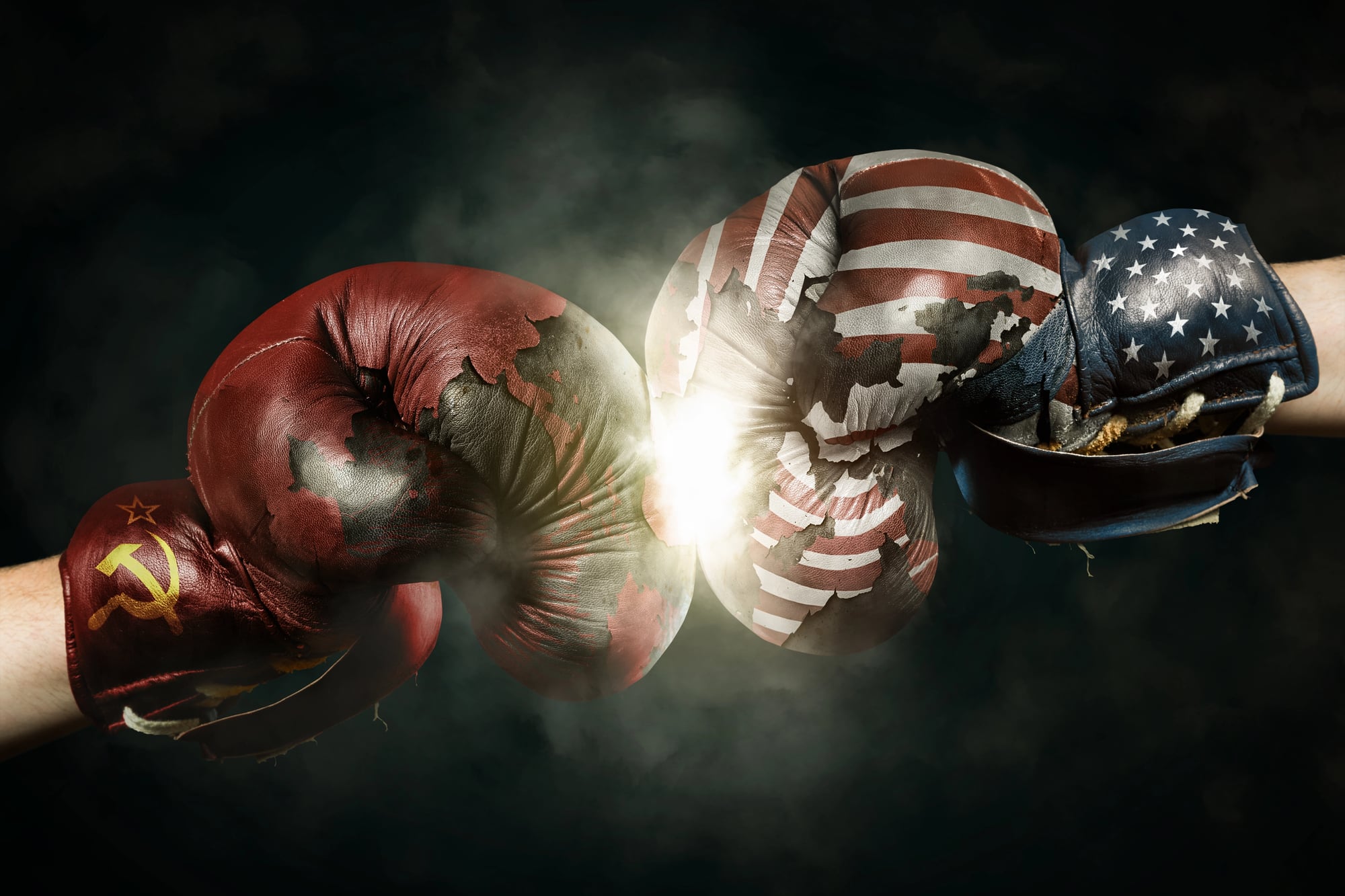
Political tension between superpowers could be managed, diplomats discovered in 1978, through careful conversation and strategic cooperation. The Cold War didn’t have to be quite so cold all the time.
Summit meetings replaced saber-rattling, at least temporarily, as leaders realized that nuclear annihilation wasn’t actually good for anyone’s approval ratings. The French word sounded sophisticated enough to convince everyone this was statecraft rather than simple common sense.
Ayatollah
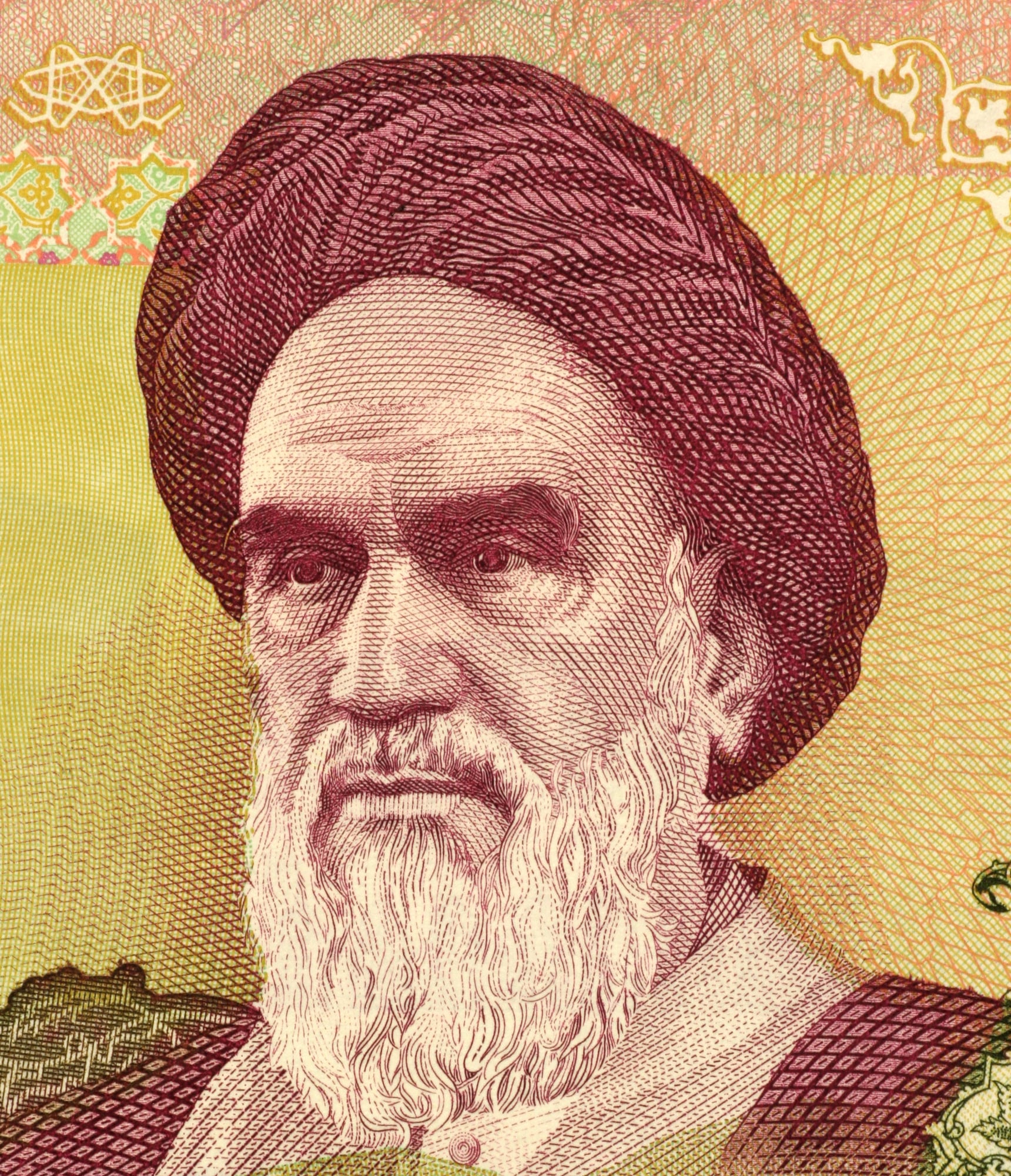
Religious authority crashed into international politics in 1979 when Ayatollah Khomeini returned to Iran after fifteen years of exile. Most Americans had never heard the title before, but they learned it quickly as revolution unfolded on their television screens.
The word carried weight that “religious leader” couldn’t quite capture — this was power with divine backing, which made it both more absolute and more unpredictable than the secular variety.
Reaganomics

1980 introduced economic theory disguised as campaign promise. Tax cuts would stimulate growth, which would benefit everyone — the money would trickle down from wealthy investors to ordinary workers like rain from clouds.
The concept was elegant in its simplicity and controversial in its assumptions about human nature and market behavior. Whether it actually worked depended largely on where you stood when the trickling began.
When Words Capture History
These weren’t just popular phrases that happened to catch on; they were linguistic artifacts of a society reinventing itself under pressure. Each word carried the weight of its moment — the hopes, fears, and contradictions of people trying to make sense of rapid change.
Some faded as quickly as they’d appeared, while others embedded themselves so deeply in the culture that they’re still shaping conversations decades later. Language doesn’t just describe history; sometimes it becomes history, one carefully chosen word at a time.
More from Go2Tutors!

- The Romanov Crown Jewels and Their Tragic Fate
- 13 Historical Mysteries That Science Still Can’t Solve
- Famous Hoaxes That Fooled the World for Years
- 15 Child Stars with Tragic Adult Lives
- 16 Famous Jewelry Pieces in History
Like Go2Tutors’s content? Follow us on MSN.



