16 Astounding Facts About Bird Migration
Every year, billions of birds take part in one of nature’s most incredible shows. They travel thousands of miles across oceans, deserts, and mountain ranges, facing storms, predators, and exhaustion along the way.
These journeys happen above our heads twice each year, yet most of us never realize just how amazing these trips really are. Get ready to discover some truly mind-blowing truths about these feathered travelers and their epic adventures.
One bird flies the equivalent of three round trips to the moon in its lifetime

The Arctic tern holds the world record for the longest migration of any animal on Earth. During their lifetime, Arctic terns may fly an equivalent of 66 times around the Earth or three round trip flights to the Moon.
These tough little birds live for over 30 years and make this incredible journey every single year. Each migration covers between 44,000 and 59,000 miles, which means some individual birds travel more than 71,000 kilometers annually.
Bar-headed geese fly higher than Mount Everest

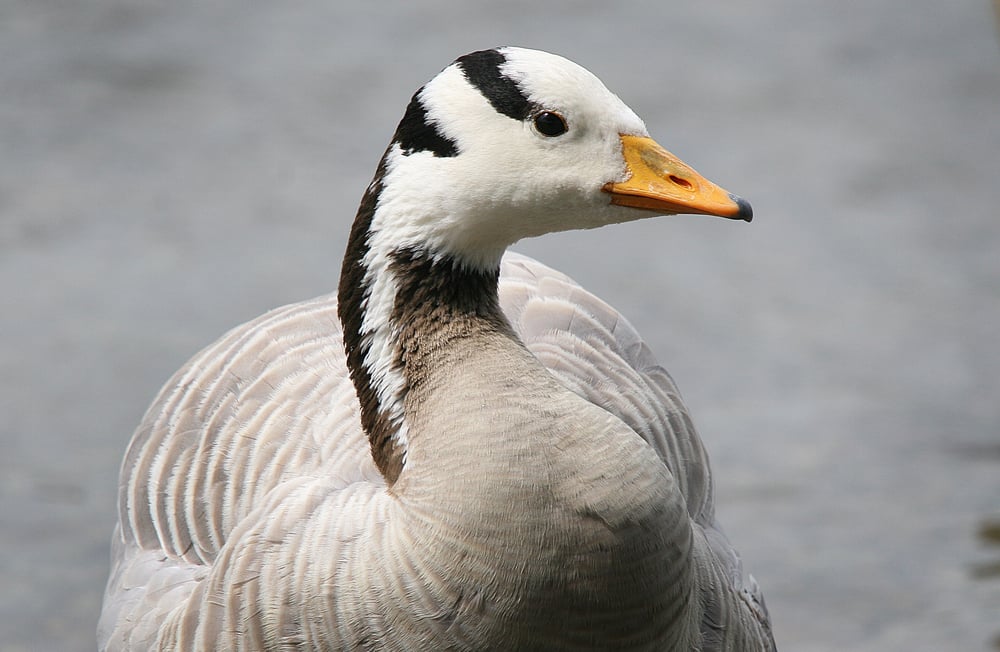
When most birds want to cross mountains, they look for the lowest passes they can find. Bar-headed geese laugh at this idea and fly straight over the Himalayas instead.
Scientists have recorded maximum flight altitudes of 7,290 meters for southbound geese, which puts them higher than Mount Everest’s base camps. Most of these birds reach altitudes of 5,000 to 6,000 meters during migration, where oxygen levels are roughly half of what they are at sea level.
Like Go2Tutors’s content? Follow us on MS
Birds use quantum physics to see magnetic fields
This sounds like science fiction, but it’s completely real. Experiments have shown that birds’ ability to detect magnetic fields depends on light, and it works through blue-light-sensitive proteins called cryptochromes.
When blue light hits these proteins in a bird’s eye, it creates special quantum particles that help them literally see the Earth’s magnetic field. New research hints at the biophysical underpinnings of their ability to use Earth’s magnetic field lines to find their way to their breeding and wintering grounds.
Billions of birds create traffic jams in the sky twice each year
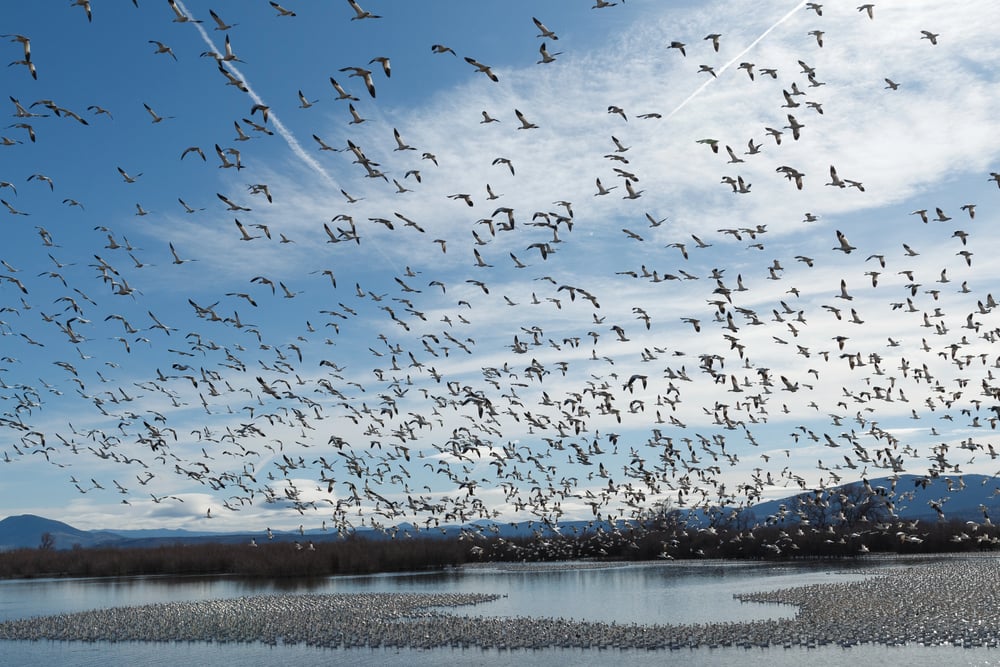
The skies over America become incredibly crowded during migration seasons. Scientists estimate that 4 billion birds travel through the United States during fall migration alone.
That number doubles when you count spring migration too. Most of these travelers prefer flying at night, which turns our dark skies into busy highways filled with wings and bird calls.
Some birds can navigate using just one eye
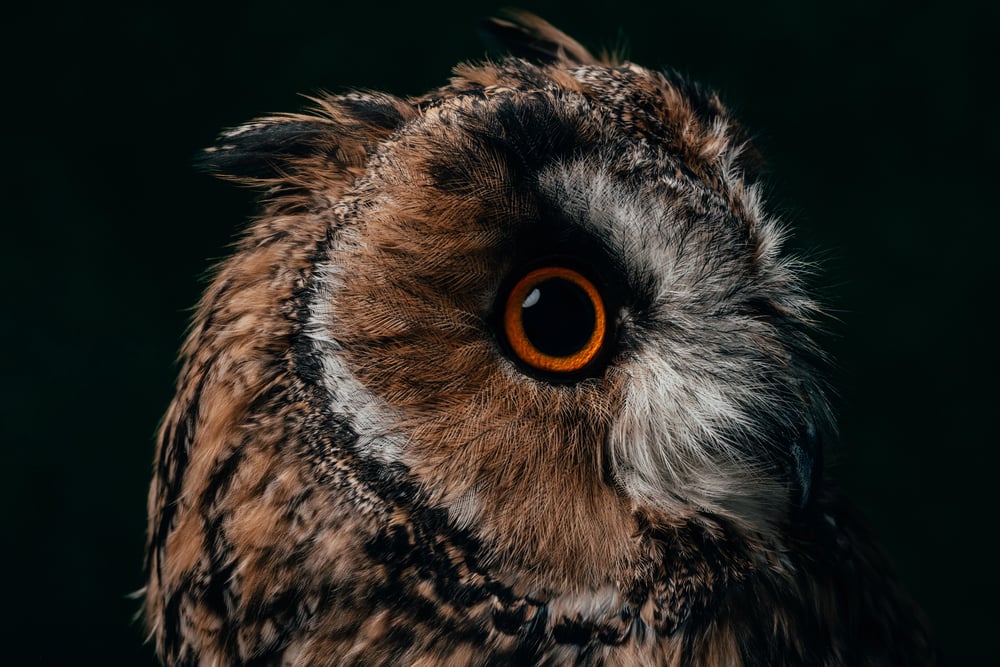
Here’s something that would make any human navigator jealous. Scientists have discovered that many migrating birds can switch their magnetic field detection on and off like flipping a light switch.
Research shows that this ability is connected to specific brain regions that process magnetic information. The really wild part is that some birds can use just one eye to see magnetic fields while using the other eye for regular vision.
Like Go2Tutors’s content? Follow us on MS
Birds make their own weather forecasts thousands of miles in advance
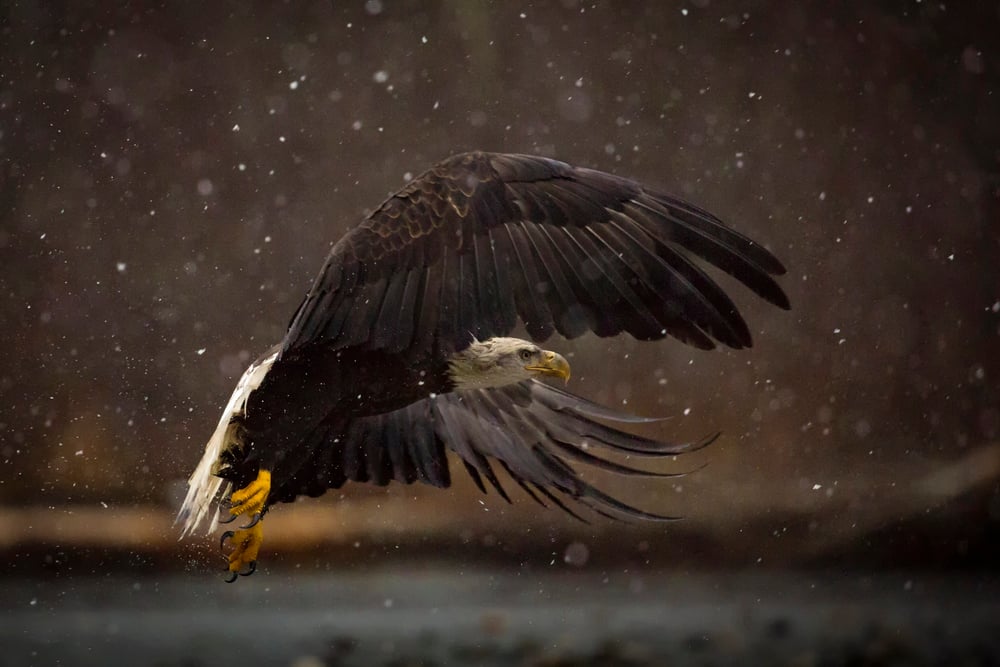
Weather patterns happening on the opposite side of the planet can affect when birds show up in your backyard each spring. Scientists have found that ocean temperatures and atmospheric conditions in distant places create ripple effects that birds somehow detect and respond to.
These feathered meteorologists are plugged into a global weather network that puts our local weather apps to shame. A storm brewing in the Pacific Ocean might cause your neighborhood robins to arrive three days earlier than usual, even though those birds never get anywhere near that Pacific storm.
Magnetic storms from space can make birds lose their way

Solar flares and magnetic storms from the sun don’t just affect our electronics and power grids. They also mess with bird navigation systems in ways scientists are just beginning to understand.
When these space weather events hit Earth, they can disrupt the magnetic field patterns that birds rely on for navigation. Some researchers believe that unusual bird behavior and unexpected route changes during migration might be linked to these cosmic disturbances.
You can watch live bird migration from your computer
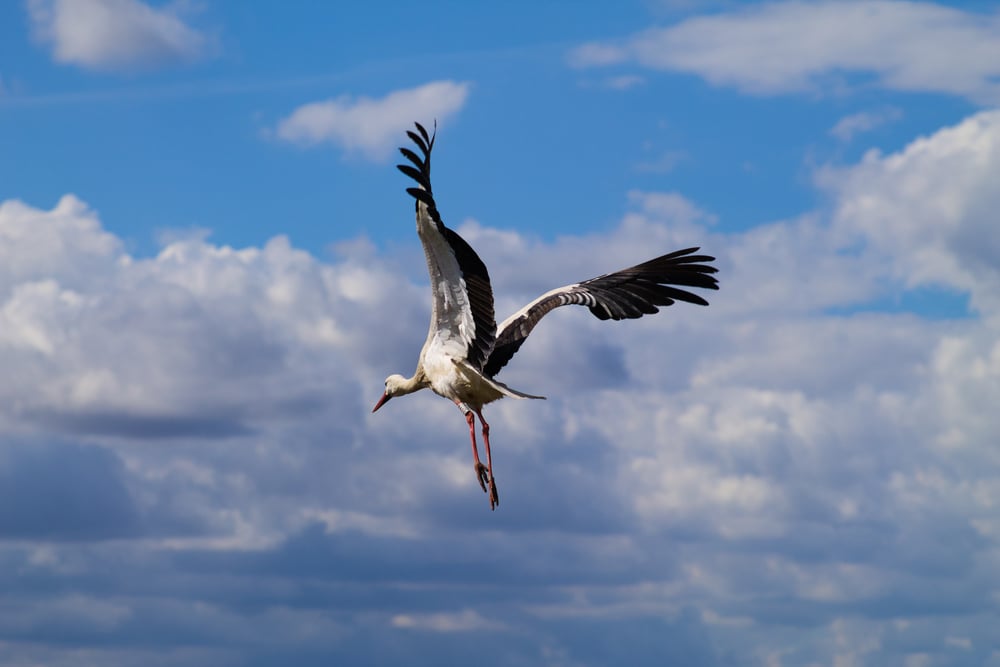
We now live in an amazing time where you can watch bird migration happen in real time from anywhere in the world. Cornell Lab of Ornithology produces live maps showing exactly where millions of birds are flying each night using weather radar technology.
The same systems that predict tomorrow’s rain can tell us precisely where bird flocks are moving, how fast they’re going, and what direction they’re headed. You can literally sit at your computer and watch waves of birds sweep across entire states, with different colors showing the density and movement patterns of these living clouds.
Like Go2Tutors’s content? Follow us on MS
Birds don’t follow each other like we thought they did
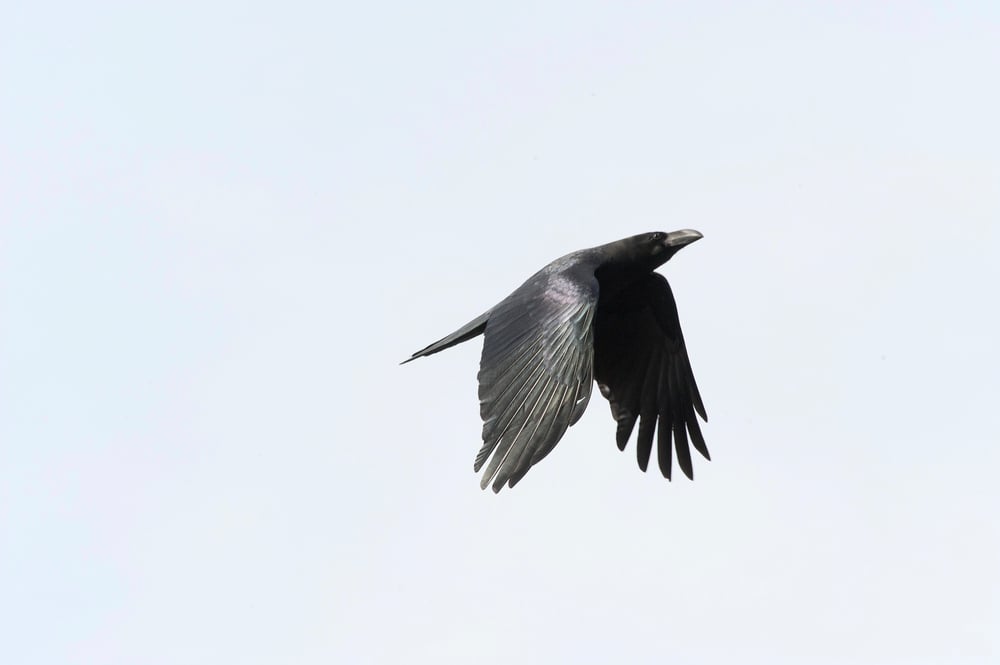
For decades, scientists wondered if migrating birds just played an enormous game of follow-the-leader during their journeys. Recent research published in 2024 proved this theory completely wrong.
Each bird in those massive flocks is actually running its own independent navigation system based on internal compasses and environmental clues. They’re not copying their neighbors or following a lead bird like we see in movies.
Some birds migrate without ever landing for days

The bar-tailed godwit holds the record for the longest non-stop flight in the animal kingdom. These incredible birds fly from Alaska to New Zealand without taking a single break for food, water, or rest.
The journey covers over 7,000 miles and takes about nine days of continuous flying. During this time, the birds lose nearly half their body weight and shrink some of their internal organs to make room for the massive fuel reserves they need.
Baby birds know migration routes without being taught

One of the most puzzling aspects of bird migration is how young birds know exactly where to go on their first journey. They don’t have parents showing them the way or experienced guides to follow.
Instead, they’re born with what scientists call an internal compass and calendar that tells them when to leave and which direction to fly. These genetic programs are so precise that first-time migrators can navigate thousands of miles to specific wintering grounds they’ve never seen before.
Like Go2Tutors’s content? Follow us on MS
Birds have backup navigation systems in case their primary one fails
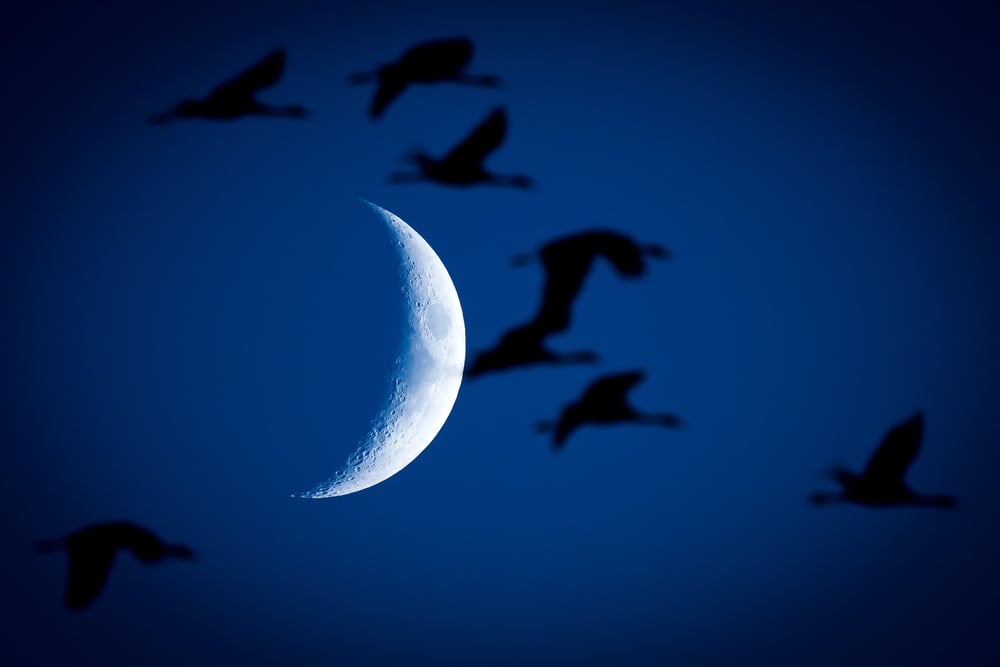
Migration is too important for birds to rely on just one navigation method. Scientists have discovered that birds use multiple backup systems working together like a biological GPS network.
They can navigate using the sun’s position, star patterns, polarized light, magnetic fields, smells, sounds, and even geographic landmarks. If one system gets disrupted, they can switch to another without missing a beat.
Climate change is forcing birds to rewrite million-year-old travel plans

Global warming is causing some bird species to completely change migration routes and timing that have worked perfectly for millions of years. Spring is arriving earlier in many places, which means insects and other food sources are available at different times than birds expect.
Some species are shortening their migration distances, while others are shifting their routes hundreds of miles to find suitable conditions. A few hardy species are even giving up migration entirely and staying in northern areas that used to be too cold for winter survival.
Birds can detect magnetic fields with their beaks
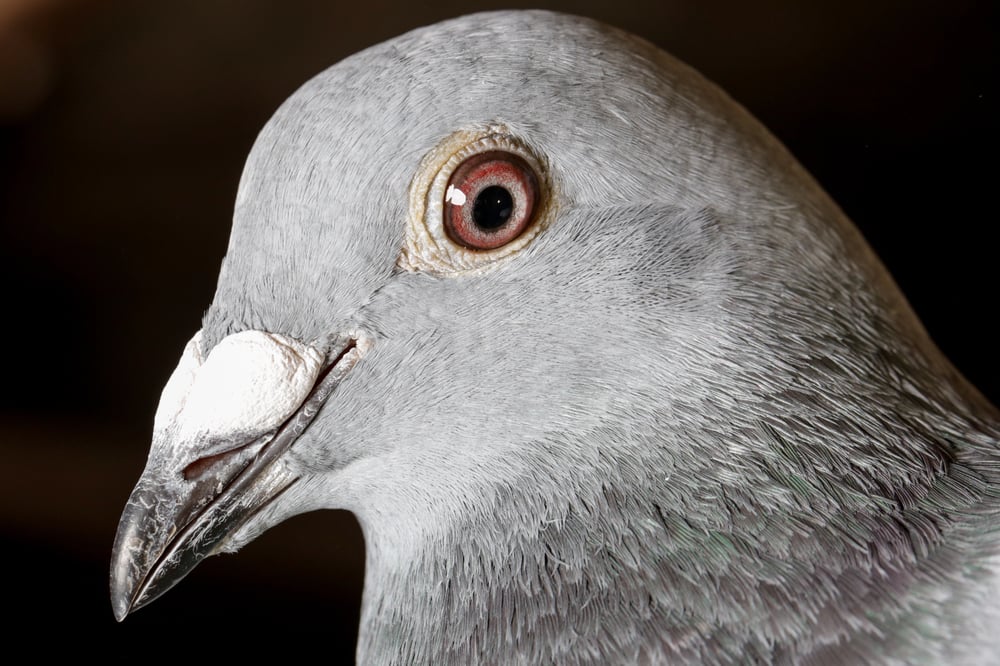
While birds use their eyes to see magnetic fields, many species have a second magnetic detection system located right in their beaks. Researchers have discovered a small spot on the beak of pigeons and some other birds that contains magnetite.
This iron-rich material works like a tiny compass needle that responds to Earth’s magnetic field. Having magnetic sensors in two different parts of their body gives birds incredibly precise navigation abilities and serves as a backup system if one method fails during critical parts of their journey.
Like Go2Tutors’s content? Follow us on MS
Migration timing is controlled by hormone cycles as precise as atomic clocks
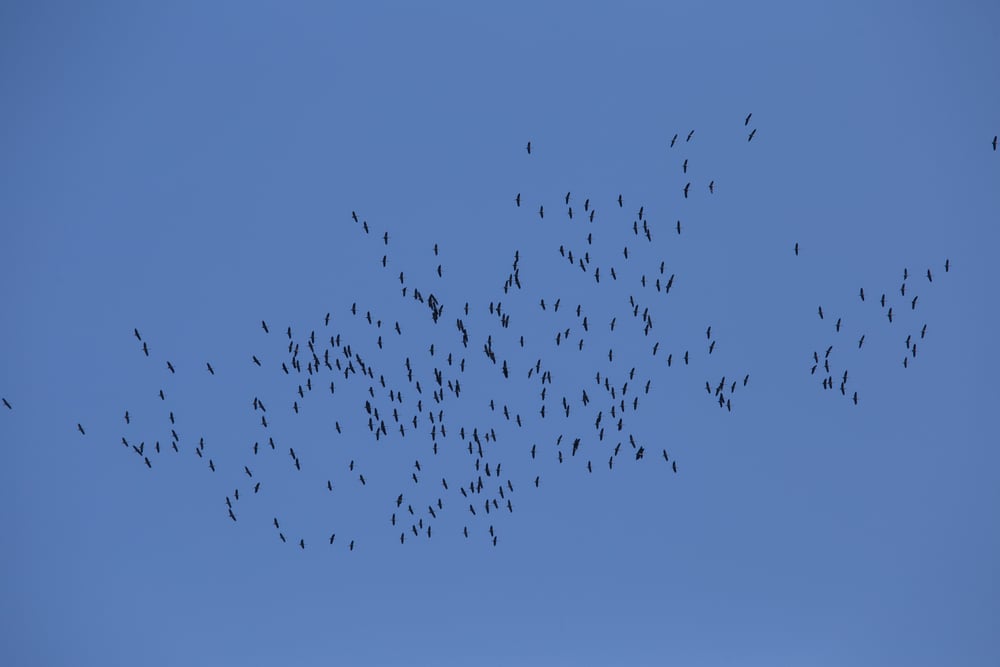
The timing of bird migration isn’t random or based purely on weather conditions. Instead, it’s controlled by incredibly precise hormone cycles that act like biological atomic clocks.
These internal timekeepers are so accurate that scientists can predict within a few days when specific bird populations will begin their migrations each year. The hormones not only trigger the urge to migrate but also cause physical changes in the birds’ bodies, such as increasing fat storage and enhancing navigation abilities.
Lost birds can reset their internal GPS and find their way back to the correct route

When migrating birds get blown off course by storms or other disruptions, they don’t panic or give up. Scientists have discovered that when birds are displaced, they can use Earth’s magnetic field to determine their new location and calculate how to get back to their intended migration route.
Research teams have tested this by artificially displacing birds and exposing them to magnetic fields from different geographic locations. The birds quickly figured out where they were and adjusted their flight direction to compensate for being in the wrong place.
When ancient instincts meet modern technology

The incredible journeys that birds make today connect our high-tech world to navigation systems that evolved millions of years before humans walked the Earth. These feathered travelers carry forward genetic programs older than continents, yet they’re adapting to our rapidly changing planet with remarkable flexibility.
Modern technology finally lets us peek behind the curtain of these ancient mysteries, revealing secrets that previous generations could only wonder about. The next time you see birds passing overhead, remember that you’re witnessing one of nature’s most persistent and successful travel systems, now made visible to us in ways our ancestors never imagined possible.
More from Go2Tutors!

- 16 Historical Figures Who Were Nothing Like You Think
- 12 Things Sold in the 80s That Are Now Illegal
- 15 VHS Tapes That Could Be Worth Thousands
- 17 Historical “What Ifs” That Would Have Changed Everything
- 18 TV Shows That Vanished Without a Finale
Like Go2Tutors’s content? Follow us on MS