13 Times People Tried to Ban a Song (But Made It More Popular)
Throughout music history, attempts to silence controversial songs have often backfired spectacularly. When authorities, parents’ groups, or religious organizations try to ban a song, they inadvertently create a mystique around it that drives even more listeners to seek it out.
The forbidden fruit effect turns censorship into free publicity, transforming songs from potential obscurity into chart-topping hits. Here is a list of 13 times when attempts to ban songs only made them more popular and cemented their place in music history.
The Kingsmen’s “Louie Louie”

The FBI spent two years investigating this 1963 garage rock classic after parents complained about supposedly obscene lyrics. Agents analyzed the recording at different speeds and still couldn’t decipher the famously mumbled vocals.
The investigation and subsequent rumors of dirty lyrics propelled the song to number 2 on the Billboard charts. The actual lyrics were completely innocent, but the mystery and controversy made it an anthem of teenage rebellion for generations.
Madonna’s “Like a Prayer”

When Madonna released this song in 1989 alongside a music video featuring burning crosses and stigmata imagery, religious groups were outraged. The Vatican condemned it, and Pepsi canceled a major sponsorship deal with the singer.
The controversy transformed the song into a cultural phenomenon. It topped charts in over 30 countries and became one of Madonna’s signature hits, with the attempted censorship helping establish her reputation as a boundary-pushing artist.
Like Go2Tutors’s content? Follow us on MSN.
NWA’s “F**k Tha Police”
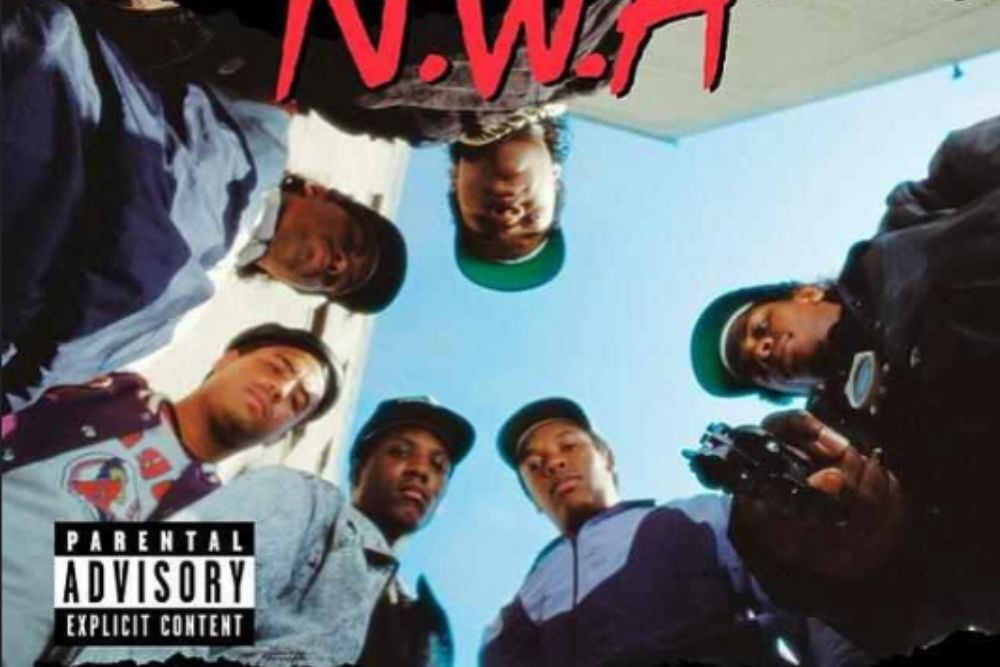
This 1988 protest song drew the ire of the FBI and police organizations nationwide. Radio stations refused to play it, and authorities actively discouraged its distribution.
The FBI even sent a warning letter to NWA’s record label. The attempts to suppress the song made it an underground anthem.
The track gained legendary status as a powerful statement against police brutality and cemented NWA’s place in hip-hop history as fearless truth-tellers.
Frankie Goes to Hollywood’s “Relax”
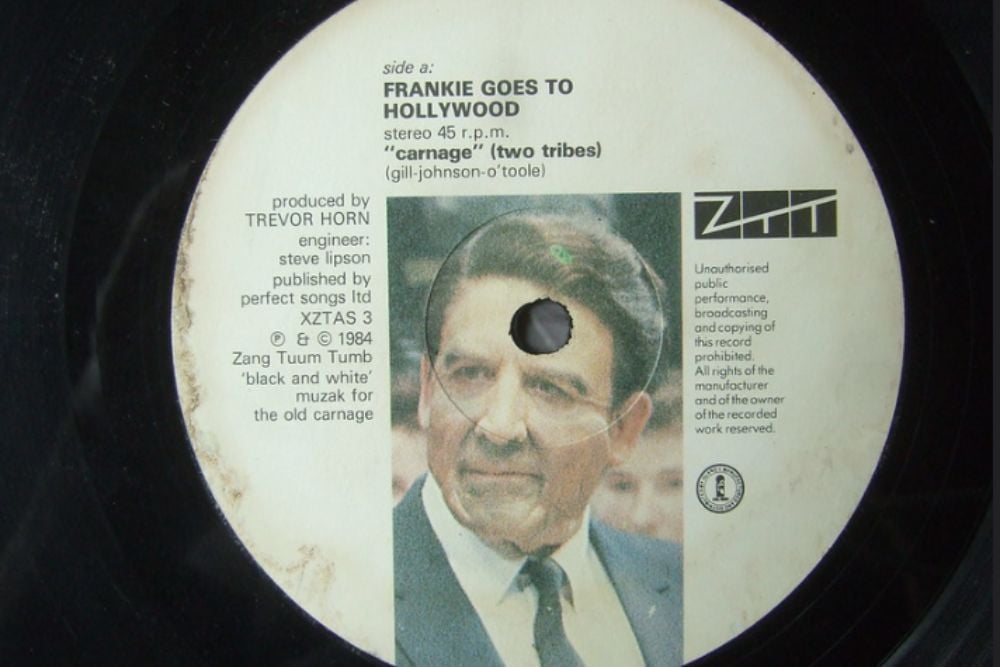
The BBC banned this track in 1984 after radio DJ Mike Read realized the suggestive nature of its lyrics during a live broadcast. The ban was a marketing gift. Before the censorship, the song sat at number 67 on UK charts.
After the ban, it shot to number one and stayed there for five weeks. The controversy helped it sell nearly two million copies in the UK alone, turning an edgy dance track into one of the defining hits of the 1980s.
The Prodigy’s “Smack My B***h Up”

This 1997 electronic dance track faced widespread bans from radio stations and music television due to its controversial title. Major retailers refused to stock the single or displayed it behind counters like adult material.
The song’s notoriety grew when its explicit music video was restricted to late-night broadcast only. The censorship fueled massive interest in both the song and video, helping The Prodigy cross over from rave culture to mainstream success.
Like Go2Tutors’s content? Follow us on MSN.
2 Live Crew’s “As Nasty As They Wanna Be” Album

This 1989 album became the first to be legally declared obscene by a US court. Record store owners were arrested for selling it, and band members were arrested after a performance. The legal battle generated enormous publicity for the relatively unknown group.
Sales skyrocketed from a respectable 500,000 to over two million copies. The Supreme Court eventually overturned the obscenity ruling, establishing important precedents for free speech in music.
Sex Pistols’ “God Save the Queen”
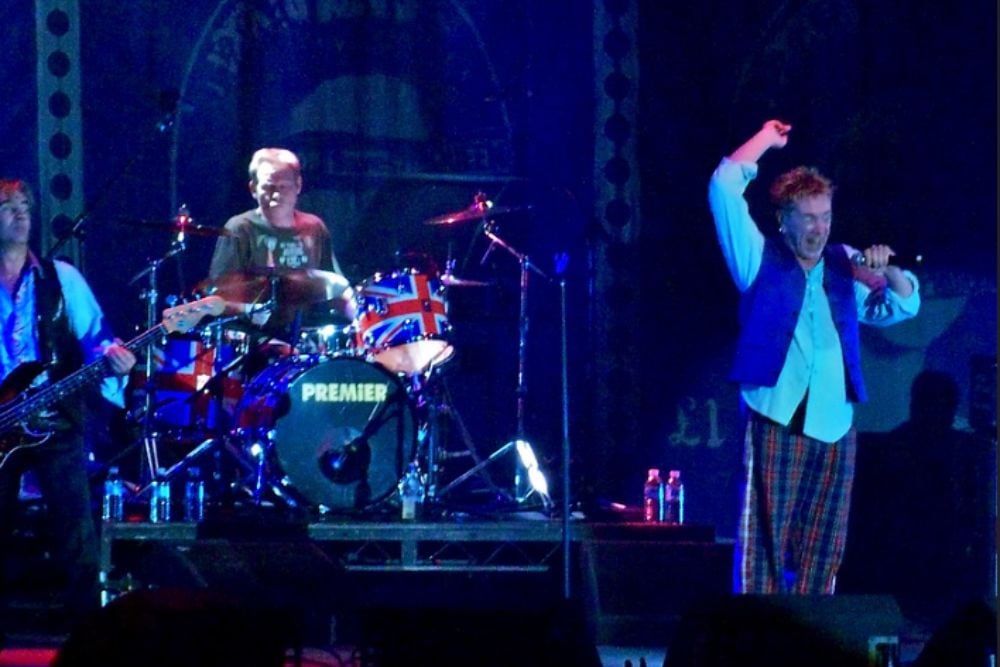
Released during Queen Elizabeth II’s Silver Jubilee celebrations in 1977, this punk anthem was banned by the BBC and independent radio stations across the UK. Major retailers refused to stock it, and chart companies were accused of manipulating numbers to prevent it from reaching number one.
The censorship created enormous demand. Despite limited availability, it sold 150,000 copies in one day and remains one of the most iconic protest songs in British music history.
Billie Holiday’s “Strange Fruit”
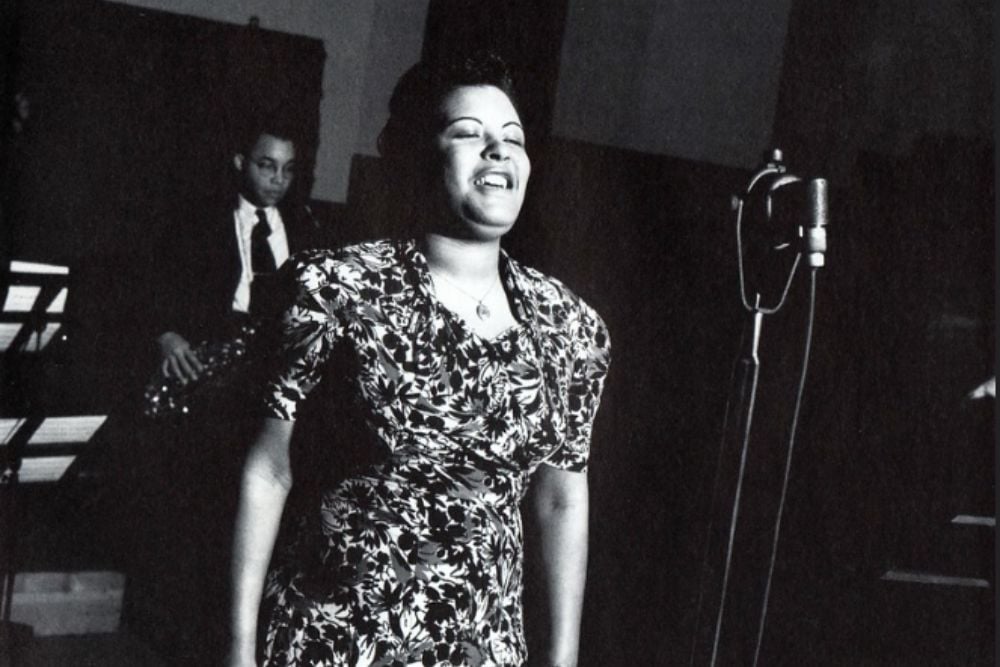
This haunting 1939 song about lynching in the American South was so controversial that Holiday’s record label refused to release it. Radio stations banned it, and Holiday faced threats for performing it. The attempts to silence the song made it more powerful.
It became the first major protest song of the civil rights movement and is now recognized as one of the most important American songs of the 20th century, with its impact amplified by the early efforts to censor it.
Like Go2Tutors’s content? Follow us on MSN.
Eminem’s “The Real Slim Shady”

When this track was released in 2000, it faced censorship from radio stations and MTV for its controversial lyrics. Parent groups called for boycotts, and the FCC issued fines for stations that played the unedited version.
The controversy helped the song reach number four on the Billboard charts. Eminem cleverly incorporated the censorship backlash into his public persona, using it to boost his rebellious image and commercial success throughout his career.
Rage Against the Machine’s “Killing in the Name”

After the 1992 Los Angeles riots, radio stations across America banned this protest song due to its repeated profanity and anti-authority message. MTV refused to play the video during daytime hours.
The censorship cemented the band’s anti-establishment credentials. The song found new life in 2009 when a social media campaign made it the UK Christmas number one, specifically to protest manufactured pop music, showing how attempted suppression turned it into a lasting symbol of resistance.
The Doors’ “Light My Fire”

When The Doors performed this hit on The Ed Sullivan Show in 1967, they agreed to change the line “girl, we couldn’t get much higher” to avoid drug references. Jim Morrison sang the original lyrics anyway, resulting in the band being banned from the show.
The incident generated massive publicity. The rebellious performance enhanced Morrison’s bad-boy image and helped the song climb back up the charts months after its initial release.
Like Go2Tutors’s content? Follow us on MSN.
Lady Gaga’s “Judas”
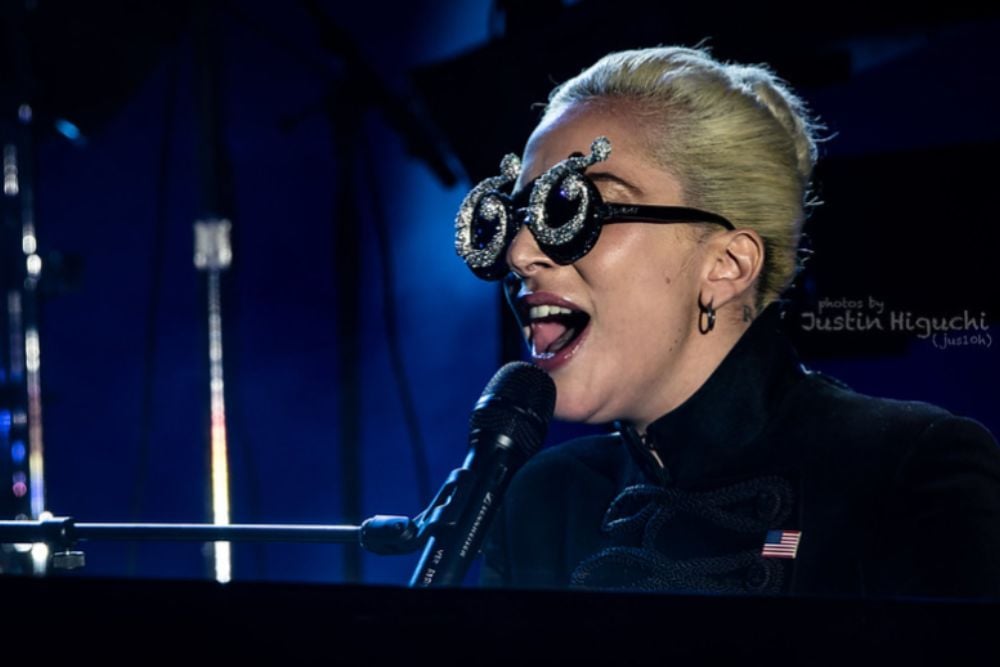
Religious groups called for boycotts when this song was released just before Easter in 2011. Several radio stations in Lebanon and Malaysia banned it, while others restricted it to late-night play.
The Catholic League condemned both the song and its biblical-themed video. The controversy generated enormous media coverage and online buzz.
The song debuted at number 10 on Billboard charts with first-week digital sales of 162,000 copies, proving once again that moral outrage translates to commercial success.
Public Enemy’s “Fight the Power”
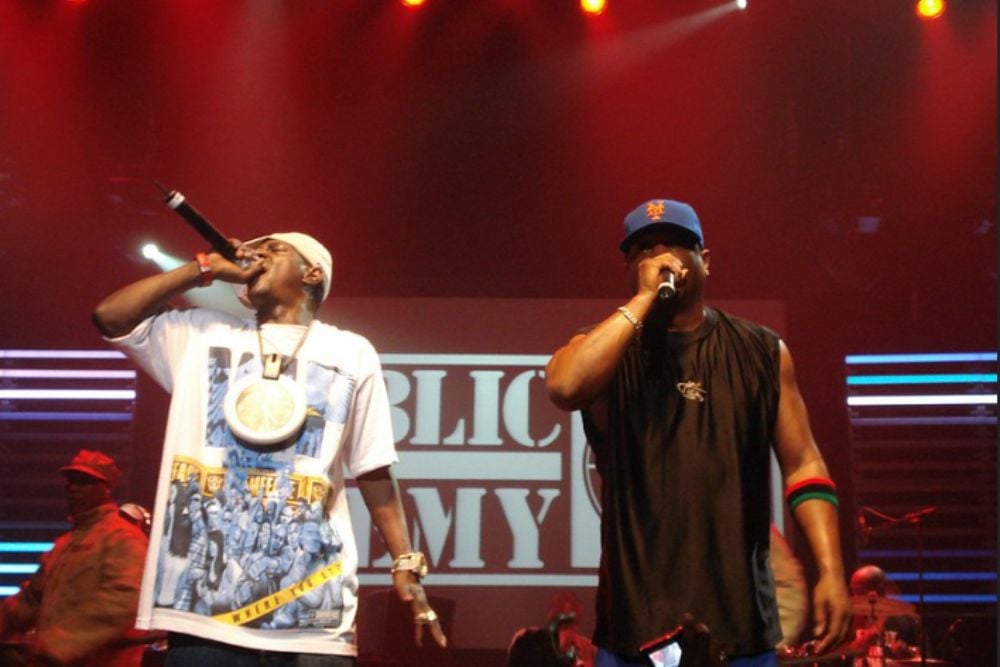
This 1989 anthem faced radio bans across the country for its confrontational lyrics and criticism of American icons. MTV heavily edited the video, removing key political imagery.
The censorship only intensified public interest in the song, particularly after its prominent feature in Spike Lee’s film “Do the Right Thing.” The attempts to silence its message transformed it from a rap track to a cultural movement anthem, influencing generations of politically conscious artists.
The Streisand Effect in Action

These censorship backfires demonstrate a phenomenon now known as the Streisand Effect—when attempts to hide or censor information lead to wider publicity. Music censorship cases show how moral panic can transform controversial songs into cultural touchstones.
Artists now sometimes deliberately court controversy, knowing that outrage can be converted into streams, downloads, and lasting cultural impact. The lesson from music history is clear: telling people they shouldn’t listen to something often guarantees they will.
Like Go2Tutors’s content? Follow us on MSN.
ore from Go2Tutors!

- 18 Unexpectedly Valuable Collectibles You Might Have Lying Around
- 15 Things Every Teenager in the ’70s Did That Teens Today Wouldn’t Understand
- 15 Strange Things People Have Tried to Ban (And Failed)
- 15 Inventions That Were Immediately Banned After Being Created
- 20 Actors Who Were Almost Cast in Iconic Roles
Like Go2Tutors’s content? Follow us on MSN.