15 Facts About Philadelphia Before Its 250th
Ahead of its quarter-millennium mark, Philadelphia finds itself in the spotlight – not because it demands attention, but because time has layered deep marks here. Starting long before independence, streets echoed with choices that rippled far beyond state lines.
Now, as years pile up, the weight of moments past presses gently into everyday corners. Change didn’t always come fast, yet when it did, it often began within these blocks.
The City Came Before the Country

Back in 1682, William Penn laid out Philadelphia – long before independence ever entered the picture. Freedom to believe as one chose? That mattered deeply to him, so he built space for it.
Instead of tangled lanes, his plan used straight lines crossing neatly, something few had tried then. Pulling from ancient Greek, the name whispers kindness between neighbors, just like he hoped would grow there.
Liberty Bell Had Two Cracks Not One
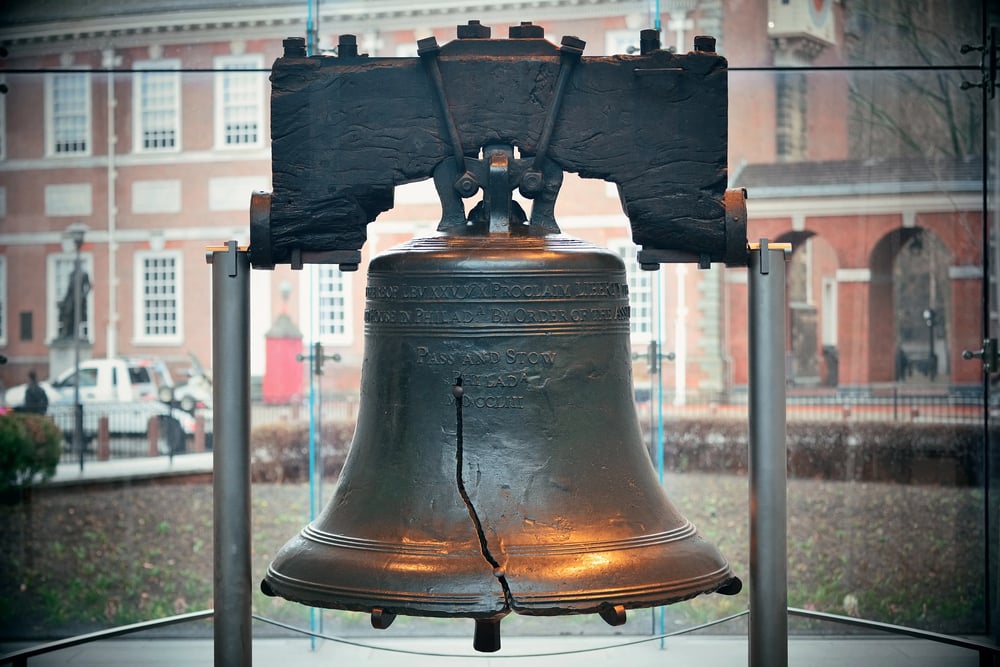
A well-known split runs along the Liberty Bell, yet few realize it fractured on two separate occasions. Around the early nineteenth century, a fissure first formed.
To mend it, staff bored into the flawed area – this effort backfired when a larger break emerged during 1846. Since that time, no sound has come from its frame.
Benjamin Franklin Was Not President

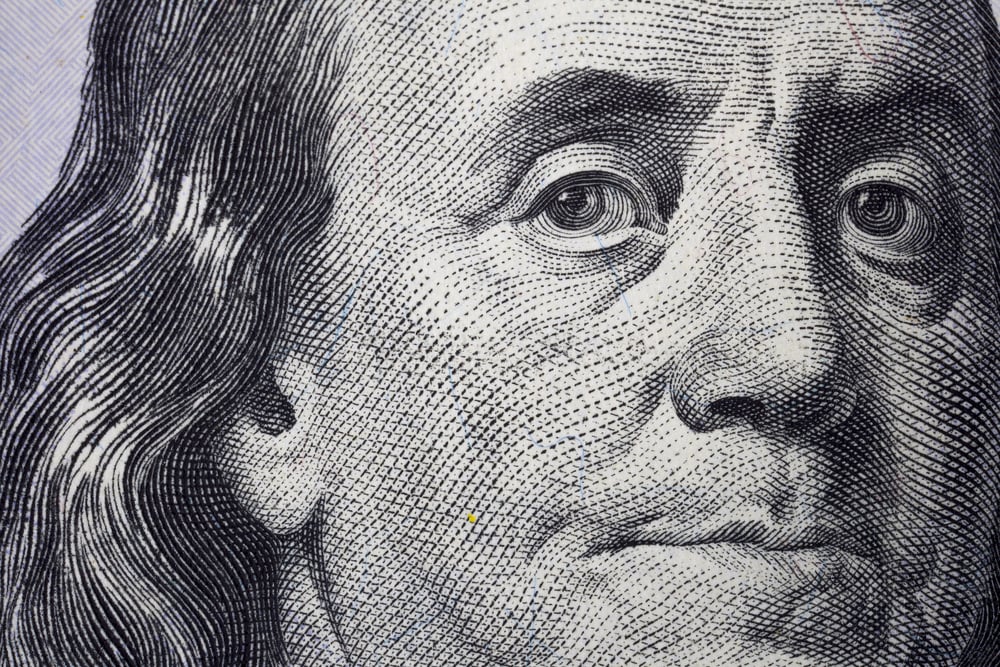
Philadelphia still claims Franklin as its best-known figure, though he skipped the presidency even while shaping history. Not just a statesman, he wore hats like postmaster, tinkerer, negotiator, one of the nation’s architects.
The city carries pieces of him – its earliest book-lending setup, emergency responders organized locally, Penn University taking root by his push. Right within these streets, he flew kites during storms, revealing how lightning matched electric charge in behavior.
Philadelphia Was The Nation’s Capital Before Washington
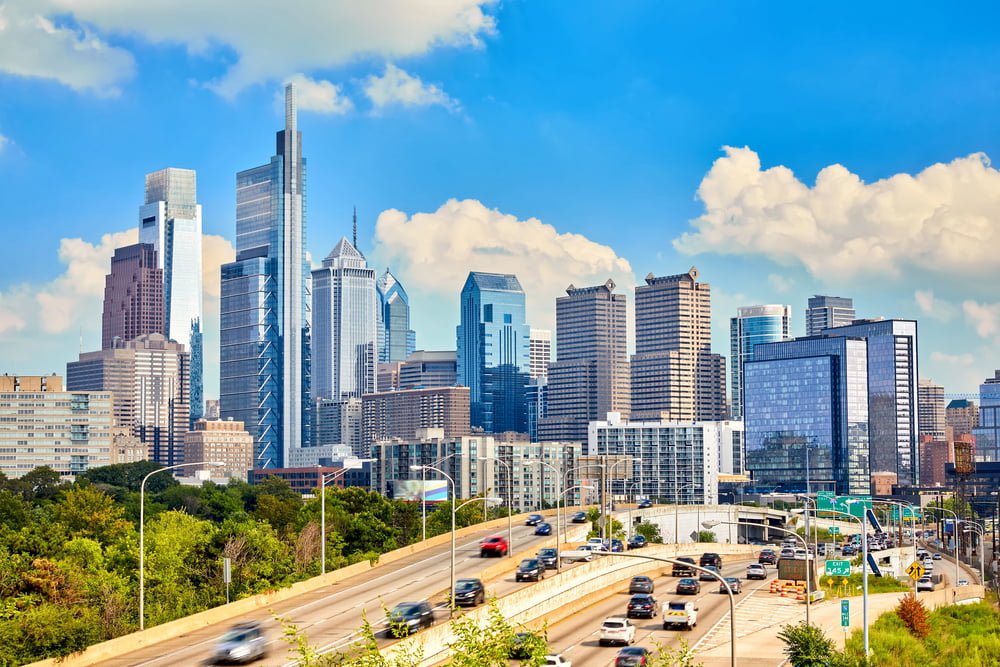
Few realize Philadelphia wore the crown before Washington ever did. That stretch between 1790 and 1800? The nation ran from there – construction crews still shaping what would become D.C.
Power sat where cobblestones met debate, with Washington then Adams holding office under those old roofs. Right beside Independence Hall, a quieter building saw it all: Congress Hall stood firm when laws took shape and voices clashed in real time.
Reading Terminal Market 1893

Down here below where trains once arrived, people have kept trading food nonstop since the 1890s. Once a busy hub for rail travel, now it holds stalls stacked with ripe vegetables, homemade breads from Amish sellers, and real-deal cheesesteaks you can smell before you see them.
Folks come six days every week – no breaks, just business – as they have for well over a century. Time hasn’t slowed this place; instead, footsteps echo louder each morning.
Elfreth’s Alley Holds The Title Of Oldest Residential Street
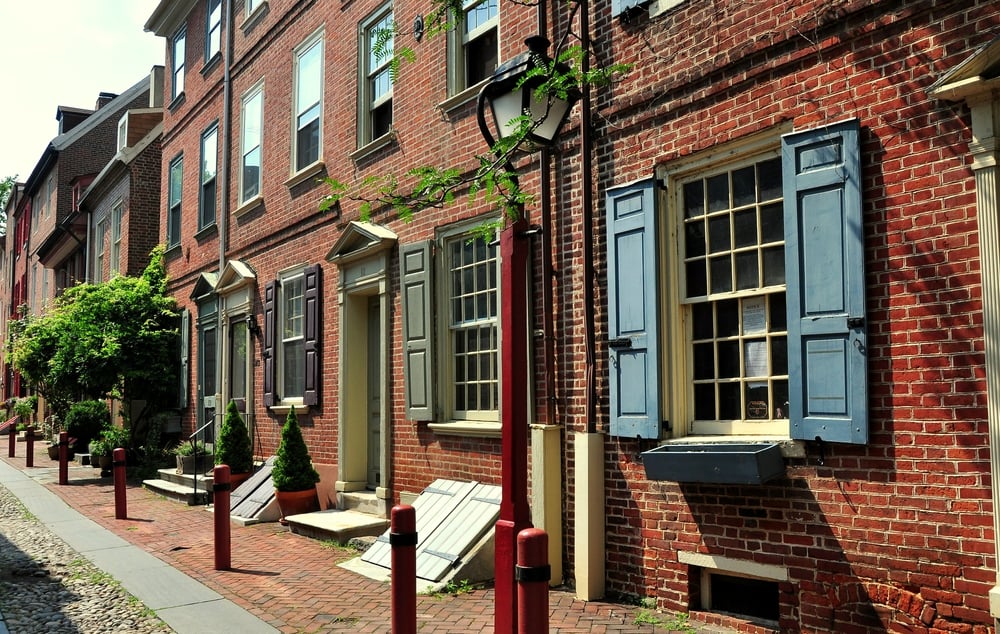
Dating back to 1702, Elfreth’s Alley features 32 houses that people still live in today. The narrow cobblestone street looks almost exactly like it did 300 years ago.
Colonial tradesmen and their families originally occupied these tiny homes. Walking down this alley feels like stepping into a time machine, with each house telling stories of generations who called this special street home.
The City Hosted The First Computer

ENIAC, the world’s first general-purpose electronic computer, came to life at the University of Pennsylvania in 1945. This machine weighed 30 tons and took up an entire room.
It could calculate artillery firing tables much faster than humans could. ENIAC proved that computers could solve complex problems, paving the way for the digital age everyone enjoys today.
Philadelphia Invented The Cheesesteak In The 1930s

Pat Olivieri gets credit for creating this iconic sandwich in 1930. He owned a hot dog stand and decided to grill some beef with onions on a whim.
A cab driver smelled it, asked for one, and the cheesesteak was born. Later, someone added cheese to the mix, and the sandwich became a Philadelphia legend.
Betsy Ross Might Not Have Sewn The First Flag
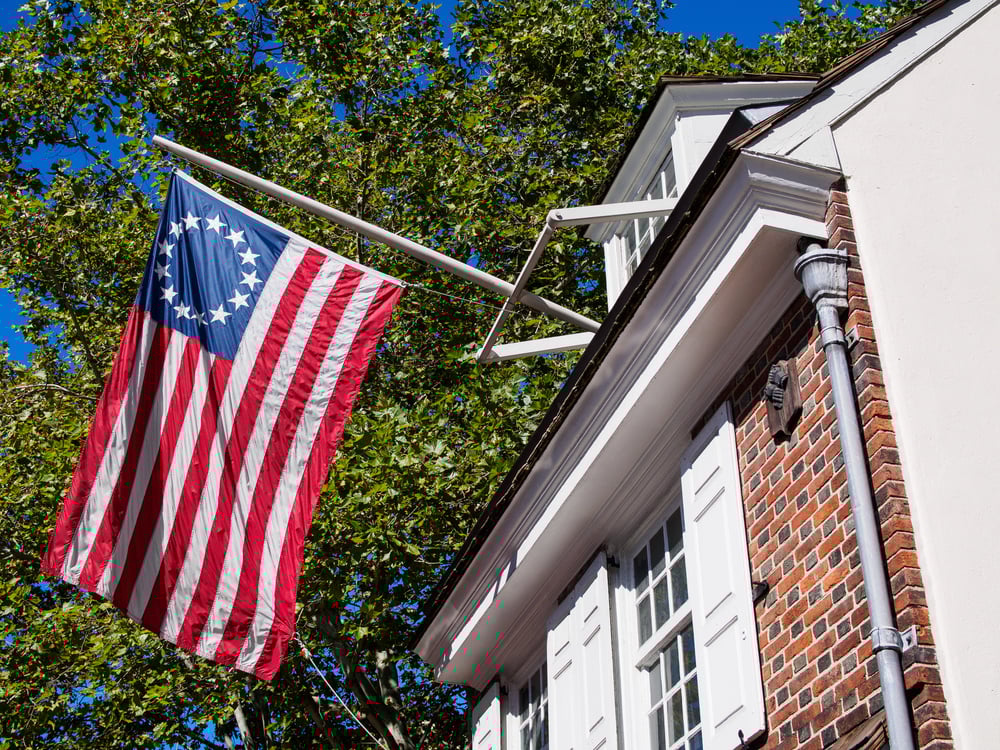
The famous story about Betsy Ross creating the first American flag might not be true. Her grandson made the claim in 1870, nearly 100 years after it supposedly happened.
Historians found no solid evidence to back up the tale. Still, visitors flock to the Betsy Ross House in Old City Philadelphia, where she definitely lived and ran an upholstery business, even if the flag story remains questionable.
Rocky Steps Became Famous In 1976
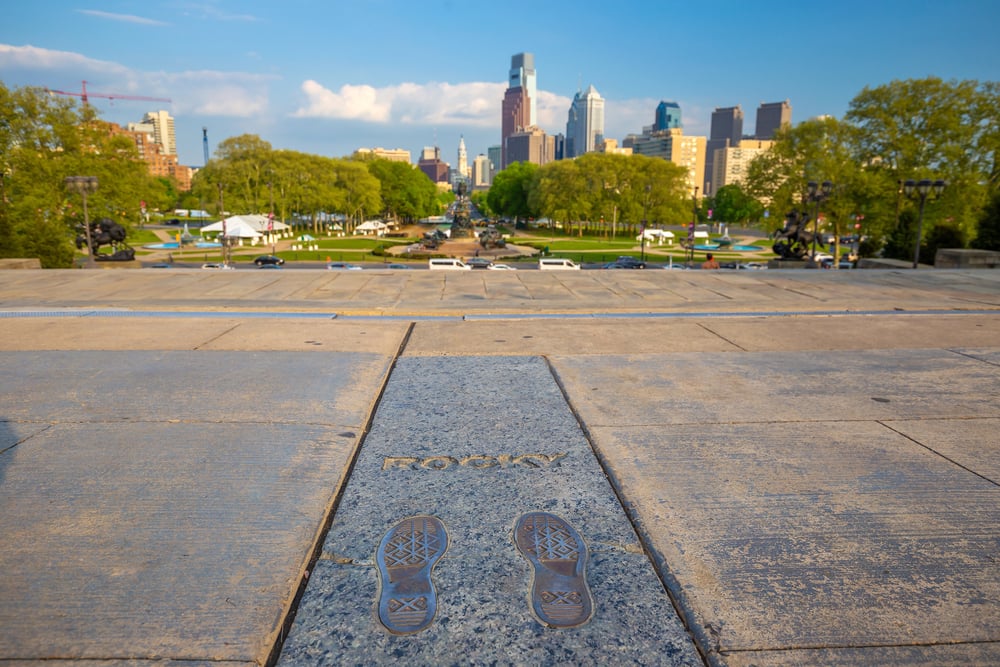
The Philadelphia Museum of Art steps gained worldwide recognition when Sylvester Stallone ran up them in the movie Rocky. The scene captured the underdog spirit that defines both the character and the city.
Now tourists from everywhere sprint up these 72 steps and pose at the top with their arms raised. A Rocky statue stands nearby, though art purists originally resisted placing it at this prestigious museum.
The City Created The First American Zoo

Philadelphia Zoo opened its gates in 1874, making it the oldest zoo in the United States. The zoo struggled financially at first but eventually grew into a world-class facility.
Today it houses over 1,300 animals and focuses heavily on conservation efforts. Victorian-era architecture still decorates the grounds, blending old charm with modern animal care practices.
Mummers Parade Started In The Late 1800s

Every New Year’s Day, thousands of performers take to the streets in elaborate costumes for the Mummers Parade. This tradition combines Swedish, English, and Irish folk customs that immigrants brought to Philadelphia.
The parade features string bands, fancy brigades, and comic divisions that compete for prizes. Some people love the spectacle while others find it a bit odd, but nobody can deny it’s uniquely Philadelphia.
Benjamin Franklin Parkway Mimics The Champs-Élysées
City planners designed this grand boulevard in the 1920s to look like Paris’s famous avenue. The parkway stretches from City Hall to the Philadelphia Museum of Art.
Major cultural institutions line both sides, including the Franklin Institute and the Barnes Foundation. Trees and flags from different countries create an international atmosphere that brings a touch of European elegance to the city.
Independence Hall Witnessed Two Founding Documents
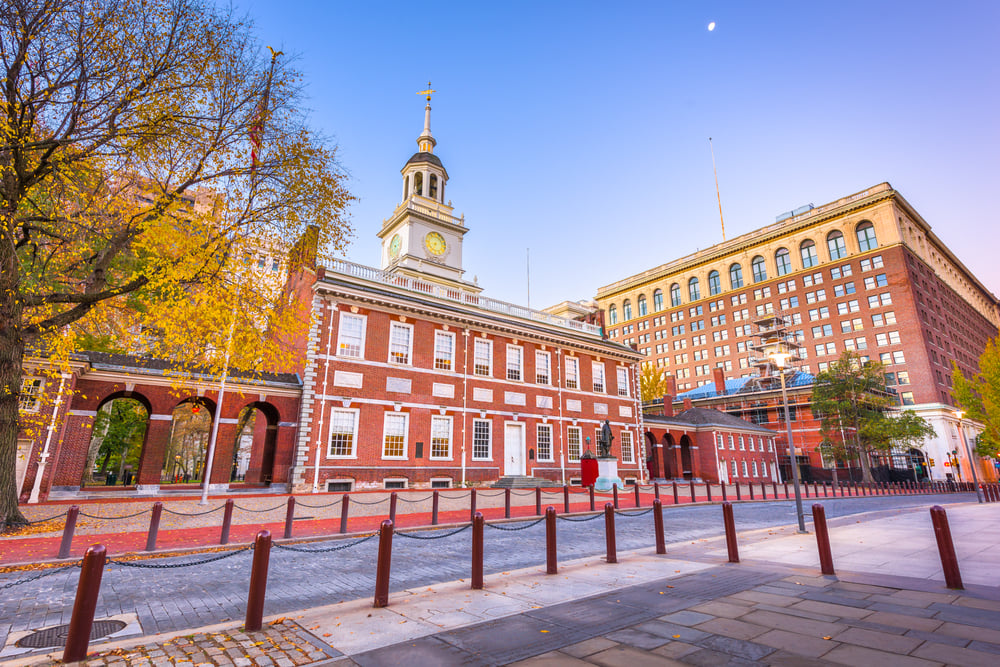
Both the Declaration of Independence and the U.S. Constitution were signed inside Independence Hall. The building originally served as Pennsylvania’s State House starting in 1753.
In 1776, delegates voted for independence from Britain in its Assembly Room. Eleven years later, representatives hammered out the Constitution in the same space.
The City’s Population Peaked In 1950

Philadelphia hit its highest population of over 2 million people in 1950. After that, suburbs grew more attractive and people moved out of the city.
The population dropped to around 1.5 million by 1990. Recent years have seen a comeback though, with young professionals and families rediscovering urban living.
Where History Meets Tomorrow
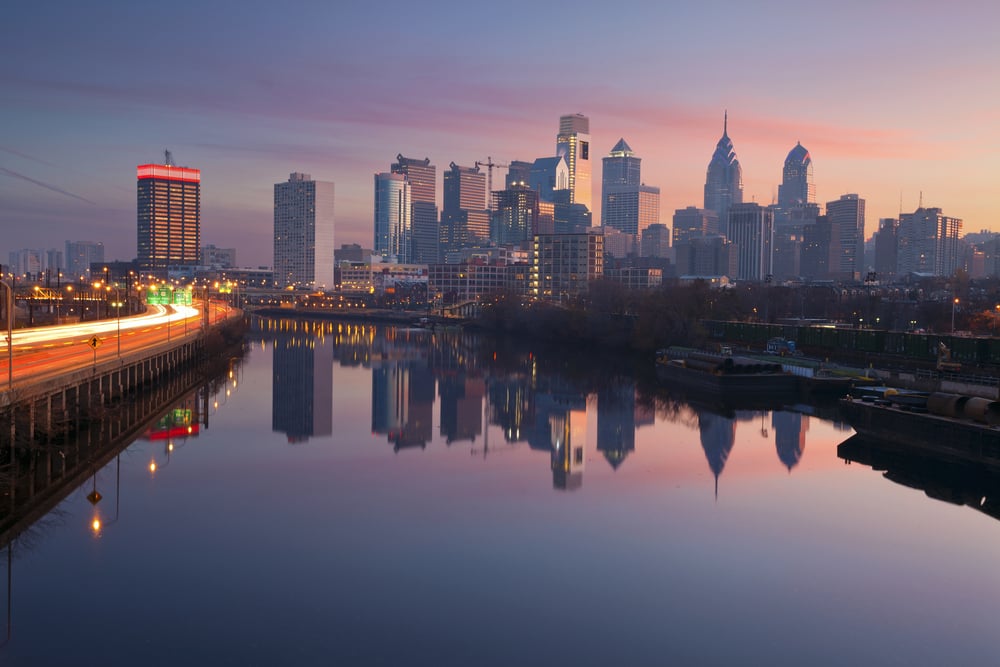
Philadelphia shaped America’s beginning and continues evolving with each passing decade. The city honors its past while building toward the future, keeping one foot in colonial history and the other in modern innovation.
As the 250th anniversary approaches, Philadelphia reminds everyone that great cities don’t just remember where they came from. They use those roots to grow stronger, bringing old stories and new dreams together on streets that have seen it all.
More from Go2Tutors!

- The Romanov Crown Jewels and Their Tragic Fate
- 13 Historical Mysteries That Science Still Can’t Solve
- Famous Hoaxes That Fooled the World for Years
- 15 Child Stars with Tragic Adult Lives
- 16 Famous Jewelry Pieces in History
Like Go2Tutors’s content? Follow us on MSN.