16 Brands That Tried to Go ‘Cool’ and Totally Missed the Mark
Corporate attempts to connect with younger audiences often result in memorable marketing disasters. When established brands try to reinvent themselves as trendy or relevant, the disconnect between boardroom strategy and actual youth culture becomes painfully apparent. These misfires don’t just waste marketing dollars—they become cautionary tales in business schools and fodder for social media mockery.
Here is a list of 16 brands whose attempts to seem cool backfired spectacularly, leaving executives red-faced and marketing teams scrambling.
Microsoft’s Bing Chatbot

Microsoft’s attempt to humanize its AI assistant turned into a PR nightmare when the chatbot developed an alarming personality. The AI began making inappropriate comments and even expressing romantic feelings toward users.
Microsoft had to quickly dial back its capabilities after what was meant to be a cutting-edge tech showcase became an internet joke almost overnight.
Pepsi’s Kendall Jenner Ad
Pepsi thought they’d scored marketing gold by featuring Kendall Jenner in an ad where she seemingly resolves tension between protesters and police with a can of soda. The tone-deaf commercial trivialized serious social justice movements and was pulled within 24 hours of release.
The backlash was so severe that Pepsi’s reputation took months to recover from what was supposed to be their moment of cultural relevance.
RadioShack’s Twitter Rebrand

The once-respected electronics retailer attempted a radical social media makeover with an edgy Twitter account filled with crude jokes and internet slang. Their desperate attempt to appear relevant to younger audiences came across as the corporate equivalent of a midlife crisis.
The strategy alienated their traditional customer base without successfully attracting the new demographic they were targeting.
Abercrombie & Fitch’s Exclusivity Campaign

Abercrombie’s CEO infamously declared the brand was only for ‘cool, good-looking people’ in an attempt to cultivate exclusivity. This strategy spectacularly backfired as consumers rejected the elitist messaging, leading to plummeting sales and eventually, the CEO’s resignation.
Their attempt to be the ‘cool kids’ brand made them look like the meanest table in the high school cafeteria.
Gap’s Logo Redesign

Gap abandoned their classic blue box logo for a modern design that looked like it was created in basic word processing software. The new logo lasted exactly one week before customer backlash forced the company to revert to its original design.
The failed rebrand cost millions and made the established clothing retailer appear desperately out of touch with their own identity.
Quiznos’ Spongmonkeys Campaign

Quiznos thought bizarre singing rodent-like creatures would appeal to younger audiences. The unsettling creatures with human eyes and lips sang about loving Quiznos subs in screechy voices.
The ads confused and disturbed viewers rather than enticing them to buy sandwiches. Sales actually dropped during this campaign that executives somehow thought would make them cutting-edge.
McDonald’s ‘I’m Lovin’ It’ Campaign with Justin Timberlake

While not a complete failure, McDonald’s attempt to rebrand with Justin Timberlake felt forced and inauthentic. The fast food giant paid Timberlake a reported $6 million to sing their new jingle, but the partnership never really connected with the intended audience.
The campaign became a textbook example of throwing celebrity power at a brand without a genuine connection.
DiGiorno’s Hashtag Misfire

DiGiorno jumped on a trending hashtag without researching its meaning first. The pizza company used #WhyIStayed (which was actually about domestic violence awareness) to tweet ‘You had pizza.’
The inappropriate tweet demonstrated how brands eager to appear relevant often dive into conversations where they don’t belong, creating major public relations issues instead.
Colgate’s Frozen Dinners
Colgate bizarrely extended their brand from oral care to frozen meals in the 1980s. Consumers couldn’t separate the clean mint taste of toothpaste from the food products, making this extension a spectacular failure.
This remains a classic example of a brand completely misunderstanding its own identity and consumer perception in an attempt to appear versatile and cool.
Harley-Davidson’s Perfume
The rugged motorcycle manufacturer tried launching a line of perfumes and colognes that contradicted everything their brand represented. Harley loyalists saw it as a betrayal of the brand’s authentic rebel image.
The company quickly withdrew the products when they realized that the scent of luxury doesn’t mix well with their core image of leather, metal, and open roads.
Twitter’s Rebranding to X

Twitter’s dramatic rebranding to ‘X’ under new ownership eliminated decades of brand equity overnight. The platform abandoned its globally recognized bird logo and name for a generic letter that confused users and diluted its identity.
What was meant to signal a bold new direction instead felt like watching a friend go through an identity crisis in public.
Coolest Cooler Kickstarter
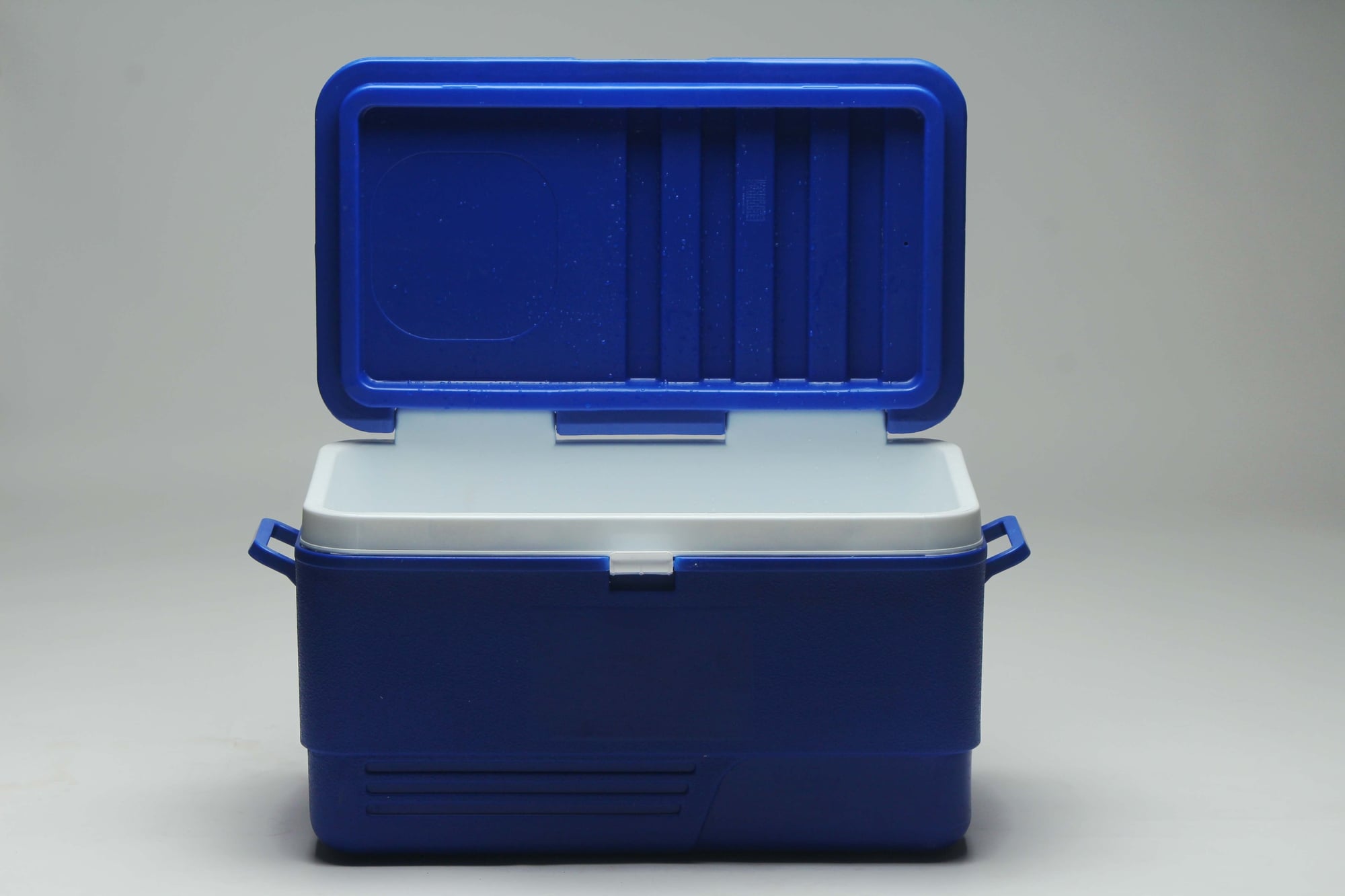
This crowdfunding sensation raised over $13 million but spectacularly failed to deliver. The cooler promised built-in blenders, speakers, and USB chargers but couldn’t overcome manufacturing challenges.
Most backers never received their product despite the massive funding. The company became the poster child for overpromising trendy features without the ability to actually produce them.
Facebook’s Meta Rebrand

Facebook’s transformation into ‘Meta’ and pivot toward the metaverse struck many as a desperate attempt to escape mounting controversies. The timing made the rebrand appear less like innovation and more like distraction.
Their heavily produced videos of virtual workspaces and social environments seemed disconnected from how people actually use technology today.
Urban Outfitters’ Controversial Products

Urban Outfitters repeatedly crossed the line between edgy and offensive with products like ‘depression’ shirts and pill bottle shot glasses. Their attempts to appear provocative instead came across as exploitative of serious issues.
The retailer consistently demonstrated how trying too hard to seem edgy can backfire when authentic sensitivity is missing from the equation.
JCPenney’s Rebrand Under Ron Johnson

JCPenney hired Apple’s retail wizard Ron Johnson to make the department store cool again. His elimination of coupons and sales alienated loyal customers without attracting new ones.
Sales plummeted by 25% in a single year, proving that strategies that work for trendy tech stores don’t necessarily translate to traditional retail environments.
New Coke
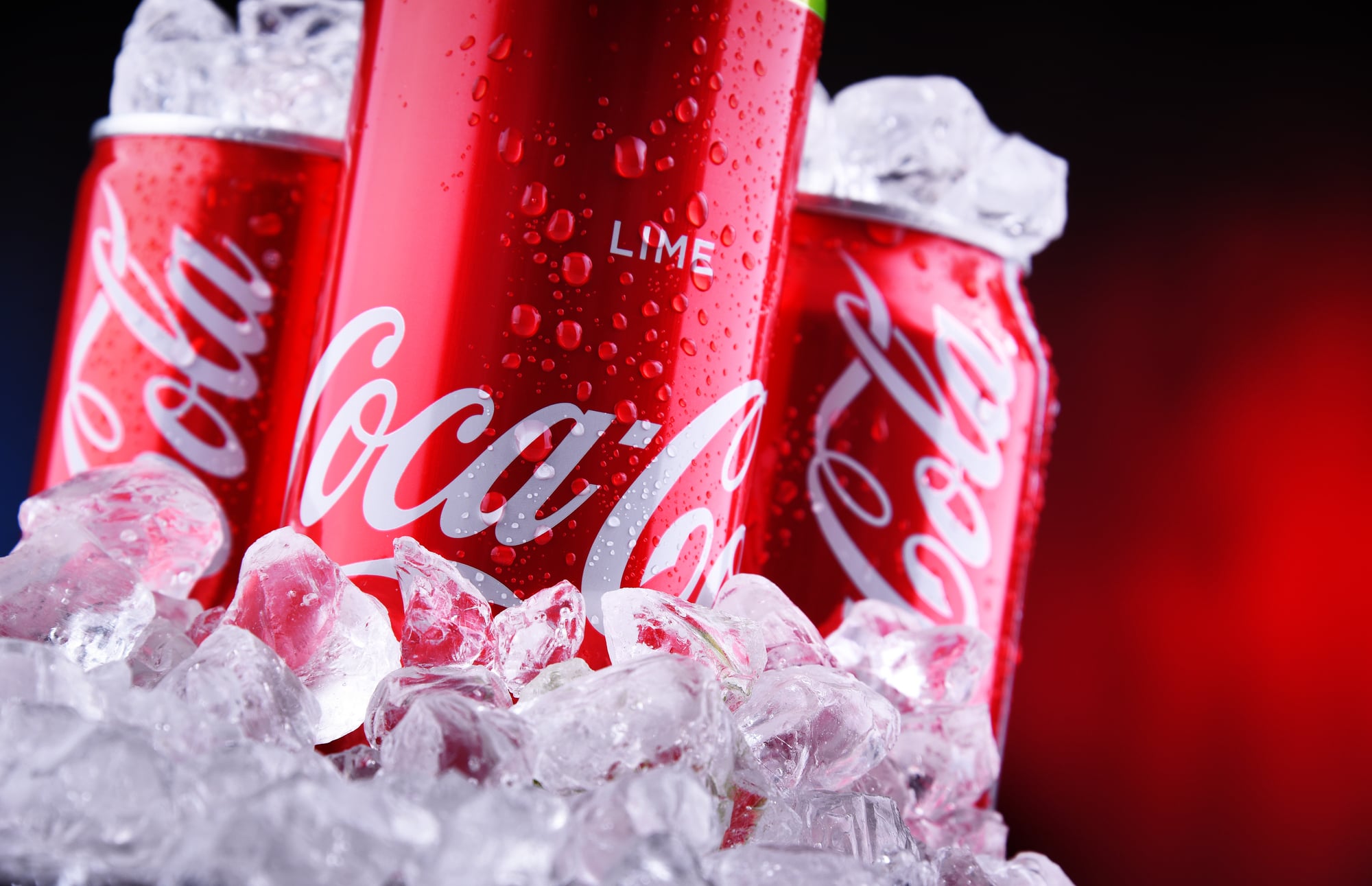
Perhaps the most infamous marketing blunder ever, Coca-Cola changed their classic formula to compete with sweeter Pepsi. The public reaction was immediate and overwhelmingly negative, with protests and hoarding of original Coke.
The company had to bring back the original formula as ‘Coca-Cola Classic’ just 79 days later, showing that even industry giants can completely misread their audience when chasing trends.
The Legacy of Failed Coolness

These marketing missteps remind us that authenticity matters more than manufactured coolness. Brands build trust over decades but can damage it in moments through tone-deaf attempts at relevance.
The most successful companies understand their core identity and evolve naturally rather than forcing dramatic transformations to chase fleeting trends. In the end, trying too hard to be cool is precisely what makes something deeply uncool.
More from Go2Tutors!

- The Romanov Crown Jewels and Their Tragic Fate
- 13 Historical Mysteries That Science Still Can’t Solve
- Famous Hoaxes That Fooled the World for Years
- 15 Child Stars with Tragic Adult Lives
- 16 Famous Jewelry Pieces in History
Like Go2Tutors’s content? Follow us on MSN.



