16 Car Features From the 60s We Still Miss
The 1960s were a golden era for automotive innovation, when car manufacturers weren’t afraid to get creative with their designs. From practical solutions to downright quirky features, cars from this decade had personality that today’s vehicles often lack. While modern cars are undeniably safer, more efficient, and packed with technology, there’s something to be said for the charm and character of 60s automobiles.
Here is a list of 16 car features from the 1960s that we still miss today.
Pop-Up Headlights
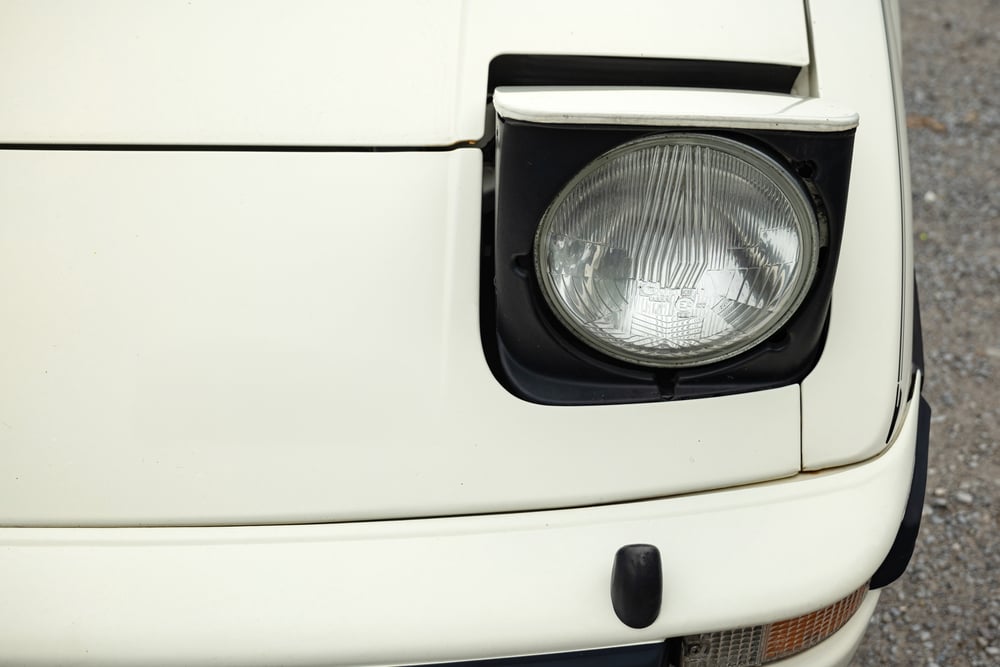
Pop-up headlights were the ultimate cool factor in automotive design. These hidden headlights would dramatically rise from the car’s hood when activated, giving vehicles a sleek, mysterious look when not in use. The feature became synonymous with sports cars and added an element of theater to something as simple as turning on your lights.
Bench Seats
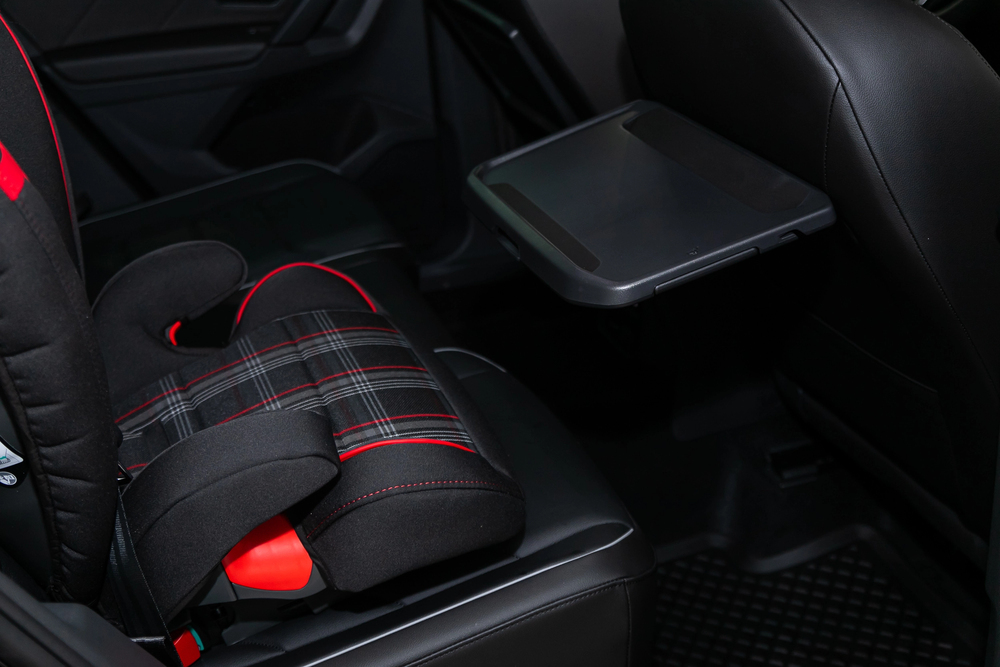
The front bench seat was like having a living room sofa in your car. Three people could sit comfortably across the front, making it perfect for families or couples who wanted to sit close together while driving. These seats also provided more flexibility for seating arrangements and made cars feel more spacious and social.
Like Go2Tutors’s content? Follow us on MSN.
Wing Windows
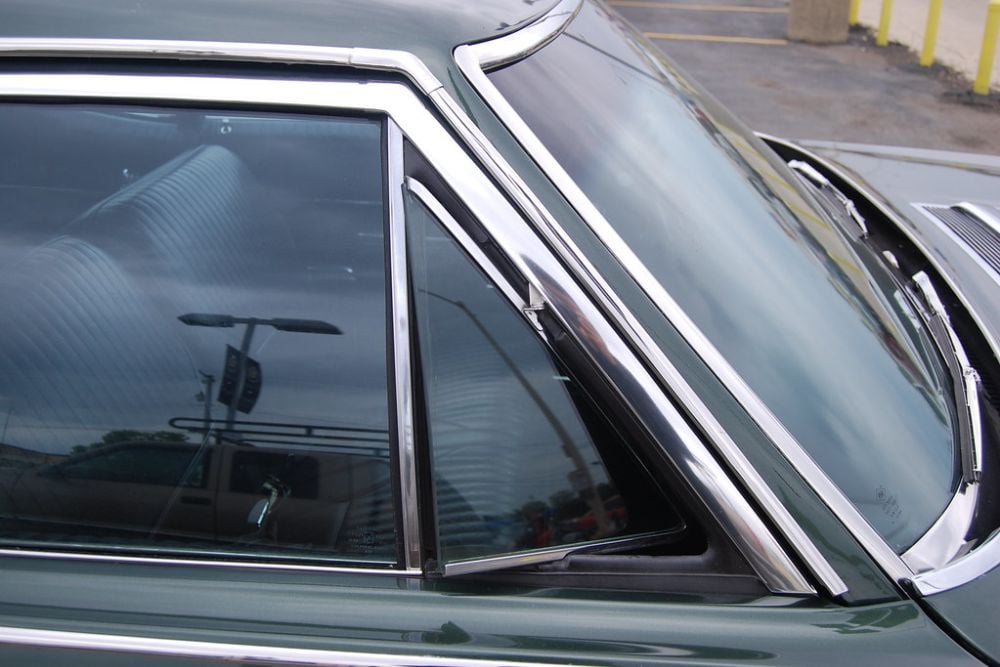
Also known as vent windows, these small triangular windows in the front doors were brilliant for airflow control. You could crack them open to get fresh air without the full blast of having your main window down. They were perfect for directing airflow exactly where you wanted it, long before air conditioning became standard in most vehicles.
Manual Transmission Floor Shifters
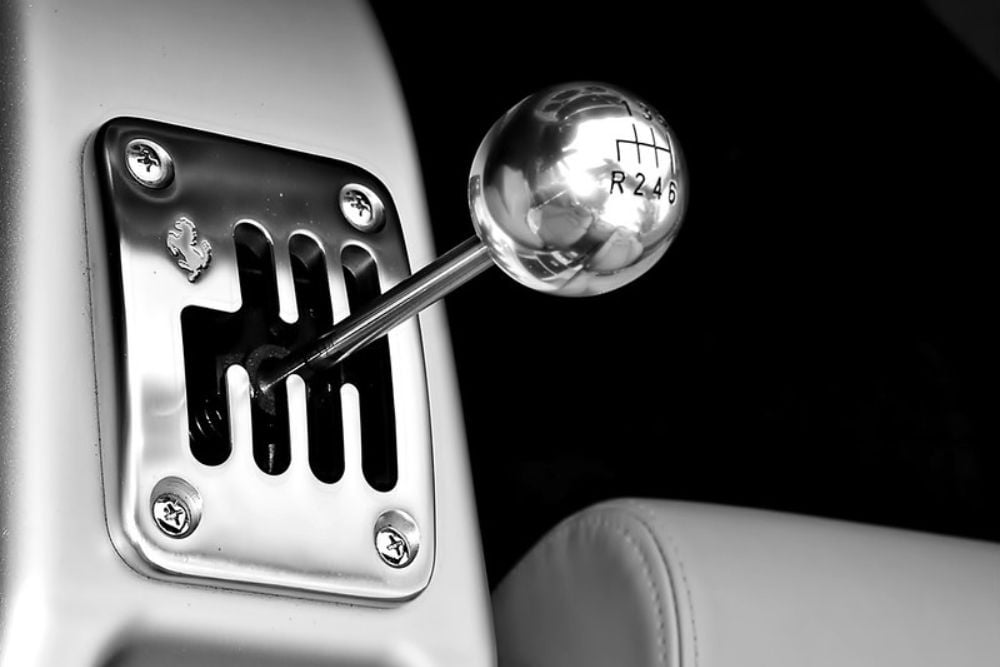
The satisfying click and precise feel of a manual floor shifter gave drivers complete control over their driving experience. Unlike today’s automatic transmissions, these shifters required skill and engagement, making every drive feel more connected to the machine. The physical act of shifting gears added a layer of involvement that many driving enthusiasts still crave.
Chrome Bumpers
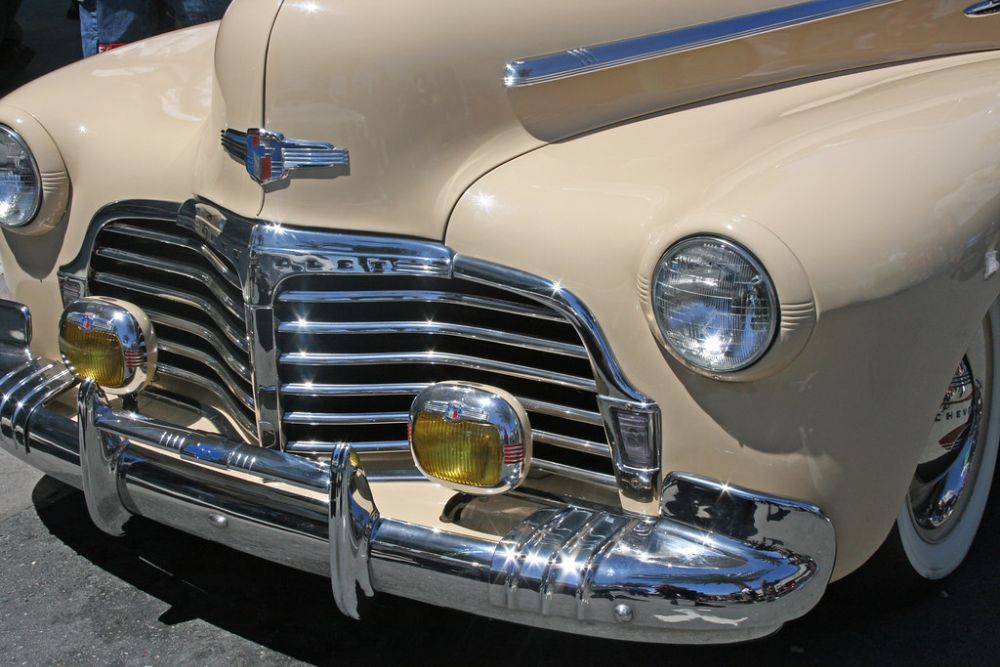
Chrome bumpers weren’t just functional—they were automotive jewelry. These hefty, gleaming pieces of metal gave cars a substantial, premium feel that plastic bumpers simply can’t match. They were also incredibly durable and could handle minor impacts without cracking or showing damage like modern bumpers do.
Like Go2Tutors’s content? Follow us on MSN.
Ashtrays and Lighters
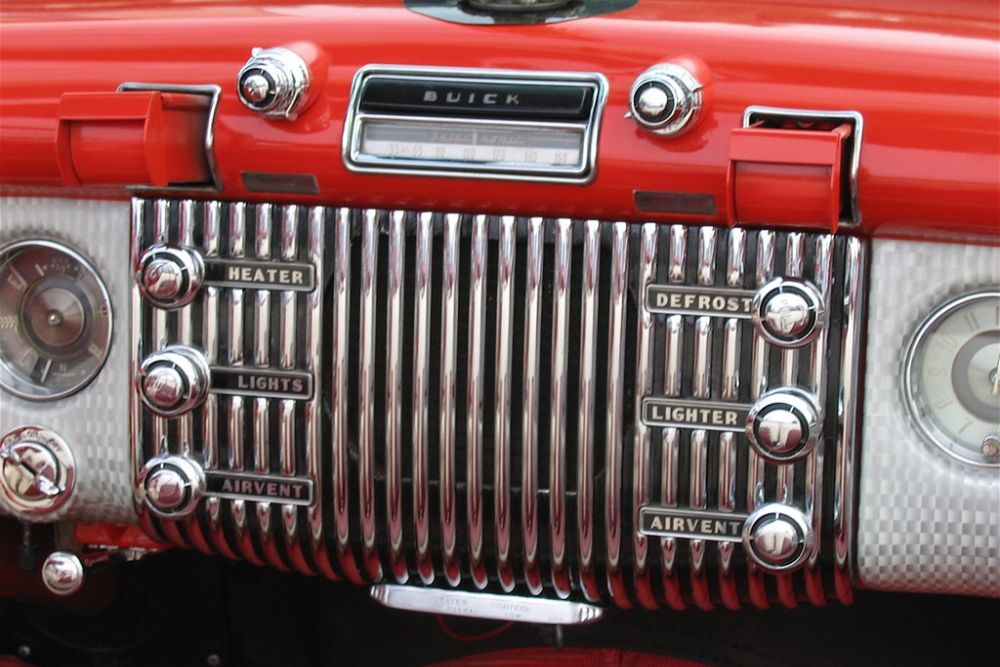
Even if you never smoked, these features were incredibly useful. The lighter became a 12-volt power source for accessories, while ashtrays served as convenient storage for coins, gum, or other small items. They were built into the dashboard design seamlessly, unlike today’s aftermarket adapters that stick out awkwardly.
Real Wood Trim
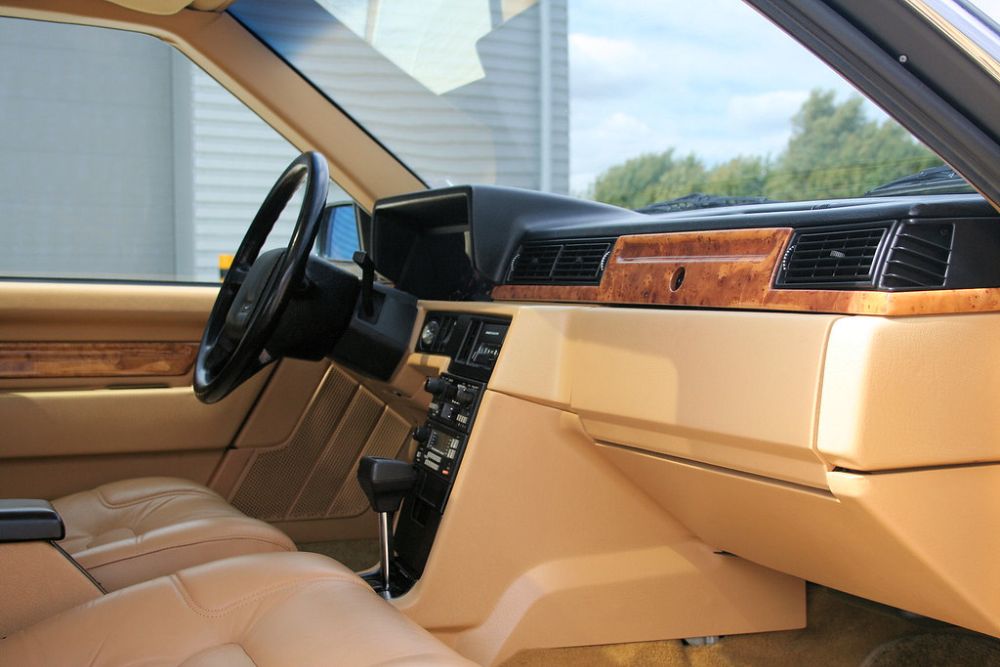
Genuine wood trim gave car interiors a warm, luxurious feel that fake wood or plastic simply can’t replicate. The natural grain patterns and rich tones created a sophisticated atmosphere that made even modest cars feel upscale. Each piece was unique, adding character and craftsmanship to the interior design.
Rear-Facing Third Row Seats
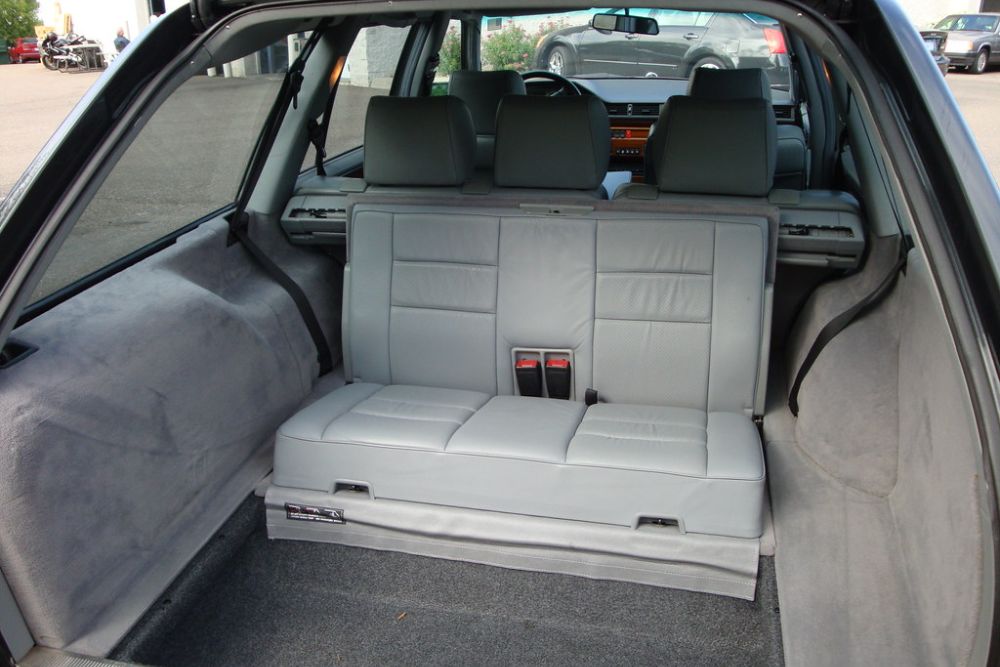
Station wagons often featured rear-facing seats in the back, which was incredibly fun for kids. These seats offered a completely different perspective on car travel, allowing passengers to wave at cars behind them and watch the world recede. They also maximized seating capacity without making the vehicle longer.
Like Go2Tutors’s content? Follow us on MSN.
Simple, Intuitive Controls
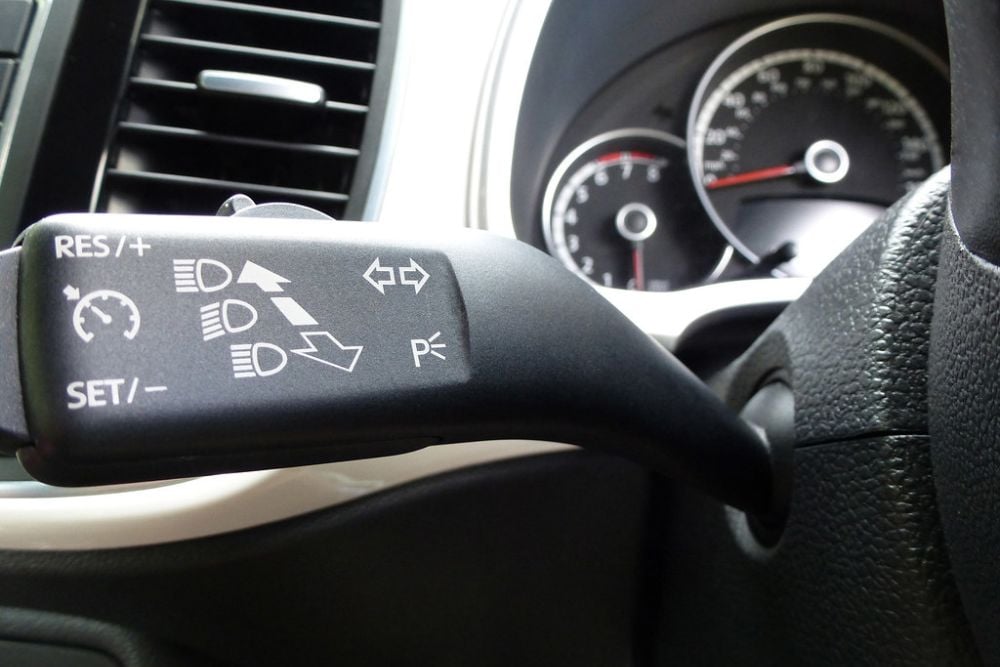
Dashboard controls in the 60s were straightforward and easy to understand. Each knob, switch, and button had a clear purpose, and you could operate them without taking your eyes off the road. There were no complex menu systems or touchscreens—just simple, mechanical controls that worked reliably for decades.
Genuine Spare Tires
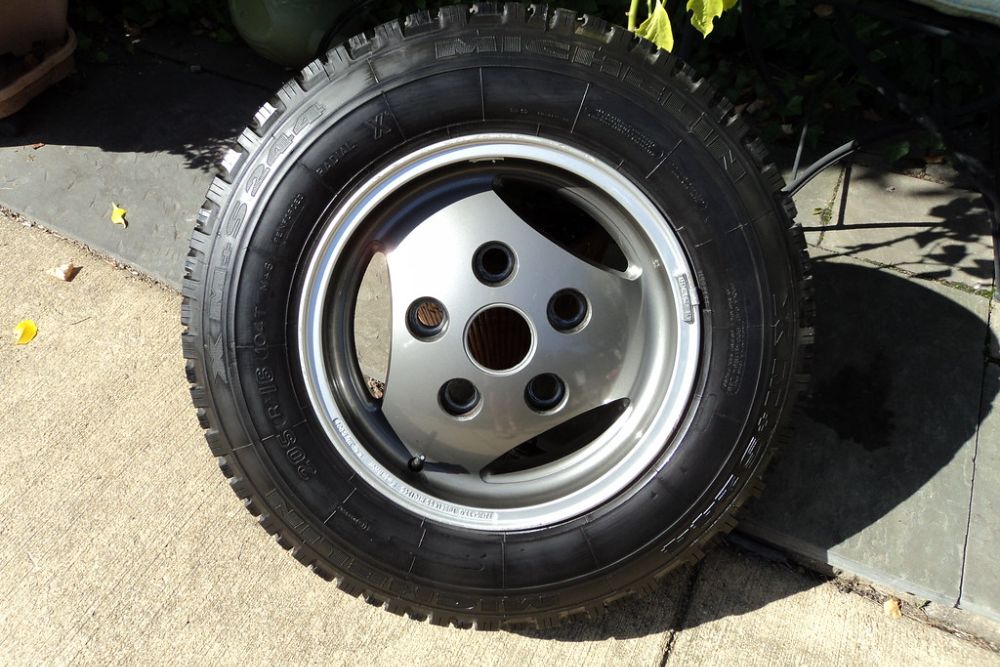
Cars came with full-size spare tires that were identical to the ones on the car. When you had a flat, you could drive normally on the spare without worrying about speed restrictions or temporary repairs. These spares were mounted in accessible locations and came with proper tools for changing them.
High-Beam Floor Switches

The high-beam dimmer switch was located on the floor, operated by your left foot. This placement kept your hands on the steering wheel while switching between high and low beams, which was actually safer than reaching for a steering column control. The heavy-duty switch was also more durable than modern alternatives.
Like Go2Tutors’s content? Follow us on MSN.
Swivel Seats
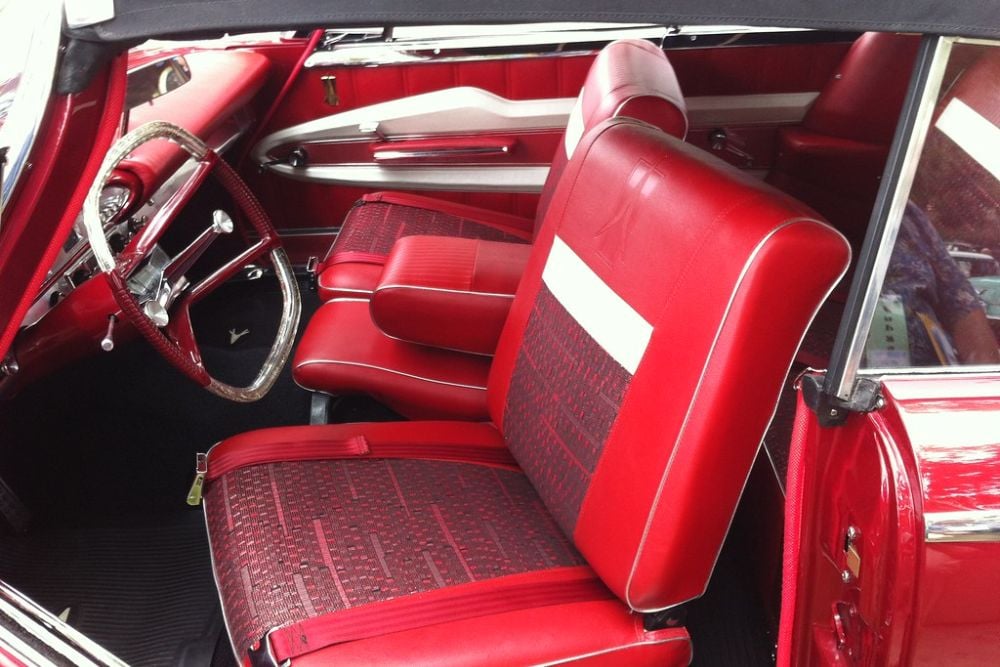
Some luxury cars featured front seats that could swivel to face the rear, creating a more social seating arrangement when parked. This feature was perfect for picnics or socializing, turning your car into a more versatile space. The seats were well-built and the swivel mechanism was smooth and reliable.
External Spare Tire Mounts
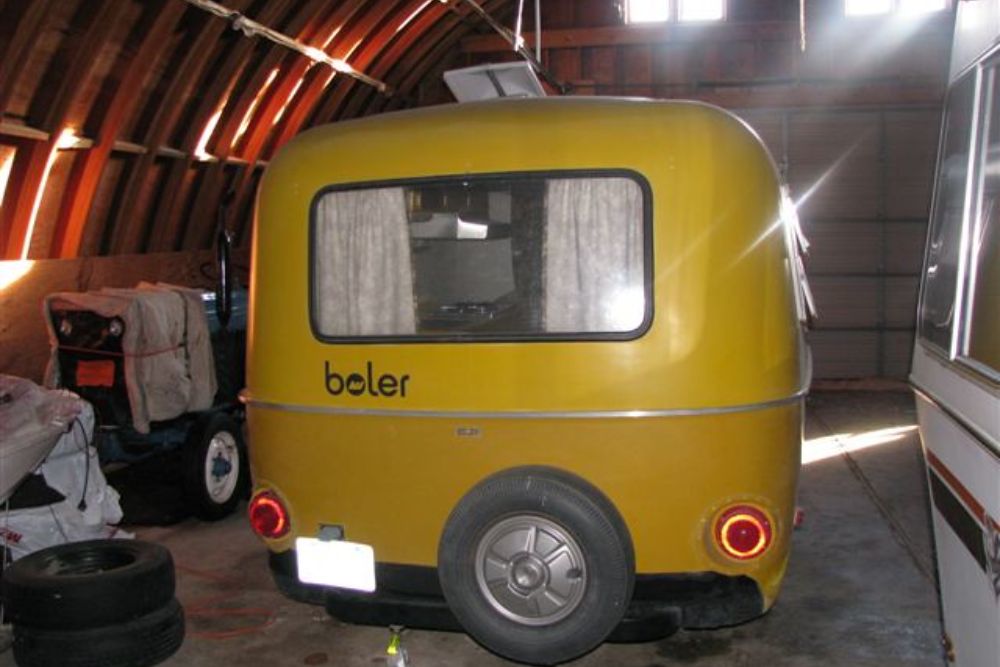
Many cars, especially convertibles and some SUVs, mounted the spare tire externally. This freed up trunk space and gave vehicles a rugged, adventurous appearance. The spare was also more accessible than modern hidden spares, making roadside tire changes quicker and easier.
Steel Dashboards
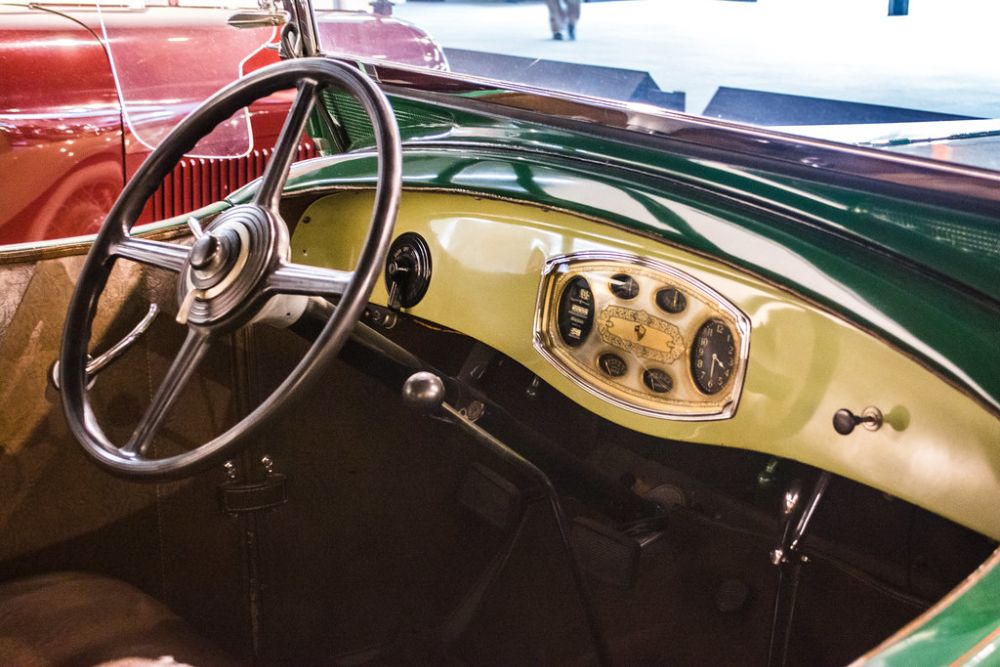
While not the safest option, steel dashboards had a solid, substantial feel that conveyed quality and durability. They were often beautifully designed with interesting textures and patterns that added visual interest to the interior. These dashboards felt like they were built to last, unlike today’s plastic alternatives.
Like Go2Tutors’s content? Follow us on MSN.
Crank Windows
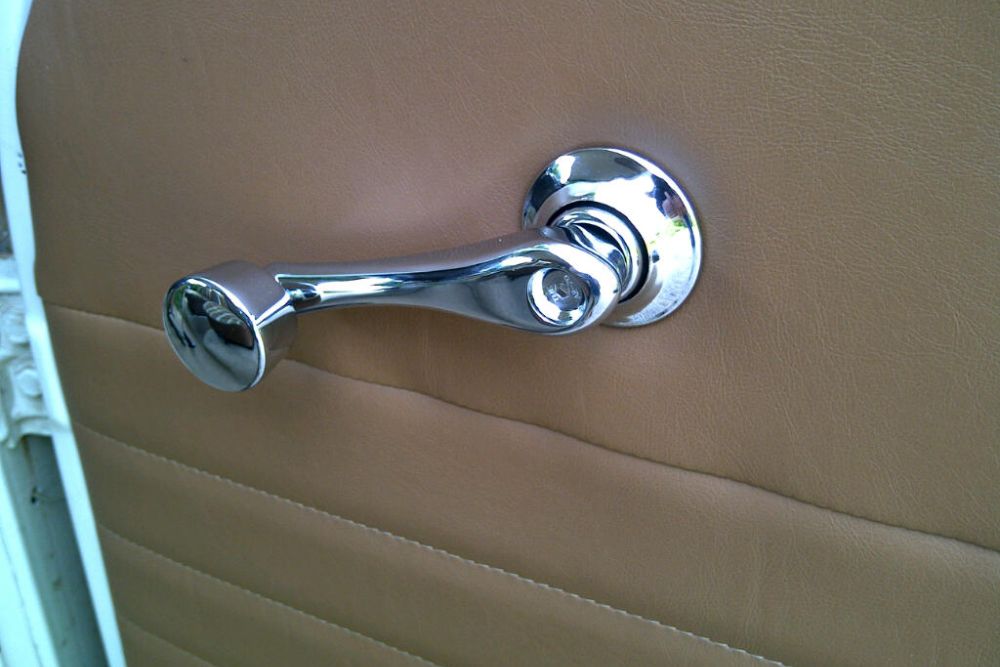
Hand-crank windows gave you precise control over how much air entered your car. You could crack them just slightly or roll them all the way down, and they never broke down like electric windows do. They were also silent in operation and didn’t drain your battery when the car was off.
Hood Ornaments

Hood ornaments were like automotive sculptures that announced your car’s brand and personality. These decorative elements gave cars character and made them instantly recognizable from a distance. They were often beautifully designed works of art that reflected the era’s attention to aesthetic details.
The Enduring Appeal of Analog Simplicity
These features remind us that sometimes the old ways weren’t just different—they were better in meaningful ways. While modern cars excel in safety, efficiency, and technology, they’ve lost some of the tactile satisfaction and character that made driving special. The 60s represented a time when cars were designed to be enjoyed, not just endured, and when manufacturers weren’t afraid to add features that served no purpose other than making people smile. Perhaps that’s the most important lesson from this golden age of automotive design.
Like Go2Tutors’s content? Follow us on MSN.
More from Go2Tutors!

- 16 Historical Figures Who Were Nothing Like You Think
- 12 Things Sold in the 80s That Are Now Illegal
- 15 VHS Tapes That Could Be Worth Thousands
- 17 Historical “What Ifs” That Would Have Changed Everything
- 18 TV Shows That Vanished Without a Finale
Like Go2Tutors’s content? Follow us on MSN.



