16 Castles Built in Impossible Locations
Throughout history, castle builders have chosen some truly mind-boggling locations for their fortresses. These aren’t your typical hilltop strongholds—we’re talking about castles perched on narrow rock spires, built into cliff faces, or seemingly floating on water. The engineers and architects behind these structures had to overcome challenges that would make modern construction crews think twice.
These remarkable fortresses prove that when it comes to defense and showing off, medieval builders were willing to work with whatever nature threw at them. Here is a list of 16 castles that defy logic and gravity in equal measure.
Predjama Castle, Slovenia
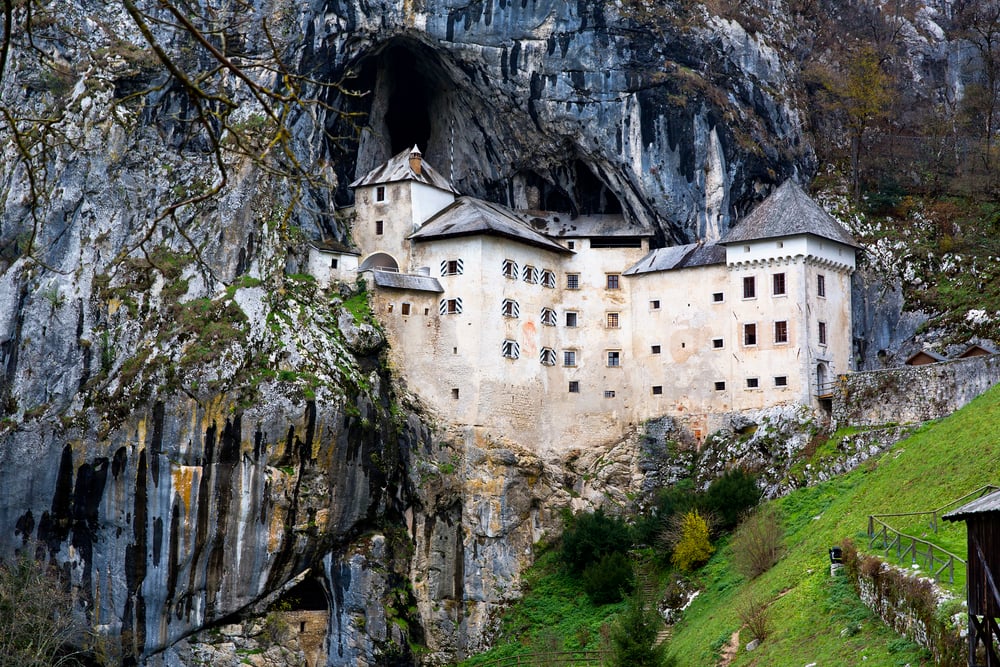
This castle literally grows out of a cliff face like something from a fantasy movie. Built into a 400-foot-high cave mouth, Predjama Castle has been standing since the 13th century, with the current structure dating to the Renaissance.
The builders used the natural cave system as rooms and storage areas, creating a fortress that’s nearly impossible to attack from any angle.
Mont-Saint-Michel, France
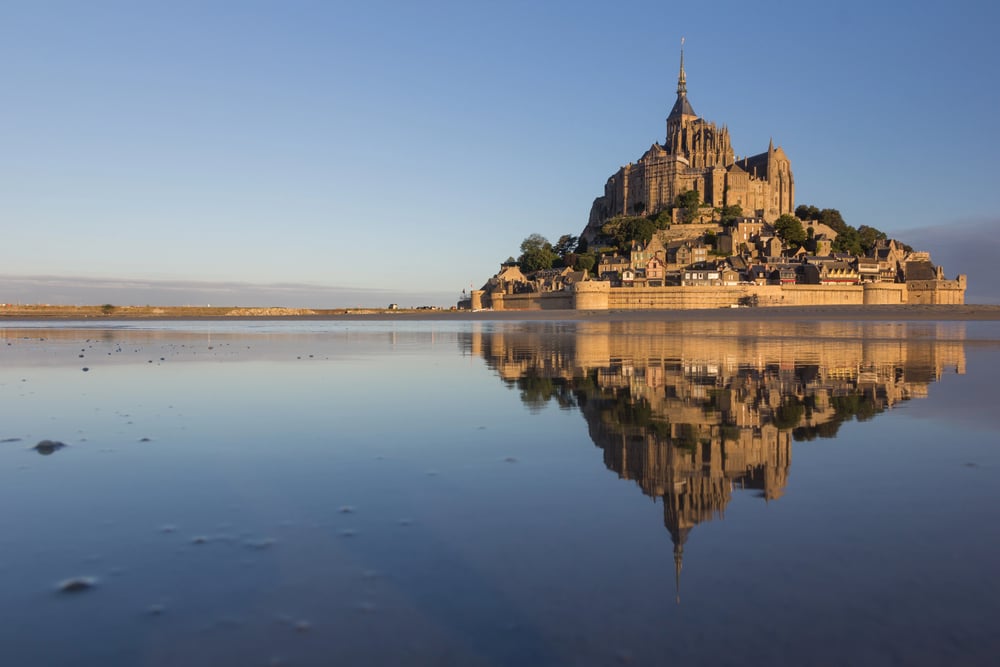
Rising from a tidal island off the coast of Normandy, this abbey-fortress becomes completely surrounded by water during high tide. The medieval builders had to time construction around the tides, carrying materials across treacherous mudflats that could trap unwary travelers.
At low tide, you can walk to it; at high tide, it looks like it’s floating on the ocean.
Like Go2Tutors’s content? Follow us on MSN.
Hohenzollern Castle, Germany
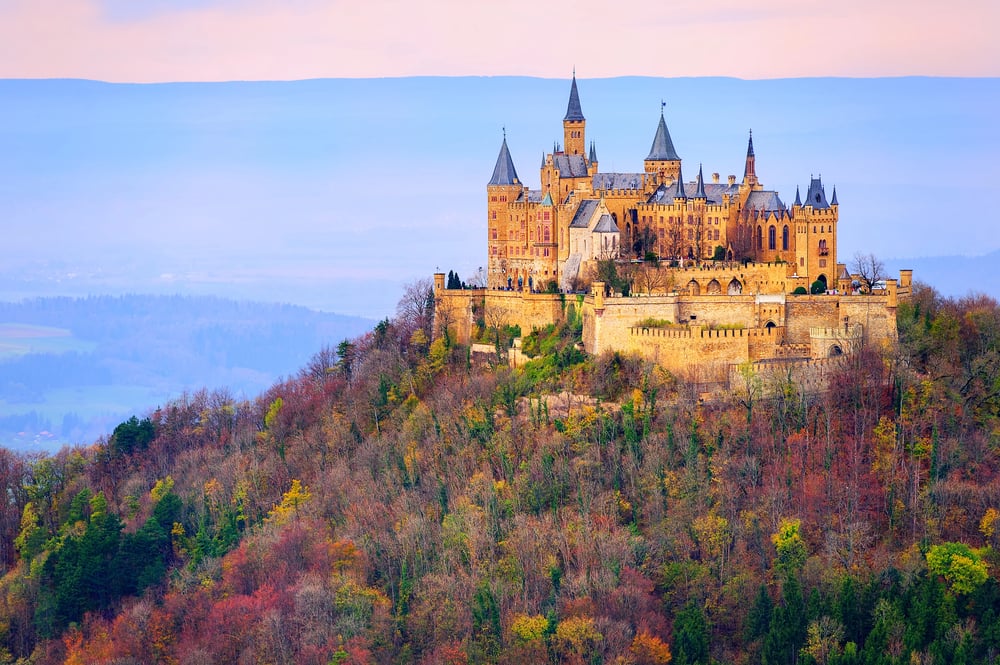
Perched 2,800 feet above sea level on an isolated mountain peak, this castle looks like it was dropped from the clouds. The original structure from the 11th century was so difficult to supply that it was eventually abandoned.
The current neo-Gothic version, built in the 1800s, required 19th-century engineering techniques just to get materials up the steep mountainside.
Castel del Monte, Italy
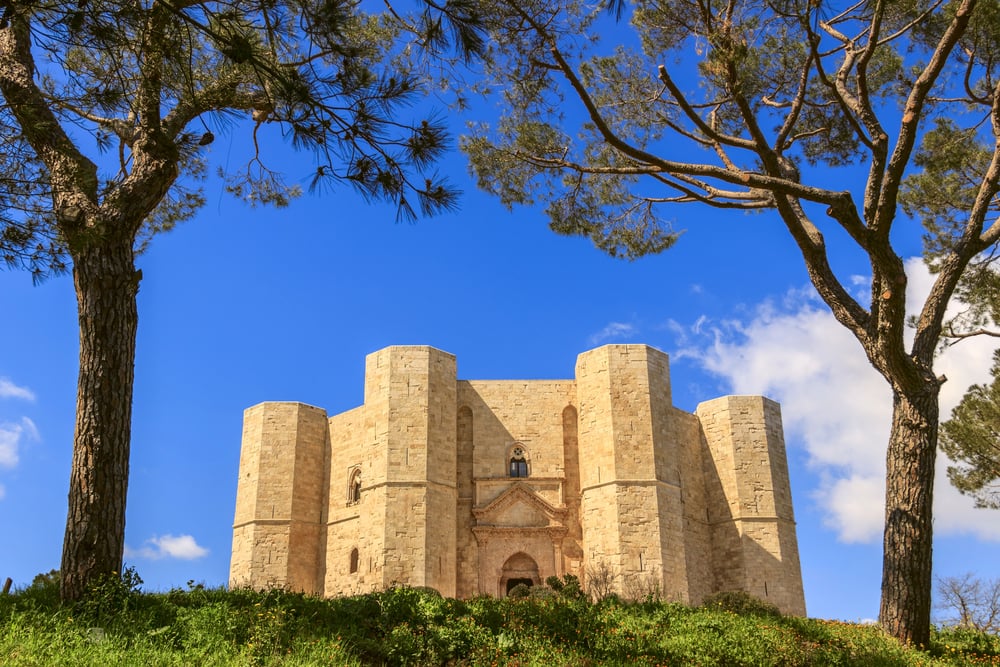
This octagonal wonder sits alone on a hill in southeastern Italy with no water source, no kitchen, and no obvious defensive purpose. Built by Holy Roman Emperor Frederick II in the 13th century, it’s perfectly symmetrical with eight towers and represents a mathematical puzzle as much as a fortress.
Some historians think it was designed as a giant astronomical instrument rather than a traditional castle.
Eilean Donan, Scotland
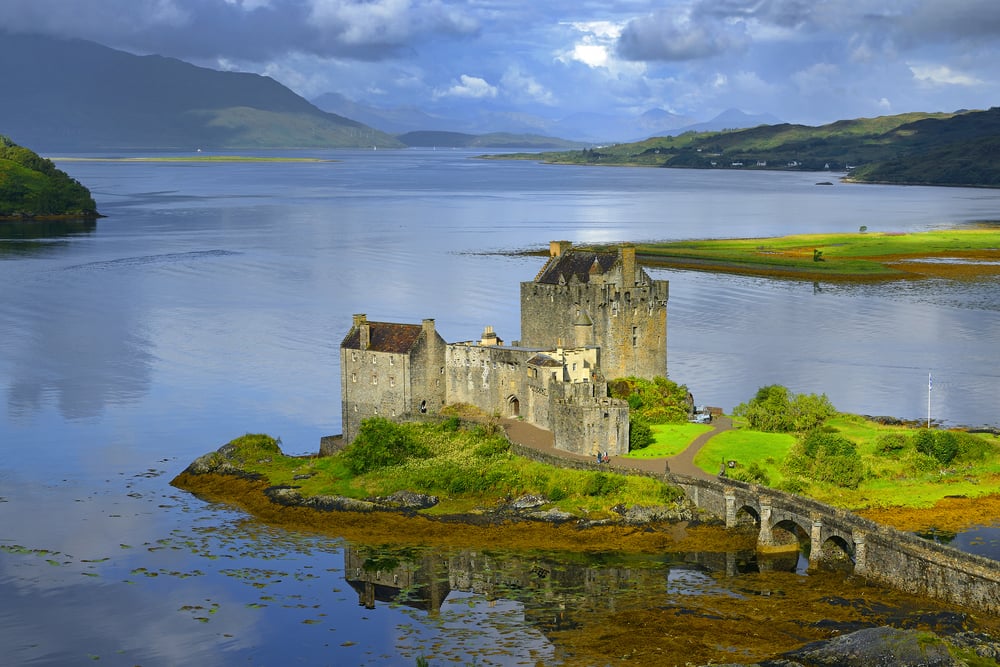
Scotland’s most photographed castle sits on a tiny island where three sea lochs meet, connected to the mainland by a narrow stone bridge. The original 13th-century fortress was built to defend against Viking raids, but its location meant that supplies had to arrive by boat in all weather.
The castle looks romantic now, but living there during a winter storm would have been anything but cozy.
Like Go2Tutors’s content? Follow us on MSN.
Château de Chillon, Switzerland
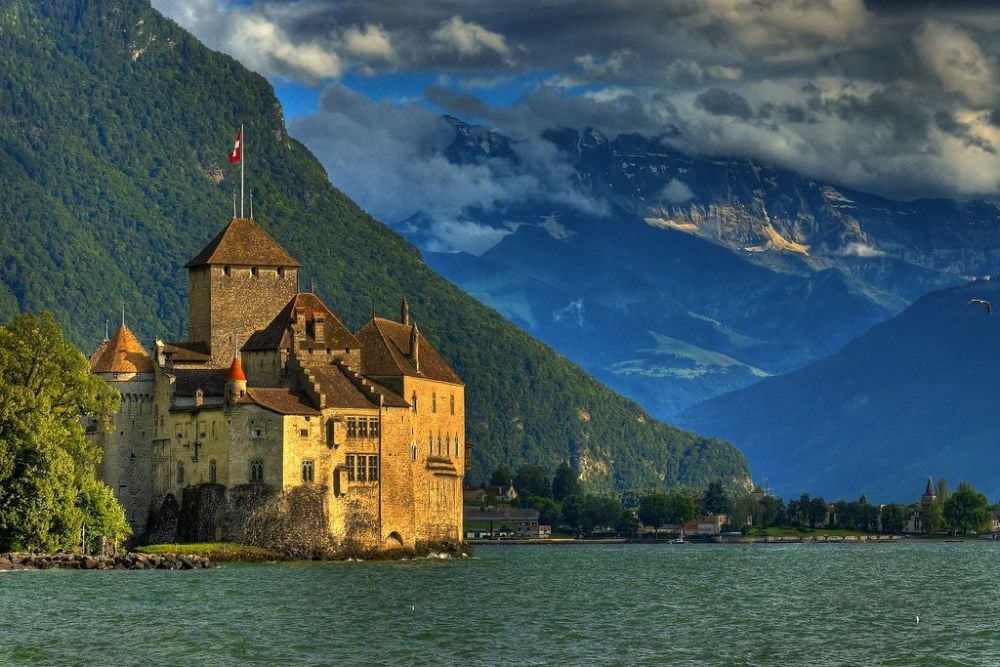
Built on a rocky island in Lake Geneva, this castle appears to float on the water like a medieval ship. The builders had to construct foundations directly into the lake bed, and the only access was by boat until a causeway was added later.
Lord Byron was so impressed by its impossible location that he wrote a famous poem about prisoners held in its dungeons.
Neuschwanstein Castle, Germany
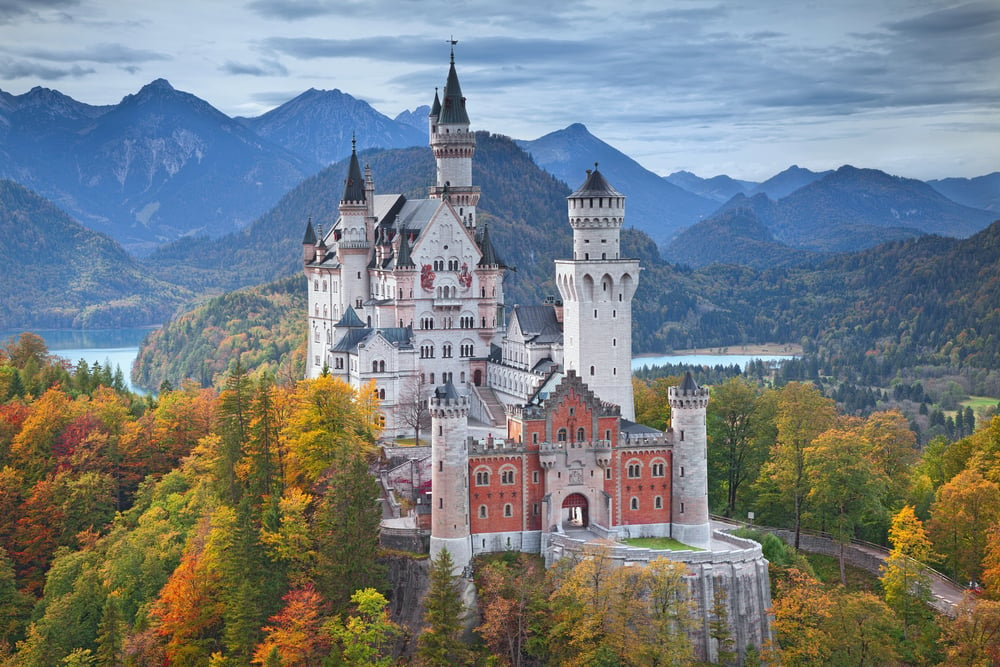
King Ludwig II chose a narrow ridge high in the Bavarian Alps for his fairy-tale castle, a location so challenging that construction took 17 years. Workers had to blast away rock and build massive supporting walls just to create a level foundation.
The castle’s theatrical design was inspired by Wagner’s operas, and its precarious perch adds to the dramatic effect.
Alcázar of Segovia, Spain
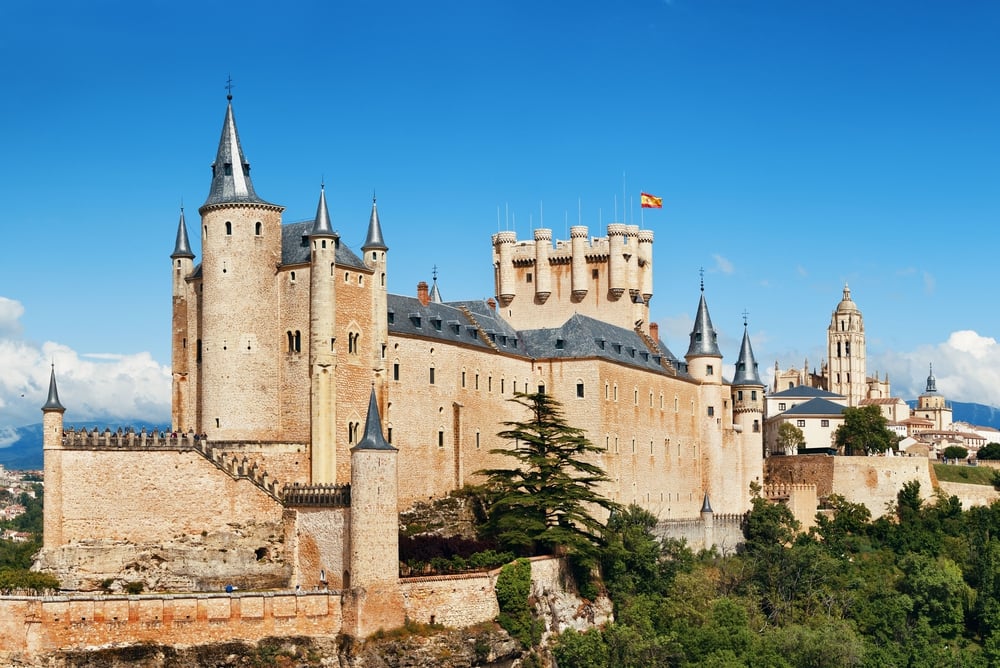
This castle sits on a rocky outcrop where two rivers meet, its pointed towers looking like the prow of a stone ship. The triangular plot of land barely provides enough space for the structure, which tapers to a point at one end.
The builders had to work within the natural shape of the rock, creating one of the most distinctive castle silhouettes in the world.
Like Go2Tutors’s content? Follow us on MSN.
Corfe Castle, England
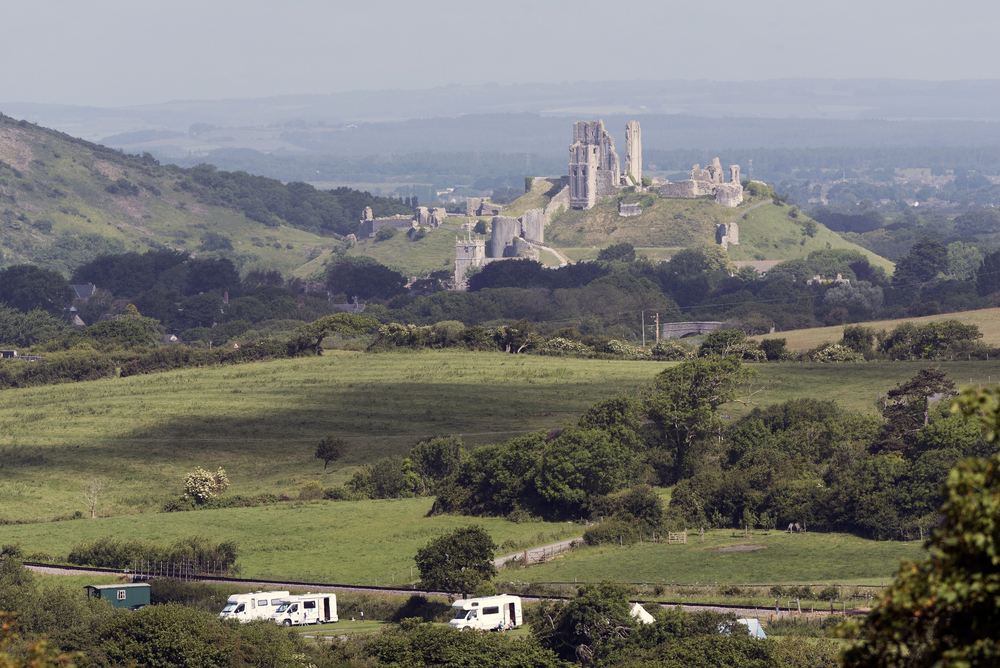
Built on a steep hill that rises dramatically from the surrounding countryside, this castle controlled the only gap through a ridge of hills for miles. The Normans chose this spot because it was virtually impossible to attack uphill, but getting building materials to the summit required incredible effort.
Today’s ruins still dominate the landscape like broken teeth against the sky.
Spiš Castle, Slovakia
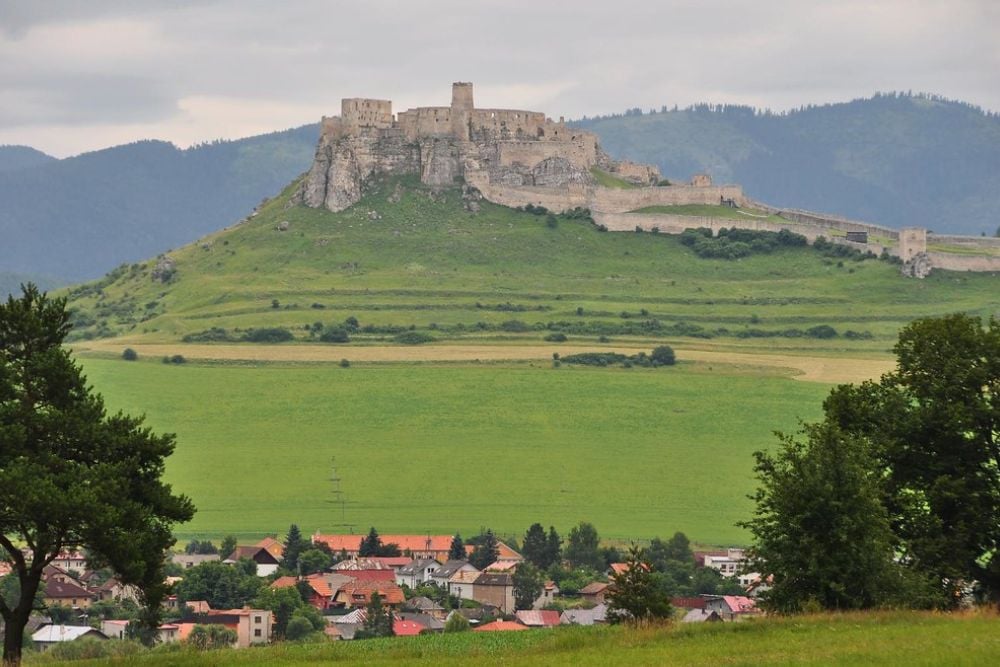
Spreading across three hills and covering 100 acres, this massive complex is one of the largest castle sites in the world. The builders had to work with the natural contours of multiple hilltops, connecting different sections with walls that follow the ridgelines.
The sheer scale and challenging terrain made it a construction project that spanned centuries.
Château de Foix, France
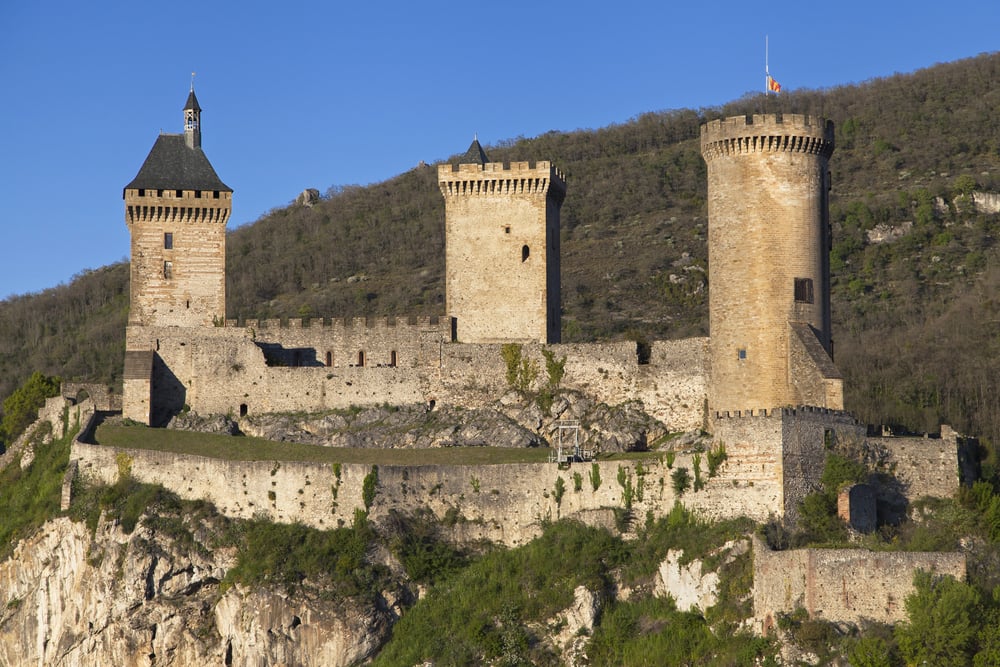
Three distinctive towers crown a narrow rocky peak that rises directly from the town below. The builders had to carve foundations directly into solid rock, and the castle’s footprint exactly matches the small plateau at the summit.
Each tower was built to different heights to accommodate the sloping bedrock, creating an asymmetrical but striking silhouette.
Like Go2Tutors’s content? Follow us on MSN.
Carcassonne, France
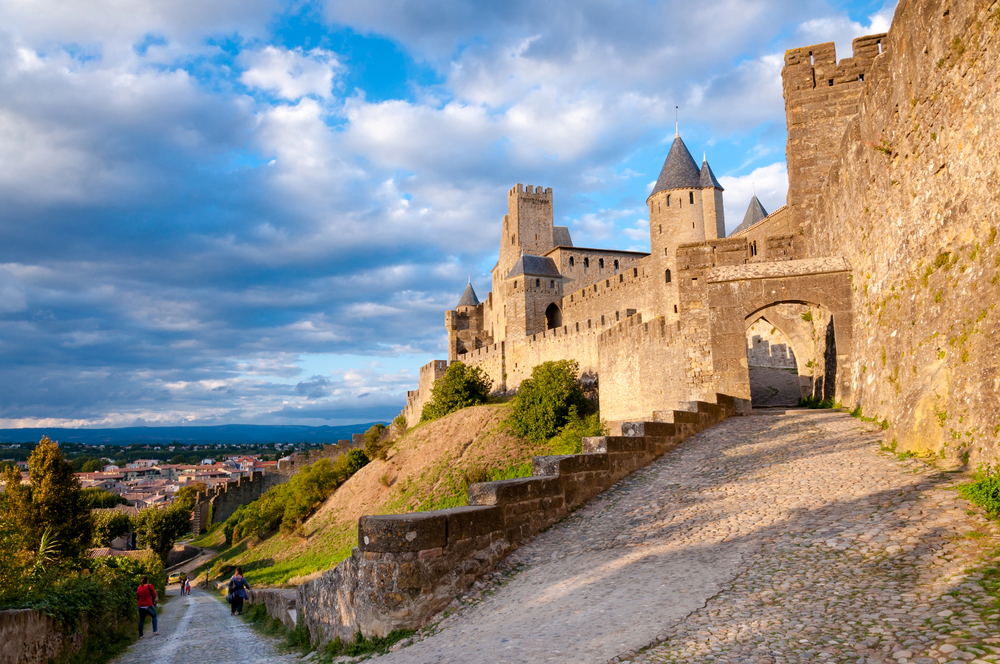
This fortified city sits on a hill overlooking the Aude River, surrounded by two concentric rings of walls with 52 towers. The builders created what amounts to a fortified city of stone that could house thousands of people during a siege.
The double walls and strategic position made it nearly impregnable, but supplying such a large population in an isolated hilltop location required careful planning.
Windsor Castle, England
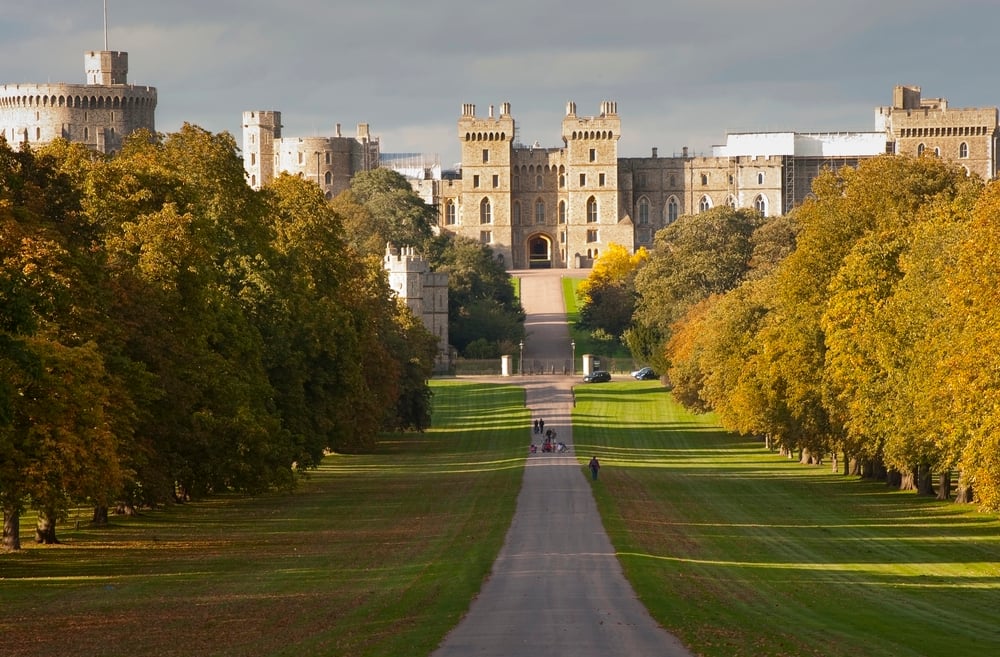
Built on a chalk cliff overlooking the Thames, this royal residence has been continuously occupied for over 900 years. The original motte and bailey design took advantage of a natural hill, but later expansions required massive earthworks and engineering projects.
The castle’s position allows views for miles in every direction, but the exposed location makes it vulnerable to weather and requires constant maintenance.
Malbork Castle, Poland
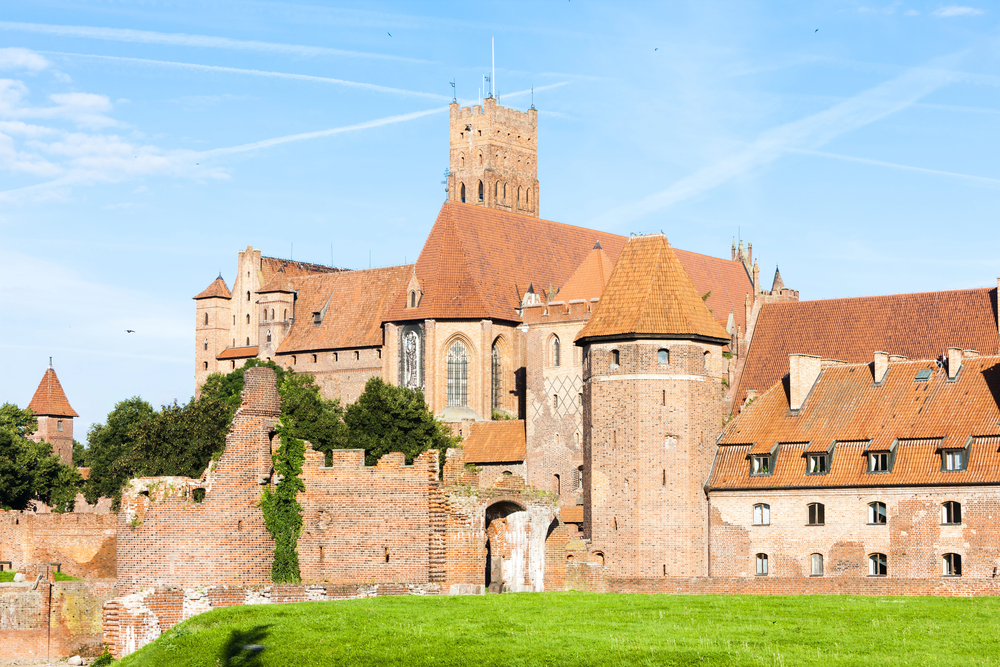
This massive brick fortress was built on an island in the Nogat River, creating a water barrier on all sides. The Teutonic Knights chose this marshy location for its defensive advantages, but had to import millions of bricks and create artificial foundations in the swampy ground.
The castle complex became so large that it resembled a fortified city more than a traditional stronghold.
Like Go2Tutors’s content? Follow us on MSN.
Kilchurn Castle, Scotland
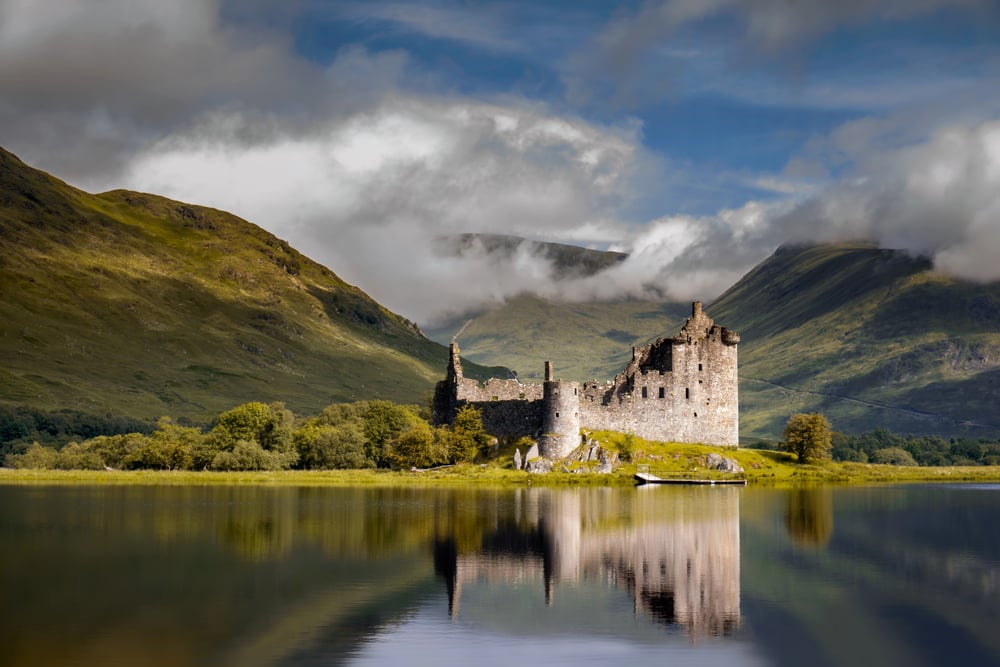
Standing on a small island at the head of Loch Awe, this ruined castle becomes completely surrounded by water when the loch is full. The 15th-century builders had to transport everything by boat and work with a foundation that was partly natural rock and partly artificial fill.
Winter storms regularly battered the exposed structure, contributing to its eventual abandonment.
Dunnottar Castle, Scotland
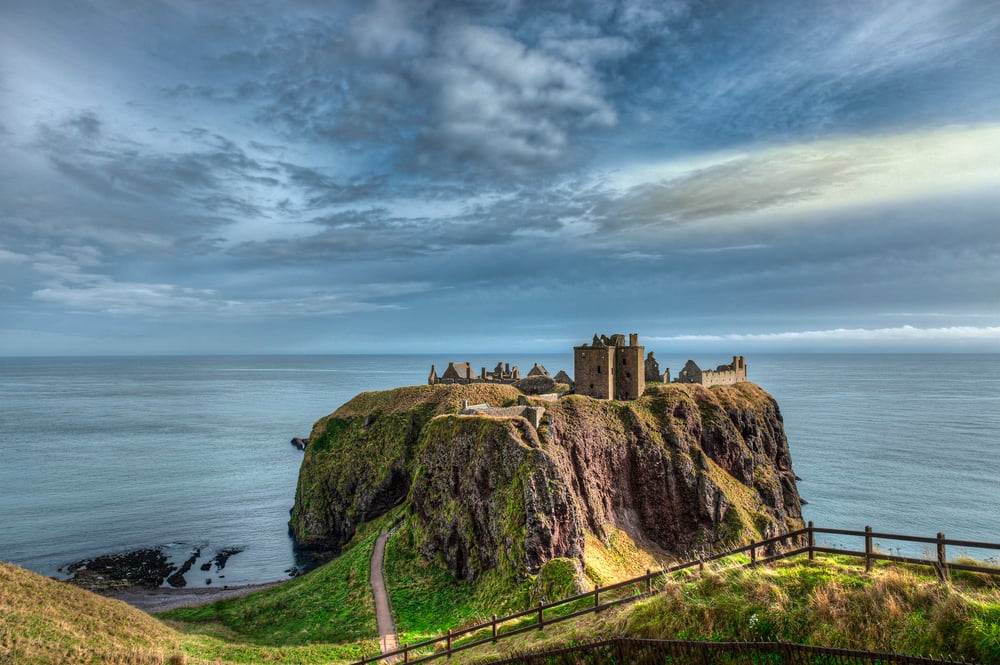
Perched on a narrow headland surrounded by 160-foot cliffs and North Sea waves, this castle is accessible only by a treacherous path carved into the rock face. The medieval approach required visitors to climb down one cliff and up another, making surprise attacks virtually impossible.
The castle’s position provided ultimate security but also extreme isolation during Scotland’s harsh winters.
When Impossible Became Inevitable
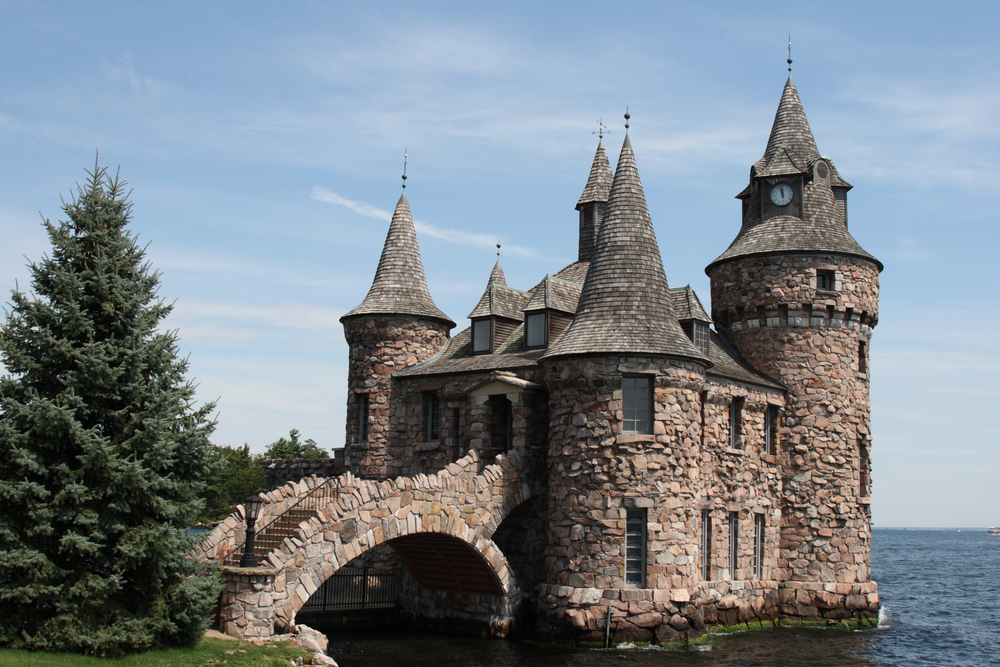
These remarkable fortresses remind us that medieval builders possessed both incredible ambition and practical engineering skills that rival modern achievements. While today’s architects rely on cranes and helicopters to access difficult sites, castle builders used nothing but human ingenuity, determination, and an awful lot of manual labor.
Their willingness to tackle seemingly impossible locations created some of the world’s most breathtaking architectural achievements, proving that sometimes the most challenging sites produce the most memorable results.
Like Go2Tutors’s content? Follow us on MSN.
More from Go2Tutors!

- 16 Restaurant Chains That Went Too Fast
- 12 Things Sold in the 80s That Are Now Illegal
- 15 Strange Things People Have Tried to Ban (And Failed)
- 16 Collectibles People Tossed Out Too Soon
- 17 Myths from Your Childhood That Were Actually Based on Real Things
Like Go2Tutors’s content? Follow us on MSN.



