Unrealistic Medical TV Tropes
Medical dramas have taught us that hospitals are places where doctors sprint through hallways yelling “stat,” everyone has perfect hair despite working 48-hour shifts, and every patient either dies dramatically or makes a miraculous recovery. Real medical professionals watch these shows and probably need blood pressure medication afterward.
The gap between TV medicine and actual medicine is wider than the Grand Canyon, but we keep watching anyway.
Defibrillators Fix Everything
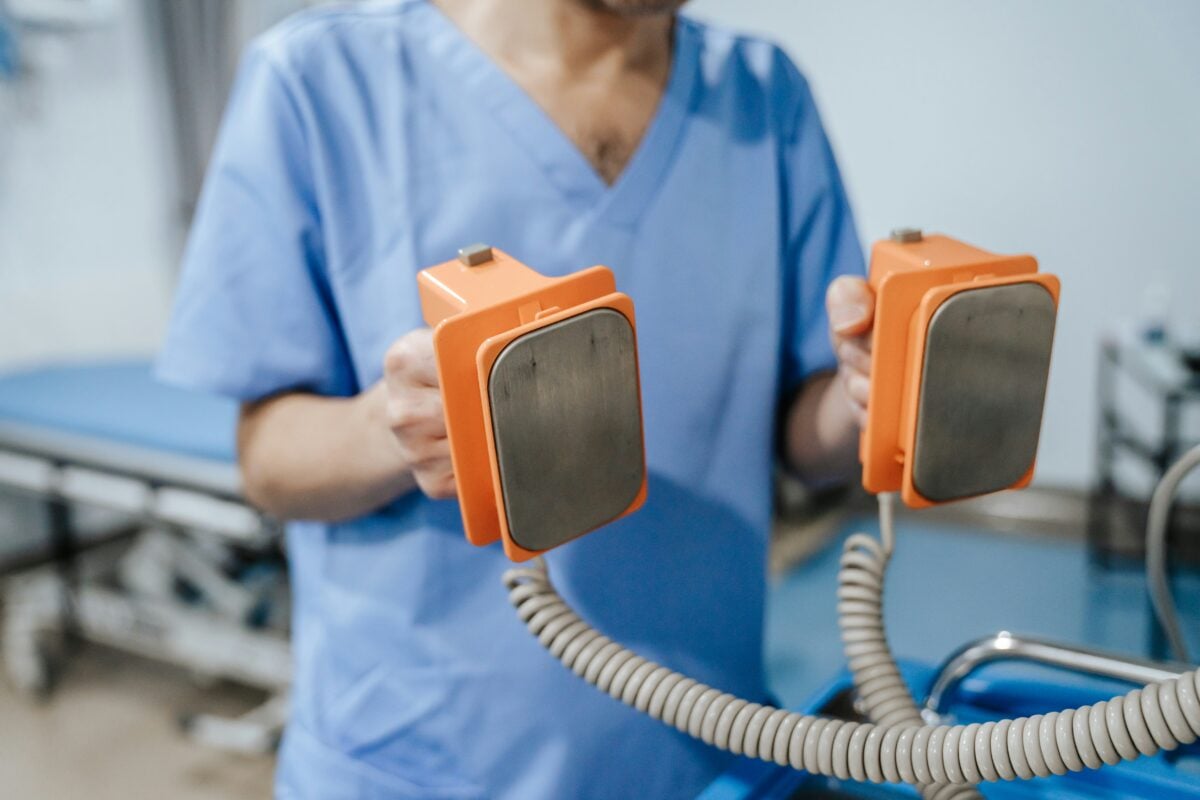
TV doctors love shocking patients back to life with defibrillators. Flatline on the monitor? Shock them.
Heart stops? Shock them. Does the patient look a little pale? Probably should shock them just to be safe.Real defibrillators don’t restart stopped hearts.
They fix irregular rhythms. When someone’s heart stops completely, you do CPR and give medications.
The dramatic paddle moment where everyone yells “clear” and the patient jolts back to consciousness? That’s not how any of this works.But it looks great on camera, so medical shows keep doing it anyway.
CPR Is Gentle and Always Successful
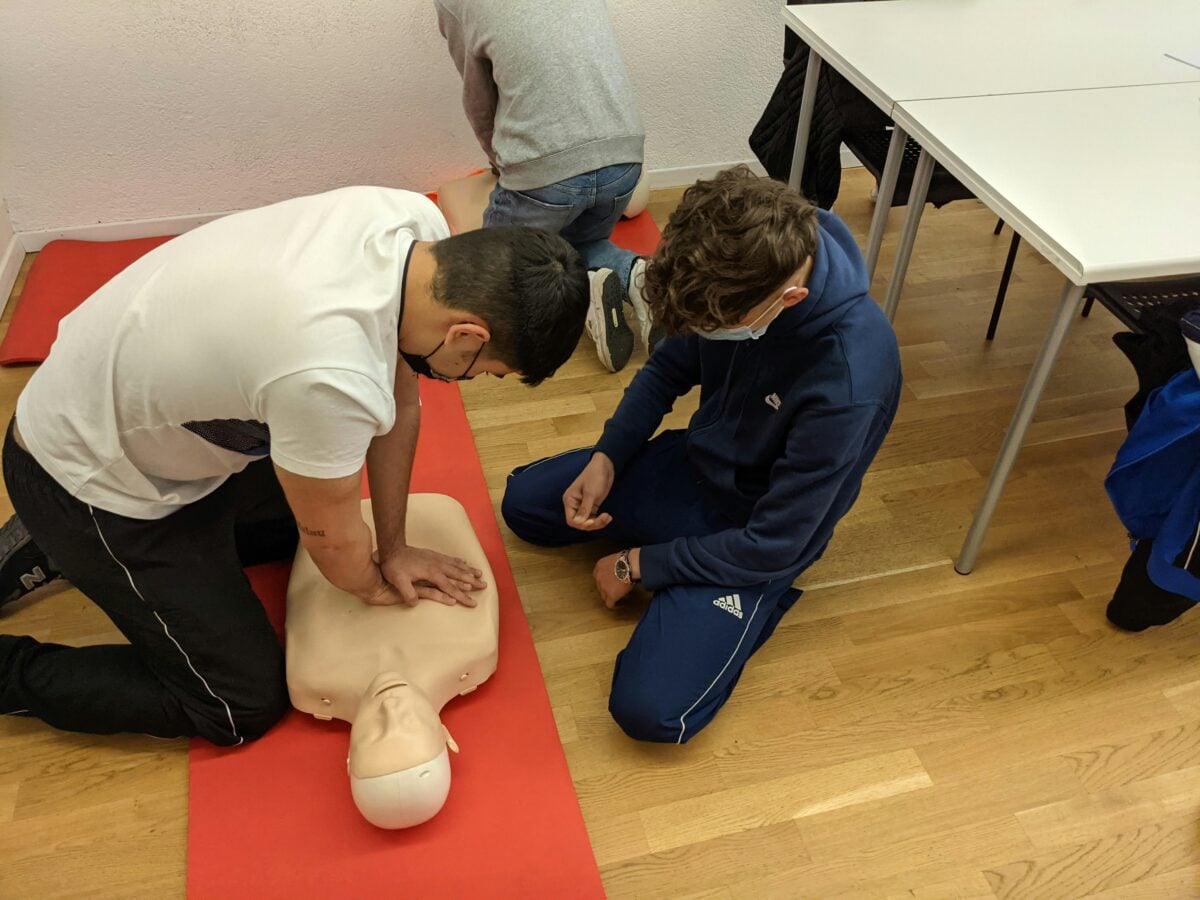
Speaking of CPR, TV shows present it as this gentle chest compression that leaves patients perfectly fine afterward. The actor playing the doctor barely touches the patient’s chest, the patient wakes up coughing politely, and everyone moves on with their day.
Real CPR breaks ribs. You’re pushing hard enough to manually pump someone’s heart.
The survival rate for cardiac arrest is around 10-20 percent, not the 70 percent success rate you see on TV. And even when it works, patients don’t just pop up and start chatting.
They’re intubated, sedated, and headed to intensive care.
Doctors Do Everything

TV doctors are apparently trained in every medical specialty simultaneously. The same doctor who performs brain surgery in the morning is delivering babies in the afternoon and running the ER at night.
They do their own lab work, interpret their own scans, and probably mop the floors during commercial breaks. Real hospitals have specialists for a reason.
Surgeons don’t typically run around diagnosing rare diseases. ER doctors don’t perform complex surgical procedures.
Everyone stays in their lane because that’s how you avoid killing people.
The Coma Fake-out

TV loves a good coma storyline. Someone gets hit by a car, falls into a coma, and then wakes up weeks later perfectly fine.
No physical therapy needed, no cognitive issues, just immediately back to their normal life. Sometimes they wake up speaking a language they didn’t know before because apparently comas give you superpowers.
Real comas don’t work like that. Waking up from a coma is gradual, not a light-switch moment. People need extensive rehabilitation.
Their muscles have atrophied, their brain needs time to recover, and they definitely don’t wake up with newfound abilities or complete personality changes.
Every Diagnosis is Rare and Exotic

TV patients never come in with the flu or a broken arm. Everything is a mysterious illness that requires a team of doctors arguing in a conference room with a whiteboard.
The diagnosis is always something incredibly rare that affects three people worldwide, and somehow this hospital has seen it twice this week. Real hospitals mostly see common conditions.
Chest pain, infections, diabetes complications, and injuries from falls. The bread and butter of medicine.
Boring, maybe, but that’s actual healthcare.
Romance Blooms in Supply Closets

Medical shows suggest that doctors spend more time making out in supply closets than actually treating patients. Every hospital apparently has unlimited romantic drama happening in empty rooms, stairwells, and on-call rooms.
Sure, workplace relationships happen in real hospitals. But doctors are generally too tired, stressed, and covered in various bodily fluids to be constantly sneaking off for passionate encounters.
They’re more likely to be found crying in the break room or inhaling a sandwich while standing up.
Surgery Is A Solo Sport

TV surgeons work alone or with maybe one other person. They make all the decisions, do all the cutting, and somehow manage every aspect of a complex procedure while having dramatic conversations about their personal lives.
Real surgeries involve teams. An anesthesiologist, surgical nurses, surgical techs, sometimes multiple surgeons.
Everyone has a specific role. And nobody is having philosophical debates during the procedure because they’re focused on keeping the patient alive.
Lab Results Come Back Instantly
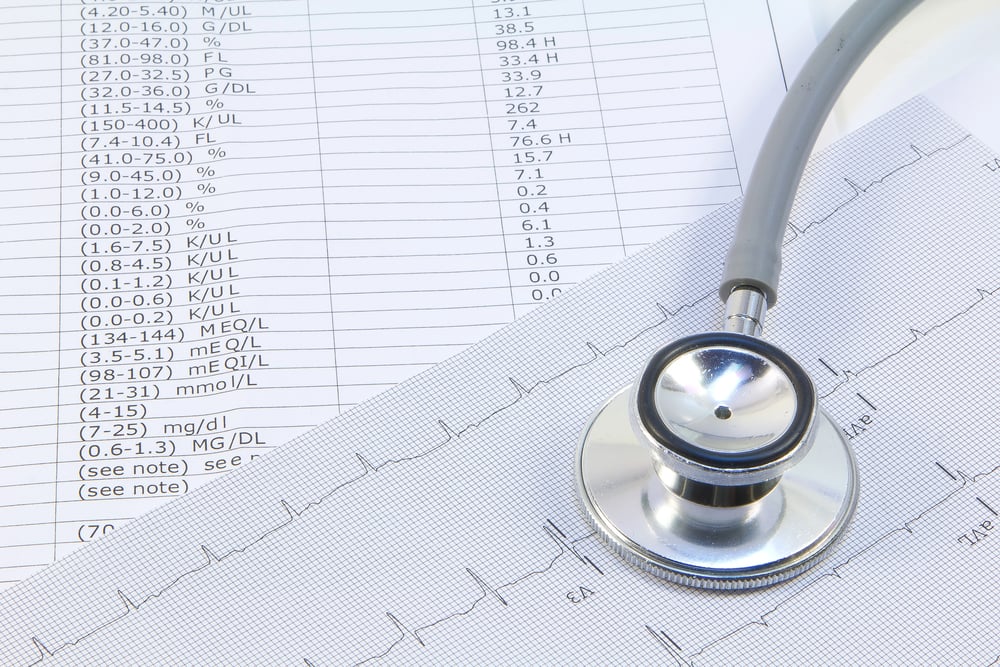
TV doctors order tests and get results within minutes, sometimes seconds. They make urgent decisions based on blood work that materializes out of thin air.
Need to know if the patient has a rare toxin in their system? Give it 30 seconds.
Real lab work takes time. Blood tests can take hours or even days depending on what you’re testing for.
Some specialized tests get sent to other facilities. The whole process is slow and involves lots of waiting, which doesn’t make for compelling television.
Patients Can Afford Everything

TV shows rarely address the cost of medical care. Patients get every test, every procedure, every experimental treatment without ever mentioning insurance, bills, or financial constraints. Money is apparently not a concern in TV hospital land.
Real patients face impossible financial decisions constantly. Can they afford the recommended treatment?
Will their insurance cover it? Should they skip the follow-up appointment because they can’t afford the copay?
These conversations happen all day, every day in actual hospitals.
Doctors Have Unlimited Time

TV doctors sit at bedsides having long, meaningful conversations with patients. They explain everything in detail, answer every question, and provide emotional support for hours.
They apparently only have one patient each. Real doctors are managing multiple patients simultaneously.
They’re understaffed, overworked, and running behind schedule. Conversations happen, but they’re often rushed.
The nurse spends more direct time with patients than the doctor does, but that’s not as dramatic for TV.
Emergency Rooms Are Calm and Organized

TV emergency rooms have maybe three patients at a time, everyone speaks in normal voices, and there’s always a private room available for emotional conversations. The lighting is flattering and nobody is screaming.
Real ERs are chaos. Overcrowded, loud, understaffed. People wait for hours. There’s no privacy.
Multiple crises happen simultaneously. The staff is stressed, the patients are frustrated, and there’s definitely no romantic lighting.
Ambulances Arrive Immediately

Someone calls 911 on TV and an ambulance appears within 60 seconds. The paramedics are calm and focused; they know exactly what’s wrong, and they transport the patient to the perfect hospital for their specific condition.
Real ambulance response times vary wildly depending on location and how busy the system is. Rural areas especially struggle with long response times.
And paramedics are making decisions with limited information while trying to stabilize someone in the back of a moving vehicle.
Doctors Remember Every Patient Forever

TV doctors run into former patients years later and instantly recall every detail of their case. They remember their name, their diagnosis, what day of the week they were admitted, and what the weather was like outside.
Perfect recall of thousands of patients. Real doctors see hundreds or thousands of patients. They can’t remember everyone, especially not years later.
Some patients make an impression and stick in their memory, but most become a blur of faces and medical histories.
Medical Mysteries Solve Themselves Neatly
Every mysterious case on TV gets solved within the episode. The doctors figure out the rare diagnosis, administer the perfect treatment, and the patient recovers.
Everything wraps up nicely with no loose ends. Real medicine is messy. Some diagnoses take months or never get confirmed.
Treatments don’t always work. Patients don’t always recover.
Sometimes doctors never figure out what was wrong. The uncertainty is part of the job, but it doesn’t make for satisfying television.
Doctors Yell About Ethics In Hallways

TV hospital staff constantly have loud arguments about medical ethics in public spaces. They debate patient care decisions while standing in hallways where anyone can hear them.
Privacy laws apparently don’t exist. Real hospitals have strict privacy rules.
Conversations about patients happen in private. Ethics consultations are formal processes, not dramatic shouting matches.
And if you violate patient privacy, you lose your job and possibly your license.
Why We Watch Anyway

These shows don’t aim to reflect real life. Rather, they go for drama, tension, or suspense to grab your attention.
Real medical work? That’s paperwork, waiting, dull chores – the kind of thing that bores folks fast.
The familiar moments stay because they push the story forward, not due to truthfulness. The fact is, it does alright.
Even so, maybe skip using Grey’s Anatomy as if it’s a real medical guide.
More from Go2Tutors!

- The Romanov Crown Jewels and Their Tragic Fate
- 13 Historical Mysteries That Science Still Can’t Solve
- Famous Hoaxes That Fooled the World for Years
- 15 Child Stars with Tragic Adult Lives
- 16 Famous Jewelry Pieces in History
Like Go2Tutors’s content? Follow us on MSN.



