16 Classic Movies That Broke New Ground
Cinema has always been about pushing boundaries, yet some films manage to completely rewrite the rules of what movies can accomplish. These groundbreaking classics didn’t just entertain audiences — they fundamentally changed how stories could be told on screen, introducing techniques and ideas that influenced countless filmmakers who came after.
From revolutionary special effects to bold narrative structures, certain movies have left permanent marks on the industry. Here’s a list of classic movies that broke new ground.
Citizen Kane
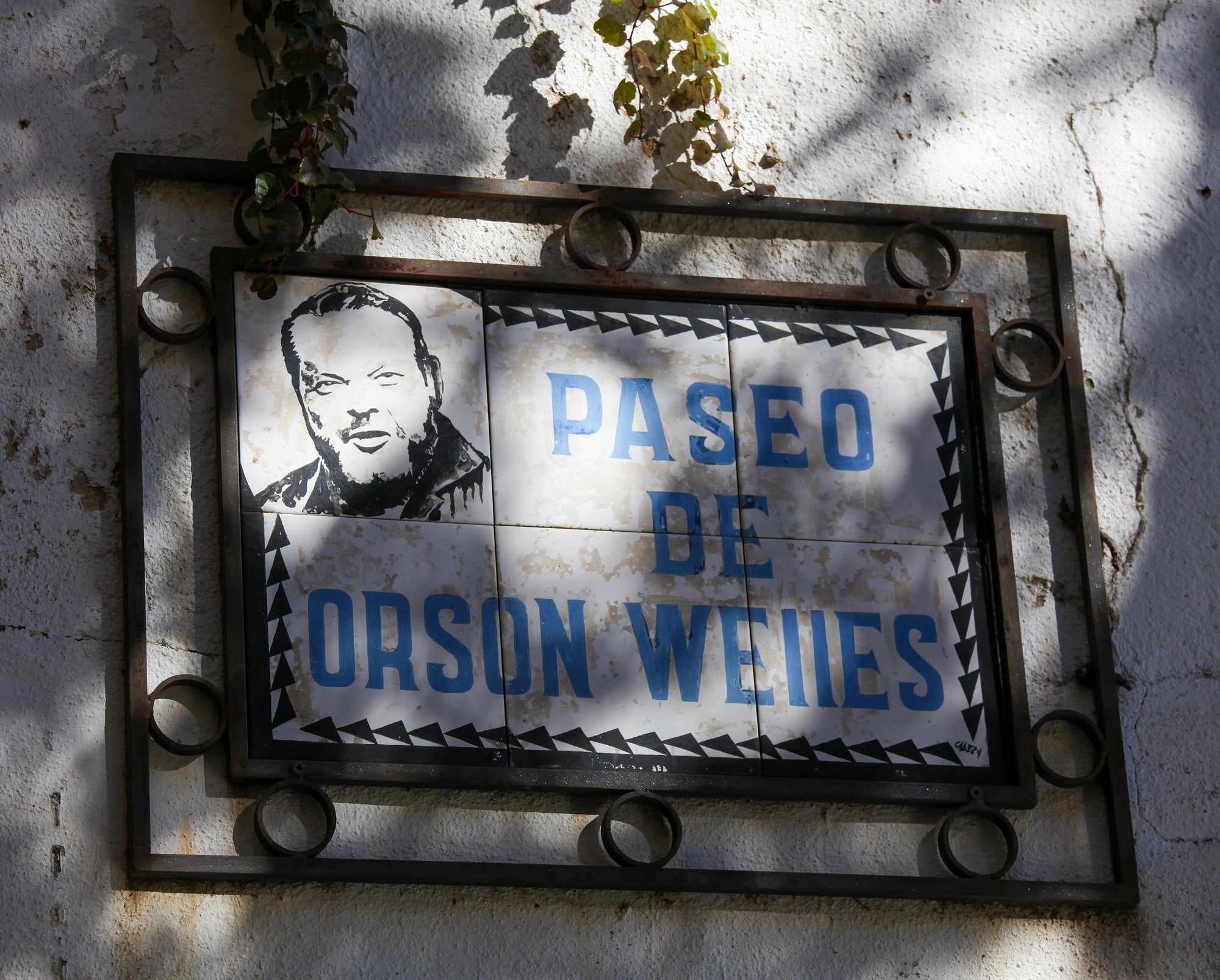
Orson Welles’ 1941 masterpiece revolutionized cinematography with its deep focus photography and innovative camera angles. The film used techniques like extreme low angles — and ceilings visible in shots — that were practically unheard of at the time.
Welles also employed non-linear storytelling through flashbacks, creating a complex narrative structure that influenced decades of filmmakers.
2001: A Space Odyssey
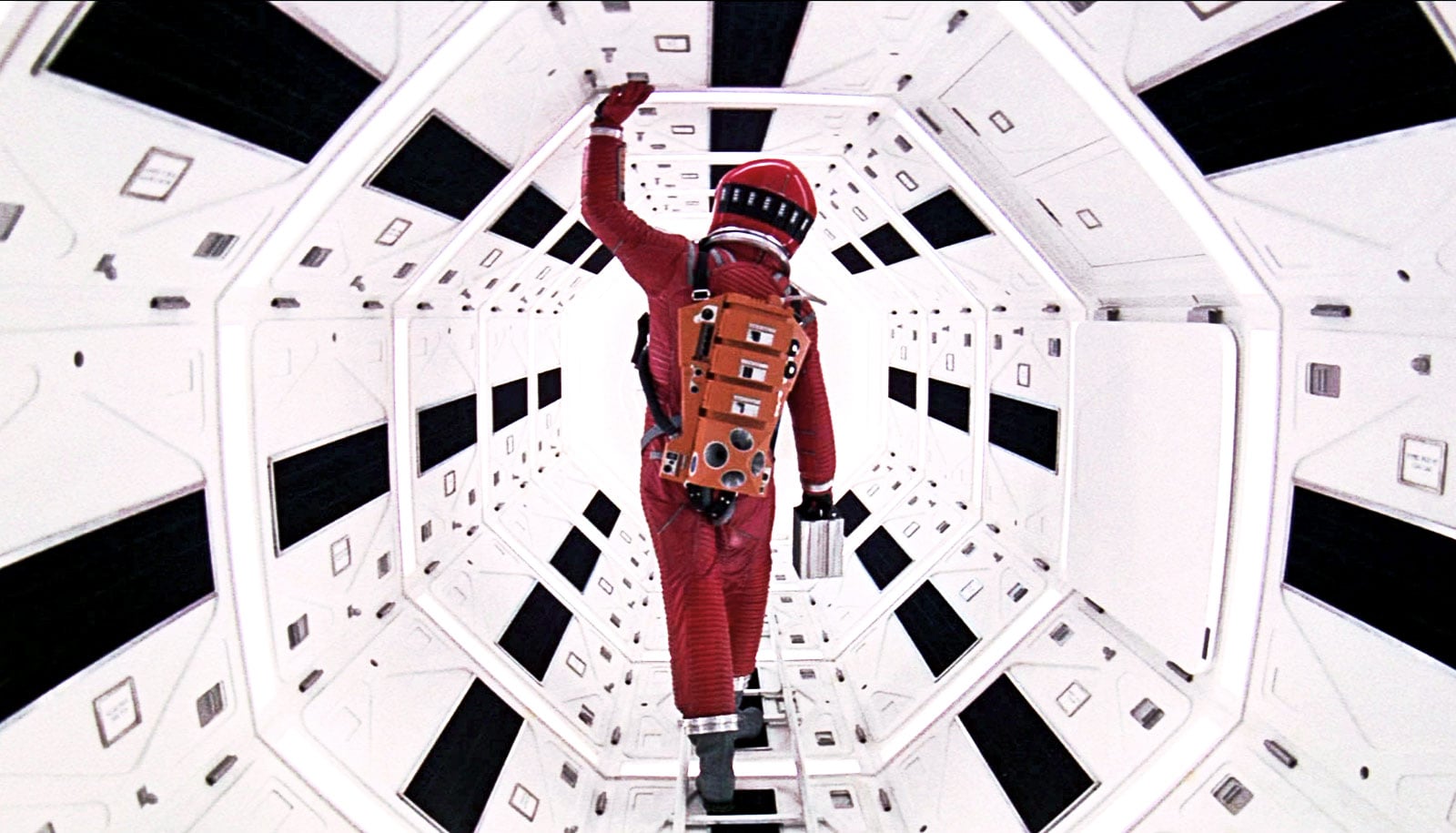
Stanley Kubrick’s 1968 epic transformed science fiction cinema with its realistic portrayal of space travel and groundbreaking special effects. The film used practical effects — and meticulous attention to scientific accuracy — to create believable zero gravity sequences without computer graphics.
Kubrick’s collaboration with science fiction author Arthur C. Clarke resulted in a thoughtful exploration of human evolution that elevated the genre beyond simple entertainment.
Like Go2Tutors’s content? Follow us on MSN.
The Birth of a Nation
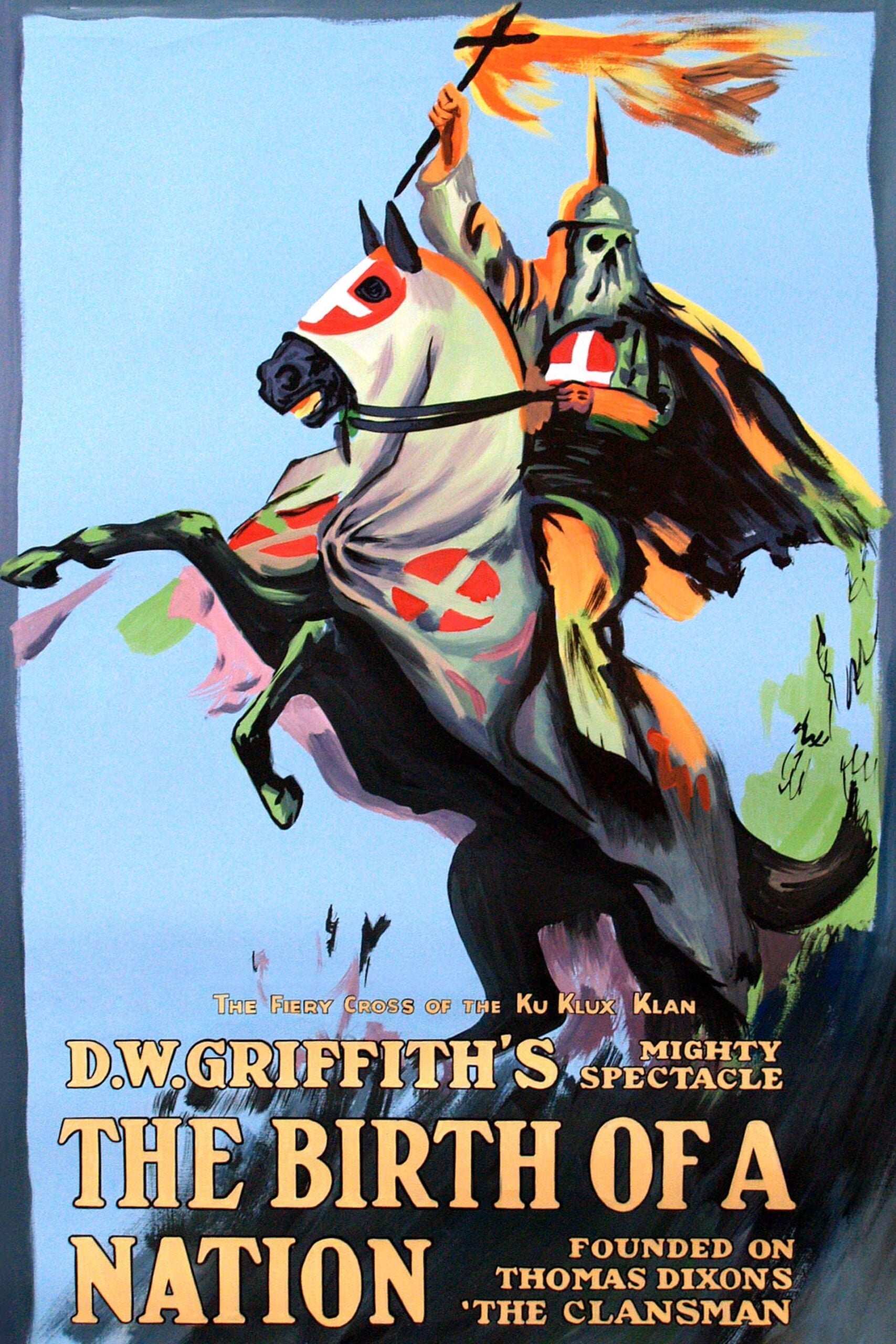
Despite its deeply problematic racial content, D.W. Griffith’s 1915 film introduced numerous cinematic techniques that became standard practice. The movie pioneered close-ups, cross-cutting between different locations, and large-scale battle sequences.
Though its legacy is rightfully complicated by its racist messaging, the technical innovations influenced virtually every filmmaker who came after.
The Jazz Singer

This 1927 film starring Al Jolson marked the beginning of the end for silent cinema by introducing synchronized sound. While it wasn’t technically the first film with sound, it was the first feature-length movie to use synchronized dialogue effectively.
The transition from silent films to “talkies” fundamentally changed the entire industry — forcing actors to adapt their performance styles and theaters to install new equipment.
Snow White and the Seven Dwarfs
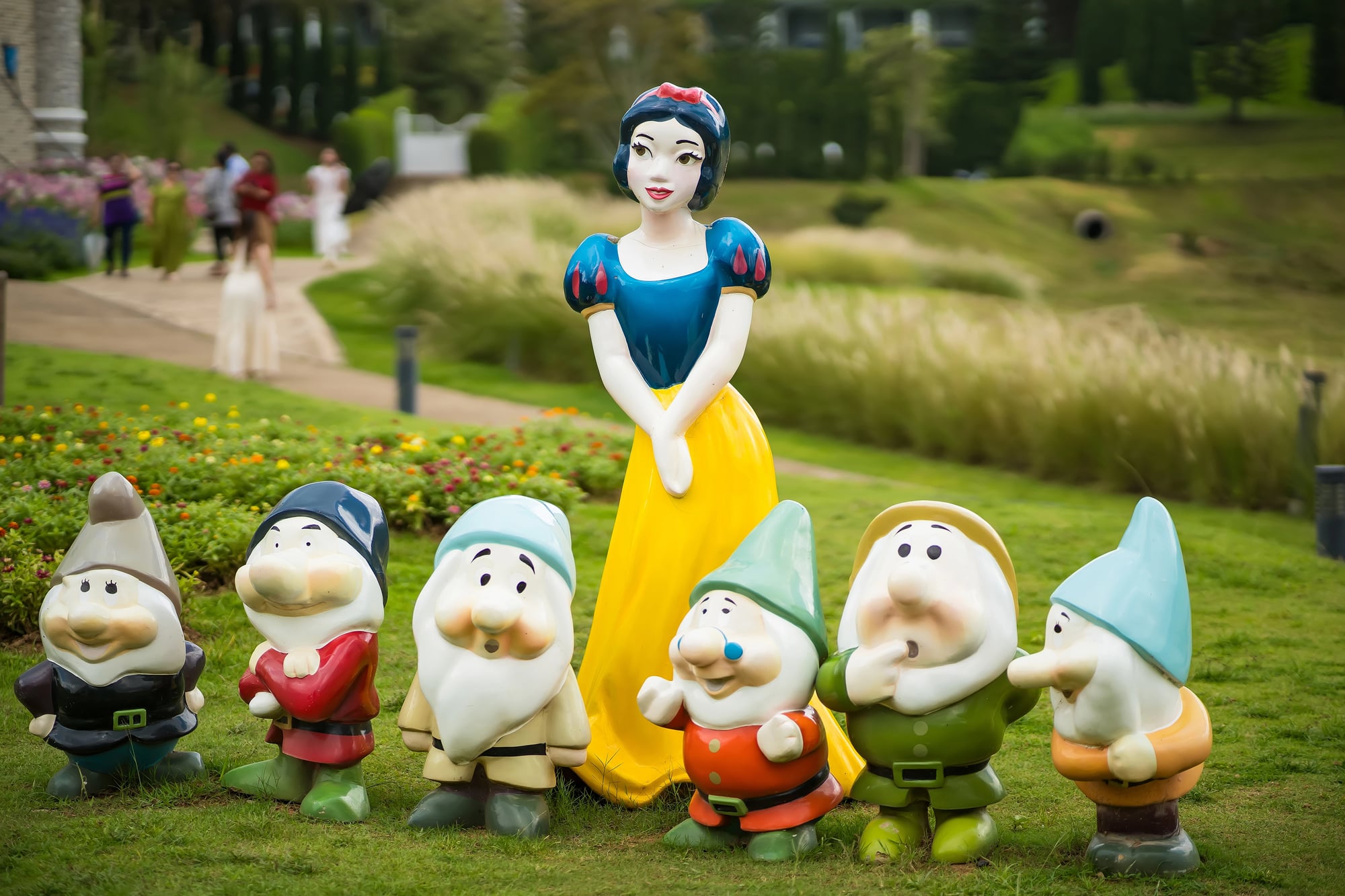
Disney’s 1937 animated feature proved that animation could sustain a full-length narrative and appeal to adult audiences. The film introduced the multiplane camera technique — which created depth in animated scenes — and established many conventions still used in animated storytelling today.
Industry experts had doubted whether audiences would sit through a feature-length cartoon, yet the film’s massive success launched the animation industry.
Like Go2Tutors’s content? Follow us on MSN.
Psycho
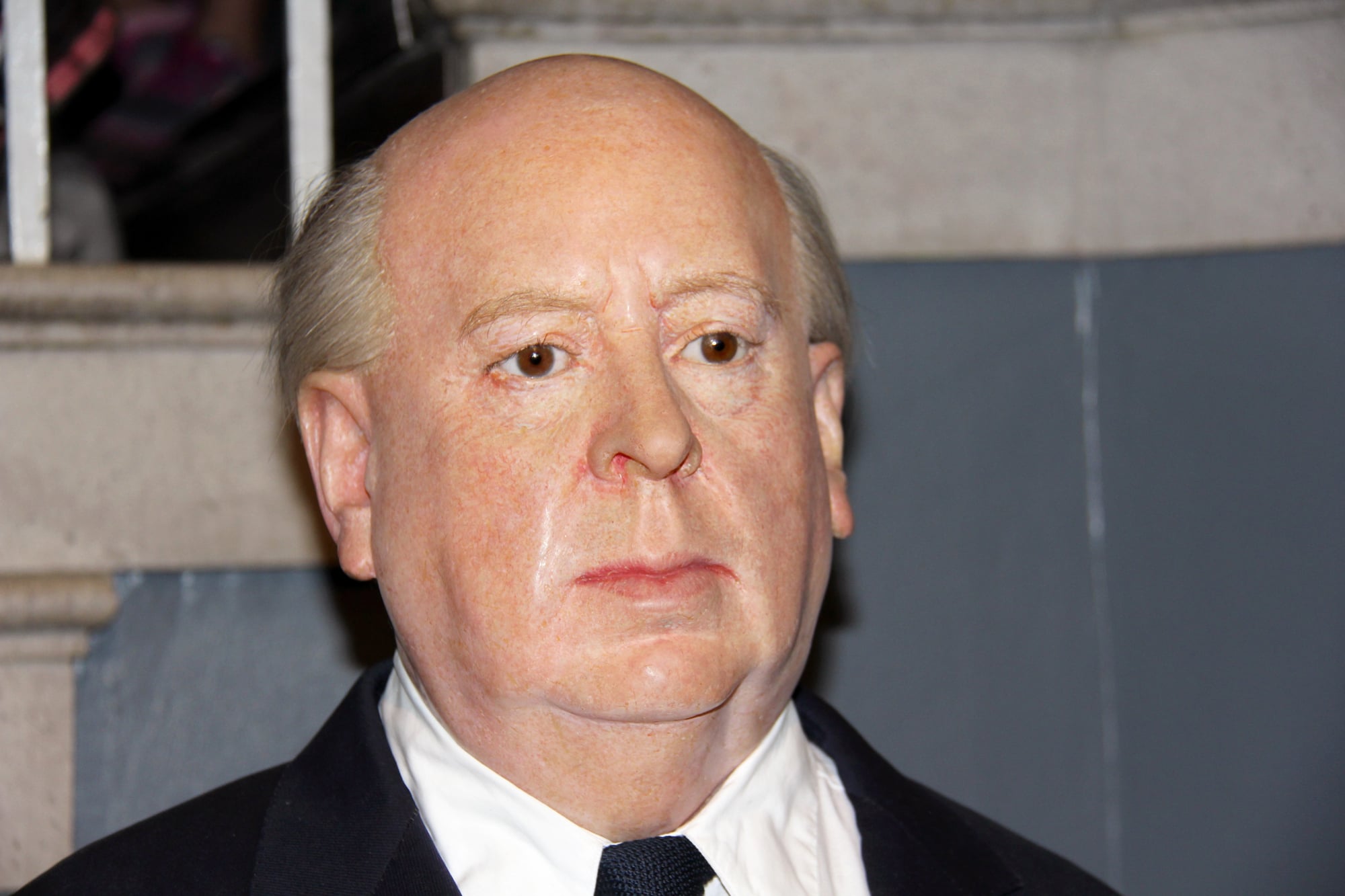
Alfred Hitchcock’s 1960 thriller shattered conventional narrative expectations by killing off its apparent protagonist halfway through the film. The movie also broke marketing traditions — with Hitchcock insisting that no one be admitted to theaters after the film started.
The famous shower scene used rapid-fire editing and strategic camera angles to suggest violence without showing graphic content, influencing horror filmmaking for decades.
Bonnie and Clyde
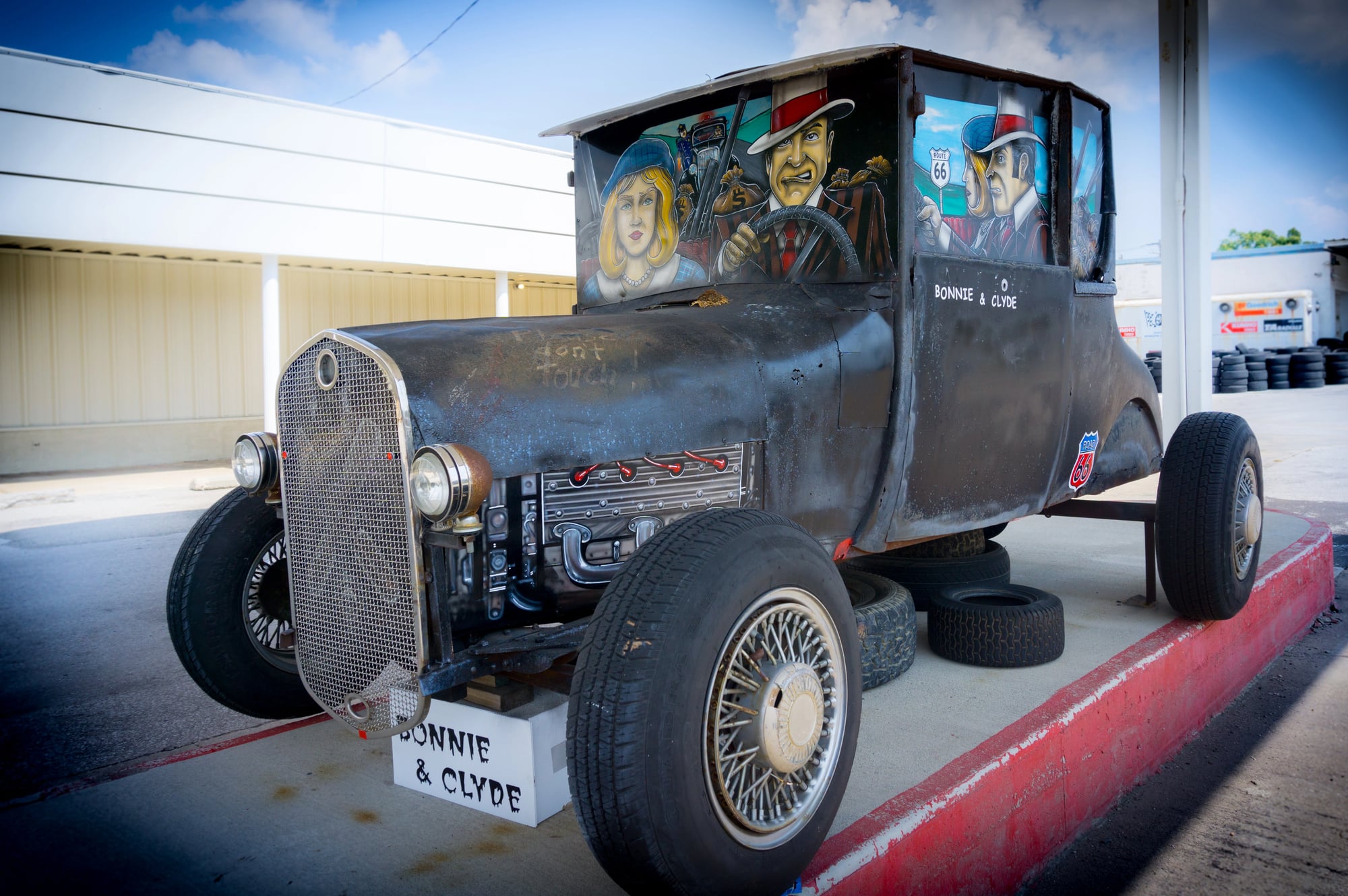
Arthur Penn’s 1967 crime drama brought unprecedented levels of graphic violence to mainstream American cinema. The film’s brutal finale — where the protagonists are gunned down in slow motion — shocked audiences accustomed to more sanitized Hollywood violence.
This movie helped usher in the New Hollywood era, where filmmakers gained more creative control and tackled previously taboo subjects.
The Godfather
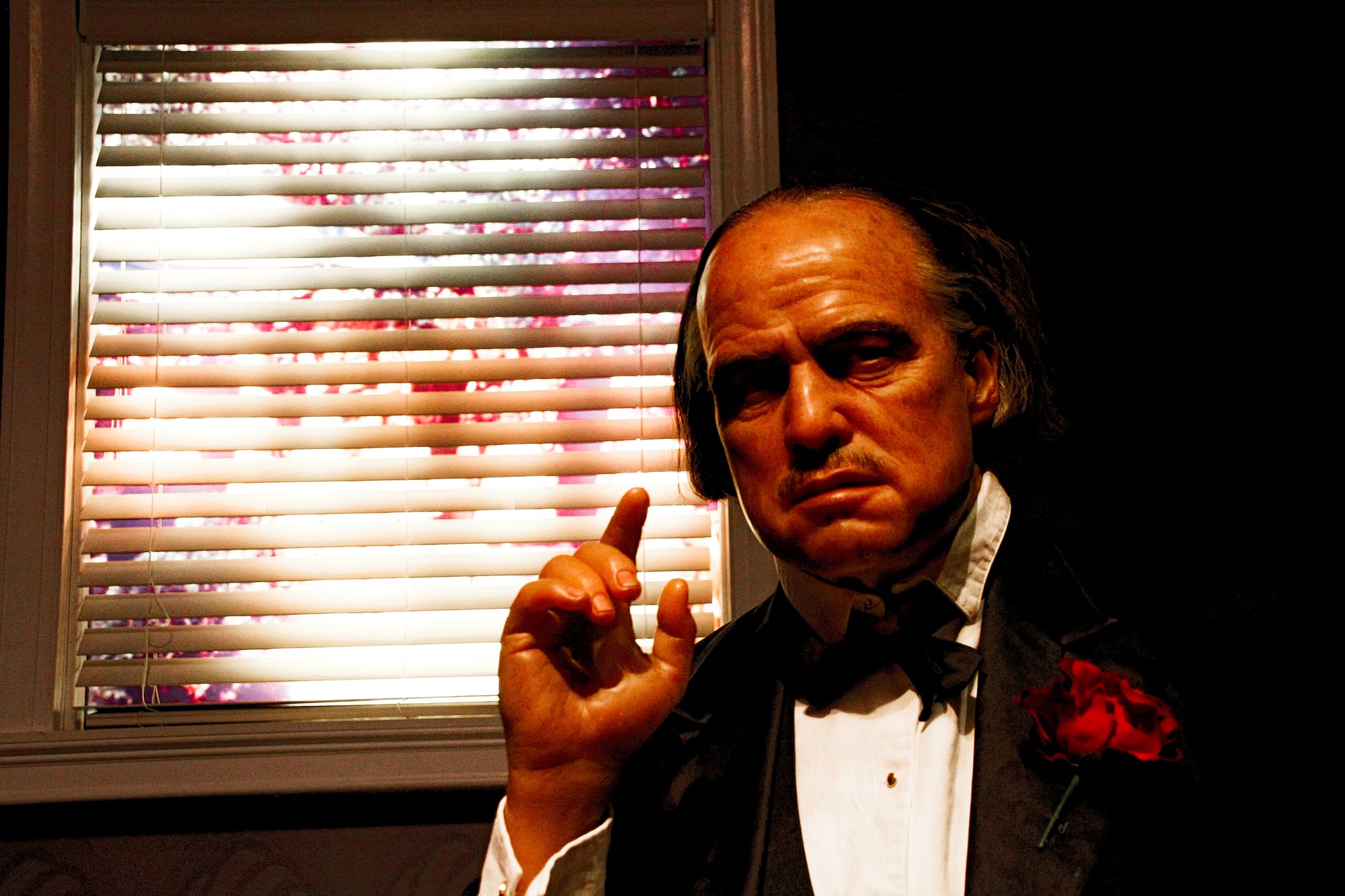
Francis Ford Coppola’s 1972 epic redefined the crime genre by treating its subject matter with operatic seriousness and psychological depth. The film used low-light cinematography — and natural lighting — to create an intimate, almost documentary-like feel despite its grand scope.
Coppola’s approach influenced how serious dramas were made, proving that blockbuster entertainment could also be artistic achievement.
Like Go2Tutors’s content? Follow us on MSN.
Star Wars

George Lucas’s 1977 space opera revolutionized special effects and merchandising while revitalizing interest in science fiction. The film used innovative model work — and motion control cameras — to create believable space battles that had never been seen before.
Lucas also pioneered modern movie merchandising, creating a business model that transformed how studios approach franchise development.
Jaws
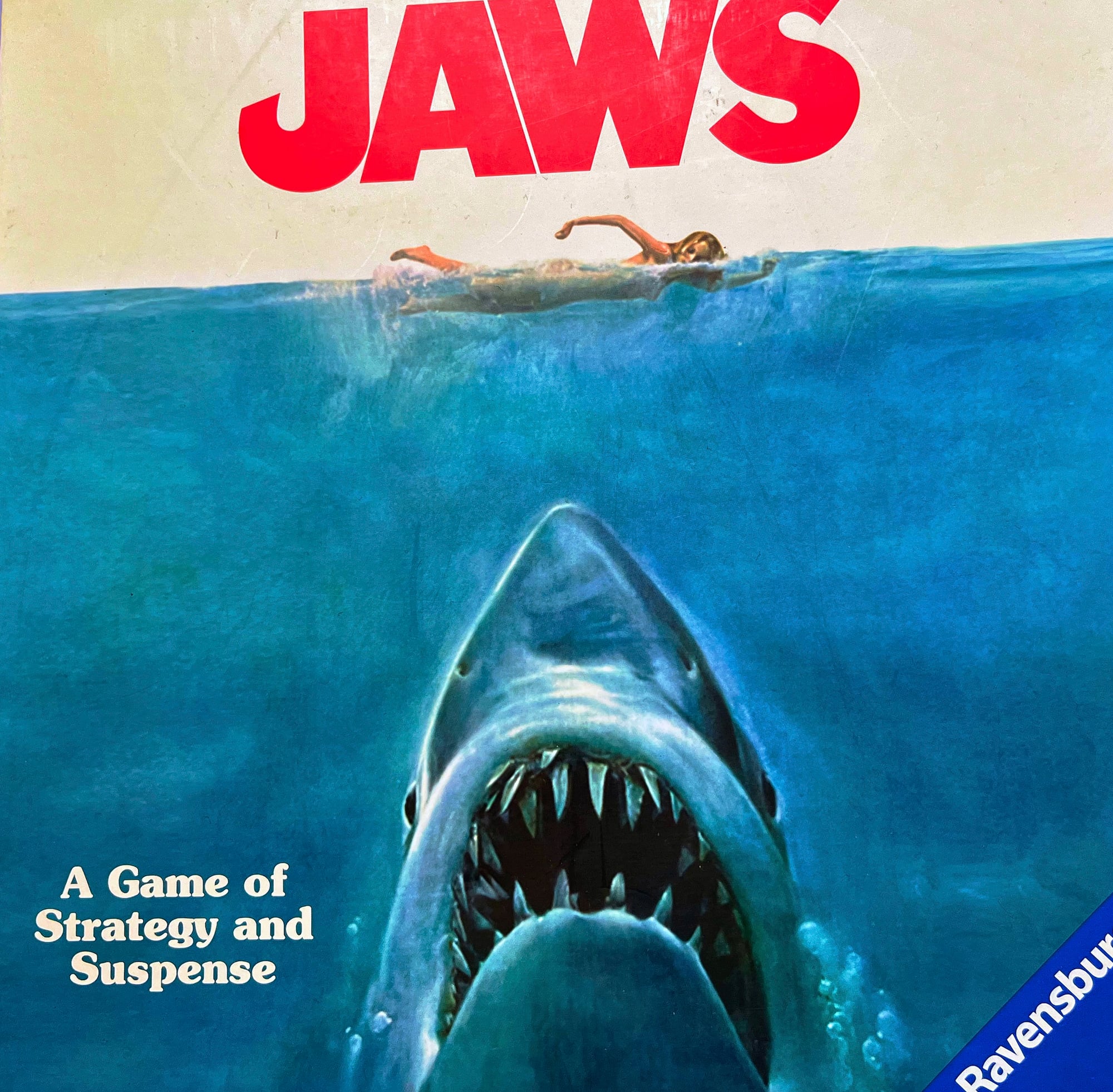
Steven Spielberg’s 1975 thriller essentially created the modern blockbuster model with its wide release strategy and massive marketing campaign. The film’s success demonstrated that movies could generate enormous profits during summer months — previously considered a dead period for cinema.
Spielberg’s decision to mostly hide the mechanical shark due to technical problems actually enhanced the film’s suspense, proving that suggestion could be more effective than explicit showing.
Apocalypse Now

Coppola’s 1979 Vietnam War epic pushed the boundaries of both filmmaking technology and narrative ambition. The production used innovative sound design and Dolby Stereo to create an immersive audio experience that made audiences feel like they were in the jungle.
The film’s impressionistic approach to depicting war influenced how conflict could be portrayed on screen, moving away from traditional heroic narratives.
Like Go2Tutors’s content? Follow us on MSN.
Taxi Driver
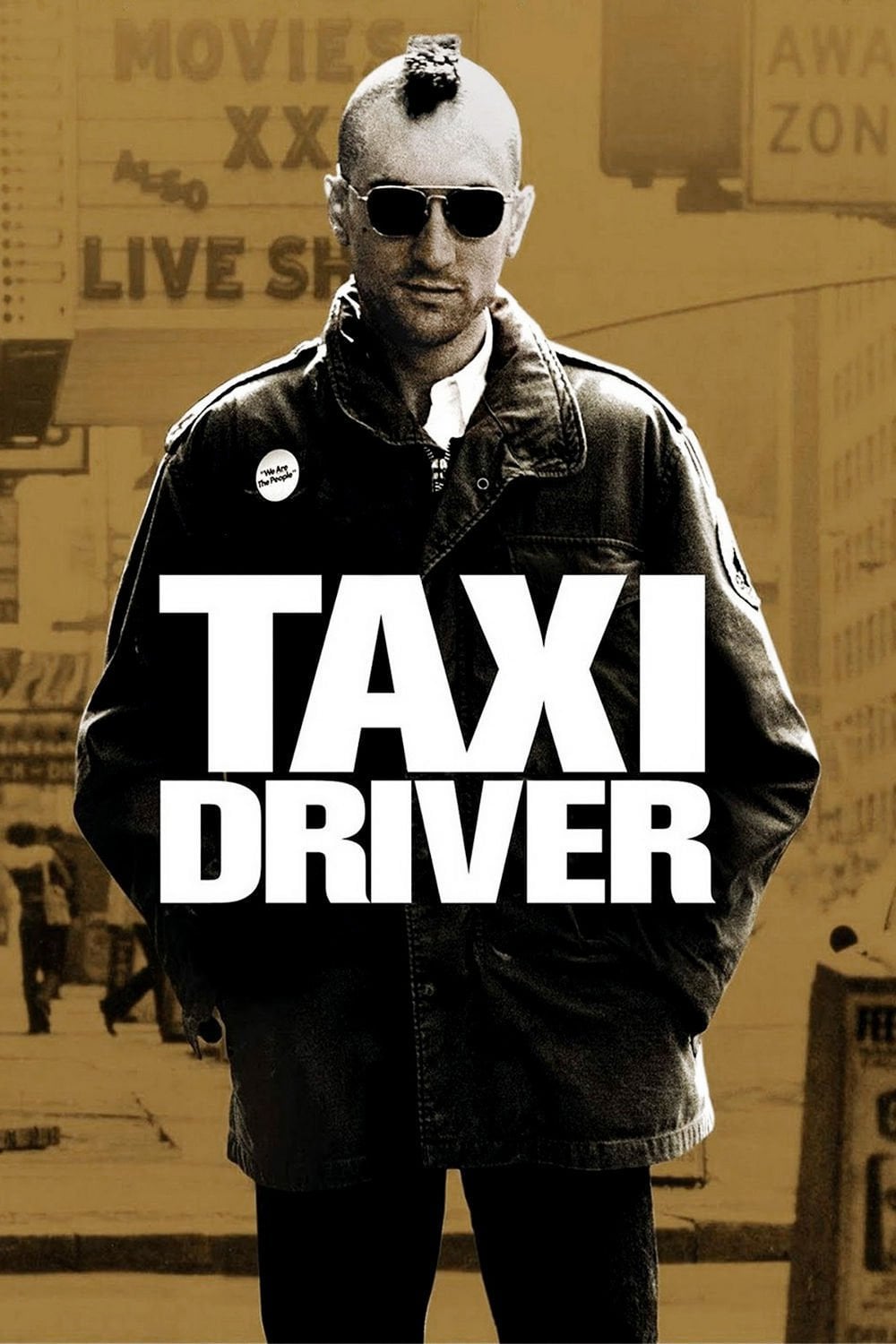
Martin Scorsese’s 1976 character study explored urban alienation and mental illness with unprecedented psychological realism. The film used handheld cameras and natural lighting to create an intimate yet unsettling portrait of New York City.
Scorsese’s collaboration with screenwriter Paul Schrader resulted in a complex antihero who challenged audiences’ sympathies, influencing countless character-driven dramas.
Annie Hall

Woody Allen’s 1977 romantic comedy broke conventional narrative structure by using direct address to the camera, animated sequences, and non-linear storytelling. The film’s innovative editing techniques — including split screens and subtitles revealing characters’ true thoughts — influenced how romantic comedies could be constructed.
Allen’s neurotic, intellectual approach to comedy created a new template for sophisticated humor in mainstream cinema.
Raging Bull
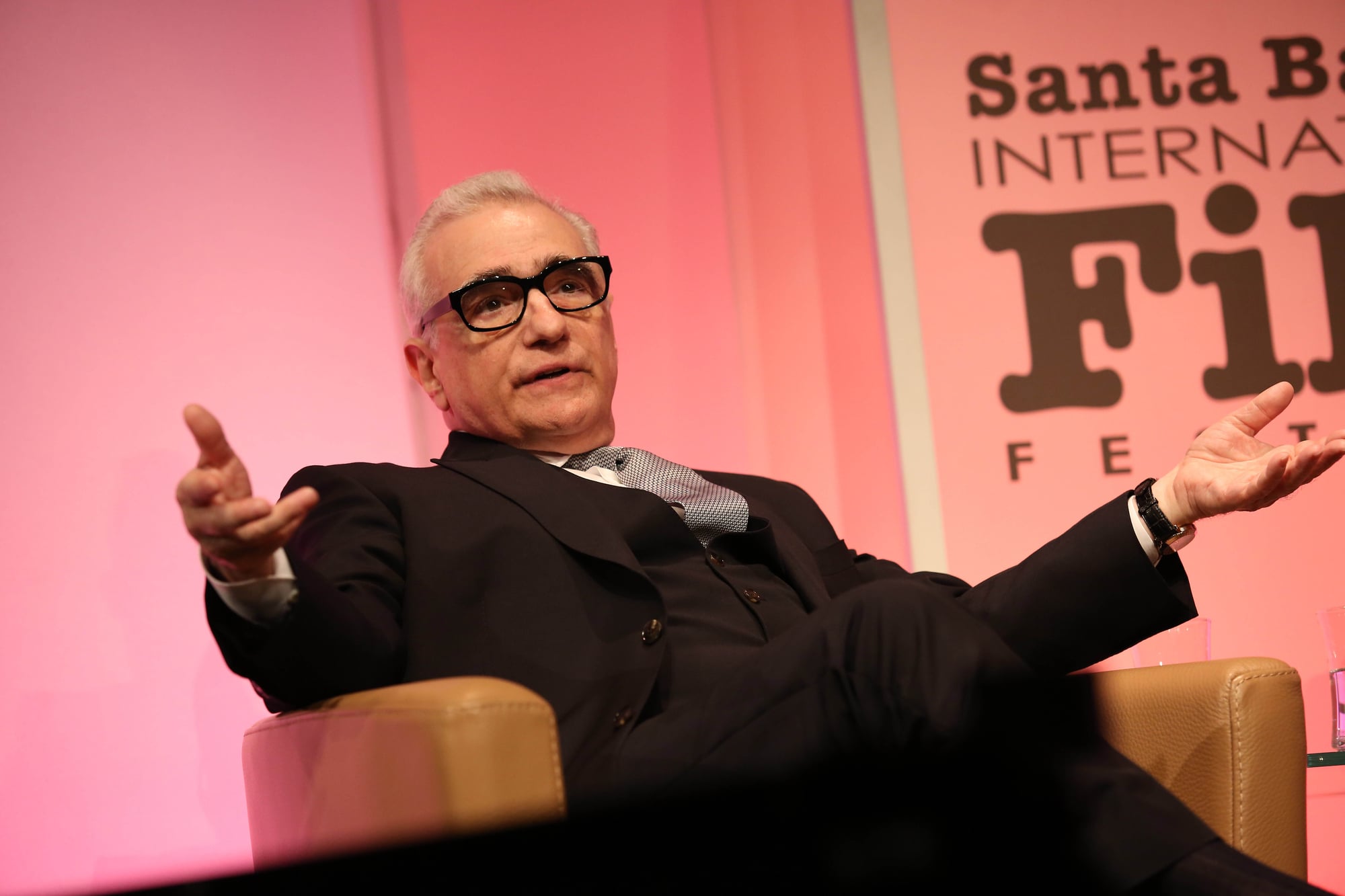
Scorsese’s 1980 boxing drama revolutionized how violence could be portrayed through innovative cinematography and editing techniques. The film used different film stocks and aspect ratios to distinguish between time periods, while the boxing sequences employed multiple camera speeds to create visceral impact.
Robert De Niro’s physical transformation for the role also set new standards for method acting dedication.
Like Go2Tutors’s content? Follow us on MSN.
Blade Runner
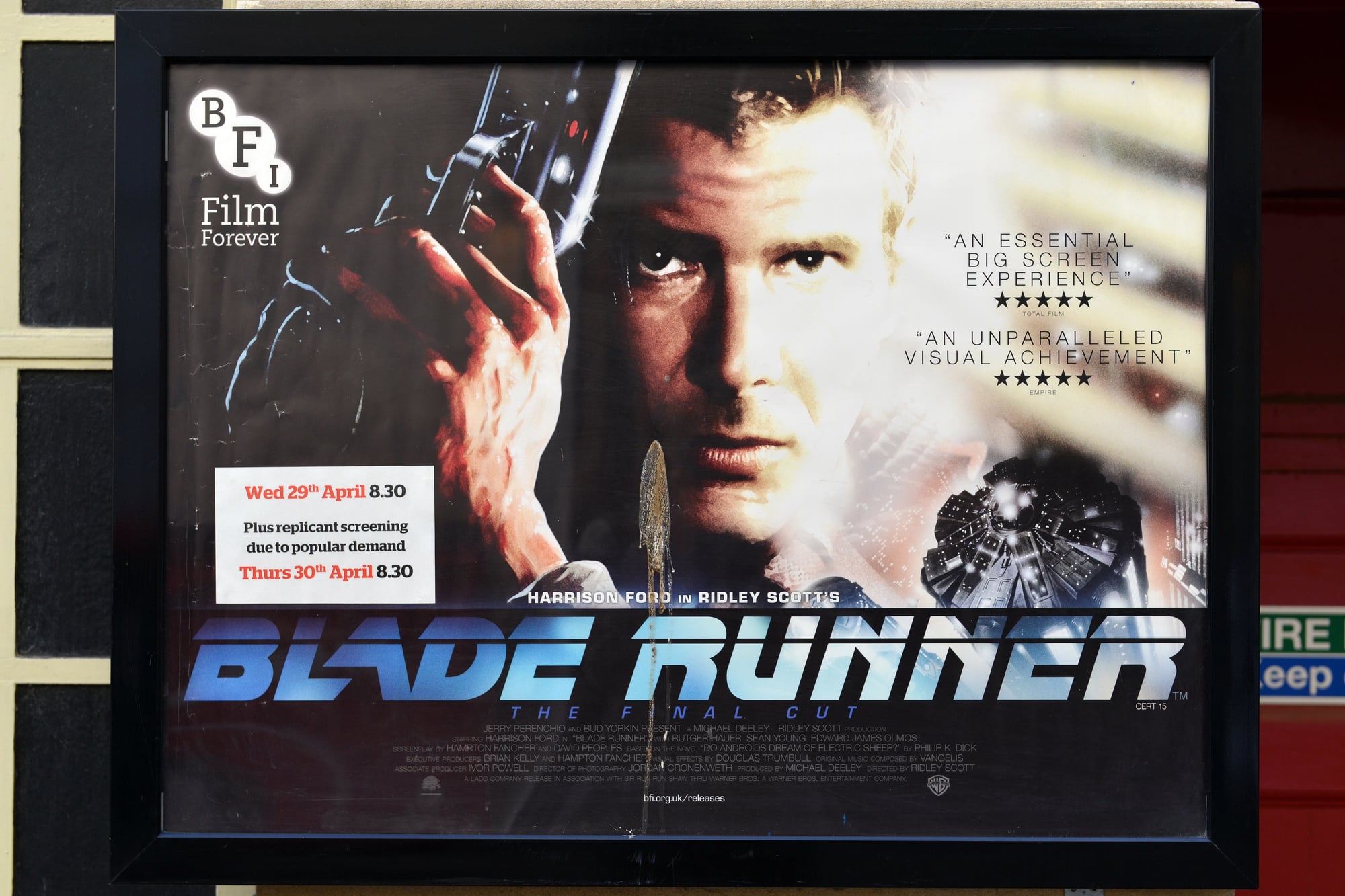
Ridley Scott’s 1982 science fiction film created a new visual language for depicting future dystopias through its innovative production design and special effects. The movie’s “used future” aesthetic — where technology looks worn and lived-in rather than pristine — influenced virtually every science fiction film that followed.
Scott’s collaboration with visual effects supervisor Douglas Trumbull resulted in practical effects that still hold up decades later.
Pulp Fiction
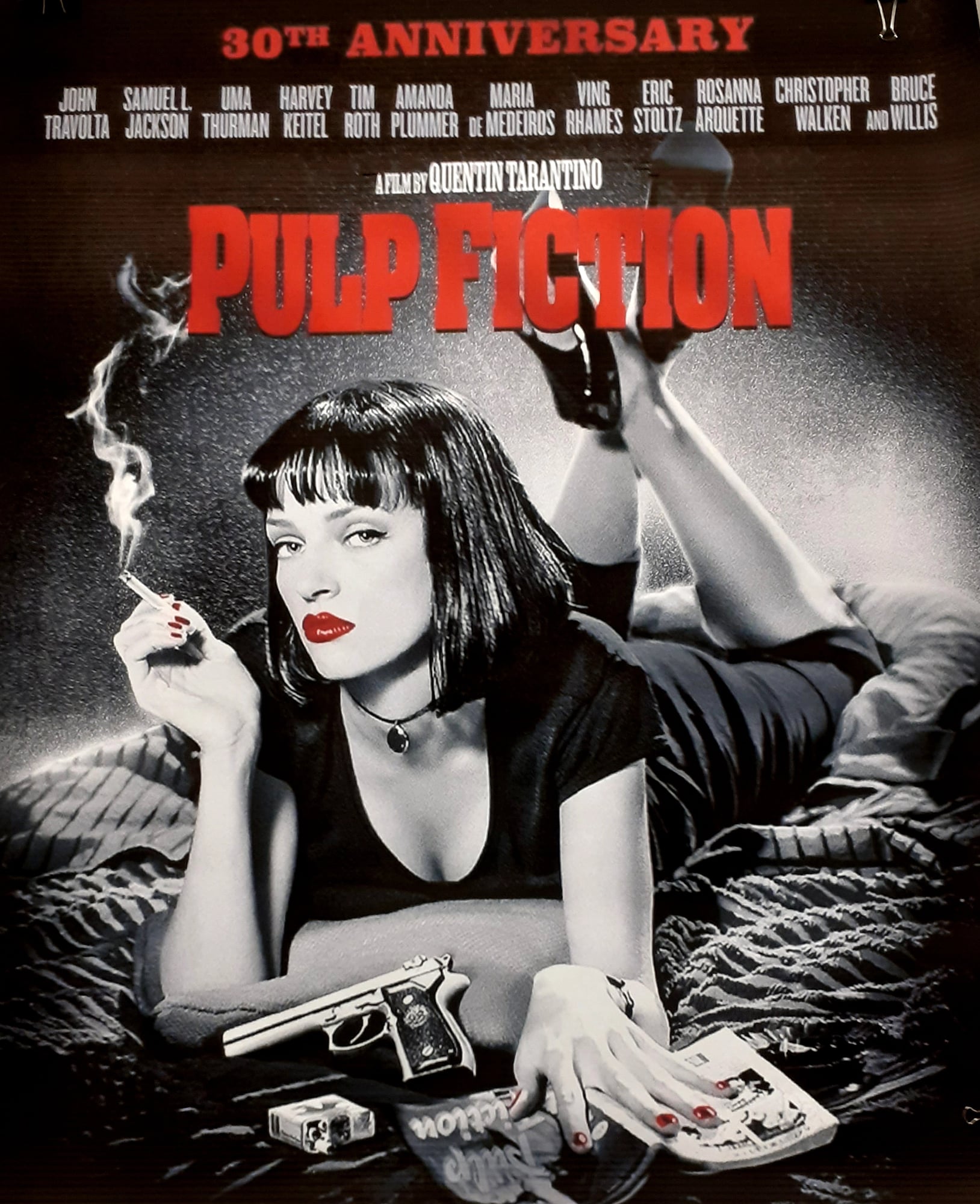
Quentin Tarantino’s 1994 crime drama revitalized independent cinema while demonstrating how non-linear storytelling could enhance rather than confuse narrative impact. The film’s structure — with its interconnected stories told out of chronological order — influenced countless filmmakers to experiment with narrative techniques.
Tarantino’s dialogue-heavy approach and pop culture references created a new style of screenwriting that became widely imitated.
When Innovation Becomes Tradition

These groundbreaking films remind us that cinema’s greatest advances often come from filmmakers willing to challenge established conventions and take creative risks. Each movie on this list faced skepticism from industry professionals who questioned whether audiences would accept such radical departures from familiar formulas.
Yet their willingness to experiment resulted in techniques and approaches that eventually became standard practice, proving that innovation in filmmaking often requires both technical skill and artistic courage. Today’s most exciting films continue this tradition, building on the foundation these classics established while pushing toward new frontiers we haven’t even imagined yet.
Like Go2Tutors’s content? Follow us on MSN.
More from Go2Tutors!

- 18 Unexpectedly Valuable Collectibles You Might Have Lying Around
- 20 Little-Known Historical Battles That Had Huge Consequences
- 20 Historical Artifacts That Scientists Can’t Explain
- 15 Inventions That Were Immediately Banned After Being Created
- 20 Actors Who Were Almost Cast in Iconic Roles
Like Go2Tutors’s content? Follow us on MSN.



