15 Greatest Survival Stories in History
Some people face impossible odds and somehow make it out alive.
These aren’t Hollywood scripts or exaggerated legends—they’re real accounts of human beings pushed to the absolute edge and refusing to quit.
From frozen wastelands to shark-infested waters.
From remote islands to the depths of space.
These stories remind us what people are capable of when survival becomes the only option.
Here’s a closer look at fifteen of the most remarkable survival stories ever documented.
Ernest Shackleton and the Endurance Crew

When Ernest Shackleton’s ship Endurance became trapped in Antarctic ice in 1915, he and his 27-man crew faced what seemed like certain death.
The ship was eventually crushed, leaving them stranded on ice floes in one of the most inhospitable places on Earth.
Shackleton made the extraordinary decision to sail 800 miles across the treacherous Southern Ocean in a 22-foot lifeboat to reach South Georgia Island.
After landing on the wrong side of the island, he and two others then crossed its mountainous, uncharted interior—a feat that had never been accomplished.
Against all odds, Shackleton returned to rescue every single member of his crew.
Not one person died during the entire ordeal, which lasted nearly two years.
Aron Ralston

In 2003, Aron Ralston went hiking alone in a remote Utah canyon and became trapped when an 800-pound boulder shifted and crushed his right arm against the canyon wall.
He spent five days wedged in that slot canyon with minimal water and no food, knowing that nobody knew where he was.
When dehydration and hypothermia began setting in, Ralston made an unthinkable choice—he broke his own arm bones and used a dull multi-tool to amputate his forearm.
After freeing himself, he rappelled down a 65-foot cliff and hiked six miles before finding help.
His story became the basis for the film ‘127 Hours.’
The real experience was far more grueling than any movie could capture.
The Andes Flight Disaster Survivors

When Uruguayan Air Force Flight 571 crashed into the Andes Mountains in 1972, 33 people initially survived the impact.
Stranded at nearly 12,000 feet with no rescue in sight, they faced freezing temperatures, avalanches, and severe food shortages.
After hearing on a transistor radio that search efforts had been called off, the survivors made an agonizing decision to stay alive by any means necessary.
Seventy-two days after the crash, two passengers hiked for ten days through brutal mountain terrain to find help.
Sixteen people ultimately survived.
Their ordeal became one of the most famous survival stories of the 20th century.
Juliane Koepcke

On Christmas Eve 1971, 17-year-old Juliane Koepcke was aboard a plane flying over the Peruvian rainforest when lightning struck the aircraft.
The plane disintegrated mid-air at 10,000 feet, and Juliane—still strapped to her seat—plummeted into the Amazon jungle below.
She was the sole survivor among 93 passengers.
Despite a broken collarbone, deep cuts, and one eye swollen shut, she walked through the dense jungle for eleven days with almost no supplies.
She followed a stream downstream, knowing it would eventually lead to civilization.
She survived on candy she found in the wreckage.
When she finally encountered loggers at a remote camp, she had walked approximately 30 miles through one of the world’s most dangerous environments.
José Salvador Alvarenga
In November 2012, José Salvador Alvarenga and a young companion set out on what should have been a one-day fishing trip off the coast of Mexico.
When a storm blew them off course and their engine died, they began drifting across the Pacific Ocean.
Alvarenga’s companion died several months into the ordeal, leaving him completely alone.
For 438 days, Alvarenga survived by catching fish with his bare hands, drinking rainwater, and occasionally eating birds that landed on his small boat.
He drifted roughly 6,700 miles before washing ashore on a remote atoll in the Marshall Islands in January 2014.
His appearance was so shocking—emaciated, with long matted hair and beard—that locals initially thought he might be a ghost.
Vesna Vulović
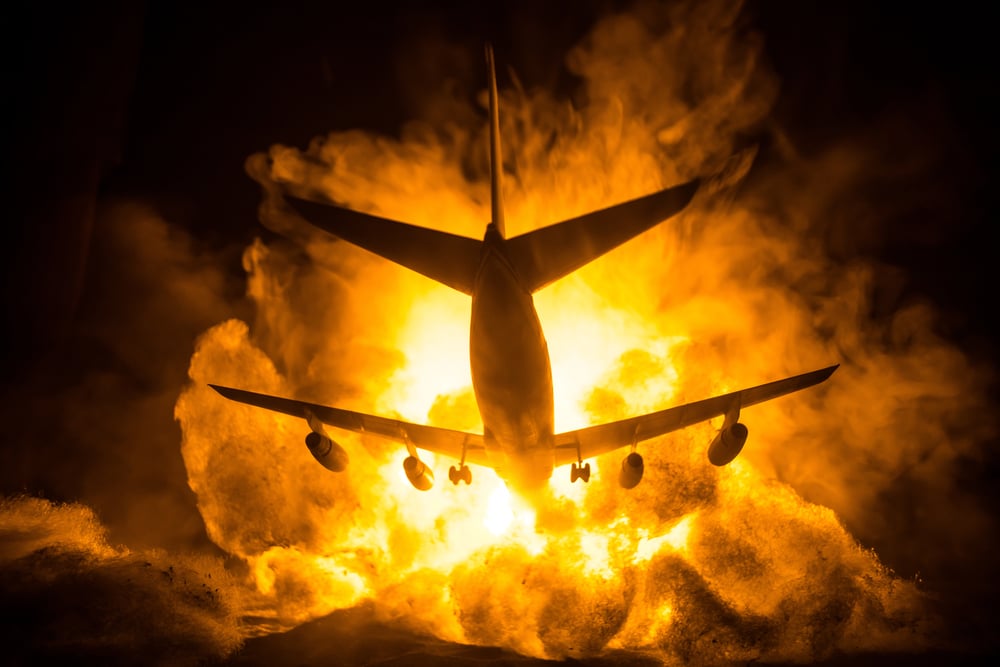
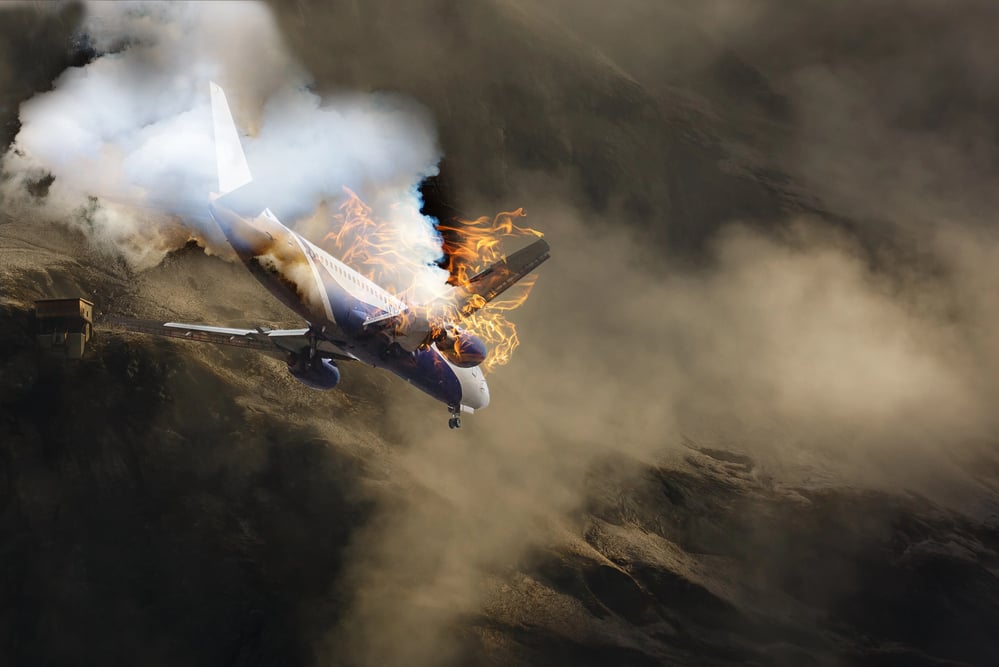
In 1972, flight attendant Vesna Vulović was working aboard a Yugoslav Airlines flight when a bomb exploded in the cargo hold.
The plane broke apart at 33,000 feet, and Vesna fell—still inside a section of the fuselage—toward the frozen mountains below.
She was found in the wreckage by a former medic who kept her alive until rescue arrived.
Vesna had suffered a fractured skull, two broken legs, and three broken vertebrae, and she remained in a coma for 27 days.
She not only survived but eventually recovered enough to walk again.
Her fall remains the highest anyone has survived without a parachute.
USS Indianapolis Survivors
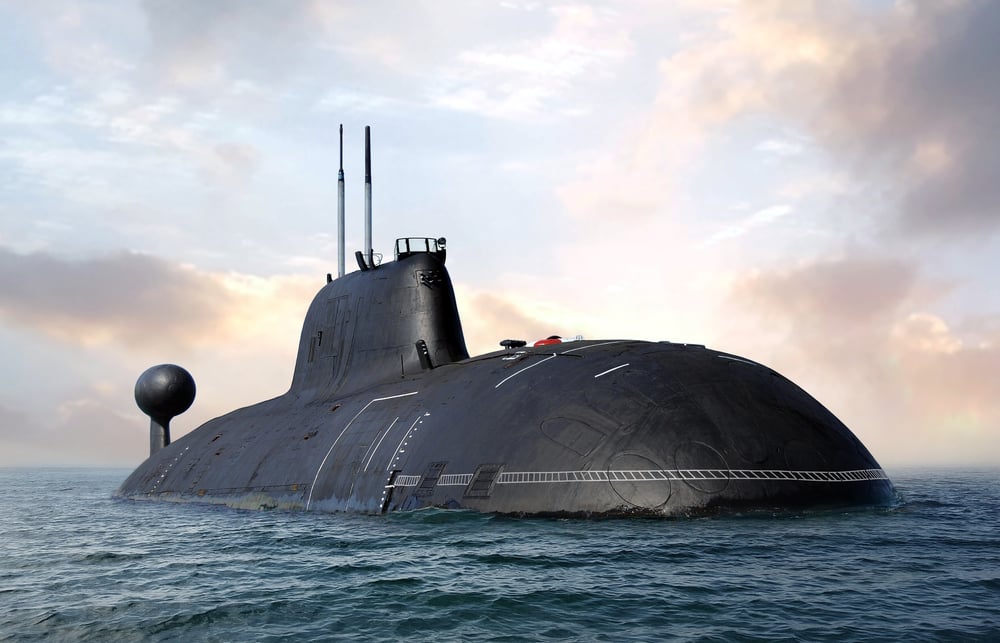
When the USS Indianapolis was torpedoed by a Japanese submarine in July 1945, it sank in just twelve minutes.
Around 900 sailors made it into the water, but they faced exposure, dehydration, and constant attacks from oceanic whitetip sharks.
The Navy didn’t even realize the ship was missing for days.
By the time rescue planes spotted the survivors, only 316 men remained alive after nearly five days in the open ocean.
The psychological trauma of watching shipmates disappear beneath the surface haunted survivors for the rest of their lives.
Steven Callahan

In 1982, sailor Steven Callahan was six days into a solo Atlantic crossing when his small boat sank after colliding with something in the night—possibly a whale.
He barely escaped with an emergency life raft, a small survival kit, and little else.
For 76 days, Callahan drifted across 1,800 miles of open ocean, using a makeshift spear to catch fish and improvising repairs to his failing raft.
He endured constant leaks, storms, and shark encounters, all while slowly starving.
When Caribbean fishermen finally found him, he had lost a third of his body weight and was barely conscious.
His detailed account of the experience became essential reading for maritime survival training.
Douglas Mawson

Australian geologist Douglas Mawson led an Antarctic expedition in 1912 that turned catastrophic when one of his companions fell into a crevasse, taking most of their food and their best dogs with him.
Mawson and his remaining companion, Xavier Mertz, began a desperate march back to base camp over 300 miles away.
Mertz died along the way, possibly from vitamin A poisoning after eating dog liver.
Mawson continued alone, falling into crevasses himself and dangling by his harness, somehow finding the strength to pull himself back up.
When he finally staggered into camp, he was unrecognizable—skin peeling off, hair falling out, half-starved and frostbitten.
He had missed the relief ship by hours and had to winter over for another entire year in Antarctica.
Hugh Glass

In 1823, fur trapper Hugh Glass was scouting ahead of his expedition party in South Dakota when a grizzly bear and her cubs attacked him.
The bear mauled him so severely—breaking his leg, ripping open his back and throat—that his companions assumed he would die within hours.
They dug a shallow grave, took his weapons, and left him.
Glass regained consciousness, found himself abandoned, and began crawling toward the nearest fort over 200 miles away.
He survived on berries, roots, and whatever scavenged meat he could find.
At one point he even drove off wolves to steal their kill.
The journey took him six weeks.
Though the story has been embellished over time, the core facts remain.
Glass survived injuries that should have killed him and crossed impossible distances through sheer determination.
Apollo 13

In April 1970, the Apollo 13 mission to the moon became a fight for survival when an oxygen tank exploded 200,000 miles from Earth.
The crew—Jim Lovell, Jack Swigert, and Fred Haise—suddenly faced failing systems, dwindling power, and carbon dioxide buildup in their small lunar module, which they had to use as a lifeboat.
Engineers on the ground worked frantically to devise workarounds using only what the astronauts had on board.
The crew endured freezing temperatures, extreme dehydration, and the very real possibility that their trajectory calculations might be off by even the slightest margin, which would send them hurtling into space forever.
They splashed down safely in the Pacific Ocean after a harrowing four-day journey.
NASA called it a ‘successful failure’ and one of the most dramatic rescues in space history.
Harrison Okene

In May 2013, Nigerian cook Harrison Okene was aboard a tugboat off the coast of Nigeria when the vessel suddenly capsized and sank in the middle of the night.
Trapped in the ship’s toilet compartment as it plunged 100 feet to the ocean floor, Harrison found a four-foot air pocket that kept him alive.
He spent three days in complete darkness, surrounded by freezing water, listening to fish eating the bodies of his crewmates.
He was certain he would die there.
When South African divers arrived expecting only to recover bodies, they were stunned to see a hand emerge from the darkness.
Harrison’s rescue was captured on helmet camera footage that remains difficult to watch.
He survived hypothermia, immersion, and psychological terror that would have broken most people.
Ricky Megee

In 2006, Australian roadworker Ricky Megee claims he was drugged and robbed, then left for dead in a shallow grave in the remote Outback.
When he regained consciousness, he was stranded in one of the harshest deserts on Earth with no supplies, no water, and no idea where he was.
For 71 days, Megee survived by eating leeches, frogs, grasshoppers, and anything else he could catch.
He drank water from dams used by cattle and lost over 120 pounds.
When a rancher finally spotted him on a remote station, Megee was barely recognizable as human—skeletal, sunburned, and disoriented.
Parts of his story have been questioned over the years.
Medical experts confirmed his injuries and weight loss were consistent with prolonged extreme survival.
The Thai Cave Rescue

In June 2018, twelve boys from a junior soccer team and their coach entered the Tham Luang cave system in Thailand for a casual outing.
Sudden monsoon rains flooded the cave, trapping them over two miles inside.
For nine days, they huddled together on a small muddy ledge in complete darkness with no food.
They rationed the little water that dripped from the cave walls.
Ada Blackjack

In 1921, Ada Blackjack, a young Inupiat woman, joined an ill-fated Arctic expedition to Wrangel Island as a seamstress and cook.
When four male members of the expedition left to seek help after supplies ran low, she was left behind with one sick man who eventually died.
Ada, who had no wilderness survival training, spent two years completely alone on a desolate Arctic island.
Why These Stories Endure

What makes these survival stories more than just sensational headlines is what they reveal about the boundary between giving up and pushing forward.
None of these people had superpowers or special training that made them invincible.
More from Go2Tutors!

- The Romanov Crown Jewels and Their Tragic Fate
- 13 Historical Mysteries That Science Still Can’t Solve
- Famous Hoaxes That Fooled the World for Years
- 15 Child Stars with Tragic Adult Lives
- 16 Famous Jewelry Pieces in History
Like Go2Tutors’s content? Follow us on MSN.