16 Common Foods That Started as Experiments
Many of the foods we love daily weren’t made with intention but rather came about as a result of joyful accidents, need, or inquisitive experimentation. You might not believe it, but the road from lab to kitchen table is really common.
Often, the items in your pantry have interesting beginnings based on scientific research, preservation efforts, or perhaps medical interests. Here are 16 typical dishes that began as experiments and eventually became cherished staples in our diets.
Chocolate Chip Cookies

Ruth Wakefield was making chocolate cookies at her Toll House Inn in 1930 when she ran out of baker’s chocolate. She substituted broken pieces of semi-sweet chocolate, expecting them to melt completely.
The chocolate maintained its shape instead, creating the now-iconic cookies we love. Her improvisation led to an agreement with Nestlé, who printed her recipe on their chocolate packages.
Corn Flakes

The Kellogg brothers were running a sanitarium in Battle Creek, Michigan when they accidentally left some cooked wheat sitting out. The wheat dried and when processed through rollers, it created flakes instead of sheets.
They eventually switched to corn and created the breakfast cereal that’s been on tables for over a century. Their initial goal was actually creating digestible food for patients with stomach problems.
Popsicles

In 1905, eleven-year-old Frank Epperson left a cup of soda with a stirring stick on his porch overnight in freezing temperatures. He discovered the frozen treat the next morning and named it the ‘Epsicle.’
He later patented his accidental invention as ‘Popsicles’ and began commercial production. The simple childhood mistake created a summer treat enjoyed worldwide.
Potato Chips

Chef George Crum created potato chips in 1853 when an unsatisfied customer at Moon’s Lake House in Saratoga Springs complained about thick french fries. Frustrated, Crum sliced potatoes paper-thin, fried them to a crisp, and added extra salt.
The disgruntled customer loved them, and ‘Saratoga Chips’ became a restaurant specialty. His petty revenge became one of America’s favorite snacks.
Worcestershire Sauce
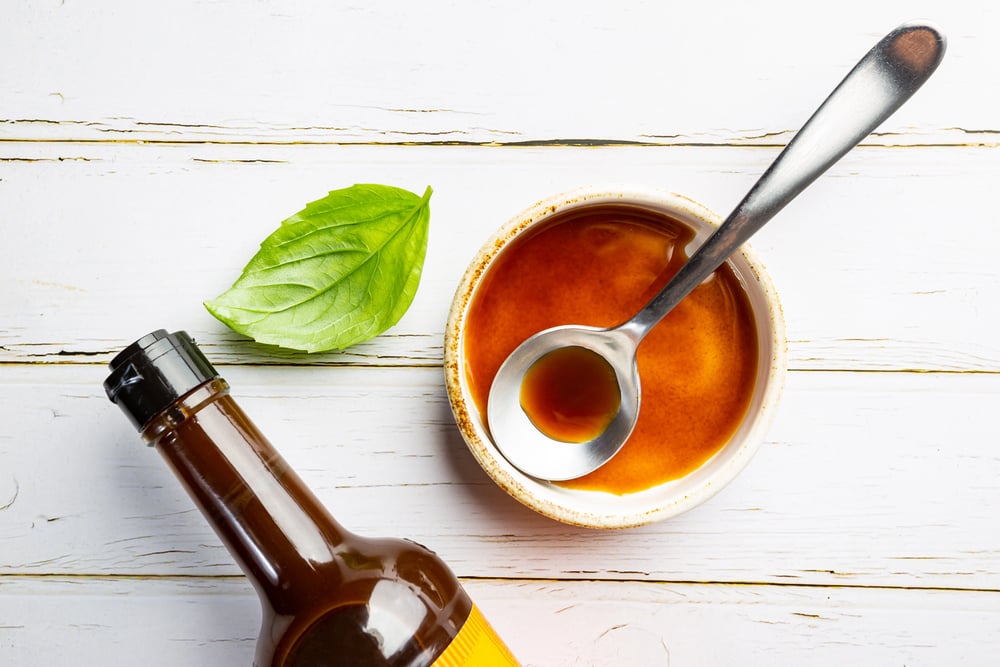
Two chemists, John Lea and William Perrins, created this condiment while trying to replicate a recipe from India. They found the initial mixture so unpalatable that they stored it in the basement and forgot about it.
Years later they rediscovered the fermented sauce and found it had transformed into something delicious. The accident became a commercial product in 1837.
Ice Cream Cones

At the 1904 World’s Fair in St. Louis, an ice cream vendor ran out of dishes. Ernest Hamwi, a Syrian concessionaire selling waffle-like pastries at a neighboring booth, rolled one of his pastries into a cone shape to help hold the ice cream.
The practical solution was an immediate hit with fair attendees. This collaborative improvisation revolutionized how we enjoy ice cream.
Saccharin
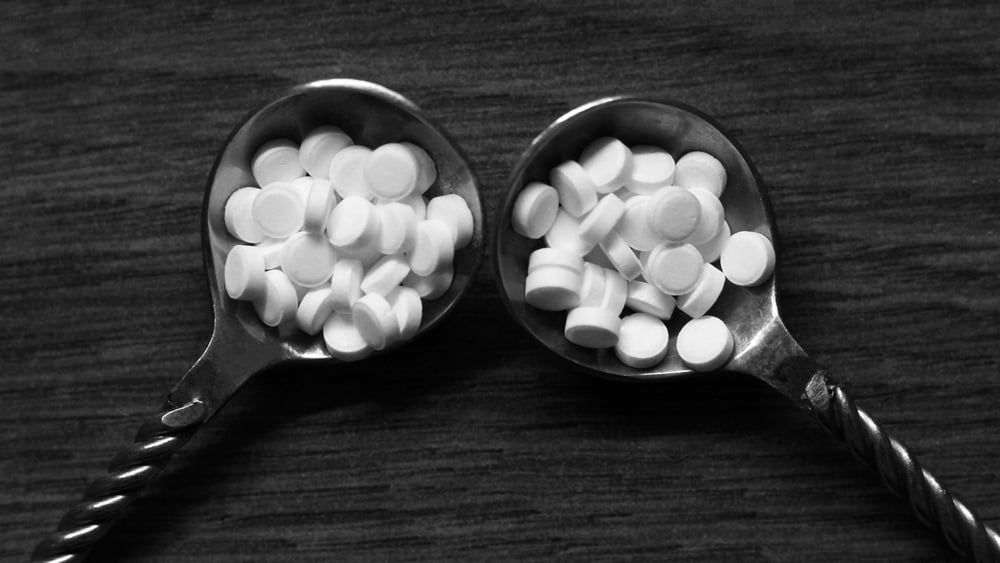
Researcher Constantin Fahlberg discovered this artificial sweetener in 1879 when he forgot to wash his hands after a day in the lab. At dinner, he noticed his bread tasted unusually sweet and traced it back to a chemical compound he’d spilled on his hands.
His accidental discovery created the first widely used sugar substitute. It became especially popular during sugar rationing in both World Wars.
Tofu

Legend says tofu was discovered over 2,000 years ago when a Chinese cook accidentally curdled soy milk by adding nigari seaweed. The resulting food became a protein staple throughout East Asia.
The experimental mistake created a versatile, nutritious food that crossed cultural boundaries. Today it’s embraced worldwide as a plant-based protein source.
Yogurt
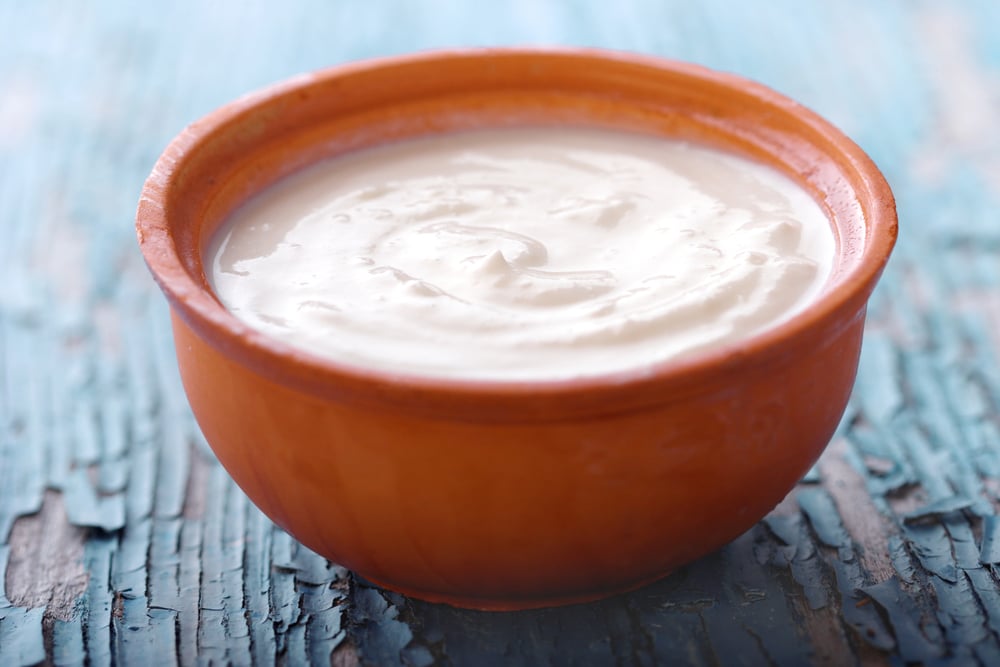
The first yogurt likely resulted from milk being stored in warm climates in containers made from animal stomachs, which contained natural enzymes. These enzymes caused the milk to ferment into a tangy, preserved food.
This accidental preservation method has evolved into countless varieties enjoyed across cultures. Ancient peoples discovered it extended milk’s usability beyond its natural shelf life.
Pink Lemonade

The origin involves circus worker Henry E. Allott, who, in 1857, accidentally dropped red-colored cinnamon candies into a vat of regular lemonade. Rather than starting over, he served the pink-tinted beverage, which customers found novel and appealing.
His practical solution to a mishap created a colorful variation that remains popular today.
Beer
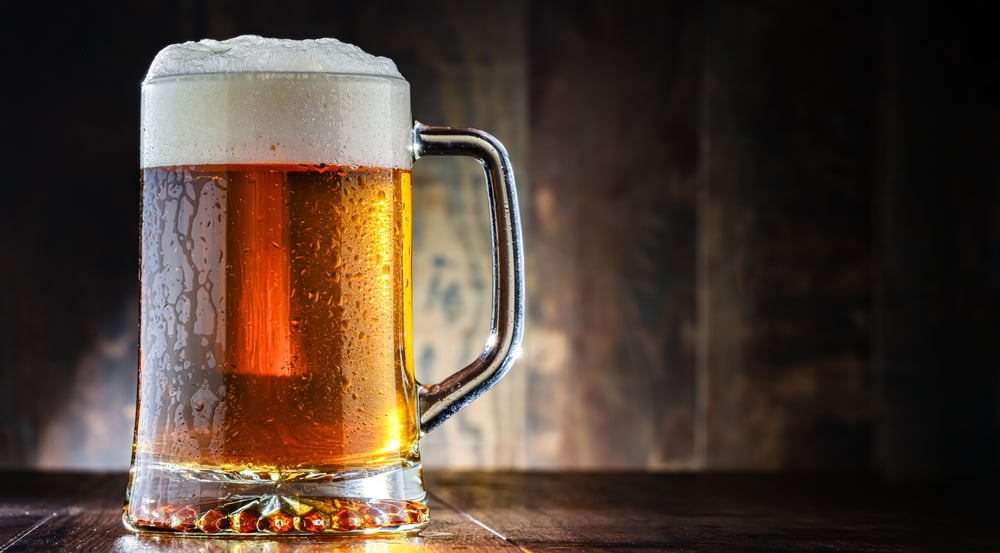
Ancient Mesopotamians were storing grain when it became wet and spontaneously fermented. They discovered the resulting liquid produced pleasant effects and continued making it intentionally.
This happy accident became one of humanity’s oldest prepared beverages. Archaeological evidence suggests beer-making dates back at least 13,000 years.
Champagne

Monk Dom Pérignon was trying to make white wine in the Champagne region of France when he encountered a problem. The cold winters halted fermentation, which restarted in spring, creating carbon dioxide and pressure in the bottles.
Initially considered a flaw, this secondary fermentation process became the defining characteristic of this celebrated sparkling wine. The accidental bubbles transformed wine production forever.
Popsicle Sticks for Crafts

While not a food itself, the widespread use of popsicle sticks for crafts came after teachers noticed children bringing the cleaned sticks to school. Craft companies began selling similar sticks specifically for art projects.
The creative repurposing turned food packaging into a crafting staple. Millions of elementary school art projects still feature these wooden remnants of frozen treats.
Cheese

Archaeological evidence suggests cheese was first made accidentally when milk was stored in containers made from animal stomachs. The rennet enzymes in the stomach lining caused the milk to separate into curds and whey.
This accidental discovery around 8000 BCE created one of the world’s most diverse food categories. Different regional environments led to thousands of cheese varieties.
Coffee

The discovery of coffee’s effects is attributed to Ethiopian goat herder Kaldi, who noticed his goats becoming energetic after eating certain berries. Curious, he tried them himself and experienced similar alertness.
Monks later developed the process of roasting the beans to create a beverage. His observational experiment led to one of the world’s most consumed beverages.
Slurpees
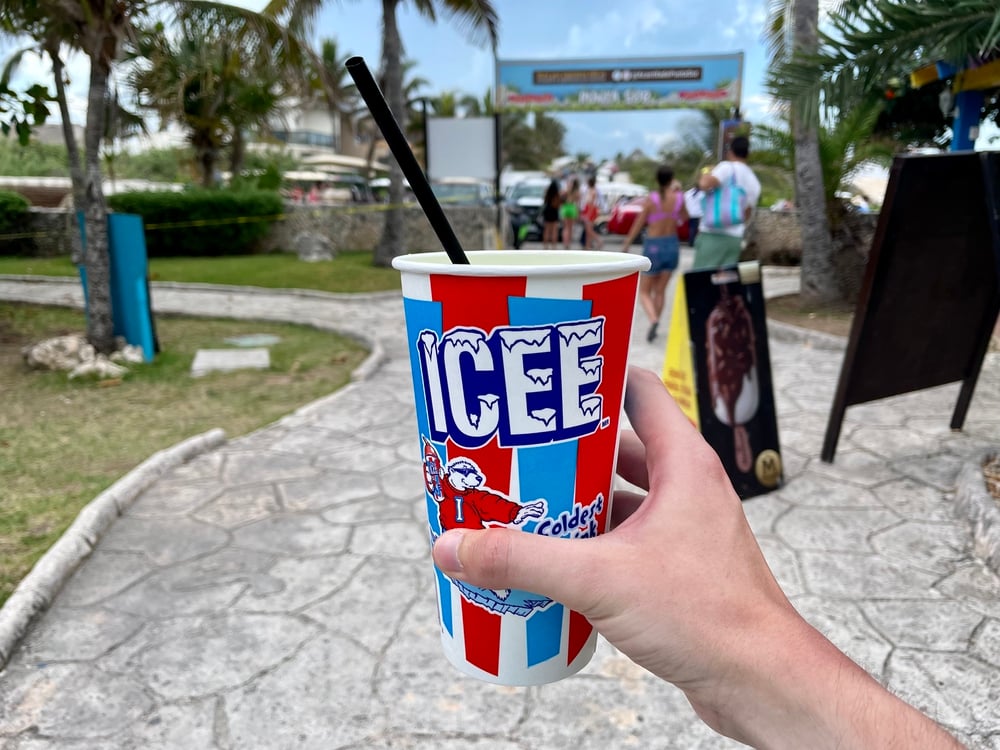
Omar Knedlik, owner of a Dairy Queen, had a broken soda fountain and kept bottles in the freezer to stay cold. When served, they were partially frozen and extremely popular with customers.
He later developed a machine to create this consistency intentionally. His equipment malfunction created a convenience store staple enjoyed by millions.
The Lasting Impact of Food Experimentation

These unintentional inventions serve as a reminder that unexpected avenues frequently lead to culinary innovation. The existence of many of our favorite cuisines might be attributed to someone’s willingness to try something new or to learn from mistakes.
The meals we now take for granted were frequently the result of an experiment gone shockingly well, demonstrating that the greatest discoveries can occasionally come as a surprise.
More from Go2Tutors!

- The Romanov Crown Jewels and Their Tragic Fate
- 13 Historical Mysteries That Science Still Can’t Solve
- Famous Hoaxes That Fooled the World for Years
- 15 Child Stars with Tragic Adult Lives
- 16 Famous Jewelry Pieces in History
Like Go2Tutors’s content? Follow us on MSN.