16 Countries Dominating the Luxury Goods Market
The global luxury goods industry has grown into an economic powerhouse, generating hundreds of billions of dollars every year. What began as handcrafted treasures reserved for royals and the elite has now become a polished global business where exclusivity coexists with wide-scale appeal, and heritage craftsmanship blends seamlessly with modern branding.
Luxury is no longer just about where brands originate—it’s equally about where consumers are willing to invest in high-end experiences and products. From the iconic fashion hubs of Europe to the rising wealth centers in Asia, these countries are shaping the way the world defines and consumes luxury.
Here are 16 countries that have carved out leading roles in the luxury market.
United States
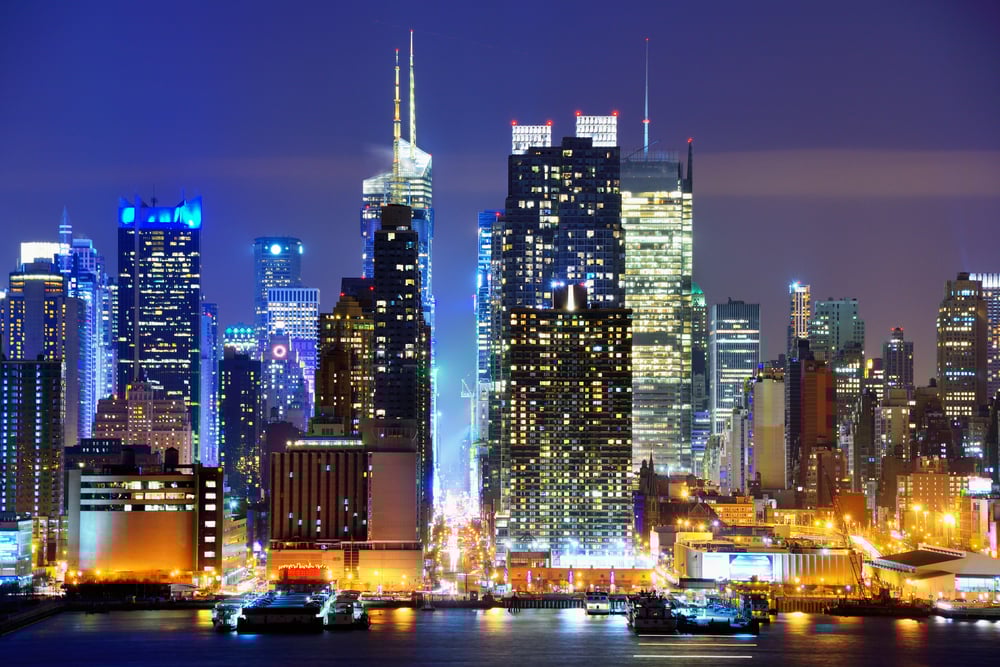
The United States tops the luxury goods market with an impressive $77.8 billion in revenue, making it the world’s biggest consumer of high-end products. For many Americans, luxury is intertwined with personal success, serving as a cultural marker of achievement.
The diversity of luxury spending is striking. Tech billionaires collect rare timepieces, New Yorkers chase the latest designer drops, and online shoppers drive the U.S. to account for nearly a quarter of global luxury e-commerce. This adaptability and scale make the U.S. market one of the most influential worldwide.
China
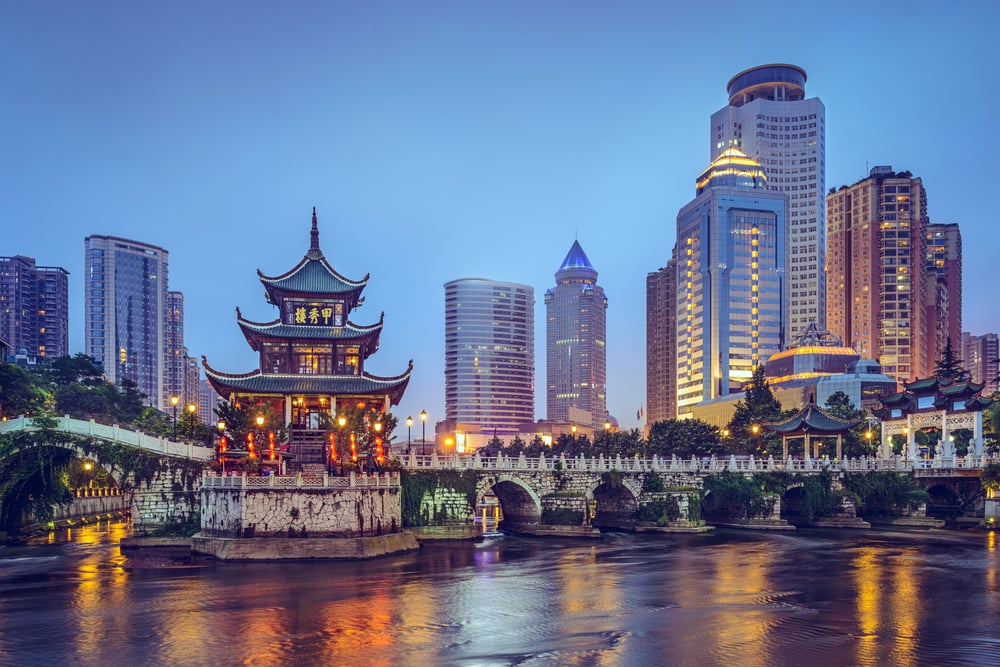
China sits firmly in second place, pulling in $56.1 billion. With more than 400 billionaires and an expanding class of affluent young professionals, China has quickly become a luxury powerhouse.
Luxury in China is aspirational and deeply tied to identity. Younger buyers, in particular, see high-end goods as a way to signal both success and personal taste. The country also stands out as a major consumer of Swiss watches, with brands tailoring their designs and campaigns to align with Chinese cultural values and aesthetic preferences.
Like Go2Tutors’s content? Follow us on MSN.
Japan
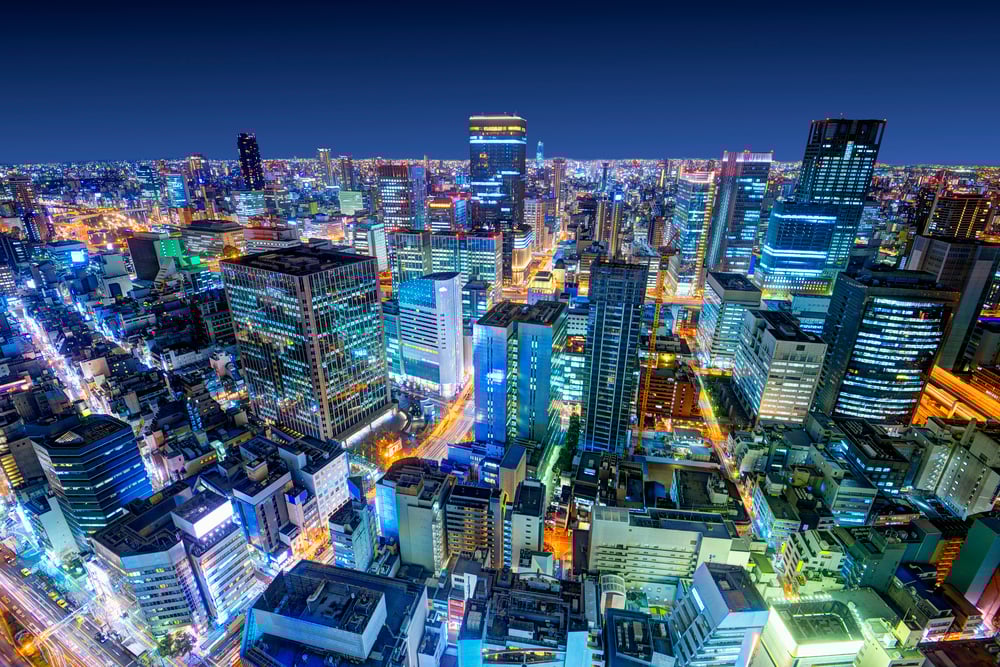
At $32.3 billion, Japan ranks as Asia’s second-largest luxury consumer. Japanese buyers are famous for their appreciation of craftsmanship, precision, and detail—values that sit at the core of luxury culture.
Rather than chasing overt displays of wealth, Japanese consumers often prefer quiet elegance and enduring quality. This is why limited editions and heritage-focused collaborations thrive in Japan, creating a sustainable ecosystem where exclusivity truly resonates.
France
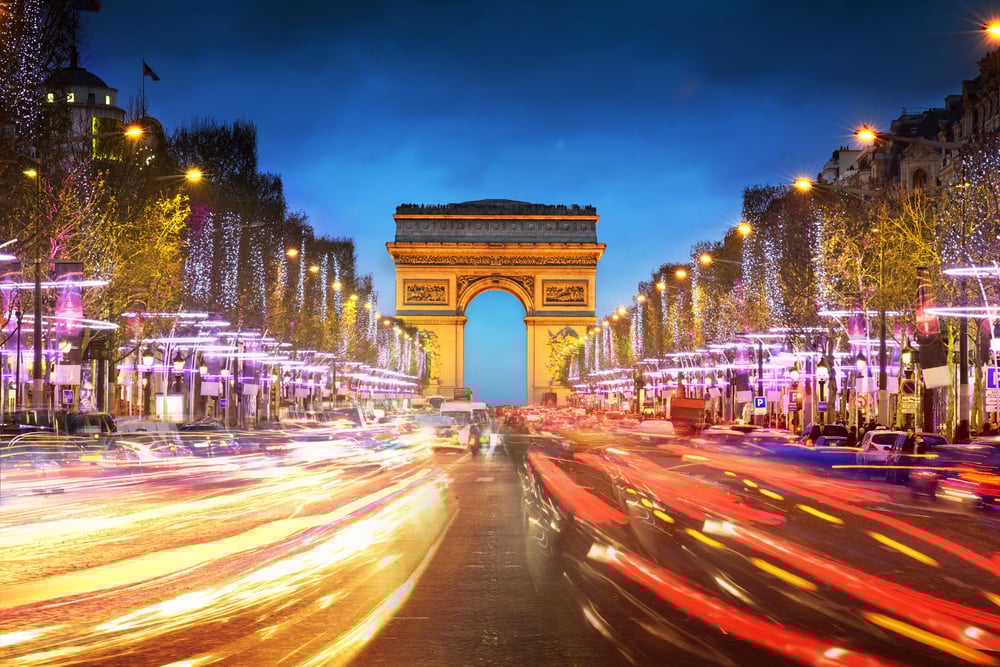
France contributes $19.1 billion, but its influence extends far beyond the numbers. As the birthplace of fashion houses like Chanel, Dior, and Louis Vuitton, France is both a cultural and commercial cornerstone of luxury.
Post-pandemic, the French market has been fueled by both locals and international tourists. Remarkably, France holds 37% of online luxury sales globally, a feat powered by giants like LVMH and Kering, whose portfolios dominate the industry worldwide.
United Kingdom
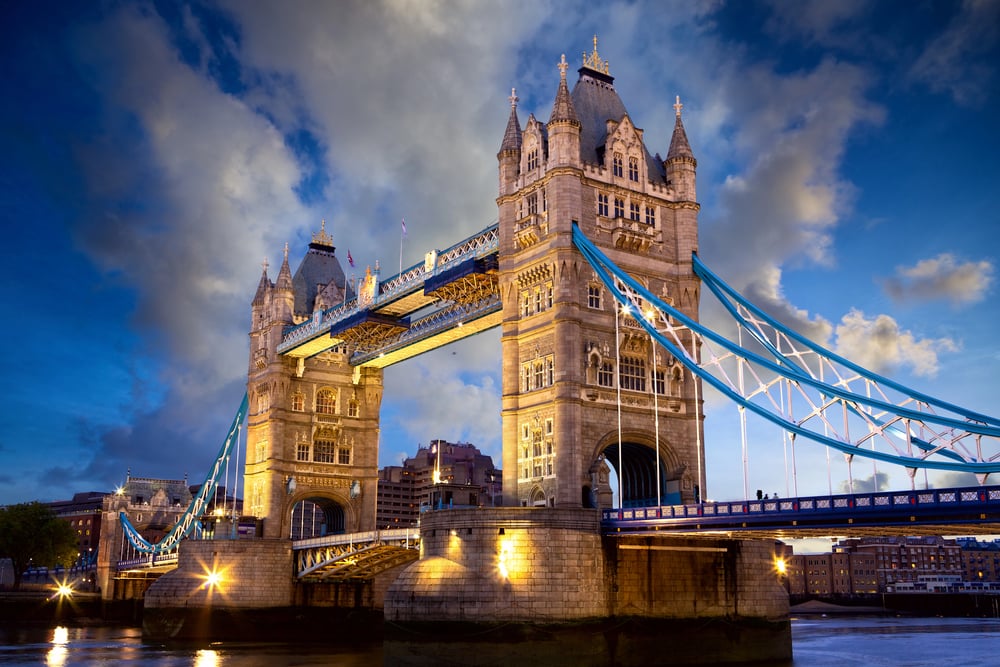
With $17.2 billion in revenue, the UK remains a significant player. Britain’s luxury ties date back centuries, from bespoke tailoring on Savile Row to its globally admired heritage brands.
London, as a fashion capital, attracts tourists seeking authentic British elegance. Consumers here lean toward timeless design and subtle sophistication rather than flashy trends, keeping demand steady for classic luxury.
Like Go2Tutors’s content? Follow us on MSN.
Germany
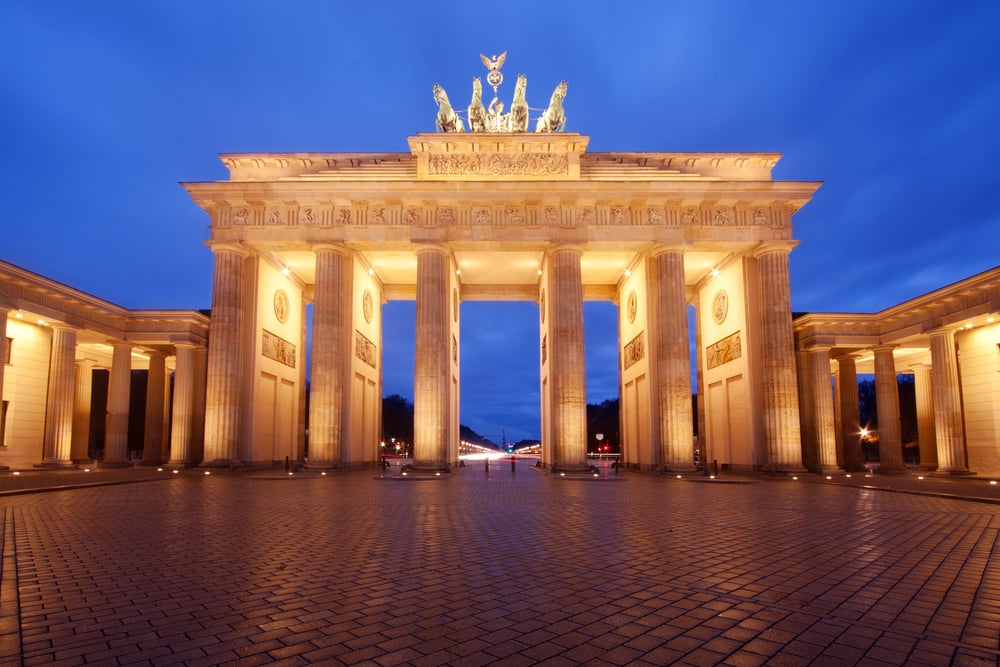
Germany follows with $16.1 billion in revenue. True to reputation, German consumers value function, precision, and engineering alongside luxury aesthetics.
Luxury cars, precision watches, and tech-driven high-end goods dominate the market. With a strong economy and a well-off middle class, Germany rewards brands that emphasize innovation, quality, and sustainability.
Italy
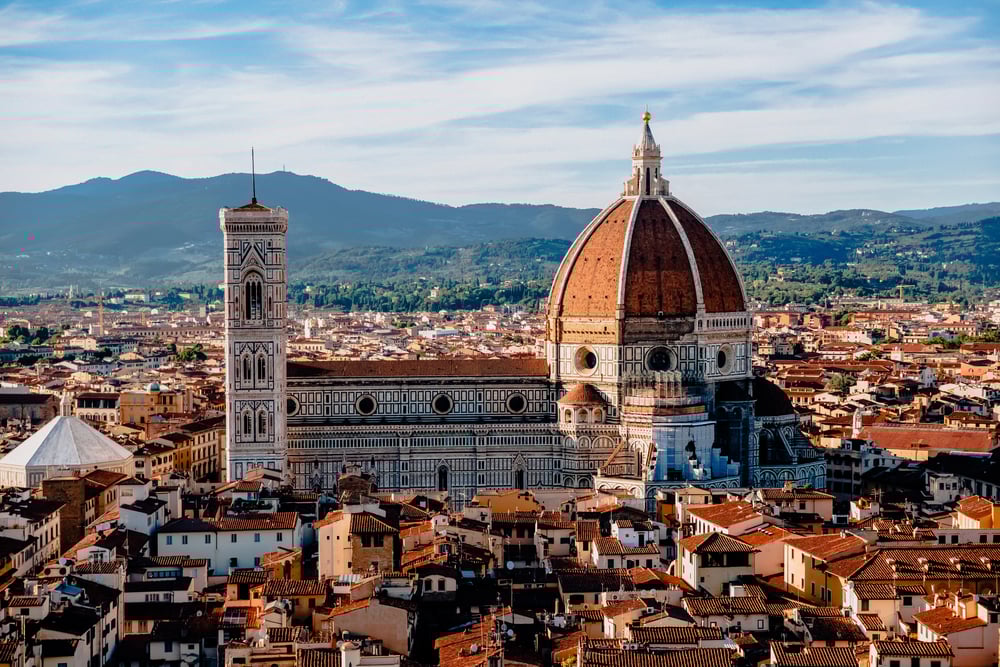
Italy contributes $15.9 billion and, more importantly, serves as the creative heartbeat of luxury. Nearly a quarter of the top 100 luxury companies are based here, with names like Gucci, Prada, and Ferrari setting global standards.
For Italians, luxury is cultural. It embodies artistry, heritage, and emotional connection. From artisanal fashion to iconic supercars, Italian luxury thrives on craftsmanship passed down through generations.
Spain
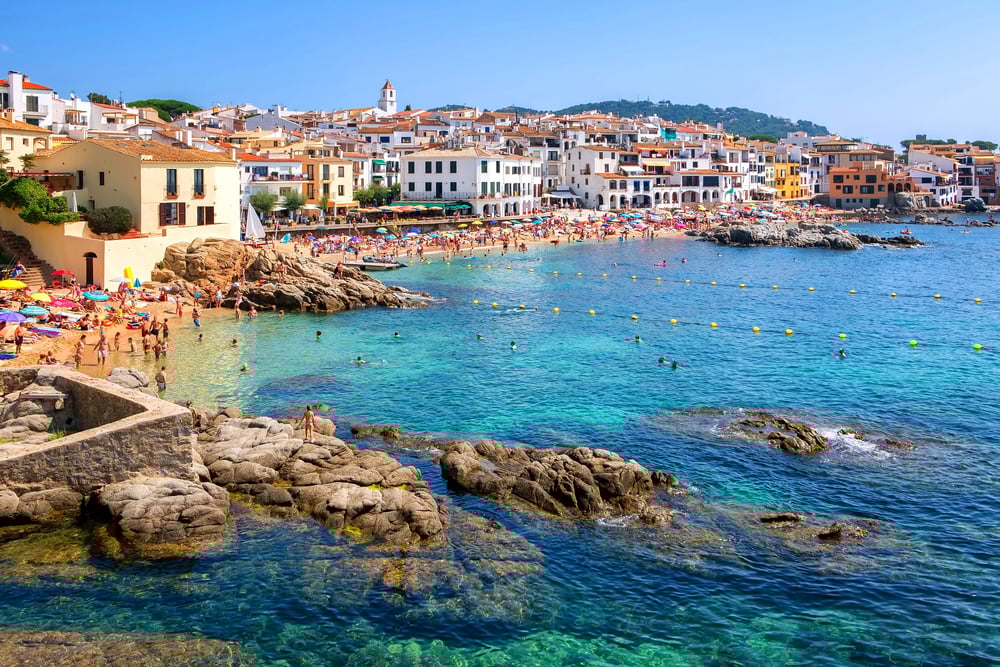
Spain’s $9.3 billion luxury market reflects both rising affluence and a thriving tourism sector. Cities like Madrid and Barcelona see luxury sales peak during tourist seasons, boosting the country’s global footprint.
Spanish consumers lean toward Mediterranean elegance—luxury that feels both prestigious and lifestyle-driven. Leather goods, jewelry, and lifestyle products flourish in this market.
Like Go2Tutors’s content? Follow us on MSN.
India
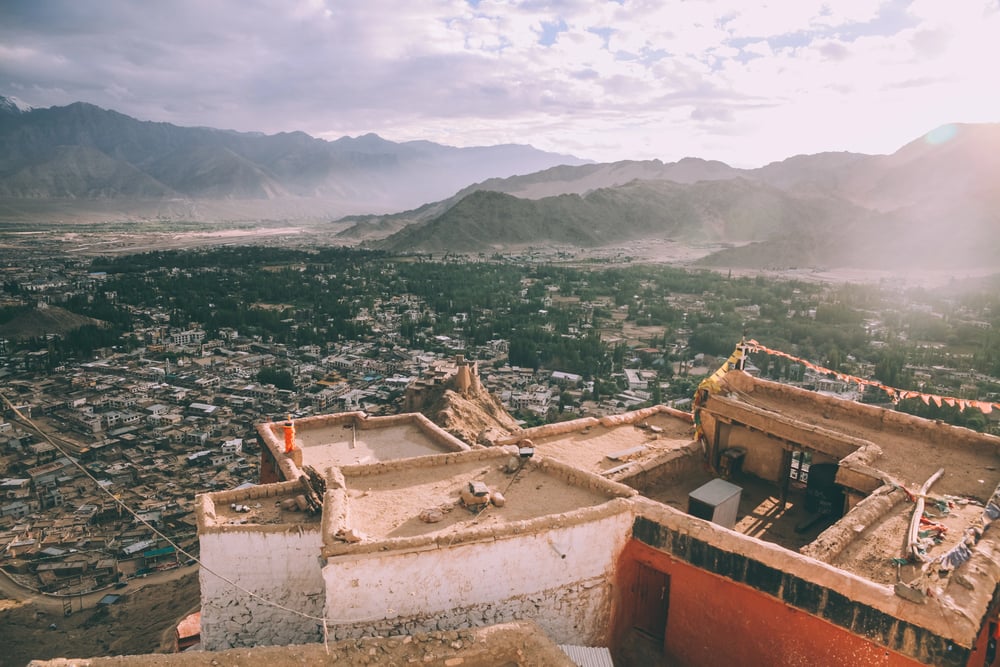
India brings in $7.9 billion and represents one of the fastest-growing luxury markets. With 200 billionaires, the appetite for exclusivity is rising.
Luxury in India often blends cultural tradition with global brand appeal. Jewelry, fine textiles, and international imports dominate as buyers see luxury both as an investment and a family status symbol.
Australia
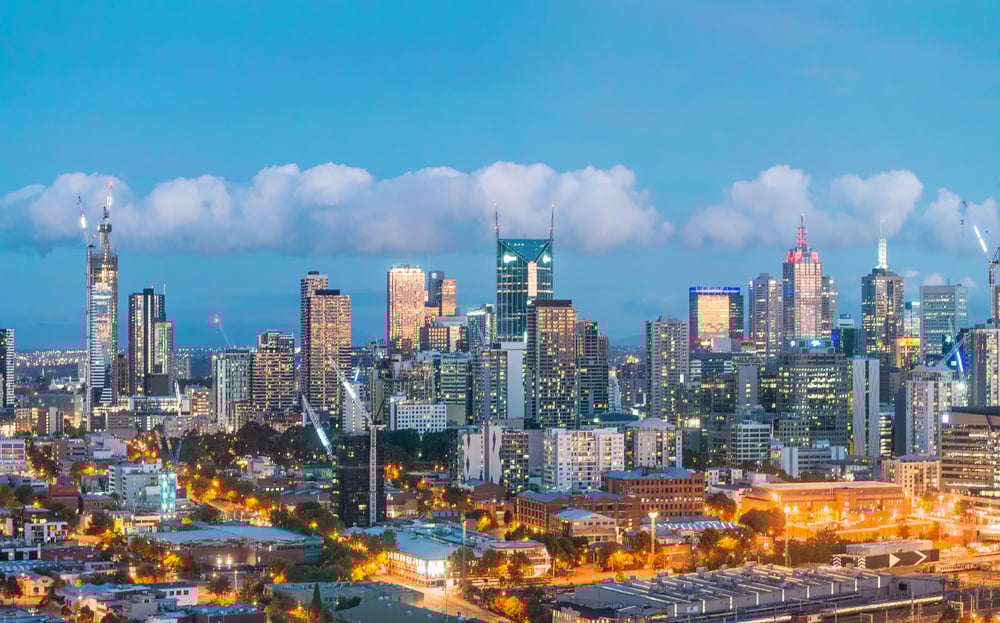
Australia accounts for $7.4 billion, supported by a stable economy and a wealthy consumer base. Luxury here spans fashion, lifestyle, and artisanal goods that align with the country’s cultural identity.
The market also benefits from its gateway role in the Asia-Pacific region, making it an attractive spot for international brands aiming to expand regionally.
Canada
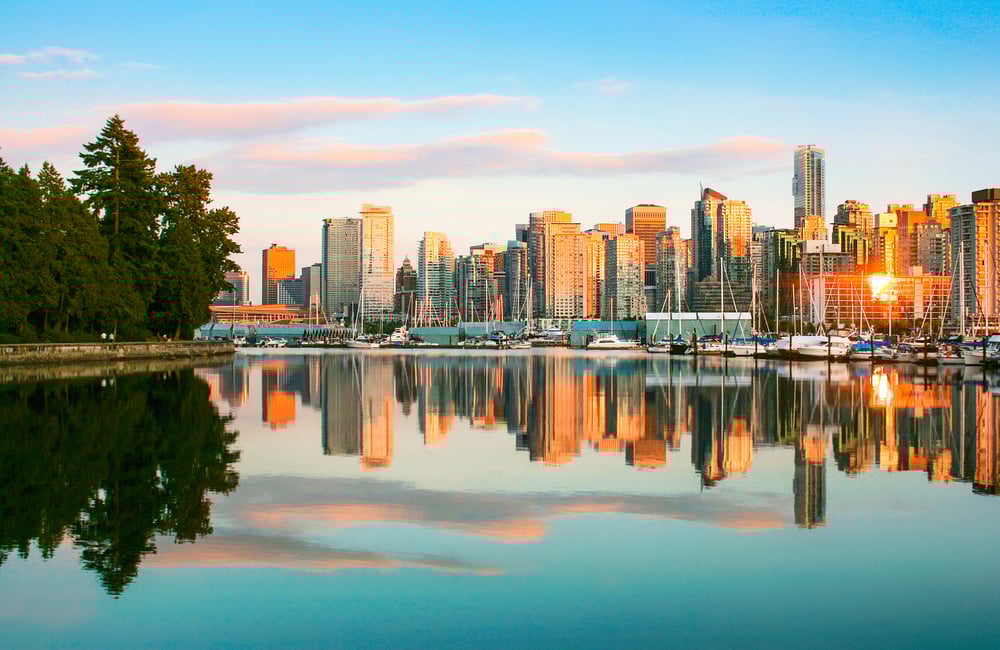
Canada’s luxury market, valued at $7.1 billion, thrives in cities like Toronto, Vancouver, and Montreal. Canadian buyers often prefer practical luxury that adapts to lifestyle and climate while remaining stylish.
As retail expands into suburban areas, luxury consumption is no longer limited to downtown boutiques—reflecting the broader distribution of wealth across the country.
Like Go2Tutors’s content? Follow us on MSN.
South Korea
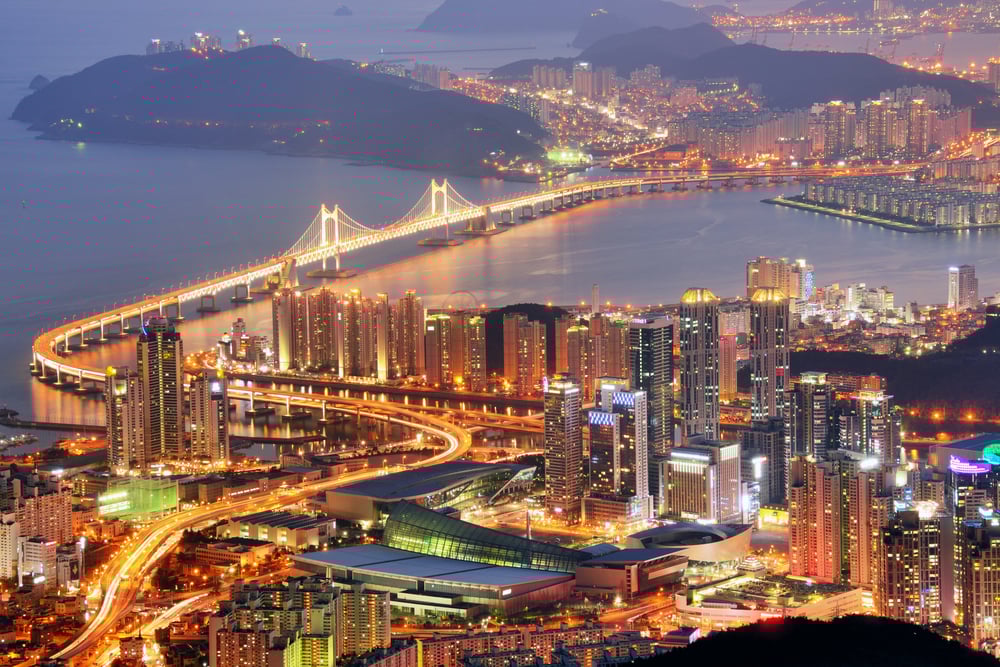
South Korea, also at $7.1 billion, has become one of Asia’s most trend-sensitive luxury markets. Seoul stands at the center of this shift, with younger consumers merging global fashion with Korean aesthetics.
K-pop and Korean culture play a big role, as luxury collaborations with local celebrities drive demand. With strong digital engagement, South Korea serves as a launchpad for trendsetting luxury strategies.
Switzerland
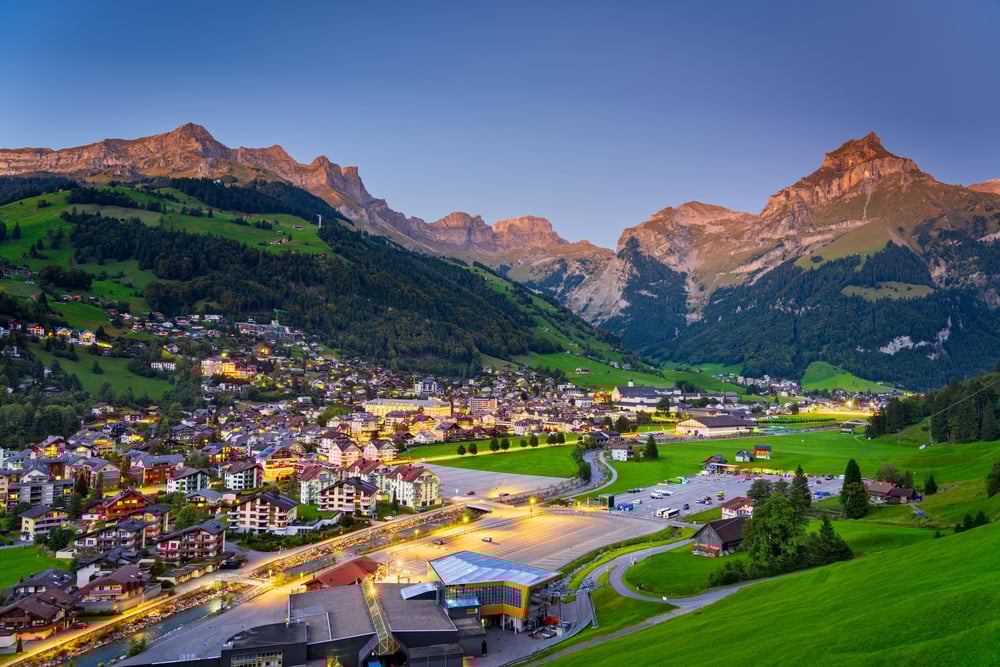
Switzerland is both a producer and consumer of luxury. Known for its unmatched watchmaking and discreet banking culture, Swiss luxury spending is among the world’s highest per capita.
Despite its small size, Switzerland accounts for 10% of online luxury sales globally, proof of its concentrated wealth and appetite for exclusivity.
United Arab Emirates
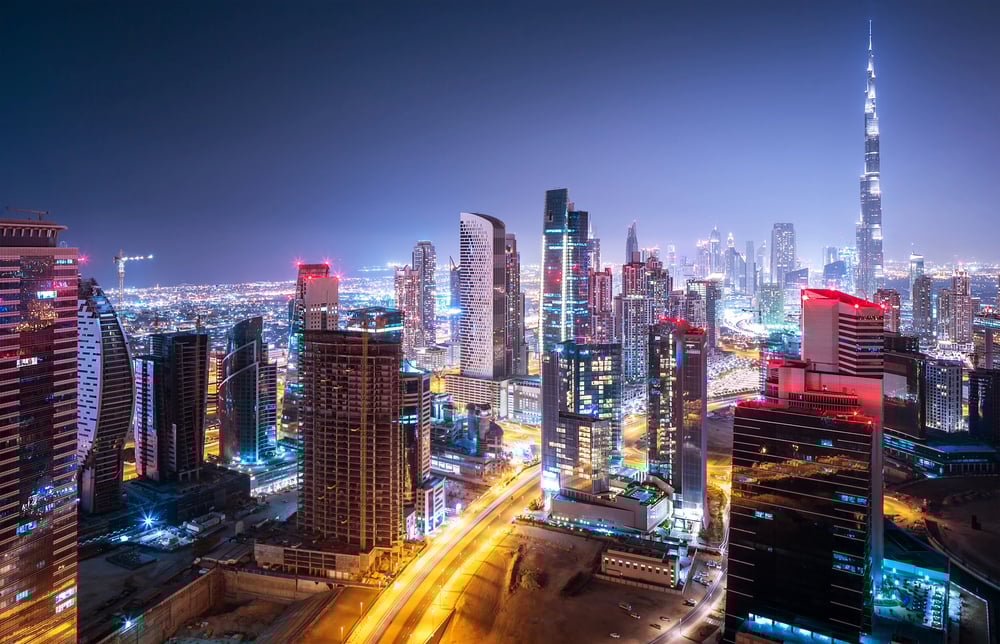
The UAE—especially Dubai—has become the Middle East’s luxury epicenter. With high disposable incomes and booming tourism, Dubai offers a vibrant mix of traditional and international luxury.
From gold and jewelry to cutting-edge fashion, Dubai positions itself as a global shopping destination. Its tax-free environment and luxury malls attract both residents and visitors seeking premium experiences.
Like Go2Tutors’s content? Follow us on MSN.
Brazil

Brazil leads South America’s luxury market, anchored by wealthy urban centers like São Paulo and Rio de Janeiro.
Despite economic ups and downs, luxury has remained an aspiration for Brazil’s affluent consumers. Fashion, accessories, and international brands continue to perform well, making Brazil a resilient luxury hub.
Singapore
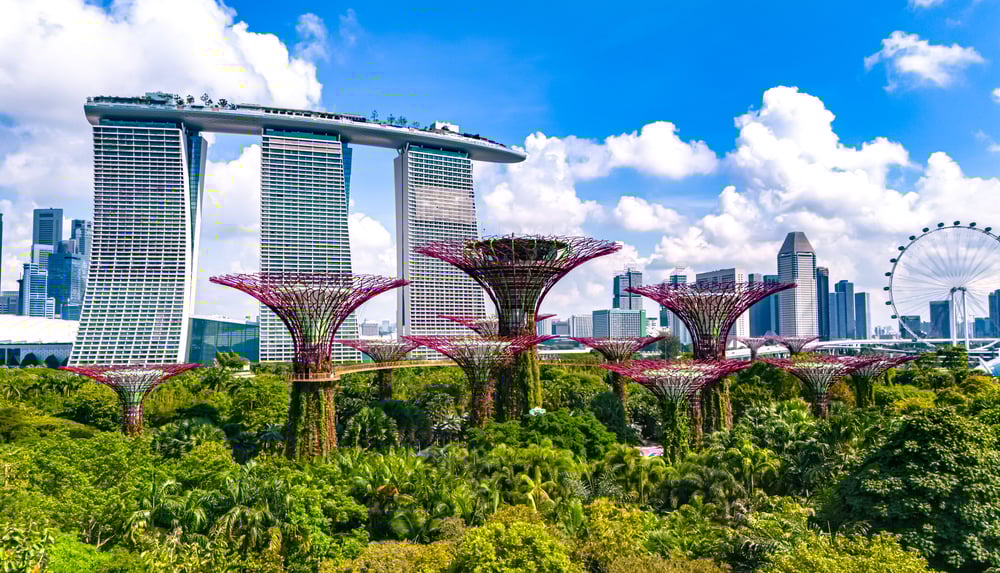
Singapore stands as Southeast Asia’s luxury gateway. Its high purchasing power, financial hub status, and influx of regional tourists cement its position as a prime retail destination.
Singaporean consumers embrace a mix of Western and Asian luxury traditions, and the city’s compact but affluent market makes it ideal for flagship stores.
The New Luxury Landscape
Luxury is no longer a static, Eurocentric concept—it’s global, diverse, and rapidly evolving. These 16 countries not only dominate spending but also shape what luxury means in the modern age.
From Europe’s heritage houses to Asia’s economic dynamism and America’s marketing innovation, the market is a vibrant mix of old-world elegance and new-world ambition. In this glittering ecosystem, luxury isn’t just consumed—it’s constantly being redefined.
More from Go2Tutors!

- 16 Historical Figures Who Were Nothing Like You Think
- 12 Things Sold in the 80s That Are Now Illegal
- 15 VHS Tapes That Could Be Worth Thousands
- 17 Historical “What Ifs” That Would Have Changed Everything
- 18 TV Shows That Vanished Without a Finale
Like Go2Tutors’s content? Follow us on MSN.



