23 Places on Earth Where Gravity Seems to Behave Differently Than Expected
There’s something deeply satisfying about watching a car appear to roll uphill, or water seeming to trickle in the wrong direction entirely. Physics says none of it is real, that gravity hasn’t taken a day off anywhere on this planet.
But the eyes disagree, and disagreement between eyes and physics has been drawing curious travelers to strange little roadside spots for generations. Some of these places are pure optical trickery, carved into hillsides by clever slopes and misleading horizons.
Others feel like they’re hiding something, even after the explanation. Either way, they’re worth the detour.
Magnetic Hill, New Brunswick
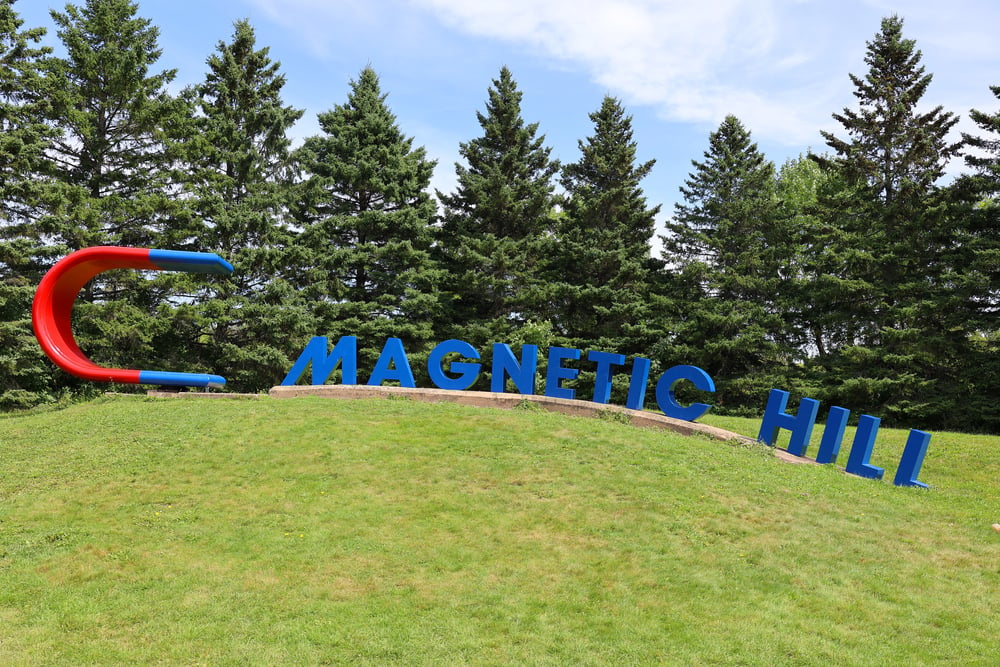
Cars roll backward uphill here, or so it looks. Locals have known about it for over a century, and tourists still line up in their vehicles just to feel the pull. It’s an optical illusion caused by the surrounding landscape, not an actual gravitational anomaly, but that hasn’t stopped it from becoming one of Canada’s most visited roadside curiosities.
Spook Hill
Down in Lake Wales, Florida, there’s a stretch of road where cars in neutral drift backward toward the crest instead of away from it, and the town has leaned into the eeriness of that so hard they gave it a name that sounds like a campfire story. Legend ties it to a Seminole chief and a lake-dwelling creature (the kind of tale that probably grew taller with every retelling around a general store counter), but the real explanation is the same tired one that shows up at every gravity hill on this list: a horizon line tilted just enough to fool the inner ear.
And that’s the strange part — knowing the trick doesn’t dull it much, because standing there watching a car creep backward uphill still feels like watching a magic show after someone’s shown you the mirrors. Spook Hill has been pulling in skeptics since the 1950s, and most of them leave a little less certain than they arrived.
Confusion Hill
Route 101 in California hides a small wooden building that leans like it’s trying to escape itself, and inside, marbles roll toward what should be downhill instead of away from it. The trick lives in the walls, not the earth: every surface built slightly askew, so your eyes hand your brain a lie and your legs believe it without question.
Standing in that tilted room feels like being gently gaslit by architecture, your balance arguing with what the level line clearly shows. Confusion Hill has stood since 1949, and somehow the roadside kitsch only makes the disorientation land harder.
Electric Brae
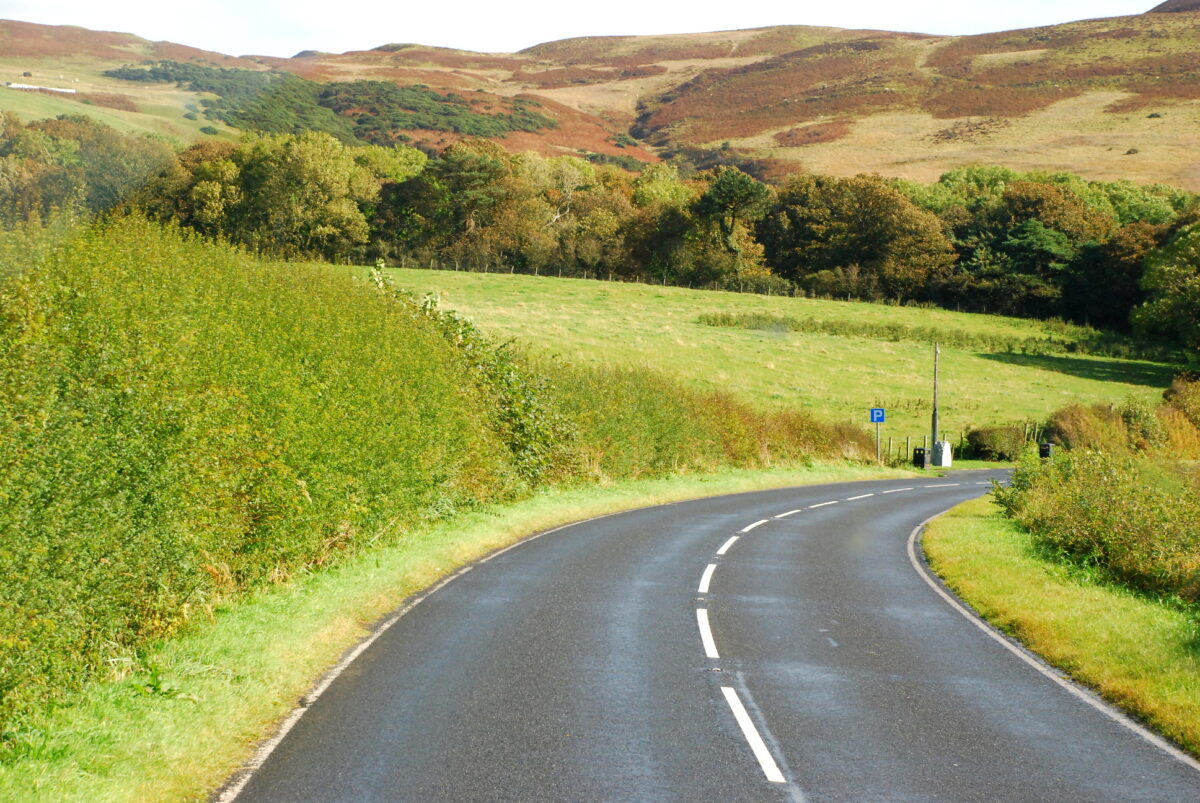
Scotland gets this one right, and the name alone is better than most gravity hills bother to earn. Drivers along the A719 near Croy Bay swear their cars roll uphill without touching the gas, and to be fair, the illusion is so convincing that locals used to blame it on actual electromagnetic force running through the ground. It isn’t that, obviously, it’s the surrounding hills doing what surrounding hills always do at these sites: hiding the true slope from view.
Nobody’s fixed the myth, though, which is saying something for a country that loves a good ghost story more than an accurate one.
Oregon Vortex
A leaning shack near Gold Hill, Oregon, has been messing with visitors since the 1930s. Orbs roll uphill on the tilted floor.
People appear taller or shorter just by swapping places on a marked board. Nobody’s disproven the show, and the operators certainly aren’t rushing to explain it away.
Mystery Spot
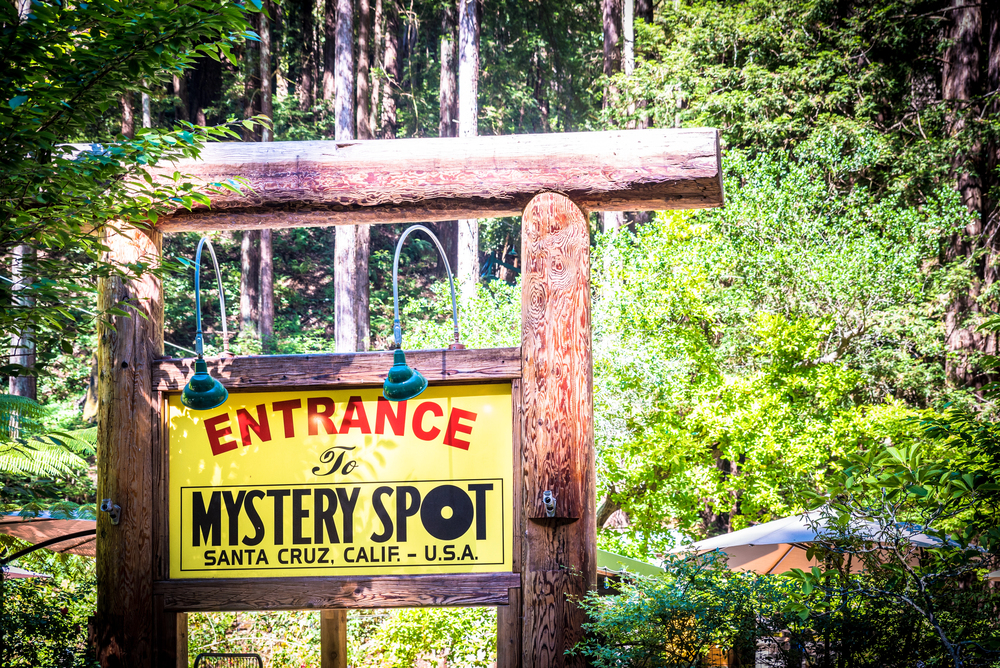
Santa Cruz has its own tilted little shack, built sometime in the 1940s on a hillside that never quite agreed to sit still — and the effect, once you’re standing inside, is the kind of disorientation that makes grown adults grab the nearest railing. Water appears to run the wrong way, brooms balance at angles that shouldn’t hold, and a person standing at one end of the platform looks noticeably shorter than someone standing at the other, even though a tape measure says otherwise.
Geologists have wandered through with levels and plumb lines more than once, and the conclusion is always the same tired one: a cluster of visual cues, tilted floors, and a room built without a single true horizontal surface anywhere inside it. So the mystery isn’t really a mystery, not in the scientific sense, but try telling that to your own inner ear while you’re standing there.
Magnetic Hill, Ladakh
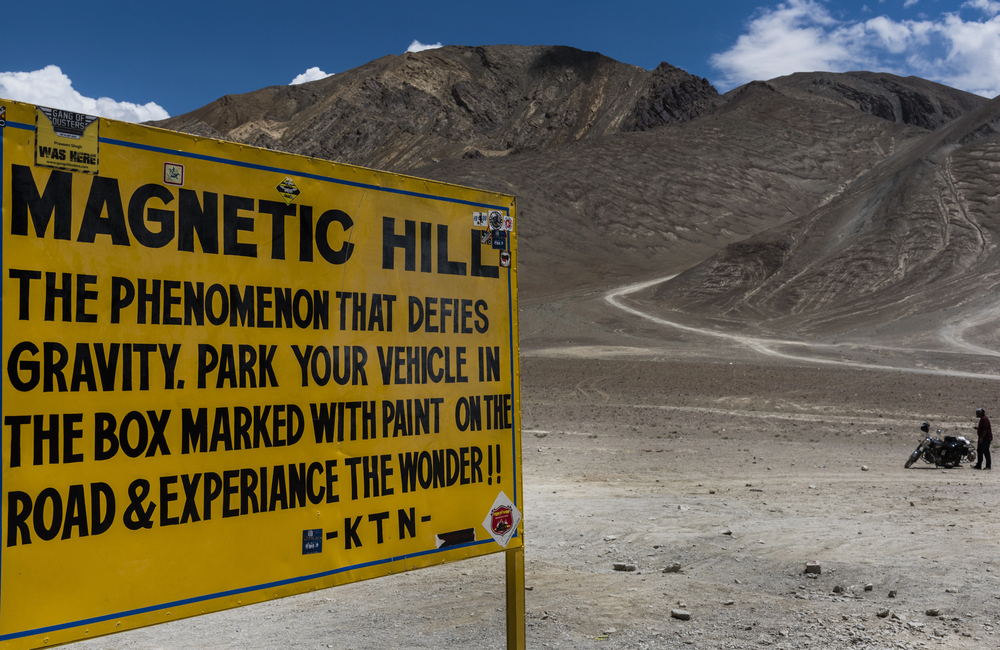
High in the Himalayas, on a stretch of road near Leh, gravity behaves like a tired argument that gives up halfway through. Vehicles left in neutral creep forward on their own, climbing a slope that every instrument insists is uphill, while the mountains around it sit indifferent to the whole performance.
Locals point to a nearby sign marking the “magnetic” pull, and pilots supposedly reroute around it to avoid interference, though that detail has more folklore in it than physics. What lingers isn’t the explanation, it’s the altitude and silence pressing in while your car drifts forward like it knows something you don’t.
Gravity Hill, Pennsylvania
Pennsylvania has more of these hills than any state has business claiming, and the one outside New Paris is the one most people mean when they say “gravity hill” around here. A car in neutral rolls backward uphill on a quiet country road, no ghost story required, no roadside attraction charging admission.
Locals treat it like a party trick passed down instead of a tourist draw, which is honestly the right way to treat an optical illusion. Nobody’s selling t-shirts, and somehow that makes the whole thing more convincing.
Magnetic Hill, South Africa
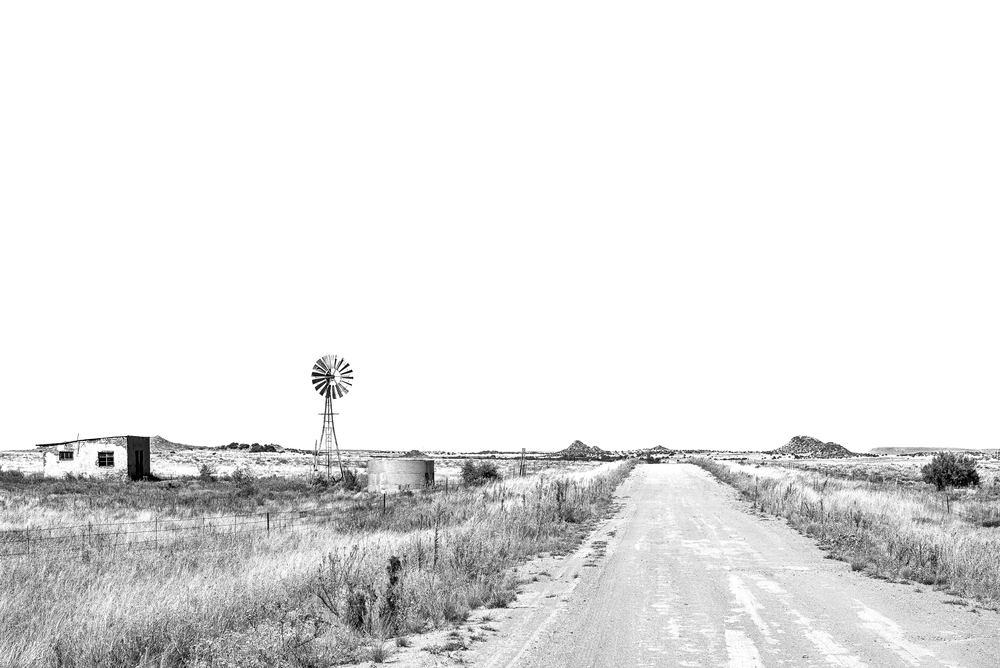
Magnetic Hill sits outside Ladysmith, KwaZulu-Natal. Cars slip into neutral and roll backward up the incline.
Locals call it magnetic. It’s a slope illusion, plain and simple, but the pull still catches people off guard every single time.
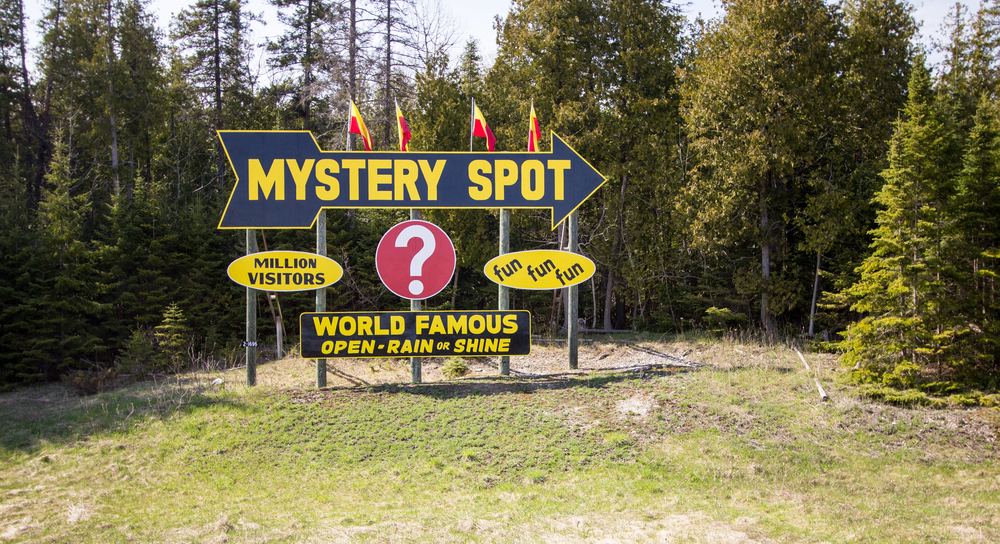
Mystery Spot, St. Ignace
— Photo by ehrlif
St. Ignace has had its own Mystery Spot since 1953, tucked into the woods near the Mackinac Bridge, and the pitch is almost identical to its Santa Cruz cousin — tilted shacks, water running uphill, visitors standing at odd angles while a guide insists the room itself is level (it is not, not even close). But the real trick isn’t the floor, it’s the roof line and the window frames, all built at angles that quietly convince your eyes the walls are straight when they’re anything but straight: a cheap carpentry trick dressed up as cosmic mystery.
And the thing is, knowing that doesn’t stop the vertigo, doesn’t stop your hand from reaching for a rail that turns out to be perfectly stable, because your body trusts what it sees long before it trusts what it’s been told. So generations of Michigan road-trippers have piled through that same door since the Eisenhower administration, and the shack hasn’t needed to change a single board to keep working.
Ghost Hill
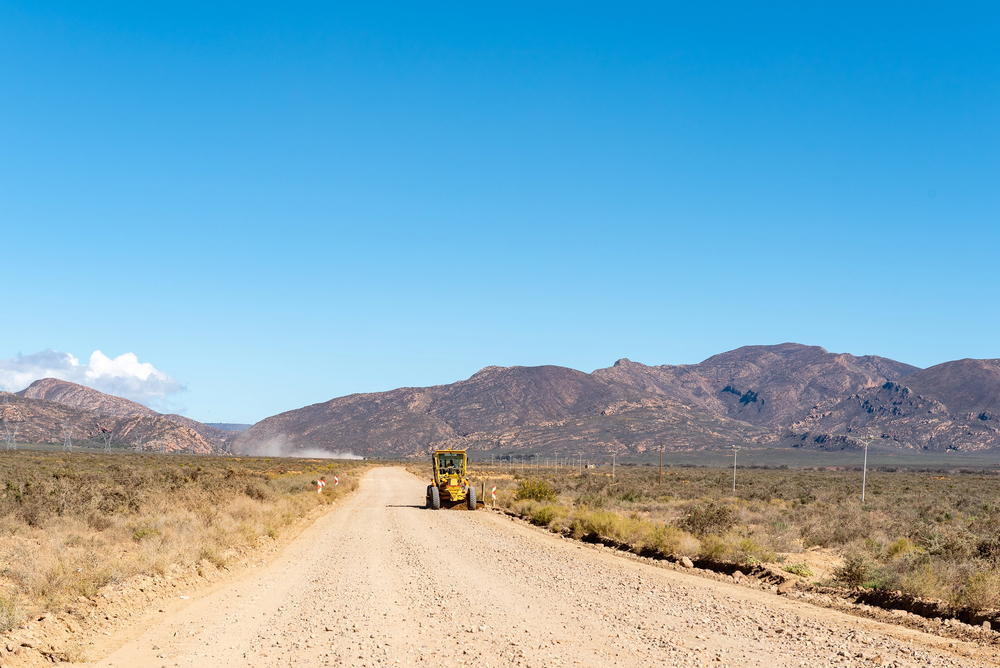
Outside Ceres, in South Africa’s Western Cape, there’s a stretch of farm road that behaves like a stubborn horse refusing the correct direction. Cars in neutral drift uphill past vineyards and fruit orchards, the whole scene so ordinary-looking that the illusion catches most visitors off guard precisely because nothing else about the landscape hints at trickery.
The hills here don’t announce themselves the way mountains do elsewhere on this list, they just quietly bend the horizon until your inner ear stops trusting the dashboard. Farmers have known about the stretch for generations, long before anyone thought to put up a sign calling it anything at all.
Magnetic Hill, Israel
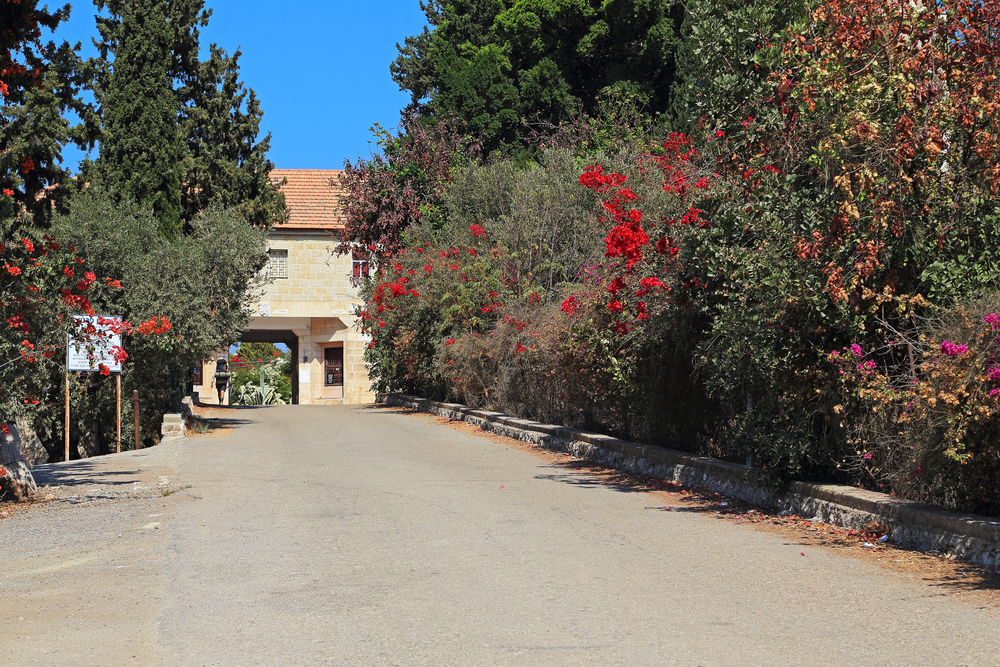
— Photo by goga18128.mail.ru
The stretch of road near Latrun, along the route linking Jerusalem and Tel Aviv, gets called Magnetic Hill for a reason nobody’s bothered to rename. Cars in neutral roll forward on what looks, by every visual cue available, like an uphill slope, and drivers still pull over to test it even though the physics has been explained a thousand times over.
It’s the same slope-and-horizon con job that shows up everywhere else on this list, dressed in different scenery, and to be fair, that repetition doesn’t make it less fun to watch. Nobody drives through Latrun expecting a science lesson, and nobody leaves without rolling down the window to feel it for themselves.
Mystery Hill
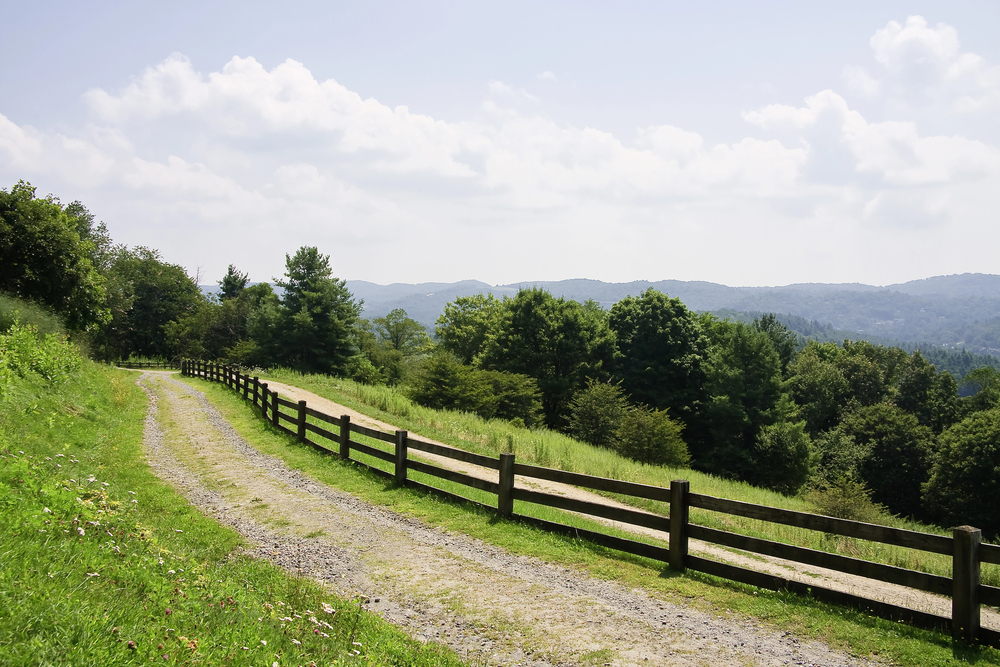
Blowing Rock, North Carolina, has its own tilted house, standing since 1949. Orbs roll where they shouldn’t.
Water appears to climb instead of fall. Nobody’s rebuilt the place level, and nobody plans to.
Gravity Hill, Moncks Corner
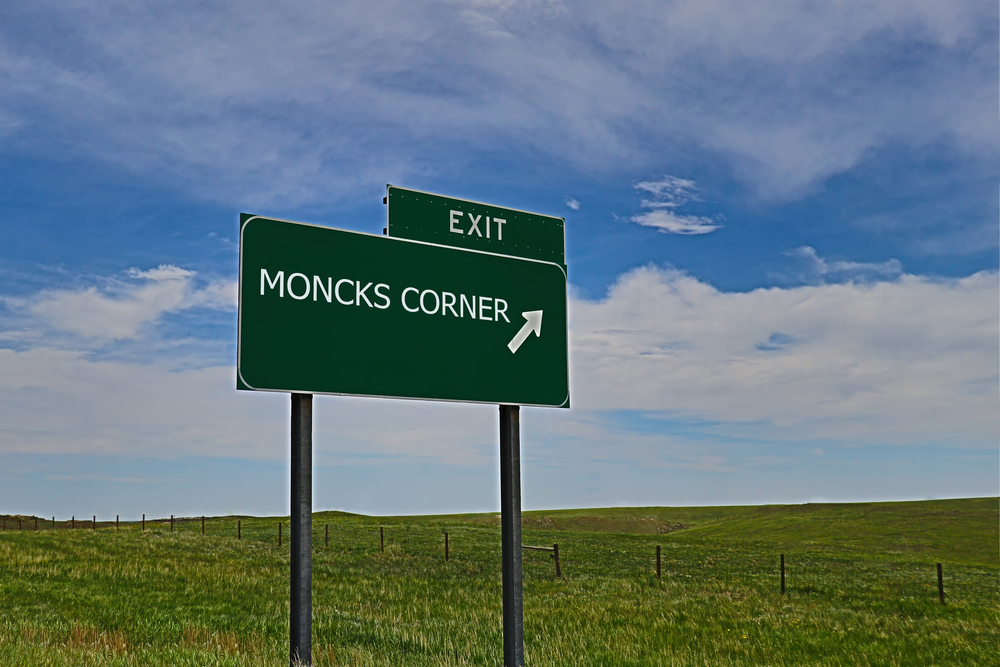
Moncks Corner, South Carolina, keeps a gravity hill tucked along a back road that most GPS systems barely register, and the locals who already know about it (people who’ve been driving these routes since before the county bothered paving them) treat it less like a tourist stop and more like a secret passed down at cookouts. No signage marks it.
Cars in neutral drift backward against every visual cue that insists the road tilts downhill — and the trick works harder here than at the famous hills, mostly because there’s nothing around to prime you for it: no gift shop, no ghost story, no warning sign. So the surprise lands rawer than it does anywhere else on this list, and that rawness is the whole point.
Magnetic Hill, Malaysia
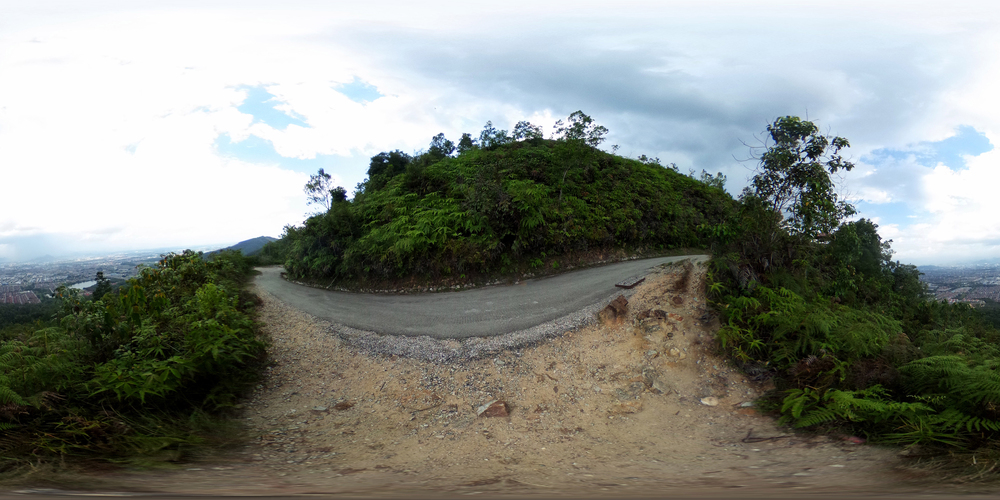
Ipoh’s hillside stretch behaves like a stubborn tide pulling everything backward instead of down. Cars slip into neutral and drift uphill past limestone outcrops that loom over the road like they’re keeping score, and the whole scene has the hush of a place that knows exactly what it’s doing to you.
It isn’t magnetism, isn’t mystery, just the same tilted-horizon sleight of hand that shows up everywhere else on this list, dressed in Malaysian jungle instead of Scottish moor. Even locals who’ve explained the trick a hundred times still slow down for it, which tells you something about how convincing indifference can be.
Cuesta de los Terneros, Argentina
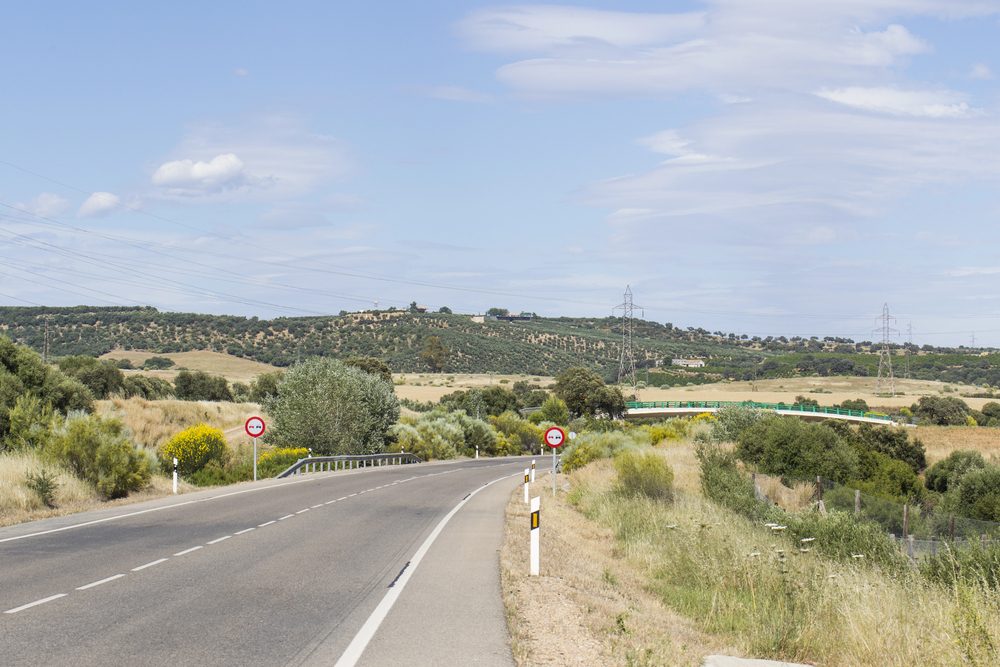
This one’s in Córdoba, and honestly, it deserves more attention than it gets. Drivers roll to a stop, shift into neutral, and watch their vehicle creep backward up a slope that every visual cue swears is downhill — no ghost story attached, no gift shop nearby, just a lonely stretch of provincial road doing its thing.
To be fair, the science is the same tired explanation as always: a false horizon tricking the eyes into misreading the grade. Nobody’s bothered fixing the road, and honestly, why would they, since the illusion works better than any actual attraction they could build there.
Compass Hill
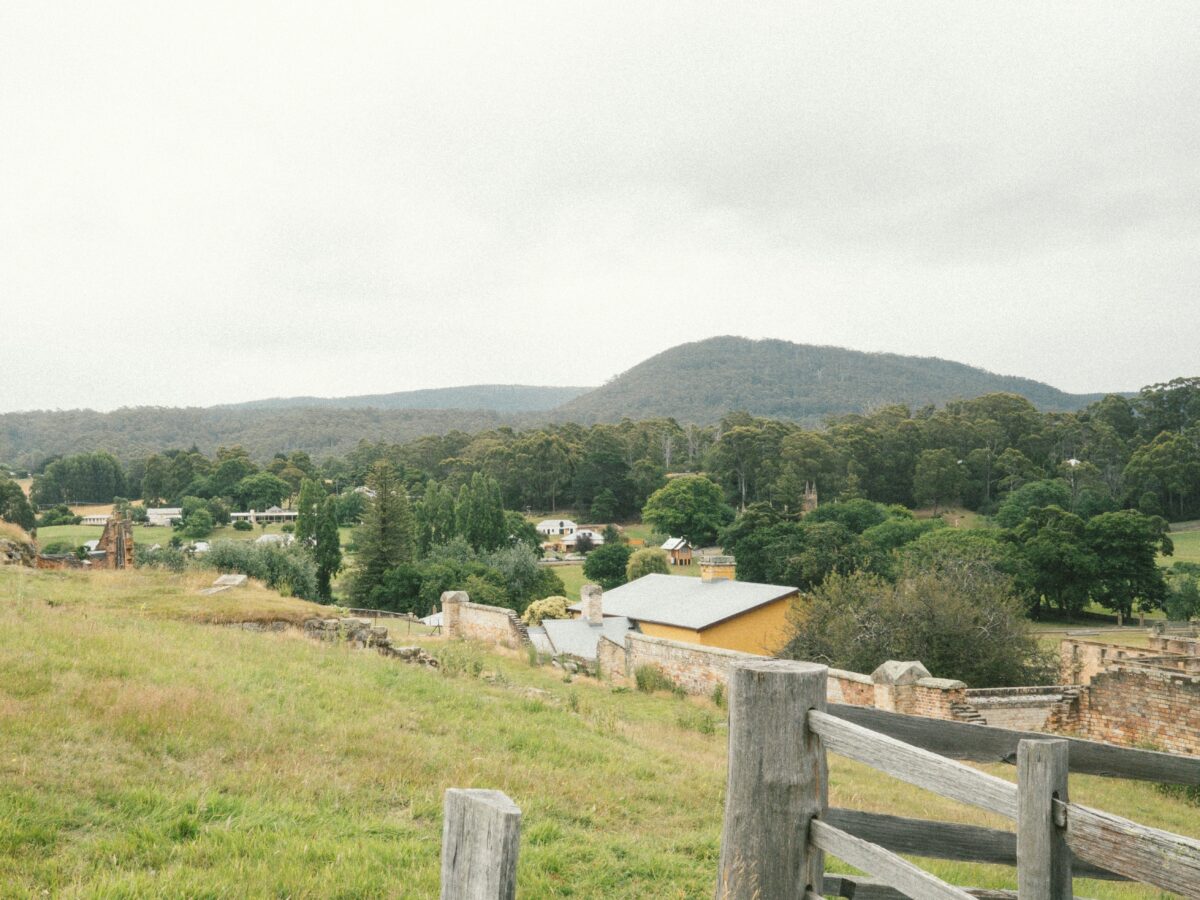
Tasmania’s Compass Hill sits near Stanley, on the state’s rugged northwest coast. Ships’ compasses reportedly spin off course as they pass near the summit, and cars left in neutral drift the wrong way too.
Locals blame magnetic rock deposits underfoot, pointing to old iron ore surveys as proof. Nobody’s ever found enough ore to fully explain it, but the road keeps playing along anyway.
Gravity Hill, East Sussex

Near the village of Danehill, tucked between hedgerows that block most of the horizon, there’s a stretch locals still call Gravity Hill — and the pull, if you can call it that, works exactly the way it does everywhere else on this list: a rise dressed up to look like a dip. Drivers who stop and slip into neutral swear the car rolls forward on its own, gathering a little speed before it settles, and if you ask three different people why it happens you’ll get three different answers (none of them scientific, all delivered with total confidence).
So the road stays quiet most days, just hedgerows and sheep and the occasional car idling at the bottom of a slope that insists it’s climbing. But the trick never gets old, not even for the people who’ve driven it a hundred times.
Magnetic Hill, Pakistan
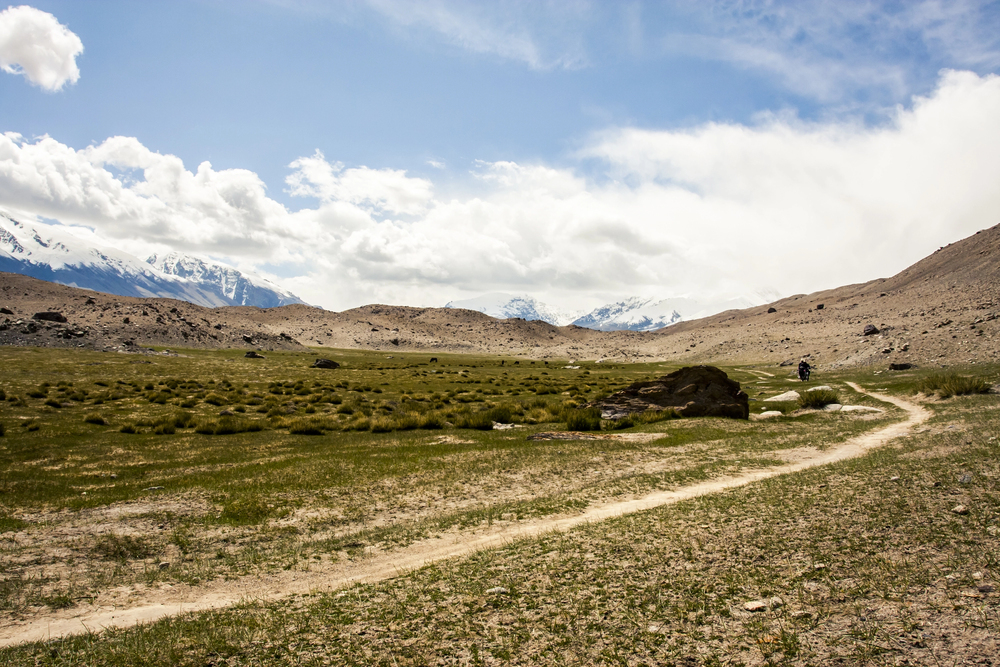
High in Gilgit-Baltistan, along the Karakoram Highway near Skardu, there’s a slope that behaves like a river that forgot which way it’s supposed to flow. Drivers cut the engine, let the car settle into neutral, and watch it creep forward against a horizon that swears, with total conviction, that the road tilts the other way.
The mountains here don’t just frame the illusion, they seem to lean into it, stacking ridge after ridge until your sense of “up” gives out entirely somewhere around the second switchback. Locals talk about it the way people talk about weather, something strange but familiar, hardly worth a second glance until a visitor’s jaw drops.
Gravity Hill, Burlington
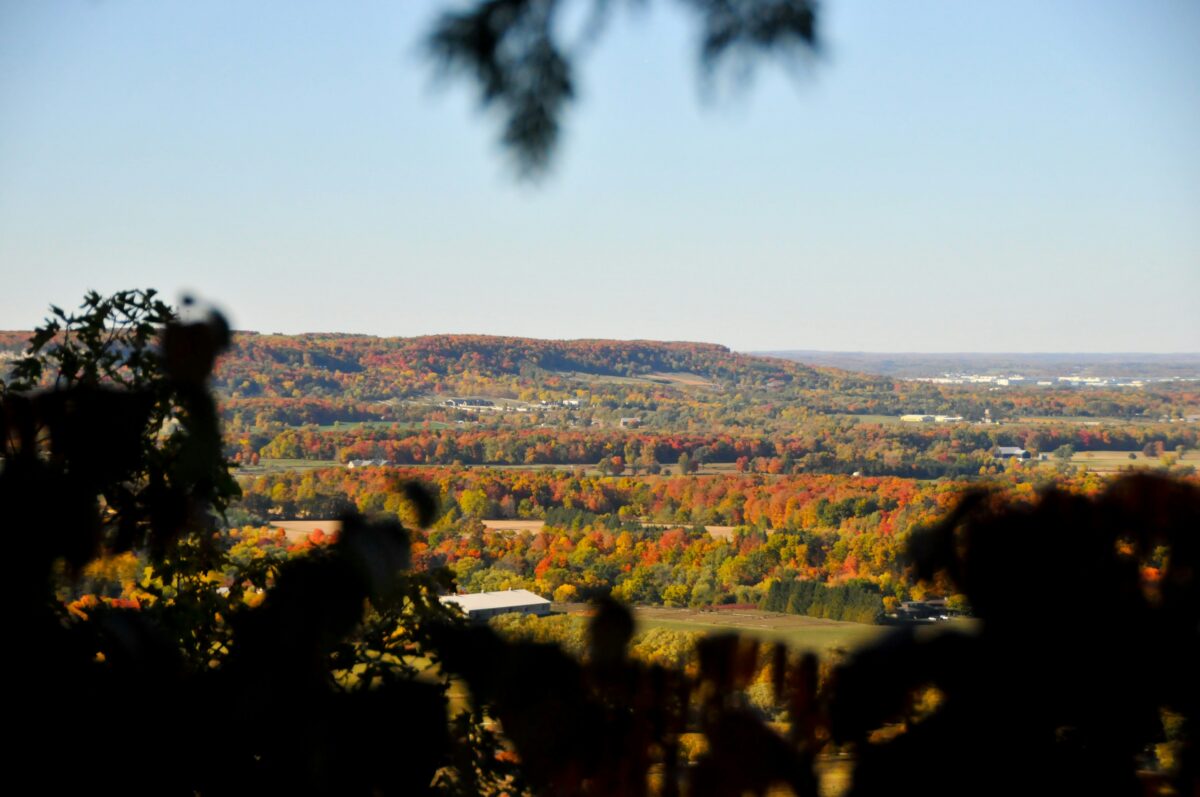
Wisconsin’s version of this trick sits outside Burlington, and honestly, it doesn’t get nearly the attention it deserves. Cars in neutral roll backward up a stretch of rural road that looks, by every visible cue, like it should send them rolling the other direction, and that’s the whole show, no gimmicks required.
There’s no gift shop out there, no tilted shack charging admission, just cornfields and a road that quietly breaks the rules every time someone bothers to test it. To be fair, that’s kind of the appeal, since the least dressed-up gravity hills are usually the ones that hit hardest.
Puzzling World
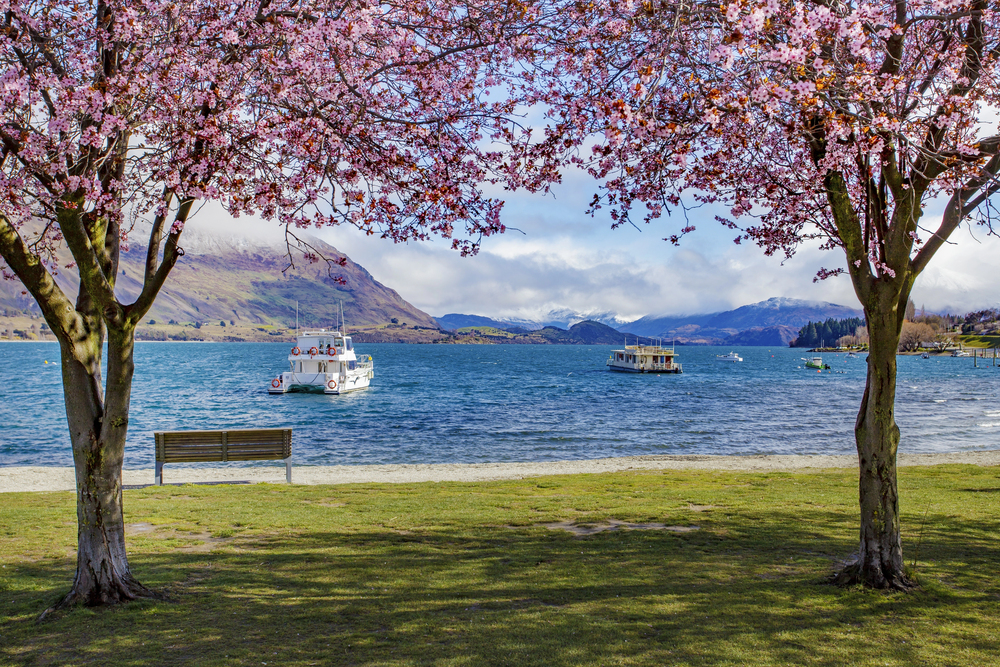
Out in Wanaka, New Zealand, there’s a building that seems to have given up on right angles entirely — the Tilted House at Puzzling World, standing since the 1980s, where every wall leans just enough to convince your legs that the floor is lying to them. Walk through it and water appears to run uphill, chairs balance at impossible angles, and visitors end up gripping doorframes that are, if you check with an actual level, perfectly plumb: it’s the windows and roofline doing the damage, not the floor itself.
And the strange part isn’t the illusion, it’s how long the disorientation lingers once you’re back outside on solid, boring, correctly leveled ground. So people leave laughing, a little dizzy, and mostly convinced they’ve been the butt of some elaborate architectural joke.
Magnetic Hill, Nova Scotia
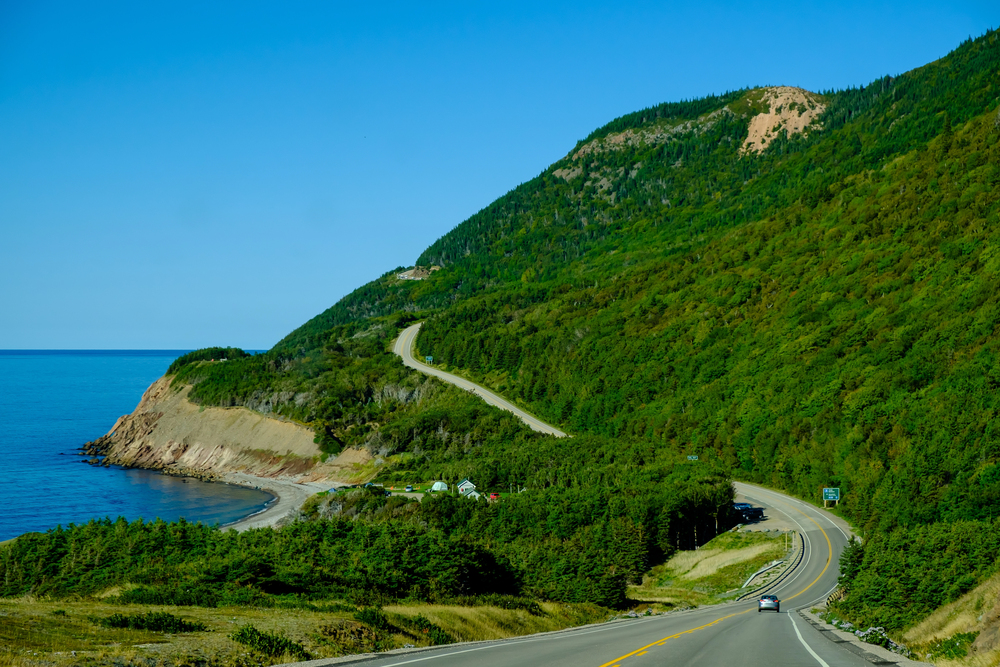
Nova Scotia’s version, tucked outside Truro, doesn’t get the crowds Moncton pulls in, and that’s exactly the problem. It deserves better, honestly, since the illusion works just as well without a water park bolted onto the parking lot.
Cars still creep backward uphill in neutral, the trick still lands the same way it does everywhere else, and the absence of gift shops only makes the experience feel more honest. Fewer tourists, same physics, better story to tell afterward — which is more than most roadside attractions can claim.
Gravity Hill, Freelton
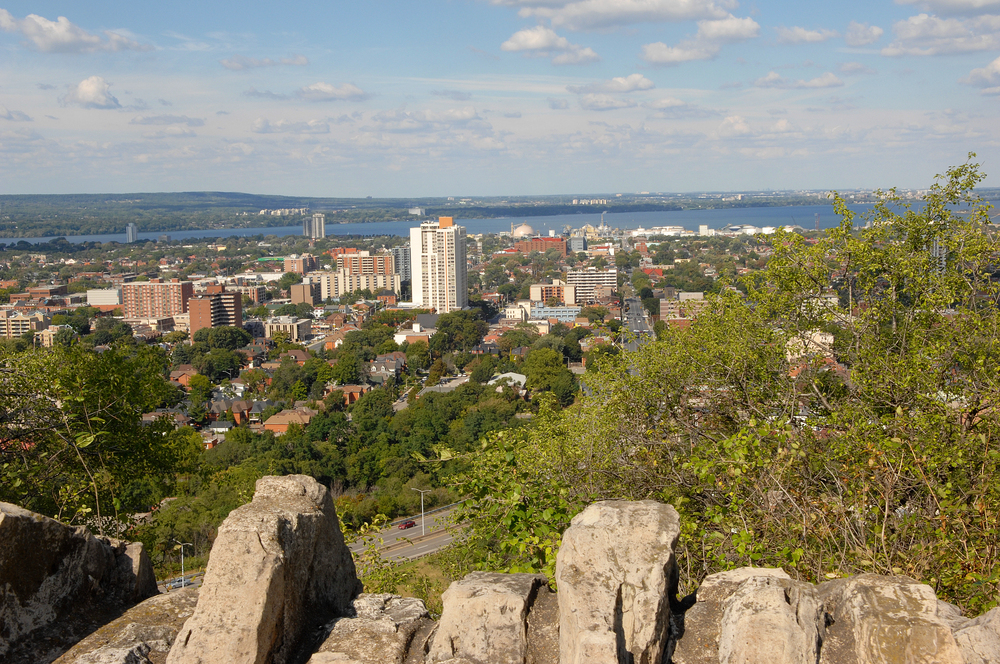
Freelton sits outside Hamilton, Ontario, and its gravity hill doesn’t bother with legends about ghosts or lost settlers, which honestly is refreshing. Cars in neutral roll backward up a stretch of rural road, the illusion doing exactly what these hills always do, and nobody in town pretends otherwise.
There’s no gift shop, no marked parking, just a bend in the road that farmers have used to prank out-of-towners for decades. To be fair, that’s a better use for an optical illusion than most roadside attractions manage.
Where the Roads Stop Making Sense

None of these hills actually break gravity, and every scientist who’s bothered to check agrees on that point without hesitation. What they break is trust — the quiet, automatic kind you place in your own eyes every single day without ever thinking about it.
So a car rolls the wrong way, a shack tilts on purpose, a horizon lies just enough to fool a brain that’s spent a lifetime reading slopes correctly, and for a few seconds, certainty just gives out from under you. That flicker of doubt, oddly enough, is the whole reason people keep driving out to the middle of nowhere just to feel it happen again.
More from Go2Tutors!

- The Romanov Crown Jewels and Their Tragic Fate
- 13 Historical Mysteries That Science Still Can’t Solve
- Famous Hoaxes That Fooled the World for Years
- 15 Child Stars with Tragic Adult Lives
- 16 Famous Jewelry Pieces in History
Like Go2Tutors’s content? Follow us on MSN.