29 Animal Species That Became Internet Famous Almost Overnight
There’s something about animals on the internet that short-circuits normal human behavior. Grown adults share videos of otters holding hands with the same urgency they’d use to send breaking news.
A single photograph of a surprised-looking owl can rack up millions of views before the weekend is over. It’s not hard to understand why — animals, unlike people, never seem to be performing for the camera, and that indifference to their own virality is exactly what makes them so watchable.
Some of these species had been quietly existing for millions of years before one well-timed photo turned them into a global phenomenon. Here are 29 of the ones that burned brightest.
Quokka

The quokka is the most photogenic animal alive, and it’s not particularly close. Native to Rottnest Island off the coast of Western Australia, these small marsupials have a facial structure that makes them appear to be smiling in every single photo — not performing a smile, just structurally arranged that way.
The “quokka selfie” trend took off around 2015 and hasn’t really stopped.
Axolotl

Axolotls look like someone drew an amphibian from memory after hearing one described secondhand. They retain their larval features their entire lives — feathery external gills fanned out like a crown — and their faces have a faint, perpetually unbothered expression that the internet decided was deeply relatable.
What started as niche aquarium hobbyist content became full-blown axolotl merchandise, fan art, and Minecraft appearances.
Slow Loris

The slow loris went viral in the worst possible way — a video of one being “tickled” circulated millions of times before most viewers realized what they were watching was a stressed animal in an illegal pet trade situation, not a delightful moment. The creature itself, with its enormous round eyes and deliberate movements, looks like something from a Studio Ghibli film, which is precisely why the video spread so fast and why the backlash, when it came, was equally fierce.
Capybara
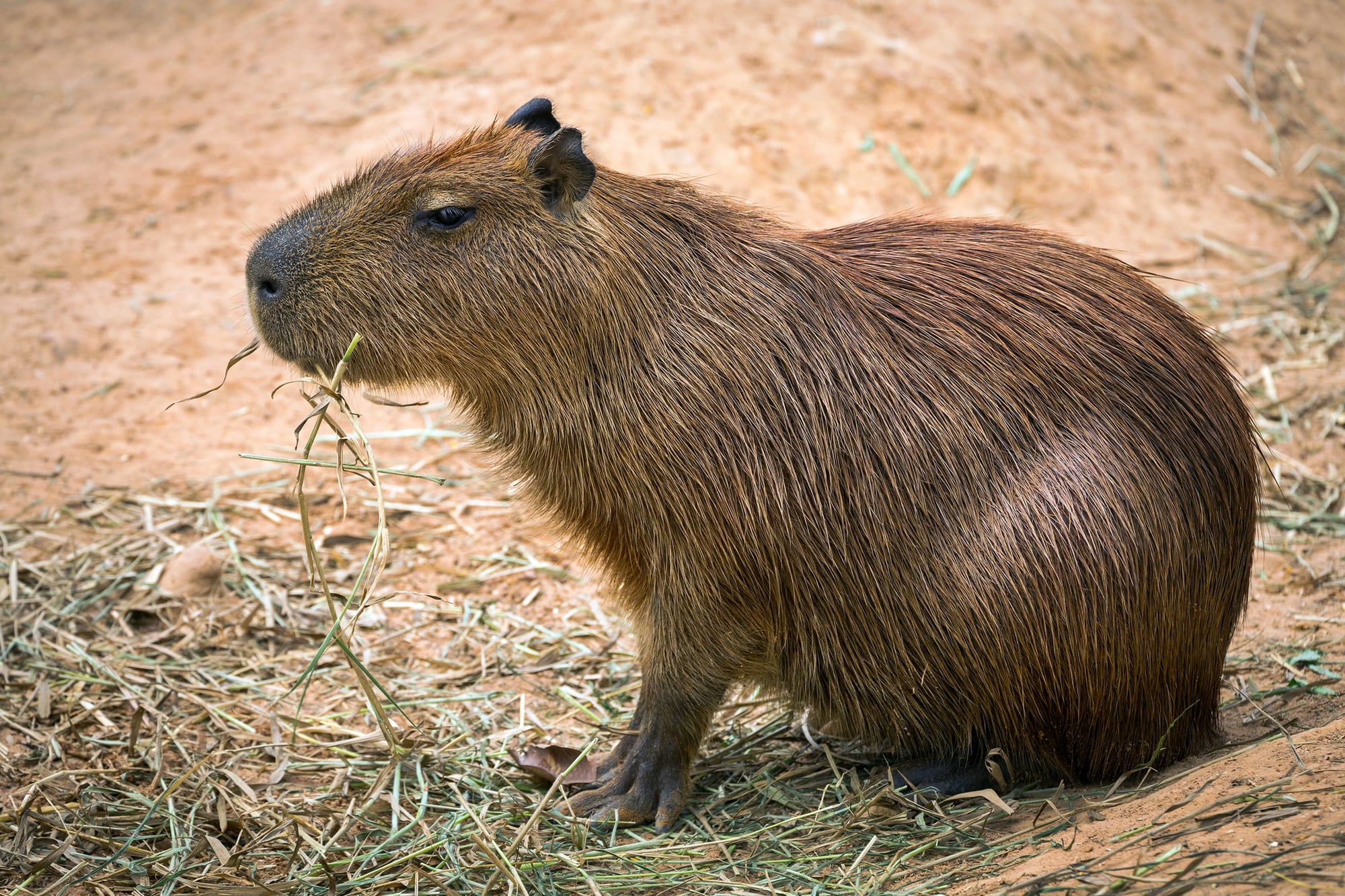
Nothing prepared the internet for its capybara era. The world’s largest rodent — barrel-shaped, placid, and apparently welcome at every other animal’s gathering — became a symbol of effortless social acceptance around 2022, when videos of capybaras lounging alongside birds, monkeys, caimans, and dogs flooded every major platform.
So now it’s a meme, a plush toy, and somehow a personality type.
Mantis Shrimp
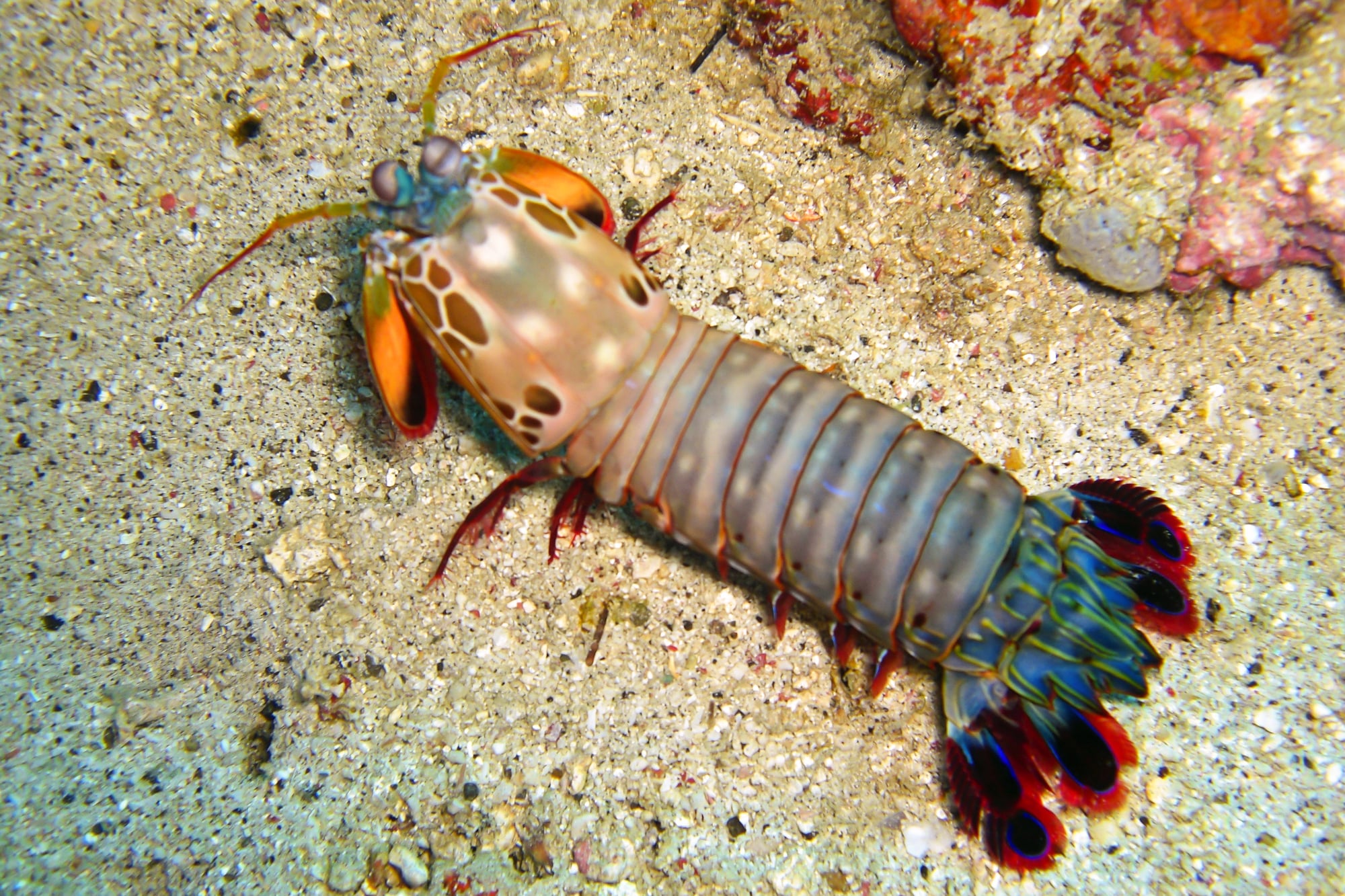
The mantis shrimp punches with the acceleration of a bullet and sees colors in a range so far beyond human perception that describing it is almost pointless. A single viral comic broke the internet’s brain somewhere around 2012 by explaining both facts simultaneously — and the mantis shrimp went from obscure reef creature to beloved icon of nature’s overengineering almost instantly.
To be fair, if you could punch that hard and see that many colors, you’d want people to know about it too.
Blobfish

The blobfish became famous for being ugly, which is a little unfair given the circumstances. In its deep-sea habitat, somewhere around 3,000 feet below the surface, it looks like a normal fish — the grotesque drooping face that launched a thousand memes is the result of pressure change when it’s brought to the surface.
And yet the sad-faced blobfish became a mascot for dejection, a meme template for Mondays, and somehow won a public vote in 2013 for the world’s ugliest animal.
Fossa

The fossa is Madagascar’s apex predator, and it looks like a cat and a mongoose had an argument that ended in a compromise. It moved from relative obscurity to widespread internet recognition partly through the Madagascar animated films and partly through wildlife documentary clips that showed it doing things that seemed implausible for its size.
Lean, fast, and deeply strange-looking — it was always going to catch on eventually.
Saiga Antelope
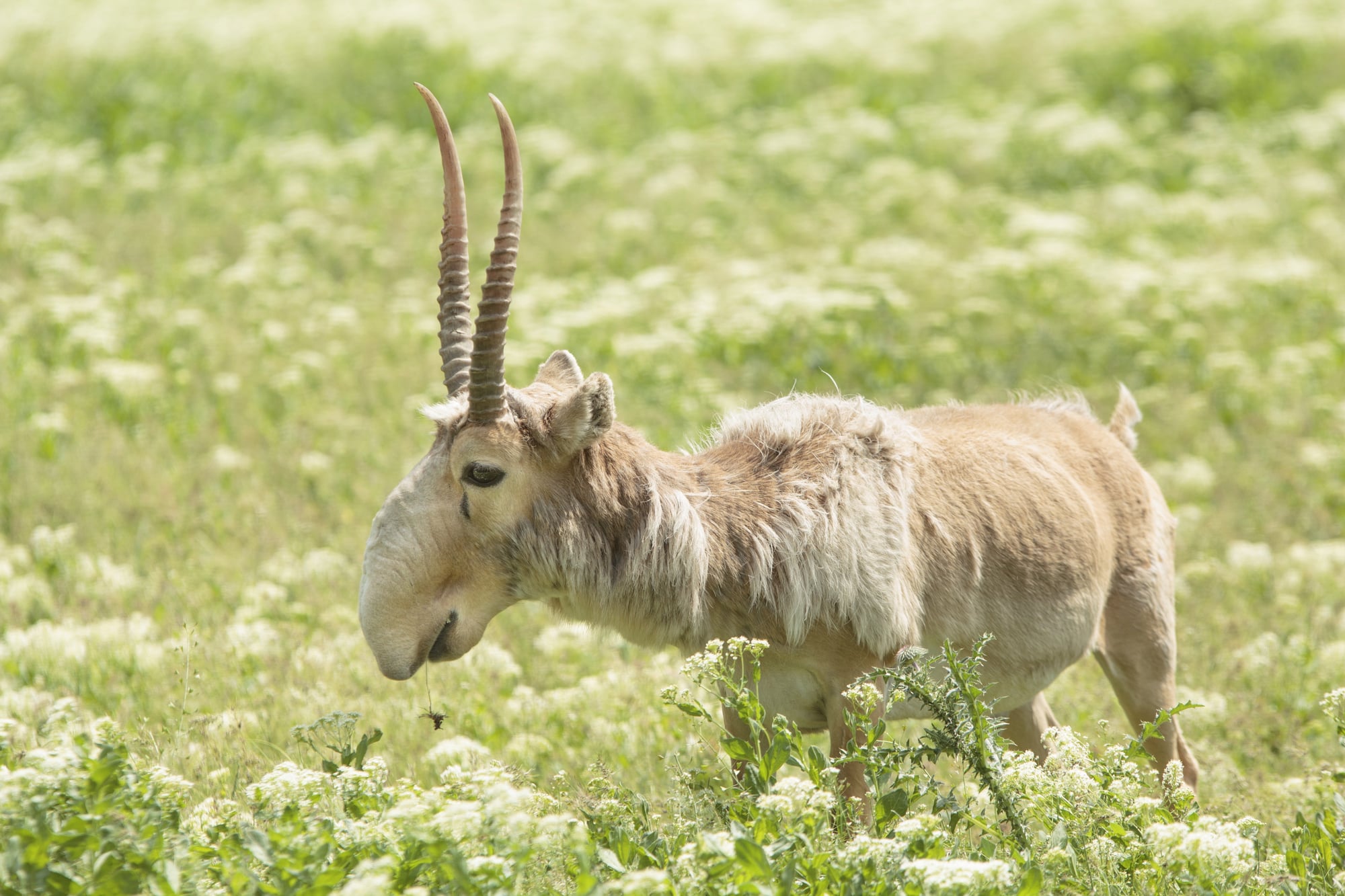
The saiga antelope has a nose that looks like it was designed by a committee that couldn’t agree on anything. That dramatically oversized, downward-curving proboscis — functional in filtering dust and warming cold air — turned it into a viral sensation the moment a well-circulated nature photo made the rounds.
The fact that it’s also critically endangered gave the virality an uncomfortable undertone that more than a few wildlife organizations tried to convert into conservation attention.
Red Panda
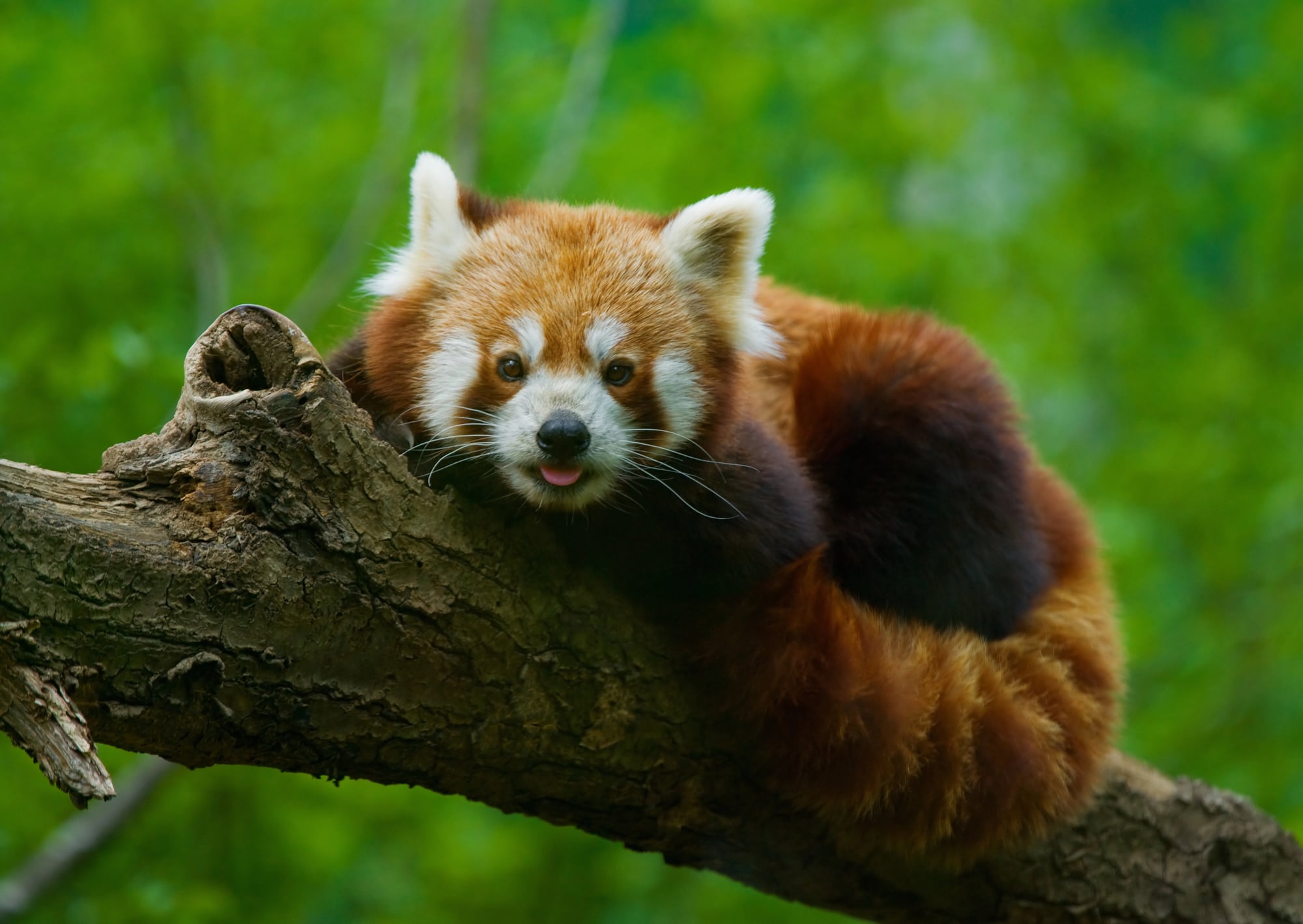
Red pandas were internet-famous before “internet-famous” was a concept. When footage of a red panda doing just about anything — eating bamboo, startled by its own reflection, flopped across a branch — gets uploaded anywhere, the engagement follows automatically, almost gravitationally.
They occupy a rare space where mainstream audiences and wildlife conservationists both care deeply, which is saying something.
Dumbo Octopus
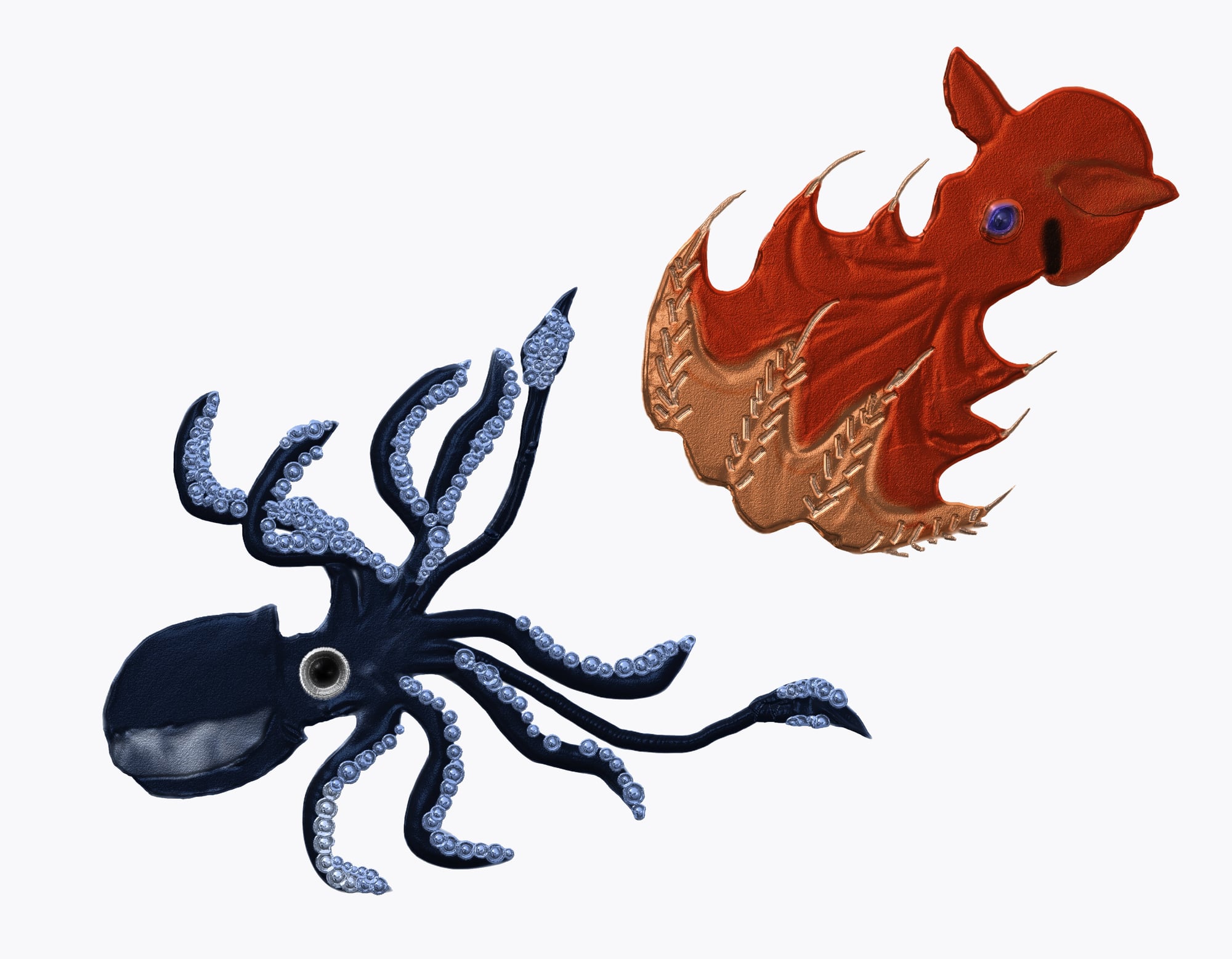
The dumbo octopus — named for the ear-like fins it uses to navigate the deep ocean — looks like a creature someone invented to prove that evolution has a sense of humor. Deep-sea footage of one floating through the water with those floppy fins moving gently caused a brief but intense wave of internet affection every time a new clip surfaced.
It’s the kind of animal that makes people momentarily forget they were scrolling past it for something else entirely.
Pangolin

The pangolin is armored like a pine cone and moves like it knows it — deliberate, coiled, entirely committed to its own strange geometry. It became an internet presence largely through conservation campaigns, since all eight species are threatened or critically endangered, but the virality of the footage outlasted the awareness campaigns.
Watching a pangolin curl into a perfect sphere when threatened is, genuinely, one of the more satisfying things nature produces.
Tardigrade
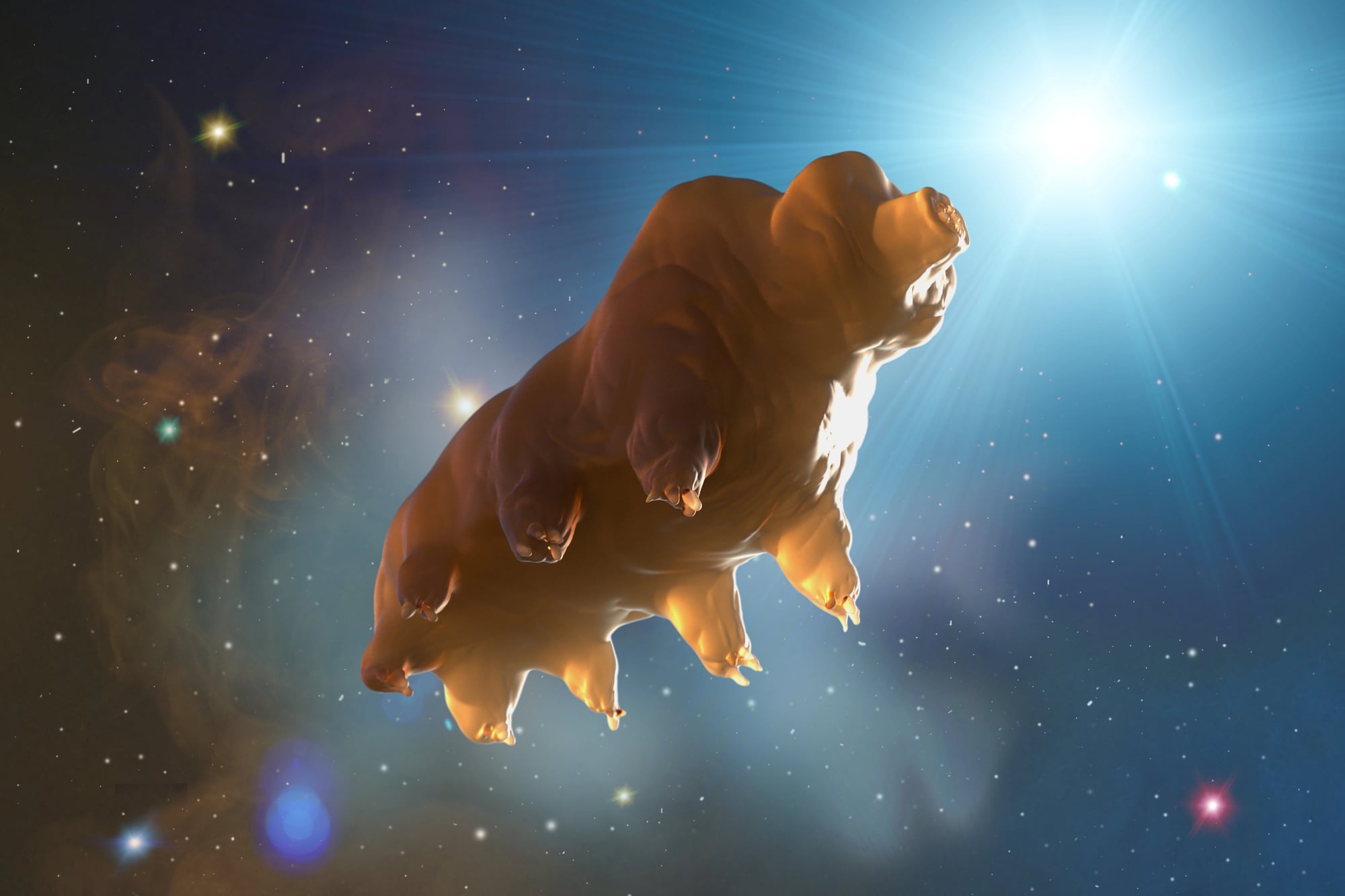
Tardigrades are microscopic, nearly indestructible, and look under a microscope like a tiny bear wearing a suit two sizes too large. They survive vacuum, radiation, extreme temperature, and the pressure of deep space — and when that information started circulating alongside electron microscope images around 2015, the internet collectively adopted them as a mascot for resilience.
“Water bears,” as they’re commonly called, now appear on everything from tattoos to motivational posters.
Tarsier

The tarsier has eyes that are, proportionally, larger than its brain — each one roughly the size of its entire skull if you were to scale the math up to human dimensions. That fact alone would be enough to make it internet-famous, but the photographs sealed it: enormous amber eyes staring out from a tiny face, attached to fingers that wrap around branches like something from a myth.
The tarsier looks permanently astonished, which resonates.
Maned Wolf
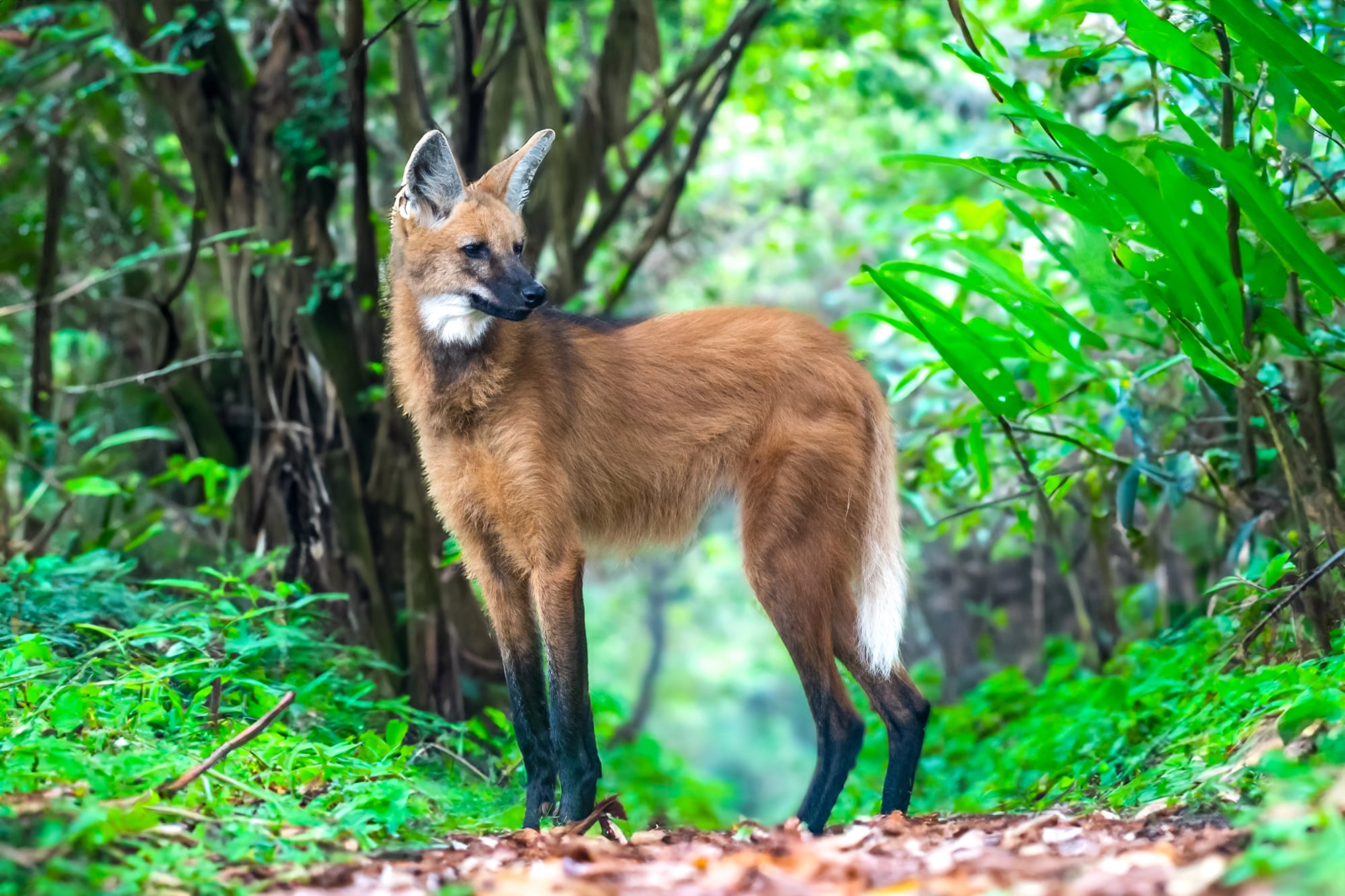
The maned wolf looks like someone placed a fox’s head on legs that belong to a completely different animal and then hit save before finishing the rest. Native to South America’s grasslands, it needs those improbably long legs to see over the tall grass — which is a practical explanation that the internet received as only making it more interesting.
Its nickname, “the fox on stilts,” arrived approximately five minutes after the first widely shared photo did.
Aye-Aye

The aye-aye is Madagascar’s most unsettling resident, and that island has some stiff competition. It has rodent-like teeth, enormous reflective eyes, and one elongated skeletal middle finger it uses to tap on wood and extract grubs — a technique called percussive foraging that sounds significantly more civilized than it looks.
Local superstition historically cast the aye-aye as a bad omen, but the internet reframed it as a misunderstood oddity, which, to be fair, is a more accurate read.
Sea Pig

Sea pigs — technically a species of sea cucumber in the genus Scotoplanes — roam the deep ocean floor in groups of hundreds, translucent and pink, moving on stubby tube feet with a determination that seems absurd given how little there appears to be to get to. A single oceanographic research clip of a crowd of them shuffling across the seafloor turned into an immediate sensation, partly because no one expected the deep ocean to contain anything that looked that cheerful.
They cover the bottom of some ocean trenches so densely that deep-sea trawl nets sometimes pull up hundreds at a time.
Shoebill Stork
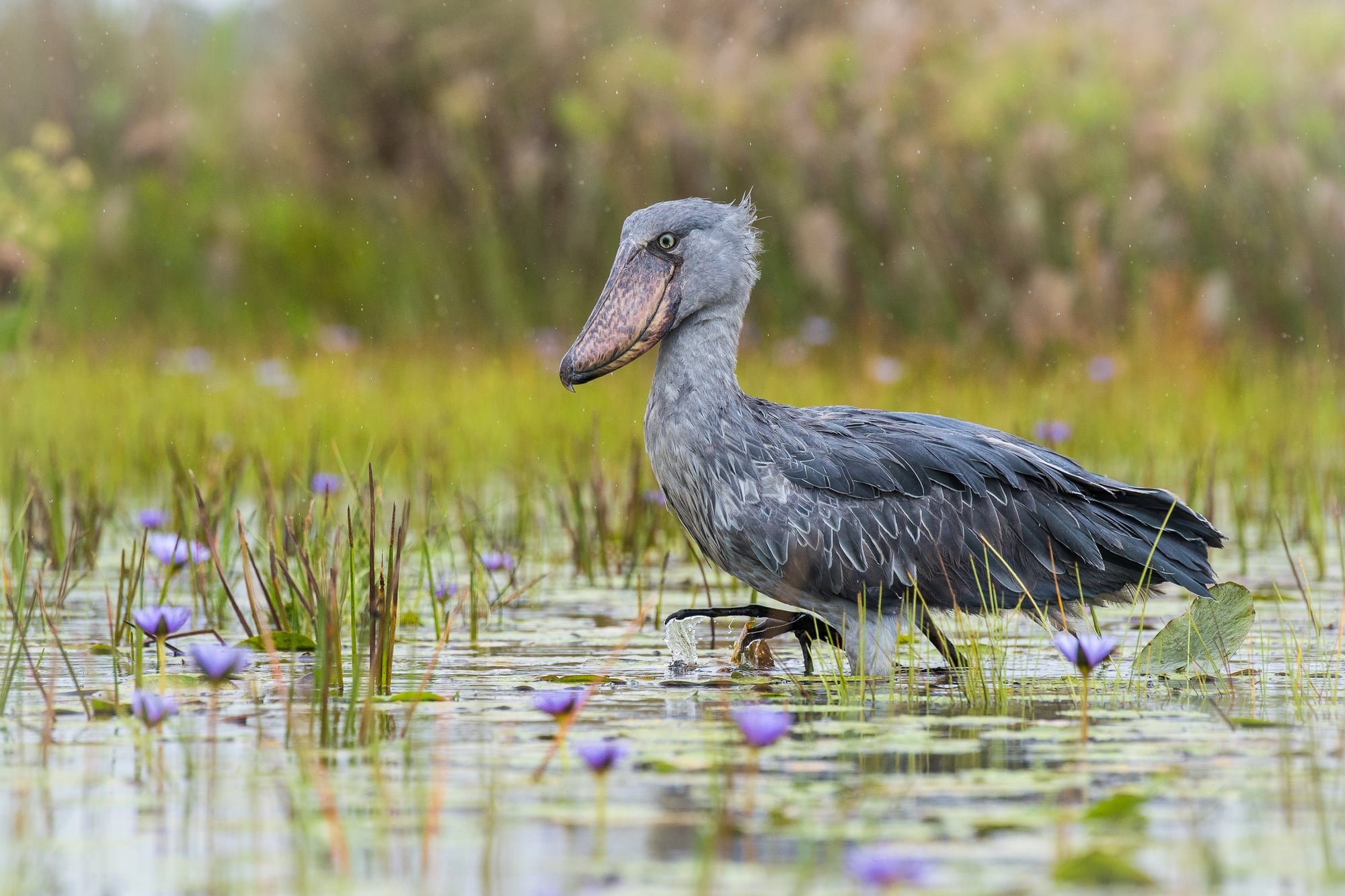
The shoebill stork stands around five feet tall, barely moves, and stares at things — including humans — with a fixed, prehistoric patience that reads less like watchfulness and more like judgment. It became viral currency through zoo footage where visitors clearly expected some kind of reaction and received absolutely nothing in return.
That complete indifference to being observed is the whole joke, and the whole point.
Irrawaddy Dolphin

The Irrawaddy dolphin has a rounded, blunt face with no prominent beak — closer in silhouette to a beluga than to the bottlenose dolphins most people picture. When photos circulated showing one appearing to “spit” water at fish to herd them (a cooperative behavior it shares with local fishermen in Myanmar and Bangladesh), the combination of the unusual face and the clearly intelligent behavior created a perfect viral loop.
It’s an animal that looks approachable and then reveals it’s been solving problems you didn’t know were problems.
Thorny Dragon
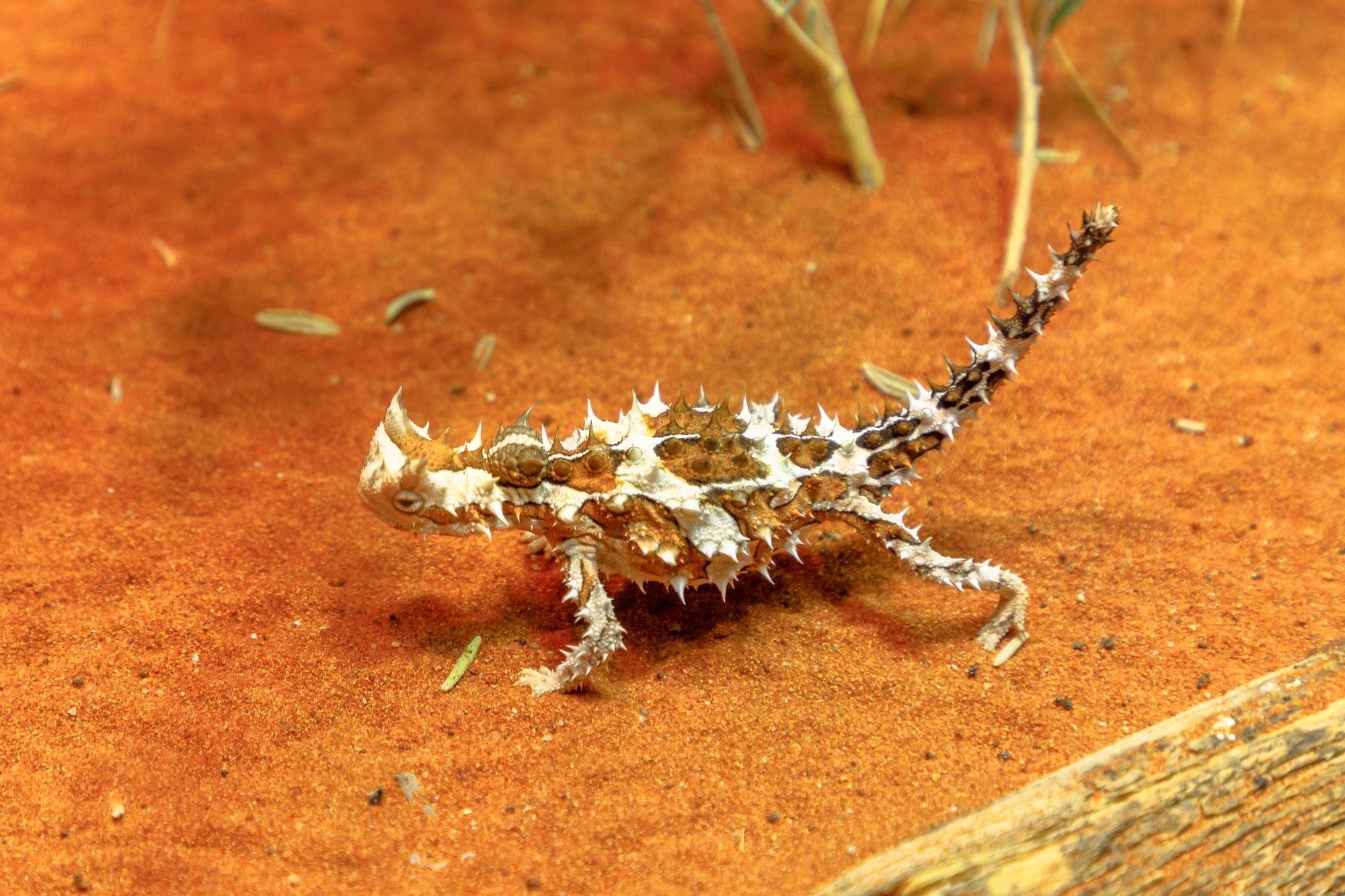
The thorny dragon is a small Australian lizard covered entirely in conical spikes that, combined with its jerky, leaf-mimicking walk, makes it look less like a real animal and more like a CGI effect that wandered off a film set. It drinks water through its skin via capillary action, drawing moisture up from damp sand through channels between its scales — a fact that circulated alongside photos and gave the already visually striking creature a second wave of attention.
Nature, turns out, occasionally overbuilds.
Japanese Dwarf Flying Squirrel

The Japanese dwarf flying squirrel — Pteromys momonga — exists in the mountain forests of Japan and looks, without exaggeration, like it was designed specifically to trend. Large dark eyes, a flat face, and a membrane that stretches between its limbs for gliding give it an appearance so cartoonishly soft that images of it spread across the internet with zero assistance from any official campaign.
It simply exists and people cannot stop sharing that fact.
Mimic Octopus
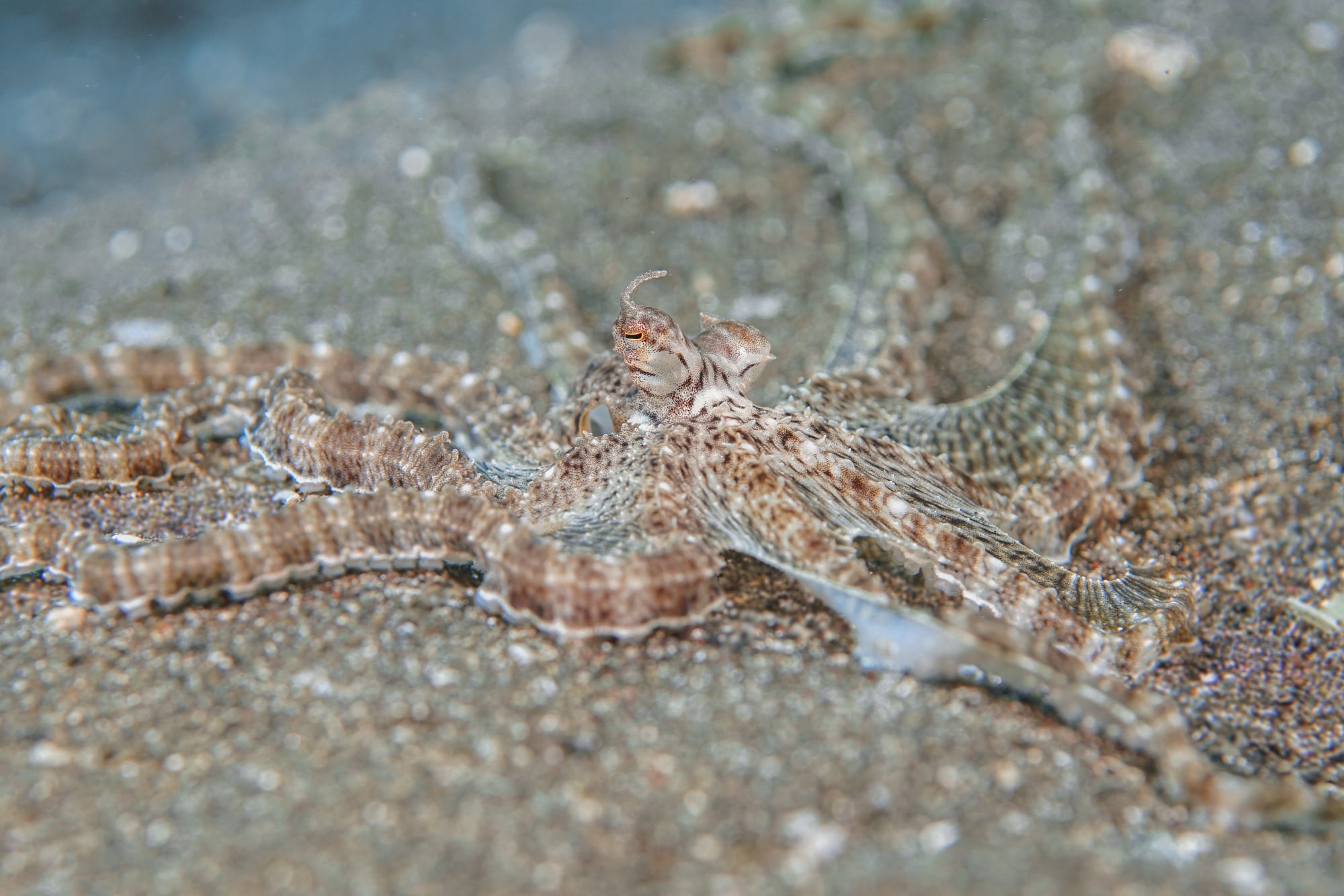
The mimic octopus doesn’t just change color the way other cephalopods do — it actively impersonates other species, contorting its body to resemble flatfish, lionfish, and sea snakes depending on which predator it’s trying to deter. The first widely shared footage of this behavior arrived in the early 2000s and caused a genuine, audible reaction from marine biologists in the clip — which only accelerated how fast it spread.
An animal that has apparently watched other animals and taken notes is going to get attention.
Honduran White Bat
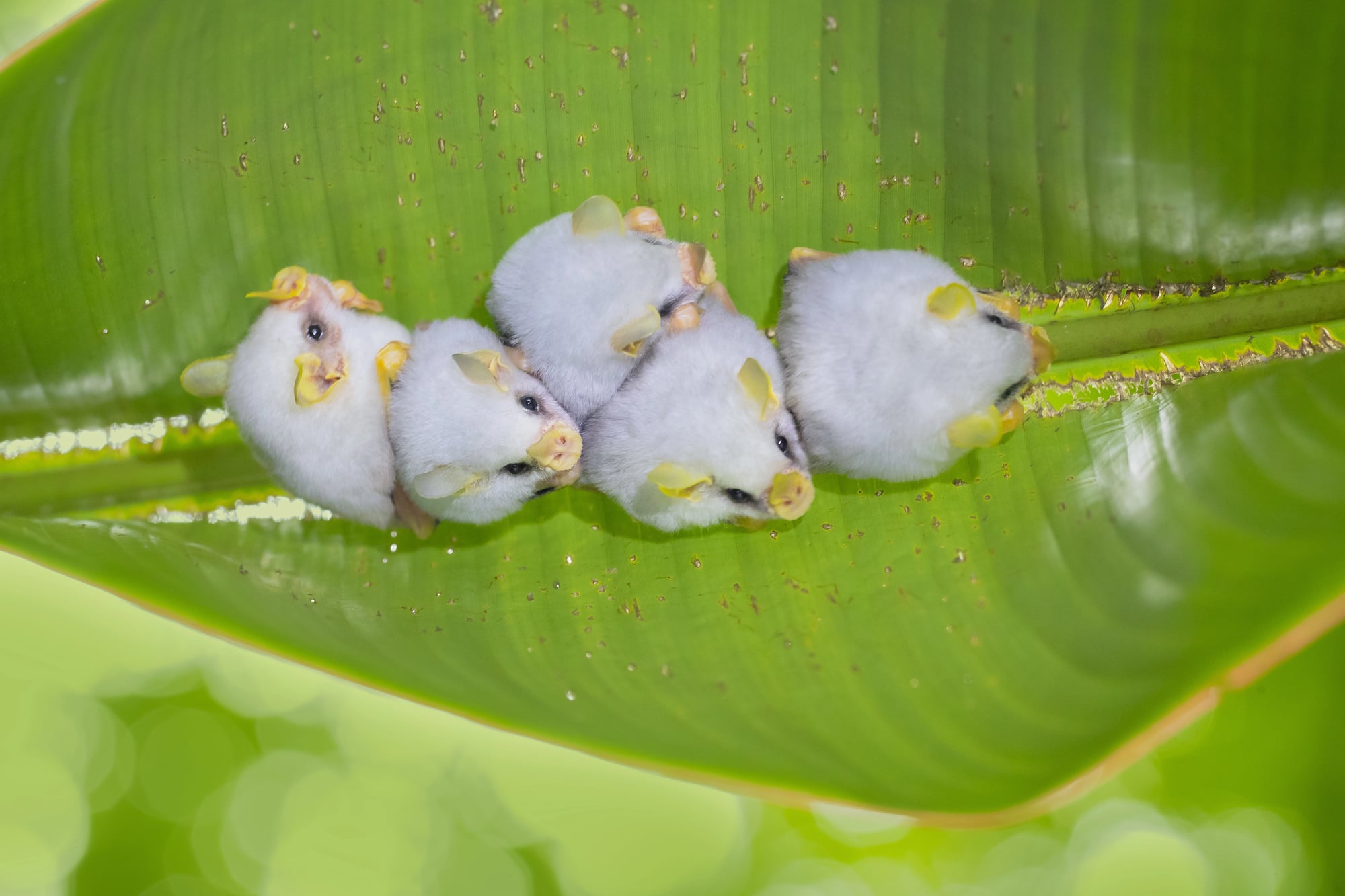
The Honduran white bat is tiny, roosts in groups of up to a dozen individuals inside a heliconia leaf it cuts and folds into a tent, and is — this is not an exaggeration — pure white with a yellow nose and ears. A photograph of several of them hanging in a line inside their leaf tent, looking like small cotton swabs with opinions, circulated so widely that the species became the unexpected face of more than one wildlife organization’s fundraising materials.
It’s hard to argue with the results.
Mole Rat
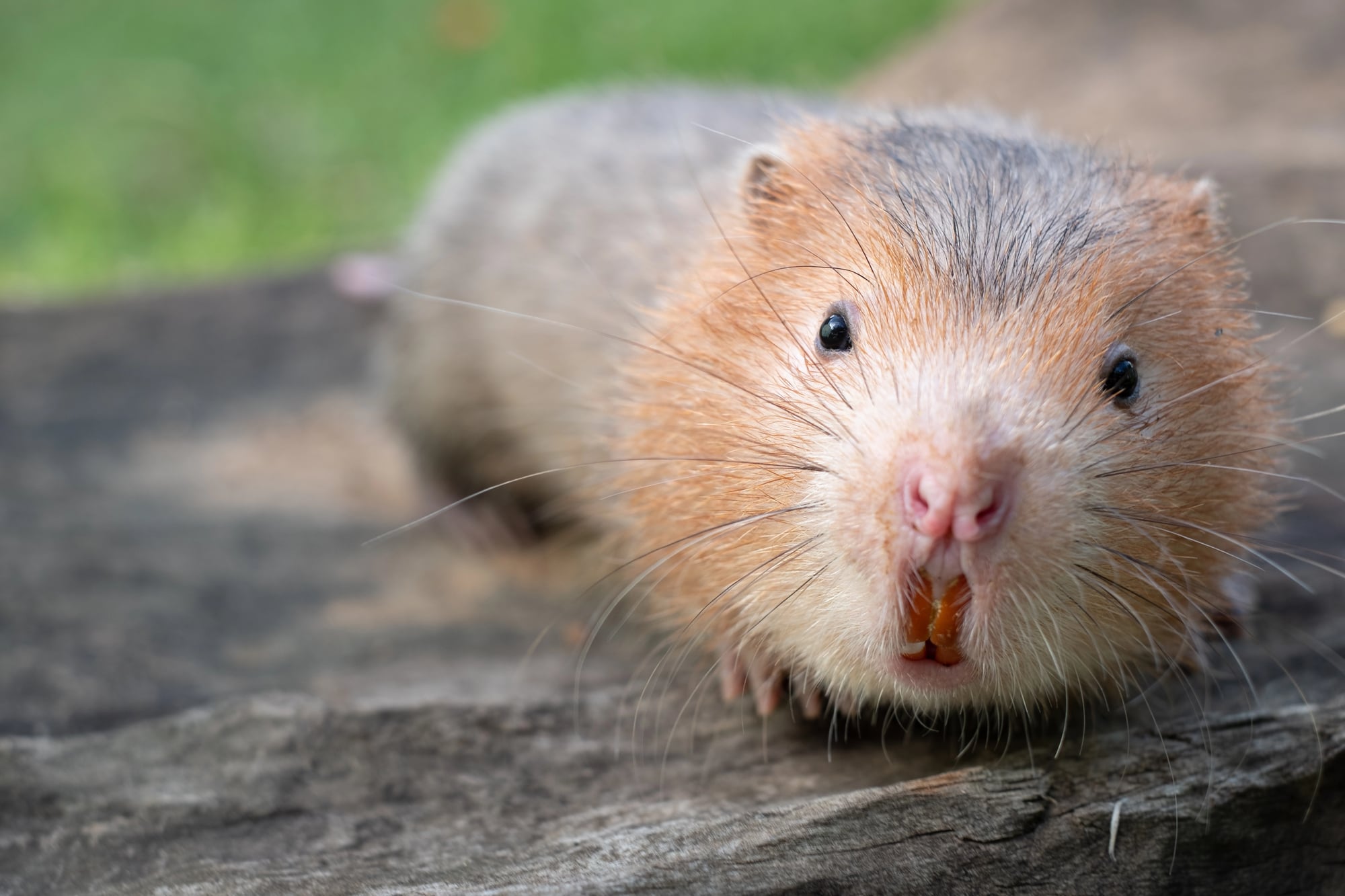
The mole rat became famous in the most democratic way possible: by being genuinely, fascinatingly weird across multiple categories at once. It’s cold-blooded (extraordinarily rare for a mammal), nearly immune to cancer, resistant to certain kinds of pain, and lives in a eusocial colony structure closer to a bee hive than a mammal group — all of which made it irresistible to science communicators, who turned those facts into content that kept finding new audiences for years.
Kim Possible’s Rufus didn’t hurt the cause, either.
Fiddler Crab

The fiddler crab’s oversized claw — carried by the males and used almost entirely for display and competition rather than actual function — became a recurring image in discussions about evolutionary excess, biological extravagance, and what happens when a feature gets selected for aesthetics rather than utility. One claw so dominant it throws off the animal’s symmetry entirely, waved at rivals on tidal flats across the tropics: it’s the kind of thing that makes perfect, maddening sense once you understand it.
Star-Nosed Mole
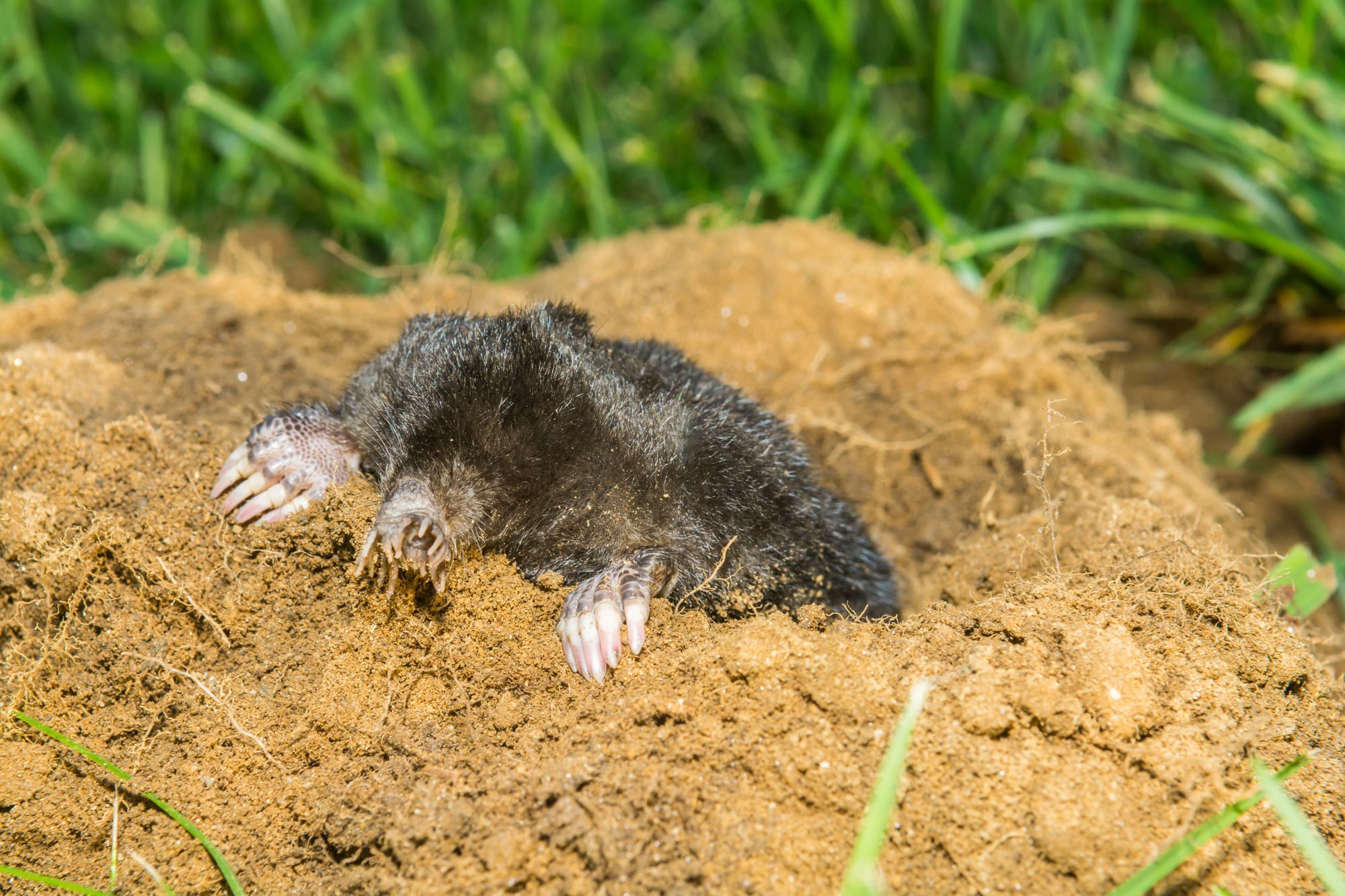
The star-nosed mole has twenty-two fleshy, pink appendages ringing its snout in a shape that looks less like a nose and more like something a marine biologist would find in sediment. It’s the fastest-eating mammal on record — capable of identifying and consuming food in under 227 milliseconds — and that combination of unsettling appearance and freakish ability made it a fixture in “most bizarre animals” content for years.
It navigates entirely by touch and does so faster than the human eye can track.
Pistol Shrimp
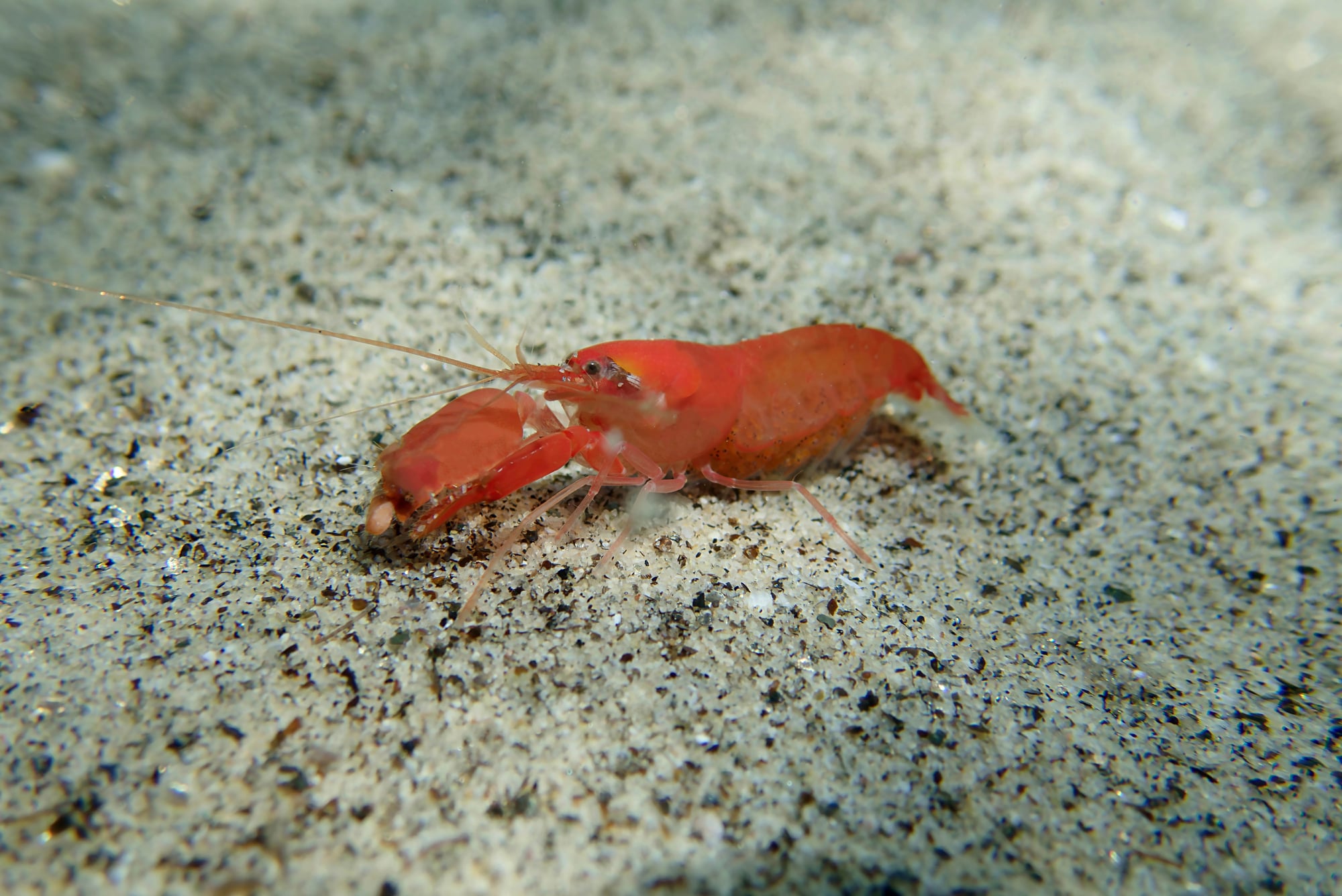
The pistol shrimp snaps its claw so fast that it creates a cavitation bubble — a tiny pocket of near-vacuum that collapses at temperatures briefly approaching those on the surface of the sun, producing a flash of light and a shockwave that stuns or kills prey. That single fact, once it started circulating with proper context around 2016, turned the pistol shrimp into a minor legend.
An animal that generates a flash of sunlight with its hand is always going to find an audience.
Leafy Sea Dragon

The leafy sea dragon looks less like an animal and more like a handful of kelp that got tired of staying in one place. Every frilled, leaf-shaped appendage is purely decorative — used for camouflage, not locomotion — and the creature drifts through Australian coastal waters on nearly invisible fins, disappearing into the seagrass with a patience that seems almost deliberate.
The first high-definition underwater footage of one in open water circulated so fast that it briefly overwhelmed the websites that posted it.
Kinkajou
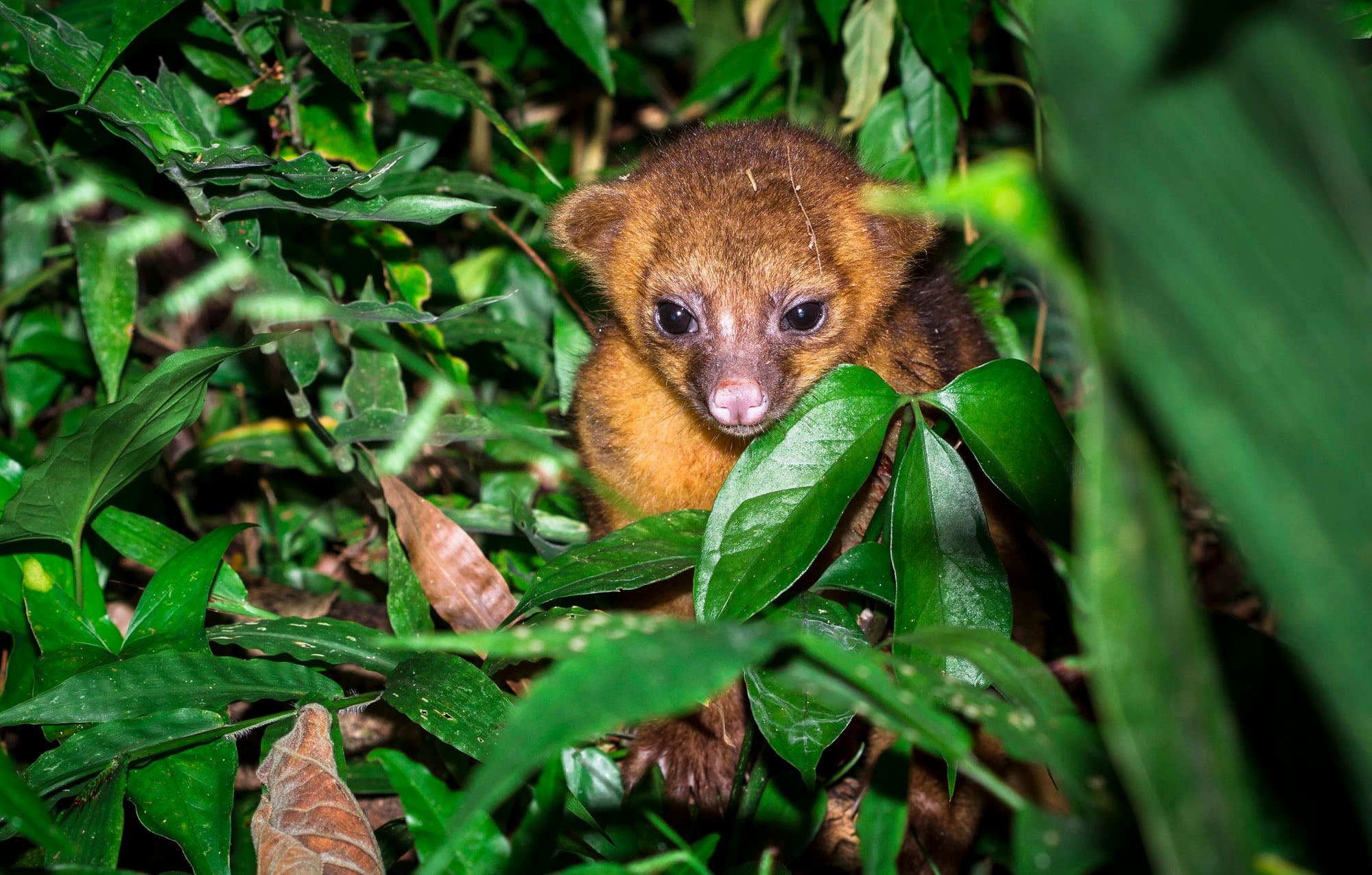
The kinkajou is a nocturnal rainforest mammal with a prehensile tail, enormous eyes, and a way of moving through trees that looks entirely boneless. It’s related to raccoons, which surprises almost everyone who hears it, and its habit of going completely limp when relaxed — fully liquid-shaped — produced a wave of videos that spread across platforms with that specific quality of content where people tag friends with no caption at all, just the video, as if words would ruin it.
Gerenuk

The gerenuk stands on its hind legs to eat from tall acacia branches — fully upright, long neck extended, front legs braced against the tree — and holds that position for minutes at a time with a composure that suggests it has simply decided this is how things work now. Native to East Africa’s dry savanna, it has a neck proportionally longer than most other antelopes and uses it like a tool.
A single widely shared BBC Earth clip of one standing fully vertical while browsing turned it from an obscure species into something people specifically searched for afterward.
When a Photo Changes Everything

There’s a pattern underneath all of this, and it’s not really about the animals. The species on this list were there all along — occupying their niches, running their evolutionary programs, entirely indifferent to whether anyone was paying attention.
What changed was access: a better camera, a researcher with a social media account, a single frame timed just right. The internet didn’t discover these animals so much as it stumbled into them — and then, with the specific enthusiasm of someone who has just learned something incredible, immediately needed everyone else to see it too.
Some of these creatures gained conservation funding as a result. Some gained merchandise lines.
Most gained nothing except a moment of being seen, which, depending on how you look at it, might be the most honest thing the internet has ever offered anything.
More from Go2Tutors!

3333333DepositPhotos
- The Romanov Crown Jewels and Their Tragic Fate
- 13 Historical Mysteries That Science Still Can’t Solve
- Famous Hoaxes That Fooled the World for Years
- 15 Child Stars with Tragic Adult Lives
- 16 Famous Jewelry Pieces in History
Like Go2Tutors’s content? Follow us on MSN.



