Cartoon Intros That Hit Differently Now
Saturday mornings used to mean one thing: cereal, pajamas, and cartoons. The intros alone could get anyone hyped up for the day ahead.
But watching those same openings as an adult brings a totally different feeling. The music hits harder, the visuals mean more, and suddenly there’s this wave of nostalgia mixed with a bunch of emotions that weren’t there before.
Let’s take a trip back through some of those unforgettable openings and see why they land so differently today.
DuckTales
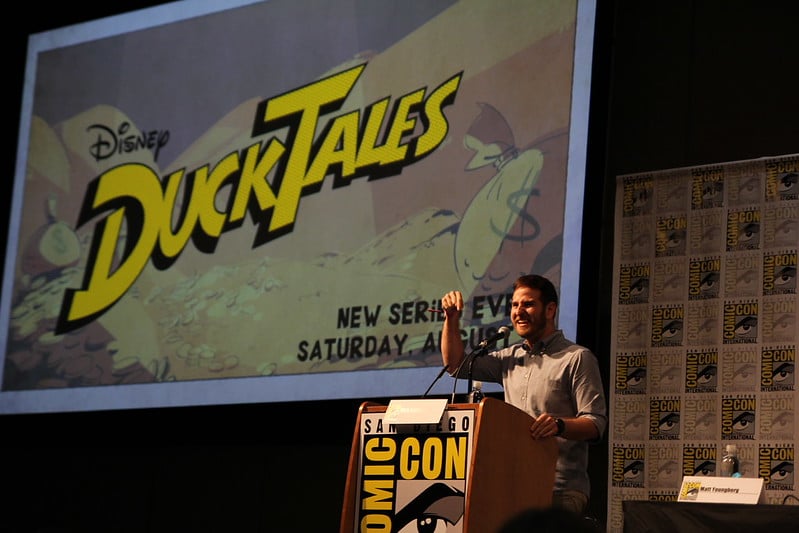
That theme song still slaps, no argument there. The adventure, the treasure hunting, the fact that Scrooge McDuck literally swam in money like it was a pool.
Kids saw fun and excitement, but adults saw a billionaire duck who made his nephews work for their keep while he hoarded gold coins. The animation was top-notch for its time, and that earworm of a tune gets stuck in the head for days.
Rewatching it now makes people realize just how much they wanted to go on wild adventures instead of paying bills.
ThunderCats

The opening started with that epic sword raise and the words ‘ThunderCats, ho!’ echoing across the screen. Lion-O looked so cool transforming from a kid into a grown warrior.
But looking back, the whole setup was kind of dark when you think about it. These aliens crash-landed on a strange planet, lost most of their people, and had to fight for survival every single day.
The intro made it look heroic and exciting, but it was actually pretty heavy stuff for a kids’ show.
Teenage Mutant Ninja Turtles

Four turtles living in a sewer, eating pizza, and fighting crime with their rat dad. The intro was pure energy with that rock guitar and rapid-fire scenes of the brothers in action.
Kids thought it was the coolest thing ever. Adults now wonder how those turtles afforded all that pizza on no visible income and whether Splinter ever got tired of raising four teenage boys with zero help.
The intro still goes hard though, and that theme song is forever stuck in the brain.
Gargoyles
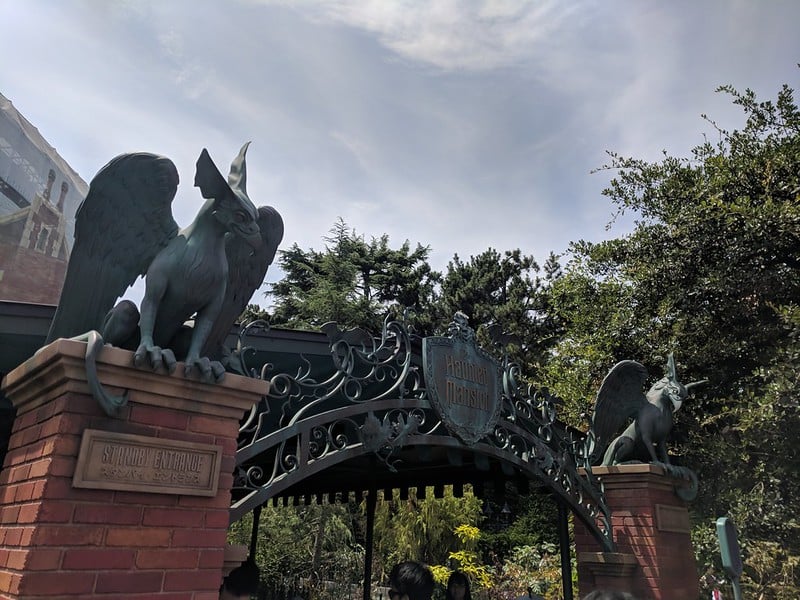
This intro was intense right from the first note. The stone statues coming to life at night in modern New York City created this perfect blend of ancient mythology and contemporary setting.
The music was orchestral and dramatic, nothing like the upbeat tunes most cartoons had. Watching it now, the intro feels like it belonged to a prestige drama series rather than a Saturday morning cartoon.
The show tackled heavy themes like isolation, betrayal, and finding your place in a world that feared you.
Batman: The Animated Series

The intro had no words, just that incredible Danny Elfman score and beautifully dark animation. Batman swooping through Gotham, criminals running scared, and that art deco style that made everything look like a noir film.
It set the tone perfectly. Now it’s clear this wasn’t just a cartoon, it was genuine art.
The intro proved that animation could be sophisticated and moody without talking down to its audience. Every frame looked like it could hang in a gallery.
X-Men
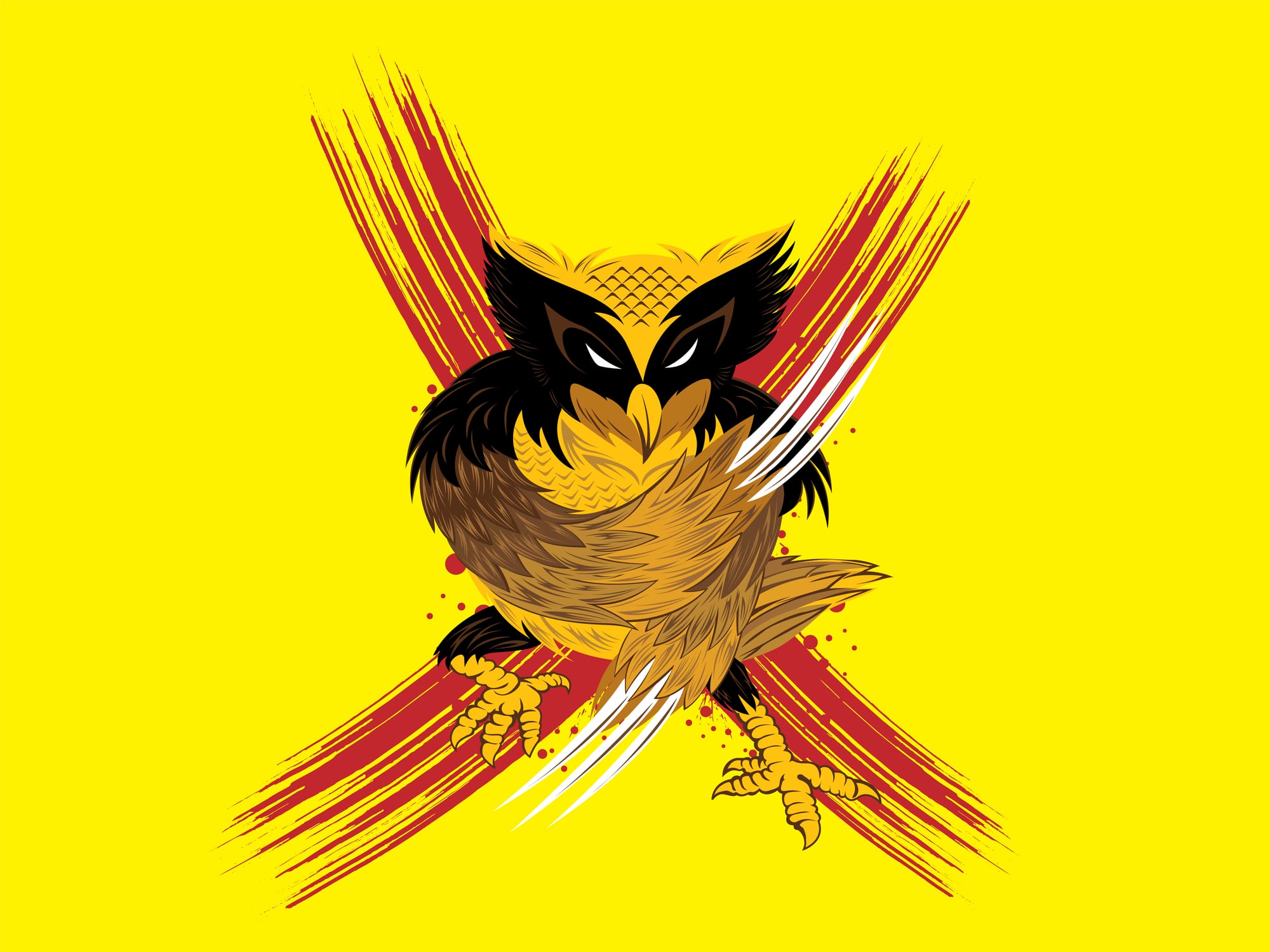
That guitar riff at the start could wake the dead. The intro showed off each character’s powers in quick succession while they struck dramatic poses against colorful backgrounds.
The whole thing screamed 1990s in the best way possible. Rewatching it now, the themes of prejudice and acceptance that the show explored feel even more relevant.
The intro was fun and flashy, but the show itself dealt with serious issues about being different and fighting for equality.
The Simpsons

The couch gag, the school, the grocery store, the nuclear plant. This intro became so iconic that people can picture every single moment without even trying.
What seemed like a funny, slightly rebellious family show has now been on the air for over three decades. The intro hasn’t changed much, but the world around it has completely transformed.
Watching it now feels like looking at a time capsule of American family life that somehow stayed relevant through multiple generations.
Animaniacs

Chaos from the very first second. Yakko, Wakko, and Dot bouncing around the Warner Bros. lot while belting out their own theme song was pure controlled mayhem.
The intro promised exactly what the show delivered: rapid-fire jokes, cartoon violence, and humor that flew over kids’ heads straight to the parents. Adults watching now catch all those references and innuendos that went completely unnoticed back then.
The intro was basically a warning label for the wonderful insanity that followed.
Chip ‘n Dale: Rescue Rangers
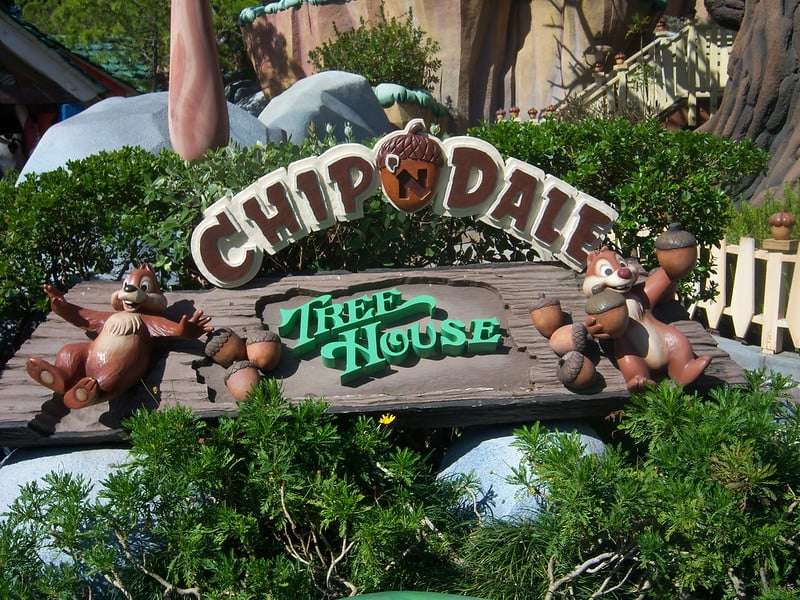
Two chipmunks in bomber jackets solving crimes with their misfit team of friends. The intro made it look like the most exciting detective agency ever.
The theme song was annoyingly catchy in the best way, and those little crime-solving montages got everyone ready for adventure. Looking back, the whole premise was wonderfully absurd.
Tiny animals with gadgets and vehicles taking on criminals in a world where humans barely noticed them. The intro sold that fantasy perfectly.
TaleSpin
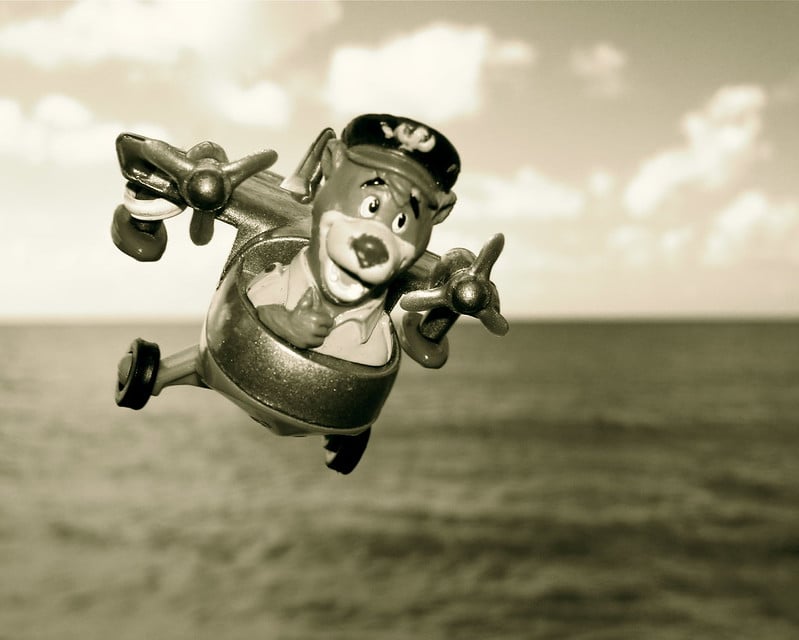
Baloo the bear as a cargo pilot flying through the jungle. This intro combined adventure, cool planes, and characters from The Jungle Book in a completely new setting.
The theme song had that swing jazz feel that made everything seem fun and carefree. Watching it now, there’s something comforting about the idea of leaving everything behind to fly cargo planes and have simple adventures.
The intro captured that escapist fantasy of just taking off and leaving responsibilities on the ground.
Darkwing Duck
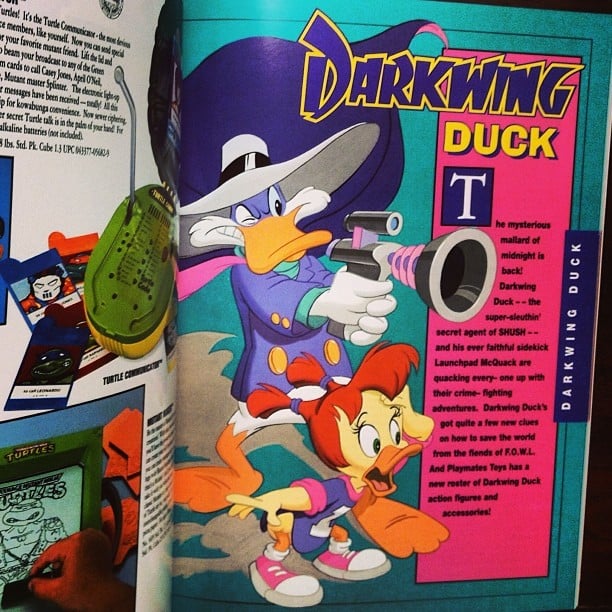
‘Let’s get dangerous’ became an instant catchphrase thanks to this intro. The mysterious hero perched on rooftops, the dramatic smoke effects, and that purple costume made Darkwing Duck look like the coolest crime fighter around.
He was basically a parody of Batman, but the intro played it completely straight. Adults now appreciate the self-aware humor and the way the show poked fun at superhero tropes while still being genuinely entertaining.
The intro promised adventure with a wink, and that’s exactly what viewers got.
Hey Arnold!

That jazz music, the city scenes, Arnold walking through his neighborhood with his football-shaped head. The intro felt different from other cartoons because it was so grounded and real.
Kids saw a show about a nice boy and his friends. Adults now see a kid dealing with absent parents, living with his grandparents, navigating urban life and complex friendships.
The intro had this bittersweet quality that perfectly matched the show’s tone. It was never trying to be loud or flashy, just honest.
Rugrats
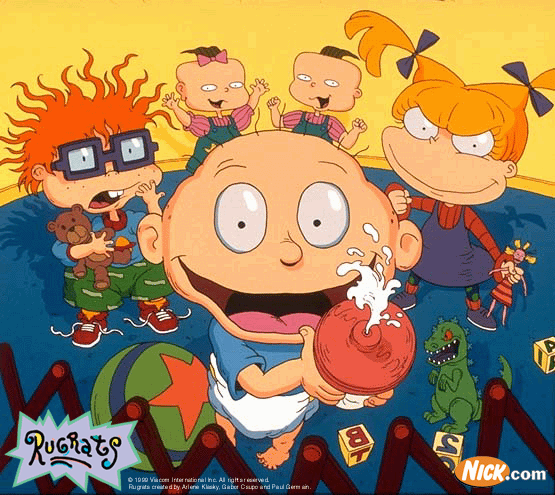
The baby perspective made this intro unique from the start. Seeing the world from a crib, with parents as giants and everyday objects as obstacles, created this whole universe out of a living room.
The music was playful and slightly chaotic, matching the energy of toddlers on an adventure. Rewatching it now, there’s something touching about how the show treated babies as complete people with thoughts, feelings, and complex social dynamics.
The intro captured that imagination that turns a backyard into an entire world.
Pinky and the Brain

Two lab mice, one genius and one not so much, trying to take over the world every single night. The intro laid out their whole dynamic in about thirty seconds with that unforgettable theme song.
The absurdity of it all seemed normal as a kid. Adults watching now realize this was basically a show about ambition, failure, and trying the same thing over and over while expecting different results.
The intro was funny and catchy, but it also summed up a pretty existential situation when you really think about it.
Dexter’s Laboratory

A boy genius with a secret lab hidden behind his bookshelf, constantly thwarted by his sister. The intro used minimal dialogue and let the visuals and music do the talking.
The electronic theme song sounded futuristic and matched Dexter’s scientific world perfectly. Looking back, the intro captured that childhood dream of having a secret space where you could create anything without adult interference.
It also showed how siblings will always find a way to mess with each other, no matter how smart one of them thinks they are.
Spider-Man: The Animated Series

‘Spider-Man, Spider-Man, does whatever a spider can.’ That song was already famous, but this version with the electric guitar and updated animation brought it into the 1990s.
The intro showed Spidey swinging through New York, fighting villains, and struggling with his Peter Parker life. Kids thought he was just cool.
Adults now see a guy trying to balance work, relationships, and responsibility while everyone expected him to save the day. The intro hinted at all that pressure while still making it look exciting.
The Powerpuff Girls

Out of nowhere came sugar, a pinch of spice, things kind to taste, then – chemical X slipped in by mistake. Right from the start, each episode spilled that tale without fail.
Not quite toddlers, yet already taking down villains prior to sleep. A quick favorite it turned into, thanks to its look: old-school vibes dressed in new-school motion.
Even today, those opening seconds do not feel tired. Ideas about strength in young girls, about judging too fast – that stuff holds up.
Someone speaking off camera, paired with colors slapped hard across the screen, built a world unlike any other show dared. Ends differently than expected.
Scooby Doo Where Are You!
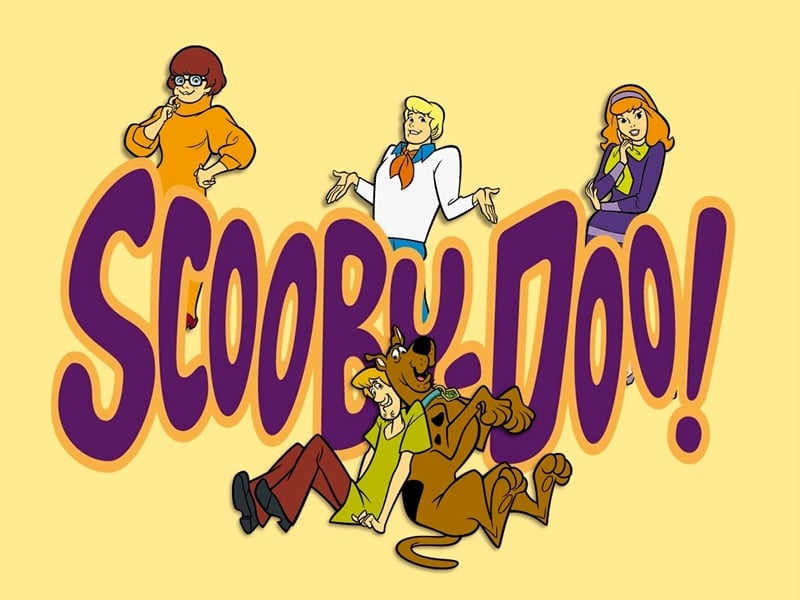
A bunch of kids, one dog, a van – mystery after mystery cracked wide open. Every time, some person hides behind fake fear and painted faces.
Right from the start, the opening scene whispered fun, chills, laughter, without trying too hard. Years passed before folks saw what was really there: a quiet blueprint, repeated again and again since it simply made sense.
Through every version, the opening never changed – its steady presence felt like home. Problems made sense back then, solved fast, while bonds proved strong enough to handle whatever came.
What once felt like longing now feels like respect

Nowhere else did a few seconds of animation carry so much weight. Not merely waiting for the story, these openings shaped how we felt right from the start.
By weaving sound, motion, and setting together, they quietly taught us the rules of each universe. Looking back, childhood joy mixes with details our younger selves missed entirely.
What once seemed playful now shows craft, depth hiding beneath bright colors. Though tied to memory, their real strength lies in execution – smart design that never talked down or wasted moments.
Even today, they stand not because they remind us of being young, but because they were built to last.
More from Go2Tutors!

- The Romanov Crown Jewels and Their Tragic Fate
- 13 Historical Mysteries That Science Still Can’t Solve
- Famous Hoaxes That Fooled the World for Years
- 15 Child Stars with Tragic Adult Lives
- 16 Famous Jewelry Pieces in History
Like Go2Tutors’s content? Follow us on MSN.