16 Countries With the Strangest National Rules You’ve Never Heard Of
Travel guidebooks tell you about visa requirements and tipping customs, but they skip the truly bizarre stuff. Every country has those peculiar laws that make perfect sense to locals and absolutely none to visitors.
Some were created centuries ago and never repealed. Others are surprisingly recent, born from very specific incidents that lawmakers decided should never happen again.
These aren’t the quaint cultural differences that make travel interesting — they’re the head-scratching regulations that can turn an innocent tourist into an accidental lawbreaker.
From banned baby names to mandatory pet ownership, the world’s strangest national rules prove that logic isn’t universal.
Singapore
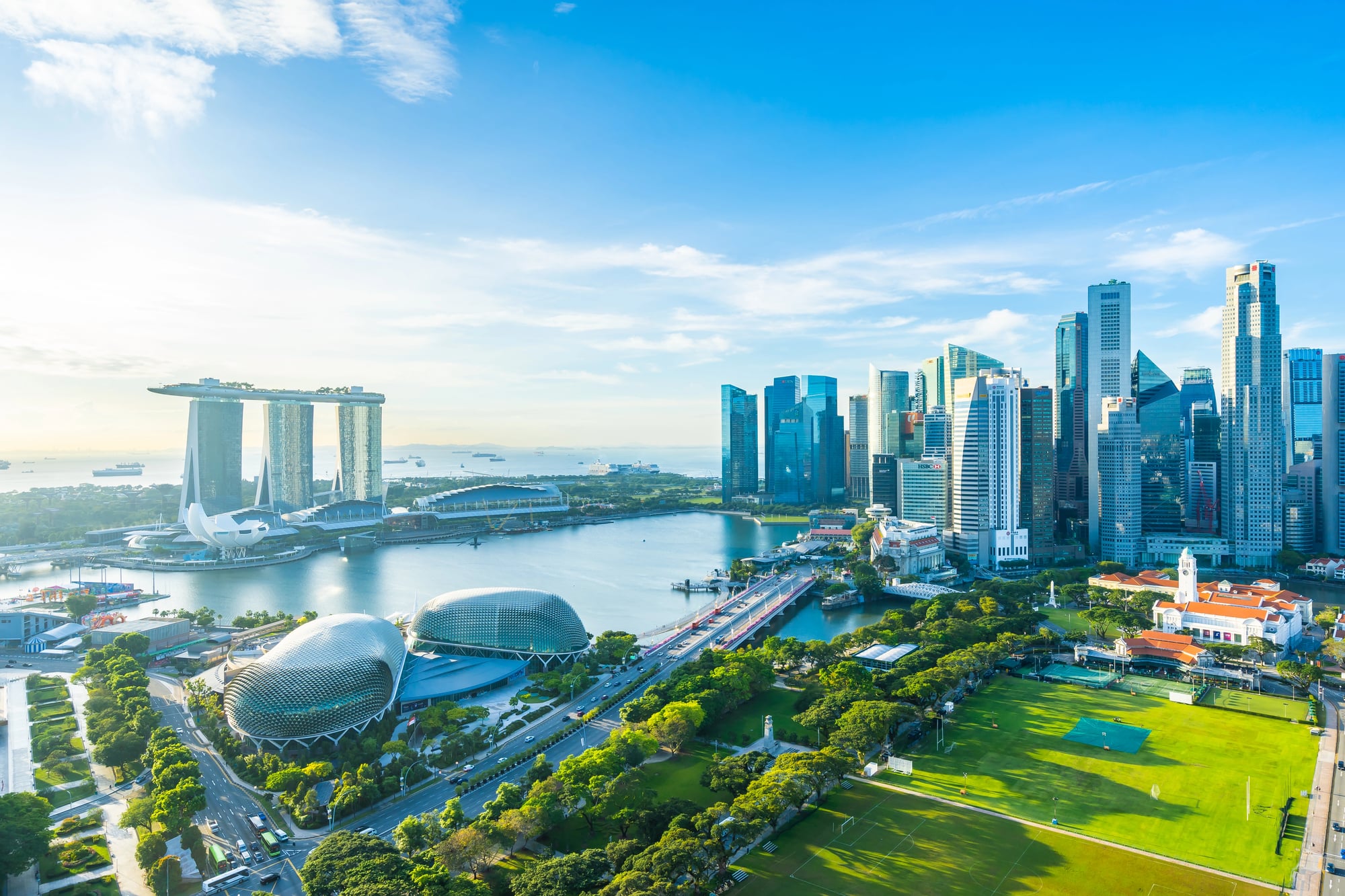
Chewing gum is illegal to sell or import. Not discouraged or taxed heavily — completely banned.
The only exception is therapeutic gum prescribed by a doctor, and you need to register your name when buying it.
This isn’t some ancient law either. Singapore banned gum in 1992 because people kept sticking it on subway doors and elevator buttons, causing expensive delays and repairs. The city-state decided the entire product had to go rather than deal with the mess.
Thailand
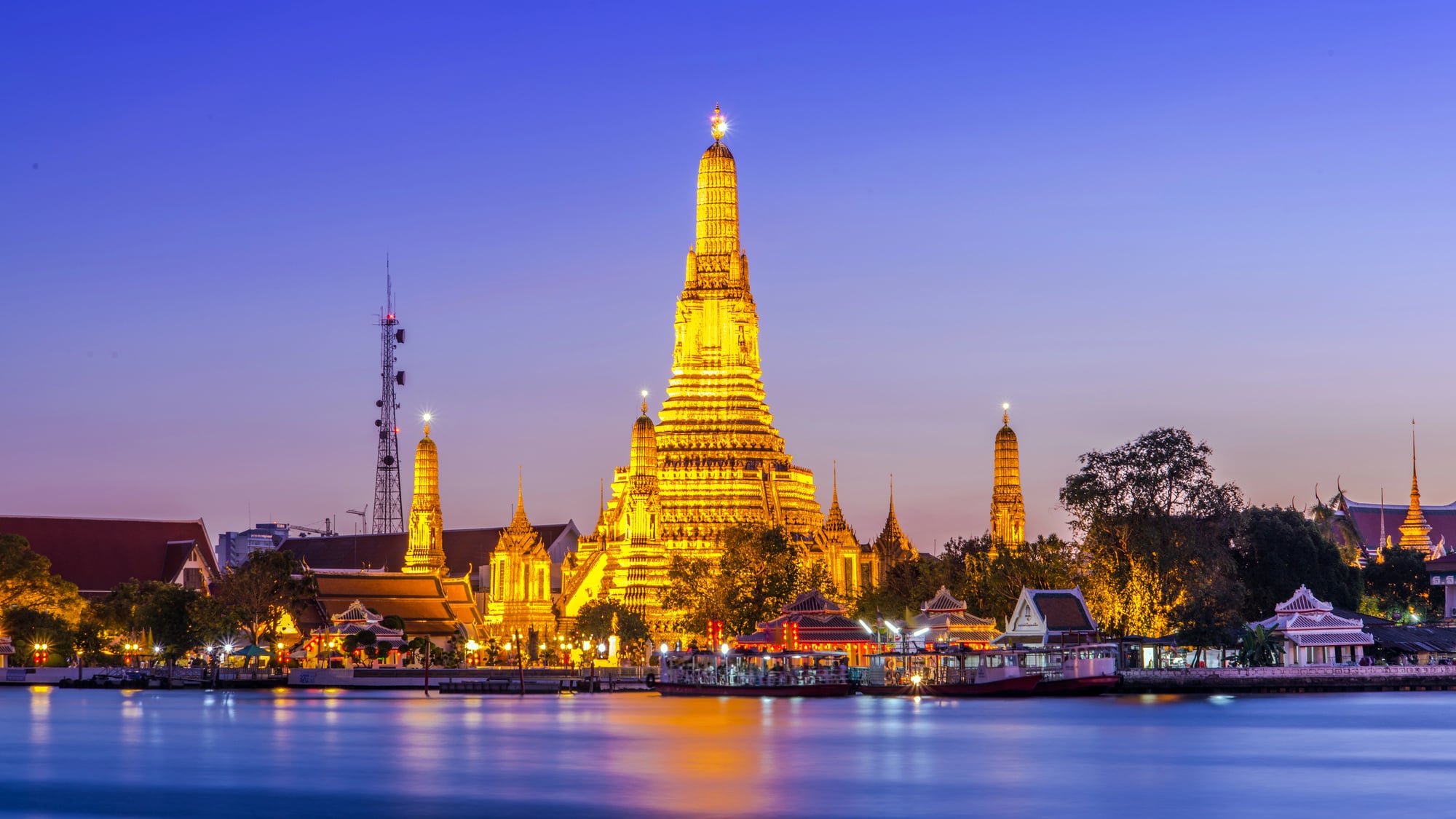
Stepping on money gets you arrested. Thai currency features the king’s image, and any disrespect to royal imagery — including accidentally stepping on a dropped bill — can land you in prison for up to 15 years under the lese-majeste laws.
Tourists have been prosecuted for this. One foreign visitor was charged after stepping on a 20-baht note that had blown onto the ground.
The lesson here isn’t about cultural sensitivity (though that matters) — it’s about checking your feet before you walk away from any transaction.
Germany

Running out of gas on the autobahn is illegal. Not just dangerous or inconvenient — actually against the law.
The fine can reach 80 euros, and if you have to walk to a gas station, that’s another violation since pedestrians aren’t allowed on highways.
The reasoning makes sense in that methodical German way: running out of fuel is considered a preventable situation that creates unnecessary hazards for other drivers.
So you’re essentially being fined for poor planning, which (if you know anything about German efficiency standards) tracks perfectly with national character. And yet most countries just figure getting stranded on a highway is punishment enough.
Japan

Dancing was effectively illegal after midnight until 2015. The Fueiho Law, passed in 1948, prohibited dancing in venues without special licenses, and those licenses came with strict curfews and lighting requirements.
The law was originally aimed at controlling prostitution in post-war dance halls, but it ended up affecting legitimate nightclubs for decades. Police would actually raid clubs and arrest people for dancing too enthusiastically past midnight.
It took until 2015 for lawmakers to finally acknowledge that maybe arresting people for moving to music had gotten a bit ridiculous.
France
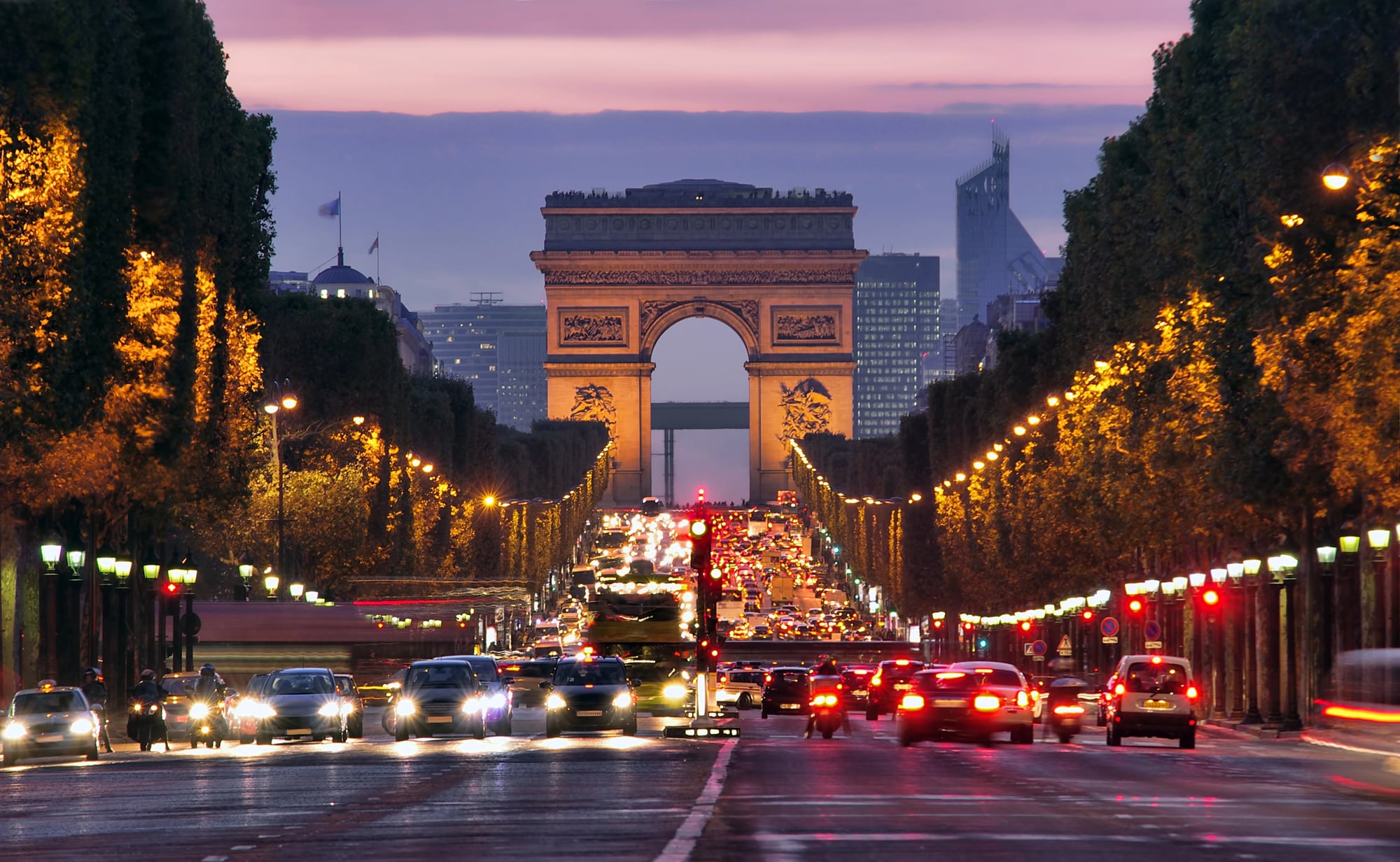
Naming your pig Napoleon is illegal. This law dates back to when Napoleon was actually in power, and insulting the emperor by giving his name to livestock was considered treasonous.
The law technically remains on the books, though it’s doubtful anyone’s been prosecuted for pig-naming in recent decades.
Still, if you’re planning to raise swine in France, maybe stick with names like Pierre or Claude. Just to be safe.
Switzerland
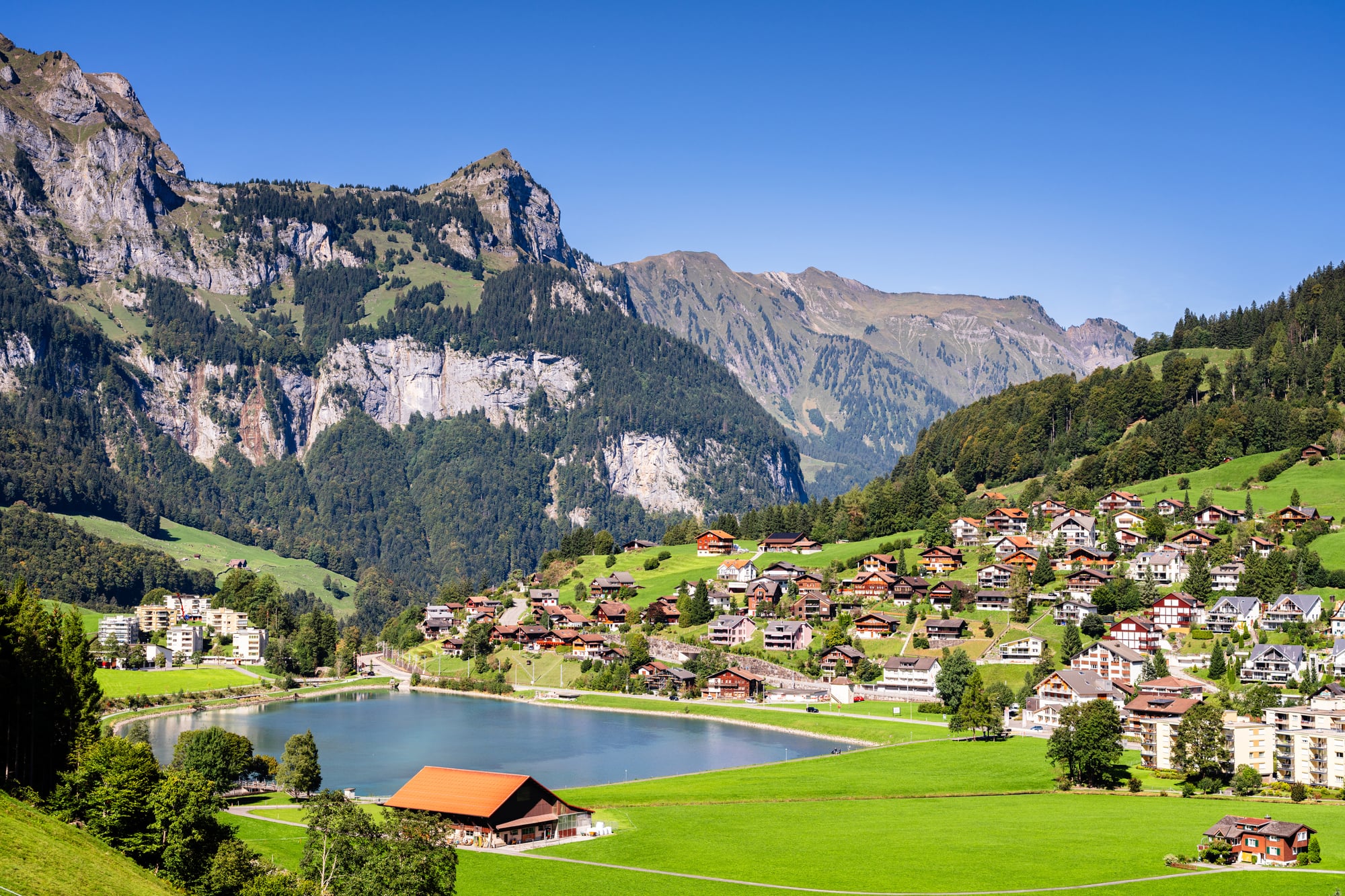
Apartment dwellers can’t flush toilets after 10 PM. The same rule applies to slamming car doors, mowing lawns, or taking showers late at night — anything that might disturb the neighbors is regulated by noise ordinances that treat quiet evenings as a serious matter.
These aren’t just guidelines either. Neighbors can and do file complaints, and repeat offenders face fines.
Switzerland has essentially legislated peace and quiet into existence, which explains why the country feels so eerily calm compared to everywhere else.
Italy
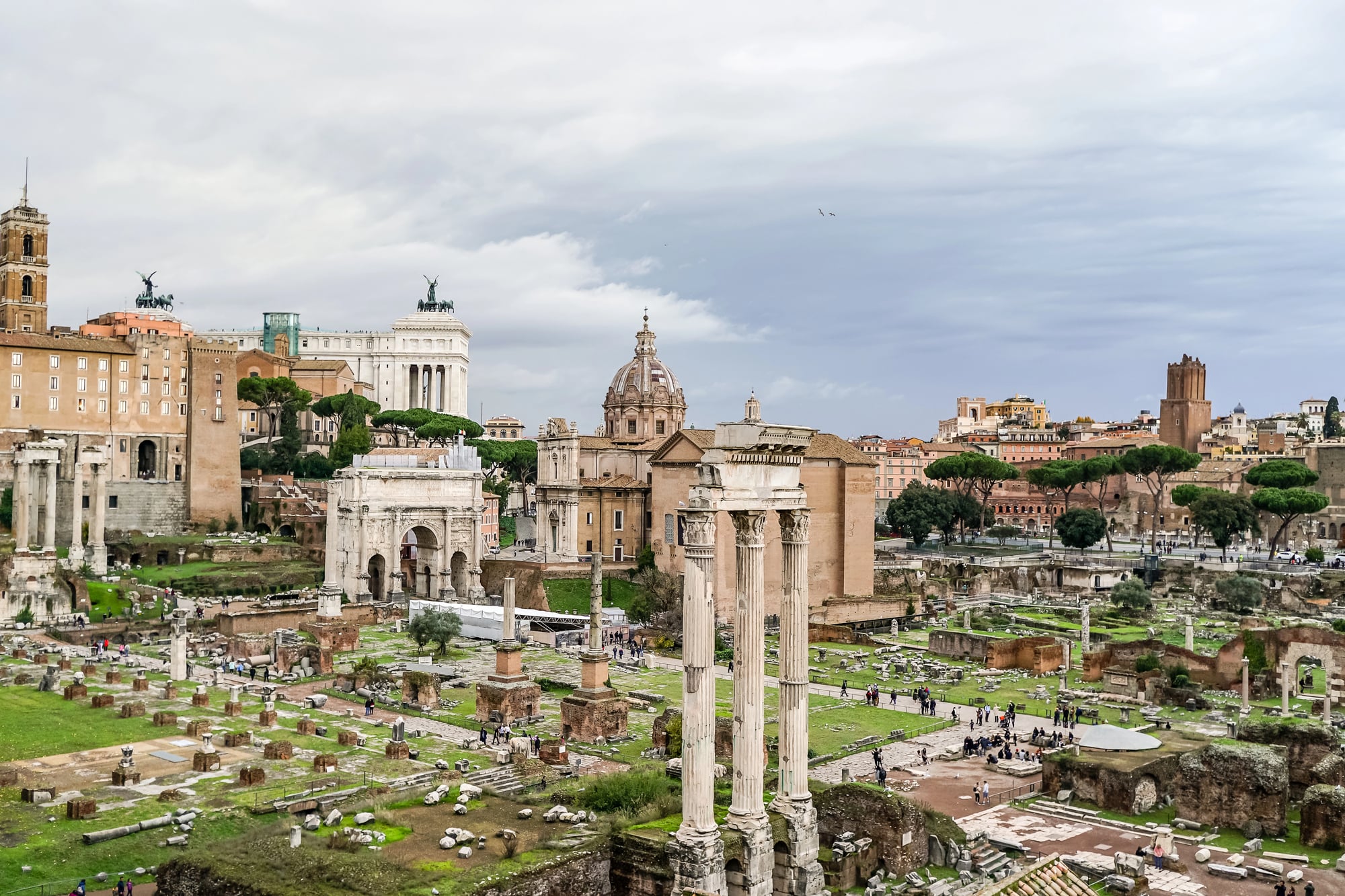
Feeding pigeons in Venice can cost you 500 euros. The city banned pigeon feeding in St. Mark’s Square because the birds were literally eating the historic buildings — their acidic droppings were corroding centuries-old stonework.
Venice tried everything else first. They installed spikes, used birth control pellets, even brought in hawks to scare the pigeons away.
Nothing worked until they started fining tourists who kept feeding them. Turns out the most effective pigeon control was targeting the people with bread crumbs, not the birds themselves.
Denmark
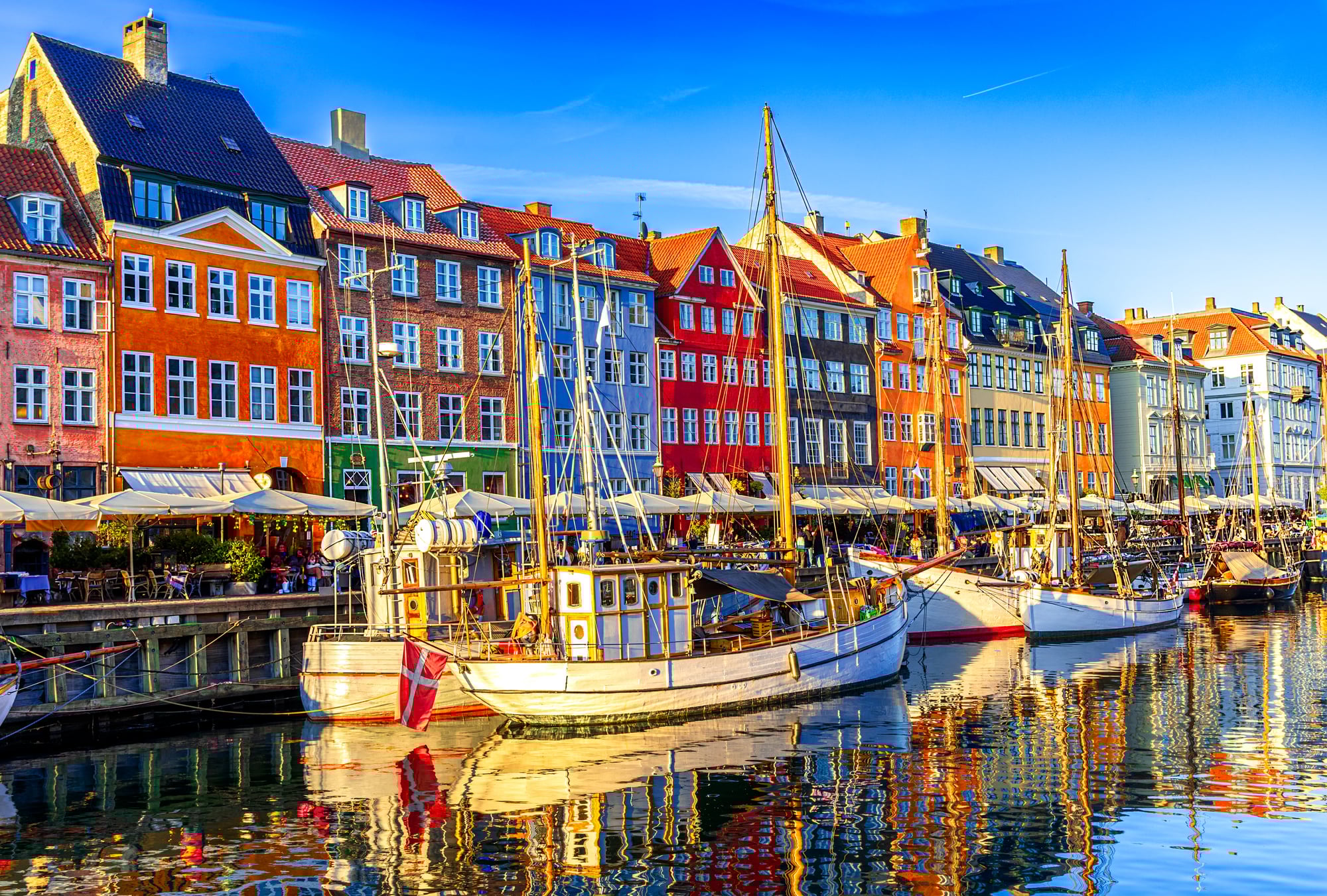
Driving with your car lights off is illegal, even during bright summer days. Danish law requires headlights to be on whenever the car is running, regardless of visibility conditions.
This seems excessive until you consider Denmark’s geography — the country sits far enough north that daylight hours vary dramatically by season. Rather than create complex seasonal regulations about when lights are required, lawmakers just made it simple: lights on, always.
The rule reduces accidents during those tricky dawn and dusk periods when drivers might forget to turn them on manually.
Australia
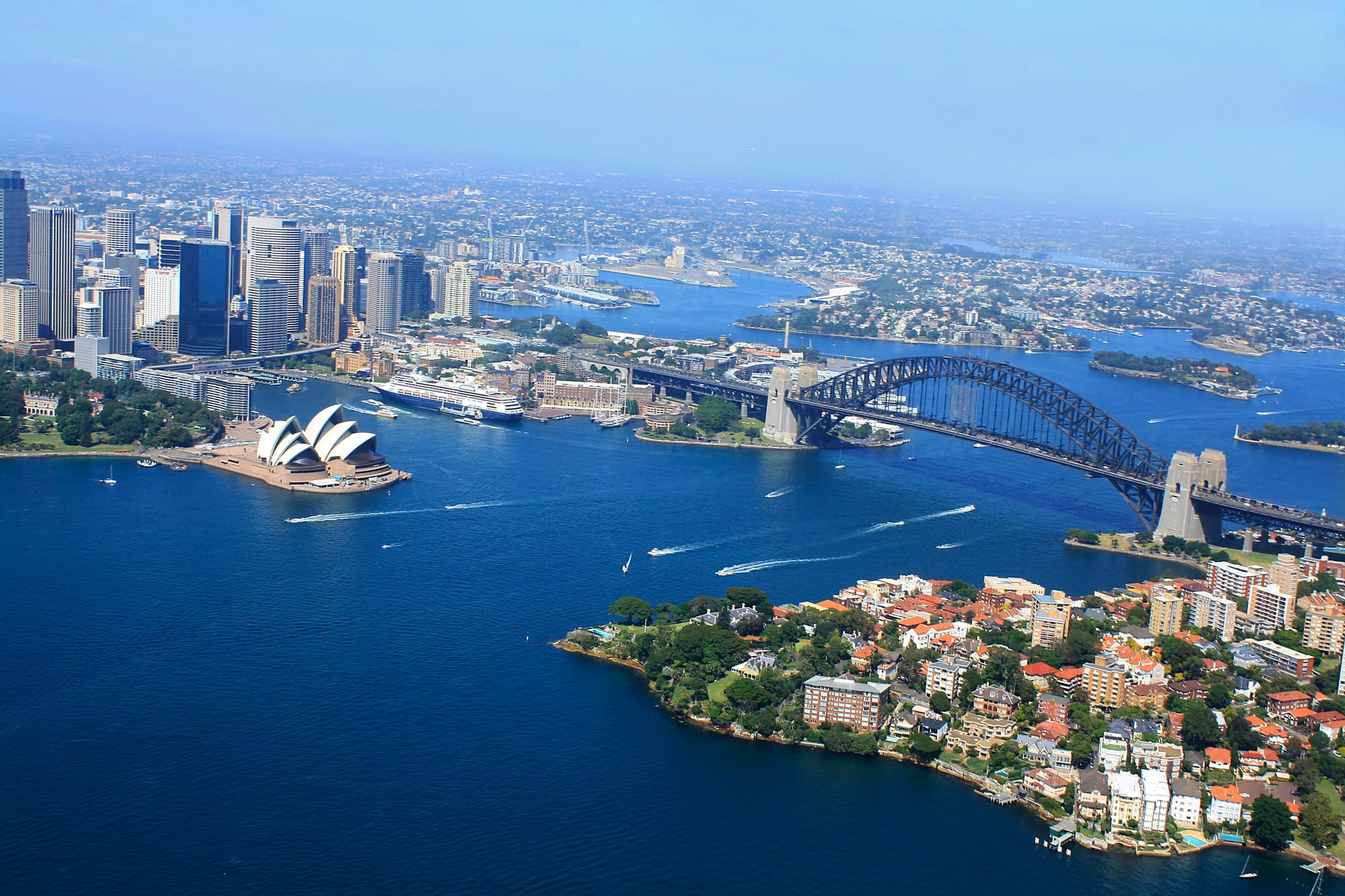
Changing a light bulb requires an electrician’s license in Victoria. Homeowners can’t legally replace their own bulbs without calling in a professional, though the law is rarely enforced for standard household fixtures.
The regulation stems from Australia’s strict electrical safety codes, which classify even simple light bulb changes as electrical work. Most Australians ignore this rule for basic bulb swaps, but technically speaking, DIY lighting maintenance puts you on the wrong side of the law.
It’s one of those regulations that sounds reasonable in theory (electrical safety matters) but feels absurd in practice (it’s just a light bulb).
Canada
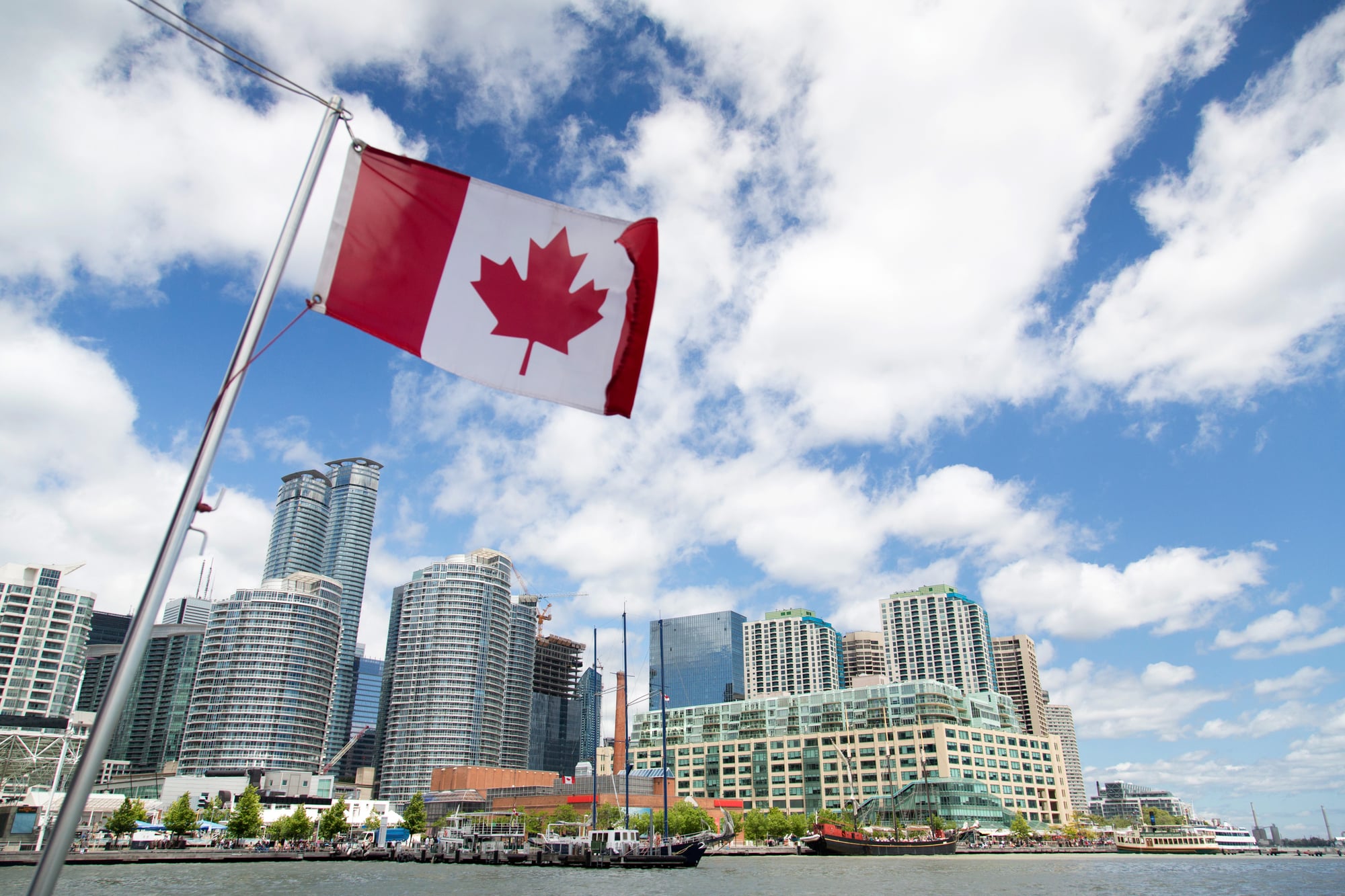
Comic books depicting crime are illegal. The Criminal Code specifically prohibits comics that focus on criminal activities, though enforcement is practically nonexistent in the modern era.
This law was passed in 1949 during the moral panic about comic books corrupting children. Lawmakers were particularly concerned about crime comics that glorified criminal behavior, so they banned the entire genre.
The law remains technically active, which means a significant portion of graphic novels sold in Canadian bookstores are operating in a legal gray area.
Saudi Arabia
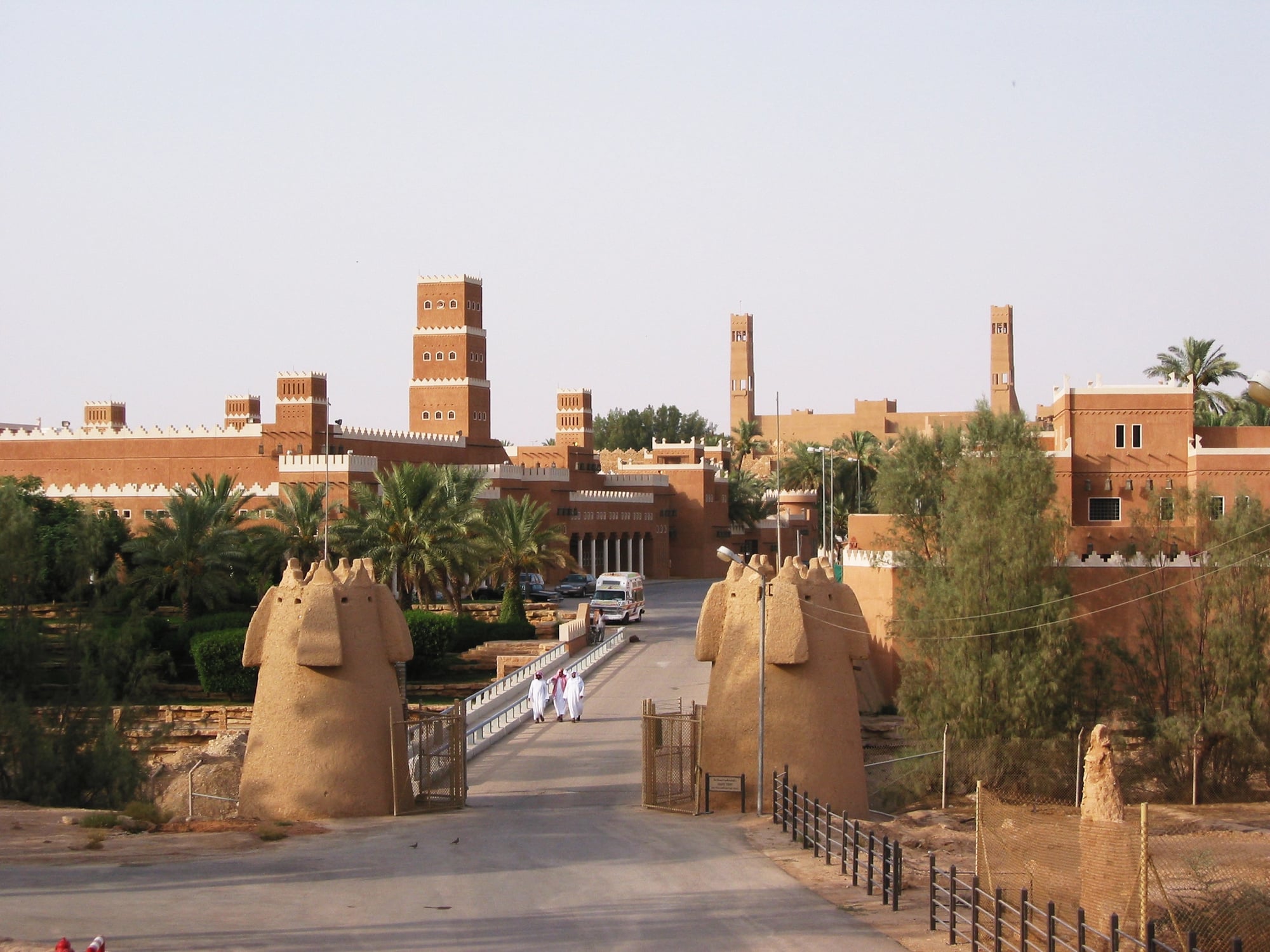
Women need male guardian permission for many activities. Until recently, this included traveling abroad, getting medical procedures, and opening bank accounts, though some restrictions have been relaxed under recent reforms.
The guardianship system treats adult women as legal minors who require approval from male relatives for basic life decisions. While the government has loosened some rules — women can now drive and attend sporting events — the underlying legal framework still treats gender as a determining factor in personal autonomy, creating a complex web of permissions and restrictions that varies depending on the specific activity involved.
North Korea
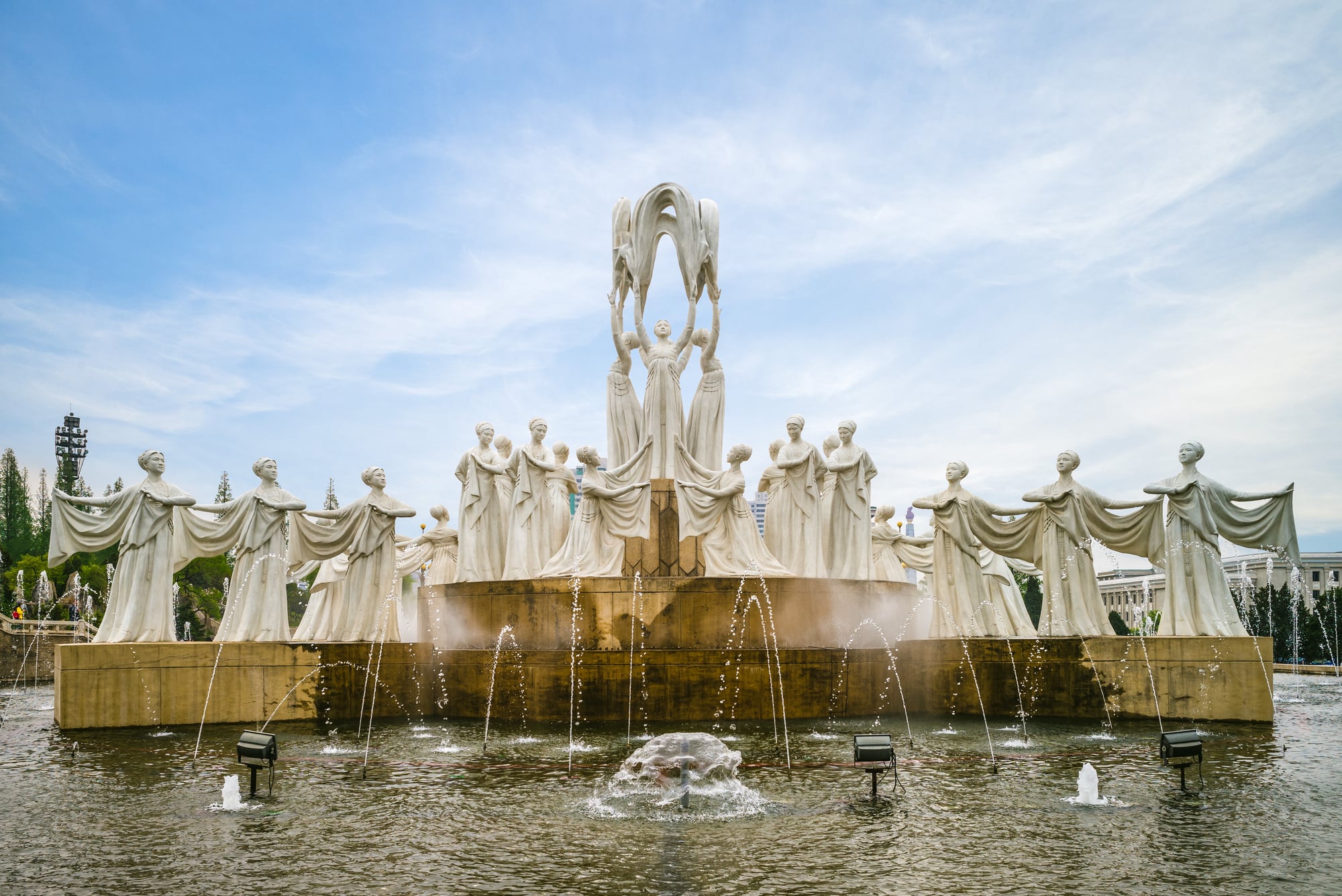
Jeans are banned as a symbol of American imperialism. Denim clothing is prohibited because it’s associated with Western culture and capitalism, particularly American influence.
The ban extends beyond just fashion preferences — wearing jeans can result in serious legal consequences because the government views Western clothing as a form of cultural contamination. Citizens are expected to dress in approved styles that reflect socialist values rather than capitalist influences.
This makes North Korea one of the few places on earth where your choice of pants carries genuine political implications.
Iran
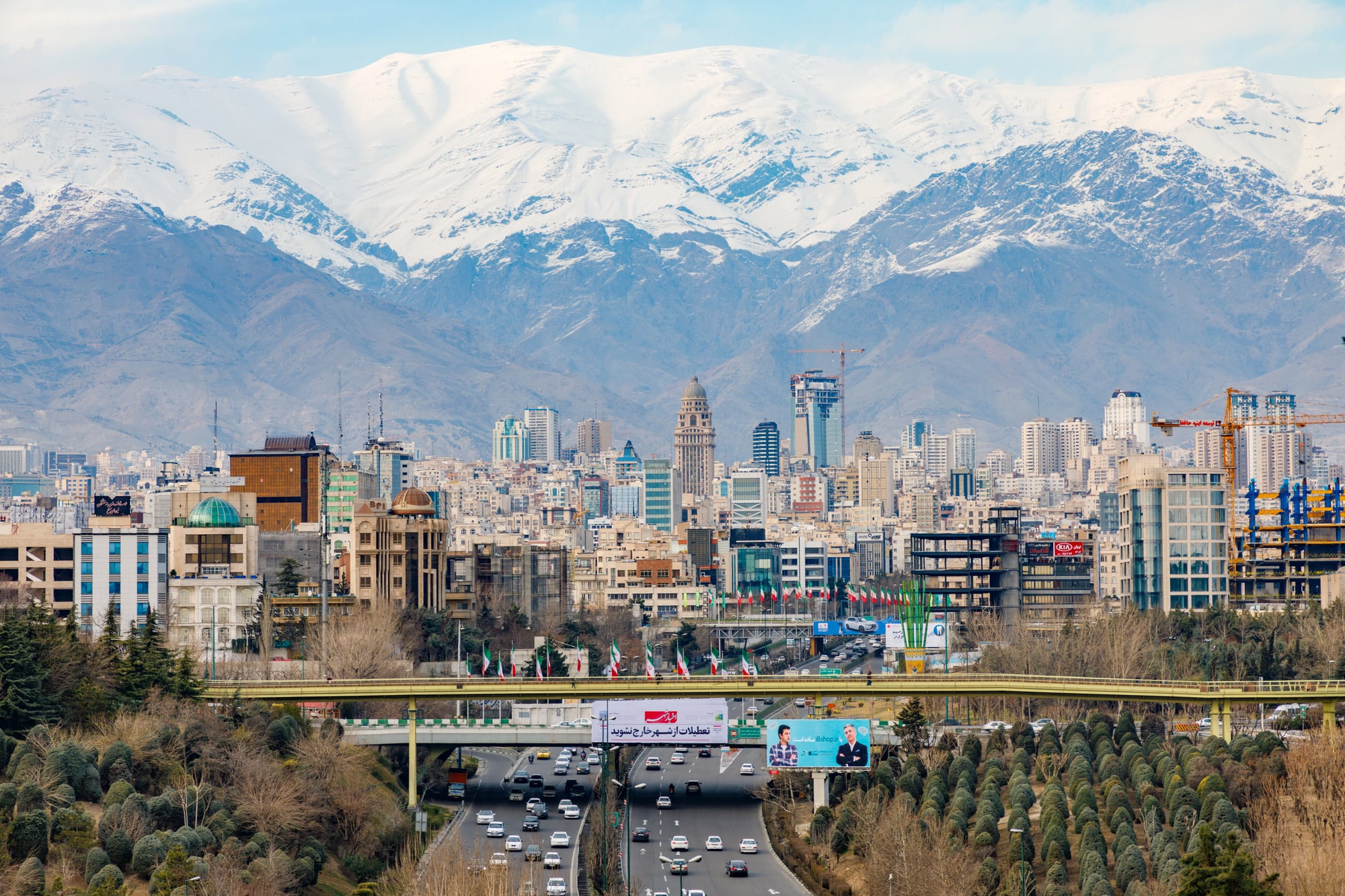
Neckties are banned in government buildings. The tie is considered a symbol of Western culture and therefore inappropriate for official settings in the Islamic Republic.
This rule affects both Iranian officials and foreign visitors conducting business with the government. Diplomats and businesspeople have to navigate official meetings without standard Western business attire, creating awkward wardrobe decisions for international delegations.
The necktie ban reflects the broader cultural resistance to Western influence, but it creates practical complications for anyone trying to conduct formal business across cultural lines.
Myanmar

Wearing camouflage clothing is illegal for civilians. Military-style patterns are restricted to actual military personnel, and tourists wearing camo can face arrest and hefty fines.
This law stems from the country’s long history of military rule and ongoing conflicts in border regions. Authorities treat civilian use of military patterns as a potential security threat or impersonation of military personnel.
Travelers need to pack carefully and avoid anything that might be interpreted as military-style clothing, including items that might seem harmlessly fashionable in other countries.
Turkmenistan
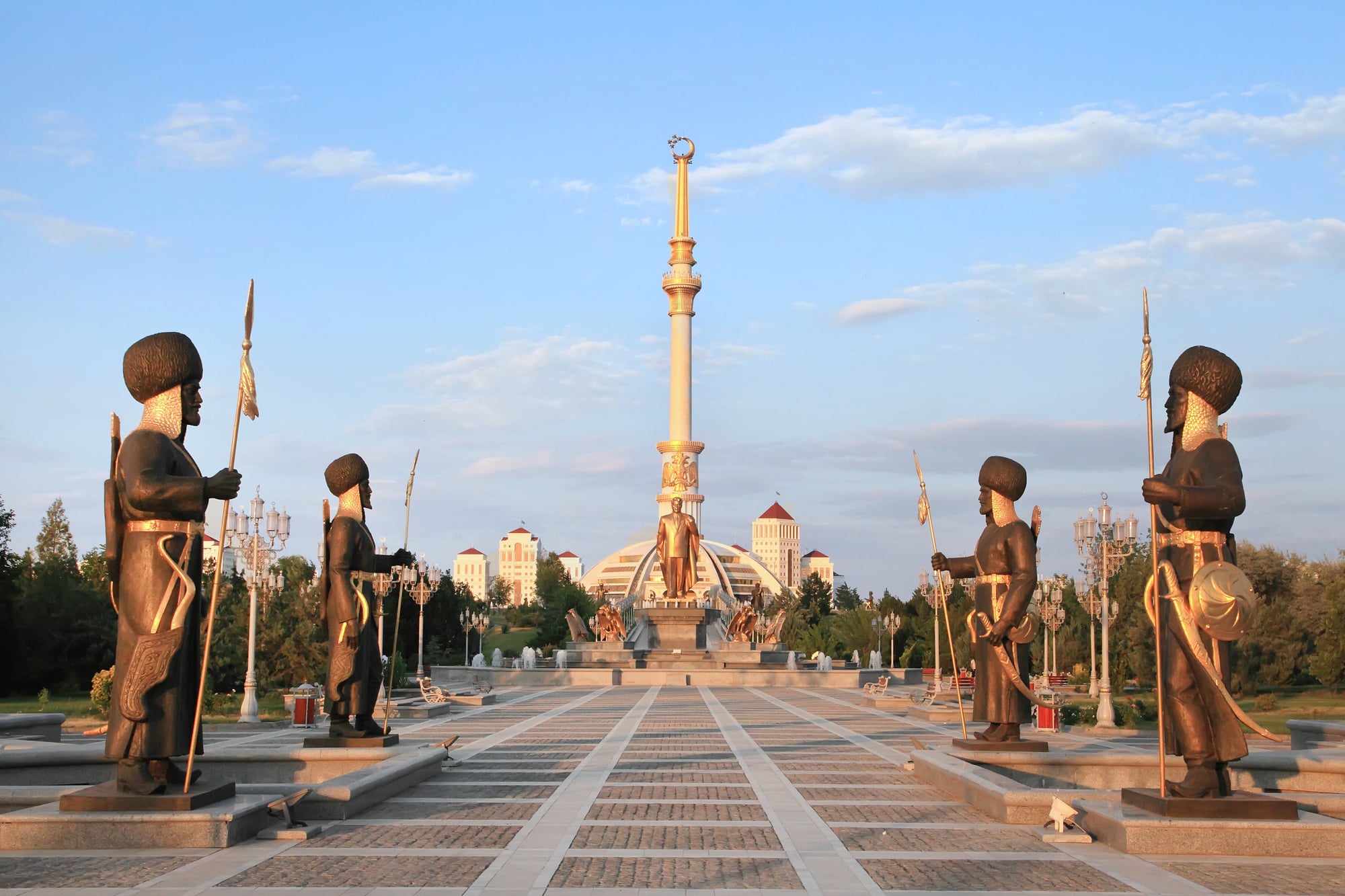
Gold teeth are banned to encourage people to chew bones instead. The former president believed that gold dental work was unhealthy and that gnawing on bones would strengthen teeth naturally.
This regulation was part of a broader series of eccentric laws implemented during Saparmurat Niyazov’s presidency, which included banning recorded music and renaming calendar months after his family members.
While some of these unusual laws have been relaxed since his death, they demonstrate how personal beliefs of individual leaders can become national policy in authoritarian systems.
Bhutan
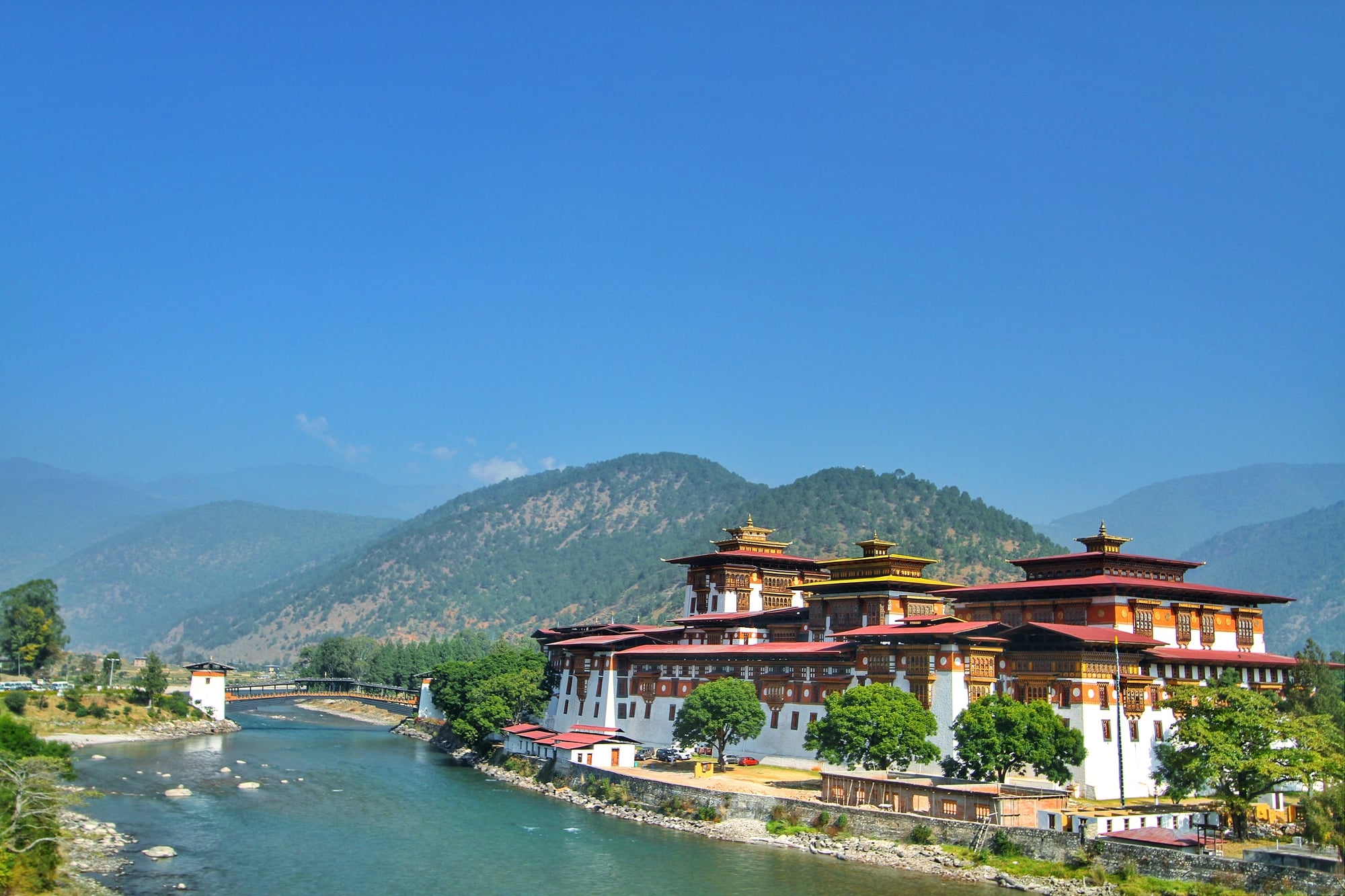
Cig sales are completely prohibited. The country banned the sale of cig products entirely, making it illegal to sell cigarettes, cigars, or any other items within national borders.
Citizens can still smoke, but they have to import cig for personal use and pay hefty taxes on it. This creates the odd situation where cig puffing is legal but buying materials domestically isn’t.
Bhutan’s approach reflects its broader philosophy of Gross National Happiness over economic growth — the government decided that public health was more important than cig tax revenue, even if it meant creating a complex enforcement challenge.
When Rules Become Reality
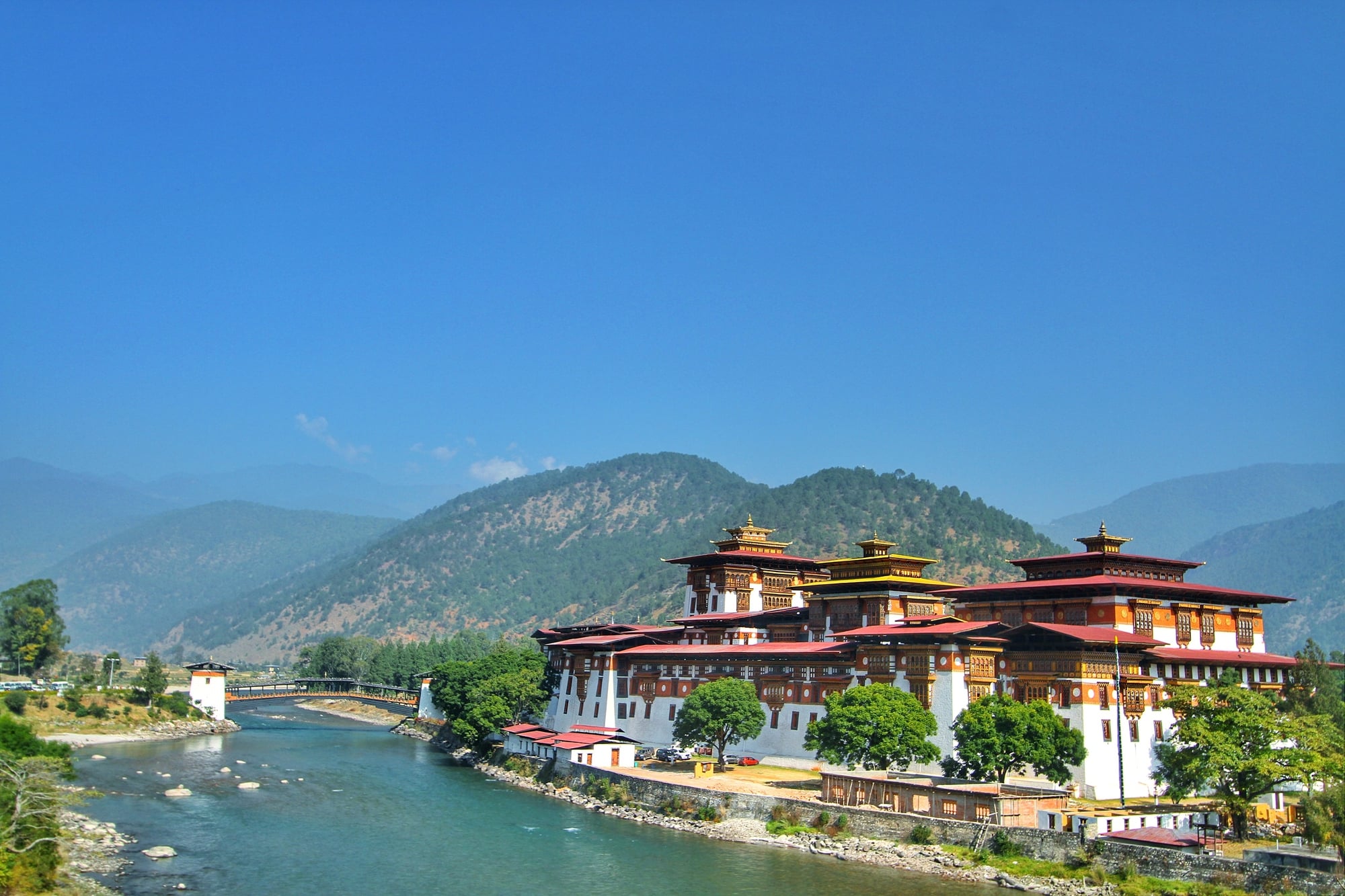
These laws reveal something beyond mere bureaucratic oddity. They’re snapshots of specific moments when societies decided certain behaviors were problematic enough to require legal intervention.
Some address genuine practical concerns — Singapore’s gum ban actually solved a real infrastructure problem. Others reflect cultural values that seem arbitrary to outsiders but carry deep meaning within their own contexts.
The strangest part isn’t that these rules exist, but how quickly they become normal for the people living under them. What seems bizarre to visitors often feels perfectly reasonable to locals who understand the history and context behind the regulations.
Travel isn’t just about seeing different places — it’s about discovering how many different ways humans can organize society, one peculiar law at a time.
More from Go2Tutors!

- The Romanov Crown Jewels and Their Tragic Fate
- 13 Historical Mysteries That Science Still Can’t Solve
- Famous Hoaxes That Fooled the World for Years
- 15 Child Stars with Tragic Adult Lives
- 16 Famous Jewelry Pieces in History
Like Go2Tutors’s content? Follow us on MSN.