16 Cultural Gestures That Mean Different Things
We communicate with more than just our words; a simple wave, nod, or hand sign can convey a message instantly. But these physical shortcuts aren’t universal. A friendly gesture in one country can be a serious insult in another, creating plenty of room for awkward, and sometimes hilarious, misunderstandings for unsuspecting travelers.
It’s a fascinating look at how culture shapes our every move. Here is a list of 16 cultural gestures that mean very different things depending on where you are.
The ‘OK’ Sign

In the United States, making a circle with your thumb and index finger means ‘everything is great’. However, in countries like Brazil and Germany, this gesture can be an offensive insult.
It’s a prime example of how a positive sign in one culture can have a completely negative meaning in another.
The Thumbs-Up

The thumbs-up is a widely recognized sign for approval or ‘good job’ in the U.S. and many other Western cultures, made popular by pilots and now social media. But in parts of the Middle East, West Africa, and South America, it can be an aggressive and offensive gesture, similar to giving someone the middle finger.
The ‘V’ Sign

Holding up your index and middle fingers in a ‘V’ can have two very different meanings depending on your palm’s direction. With the palm facing outward, it’s a symbol of peace or victory in many parts of the world.
Turn that same hand around, with the palm facing inward, and in the UK and Australia, you’ve just made a gesture that’s the equivalent of an insult.
Beckoning with the Index Finger

Curling your index finger to call someone over is common in North America. In many Asian countries, like the Philippines, this gesture is considered extremely rude as it’s used only to call dogs.
Using it toward a person can be highly offensive.
Patting the Head

A friendly pat on the head is often seen as a gesture of affection or praise for a child in Western cultures. However, in many parts of Asia, particularly in countries with a strong Buddhist tradition like Thailand, the head is considered the most sacred part of the body.
Touching someone’s head is a serious sign of disrespect.
Crossing Your Fingers

In much of the Western world, crossing your fingers is a sign of hoping for good luck. It’s a simple, optimistic gesture.
In Vietnam, however, this same hand sign is considered obscene, as it is thought to resemble something private.
The ‘Horns’ Sign

Rock and roll fans will recognize this as the ‘rock on’ sign. But in parts of Italy and Spain, this gesture, known as the ‘corna’, is used to imply that a man’s wife has been unfaithful to him.
It’s an old-school insult that you definitely don’t want to flash at a concert in Florence.
Nodding and Shaking Your Head

This seems like the most basic form of non-verbal communication, but even it isn’t universal. In most of the world, nodding means ‘yes’ and shaking your head means ‘no’.
But in Bulgaria and parts of Albania, it’s the complete opposite, where a head shake means ‘yes’ and a nod means ‘no’.
Showing the Palm of Your Hand

Holding your palm out toward someone with the fingers spread is a common way to signal ‘stop’ in the U.S. In Greece, this gesture is a serious insult known as the ‘moutza’.
It’s an old-world sign of disdain, originating from the practice of rubbing dirt in a prisoner’s face.
Tapping Your Temple

In most Western countries, tapping your temple with your index finger is a way to say someone is smart or clever. In some parts of Europe, like Germany and Austria, it’s a way of saying someone is crazy.
The context can make this one particularly confusing.
The ‘Fig’ Sign
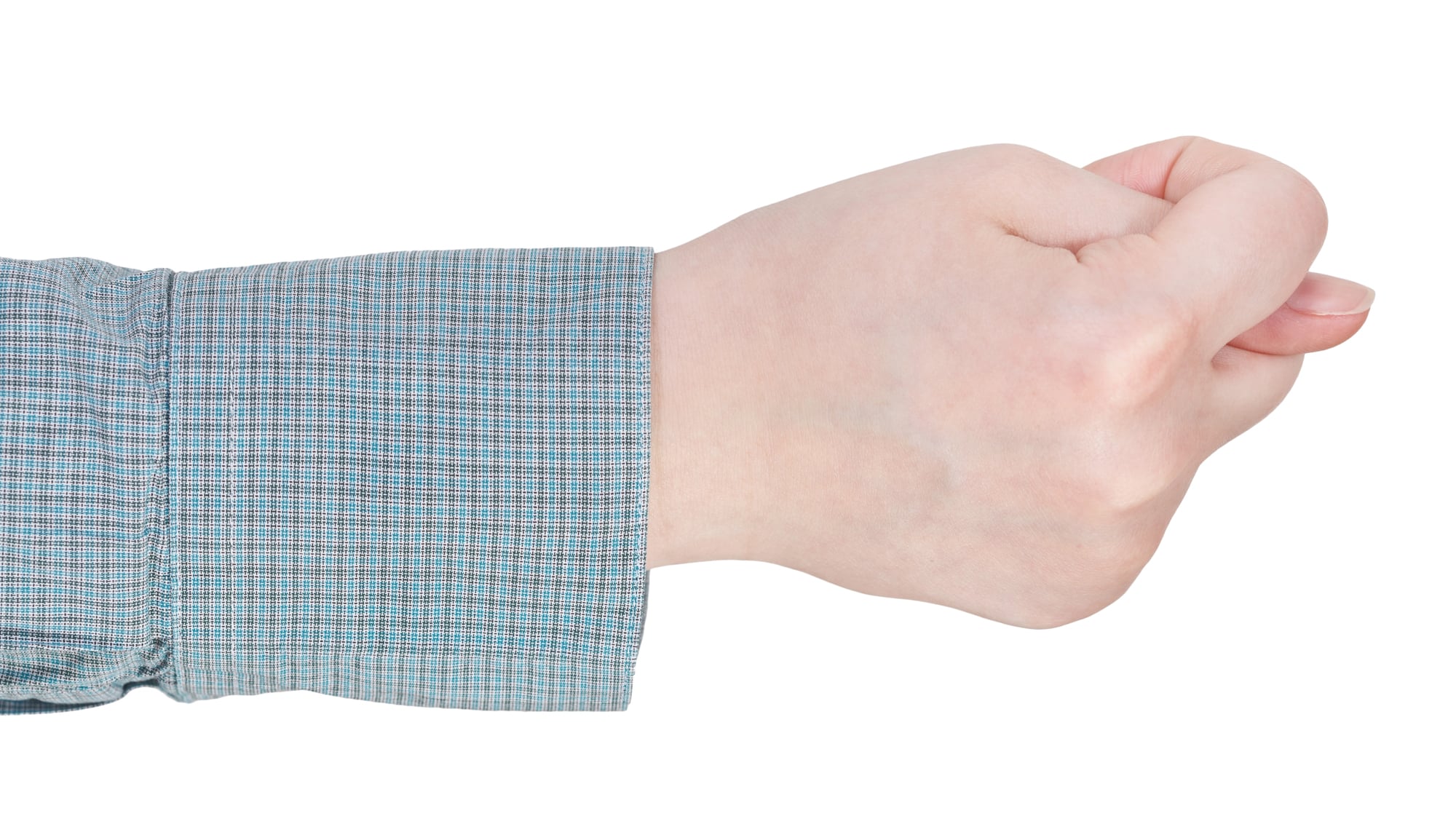
The ‘fig’ sign, where the thumb is placed between the index and middle fingers, has a variety of meanings. In ancient Rome, it was considered a good luck charm.
In Brazil, it’s still used to ward off bad luck, but in Turkey and parts of Indonesia, it’s a highly offensive gesture.
Pointing with Your Lips

In the West, we point with our fingers, which can sometimes be seen as impolite. In many parts of Latin America and the Philippines, it’s common to point with your lips instead.
People will purse their lips and gesture in the intended direction, a subtle move that’s perfectly understood by locals but often missed by outsiders.
Giving a Gift with One Hand

In many cultures, the act of giving and receiving is as important as the gift itself. In much of the Middle East and Asia, giving a gift or even money with just one hand, especially the left hand, can be seen as disrespectful.
Using both hands shows respect and sincerity.
Showing the Soles of Your Feet

Putting your feet up on a table is considered rude in many places, but in Arab and some Buddhist cultures, it’s a major offense. The feet are considered the lowest and dirtiest part of the body, so showing the soles of your feet to someone is a sign of deep disrespect.
The ‘Cutis’ Gesture
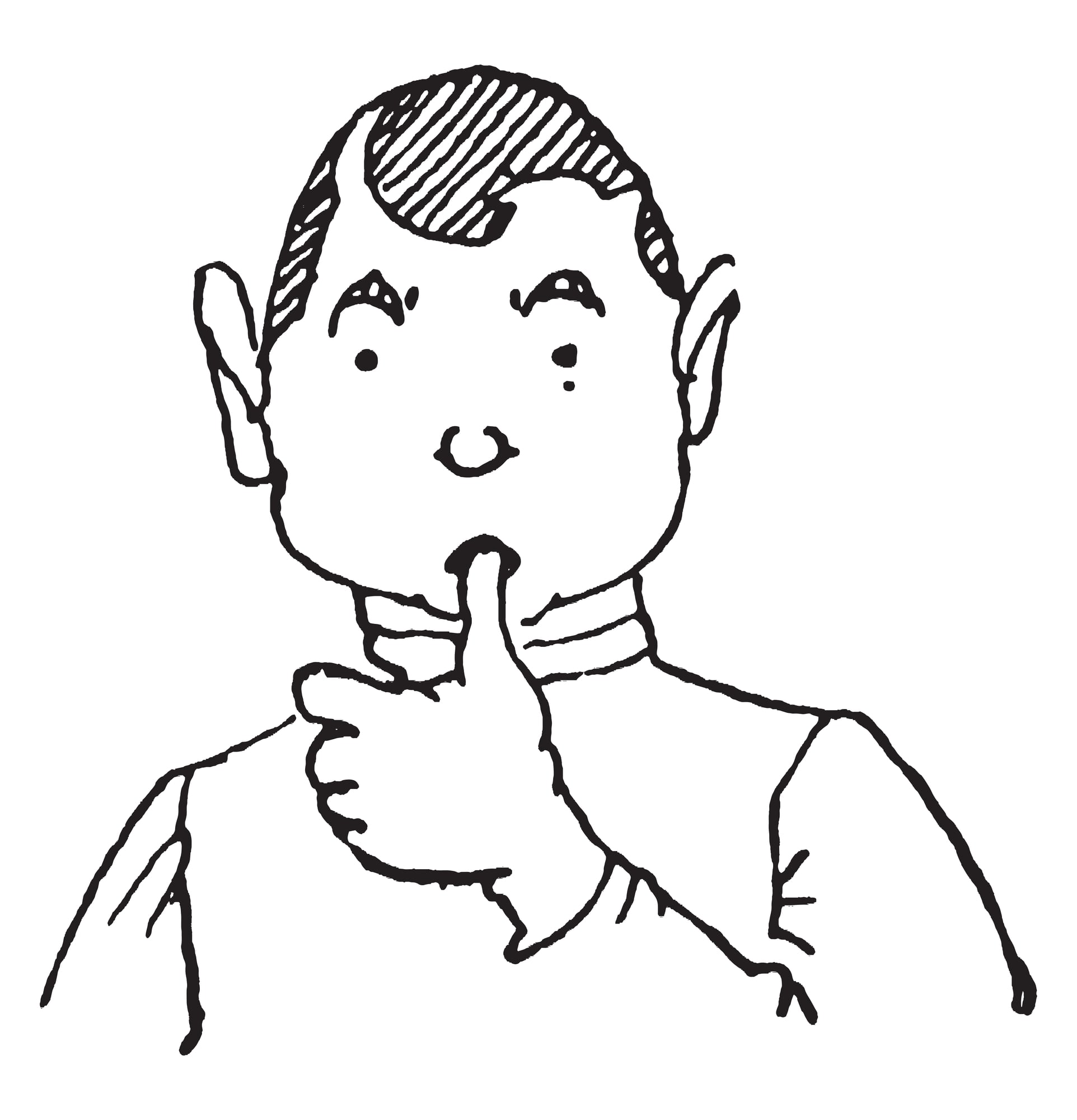
In India and Pakistan, a gesture that involves flicking your thumb off the back of your front teeth is a serious insult. It’s a dismissive and aggressive sign that essentially means ‘get lost’.
This is one you’ll want to avoid completely.
The Chin Flick

Flicking your chin with the back of your fingers might not mean much in the U.S. or the UK. However, in Italy, this gesture is a defiant way of saying ‘I don’t care’ or ‘no’.
It’s a casual but clear sign of dismissal.
Reading the Unspoken Language
These gestures are a powerful reminder that our world is incredibly diverse, and what we consider normal is shaped by a long history of cultural tradition. Before the internet connected us all, these silent signals developed in isolation, taking on unique meanings in different corners of the globe.
As we interact more with people from other cultures, understanding this unspoken language becomes more than just trivia—it’s a key part of communicating with respect and avoiding a seriously awkward moment.
More from Go2Tutors!

- The Romanov Crown Jewels and Their Tragic Fate
- 13 Historical Mysteries That Science Still Can’t Solve
- Famous Hoaxes That Fooled the World for Years
- 15 Child Stars with Tragic Adult Lives
- 16 Famous Jewelry Pieces in History
Like Go2Tutors’s content? Follow us on MSN.