20 Historical Photos That Were Completely Staged
Photography has long been considered the ultimate form of documenting reality. A snapshot freezes time, capturing history as it unfolds.
Yet many iconic images that shaped our understanding of the past were actually carefully orchestrated productions rather than spontaneous moments. These staged photographs influenced public opinion, shaped political narratives, and became cultural touchstones despite their manufactured nature.
Here is a list of 20 historical photographs that appear authentic at first glance but were completely staged.
Raising the Flag on Iwo Jima
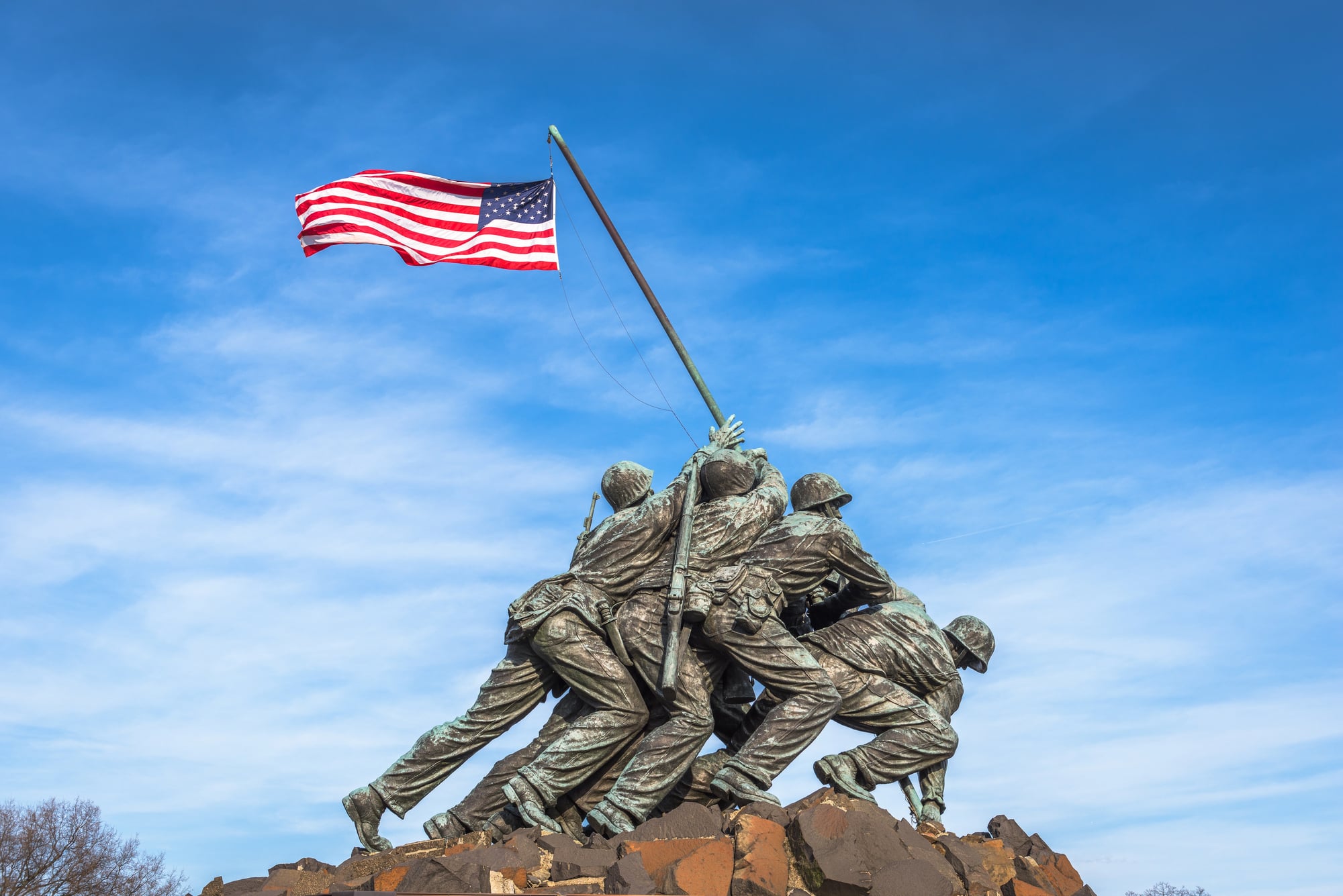
The famous image of six Marines raising the American flag atop Mount Suribachi wasn’t the actual moment of victory. The original flag-raising happened hours earlier with a smaller flag.
Photographer Joe Rosenthal then captured a second, staged raising with a larger flag for better visibility. This replacement photo won a Pulitzer Prize and became one of the most reproduced images in history.
The Falling Soldier
Robert Capa’s Spanish Civil War photograph ‘The Falling Soldier’ supposedly captures a loyalist fighter at the moment of death. Evidence suggests Capa likely staged this dramatic scene away from actual combat.
Analysis of the location and angle indicates it wasn’t taken where originally claimed, casting doubt on its authenticity despite its emotional power.
Like Go2Tutors’s content? Follow us on MSN.
Kent State Protest Girl
The haunting image of Mary Ann Vecchio kneeling over a fallen student at Kent State University in 1970 appears spontaneous but was partially directed. Photographer John Filo reportedly asked Vecchio to pose beside the body after the shooting had occurred.
The photograph still documents a real tragedy but the specific composition was arranged for maximum emotional impact.
Migrant Mother
Dorothea Lange’s Depression-era ‘Migrant Mother’ embodies human suffering during economic collapse. Yet Lange guided this shoot extensively, taking multiple poses and instructing the subject, Florence Owens Thompson, how to position herself and her children.
The final selected image was the most dramatic version from dozens of staged variations.
Tank Man at Tiananmen Square

While the brave confrontation did occur, many published versions of this iconic image were cropped to heighten dramatic tension. The original wider shots show numerous bystanders and a less isolated scene.
News outlets deliberately framed the image to emphasize the David versus Goliath narrative, manipulating composition while preserving the core event.
Like Go2Tutors’s content? Follow us on MSN.
Lunch Atop a Skyscraper

The photograph of construction workers casually eating lunch on a steel beam high above New York City was a publicity stunt. These men were real workers, but the Rockefeller Center arranged the scene to promote the building’s construction.
The workers were instructed to appear nonchalant despite the perilous height, creating an enduring symbol of American industrialism.
The Valley of the Shadow of Death
Roger Fenton’s Crimean War photograph shows a road littered with methodically arranged cannonballs. Evidence shows Fenton moved cannonballs from ditches onto the road to create a more dramatic scene.
Multiple versions of the photograph show the same landscape with different cannonball arrangements, revealing his manipulation.
VJ Day Kiss in Times Square
The celebrated image of a sailor kissing a nurse during Victory over Japan celebrations wasn’t a spontaneous romantic moment. Photographer Alfred Eisenstaedt directed several couples to kiss while he composed various shots.
The subjects weren’t even a couple but strangers who were positioned together specifically for the photograph.
Like Go2Tutors’s content? Follow us on MSN.
Einstein’s Tongue
The playful image of Albert Einstein sticking out his tongue seems like a candid moment, capturing the physicist’s humorous side. In reality, Einstein deliberately posed this way at the photographer’s request.
He liked the resulting image so much that he ordered nine copies, turning a manufactured moment into his most recognized informal portrait.
Washington Crossing the Delaware

While not a photograph, Emanuel Leutze’s painting has shaped our visual understanding of American history. The scene depicts an event that happened, but almost every detail—from the flag to the daytime crossing—is historically inaccurate.
The image was created nearly 75 years after the event as patriotic propaganda rather than historical documentation.
The Wright Brothers’ First Flight
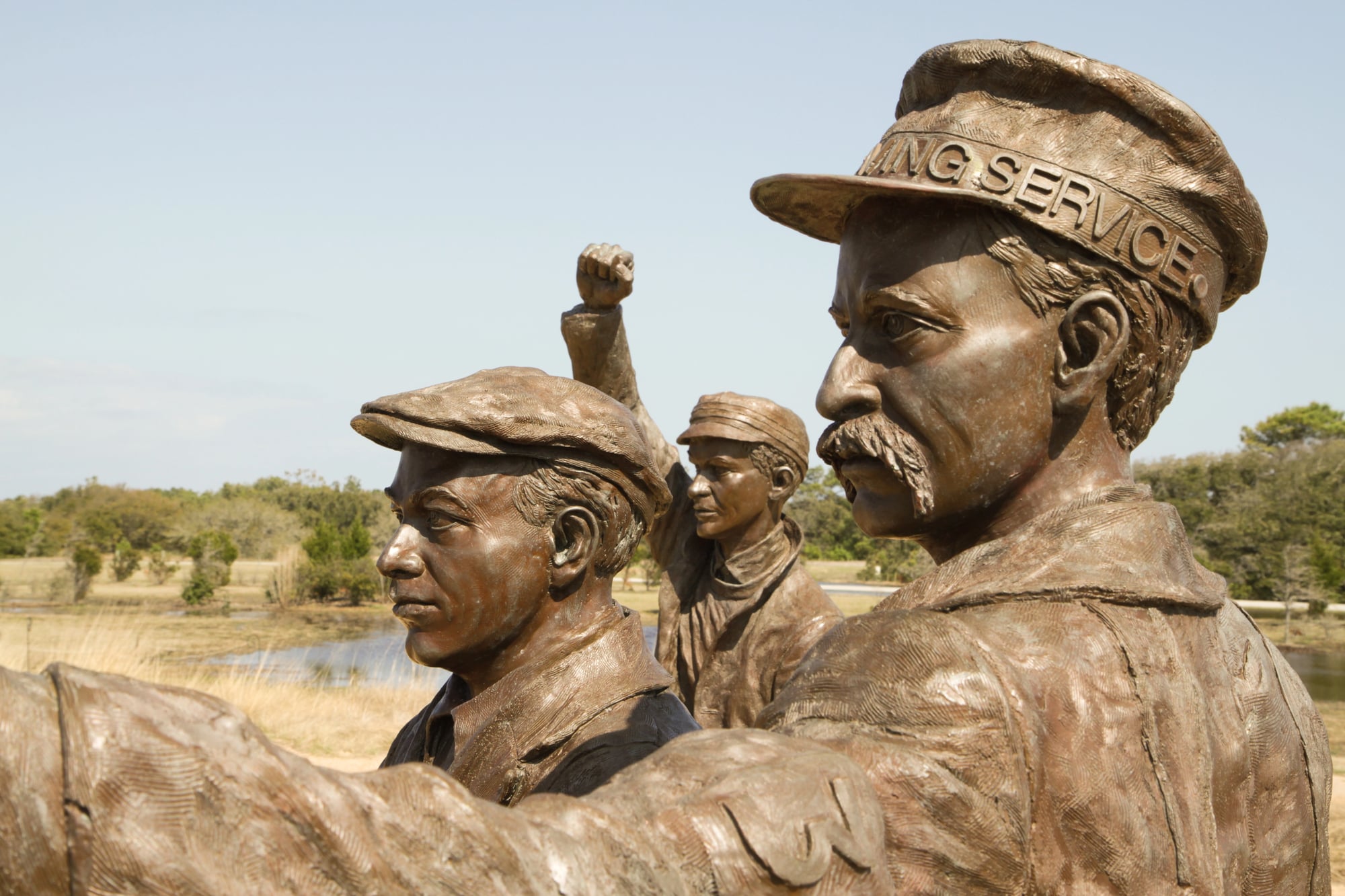
The iconic image showing the Wright Flyer aloft at Kitty Hawk isn’t from the historic first flight on December 17, 1903. That momentous occasion went uncaptured.
The famous photograph actually shows the fourth flight later that same day, which was specifically arranged to be photographed after the initial success had been achieved.
Like Go2Tutors’s content? Follow us on MSN.
Mussolini’s Heroic Poses
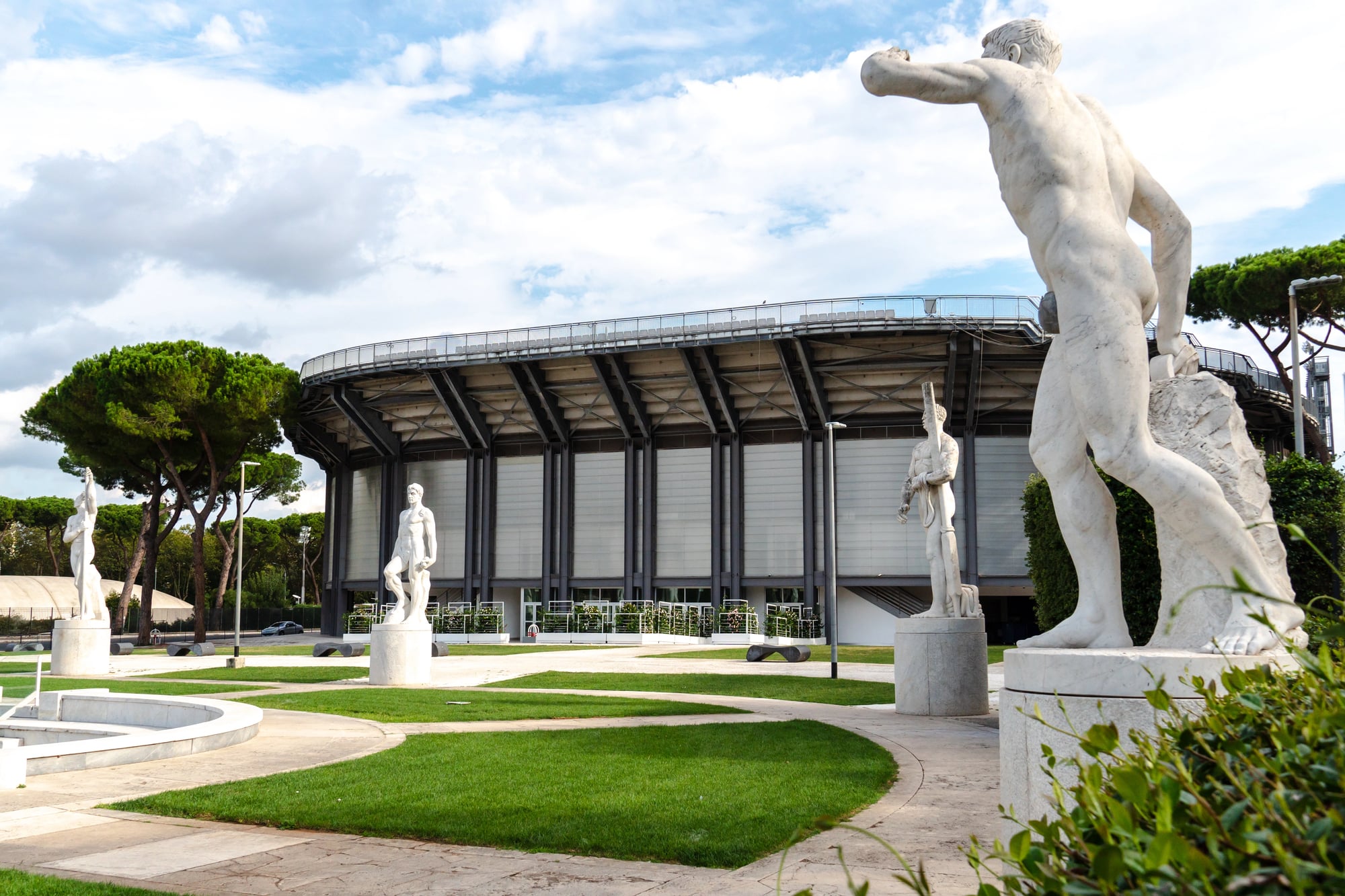
Italian dictator Benito Mussolini had photographers capture him in carefully staged ‘action shots’ that presented him as vigorous and heroic. Images of him dramatically operating heavy machinery, harvesting wheat shirtless, or fearlessly handling lions were elaborately arranged propaganda.
Photographers even removed people from backgrounds to emphasize his apparent solitary strength.
War Bond Promotions
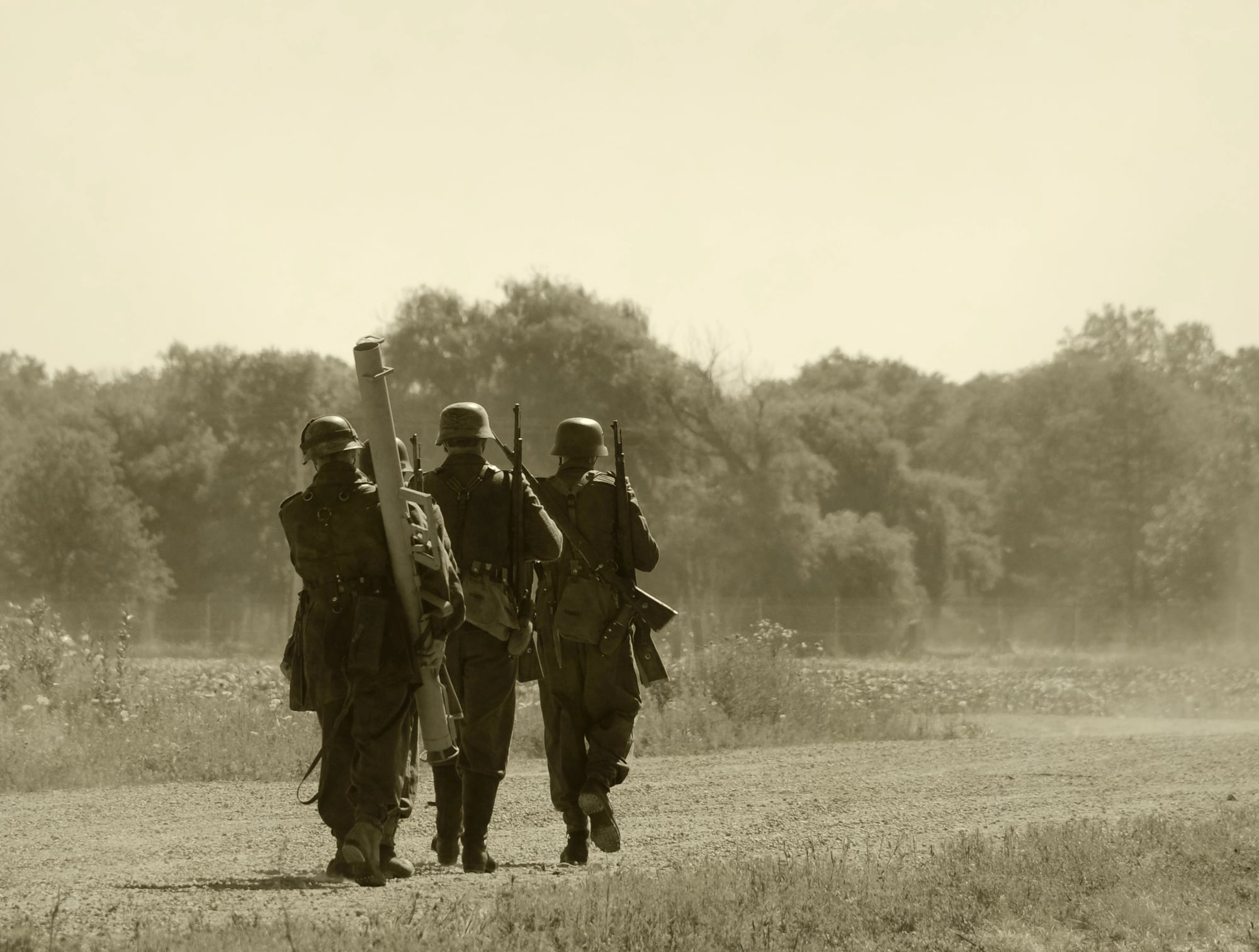
Many World War II photographs of soldiers raising flags or fighting heroically were staged specifically for war bond drives. Government photographers would recreate battle scenes behind the lines, using smoke bombs and directing soldiers to pose dramatically.
These images stirred patriotic sentiment and increased bond sales while misleading the public about the war’s realities.
Moon Landing Footprint
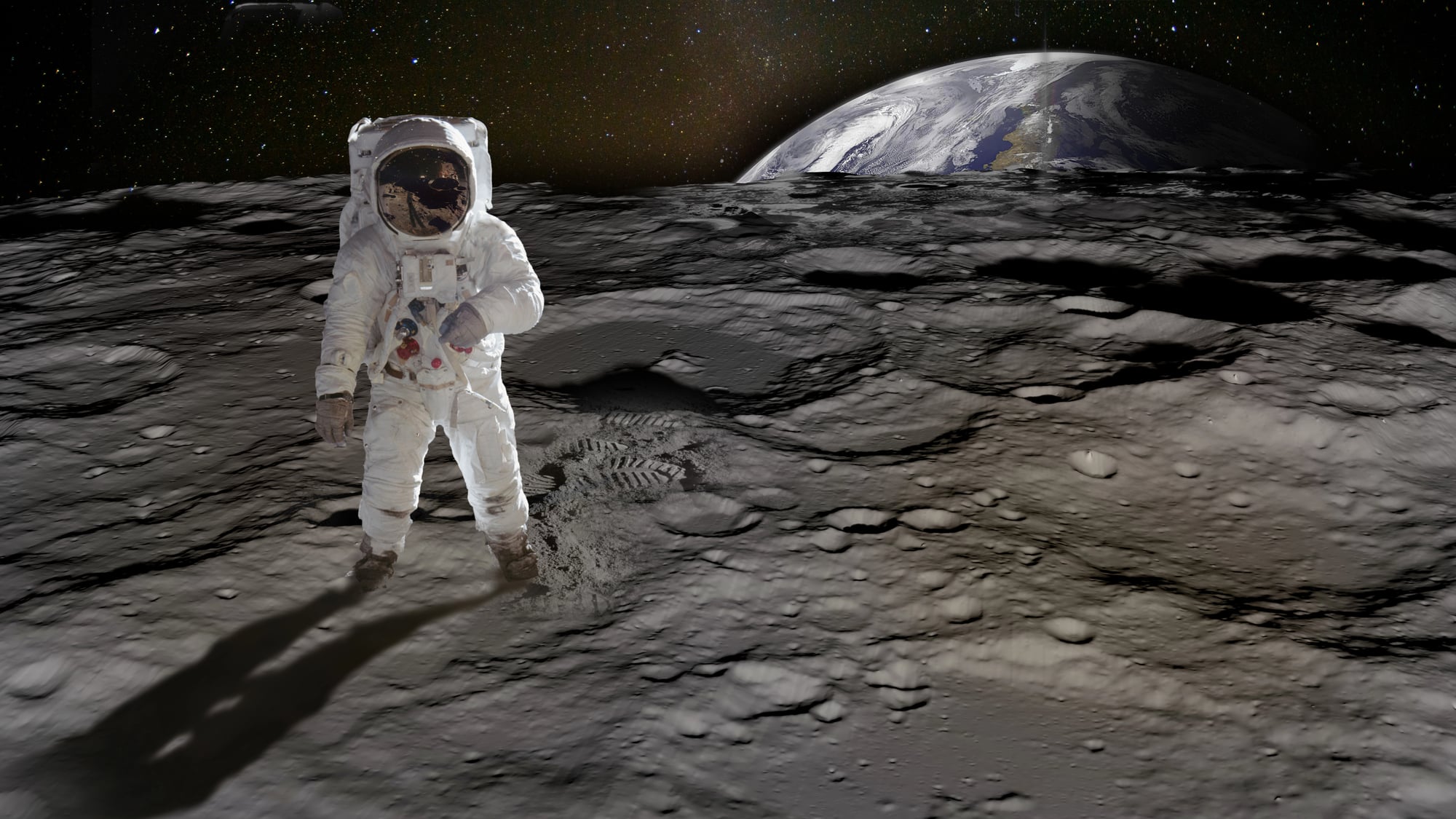
The iconic boot print on the lunar surface was deliberately created for photography. Neil Armstrong carefully prepared a pristine patch of lunar dust and methodically pressed his boot into it to create a clear imprint.
He then photographed this perfect print rather than capturing one of the thousands of natural footprints made during the mission.
Like Go2Tutors’s content? Follow us on MSN.
Malcolm X with Rifle
The famous photograph of Malcolm X holding a rifle while peering through curtains was entirely staged. Malcolm X arranged this photo session to project an image of militant self-defense.
The dramatic lighting and composition were carefully orchestrated to communicate his message that African Americans should protect themselves ‘by any means necessary.’
Lenin Addressing Troops
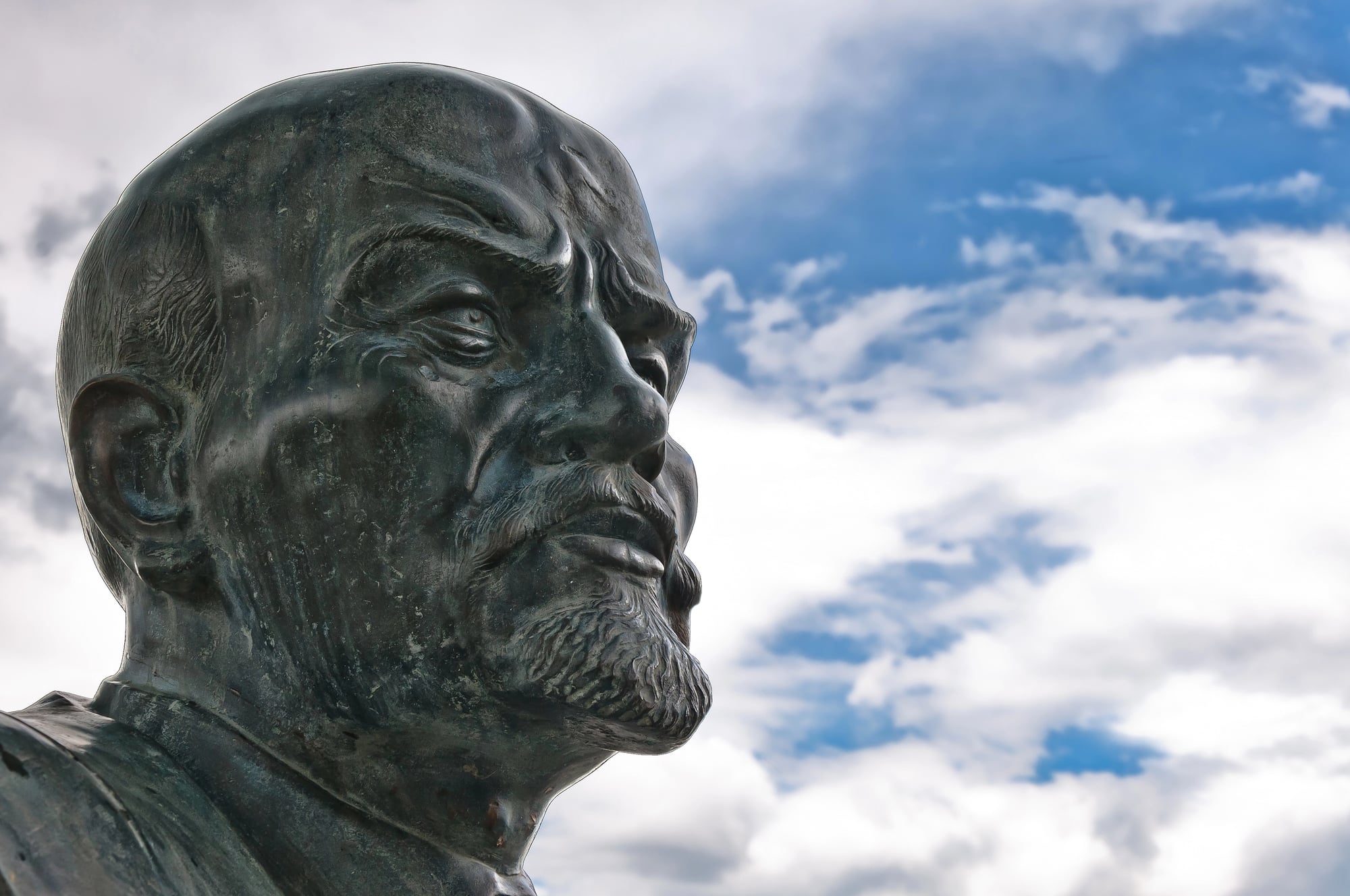
Extensive reconstructions were made of photographs purportedly depicting Vladimir Lenin rallying troops at Moscow’s Red Square. Many of these were shot years after the events they purport to portray.
Soviet photographers frequently omitted individuals who were deemed undesirable by the government, producing romanticized depictions of historical events that actually happened.
Coal Miner’s Daughter
Photographers manipulated the heart-wrenching Depression-era photographs showing soot-covered children of coal miners. Documentary photographer Lewis Hine was known to darken children’s faces with coal dust before shooting and would arrange subjects into more pitiful poses.
These images helped change child labor laws despite their manufactured nature.
Like Go2Tutors’s content? Follow us on MSN.
Yalta Conference Photos
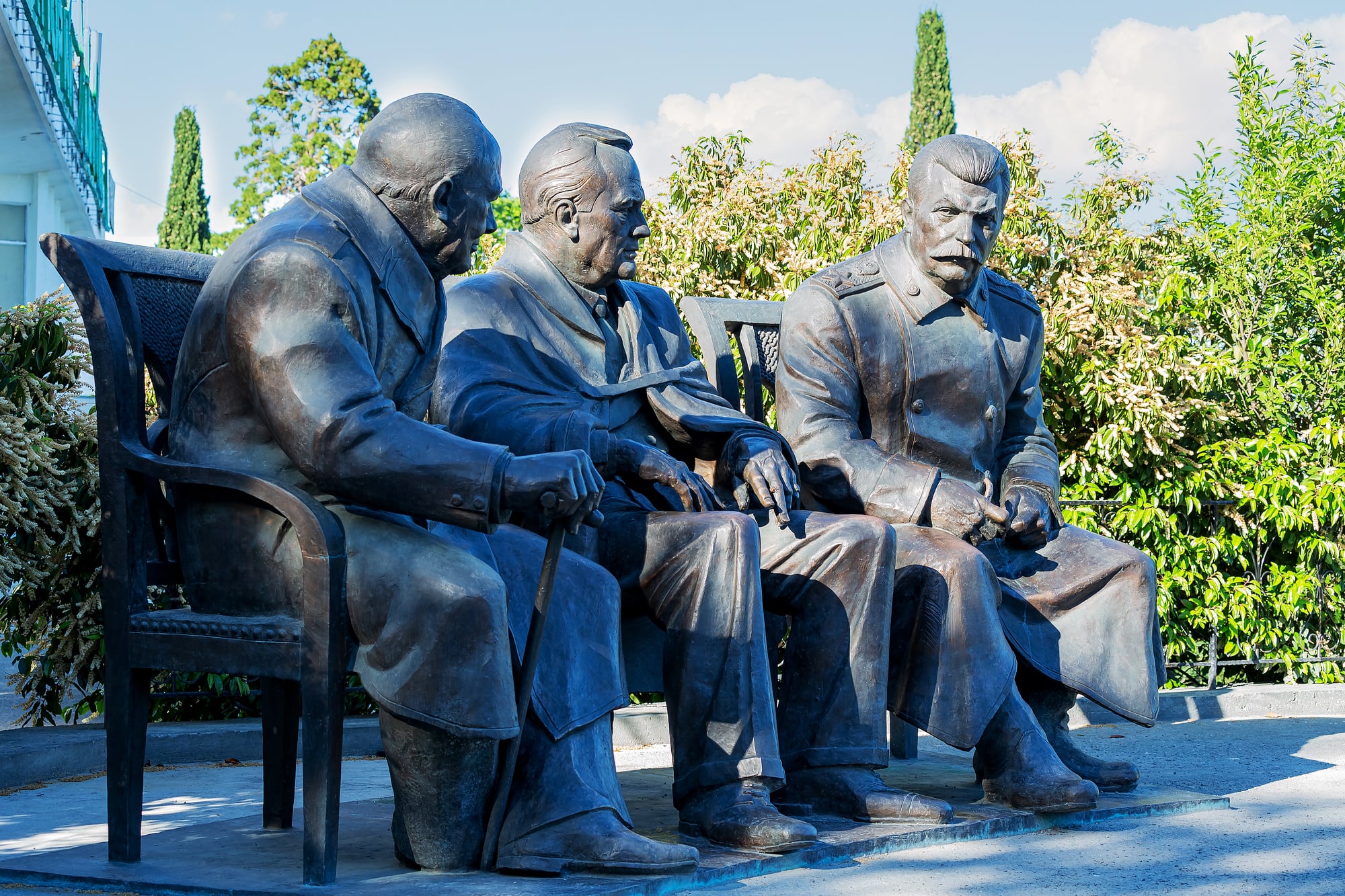
Official photographs from the Yalta Conference showing Churchill, Roosevelt and Stalin in apparently cordial conversation were carefully staged to hide Roosevelt’s declining health. Photographers were instructed to avoid capturing Roosevelt’s wheelchair or moments of fatigue.
These images projected Allied unity while concealing significant diplomatic tensions.
Border Crisis Children

Both sides of the political spectrum reportedly staged recent photographs of immigrant children in detention centers. Conservative and liberal photographers have been accused of arranging children into more emotional poses or groupings.
These manipulated images drive public opinion while potentially misrepresenting complex realities.
The Cottingley Fairies
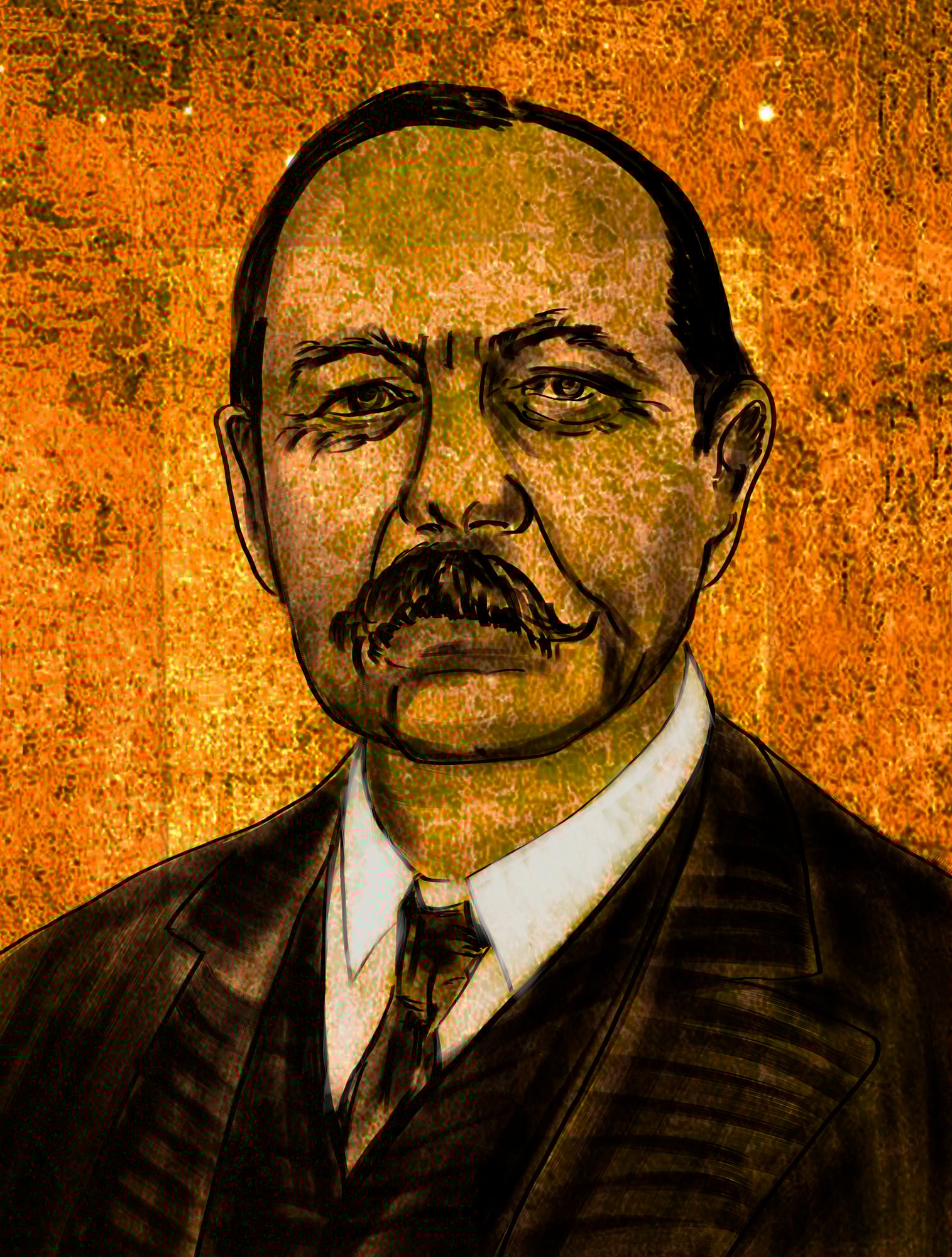
Two teenage girls took pictures that appeared to show their interaction with fairies. The pictures fooled many experts and even convinced Sir Arthur Conan Doyle of their authenticity.
Later, the girls admitted to creating paper cutouts posed in natural settings, demonstrating how simple staging techniques could fool the public at the early stages of photography.
Like Go2Tutors’s content? Follow us on MSN.
Images That Shaped Reality
The perceived authenticity of photography gives it power, yet these instances show how recording and modification have a complicated connection. These contrived events actively shaped history rather than merely documenting it.
The fabricated pictures gained more clout than the undocumented real-life occurrences they purported to depict.
Our visual perception of the past is still shaped by photographs that conflate artifice with reality. In our increasingly image-driven society, understanding these artistic manipulations makes us more critical consumers of visual information, even when staging doesn’t always negate a photograph’s effect or message.
More from Go2Tutors!

- 18 Unexpectedly Valuable Collectibles You Might Have Lying Around
- 20 Little-Known Historical Battles That Had Huge Consequences
- 20 Historical Artifacts That Scientists Can’t Explain
- 15 Inventions That Were Immediately Banned After Being Created
- 20 Actors Who Were Almost Cast in Iconic Roles
Like Go2Tutors’s content? Follow us on MSN.