16 Curious Laws from the Victorian Era
The Victorians had a lot of opinions. About morality, public behavior, the proper use of a horse, and what you should absolutely not do with a salmon.
Queen Victoria reigned from 1837 to 1901, and in those 64 years, Parliament and local councils produced a staggering volume of legislation — some visionary, some baffling, and some that make you wonder what exactly happened to make them necessary in the first place.
Here are 16 laws from that era that range from understandable to deeply strange.
You Could Not Keep A Cow In Your Front Garden

The Metropolis Local Management Act of 1855 and various municipal bylaws made it illegal to keep livestock in certain urban areas, particularly in London. As cities swelled with factory workers and the urban poor, animals wandering streets became a genuine public health issue.
Still, the image of someone being formally prosecuted for a front-garden cow says something about how rapidly city life was changing.
Handling A Salmon Suspiciously Was A Crime

The Salmon Fishery Act of 1861 made it an offence to handle a salmon “in a suspicious manner.” The law was targeting poachers and black market fish trading, but the wording left a lot of room for interpretation.
What, exactly, counts as suspicious salmon handling? Nobody fully agreed, and the phrase stuck around in British law for over a century.
You Could Be Fined For Being Drunk In Charge Of A Carriage

The Licensing Act of 1872 prohibited being drunk while in charge of a horse, carriage, steam engine, or loaded firearm on a public highway. This is essentially the Victorian version of drink-driving laws — and shows that the problem of impaired road users predates the motor car by several decades.
It Was Illegal To Beat Your Carpet After 8am

Under the Metropolitan Police Act of 1839, London residents were banned from beating or shaking any carpet, rug, or mat in the street after 8 o’clock in the morning. Doormats were the exception — those could be beaten until noon.
This was a noise and dust control measure in an era before vacuum cleaners, and it technically remains on the books in some form today.
Singing Obscene Songs In Public Was Punishable

The same 1839 Act made it illegal to sing profane or obscene songs on public streets. Given that Victorian streets were full of street performers, balladeers, and market criers, this law was likely invoked selectively.
What counted as obscene was, predictably, whatever offended the nearest police constable.
You Could Not Fly A Kite In A Way That Annoyed People

Also from the Metropolitan Police Act of 1839, this one banned kite-flying in any public place if it was likely to cause annoyance or obstruction. This was less about kites specifically and more about a general effort to bring order to chaotic urban streets.
Children flying kites near horses was a real hazard. Still, “annoying kite” is a wonderful charge to imagine on a Victorian court docket.
Sliding On Ice Was Illegal

Under the same Act, it was illegal to slide on ice or snow in a public thoroughfare, to the annoyance of passersby. Again — horses.
Victorian street regulation was largely about managing the chaos of thousands of horses, pedestrians, and vendors sharing the same narrow roads.
The Poor Could Be Imprisoned For Vagrancy

The Vagrancy Act of 1824 extended well into the Victorian era and allowed authorities to arrest people simply for being homeless or begging. “Idle and disorderly persons” and “rogues and vagabonds” were legal categories.
The law was used to sweep the poor out of sight rather than address any underlying conditions. Parts of it remained in force in England and Wales until very recently.
Women Could Not Vote — And That Was Codified, Not Just Custom

The Representation of the People Act 1832 explicitly used the word “male” to describe eligible voters, and subsequent Victorian electoral reforms maintained this. It was not simply a social norm — it was written law.
The women who campaigned against it through the late Victorian period were fighting a legal barrier, not just an attitude.
You Could Be Prosecuted For Not Vaccinating Your Child

The Vaccination Act of 1853 made smallpox vaccination compulsory for infants in England and Wales, with fines for non-compliance. A later 1867 Act tightened enforcement further.
It was one of the earliest examples of mandatory public health legislation in Britain — and it was deeply controversial, producing a genuine anti-vaccination movement that lobbied hard against compulsion.
Cruelty To Animals Was A Criminal Matter Before Cruelty To Children
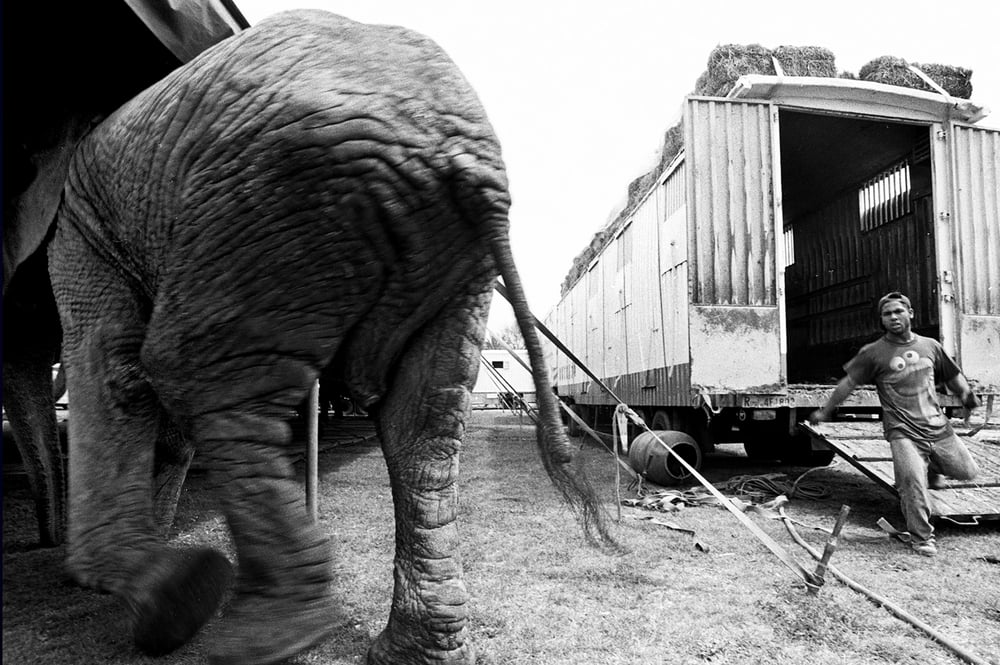
The RSPCA was founded in 1824, and the Cruelty to Animals Act 1835 gave animal welfare real legal teeth. The NSPCC, by contrast, was only founded in 1884.
Britain had formal legal protections for animals roughly 50 years before children had equivalent protections — a fact that prompted significant public discussion at the time.
Publicans Could Be Fined For Allowing Drunkenness On Their Premises
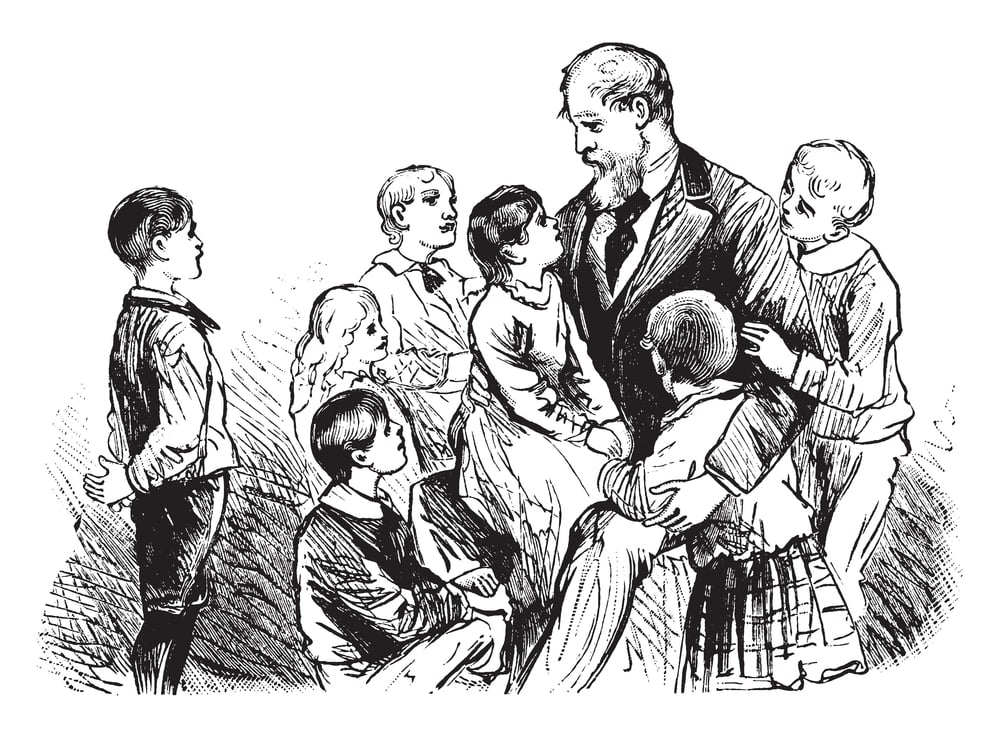
The Forbes-Mackenzie Act in Scotland (1853) and the Licensing Act in England both placed legal responsibility on pub owners and landlords for the conduct of drunk customers. A landlord who allowed someone to get visibly intoxicated on their premises faced a fine.
This shifted liability in an interesting direction — the seller of the drink, not just the drinker, was held accountable.
Cab Drivers Had To Feed Their Horses Before Themselves
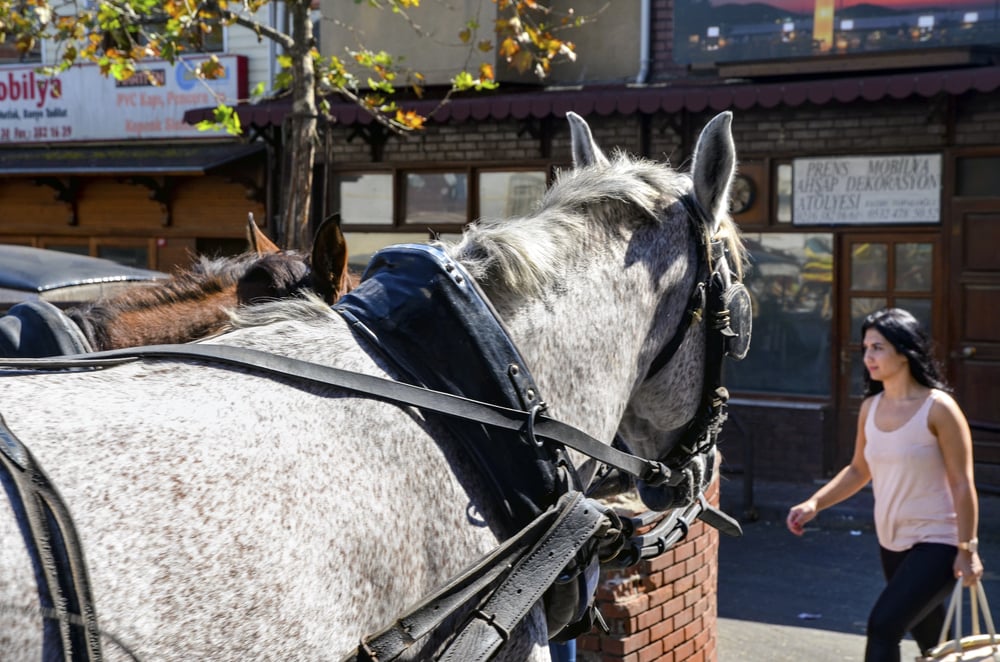
Victorian London’s cab drivers, known as cabmen, were required under licensing regulations to ensure their horses were properly watered and fed before the driver could stop to eat. The horse’s welfare was a legal priority because without it, the cab could not operate.
This was practical rather than sentimental, but it had the side effect of giving horses a kind of legally protected status on the road.
You Could Not Keep A Pigsty In Front Of Your House

Pig keeping in cities drew attention under several Victorian laws meant to handle public health issues and neighborhood disturbances. Front yard hogs, basement animals, creatures penned up in crowded courtyards – each sparked grievances, court cases, then outright bans.
Even into the 1860s and beyond, certain working households in London raised swine for meat. Officials worked steadily through those years to phase out such habits.
Sending Threatening Letters Was A Specific Criminal Offence

Back in 1861, sending a note that threatened to harm someone became a serious crime under new laws, punishable by as many as ten years of forced labor. Since such messages often arrived without a name attached, judges during the Victorian era treated them with deep suspicion – their frequency didn’t help, nor did the fact that finding who sent one was like chasing smoke.
Children Under 13 Banned From Factory Work

Though kids worked less after the 1830s laws, real change came only when rules merged in 1878. That year, ten-year-olds could do part shifts; younger ones stayed out of full days.
Factories hiring children below thirteen faced bans – on paper at least. Still, who enforced what depended on where you were.
The Last Leaf On The Tree

What jumps out when you examine these laws side by side is the clear pattern of reaction in Victorian rule-making. A horse panicked – legislation followed.
Kids missed vaccines – a new act appeared. Families received threatening notes without names – officials drafted rules.
Pigs in cities spread illness – councils stepped in with bans.
Standing back today, certain rules seem almost laughable. A few actually aimed to make life better for people.
Yet each one still shows a truth about living then – tight spaces, noise, smells drifting through streets. These rules came from a world reshaping itself, unsure how a big city ought to run, learning as it moved.
More from Go2Tutors!

- The Romanov Crown Jewels and Their Tragic Fate
- 13 Historical Mysteries That Science Still Can’t Solve
- Famous Hoaxes That Fooled the World for Years
- 15 Child Stars with Tragic Adult Lives
- 16 Famous Jewelry Pieces in History
Like Go2Tutors’s content? Follow us on MSN.



