15 Clothing Items That Solved Practical Problems
Fashion might seem like it’s all about looking good, but throughout history, clothing has been humanity’s answer to some pretty serious challenges. From staying warm in Arctic conditions to surviving dangerous work environments, the clothes we wear today evolved from real needs and clever solutions.
Think about it—every piece of clothing in your closet exists because someone, somewhere, faced a problem and decided to solve it with fabric, thread, and ingenuity. Here is a list of 15 clothing items that tackled practical problems head-on.
Jeans
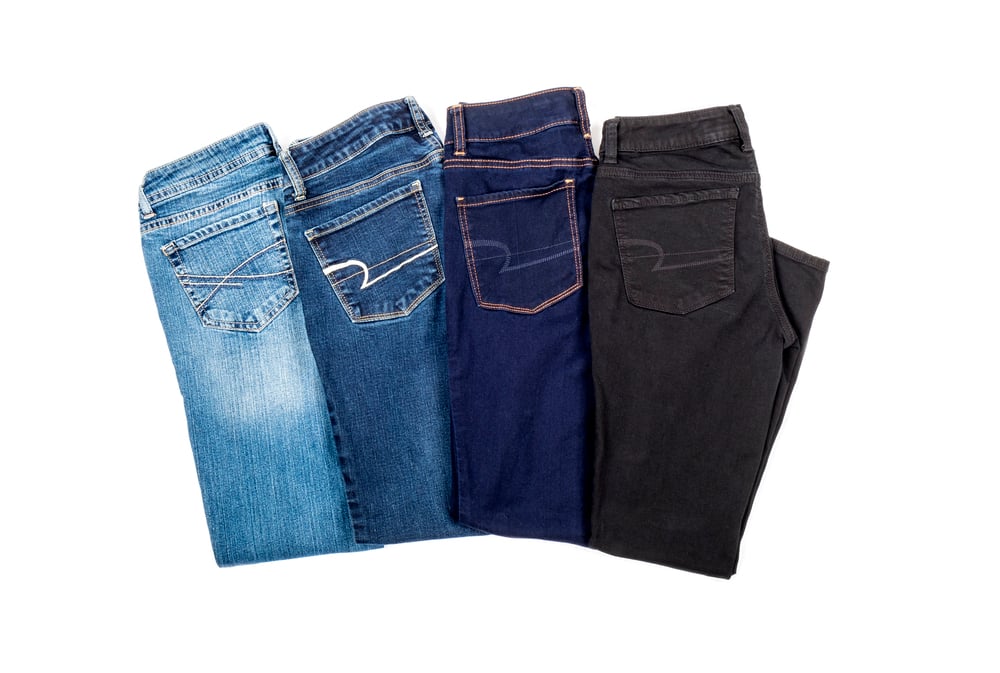
Levi Strauss didn’t set out to create a fashion icon when he started making work pants in 1873. Gold miners in California kept tearing their pants on sharp rocks and tools, so Strauss reinforced the stress points with metal rivets.
The heavy denim fabric could handle the abuse, and those rivets prevented pockets from ripping off completely. What started as mining gear became the world’s most popular casual wear.
Hoodies

The hooded sweatshirt emerged in the 1930s when Champion Products wanted to keep warehouse workers warm in freezing conditions. The attached hood meant workers didn’t have to remember to bring a separate hat, and the front pocket provided a convenient place to warm their hands.
Athletes quickly adopted hoodies for outdoor training, and the rest is history.
Like Go2Tutors’s content? Follow us on MSN.
Cargo Pants

British forces during World War II needed more pocket space for maps, ammunition, and survival gear. Traditional pants just couldn’t carry everything a soldier needed in the field.
The solution was adding large pockets to the thighs, creating what we now call cargo pants. Paratroopers especially loved them because the extra storage meant they could carry more supplies during jumps.
Windbreakers

Runners and outdoor enthusiasts in the 1940s faced a common problem—they needed protection from wind and light rain without the bulk of heavy jackets. Traditional outerwear was too warm for exercise and restricted movement.
Windbreakers solved this with lightweight, breathable materials that blocked wind while allowing sweat to escape. The result was a jacket you could actually move in.
Polo Shirts
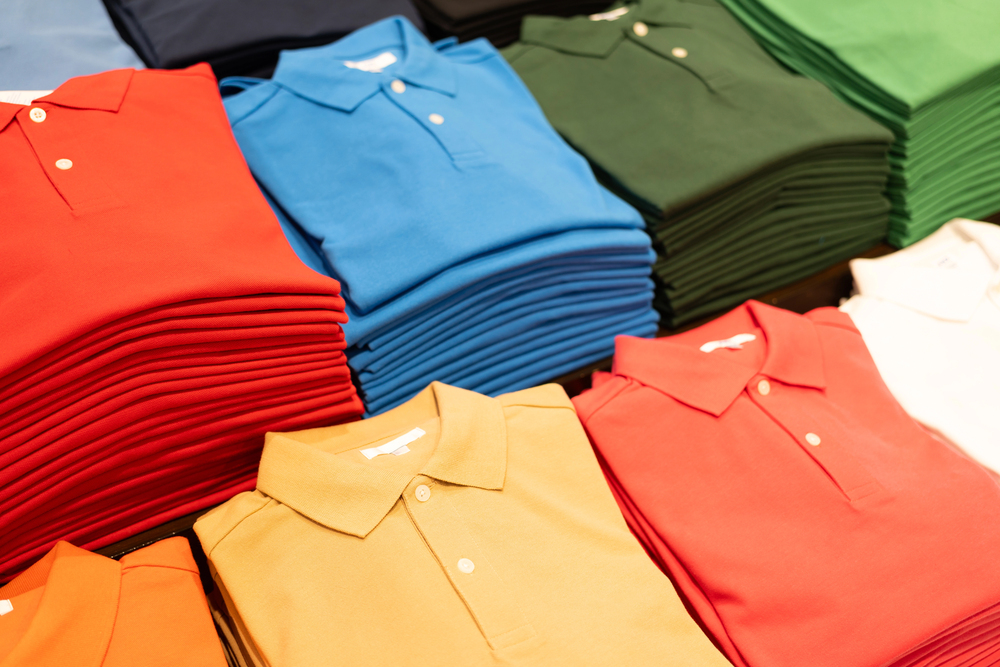
Tennis players in the 1920s were tired of playing in stiff, formal shirts that restricted their swing. René Lacoste, a French tennis champion, designed a shirt with a soft collar that could be popped up to protect the neck from sun, short sleeves for better arm movement, and a longer back hem that stayed tucked in during play.
The piqué cotton fabric was breathable and held its shape better than traditional materials.
Like Go2Tutors’s content? Follow us on MSN.
Hiking Boots
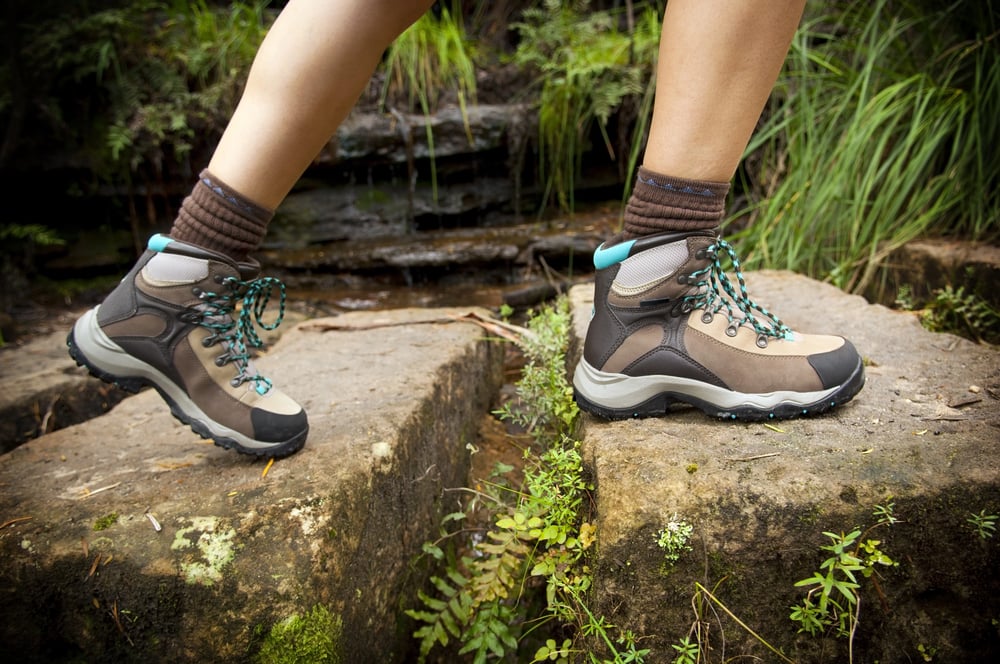
Regular shoes simply couldn’t handle rough terrain and long distances on foot. Early hikers often ended up with blisters, twisted ankles, or worse.
Hiking boots addressed these issues with reinforced ankle support, aggressive tread patterns for traction, and waterproof materials. The higher cut protected against rocks and debris while the sturdy construction could handle thousands of miles of abuse.
Rain Coats

Before waterproof clothing, people either stayed indoors during storms or got soaked. Charles Macintosh solved this in 1824 by sandwiching rubber between two layers of fabric, creating the first truly waterproof coat.
Sailors, farmers, and anyone who worked outdoors finally had protection from the elements. Modern rain coats still use the same basic principle—a waterproof barrier that keeps moisture out.
Work Gloves
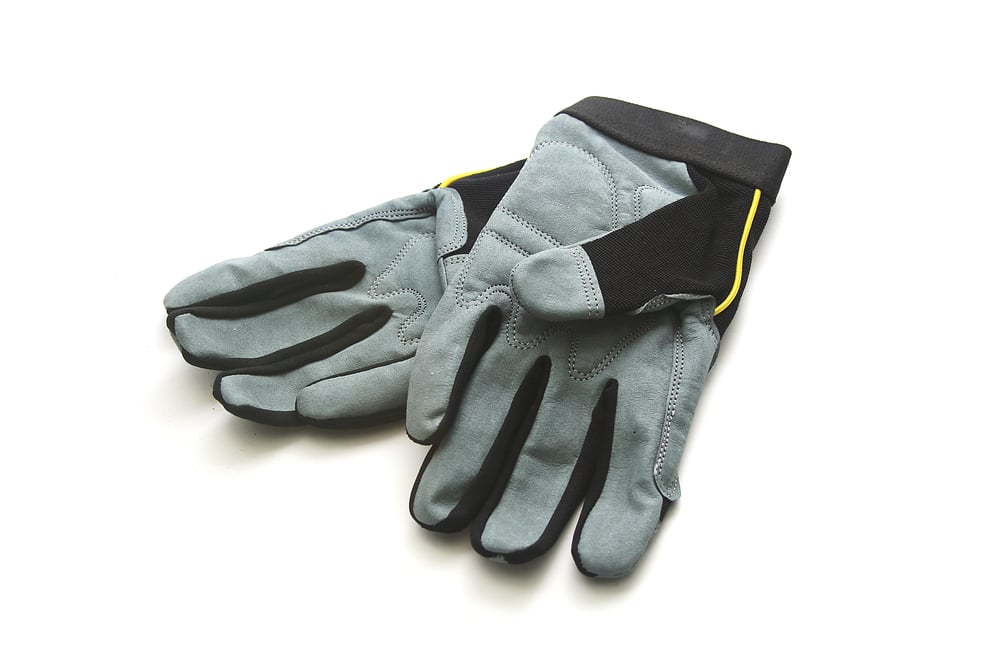
Laborers constantly injured their hands—cuts, burns, and blisters were just part of the job. Leather work gloves provided a barrier between skin and dangerous materials while maintaining enough dexterity to handle tools.
Different industries developed specialized versions, from heat-resistant gloves for metalworkers to cut-resistant gloves for butchers.
Like Go2Tutors’s content? Follow us on MSN.
Overalls
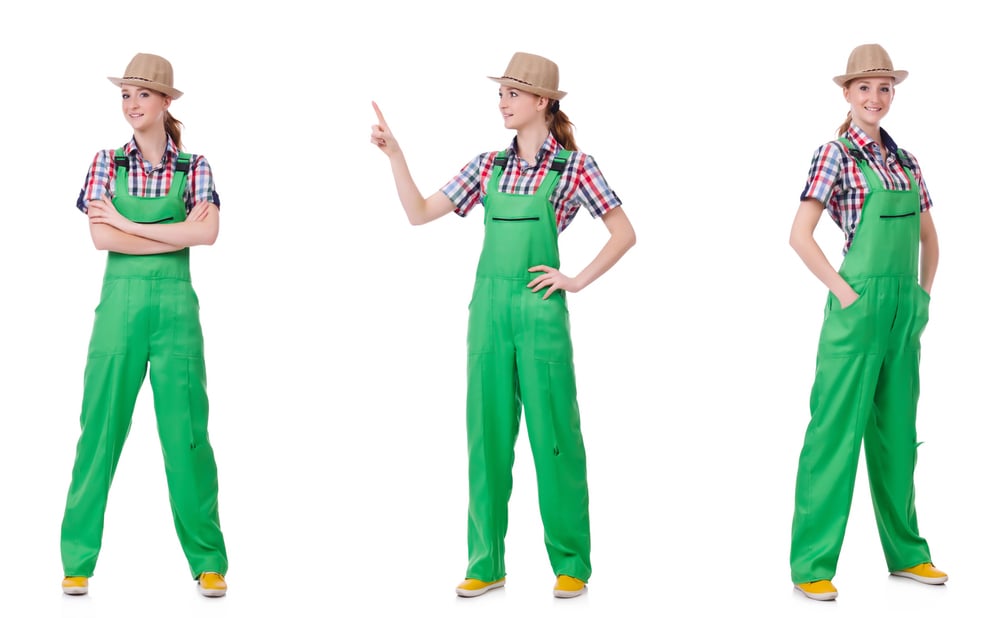
Farmers and railroad workers needed clothing that could handle dirty, physical work without falling apart. Regular pants and shirts would tear, stain, or come untucked during heavy labor.
Overalls solved multiple problems at once—the bib front protected the chest and shirt, shoulder straps kept everything in place, and the sturdy construction could handle abuse. Plus, all those pockets provided storage for tools.
Turtlenecks

Fishermen and sailors developed the turtleneck to protect their necks from cold ocean winds and spray. The high collar could be pulled up over the chin for extra warmth, while the close-fitting design prevented wind from getting inside the garment.
Submarine crews particularly valued turtlenecks because the smooth design wouldn’t catch on equipment in tight spaces.
Steel-Toed Boots
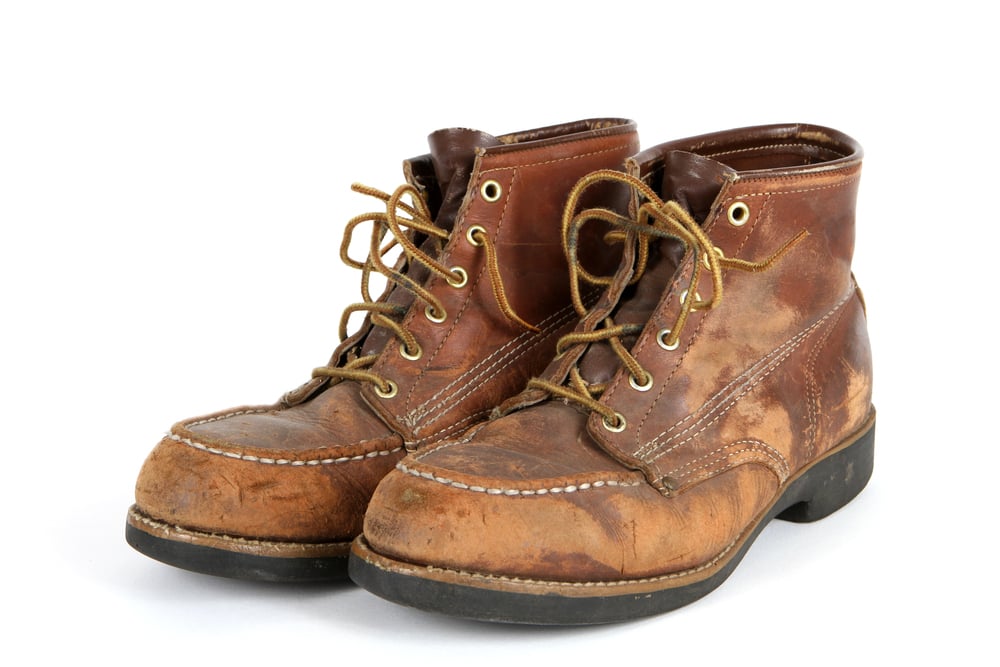
Industrial workers faced constant danger from falling objects, heavy machinery, and sharp materials. Regular boots offered no protection against a dropped wrench or rolling equipment.
Steel-toed boots solved this with reinforced caps that could withstand impacts of several hundred pounds. Construction workers, factory employees, and warehouse staff finally had footwear that could save their toes.
Like Go2Tutors’s content? Follow us on MSN.
Parkas
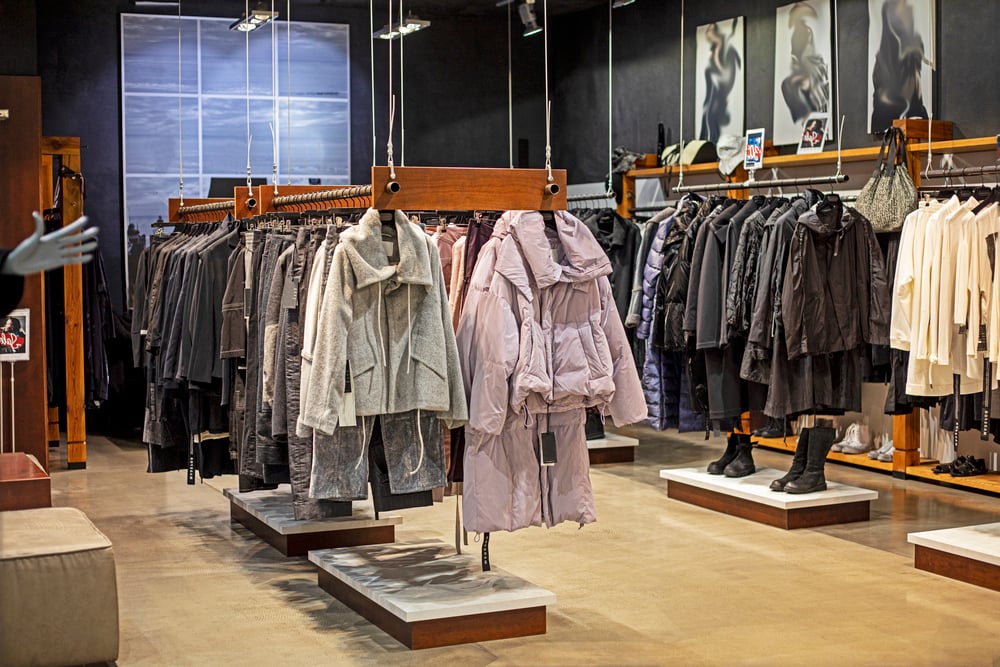
Arctic explorers and military personnel needed protection from extreme cold and wind. Regular coats just couldn’t handle temperatures dozens of degrees below freezing.
Parkas, inspired by traditional Inuit designs, used multiple layers, fur-lined hoods, and wind-resistant outer shells. The long cut protected more of the body, while the adjustable hood could seal out even the fiercest winds.
Moisture-Wicking Shirts
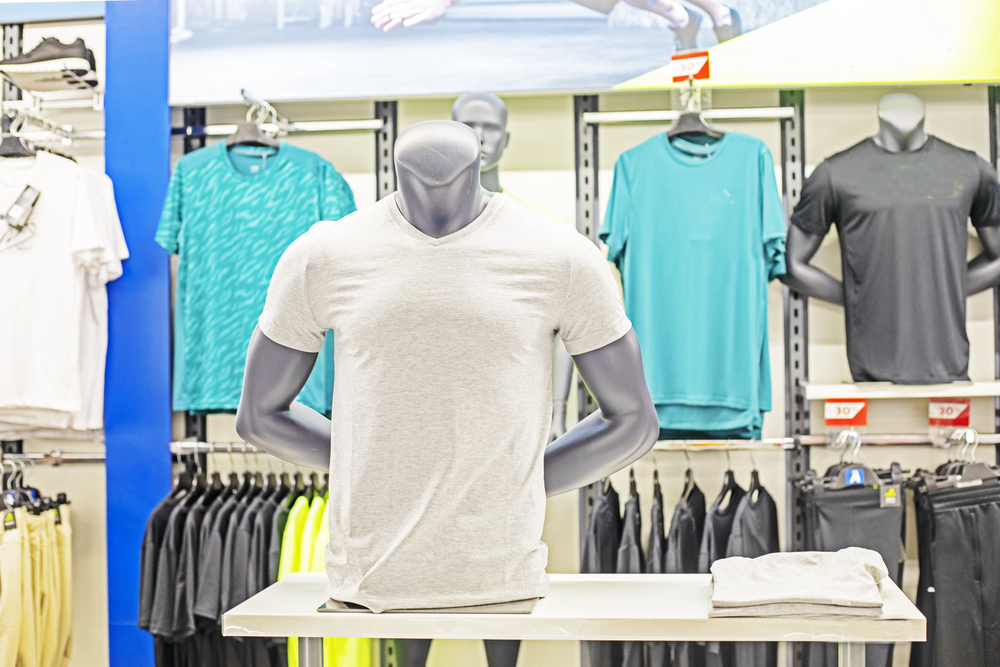
Athletes and outdoor enthusiasts struggled with cotton shirts that absorbed sweat and stayed wet, leading to chafing and discomfort. Synthetic moisture-wicking fabrics solved this by pulling sweat away from the skin and allowing it to evaporate quickly.
Runners could finally wear shirts that actually helped them stay dry and comfortable instead of becoming heavy, soggy messes.
Reflective Vests

Road workers, airport ground crews, and emergency responders needed to be visible in dangerous environments. Dark clothing made them nearly invisible to drivers and equipment operators, leading to accidents and injuries.
High-visibility vests with reflective strips solved this problem by making workers visible from hundreds of feet away, even in low light conditions.
Like Go2Tutors’s content? Follow us on MSN.
Compression Socks
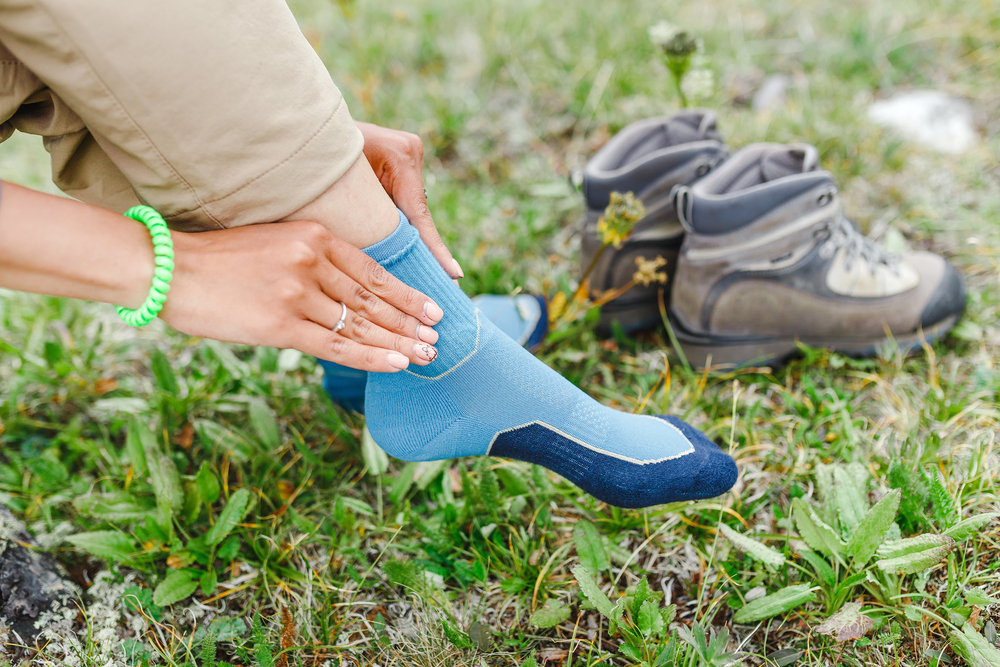
Long-distance travelers and people who stand all day faced problems with poor circulation and swollen feet. Regular socks did nothing to help blood flow back to the heart. Compression socks apply graduated pressure that helps improve circulation, reduce swelling, and prevent blood clots.
Nurses, pilots, and marathon runners discovered they could work longer and feel better with the right socks.
From Function to Fashion

Today’s clothing industry owes its existence to practical problem-solving. The jeans you wear started as mining gear, your hoodie began as warehouse workwear, and those hiking boots evolved from the need to walk long distances safely.
Even high fashion often takes inspiration from utilitarian designs that solved real-world challenges. The next time you get dressed, remember that you’re putting on centuries of human ingenuity—clothing that exists because someone faced a problem and refused to accept ‘that’s just how it is’ as an answer.
More from Go2Tutors!

- 16 Historical Figures Who Were Nothing Like You Think
- 12 Things Sold in the 80s That Are Now Illegal
- 15 VHS Tapes That Could Be Worth Thousands
- 17 Historical “What Ifs” That Would Have Changed Everything
- 18 TV Shows That Vanished Without a Finale
Like Go2Tutors’s content? Follow us on MSN.