15 Forgotten Sports Once Played by Olympic Athletes
The modern Olympic Games have showcased extraordinary athletic achievements since their revival in 1896. While swimming, gymnastics, and track events have remained constants throughout Olympic history, many once-prominent competitions have faded into obscurity, relegated to historical footnotes despite once crowning Olympic champions.
Here is a list of 15 forgotten sports that once allowed athletes to compete for Olympic glory before being removed from the games.
Tug of War
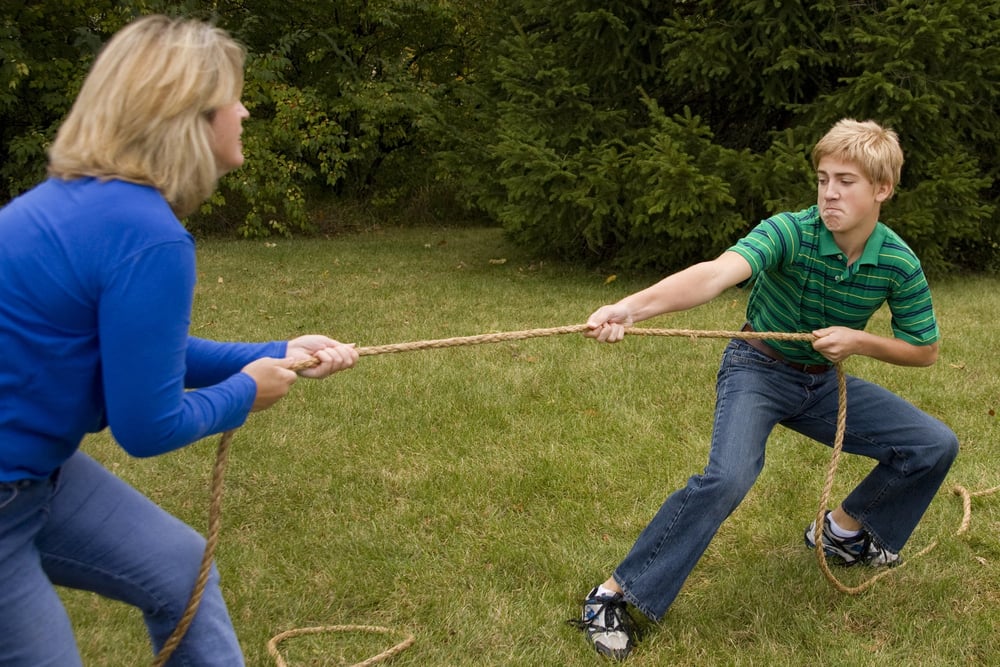
From to , teams of burly athletes faced off in this classic test of strength at five consecutive Olympics. Great Britain dominated the event with five medals overall.
The competition often featured police and city club teams, with the British police team winning gold while wearing their service boots for better traction.
Solo Synchronized Swimming
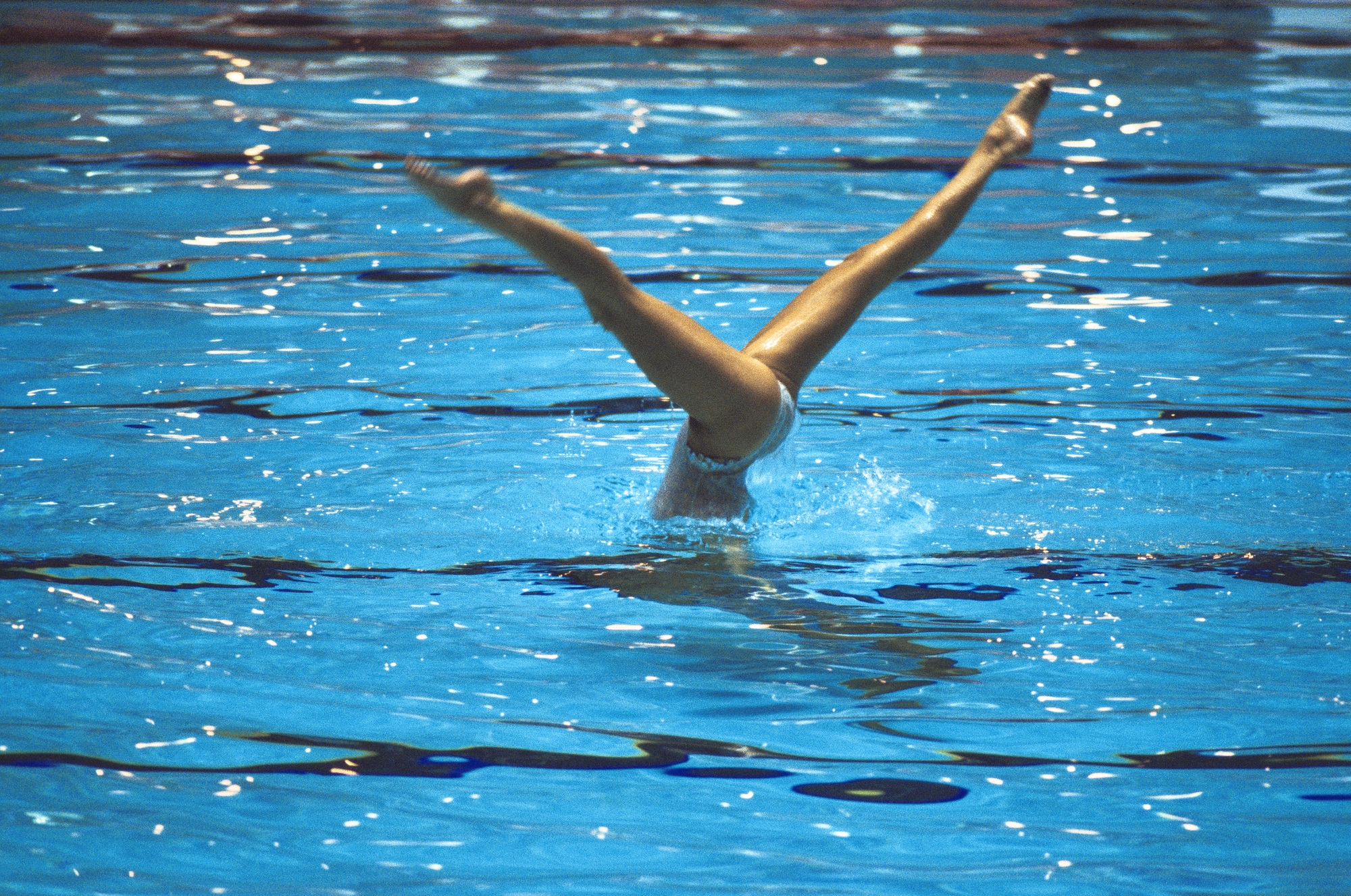
This paradoxically named event featured individual swimmers performing choreographed routines synchronized to music rather than to other swimmers. It appeared in three Olympics from to before officials finally acknowledged the logical contradiction in its name.
The sport was removed while team synchronized swimming continued to thrive as an Olympic event.
Like Go2Tutors’s content? Follow us on MSN.
Live Pigeon Shooting
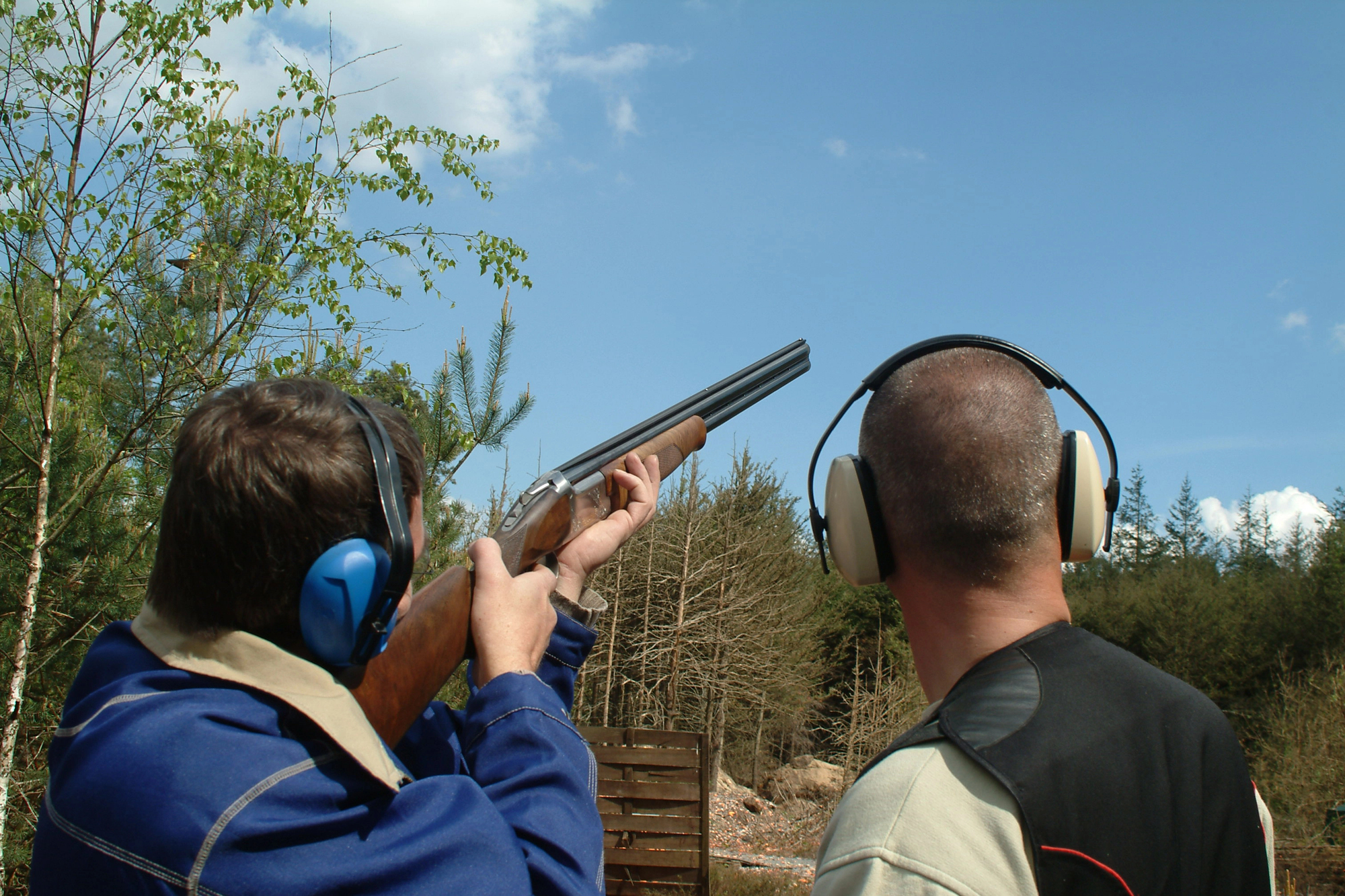
The Paris Olympics featured the first and only live pigeon shooting competition in Olympic history. Competitors shot at real birds released from traps, with the winner determined by who killed the most pigeons.
Nearly birds were killed during the event, which was quickly discontinued and replaced with clay targets in subsequent Olympics.
Swimming Obstacle Race
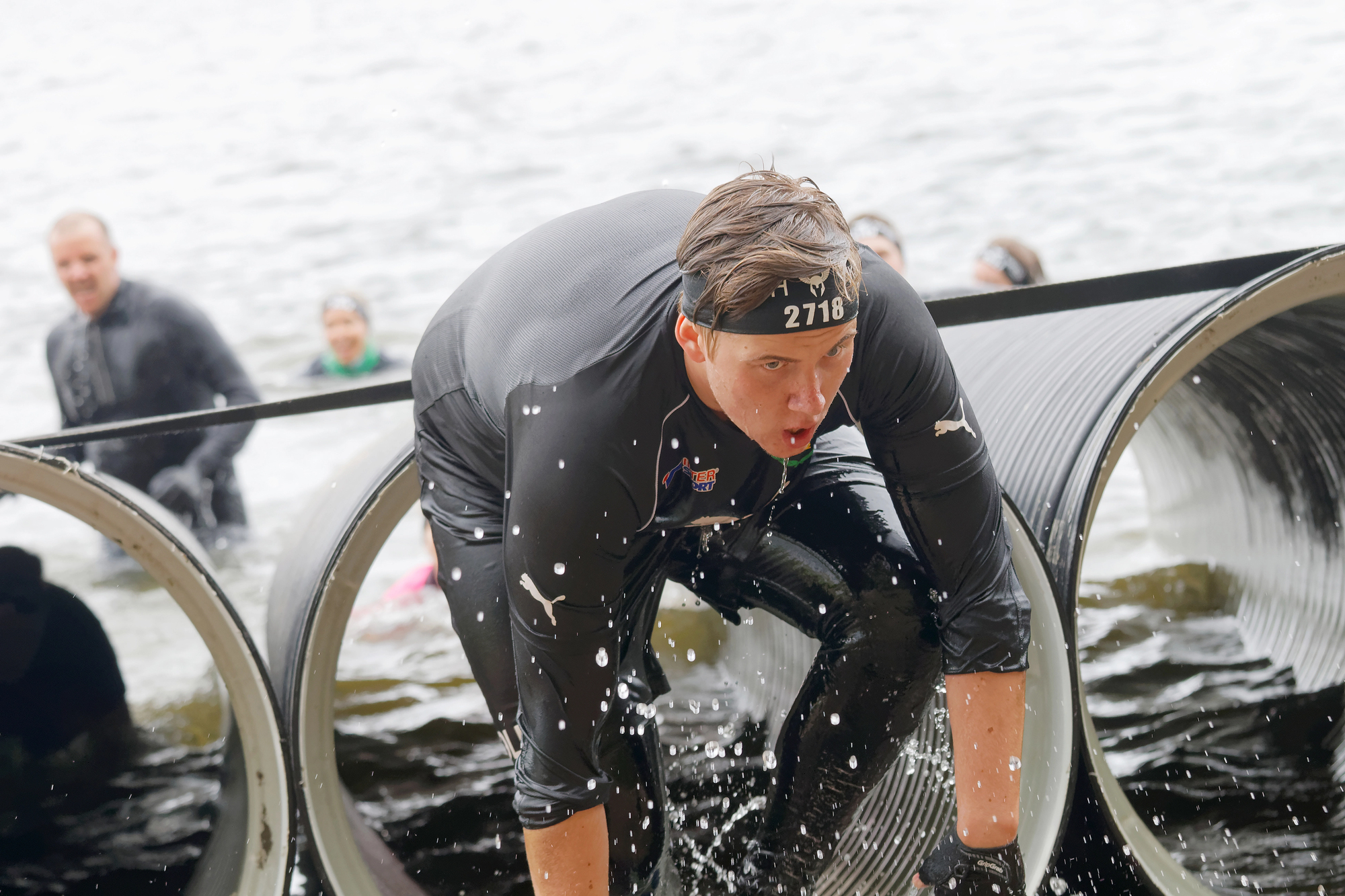
The Paris Games included a -meter swimming obstacle race in the Seine River. Competitors had to climb over a pole, swim under a row of boats, and then climb over another row of boats.
Austrian swimmer Otto Wahle won bronze despite the unusual challenges and murky river water that made visibility nearly impossible.
Plunge for Distance
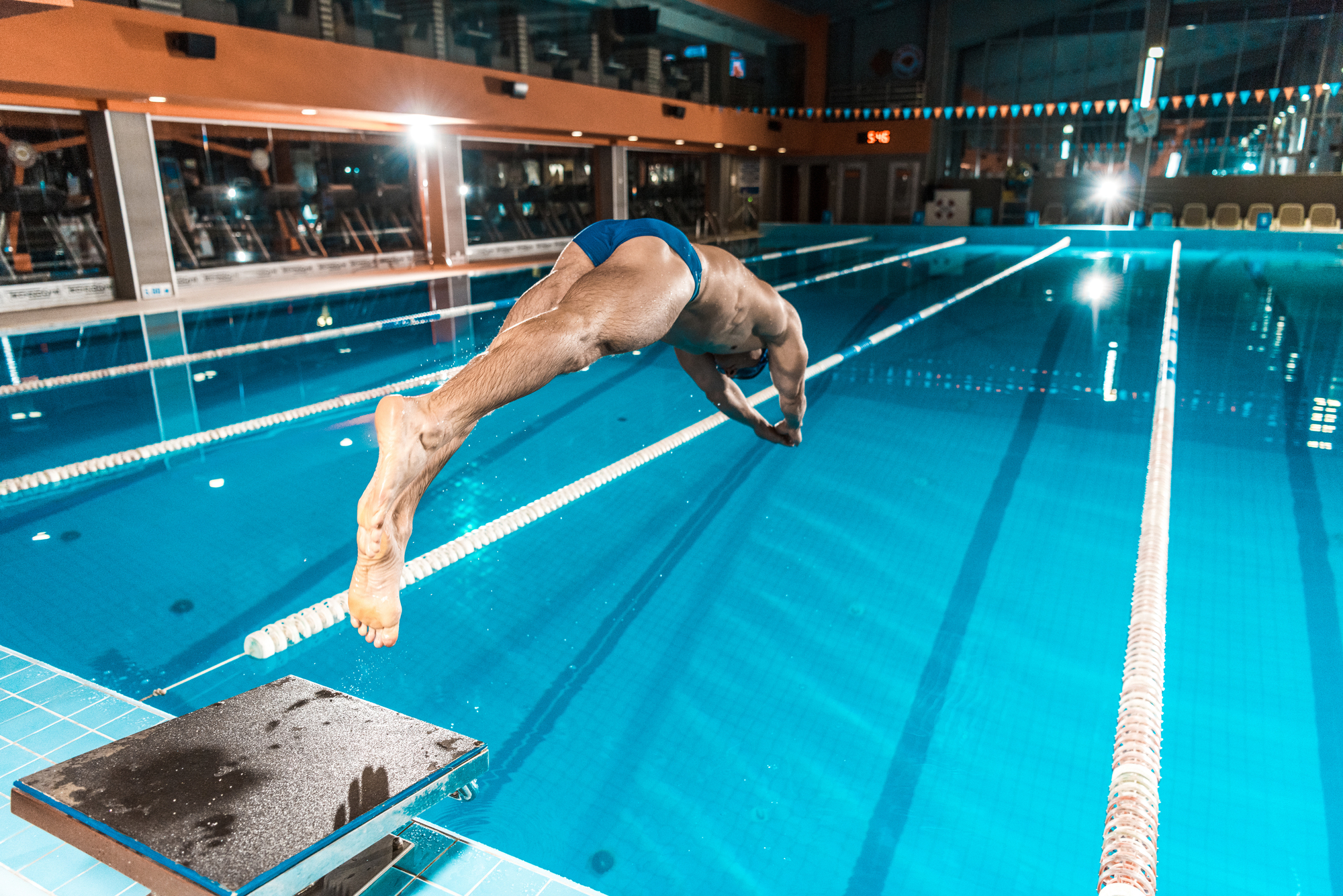
This peculiar aquatic event made its sole Olympic appearance in . Competitors jumped into the pool from a standing position and then glided underwater without moving their limbs for seconds or until they surfaced.
American William Dickey won gold with a distance of feet in what amounts to essentially a contest of momentum and flotation.
Like Go2Tutors’s content? Follow us on MSN.
Rope Climbing
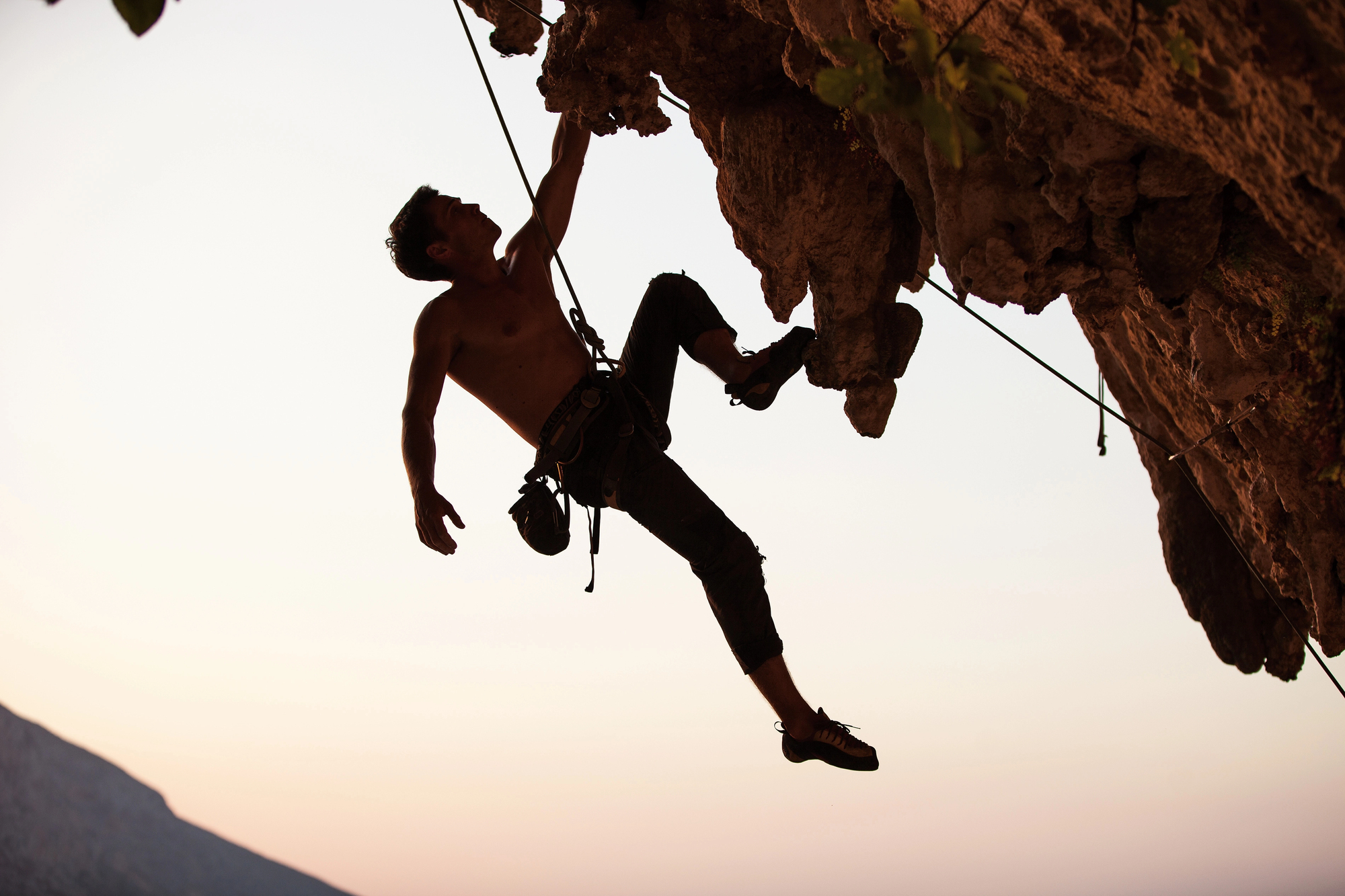
From to , athletes competed to climb a vertical rope measuring approximately feet in height. The event emphasized both speed and technique, with competitors judged on time or how high they could climb without using their legs.
In the Athens Games, only two athletes successfully reached the top of the rope.
Dueling Pistols
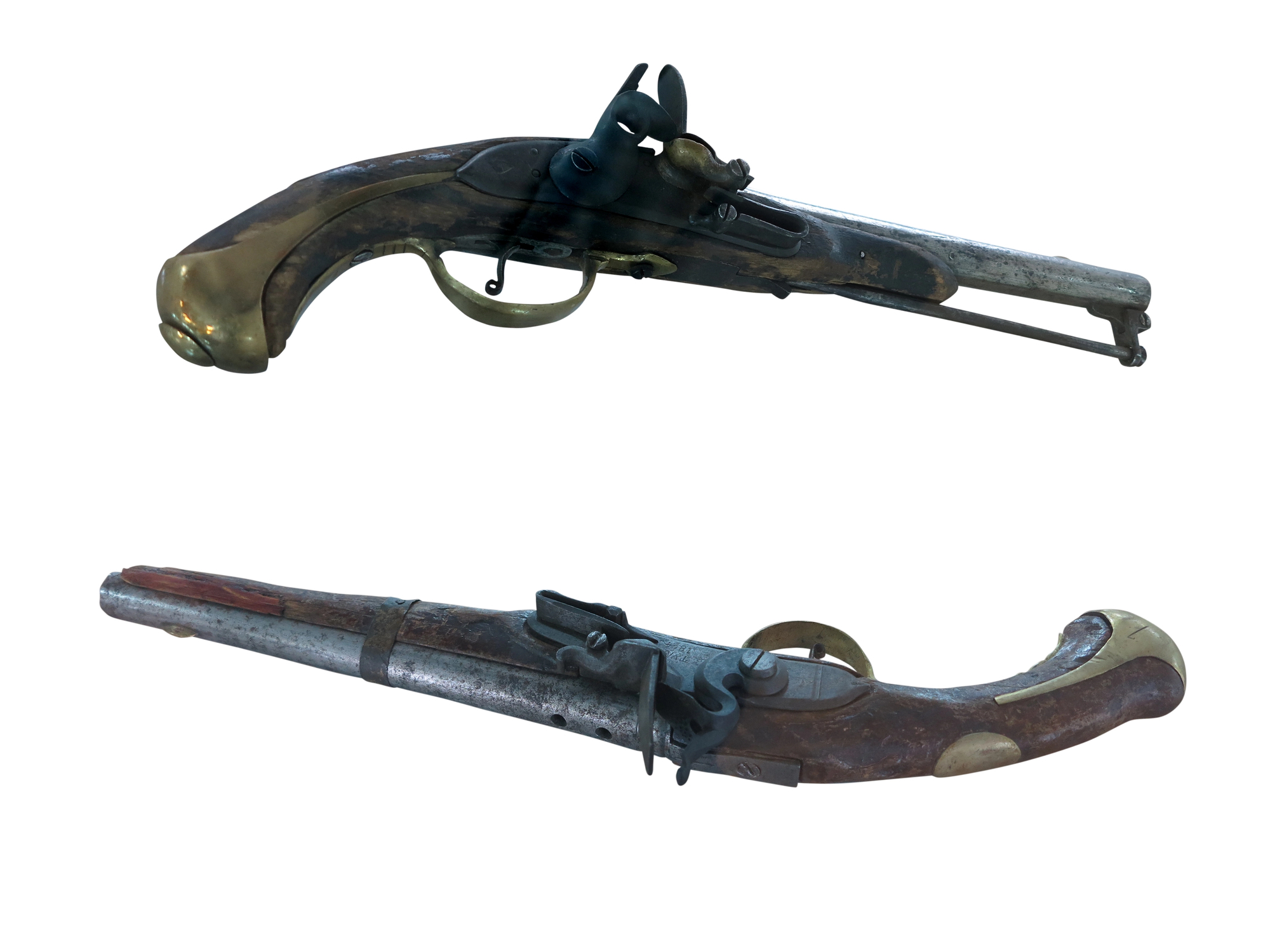
The Intercalated Games and Olympics featured dueling pistols competitions where participants fired at human-shaped targets dressed in frock coats. Competitors used standard dueling pistols, though thankfully aiming at dummies rather than each other.
The event disappeared after as competitive shooting evolved toward more standardized formats.
Hot Air Ballooning

The Paris Olympics included hot air ballooning as a demonstration sport. Points were awarded for distance, duration, and elevation achieved.
The event never gained official medal status but represented the era’s fascination with new forms of transportation and adventure at the dawn of modern aviation.
Like Go2Tutors’s content? Follow us on MSN.
Croquet
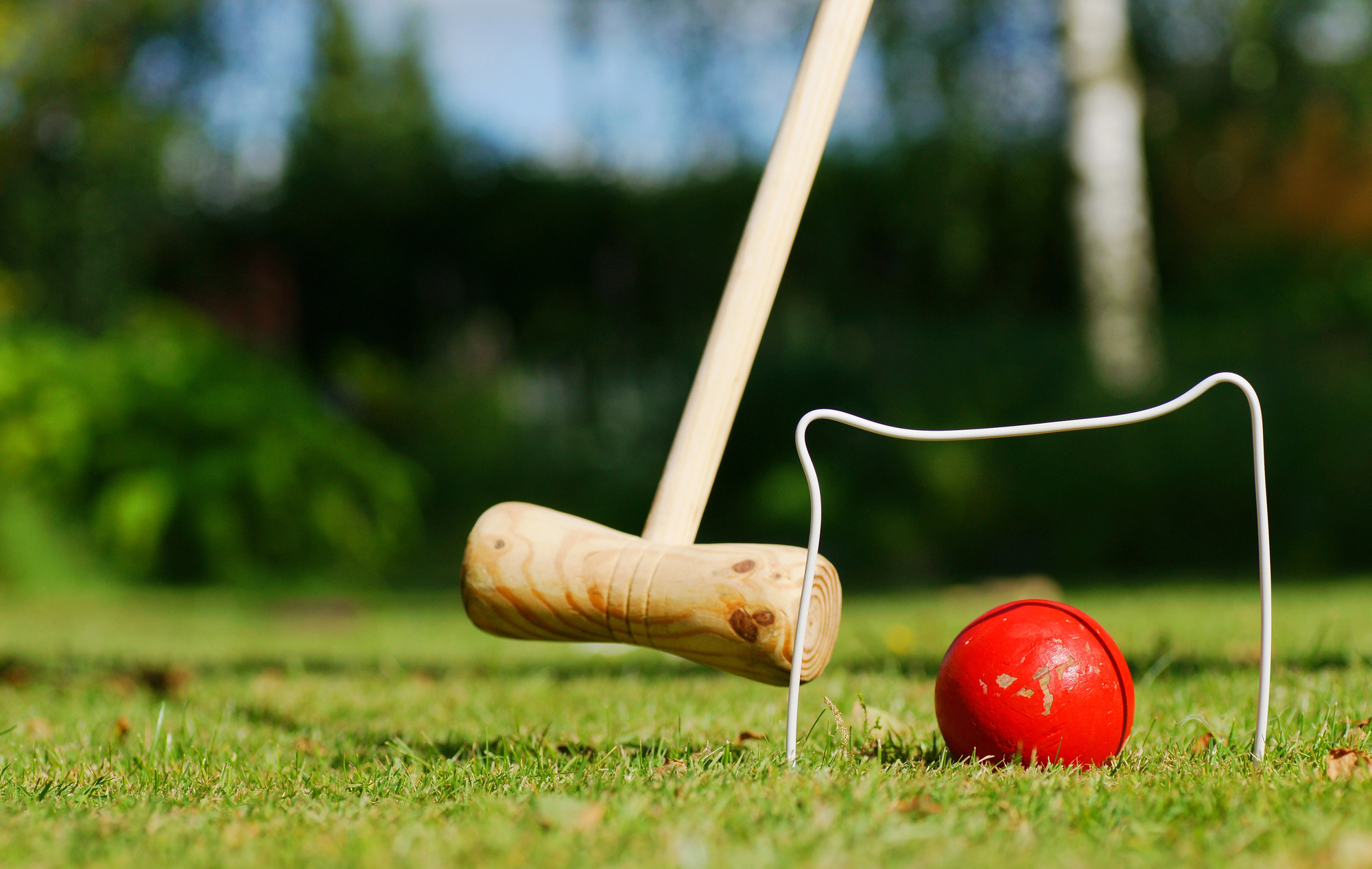
The Paris Games featured croquet as an official Olympic sport, attracting a grand total of ten competitors, all French. The competition suffered from a lack of spectators, with reportedly only one paying customer witnessing the event.
Unsurprisingly, French players swept all medals, and the sport never returned to the Olympic program.
Motor Boating
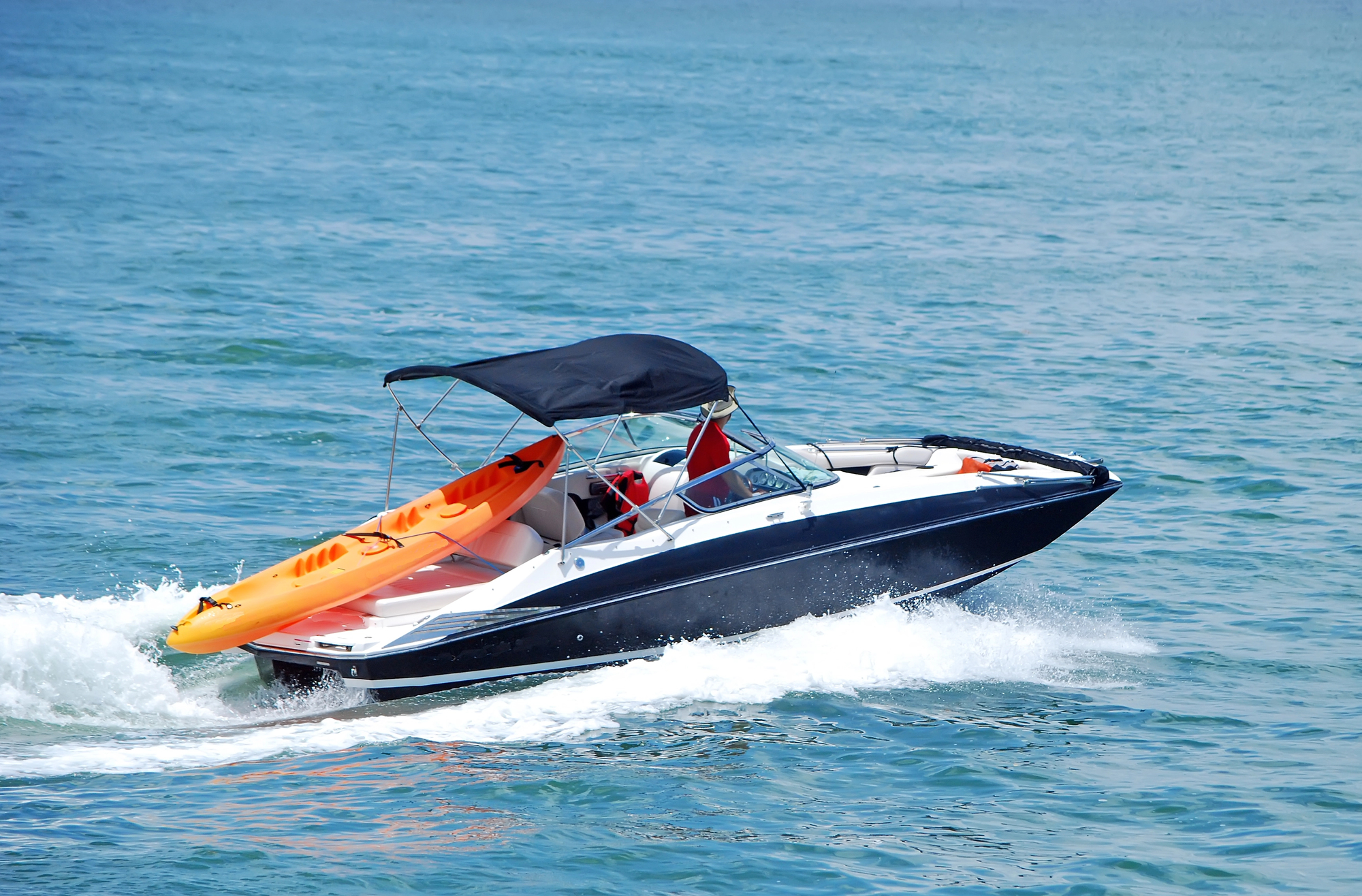
The London Olympics introduced motor boating competitions across three events: -meter, -foot, and open class. Poor weather conditions in Southampton Water made for a challenging competition, with several boats failing to finish.
The combination of dangerous conditions, high costs, and limited international participation ended its Olympic tenure after just one appearance.
Club Swinging
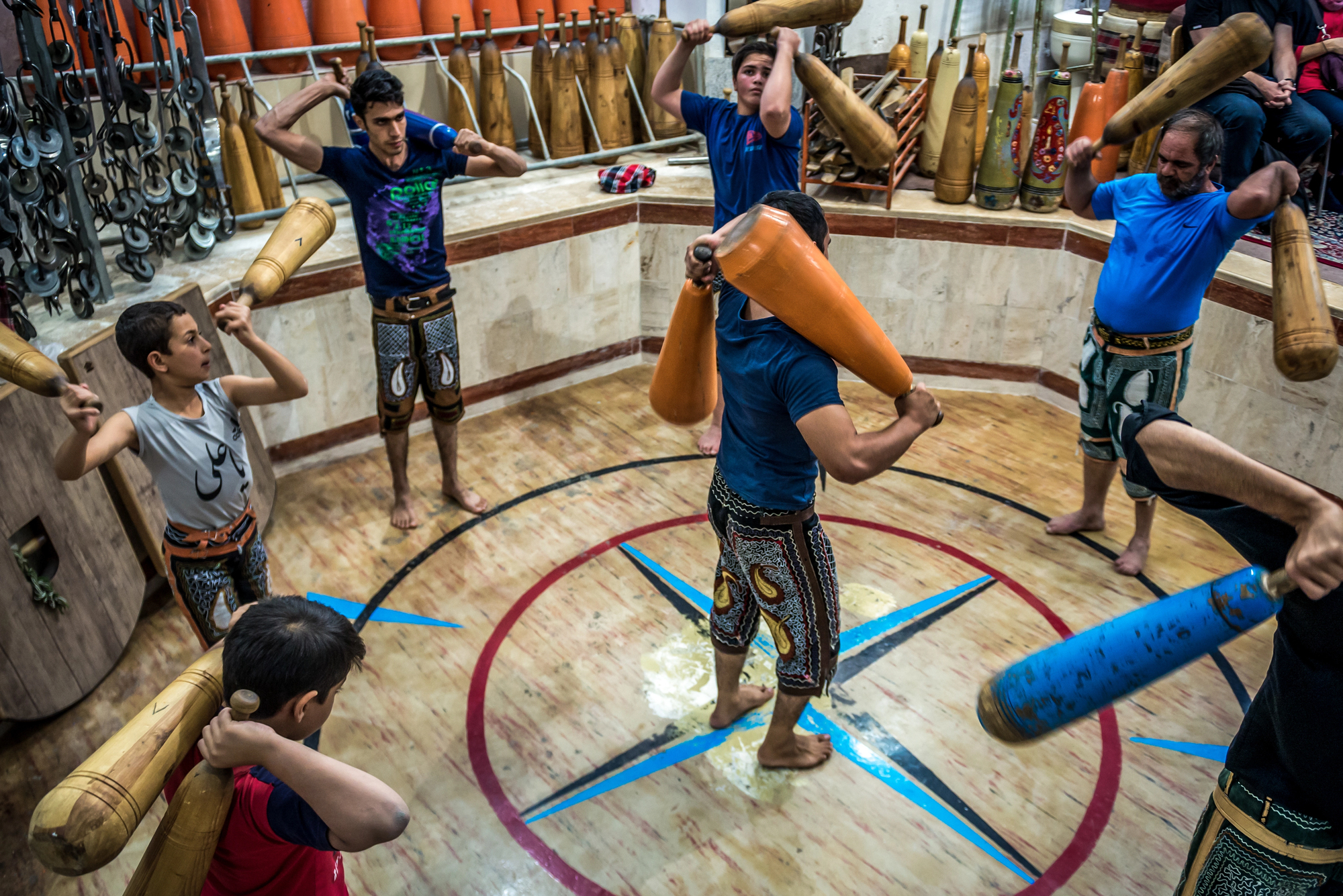
This gymnastics discipline appeared in the and Olympics, requiring athletes to swing bowling pin-shaped wooden clubs in various patterns. The event tested rhythm, coordination, and strength as competitors performed increasingly complex routines.
American George Eyser, who competed with a wooden leg, won gold in alongside his five other medals in different gymnastics events.
Like Go2Tutors’s content? Follow us on MSN.
Roque
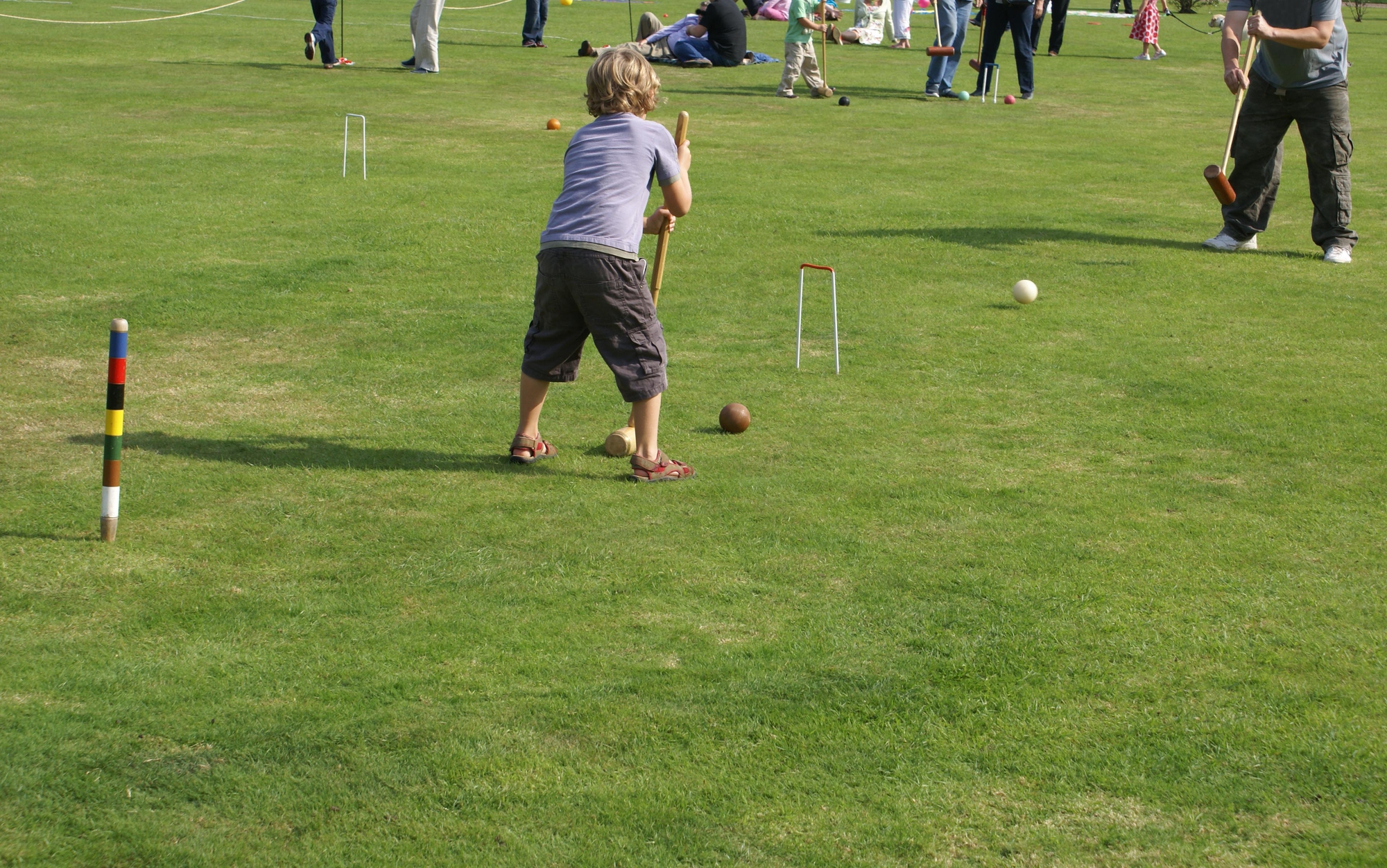
The St. Louis Games featured roque, an American variation of croquet played on a hard, smooth surface with shorter mallets and bordered by a concrete wall. All four competitors were American, resulting in a clean sweep of the medals.
The sport’s limited international appeal meant it never returned to the Olympic program after its single appearance.
Jeu de Paume

This ancient precursor to modern tennis appeared in the Olympics, with competitors playing in an indoor court with rules dating back to medieval times. Players struck the ball with their hands or a racket against indoor walls, similar to modern squash.
American Jay Gould II won gold in the event’s only Olympic appearance, dominating the small field of competitors.
Standing High Jump
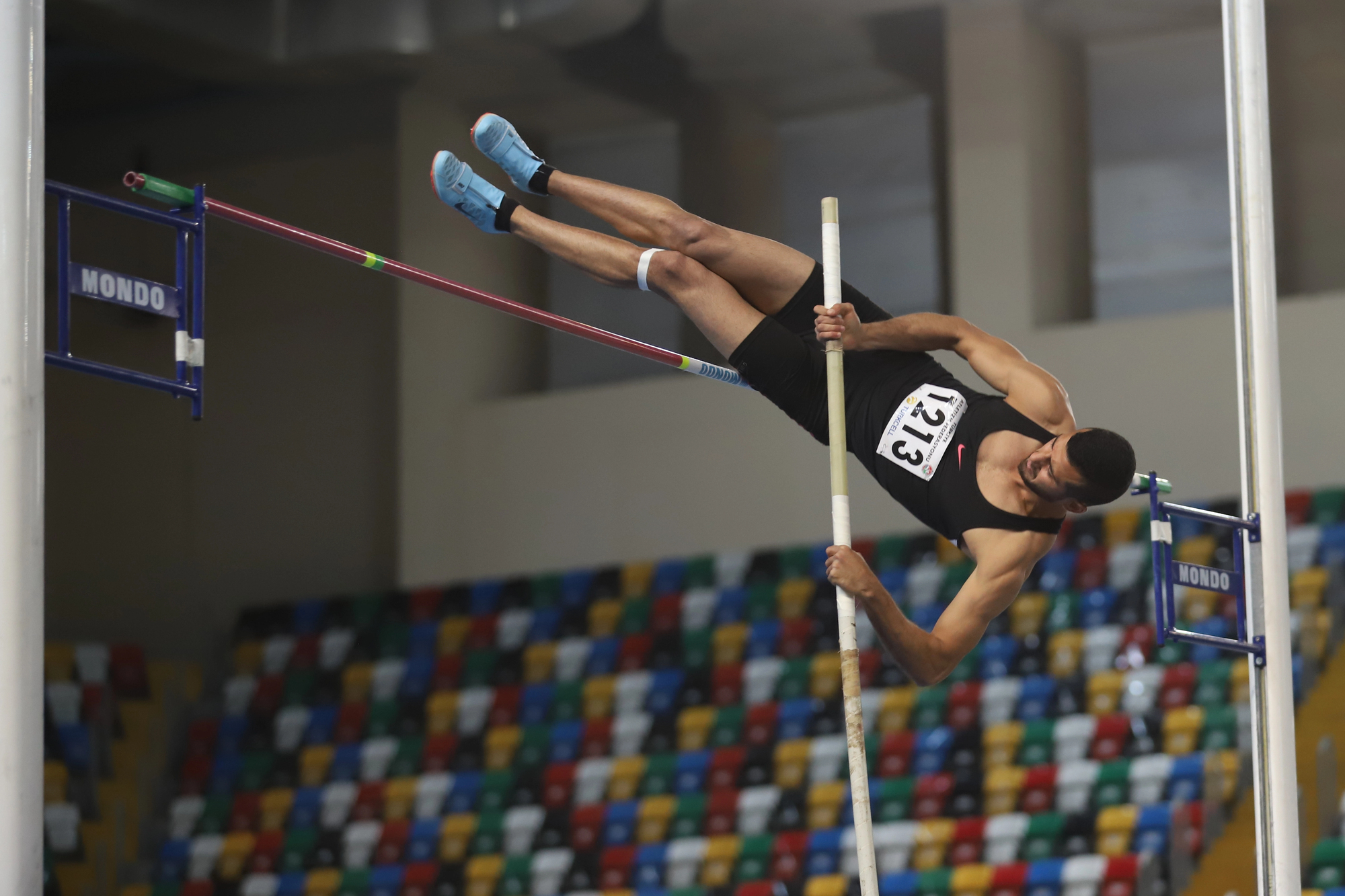
While the traditional high jump remains an Olympic staple, the standing version disappeared after the Games. Athletes jumped from a stationary position without a running start, placing enormous emphasis on raw leaping power and technique.
American Ray Ewry dominated the event, winning eight gold medals in standing jumps between and .
Like Go2Tutors’s content? Follow us on MSN.
Literature Competitions

Between and , the Olympics awarded medals for literature, architecture, music, painting, and sculpture. These arts competitions were the brainchild of Pierre de Coubertin, the founder of the modern Games, who believed the Olympics should honor both physical and intellectual achievements.
The winning literature entry was ‘Ode to Sport,’ anonymously submitted by Coubertin himself.
Olympic Evolution
These forgotten competitions reflect the evolving nature of athletic achievement and changing cultural interests across decades. What once captivated audiences and athletes has given way to new sports like skateboarding, sport climbing, and surfing.
The Olympic Games continue to balance tradition with innovation, occasionally retiring events while introducing others that capture contemporary athletic trends. These discontinued sports serve as fascinating windows into past eras when Olympic glory could be achieved through pigeon shooting, rope climbing, or even poetry.
More from Go2Tutors!

- 16 Restaurant Chains That Went Too Fast
- 12 Things Sold in the 80s That Are Now Illegal
- 15 Strange Things People Have Tried to Ban (And Failed)
- 16 Collectibles People Tossed Out Too Soon
- 17 Myths from Your Childhood That Were Actually Based on Real Things
Like Go2Tutors’s content? Follow us on MSN.