17 Once-Common Skills That Are Becoming Extinct (And Why They Still Matter)
Technological developments have significantly altered how we live, work, and interact in our changing society. Many of the skills that were absolutely necessary only a generation ago are already sliding into obscurity, supplanted by apps, automation, and contemporary conveniences.
Still, these vanishing skills sometimes had advantages outside their usefulness. Here is a list of 17 once-common skills that are vanishing from our collective knowledge base, and why preserving them might still be worthwhile in today’s digital age.
Reading a Physical Map
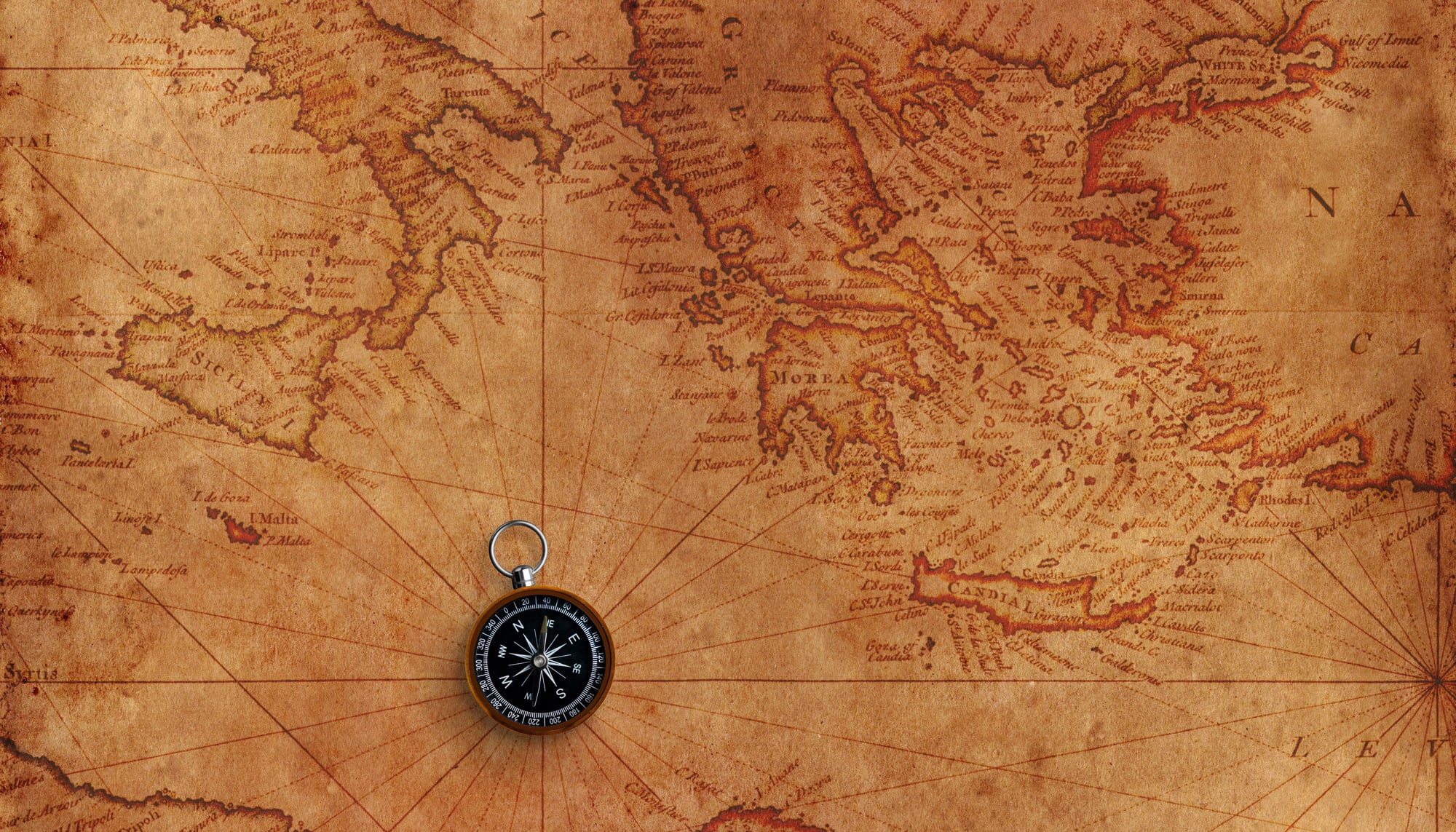
Before turn-by-turn GPS and smartphone navigation, people relied on paper maps that called for planning and spatial awareness. Being able to autonomously plan routes, understand geography, and orient oneself in real space helps one to acquire problem-solving abilities that computerized navigation does not encourage.
Because it still works even with signal or energy loss, map reading is a reliable backup for outside activities.
Cursive Handwriting

As typing becomes more common, several schools have cut back on or stopped teaching cursive. However, research indicates that handwriting may improve memory and learning by activating cerebral regions that typing does not.
In addition to its cognitive advantages, cursive writing gives communications a human touch that computer text cannot match. It also enables contemporary readers to engage directly with historical records.
Mental Arithmetic

Though mental math increases working memory and arithmetic fluency, calculator applications have made it appear pointless. This ability allows for rapid estimates when shopping, bill verification, or check splitting without gadget reliance.
Like crossword puzzles keep the mind sharp, the mental workout also preserves cognitive function as we age.
Darning and Mending
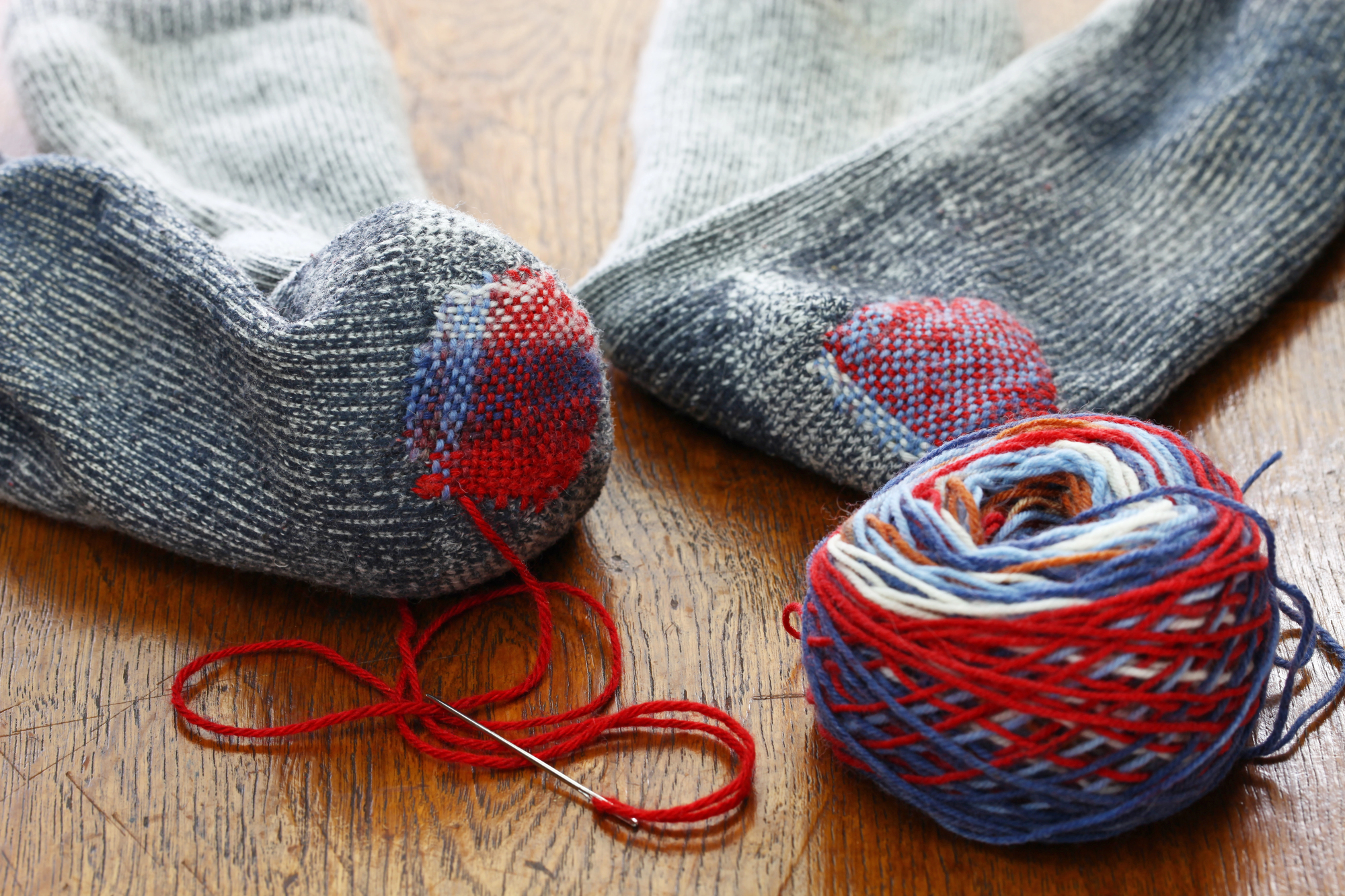
The fast fashion era has made clothing repair seem more trouble than it’s worth. However, basic mending skills extend garment life, reduce waste, and save money in the long run.
There’s also significant satisfaction in restoring something useful with your own hands, connecting us to a tradition of resourcefulness practiced by previous generations.
Memorizing Phone Numbers

Contact lists have eliminated the need to remember phone numbers, weakening our memory muscles. The practice of memorizing important numbers trains recall abilities and provides crucial access during emergencies when phones are unavailable.
This small mental exercise represents a larger lost art of committing important information to memory rather than outsourcing it to devices.
Letter Writing
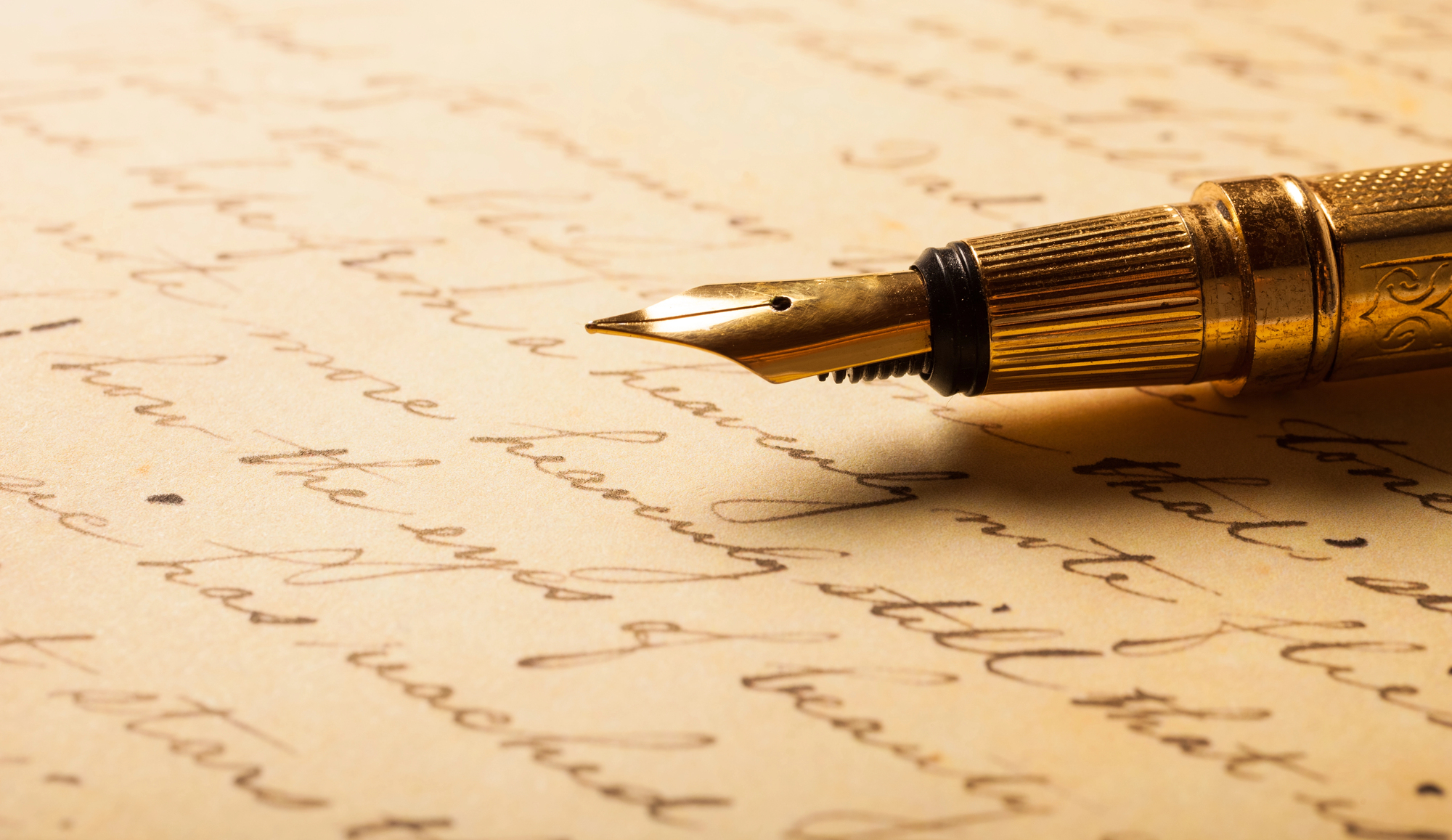
Though careful letter writing promotes deeper thought than fast digital communication, email and text have mostly supplanted personal letters. The intentional process of creating clearer thought and expression entails carefully considering your words since changes are not simple.
Getting a physical letter also establishes a real link between people that digital communications seldom develop.
Analog Photography

Digital cameras offer instant results and endless shots, but film photography teaches patience, planning, and technical understanding. The limited number of exposures forces photographers to consider composition and timing before shooting.
Developing physical photographs also provides a hands-on understanding of the chemical processes behind image creation, connecting technical knowledge with artistic expression.
Starting a Fire Without Matches

Modern conveniences have made this survival skill seem irrelevant, but fire-making teaches resourcefulness and provides a connection to human history. The technique combines understanding of materials, patience, and precision that develops both practical abilities and appreciation for something we often take for granted.
Even occasionally practicing primitive fire-starting maintains a link to the fundamental technologies that allowed human civilization to develop.
Food Preservation

With refrigeration and grocery stores everywhere, traditional food preservation methods like canning, smoking, and fermenting are becoming specialized hobbies rather than necessities. These techniques not only create unique flavors unavailable in commercial products but also foster food security and sustainability.
Understanding preservation connects us to seasonal eating patterns and agricultural cycles that modern food systems often obscure.
Orienteering and Wilderness Navigation
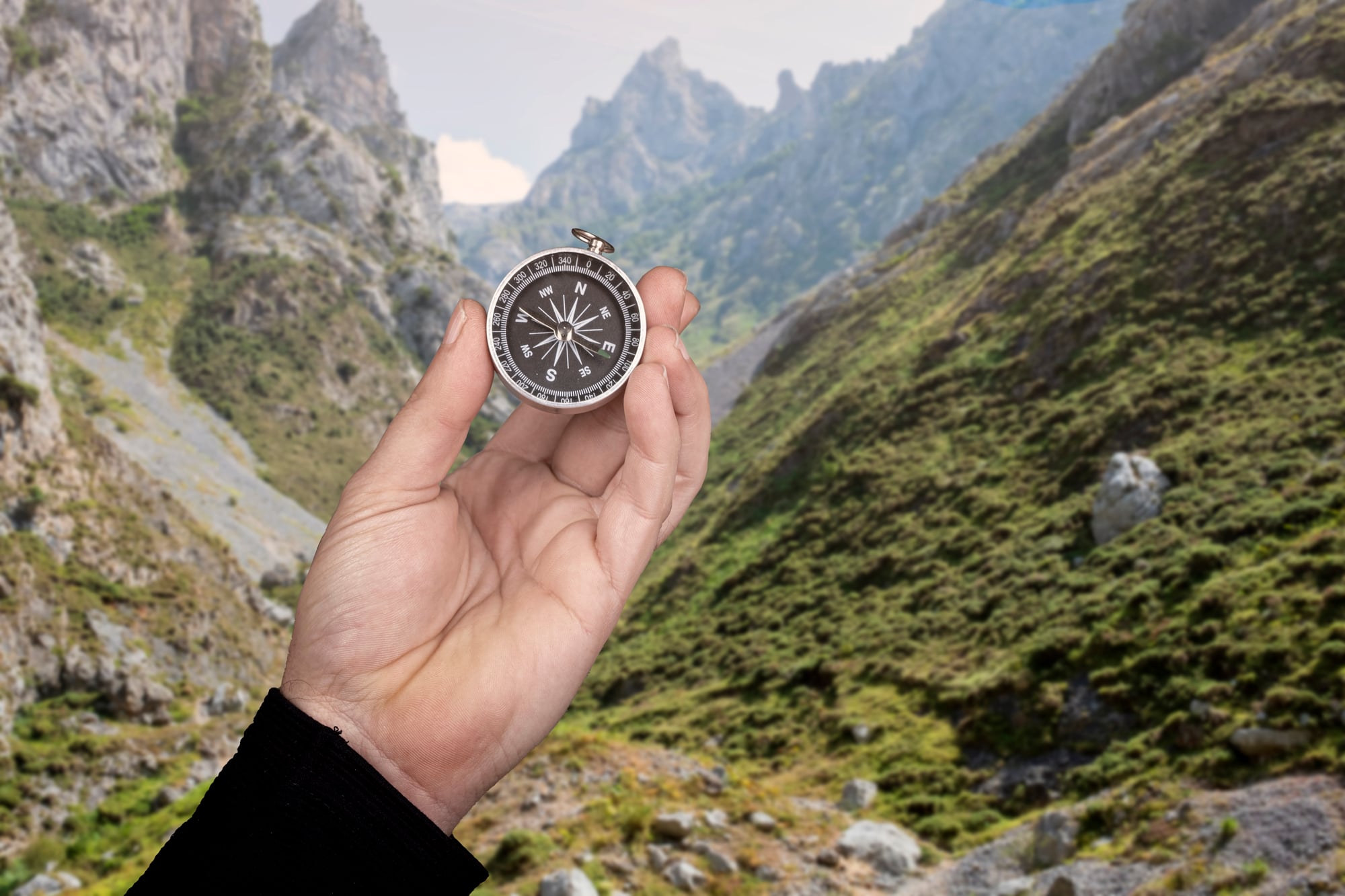
Electronic devices have mostly superseded the capacity to find using natural signs such as the sun, stars, and topographical features. Still, these skills help outdoor environments to develop self-reliance and promote greater awareness of natural surroundings.
This environmental literacy helps people build a meaningful relationship with natural areas instead of just passing through them.
Basic Mechanical Repair
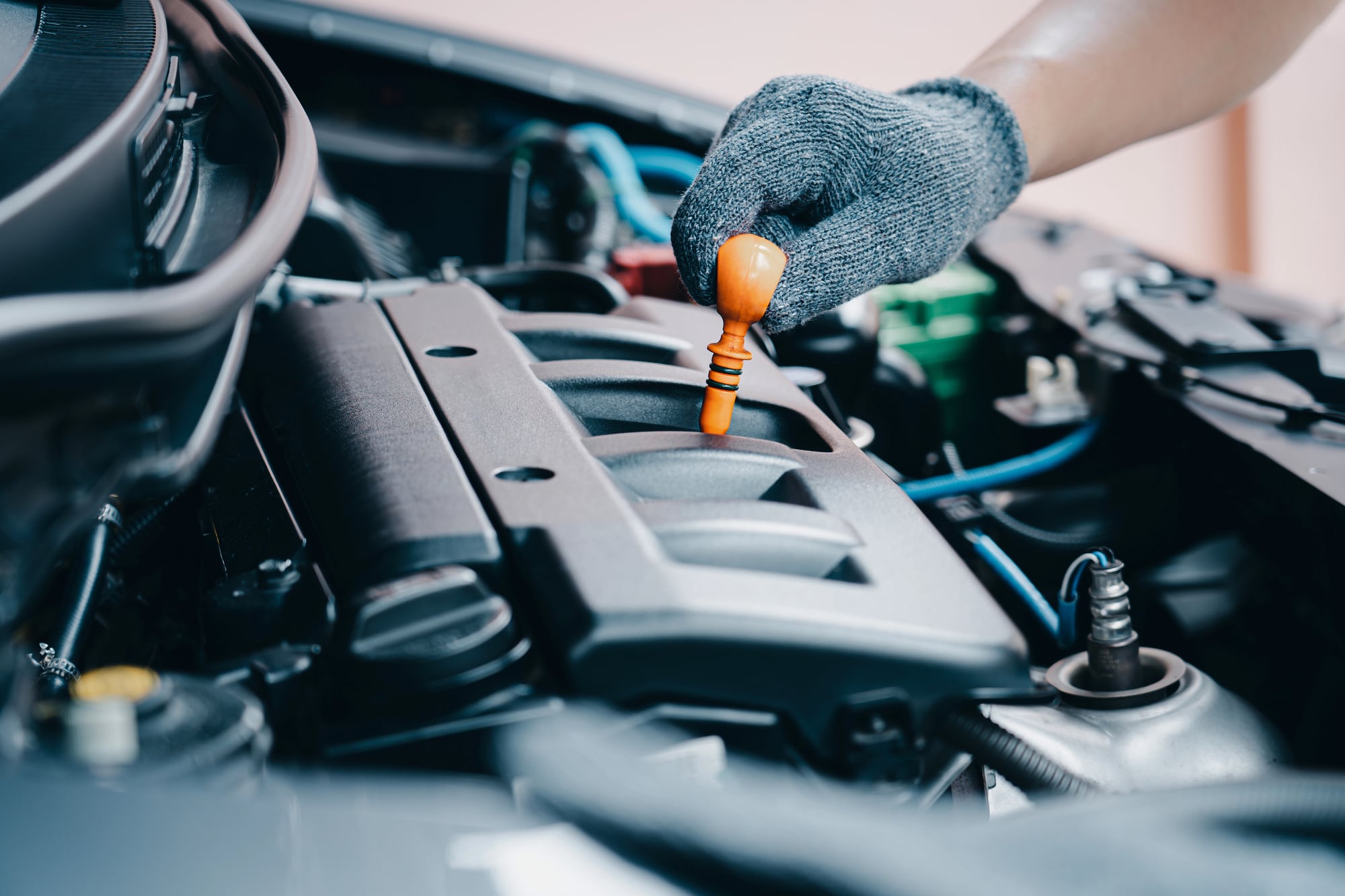
As devices become increasingly complex and repair-resistant, the ability to fix things is diminishing. Simple mechanical knowledge helps consumers make informed decisions about when to repair versus replace items.
This understanding promotes sustainability by extending product lifespans and reducing the financial and environmental costs of constant replacement.
Shorthand Writing
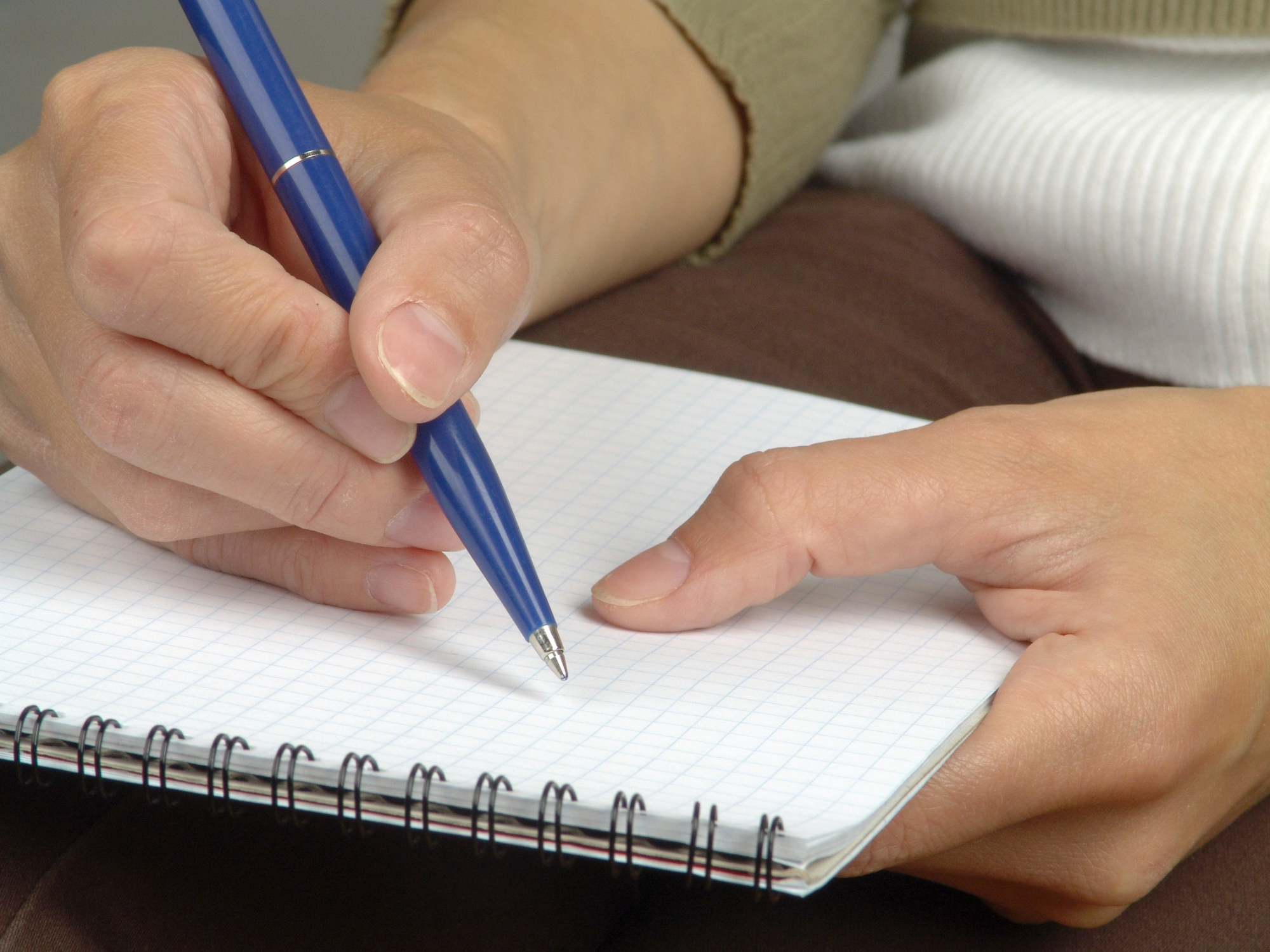
Once essential for secretaries and journalists, shorthand allowed rapid note-taking before recording devices became ubiquitous. This compressed writing system trains the brain to process and condense information efficiently, developing listening and summarization skills.
The mental processing required transforms passive listening into active engagement with spoken content.
Penmanship
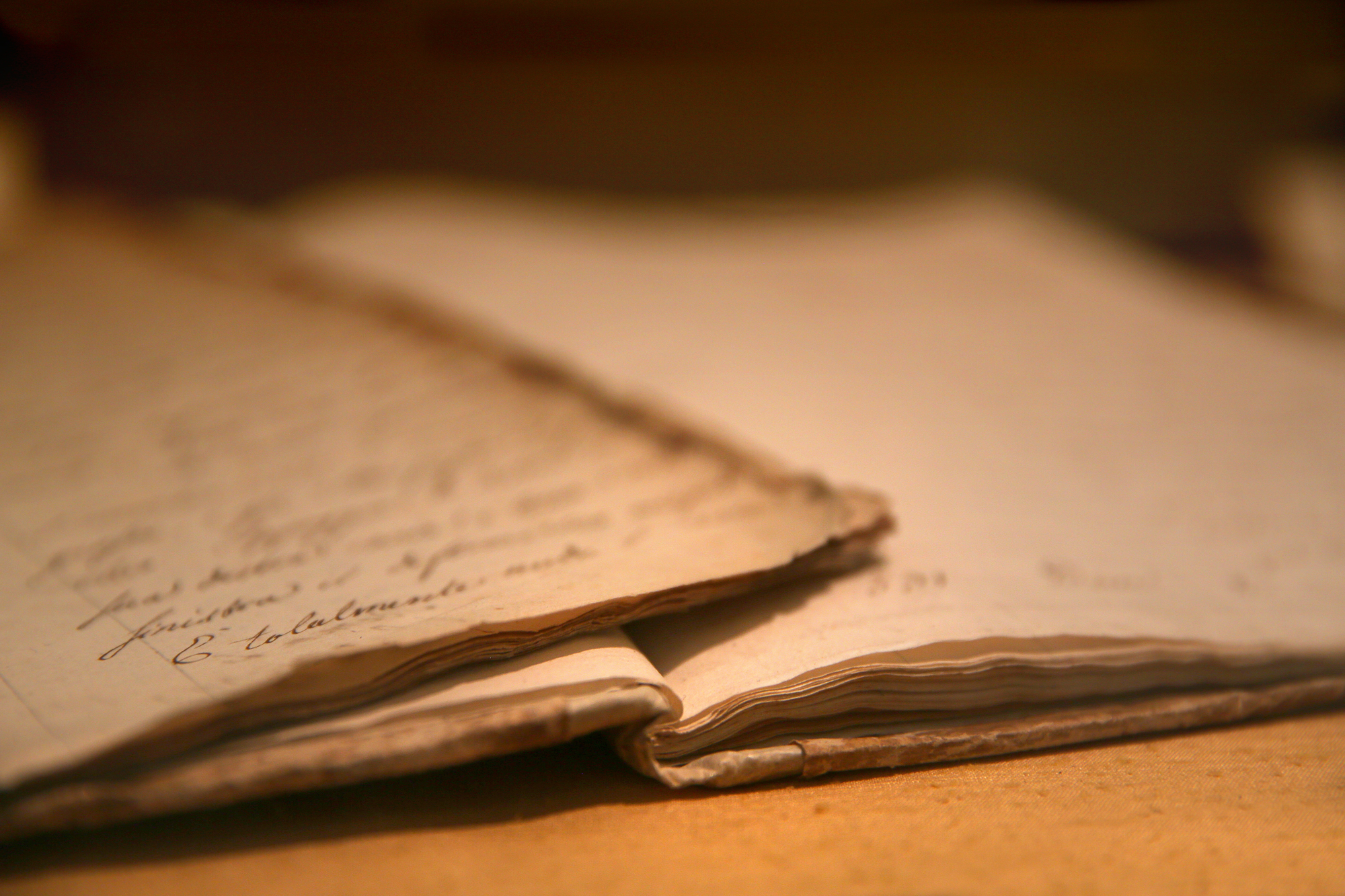
Beyond just cursive, general handwriting quality has declined with decreased practice. Clear penmanship represents attention to detail and consideration for the reader’s experience.
The fine motor control developed through handwriting practice benefits other precision tasks and contributes to cognitive development in children.
Home Cooking From Scratch

Prepared foods and meal delivery have made cooking from basic ingredients optional rather than essential. Cooking from scratch provides complete control over ingredients, supporting healthier eating and dietary customization.
The process also develops improvisation skills and ingredient knowledge that prepared foods don’t teach, while often creating stronger family connections through shared meals.
Mental Navigation

Remembering routes and building mental maps of familiar areas exercises spatial memory that GPS dependence can weaken. This environmental awareness helps people develop stronger connections to their communities and landscapes.
Mental navigation also encourages exploration and discovery that turn-by-turn directions often eliminate from travel experiences.
Face-to-Face Conversation

Even though many in-person meetings are being replaced by digital communication, being physically there enhances nonverbal communication skills that internet interactions cannot match. The ability to read body language, facial expressions, and conversational tones fosters the emotional intelligence required for more intimate relationships.
Additionally, the unedited nature of live discussion encourages resilience and adaptation that are lacking in well-designed digital communications.
Critical Information Evaluation

Before internet search engines, finding information required evaluating source credibility and synthesizing from multiple references. This thoughtful information processing becomes increasingly important in an era of abundant but questionable information sources.
The mental habit of questioning and verifying develops intellectual independence rather than passive consumption of whatever appears first in search results.
The Enduring Value of Ancient Knowledge

These diminishing skills represent more than just nostalgic curiosities – they embody forms of resilience, independence, and connection that modern conveniences sometimes inadvertently reduce. By maintaining even a few of these abilities, we preserve not only practical knowledge but also cognitive and social benefits that technological substitutes don’t always provide.
Perhaps the most valuable approach is finding the balance between embracing progress while selectively preserving skills that enrich our lives beyond mere convenience.
More from Go2Tutors!

- The Romanov Crown Jewels and Their Tragic Fate
- 13 Historical Mysteries That Science Still Can’t Solve
- Famous Hoaxes That Fooled the World for Years
- 15 Child Stars with Tragic Adult Lives
- 16 Famous Jewelry Pieces in History
Like Go2Tutors’s content? Follow us on MSN.



