16 Deserts With Underground Water Systems
Most folks picture deserts as completely waterless wastelands where nothing can survive for long. Yet beneath the scorching sand and rocky surfaces of many desert regions lie vast underground water reserves that have sustained life for thousands of years. These hidden aquifers and underground rivers create unexpected oases and support entire ecosystems in some of the world’s most arid locations.
From ancient fossil water trapped millions of years ago to modern underground streams flowing beneath seemingly barren landscapes, these water systems tell fascinating stories of geological history and human adaptation. Here is a list of 17 deserts where substantial underground water networks exist beneath the surface.
Sahara Desert
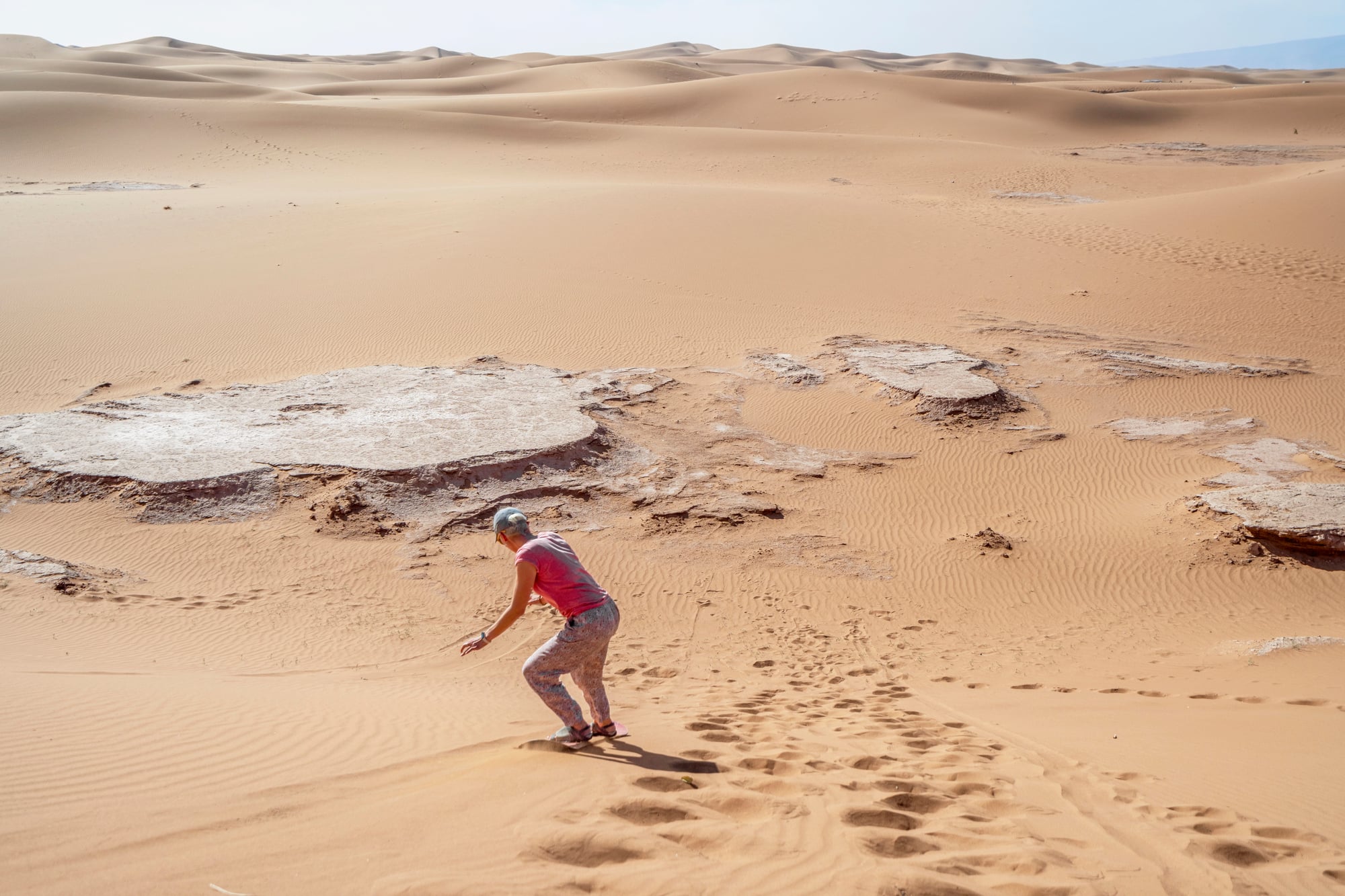
The Sahara contains one of the world’s largest underground water reserves — the Nubian Sandstone Aquifer System. This massive aquifer stretches across parts of Chad, Egypt, Libya, and Sudan, holding an estimated 150,000 cubic kilometers of fossil water.
Some of this water has been trapped underground for over 40,000 years, predating the last ice age. Libya has tapped into this resource through the Great Man-Made River project, which transports water hundreds of miles to coastal cities through an elaborate pipeline system.
Kalahari Desert
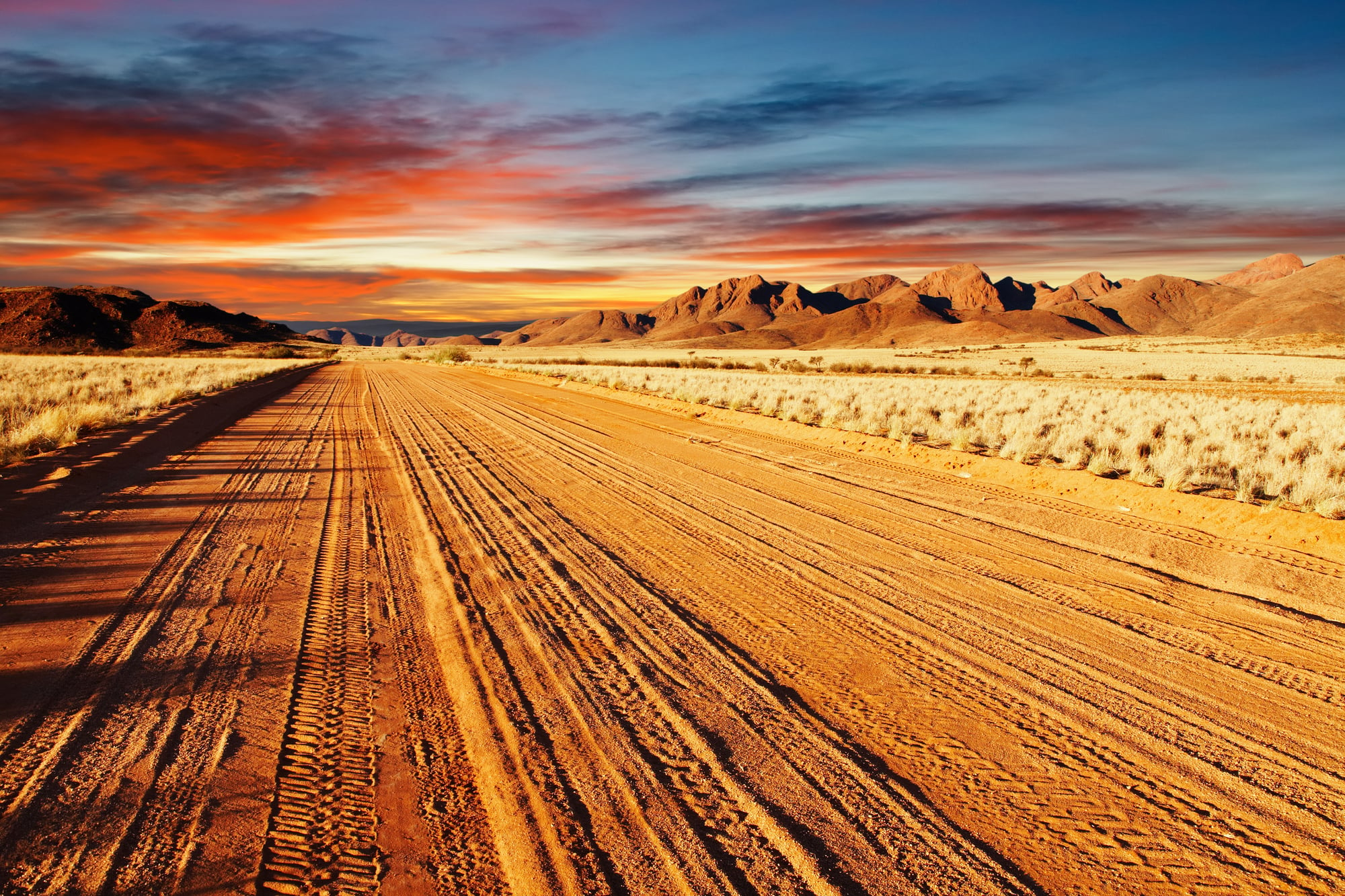
Beneath the Kalahari’s red sands flows the Stampriet Artesian Basin, a crucial water source for Botswana and Namibia. This underground system covers approximately 65,000 square kilometers and provides water to communities that would otherwise struggle to survive in this harsh environment.
The aquifer receives recharge from rainfall in the highlands of central Namibia — then flows eastward through porous rock formations. Traditional San people have known about underground water sources here for generations, using specific vegetation patterns to locate drilling sites.
Atacama Desert
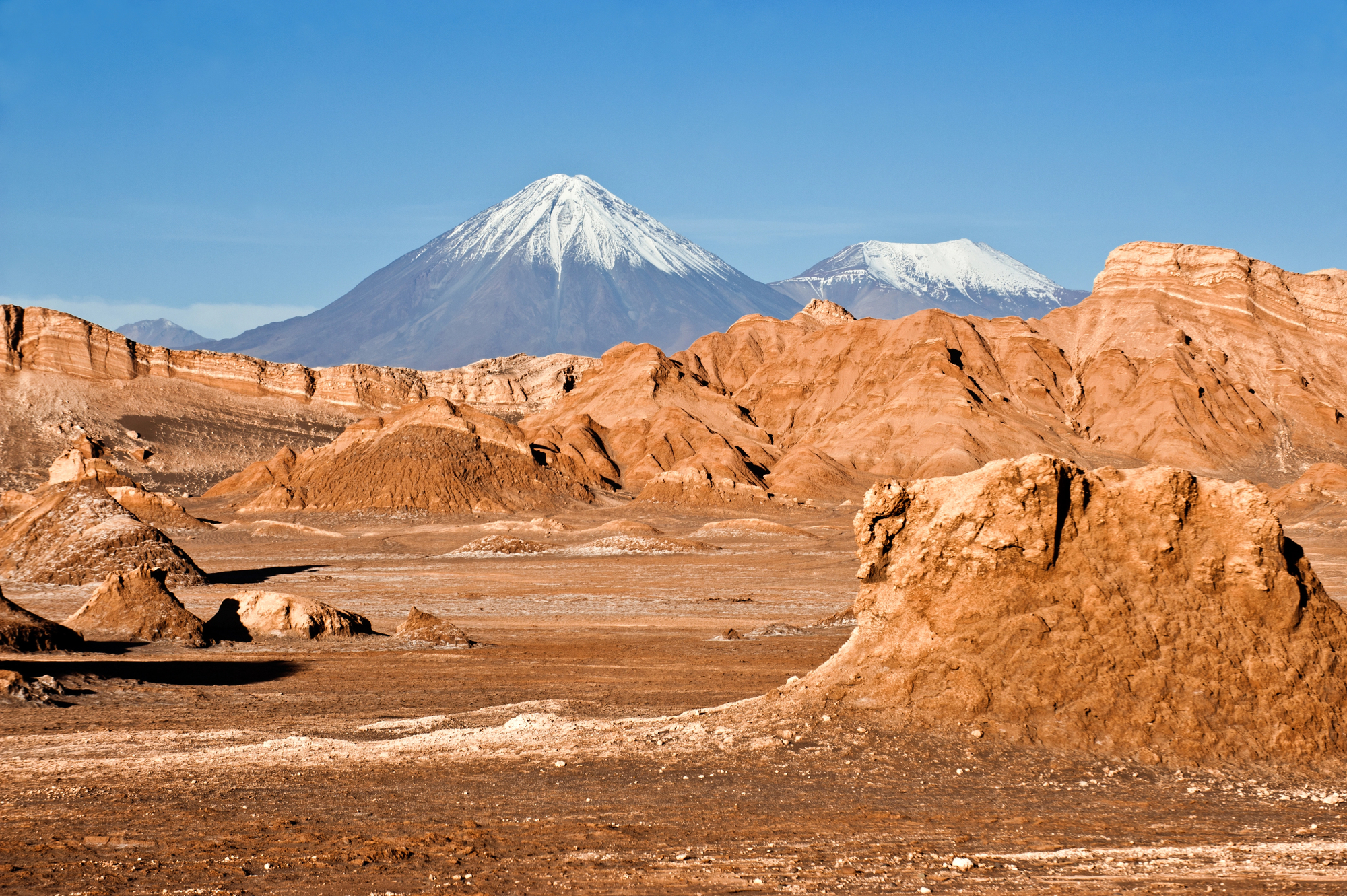
Despite being the world’s driest non-polar desert, the Atacama harbors significant underground water resources along its eastern margins. The Salar de Atacama sits atop a complex aquifer system that supports unique ecosystems and important lithium extraction operations.
These underground waters originate from Andean snowmelt and precipitation — traveling through fractured volcanic rocks before reaching the desert floor. Some areas contain brackish water that sustains flamingo populations and other wildlife in an otherwise seemingly lifeless landscape.
Arabian Desert
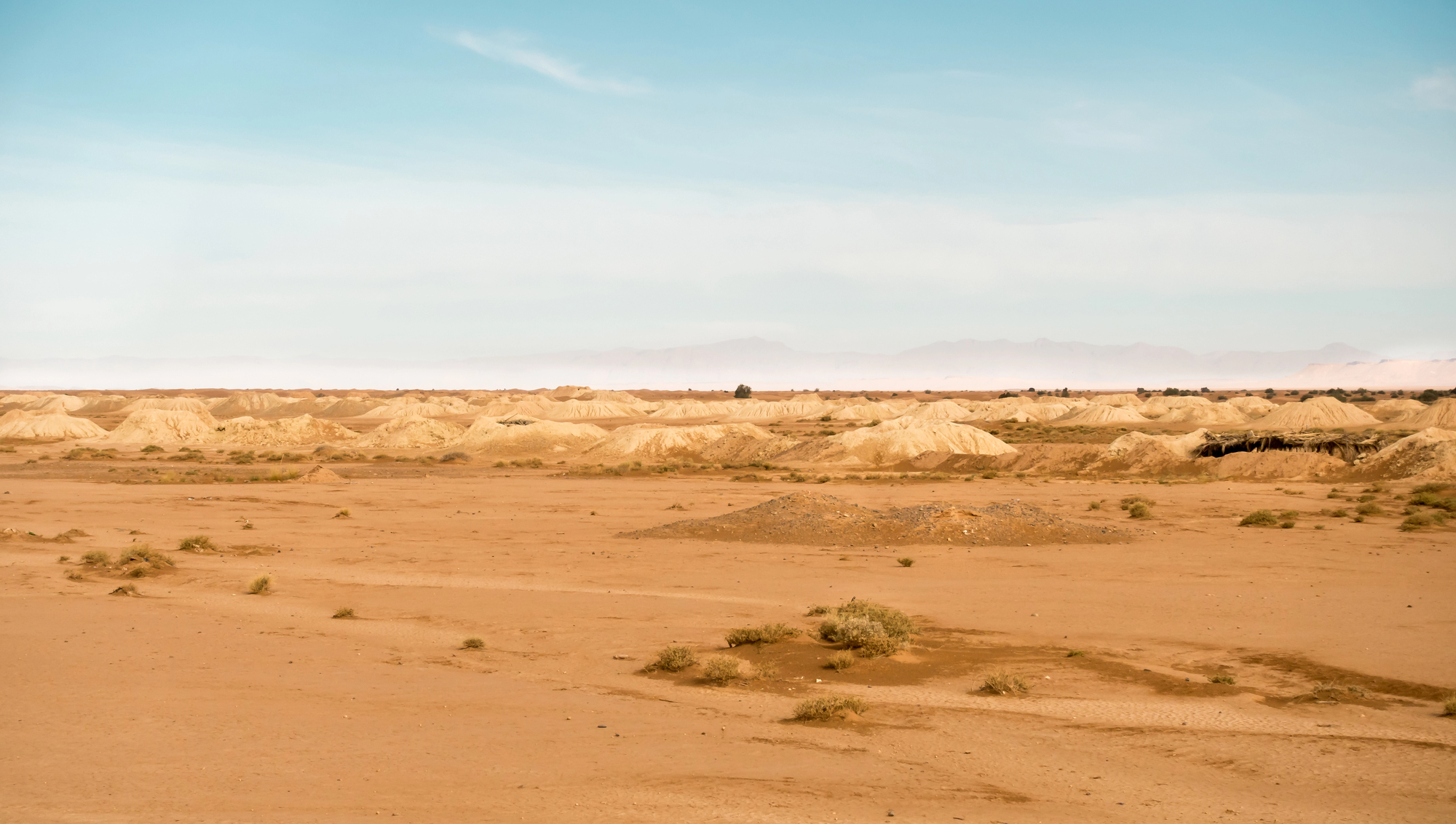
The Arabian Peninsula contains several major aquifer systems, including the Saq Aquifer and the Umm er Radhuma formation. These underground reservoirs hold both renewable and non-renewable water resources that have supported human civilization for millennia.
Saudi Arabia has extensively developed these aquifers through deep well drilling, though extraction rates now far exceed natural recharge in many areas. The discovery of these water sources transformed agriculture in the region — enabling large-scale irrigation projects in the 1980s and 1990s.
Gobi Desert
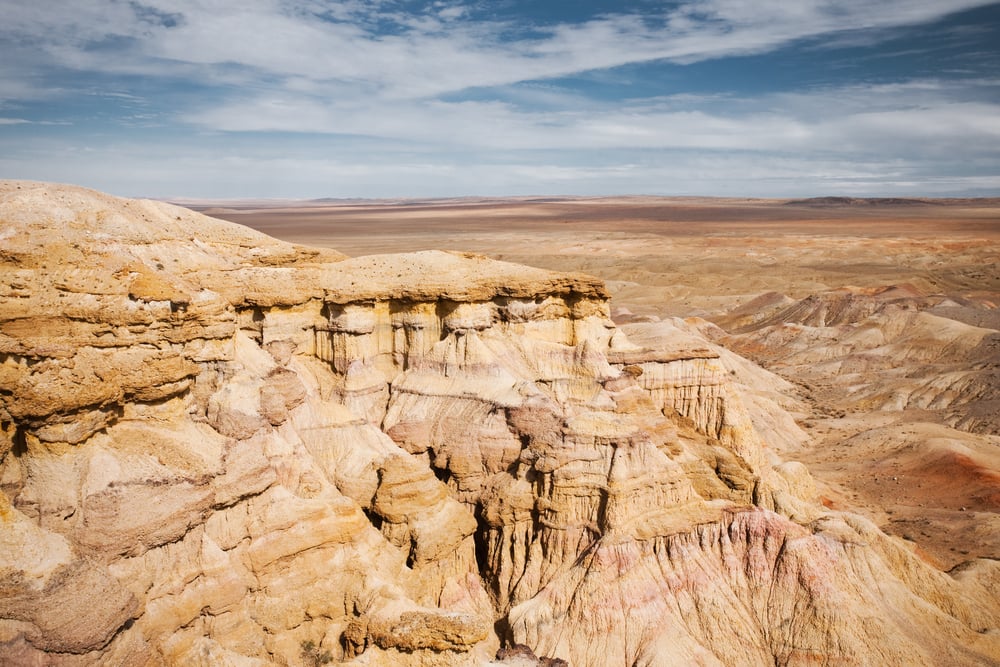
Groundwater resources in the Gobi exist primarily in fractured bedrock and alluvial deposits near mountain ranges. These aquifers support scattered oasis communities and provide water for livestock herding across Mongolia and northern China.
The underground systems receive recharge from seasonal snowmelt in the Altai and Khangai mountains — though climate change is affecting these sources. Traditional Mongolian herders have long understood the locations of underground springs, using them as crucial waypoints during long migrations across the desert.
Great Basin Desert
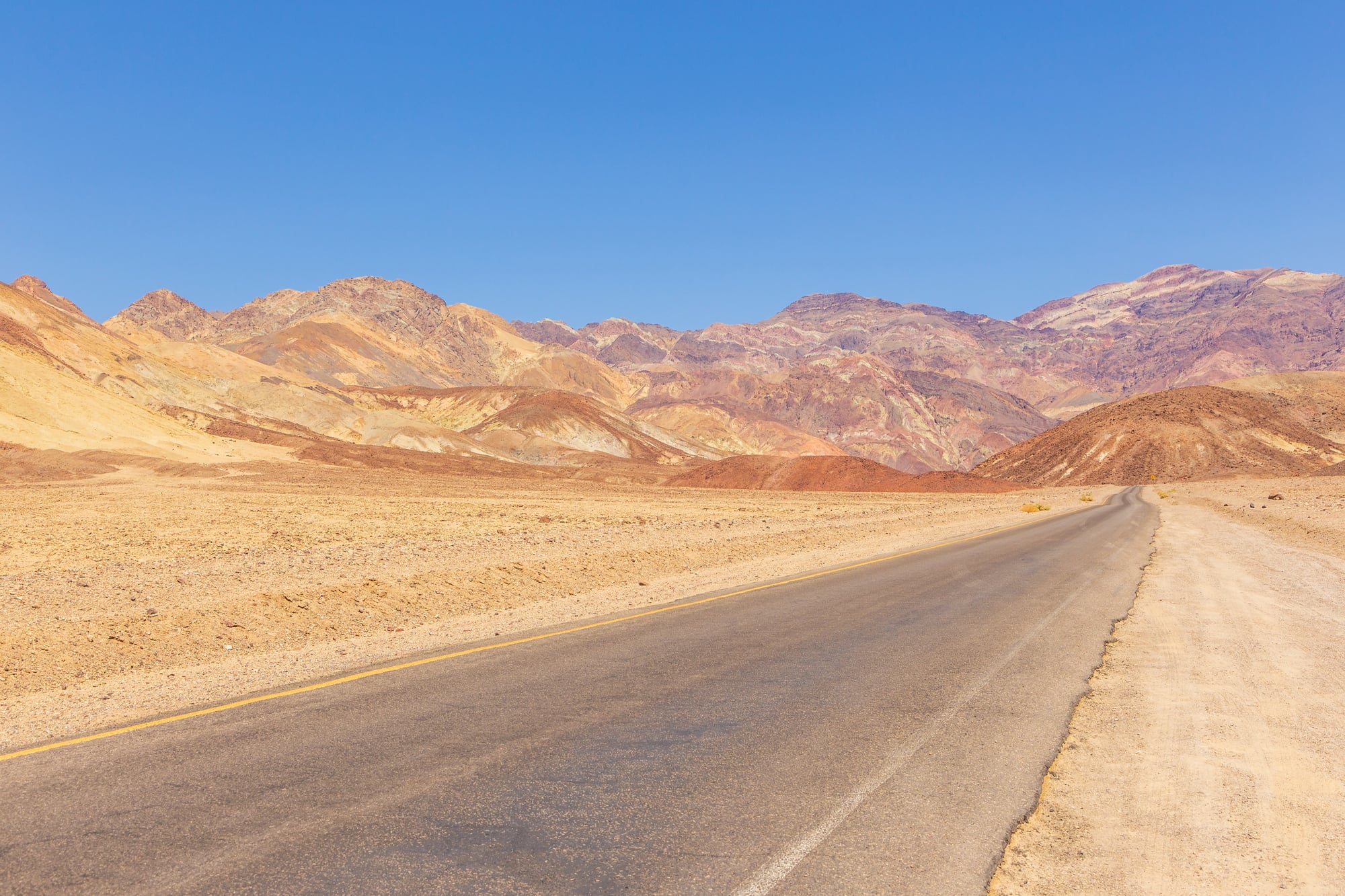
The Great Basin contains numerous underground water systems, with the Snake River Plain Aquifer being among the most significant. This massive groundwater reserve underlies much of southern Idaho and provides water for agriculture and urban development.
The aquifer receives recharge from the Snake River and mountain precipitation — then flows through volcanic rock formations that create excellent water storage conditions. Springs emerging from this underground system support unique desert wetland ecosystems that serve as critical habitat for migratory birds.
Sonoran Desert
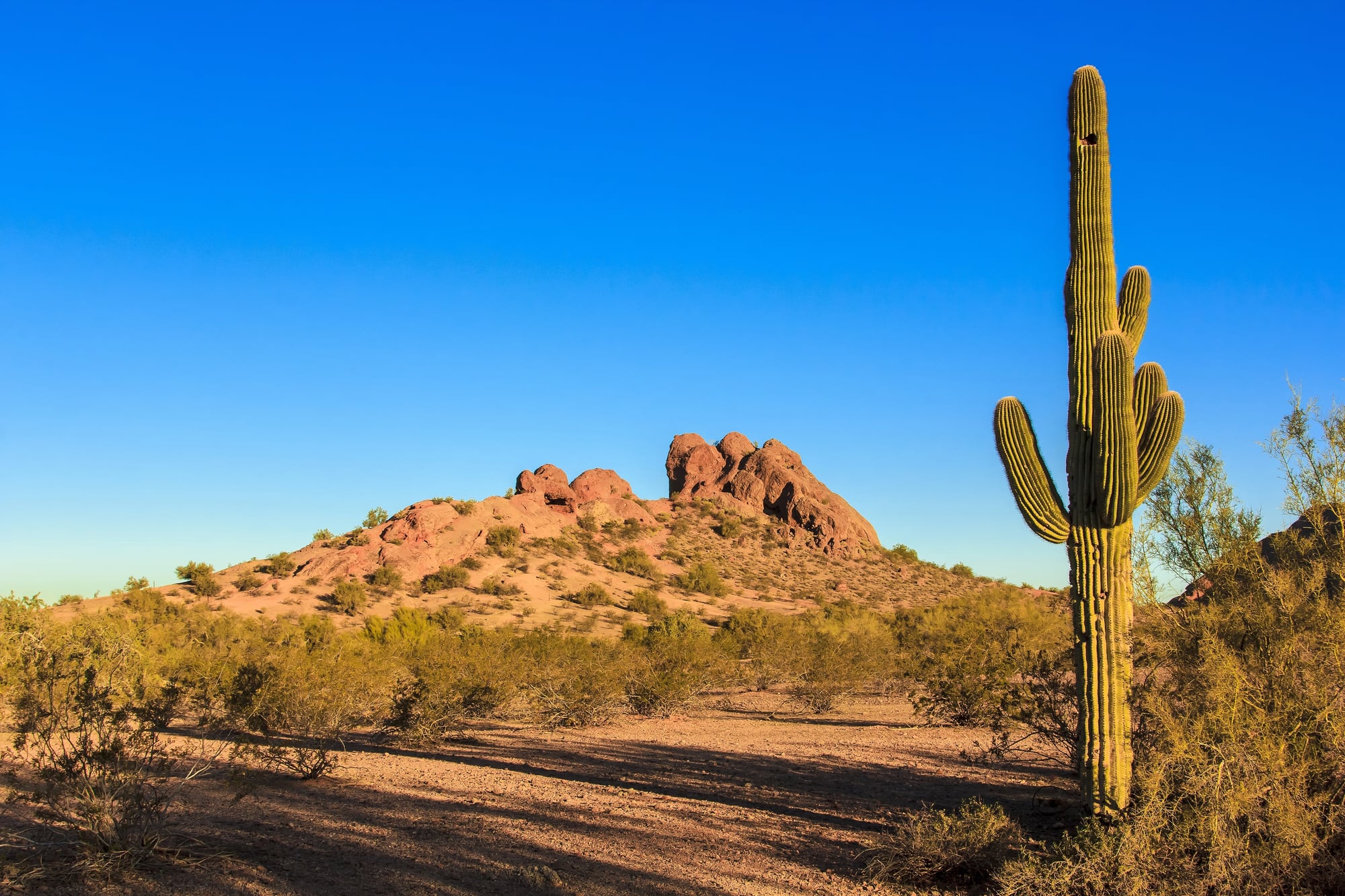
Extensive alluvial aquifers underlie the Sonoran Desert, particularly in areas where mountain ranges meet valley floors. These underground water sources support major cities like Phoenix and Tucson, as well as diverse desert vegetation communities.
The Central Arizona Project supplements these local groundwater resources by bringing Colorado River water hundreds of miles inland through an elaborate canal system. Native plants like mesquite and palo verde trees have deep root systems specifically adapted to tap into these underground water sources.
Chihuahuan Desert
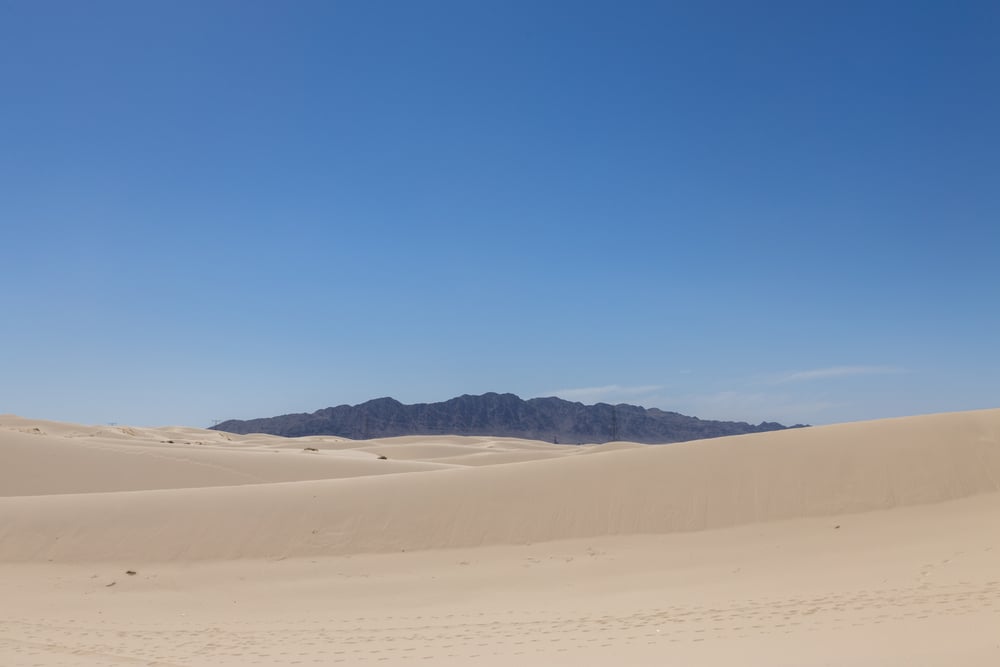
The Chihuahuan Desert sits atop several important aquifer systems, including parts of the Ogallala Aquifer in its northern reaches. These underground water resources support agriculture in both Mexico and the southwestern United States — though overuse has led to significant water table declines in some areas.
The Bolsón de Mapimí contains particularly notable groundwater resources that have enabled human settlement in otherwise uninhabitable regions. Ancient underground rivers carved through limestone formations create complex cave systems that store and transport water across vast distances.
Thar Desert
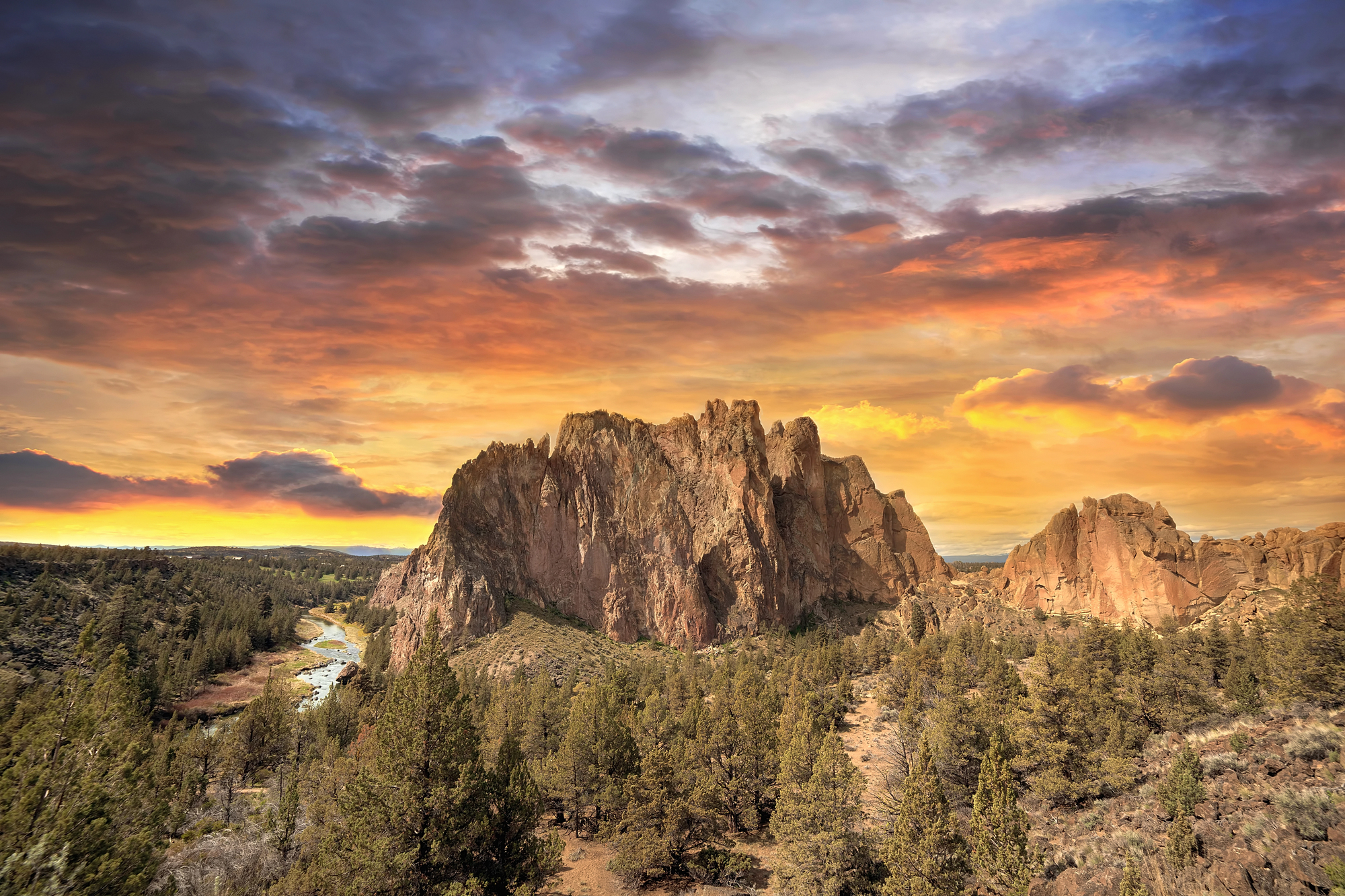
The Thar Desert of India and Pakistan contains scattered aquifers that provide crucial water supplies for rural communities. These underground systems often occur in fractured sandstone formations — supporting traditional stepwell construction and modern tube well drilling.
The Indus River basin contributes to groundwater recharge in some areas, while fossil water trapped in deeper formations provides backup resources during extended droughts. Local communities have developed sophisticated water harvesting techniques that maximize the utility of these limited underground resources.
Mojave Desert
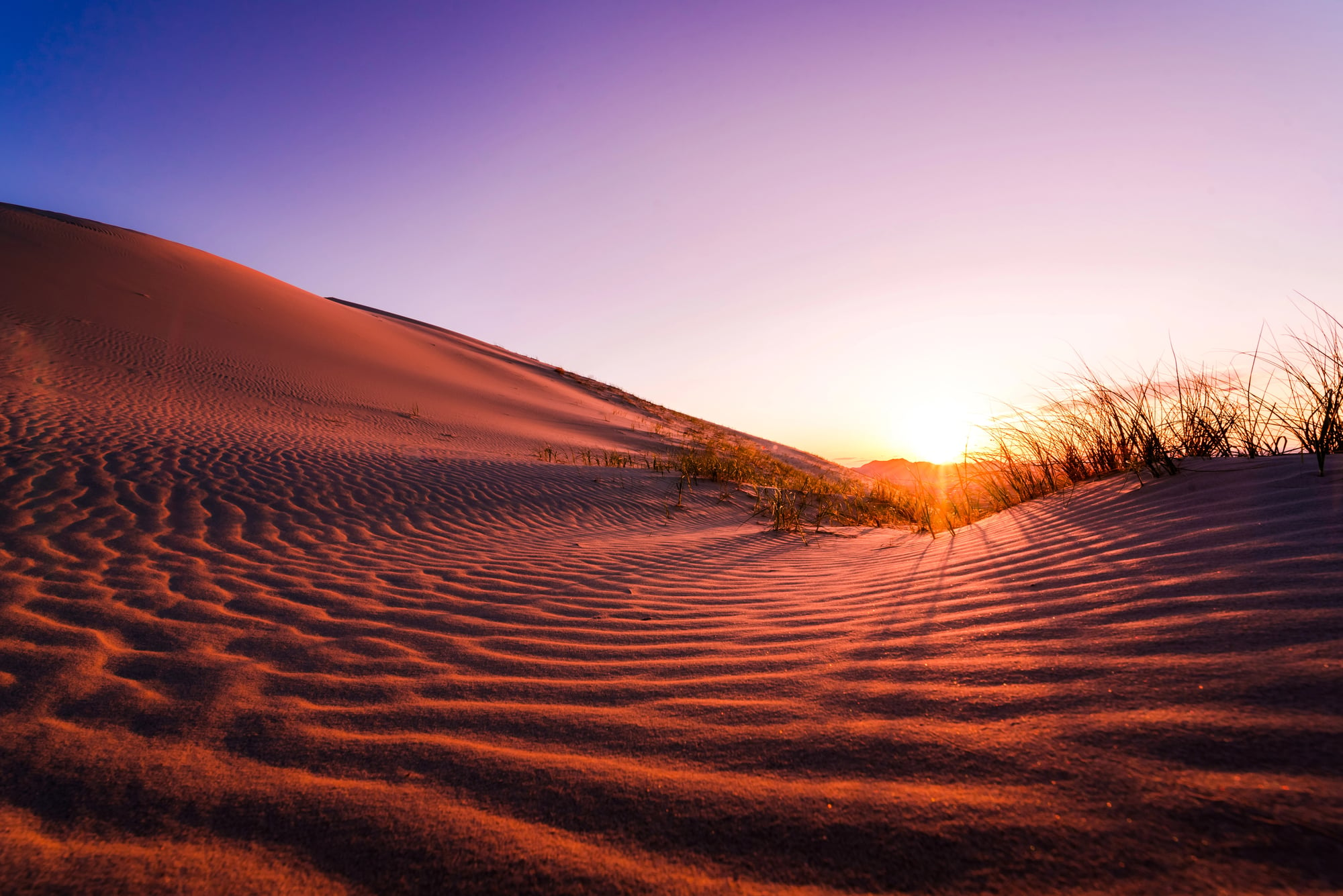
Groundwater basins throughout the Mojave Desert support both natural ecosystems and human development across California and Nevada. The Antelope Valley groundwater basin exemplifies how underground water systems can sustain agriculture and urban growth in arid environments — though overuse has caused significant subsidence in some areas.
Springs emerging from underground sources create rare desert wetlands that support endangered species like the Mojave tui chub. The underground water often travels long distances through fractured rock before emerging at lower elevations.
Patagonian Desert
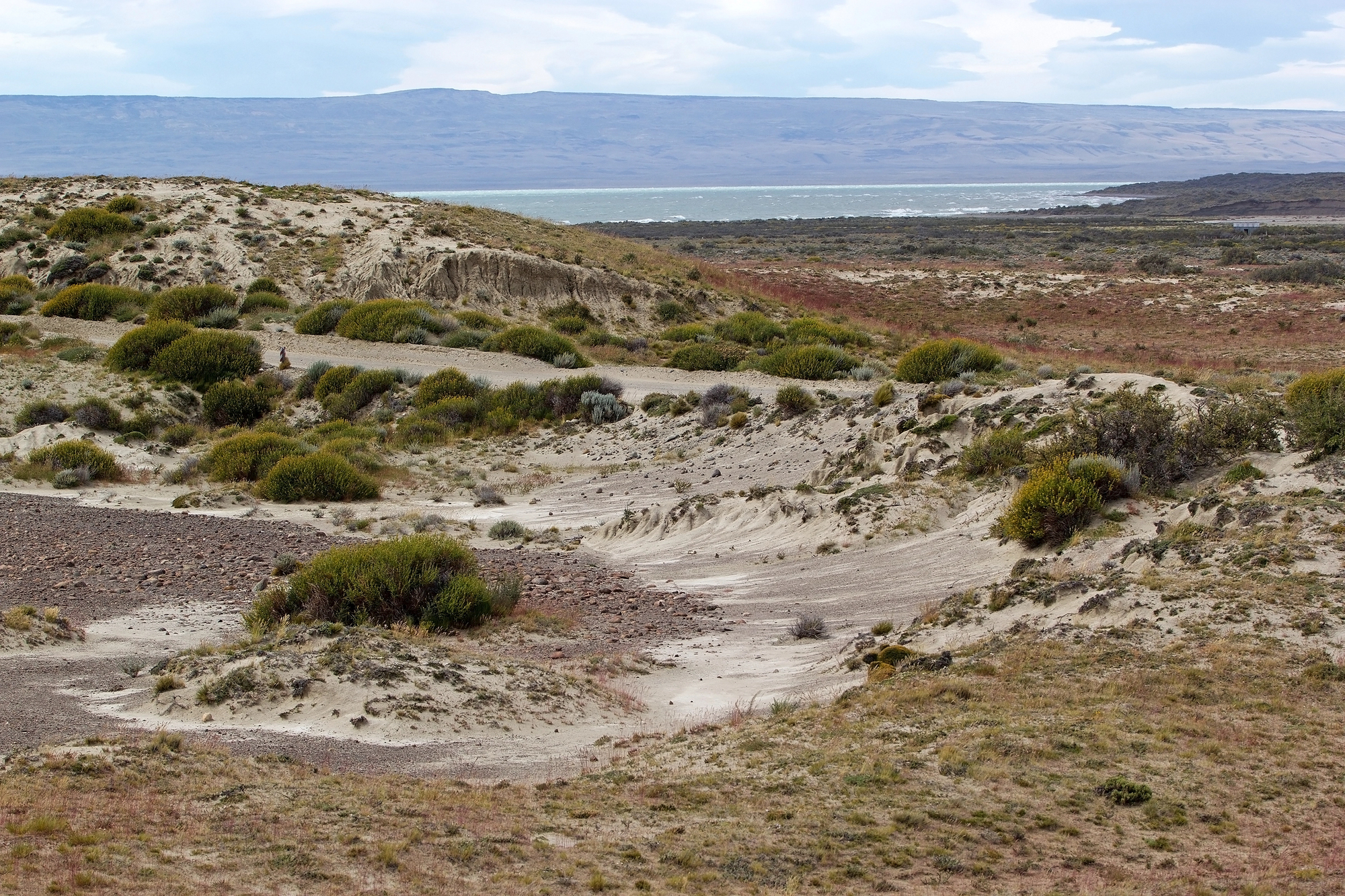
Groundwater resources in Patagonia occur mainly in valley aquifers fed by Andean snowmelt and glacial melt. These underground systems support sheep ranching and small communities throughout Argentina’s arid regions.
The Neuquén Basin contains particularly significant groundwater reserves that also serve the region’s growing oil and gas industry. Wind-driven irrigation systems tap into shallow aquifers to support agricultural development in areas where surface water is scarce.
Namib Desert
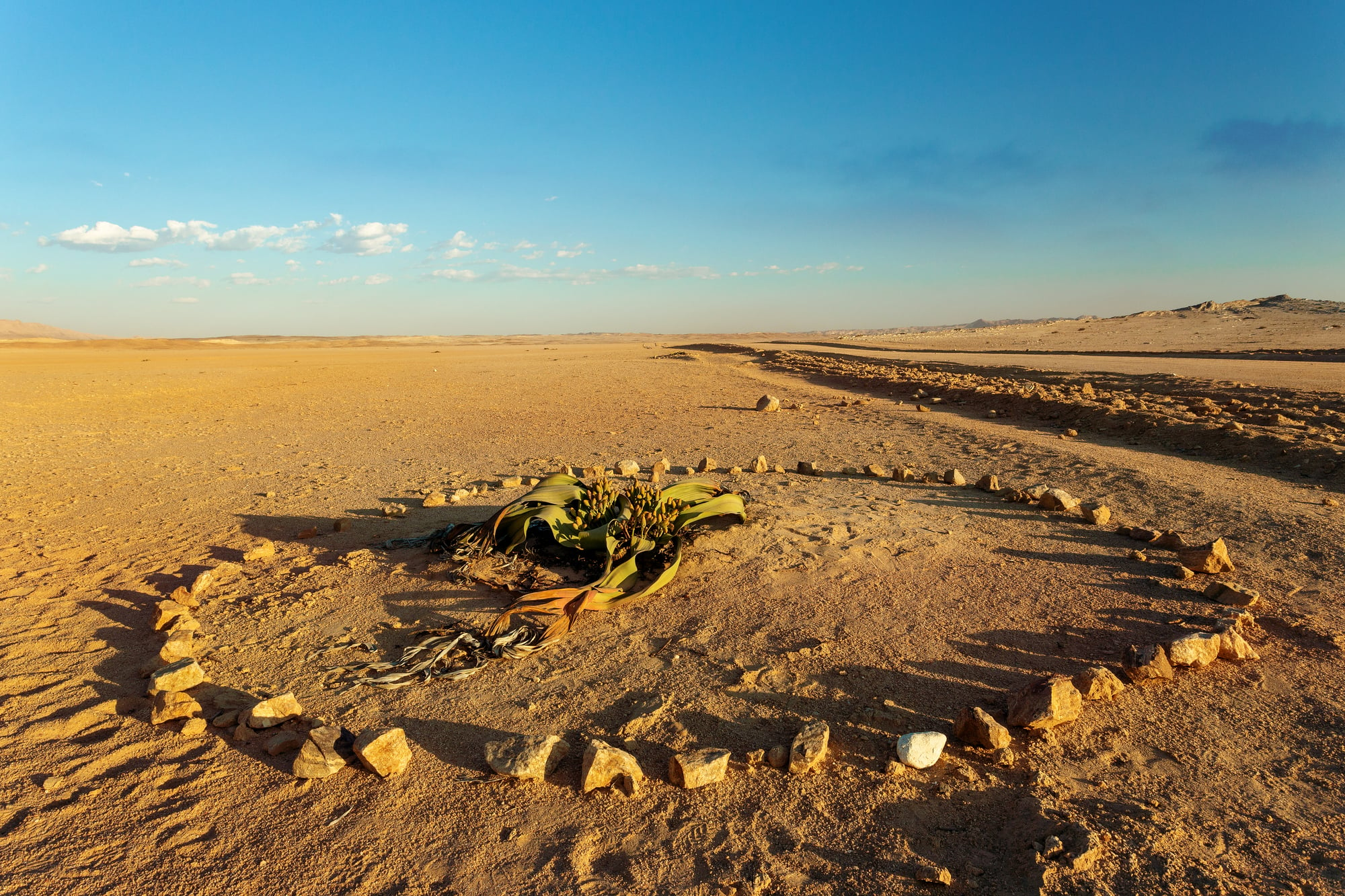
Despite its extreme aridity, the Namib Desert contains groundwater resources along its inland margins and in buried river channels. These underground water sources support unique plant communities and provide water for diamond mining operations.
The ephemeral rivers that occasionally flow through the desert recharge underground aquifers — creating hidden water reserves that sustain life during extended dry periods. Fog harvesting supplements these underground resources in coastal areas where Atlantic moisture condenses on specialized surfaces.
Turkestan Desert
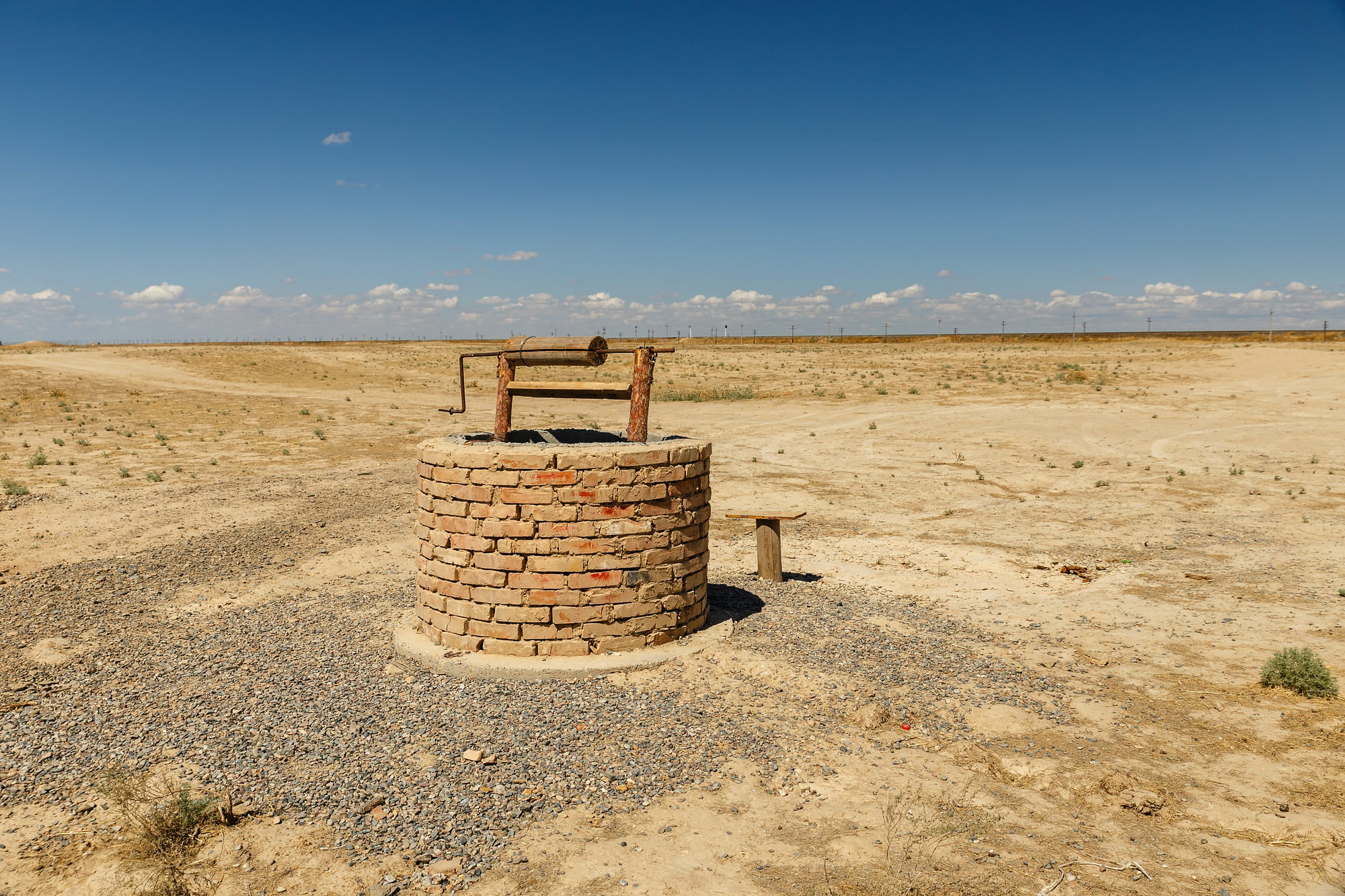
The Turkestan Desert region contains important aquifer systems that support agriculture and urban development in Central Asia. These underground water resources originate from mountain snowmelt in the Pamir and Tian Shan ranges — flowing through alluvial deposits before reaching the desert floor.
The Amu Darya and Syr Darya river systems contribute to groundwater recharge, though extensive irrigation has affected water table levels. Traditional qanat systems demonstrate how ancient civilizations accessed and managed these underground water resources.
Gibson Desert
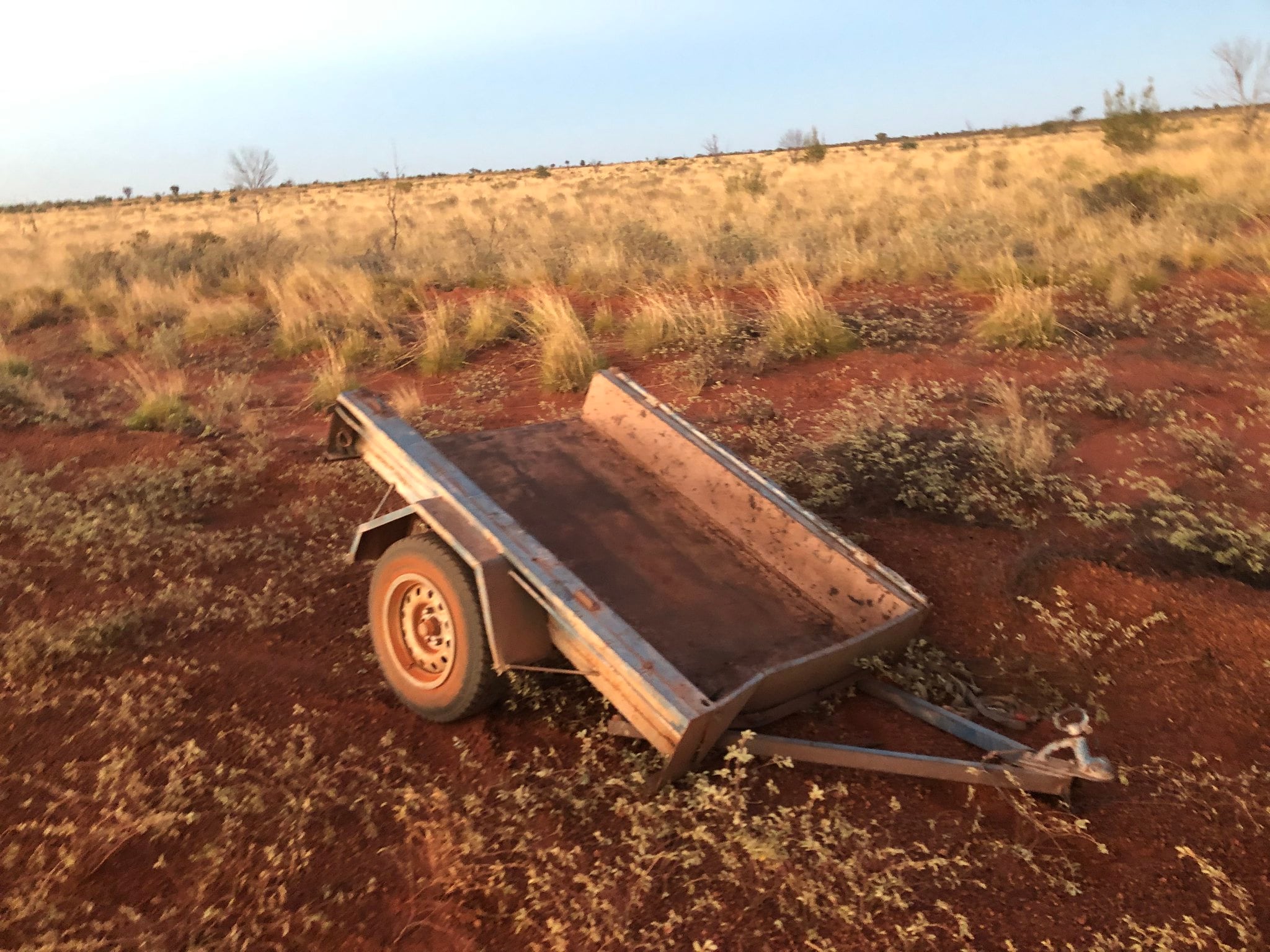
Western Australia’s Gibson Desert contains scattered groundwater resources in fractured rock aquifers and calcrete formations. These underground systems provide water for mining operations and support limited pastoral activities across the region.
The Great Western Woodlands receive some groundwater discharge that supports unique eucalyptus communities in otherwise arid environments. Aboriginal communities developed detailed knowledge of underground water sources — using rock formations and vegetation patterns to locate reliable drilling sites.
Dasht-e Kavir
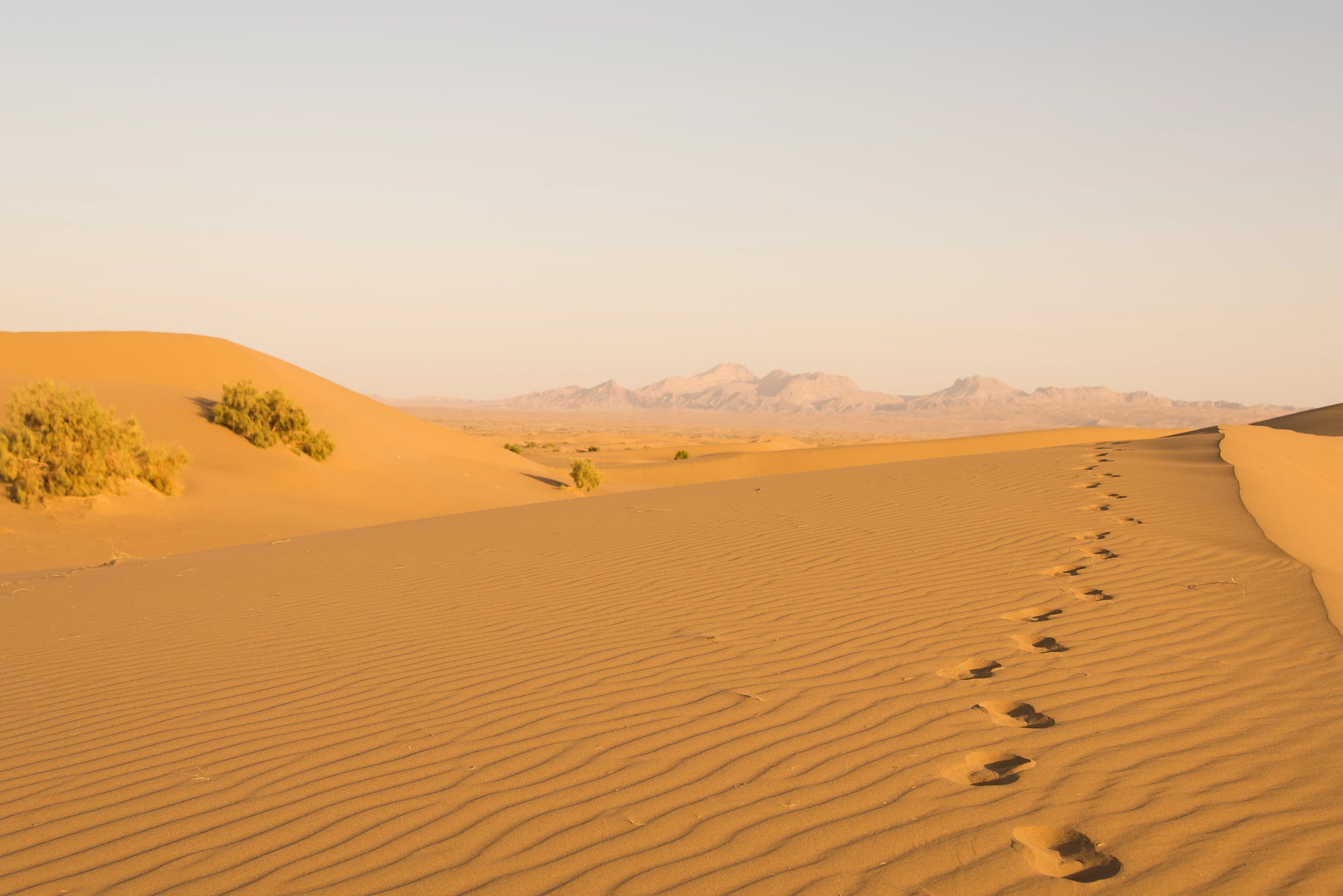
Iran’s Great Salt Desert contains groundwater resources despite its extreme salinity and aridity. These underground systems exist primarily in alluvial fans at the base of surrounding mountain ranges — providing water for oasis communities and agricultural development.
Ancient qanat systems tap into these aquifers through carefully engineered underground channels that transport water across vast distances. The underground water often contains high mineral content due to the desert’s salt deposits and evaporite formations.
Simpson Desert
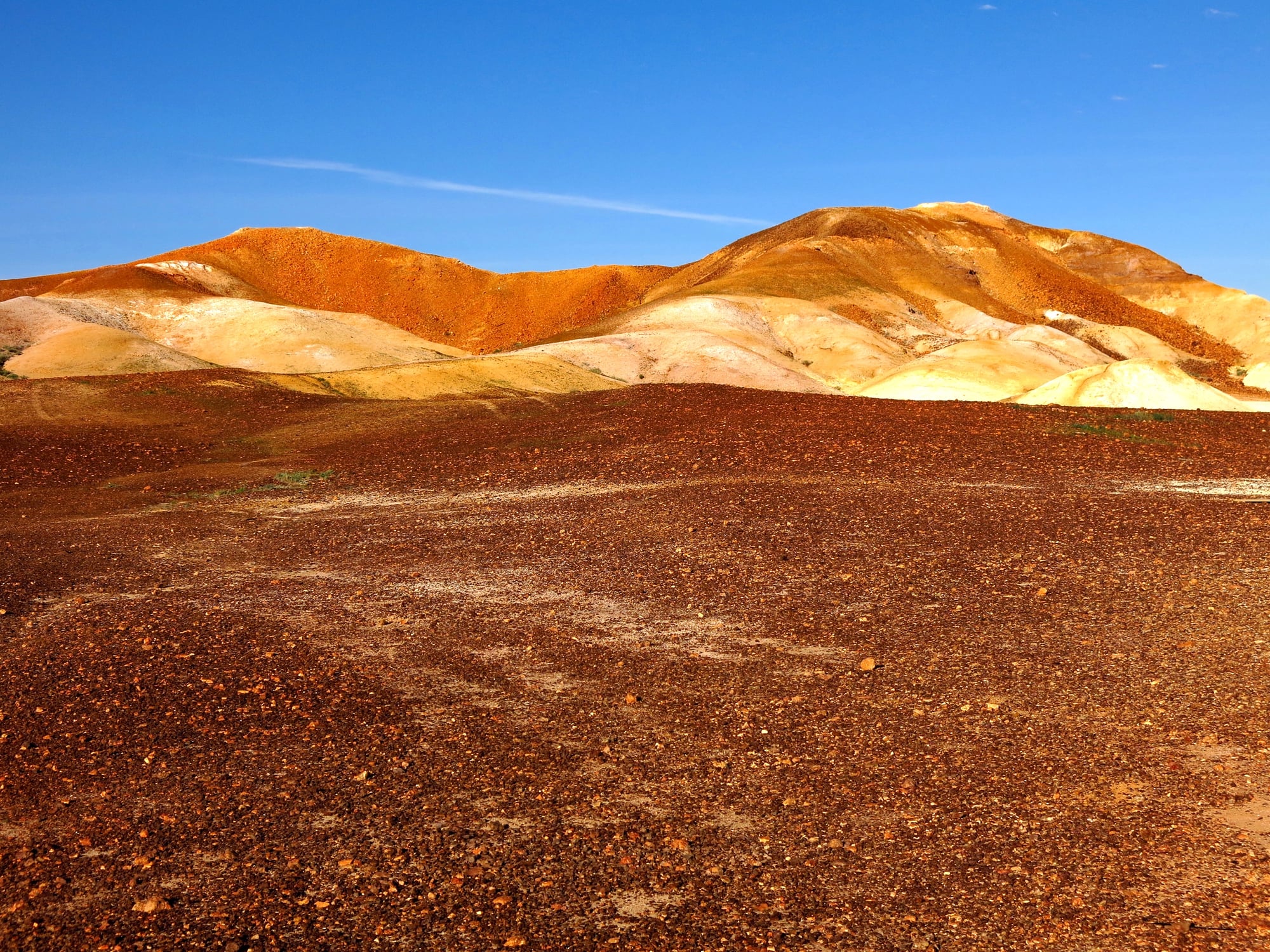
The Simpson Desert in central Australia contains groundwater resources in the Great Artesian Basin, one of the world’s largest underground water systems. These deep aquifers hold fossil water that has been trapped underground for millions of years — providing water for cattle stations and mining operations.
Artesian springs emerge naturally in some areas, creating rare wetland habitats that support diverse wildlife populations. The underground water travels extremely slowly through porous sandstone formations, making it essentially non-renewable on human timescales.
Hidden Rivers Beneath Endless Sands
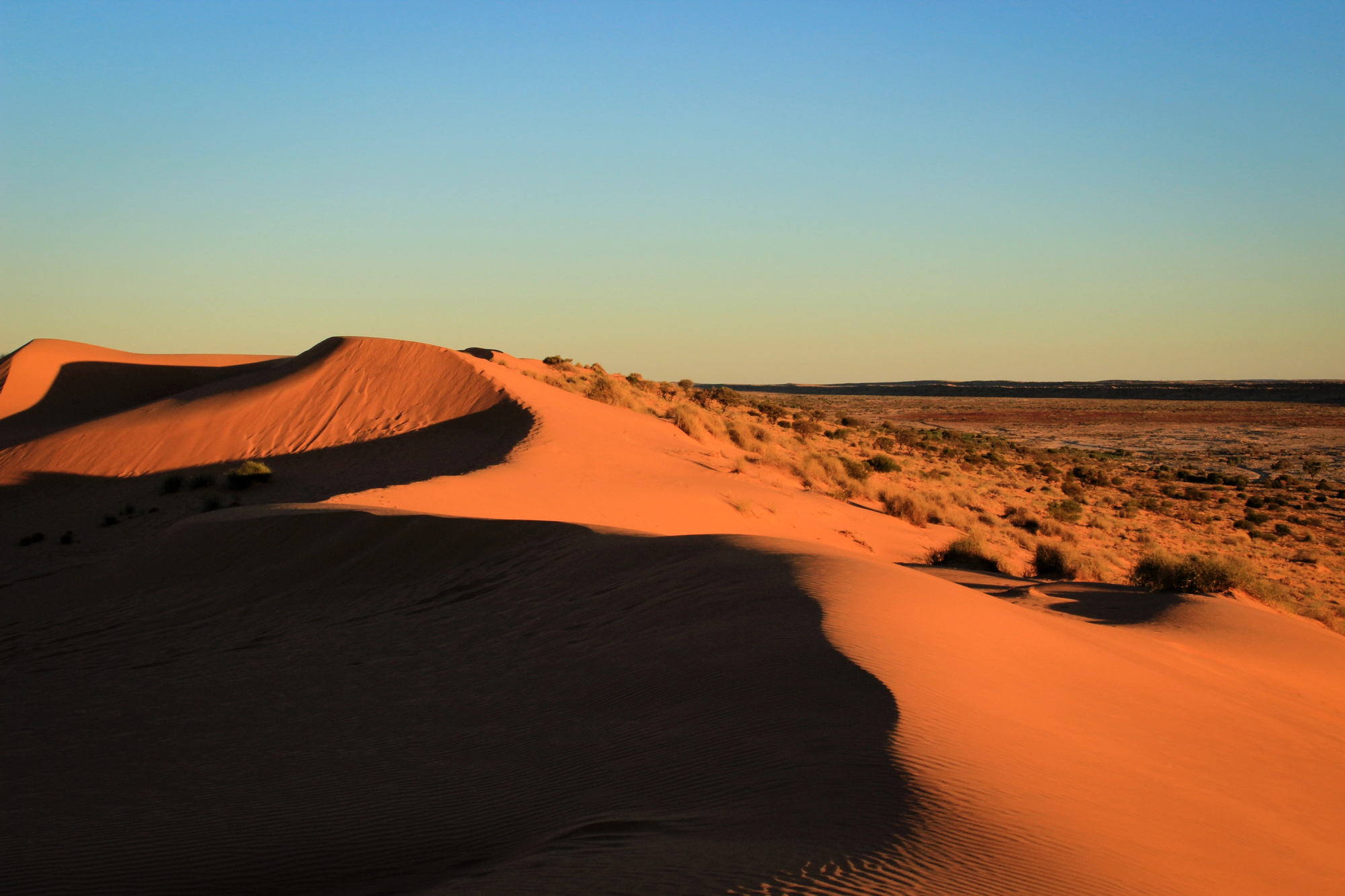
These underground water systems reveal that even the world’s most arid regions harbor life-sustaining resources beneath their harsh surfaces. Ancient civilizations built entire empires around these hidden water sources, developing ingenious technologies like qanats and stepwells that remain functional centuries later.
Modern extraction methods have unlocked vast underground reserves — yet they’ve also highlighted the finite nature of these resources and the need for careful management. Understanding these hidden aquifers becomes increasingly crucial as climate change and growing populations place greater demands on water supplies in arid regions worldwide.
More from Go2Tutors!

- The Romanov Crown Jewels and Their Tragic Fate
- 13 Historical Mysteries That Science Still Can’t Solve
- Famous Hoaxes That Fooled the World for Years
- 15 Child Stars with Tragic Adult Lives
- 16 Famous Jewelry Pieces in History
Like Go2Tutors’s content? Follow us on MSN.